Why Classic Cars Are No Longer Bought With Emotion
The classic car market is undergoing a significant transformation, influenced by various economic, social, and technological factors. Once a domain primarily for enthusiasts and co…
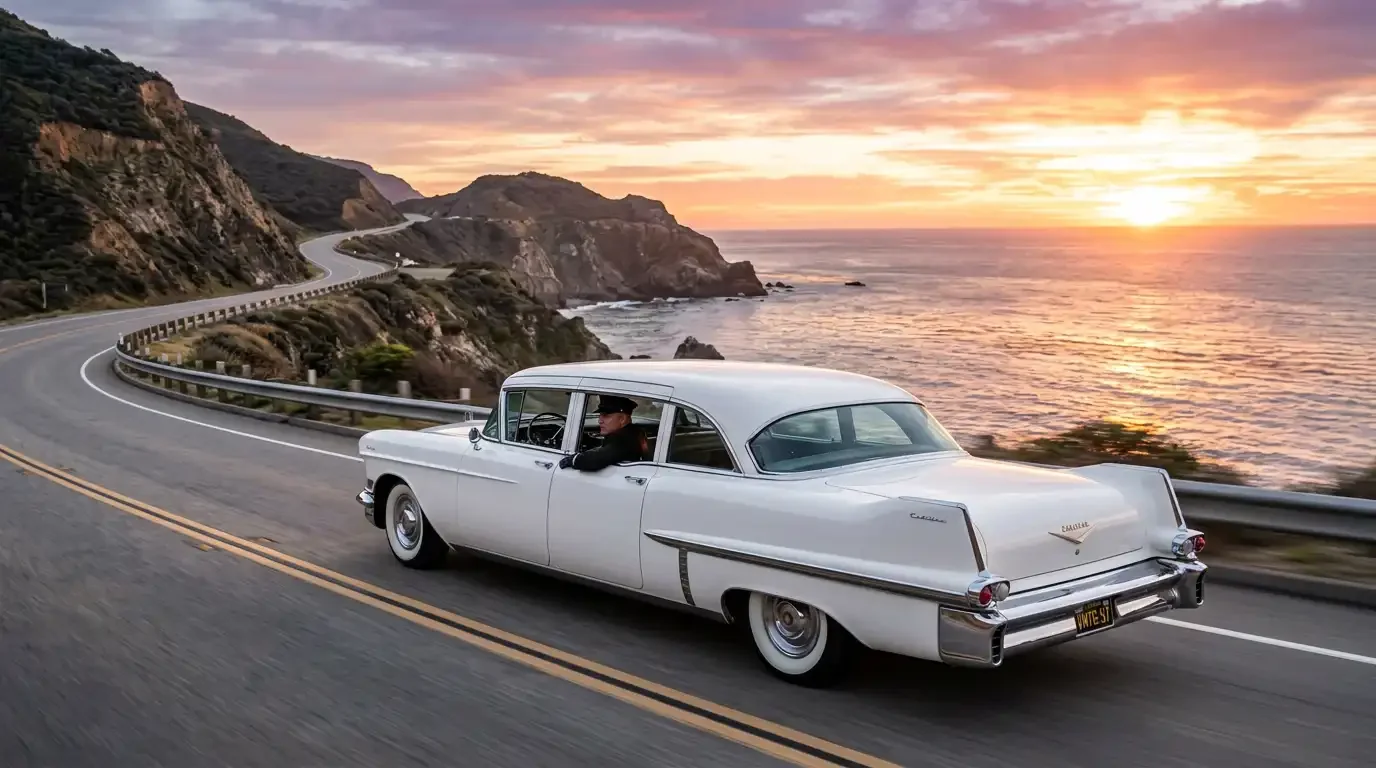
The classic car market is undergoing a significant transformation, influenced by various economic, social, and technological factors. Once a domain primarily for enthusiasts and collectors, the landscape of classic car purchases is now attracting a broader audience. This shift is not merely about nostalgia; it reflects changing values and priorities among potential buyers.
As the allure of classic cars evolves, so too does the approach to acquiring these timeless vehicles. Understanding these changes is crucial for anyone looking to navigate the current classic car market effectively. In recent years, the classic car market has seen a surge in interest, driven by rising prices and a growing appreciation for vintage automobiles.
However, this newfound popularity comes with its own set of challenges. Buyers must now contend with economic considerations, investment mentalities, and shifting demographics that influence their purchasing decisions. As we delve deeper into these factors, it becomes clear that the classic car market is not just about owning a piece of history; it’s also about making informed choices in a rapidly changing environment.
Key Takeaways
- Classic car purchases are increasingly influenced by economic factors like rising prices and scarcity.
- Many buyers now view classic cars primarily as investment assets rather than nostalgic items.
- The market sees more speculation and flipping, with competition to acquire rare models intensifying.
- New generations prioritize modern comforts, efficiency, and environmental concerns over traditional luxury.
- The definition of luxury and status is evolving, impacting the future dynamics of classic car ownership.
Economic Considerations: Rising Prices and Limited Availability
The classic car market has experienced a notable increase in prices over the past decade. This rise can be attributed to several factors, including limited availability and heightened demand. As more people become interested in classic cars, the supply of desirable models diminishes, leading to competitive bidding and inflated prices.
This trend has made it increasingly challenging for new buyers to enter the market without significant financial investment. Moreover, economic fluctuations can impact the classic car market significantly. For instance, during periods of economic growth, disposable income rises, allowing more individuals to invest in luxury items like classic cars.
Conversely, during economic downturns, potential buyers may hesitate to make such purchases, leading to a temporary slowdown in sales. Understanding these economic dynamics is essential for anyone considering investing in a classic vehicle.
Investment Mentality: Viewing Classic Cars as Financial Assets
In today’s market, many buyers view classic cars not just as nostalgic treasures but as viable financial assets. This investment mentality has transformed the way people approach purchasing these vehicles. Buyers are increasingly looking for models that promise appreciation over time, making them more akin to stocks or real estate than mere collectibles.
This shift has led to a more analytical approach to buying classic cars, with potential owners conducting thorough research on market trends and valuations. Investing in classic cars can yield significant returns if done wisely. Certain models have appreciated dramatically over the years, making them attractive options for investors seeking alternative assets.
However, this perspective also introduces risks; not all classic cars will appreciate in value, and market fluctuations can lead to unexpected losses. Therefore, prospective buyers must balance their passion for classic cars with a strategic investment mindset.
Speculation and Flipping: Buying for Profit, Not Nostalgia
The rise of speculation in the classic car market has changed the landscape significantly. Many buyers are now purchasing vehicles with the intent to flip them for profit rather than for personal enjoyment or nostalgia. This trend has led to an influx of investors who may lack the deep appreciation for automotive history that traditional collectors possess.
As a result, the market has become more competitive and fast-paced. Flipping classic cars can be lucrative, but it requires a keen understanding of market trends and buyer preferences. Investors must be adept at identifying undervalued models and recognizing which vehicles are likely to appreciate quickly.
This speculative approach can sometimes overshadow the emotional connection that many enthusiasts have with classic cars, leading to a more transactional atmosphere in the market.
Collectors’ Market: Competition and Pressure to Acquire Rare and Desirable Models
The collectors’ market for classic cars is characterized by intense competition among buyers seeking rare and desirable models. As more individuals enter the market with investment intentions, the pressure to acquire sought-after vehicles has increased significantly. This competition can drive prices even higher, making it challenging for traditional collectors to secure the models they desire.
Moreover, this competitive environment can lead to a sense of urgency among buyers. Many feel compelled to act quickly when they find a desirable model, fearing that it may slip away if they hesitate. This pressure can result in impulsive purchasing decisions that may not align with long-term goals or financial strategies.
Understanding this competitive landscape is crucial for anyone looking to navigate the collectors’ market effectively.
Maintenance and Restoration Costs: Practical Concerns Over Emotional Attachment
While the allure of classic cars often lies in their beauty and history, potential buyers must also consider the practical aspects of ownership. Maintenance and restoration costs can be significant and should not be overlooked when purchasing a classic vehicle. Unlike modern cars, which often come with warranties and lower maintenance costs, classic cars require ongoing care and attention.
Restoration projects can quickly escalate in price, especially if unexpected issues arise during the process. Buyers must be prepared for these potential expenses and factor them into their overall budget when considering a purchase. This practical concern often weighs heavily on buyers’ minds, sometimes overshadowing their emotional attachment to the vehicle itself.
Shift in Demographics: New Generations with Different Priorities and Tastes
The demographic landscape of classic car buyers is shifting as younger generations enter the market. Millennials and Gen Z are beginning to show interest in classic cars but often have different priorities and tastes compared to previous generations. For many young buyers, sustainability and practicality take precedence over traditional notions of luxury and status.
This shift has led to an increased demand for classic cars that align with modern values, such as fuel efficiency or eco-friendliness. As younger buyers seek vehicles that reflect their lifestyle choices, traditional muscle cars or gas-guzzlers may not hold the same appeal as they once did. Understanding these changing preferences is essential for sellers looking to connect with this new generation of buyers.
Technology and Modern Conveniences: Preference for Comfort and Efficiency
As technology continues to advance, many buyers prioritize modern conveniences when considering classic cars. Features such as air conditioning, advanced audio systems, and improved safety measures are becoming increasingly important to potential owners. While some enthusiasts appreciate the raw driving experience of vintage vehicles, others seek a balance between nostalgia and modern comfort.
This preference for technology can influence purchasing decisions significantly. Buyers may gravitate toward classic models that have been retrofitted with modern amenities or those that offer a more comfortable driving experience without sacrificing style. As technology continues to evolve, it will be interesting to see how it shapes the future of classic car ownership.
Environmental Awareness: Concerns About Carbon Footprint and Fuel Efficiency
In an era marked by growing environmental awareness, many potential buyers are considering the ecological impact of their vehicle choices. Classic cars are often associated with high emissions and poor fuel efficiency, which can deter environmentally conscious consumers from making a purchase. As concerns about climate change intensify, buyers are increasingly seeking vehicles that align with their values.
This shift in mindset has led some manufacturers to explore electric conversions for classic models or create new vehicles inspired by vintage designs but equipped with modern eco-friendly technology. By addressing these environmental concerns, sellers can appeal to a broader audience while promoting sustainable practices within the classic car market.
Changing Definitions of Luxury and Status: Shift in What Represents Success and Prestige
The definition of luxury and status is evolving as societal values change. In previous decades, owning a classic car was often seen as a symbol of wealth and success. However, today’s consumers are redefining what it means to be luxurious or prestigious.
Many now prioritize experiences over possessions, leading to a shift in how classic cars are perceived. As younger generations enter the market, they may view classic cars as less of a status symbol and more as an opportunity for personal expression or adventure. This change in perspective could reshape the types of vehicles that gain popularity among buyers moving forward.
Understanding these evolving definitions will be crucial for sellers aiming to connect with today’s consumers.
The Evolution of Classic Car Ownership and the Future of the Market
The classic car market is experiencing profound changes driven by economic factors, shifting demographics, and evolving consumer preferences.
The rise of speculation and competition among collectors adds another layer of complexity to this dynamic landscape.
As we look ahead, it’s clear that understanding these trends will be essential for anyone involved in the classic car market, whether as a buyer or seller.
In conclusion, while the future of classic car ownership may look different than it did in previous decades, there remains an undeniable allure surrounding these timeless vehicles.
By staying informed about current trends and adapting accordingly, enthusiasts can continue to enjoy the rich history and culture that classic cars represent while embracing the future of this vibrant market.
FAQs
Why were classic cars traditionally bought with emotion?
Classic cars were often purchased based on sentimental value, nostalgia, and personal attachment. Many buyers were enthusiasts who appreciated the history, design, and craftsmanship of vintage vehicles, leading to emotionally driven purchases.
What factors have contributed to the decline of emotional buying in classic cars?
Several factors have contributed, including increased market commercialization, higher investment focus, stricter regulations, rising maintenance costs, and the availability of detailed data and valuations that encourage more rational, investment-based decisions.
How has the classic car market changed in recent years?
The market has become more professionalized and data-driven, with buyers often treating classic cars as financial assets rather than purely emotional purchases. Auction prices, market trends, and investment potential now heavily influence buying decisions.
Are classic cars still appreciated for their emotional value?
Yes, many enthusiasts still value classic cars for their heritage, design, and personal significance. However, this emotional appreciation is often balanced with practical considerations such as cost, condition, and market value.
What role do investment considerations play in buying classic cars today?
Investment potential plays a significant role, with buyers analyzing market trends, rarity, and future value appreciation. This shift has led to more calculated purchases aimed at financial returns rather than purely emotional satisfaction.
How do maintenance and ownership costs affect emotional buying?
High maintenance and restoration costs can deter purely emotional purchases, as buyers must consider the financial and time commitments involved. This practical aspect often tempers emotional enthusiasm.
Can emotional and rational factors coexist in classic car purchases?
Yes, many buyers combine emotional attachment with rational analysis, seeking vehicles that offer both personal satisfaction and sound investment potential.
What impact do regulations and environmental concerns have on classic car ownership?
Stricter emissions regulations and environmental policies can limit the use and appeal of classic cars, influencing buyers to consider practical implications alongside emotional desires.
Is the trend of less emotional buying expected to continue?
Current market trends suggest that rational, investment-focused buying will remain prominent, though emotional appreciation will continue among dedicated enthusiasts. The balance between emotion and pragmatism may vary by individual buyer.
More from Blog
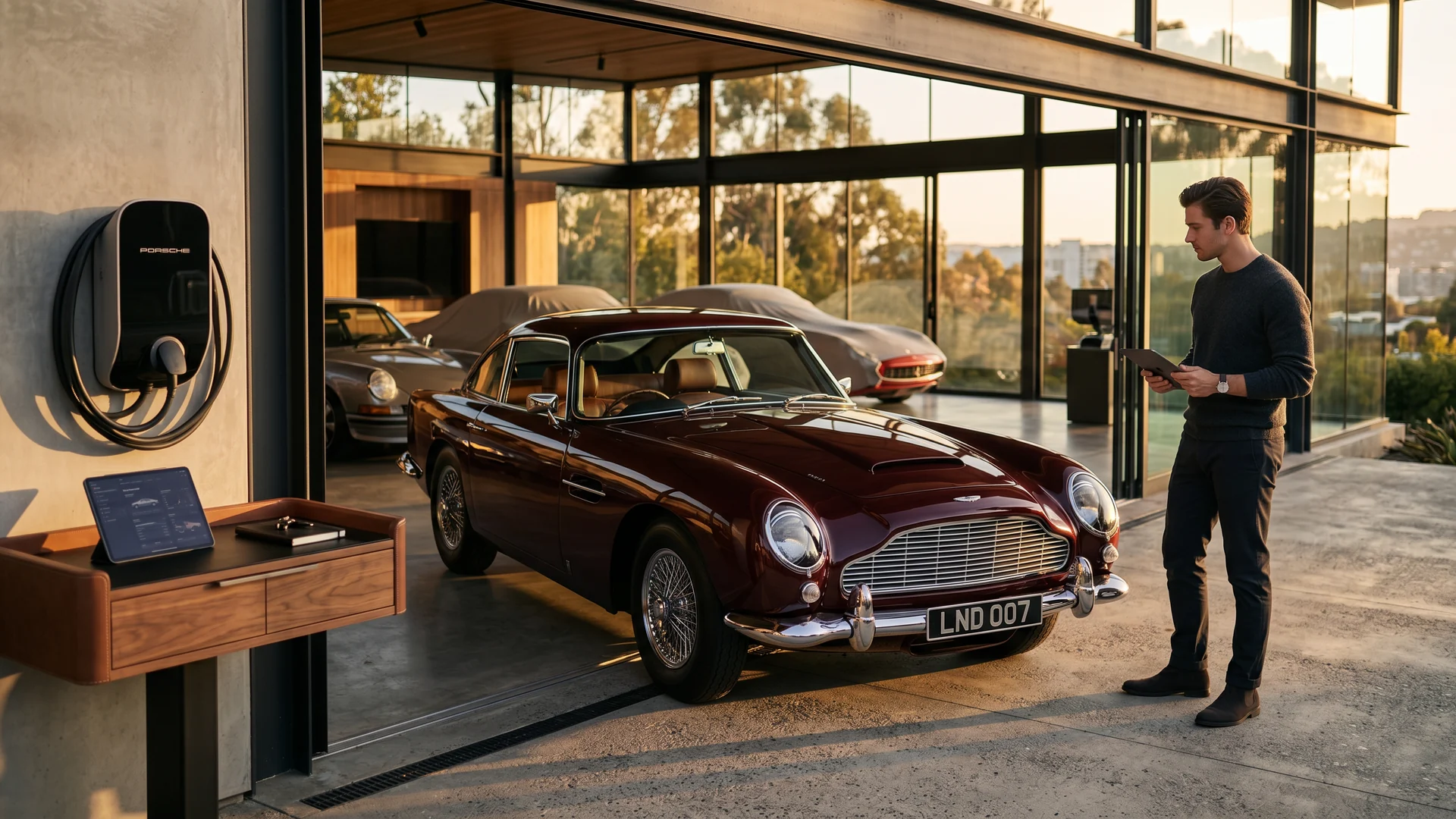
The Future of Classic Car Collecting: Trends Shaping the Next Generation
The future of classic car collecting: why 2035 ICE bans spare existing cars, plus e-fuels, shifting demographics, electromods and fractional ownership…
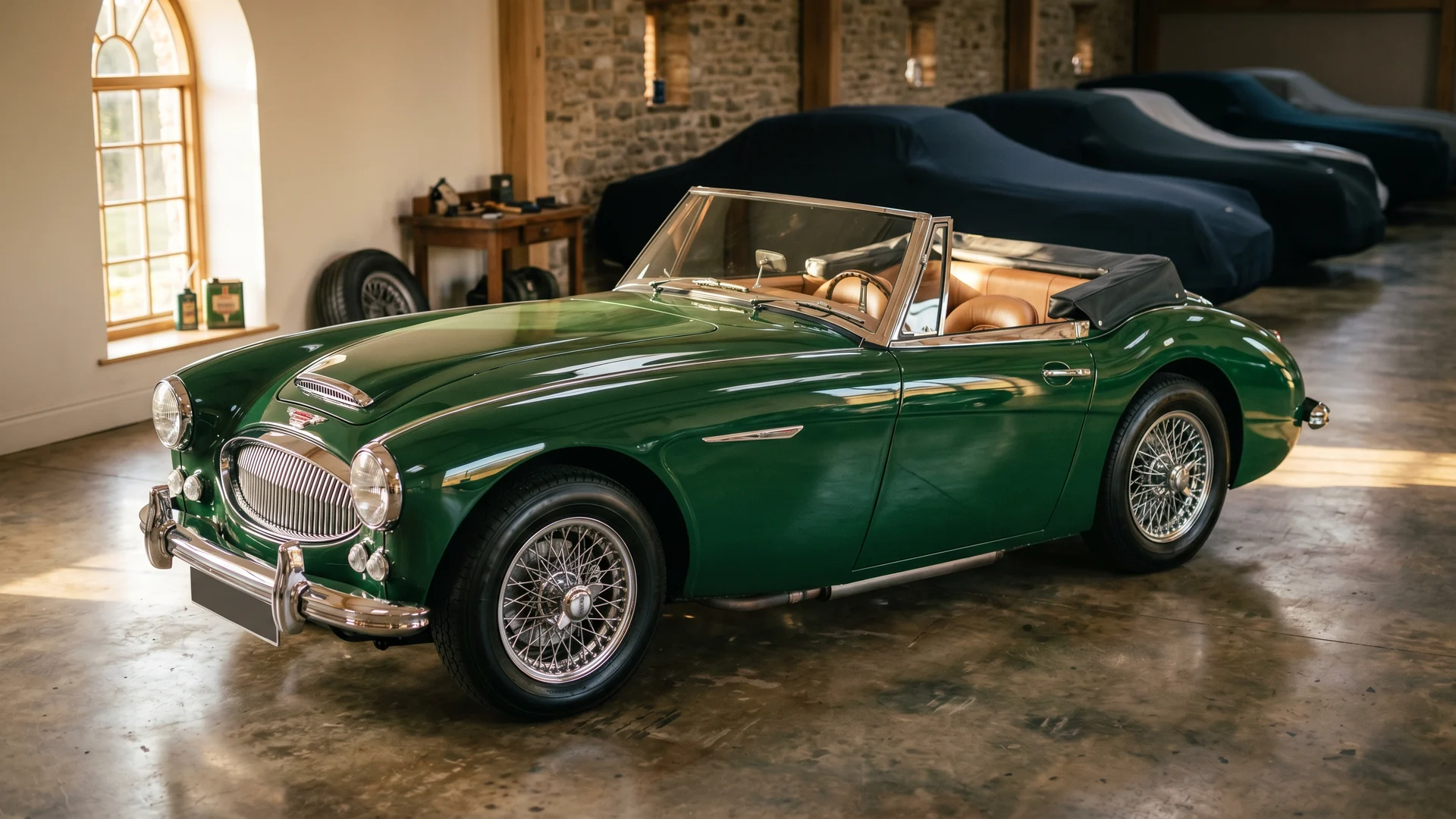
Classic Car Insurance Guide: Protecting Your Vintage Investment
Classic car insurance guide: why agreed-value policies beat stated and actual cash value, how Hagerty, Grundy and Chubb compare, plus costs and covera…
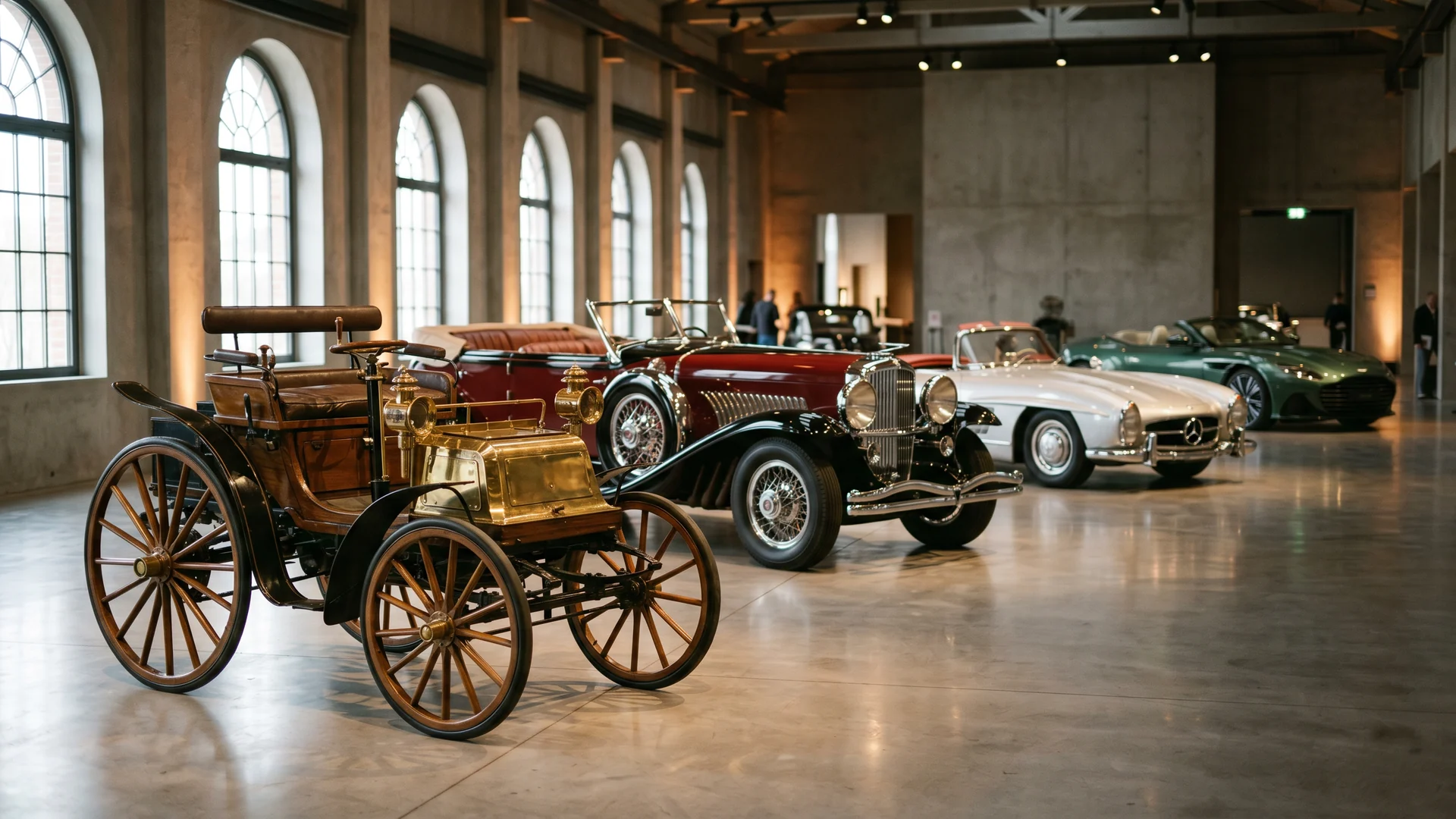
Classic Car History Timeline: From Benz to the Modern Collector Era
Classic car history timeline from the 1886 Benz Patent-Motorwagen through coachbuilding, muscle cars and supercars to modern collectibles. Discover th…