Why Classic Cars Are No Longer Bought to Be Driven
The vintage and classic car market has experienced significant appreciation in recent years, attracting both collectors and investors. Several key factors drive this market growth,…
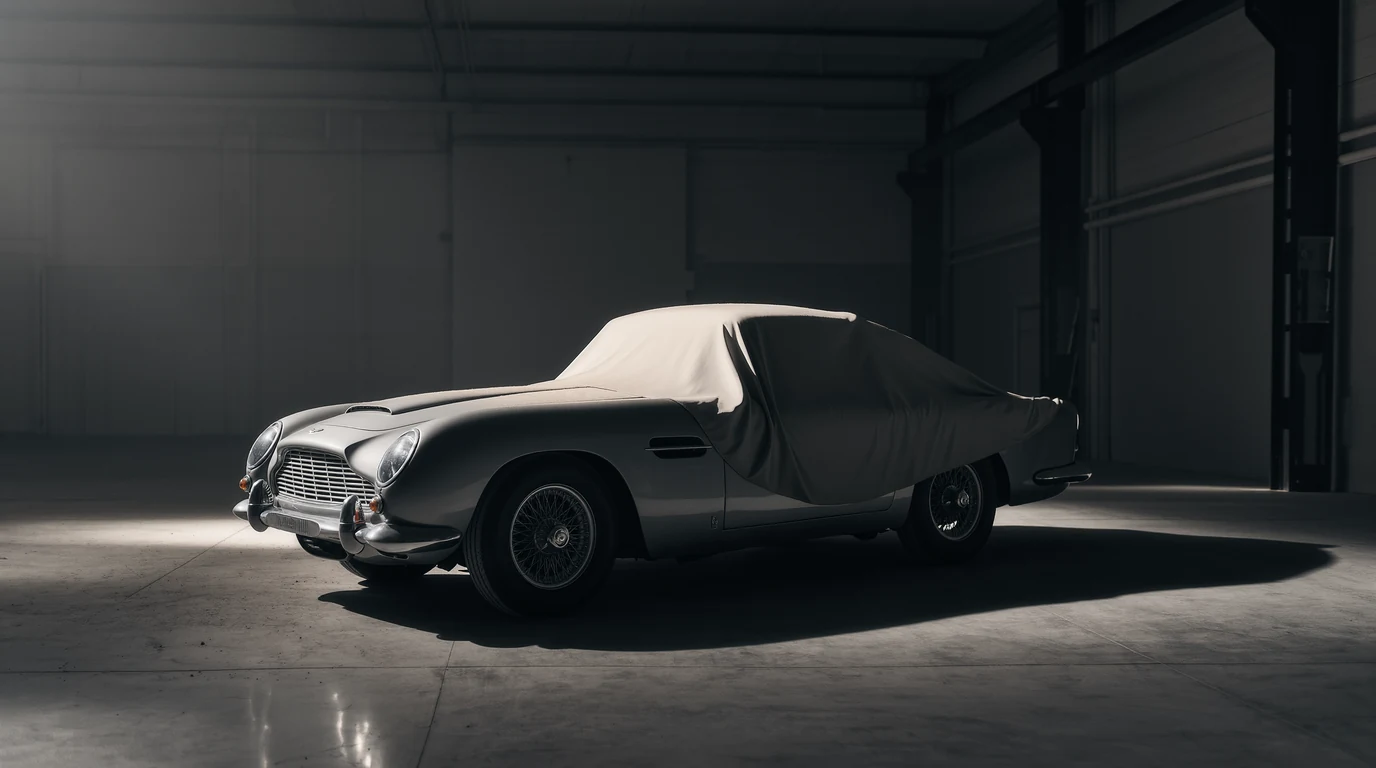
The vintage and classic car market has experienced significant appreciation in recent years, attracting both collectors and investors. Several key factors drive this market growth, including increased recognition of automotive heritage and manufacturing excellence. Rising demand has resulted in higher transaction prices at both auction houses and private sales, establishing classic automobiles as legitimate alternative investments.
Market dynamics are further influenced by the finite supply of specific models. As the number of surviving classic vehicles decreases due to age, accidents, and deterioration, scarcity increases their market value. Well-maintained examples command premium prices, with collectors demonstrating willingness to pay substantial amounts for vehicles in original or restored condition.
This supply constraint creates upward pressure on valuations across various marques and model years. The appreciation trend reflects broader consumer preferences favoring authenticity and traditional craftsmanship over contemporary mass-produced goods. Consequently, classic car investments have gained acceptance as portfolio diversification tools, offering potential returns that may not correlate directly with traditional financial markets.
This asset class appeals to investors seeking tangible investments with historical significance and aesthetic value.
Key Takeaways
- Classic cars have significantly increased in value, attracting diverse investment opportunities.
- Their rarity and exclusivity enhance their collectible appeal and historical significance.
- Maintenance, restoration, and insurance costs are rising due to limited parts and specialized care.
- Environmental concerns and changing consumer preferences impact the classic car market.
- Speculation and flipping contribute to market volatility and affect long-term ownership.
Investment Opportunities
Investing in classic cars presents unique opportunities that go beyond mere ownership. For many, these vehicles represent a tangible asset that can appreciate over time. Unlike stocks or bonds, classic cars offer a physical presence that can be enjoyed while also serving as an investment.
The potential for significant returns is enticing; some models have appreciated by hundreds of percent over the years. This makes classic cars an appealing option for investors seeking alternative assets. Additionally, the classic car market is relatively insulated from economic downturns.
While other investments may falter during recessions, the demand for vintage vehicles often remains stable. Enthusiasts are willing to invest in their passions, even in challenging economic times. This resilience adds an extra layer of security for investors looking to hedge against market volatility.
Rarity and Exclusivity
Rarity and exclusivity are two key factors that drive the value of classic cars. Limited production runs and unique features make certain models highly sought after by collectors. For instance, vehicles produced in small numbers or those with distinctive design elements often command premium prices.
The allure of owning something that few others possess adds to the appeal of these cars, making them more than just modes of transportation; they become status symbols. Moreover, the stories behind these rare vehicles contribute to their exclusivity. Many classic cars have fascinating histories, from their original owners to their roles in significant events.
This narrative aspect enhances their value and desirability among collectors. As enthusiasts seek to own a piece of automotive history, the rarity of certain models becomes a driving force in the market, further elevating their status and price.
Collectible Appeal
The collectible appeal of classic cars extends beyond their monetary value; it encompasses a deep-seated passion for automotive design and engineering. For many collectors, these vehicles represent a connection to the past, evoking nostalgia and admiration for the craftsmanship involved in their creation. The thrill of restoring or preserving a classic car can be immensely rewarding, as it allows enthusiasts to engage with history on a personal level.
Furthermore, the community surrounding classic car collecting is vibrant and supportive. Car shows, clubs, and online forums provide platforms for enthusiasts to share their experiences and knowledge. This sense of belonging fosters a culture of appreciation for these vehicles, enhancing their collectible status.
As collectors connect with one another, they contribute to the overall demand for classic cars, further solidifying their place in the market.
Preservation of History
Owning a classic car is akin to preserving a piece of history. Each vehicle tells a story, reflecting the era in which it was built and the innovations of its time. By investing in these cars, collectors play a vital role in safeguarding automotive heritage for future generations.
This preservation effort goes beyond mere ownership; it involves maintaining and restoring these vehicles to their original glory. Moreover, classic cars often serve as educational tools, providing insights into technological advancements and design philosophies of the past. Museums and exhibitions frequently showcase vintage vehicles, allowing the public to appreciate their significance.
By preserving these cars, collectors contribute to a broader understanding of automotive history, ensuring that future generations can learn from and enjoy these remarkable machines.
Maintenance and Restoration Costs
While investing in classic cars can be rewarding, it is essential to consider the maintenance and restoration costs associated with ownership. Classic vehicles often require specialized care and attention due to their age and unique components. Routine maintenance can be more expensive than that of modern cars, as parts may be harder to find or require custom fabrication.
Restoration projects can also be costly endeavors. Depending on the condition of the vehicle and the extent of work needed, expenses can quickly add up. However, many collectors view these costs as part of the investment process.
A well-restored classic car can significantly increase in value, making the initial investment worthwhile in the long run. Understanding these costs is crucial for potential buyers looking to enter the classic car market.
Limited Availability of Parts
One challenge faced by classic car owners is the limited availability of parts. As vehicles age, manufacturers may discontinue production of specific components, making it difficult to find replacements when repairs are needed. This scarcity can lead to increased costs for sourcing parts from specialty suppliers or aftermarket manufacturers.
Additionally, some classic car models may require unique or hard-to-find parts that are no longer produced. This situation can complicate restoration projects and routine maintenance, potentially leading to delays and higher expenses. However, many enthusiasts embrace this challenge as part of the ownership experience.
The hunt for rare parts can be an exciting aspect of collecting, adding an element of adventure to the journey.
Increased Insurance Costs
As the value of classic cars continues to rise, so too do insurance costs. Insuring a vintage vehicle often requires specialized coverage that accounts for its unique value and potential risks. Standard auto insurance policies may not adequately protect classic cars, necessitating additional coverage options that can be more expensive.
Moreover, factors such as storage conditions and usage frequency can influence insurance premiums. Collectors must carefully assess their insurance needs to ensure they have adequate protection without overpaying for coverage. While increased insurance costs may seem daunting, they are a necessary consideration for anyone serious about investing in classic cars.
Environmental Concerns
Environmental concerns are becoming increasingly relevant in discussions about classic cars. Older vehicles often lack modern emissions controls and fuel efficiency standards, raising questions about their environmental impact. As society becomes more environmentally conscious, some collectors face scrutiny regarding their choice to invest in vintage automobiles.
However, many enthusiasts argue that classic cars can coexist with modern environmental standards through responsible ownership practices. For instance, regular maintenance can improve fuel efficiency and reduce emissions over time. Additionally, some collectors advocate for electric conversions or alternative fuel options as ways to preserve classic vehicles while minimizing their environmental footprint.
Shift in Consumer Preferences
The automotive landscape is evolving rapidly, with consumer preferences shifting towards electric vehicles and sustainable transportation options. This change poses both challenges and opportunities for classic car enthusiasts. While some may view this trend as a threat to the future of vintage automobiles, others see it as an opportunity to redefine what it means to collect and appreciate classic cars.
As younger generations become more involved in car culture, there is potential for renewed interest in classic vehicles that embrace modern technology or sustainability practices. This shift could lead to innovative approaches to restoration and preservation that honor traditional craftsmanship while adapting to contemporary values.
Speculation and Flipping
Speculation and flipping have become prevalent trends within the classic car market as investors seek quick returns on their purchases. Some individuals buy vintage vehicles with the intention of restoring them quickly and reselling them at a profit. While this approach can yield significant gains for savvy investors, it also raises concerns about the integrity of the collector community.
Flipping can lead to inflated prices and unrealistic expectations among buyers who may not fully understand the complexities involved in restoring classic cars. It is essential for potential investors to conduct thorough research before entering this market segment. Understanding market trends and valuing authenticity over quick profits will ultimately contribute to a healthier collector environment.
In conclusion, investing in classic cars offers numerous benefits alongside challenges that require careful consideration. From appreciating historical significance to navigating maintenance costs and evolving consumer preferences, potential buyers must approach this market with knowledge and passion. By understanding both the opportunities and obstacles present in the world of vintage automobiles, collectors can make informed decisions that enhance their enjoyment while preserving automotive heritage for future generations.
FAQs
Why are classic cars no longer primarily bought to be driven?
Classic cars are increasingly purchased as collector’s items or investments rather than for regular driving. Factors include concerns about preserving their condition, rising maintenance costs, and the desire to protect their value.
What factors contribute to the preservation of classic cars?
Owners often keep classic cars in controlled environments, limit their mileage, and perform regular maintenance to prevent wear and tear. This helps maintain the car’s originality and market value.
How has the value of classic cars influenced buying behavior?
The appreciation of classic cars as valuable assets has led buyers to treat them more like investments. This encourages careful handling and discourages frequent use to avoid depreciation.
Are there legal or environmental reasons affecting the use of classic cars?
Yes, stricter emissions regulations and safety standards can limit the use of classic cars on public roads. Additionally, some owners avoid driving them to reduce environmental impact and comply with local laws.
What role do insurance policies play in the use of classic cars?
Specialized insurance for classic cars often includes mileage limits and usage restrictions. These policies incentivize owners to drive their vehicles less frequently to maintain coverage benefits.
Do classic car clubs or events encourage driving these vehicles?
While classic car clubs and events promote driving and showcasing vehicles, many owners still prefer to limit use to special occasions to preserve their cars’ condition.
How has technology impacted the driving of classic cars?
Modern vehicles offer greater reliability and convenience, making them more practical for daily use. This reduces the need to drive classic cars regularly, which are often less reliable and more costly to maintain.
Is the trend of not driving classic cars universal?
While common in many regions, some enthusiasts continue to drive their classic cars regularly. The trend varies depending on individual preferences, local regulations, and cultural attitudes toward classic car use.
Why are classic cars increasingly seen as investments rather than drivers?
Are classic cars a stable investment during downturns?
What ongoing costs come with owning a classic car?
More from Blog
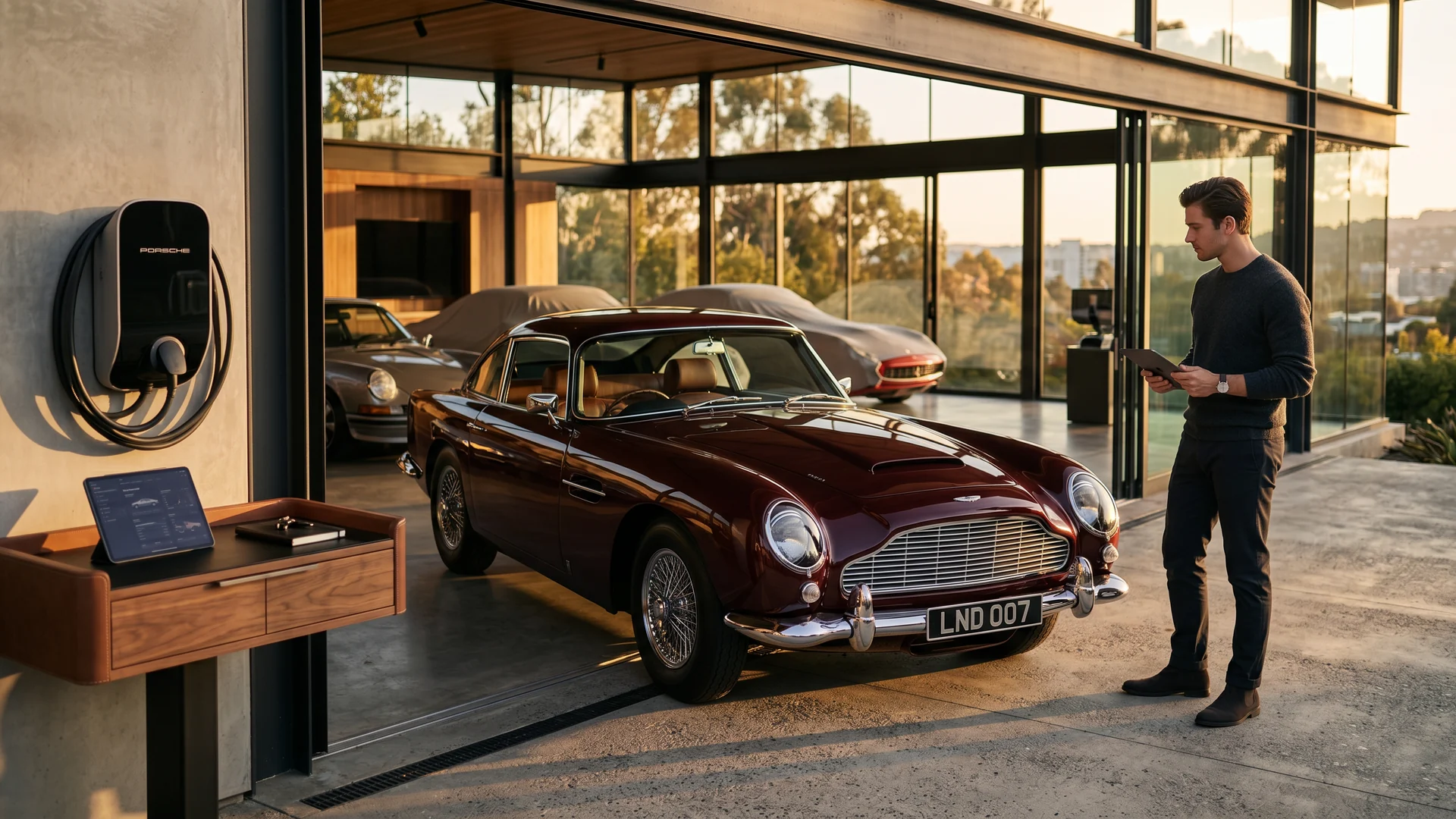
The Future of Classic Car Collecting: Trends Shaping the Next Generation
The future of classic car collecting: why 2035 ICE bans spare existing cars, plus e-fuels, shifting demographics, electromods and fractional ownership…
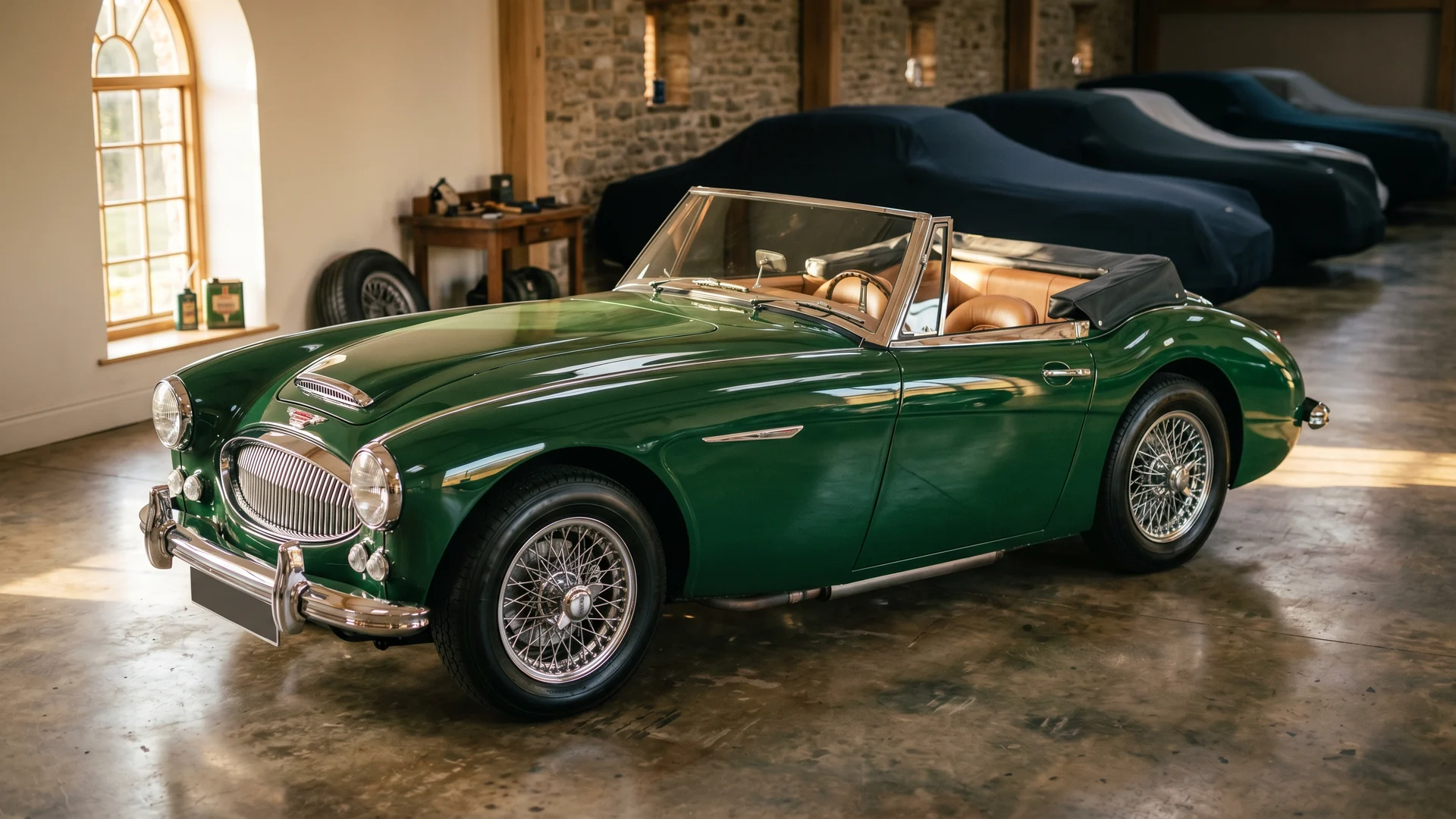
Classic Car Insurance Guide: Protecting Your Vintage Investment
Classic car insurance guide: why agreed-value policies beat stated and actual cash value, how Hagerty, Grundy and Chubb compare, plus costs and covera…
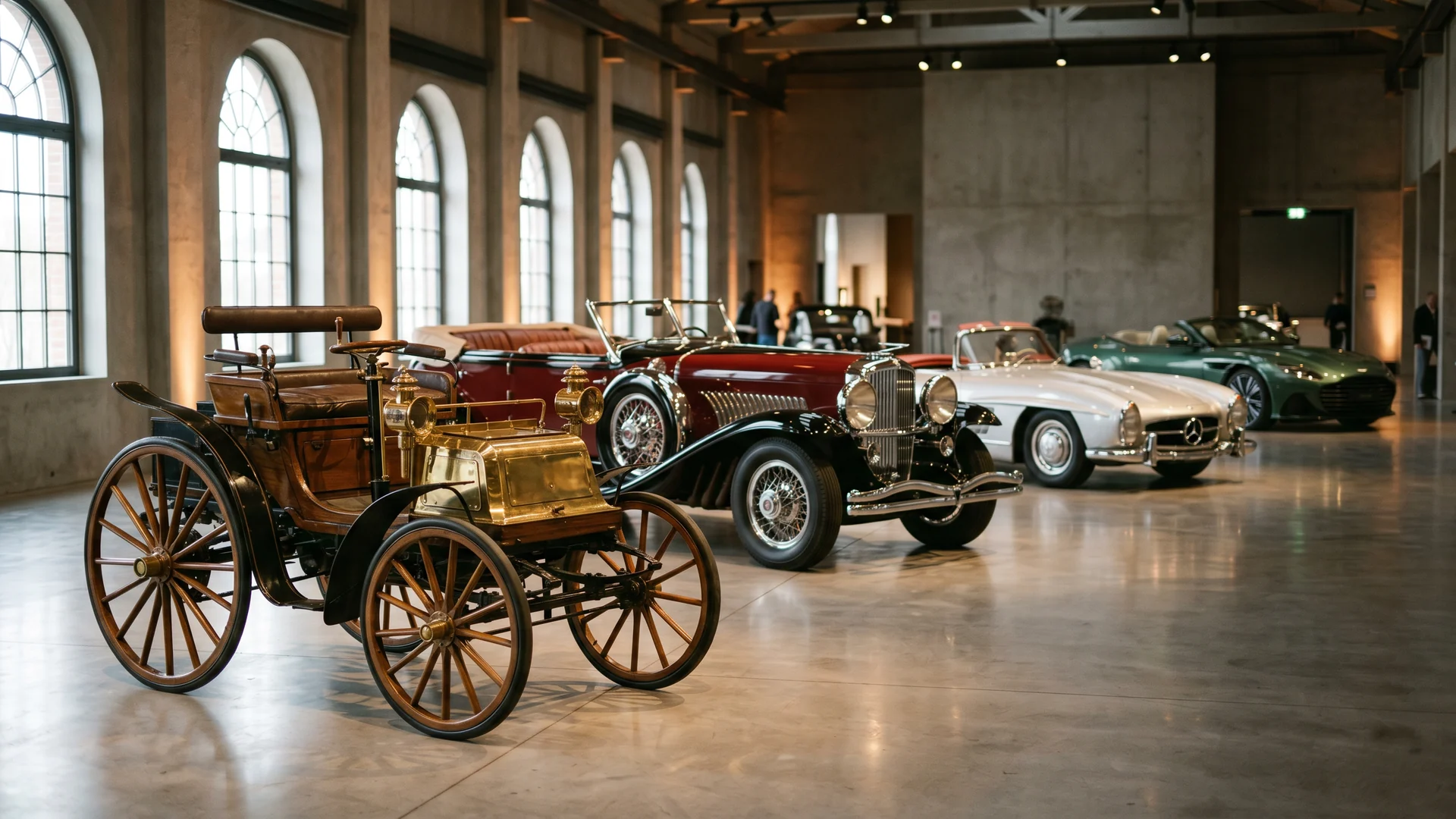
Classic Car History Timeline: From Benz to the Modern Collector Era
Classic car history timeline from the 1886 Benz Patent-Motorwagen through coachbuilding, muscle cars and supercars to modern collectibles. Discover th…