Why Classic Cars With Imperfect Histories Sell Better
Classic cars possess a distinctive appeal that attracts both enthusiasts and collectors. These vehicles are characterized by their vintage designs and historical importance, creati…
Classic cars possess a distinctive appeal that attracts both enthusiasts and collectors. These vehicles are characterized by their vintage designs and historical importance, creating nostalgia across different generations. Their attraction stems from both aesthetic qualities and historical significance.
Each classic car serves as a historical artifact, representing a specific period in automotive development with its unique engineering approaches and design principles. Many collectors view classic cars as artistic pieces and tangible historical connections that generate appreciation and enjoyment. Classic cars also represent concepts of freedom and exploration.
They evoke memories of journeys, experiences, and open-road travel. Distinctive features like the sound of vintage engines or reflective chrome details can create a sense of connection to earlier eras. This emotional association motivates many individuals to acquire classic cars for personal enjoyment or investment purposes.
The combination of aesthetic value, historical significance, and associations with adventure establishes classic cars as an enduring interest for numerous enthusiasts.
Key Takeaways
- Classic cars captivate enthusiasts through their unique stories and authentic character.
- Imperfect histories add charm and deepen the emotional connection to each vehicle.
- Restoration balances preserving originality with enhancing functionality and value.
- Nostalgia and rarity drive both sentimental appreciation and investment potential.
- Transparency about a car’s past fosters trust and shapes the future of classic car collecting.
The Appeal of Imperfect Histories
While many collectors seek pristine examples of classic cars, there is a growing appreciation for those with imperfect histories. These vehicles often come with a rich tapestry of experiences that add depth to their character. A car that has been lovingly restored after years of wear and tear tells a story of resilience and transformation.
The appeal of these imperfect histories lies in their authenticity; they are not just machines but living artifacts that have witnessed life’s ups and downs. Imperfect histories can also make classic cars more accessible to a wider range of enthusiasts. A vehicle with some wear may be more affordable than its pristine counterpart, allowing more people to enter the world of classic car ownership.
Additionally, these cars often require less stringent restoration efforts, making them ideal for those who want to engage in hands-on projects. Embracing the imperfections can lead to a deeper appreciation for the craftsmanship and history behind each vehicle.
The Story Behind the Car
Every classic car has a story waiting to be uncovered. From the moment it rolled off the assembly line to its current state, each vehicle carries a narrative filled with adventures, challenges, and milestones. Understanding the story behind a car can enhance its value and significance to its owner.
Whether it was once owned by a famous figure or used in a significant event, these stories add layers of meaning that go beyond mere aesthetics. Moreover, the history of a classic car can influence its desirability among collectors. Cars with unique backgrounds or notable provenance often command higher prices in the market.
Enthusiasts are drawn to the tales of triumph and tribulation that accompany these vehicles, making them more than just objects but rather cherished pieces of history. By delving into the story behind a classic car, owners can foster a deeper connection with their vehicle and share its legacy with others.
Authenticity and Character
Authenticity is a key factor that distinguishes classic cars from modern vehicles. Many collectors value originality over modifications, seeking cars that retain their factory specifications and features. An authentic classic car embodies the spirit of its time, showcasing the design trends and engineering practices of its era.
This authenticity contributes to the character of the vehicle, making it more appealing to enthusiasts who appreciate the craftsmanship involved. Character is often found in the details, faded paint, worn upholstery, and unique quirks that tell a story of use and care. These elements contribute to the charm of classic cars, making them stand out in a sea of uniform modern vehicles.
Owners often take pride in preserving these characteristics while ensuring the car remains functional and safe. The balance between maintaining authenticity and enhancing usability is what makes owning a classic car such a rewarding experience.
Embracing the Flaws
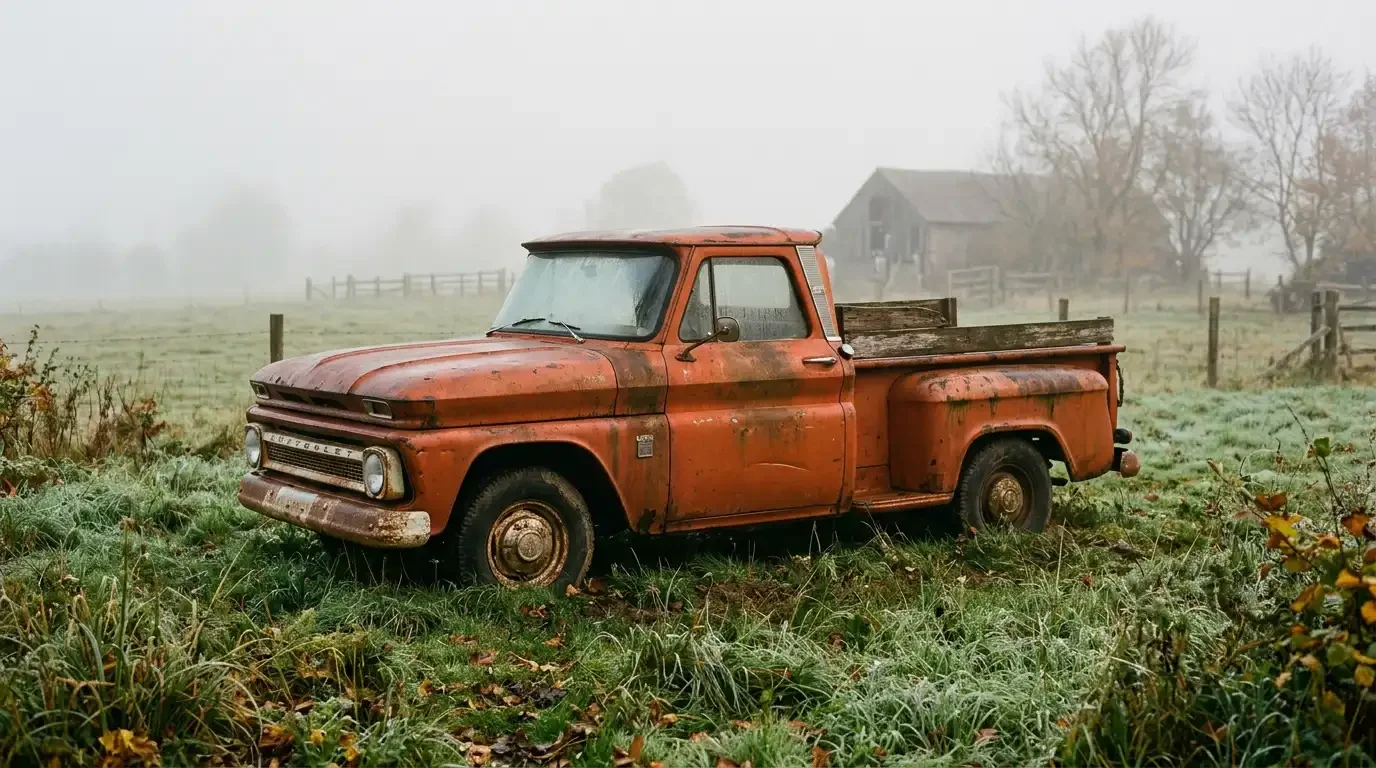
In the world of classic cars, flaws are often seen as features rather than defects. A dented fender or a chipped paint job can add character and tell a story about the car’s journey through time. Embracing these flaws allows owners to appreciate their vehicles on a deeper level.
Instead of striving for perfection, many enthusiasts find beauty in the imperfections that make each car unique. This mindset fosters a sense of community among classic car owners who share similar values. They understand that every scratch and blemish represents a moment in time, a memory etched into metal.
By celebrating these flaws, owners create an environment where authenticity reigns supreme, encouraging others to appreciate the beauty found in imperfection.
Rarity and Exclusivity
Rarity is one of the most compelling aspects of classic cars with imperfect histories. Limited production runs or unique models can make certain vehicles highly sought after by collectors. The allure of owning something rare adds an element of exclusivity that many enthusiasts crave.
Cars with imperfect histories may not be as widely recognized as their pristine counterparts, but their scarcity can make them even more desirable. Exclusivity also extends to the stories behind these vehicles. A classic car with an imperfect history may have been part of a small production run or have undergone significant changes over its lifetime.
This uniqueness can create a sense of pride for owners who appreciate having something that few others possess. In this way, rarity and exclusivity enhance the overall appeal of classic cars, making them coveted treasures in the automotive world.
Restoration and Preservation
Restoration is an integral part of the classic car experience for many enthusiasts. Whether restoring a vehicle to its former glory or preserving its current state, this process allows owners to engage deeply with their cars. Restoration can be a labor of love, requiring time, effort, and resources to bring a vehicle back to life while maintaining its authenticity.
Preservation is equally important for those who wish to keep their classic cars in their original condition. This approach emphasizes maintenance over modification, ensuring that the vehicle retains its historical significance. Both restoration and preservation require knowledge and skill, making them rewarding pursuits for those passionate about classic cars.
Engaging in these processes fosters a connection between owner and vehicle that transcends mere ownership.
Nostalgia and Sentimental Value
Nostalgia plays a significant role in the appeal of classic cars with imperfect histories. For many enthusiasts, these vehicles evoke memories of their youth or family experiences tied to specific models or brands. The emotional connection formed through nostalgia can be powerful, driving individuals to seek out cars that remind them of cherished moments.
Sentimental value often surpasses monetary worth when it comes to classic cars. A vehicle passed down through generations may hold immense emotional significance for its owner, regardless of its market value. This connection transforms classic cars into family heirlooms, symbols of love, tradition, and shared experiences that transcend time.
Honesty and Transparency
In the world of classic cars, honesty and transparency are paramount when discussing imperfect histories. Buyers should be informed about any modifications or repairs made throughout the vehicle’s life. This transparency builds trust between sellers and buyers, ensuring that both parties understand what they are getting into.
Honesty also extends to the condition of the vehicle itself. Disclosing any flaws or issues allows potential buyers to make informed decisions based on their preferences and budget. By fostering an environment of transparency, both sellers and buyers can engage in meaningful conversations about the value and significance of classic cars with imperfect histories.
Investment Potential
Classic cars with imperfect histories can offer significant investment potential for savvy collectors. While pristine examples may command higher prices initially, vehicles with unique stories or rare features can appreciate over time as demand increases. Investing in these cars allows enthusiasts to enjoy their passion while potentially reaping financial rewards down the line.
Moreover, as more collectors recognize the value of authenticity and character over perfection, the market for imperfect classic cars is likely to grow. This shift presents opportunities for investors willing to embrace vehicles that tell compelling stories rather than simply seeking out flawless specimens.
The Future of Classic Cars with Imperfect Histories
The future of classic cars with imperfect histories looks promising as more enthusiasts embrace authenticity over perfection. As appreciation for unique stories grows within the collector community, these vehicles will continue to gain recognition for their character and charm. The trend toward valuing imperfections will likely lead to increased interest in restoration projects that celebrate originality rather than conformity.
Additionally, as younger generations become involved in classic car culture, they may bring fresh perspectives on what constitutes value in these vehicles. This evolution could further enhance the appeal of classic cars with imperfect histories, ensuring they remain relevant in an ever-changing automotive landscape. In conclusion, classic cars with imperfect histories offer a unique blend of charm, character, and investment potential that appeals to enthusiasts worldwide.
FAQs
What defines a “classic car”?
A classic car is typically defined as a vehicle that is at least 20 to 25 years old and has historical interest due to its design, engineering, or cultural significance. The exact definition can vary by country and organization.
What is meant by an “imperfect history” in classic cars?
An imperfect history refers to a vehicle’s past that includes factors such as previous accidents, repairs, modifications, or incomplete documentation. These imperfections contrast with cars that have a fully documented, pristine history.
Why might classic cars with imperfect histories sell better?
Classic cars with imperfect histories often sell better because they tend to be more affordable, attract buyers interested in restoration projects, or have unique stories that add character. Additionally, some buyers value originality and patina over flawless condition.
Does an imperfect history affect the value of a classic car?
Yes, an imperfect history can both positively and negatively affect a car’s value. While some buyers may pay less due to concerns about condition or authenticity, others may find value in the car’s uniqueness or potential for restoration.
Are classic cars with imperfect histories harder to insure?
Insurance for classic cars with imperfect histories can be more complex. Insurers may require detailed inspections or offer limited coverage depending on the car’s condition and history. Specialized classic car insurance providers often handle these cases.
How can buyers verify the history of a classic car?
Buyers can verify a classic car’s history through vehicle identification number (VIN) checks, service records, previous ownership documents, and professional inspections. Classic car registries and clubs may also provide valuable information.
What should buyers consider when purchasing a classic car with an imperfect history?
Buyers should consider the extent of any damage or repairs, the availability of replacement parts, the car’s originality, and potential restoration costs. Consulting with experts or mechanics familiar with classic cars is advisable.
Do classic car auctions feature vehicles with imperfect histories?
Yes, many classic car auctions include vehicles with imperfect histories. These cars may attract collectors looking for project cars or unique finds, often reflected in the auction’s pricing and descriptions.
Can an imperfect history add to a classic car’s appeal?
In some cases, yes. An imperfect history can add character and a sense of authenticity, especially if the car has a documented story or has been sympathetically restored, making it more appealing to certain collectors.
Is it common for classic cars to have imperfect histories?
Yes, it is quite common. Due to their age and previous use, many classic cars have undergone repairs, modifications, or ownership changes that contribute to an imperfect history. This is often part of the charm and challenge of classic car ownership.
More from Blog
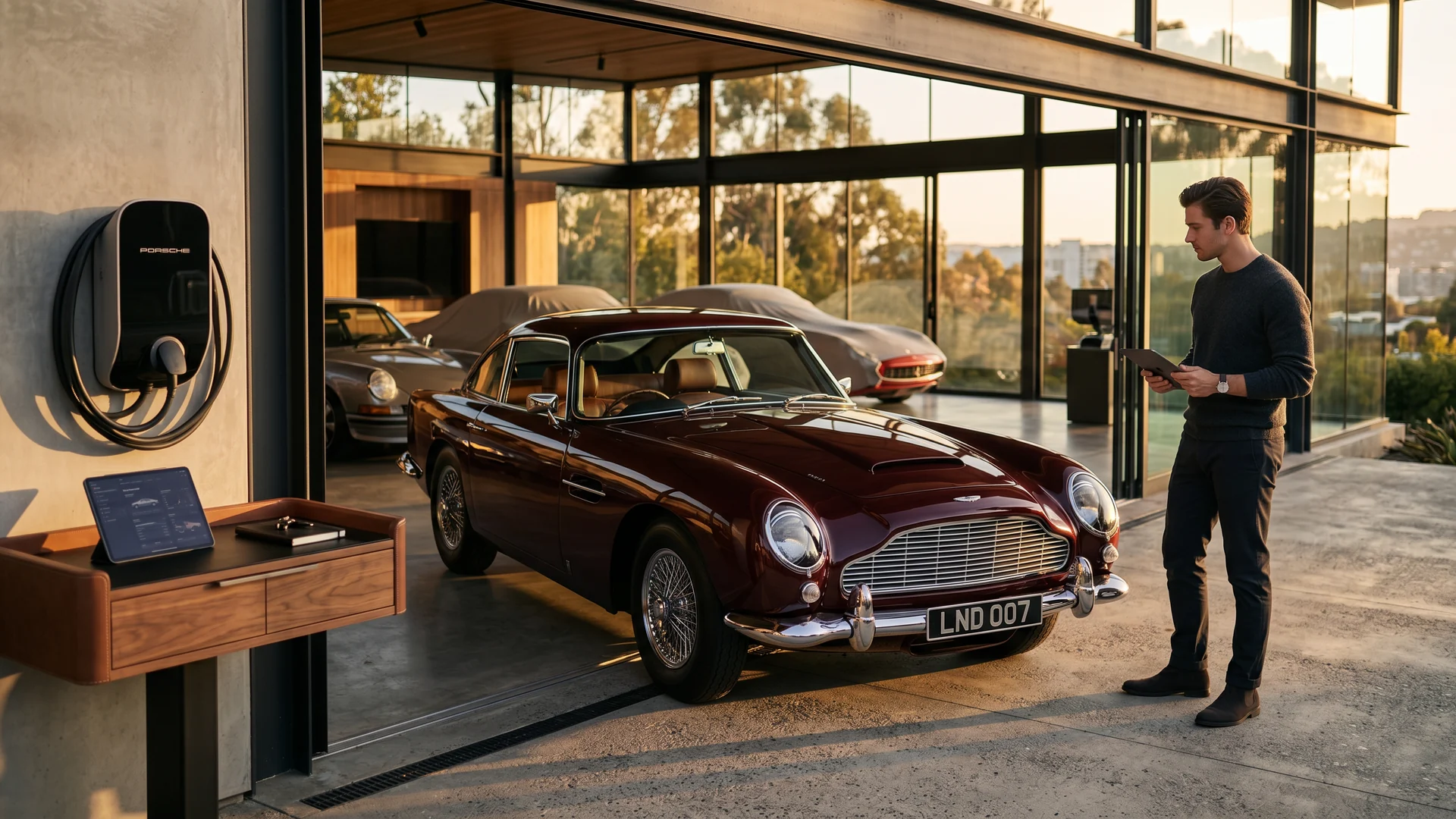
The Future of Classic Car Collecting: Trends Shaping the Next Generation
The future of classic car collecting: why 2035 ICE bans spare existing cars, plus e-fuels, shifting demographics, electromods and fractional ownership…
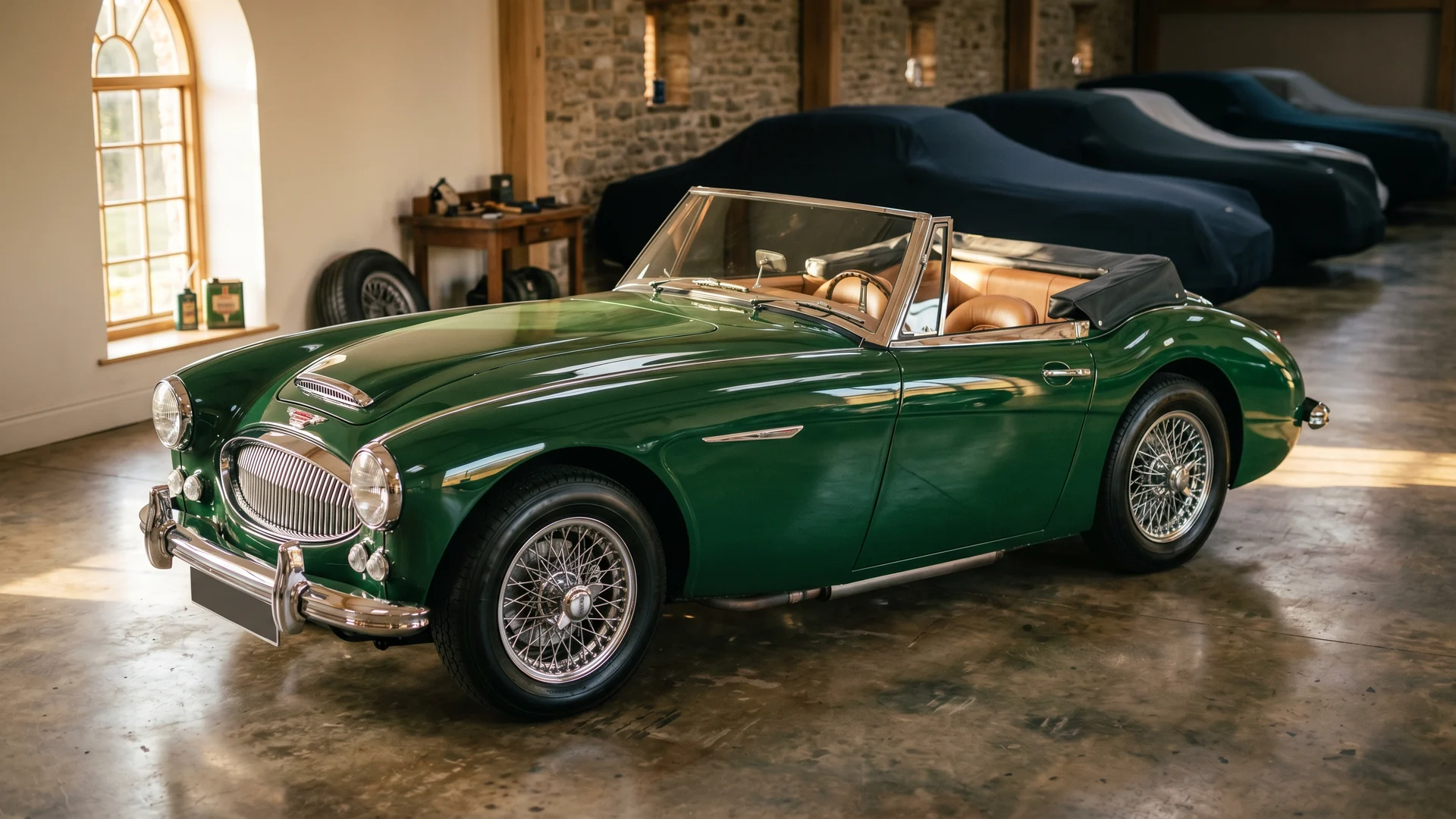
Classic Car Insurance Guide: Protecting Your Vintage Investment
Classic car insurance guide: why agreed-value policies beat stated and actual cash value, how Hagerty, Grundy and Chubb compare, plus costs and covera…
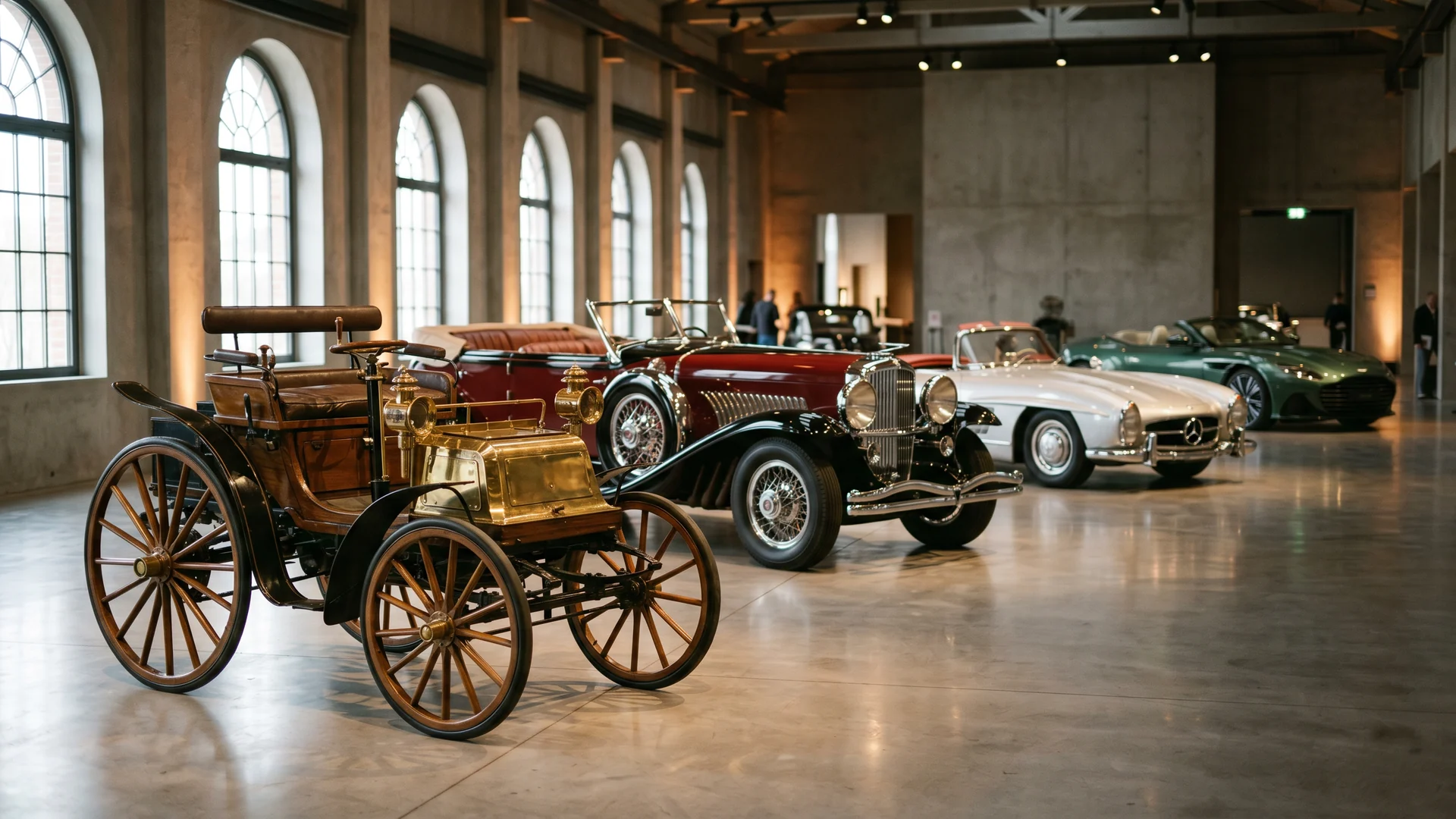
Classic Car History Timeline: From Benz to the Modern Collector Era
Classic car history timeline from the 1886 Benz Patent-Motorwagen through coachbuilding, muscle cars and supercars to modern collectibles. Discover th…