Why Classic Cars Are Becoming Untouchable Capital
Nostalgia is a powerful emotion that can evoke memories of simpler times, cherished experiences, and a sense of belonging. For many, classic cars embody this sentiment, serving as …
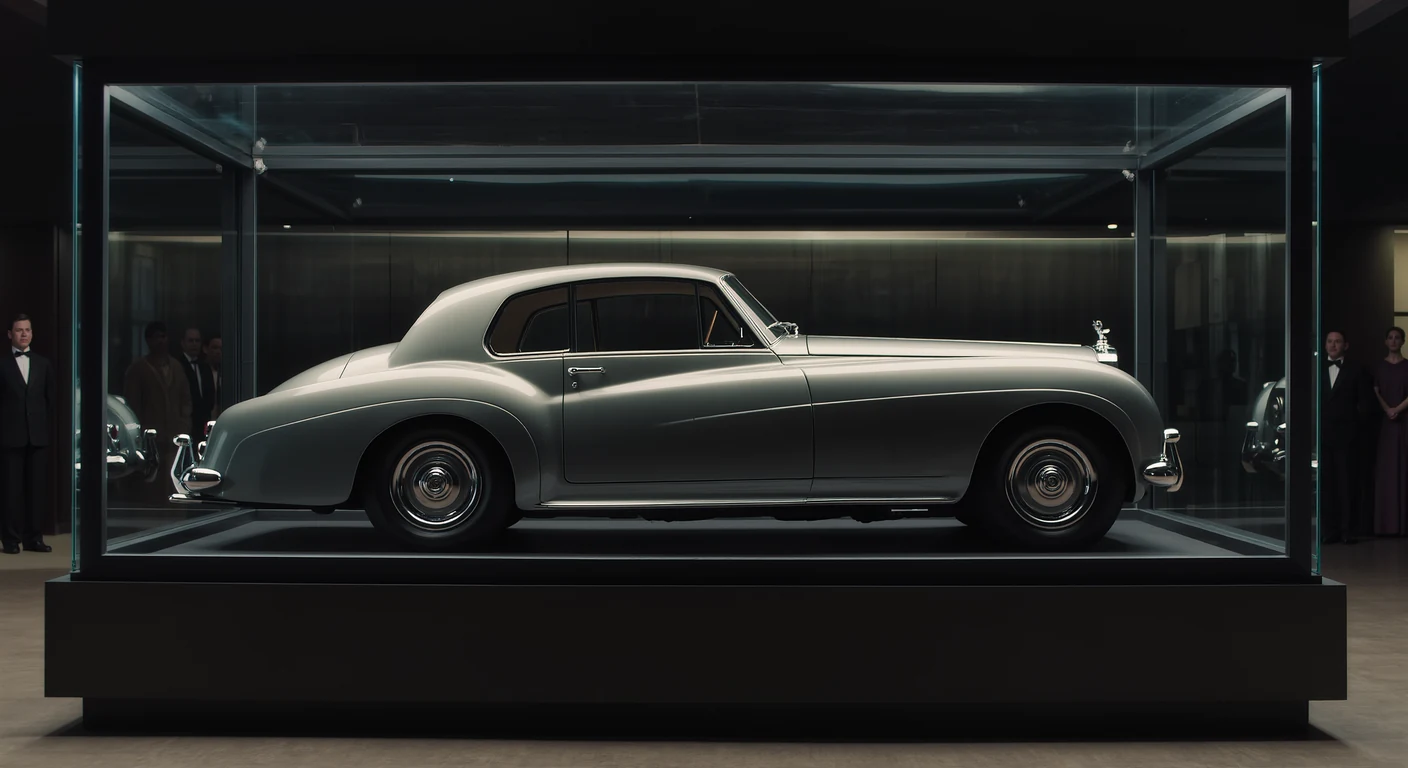
Nostalgia is a powerful emotion that can evoke memories of simpler times, cherished experiences, and a sense of belonging. For many, classic cars embody this sentiment, serving as tangible reminders of the past. The sleek lines, distinctive designs, and roaring engines of vintage automobiles transport enthusiasts back to an era when driving was not just a means of transportation but an experience filled with excitement and adventure.
This allure of nostalgia is a significant factor driving the classic car market, as individuals seek to reconnect with their youth or relive the golden age of automotive design. Moreover, the emotional connection to classic cars often transcends generations. Parents pass down their love for these vehicles to their children, creating a shared passion that strengthens family bonds.
Classic cars become more than just machines; they transform into heirlooms that carry stories and memories. This deep-rooted affection for vintage automobiles fuels a thriving community of collectors and enthusiasts who appreciate the artistry and craftsmanship behind each model. As nostalgia continues to captivate hearts, the classic car market remains vibrant and ever-growing.
Key Takeaways
- Nostalgia drives strong emotional connections to classic cars.
- Limited availability combined with rising demand boosts their market value.
- Classic cars offer unique investment and restoration opportunities.
- They symbolize status, luxury, and cultural heritage.
- Popular media and growing collector interest fuel their increasing popularity.
Limited supply and increasing demand
The classic car market is characterized by a unique dynamic of limited supply and increasing demand. As time progresses, fewer vintage vehicles remain on the road, making them increasingly rare and sought after. Many classic cars were produced in limited quantities, and as they age, the number of well-preserved models diminishes.
This scarcity creates a sense of urgency among collectors and investors, driving up prices and fueling competition in the market. Simultaneously, the demand for classic cars continues to rise. A new generation of enthusiasts is emerging, eager to own a piece of automotive history.
This growing interest is not limited to seasoned collectors; younger individuals are also drawn to the charm and character of vintage vehicles. As more people recognize the value of classic cars as investments and symbols of status, the market experiences a surge in activity. The interplay between limited supply and increasing demand ensures that classic cars remain a lucrative investment opportunity for those willing to embrace their timeless appeal.
Unique investment opportunities
Investing in classic cars presents unique opportunities that set it apart from traditional investment avenues. Unlike stocks or bonds, classic cars offer tangible assets that can appreciate over time while providing enjoyment to their owners. The potential for value appreciation is significant, especially for rare models with historical significance or unique features.
As collectors seek out these vehicles, prices can soar, making classic cars an attractive option for investors looking to diversify their portfolios. Additionally, classic cars often come with tax advantages that can enhance their investment potential. Depending on local regulations, owners may benefit from tax deductions related to restoration costs or even capital gains exemptions when selling their vehicles.
This financial aspect adds another layer of appeal for those considering classic cars as an investment strategy.
A symbol of status and luxury
Classic cars have long been associated with status and luxury, serving as symbols of wealth and sophistication. Owning a vintage automobile is often seen as a mark of distinction, reflecting an appreciation for craftsmanship and design that transcends time. The elegance and style of classic cars make them desirable not only for their performance but also for the prestige they confer upon their owners.
Moreover, classic cars frequently appear at high-profile events such as car shows, auctions, and charity galas, further solidifying their status as luxury items. Enthusiasts take pride in showcasing their vehicles, often investing significant resources into restoration and maintenance to ensure their cars remain in pristine condition. This dedication to preserving automotive history enhances the allure of classic cars as symbols of success and refinement, attracting individuals who wish to make a statement through their choice of vehicle.
Cultural and historical significance
Classic cars hold immense cultural and historical significance, representing pivotal moments in automotive history and societal change. Each model tells a story, reflecting the design trends, technological advancements, and cultural values of its time. From the roaring twenties to the muscle car era of the sixties and seventies, classic cars encapsulate the spirit of their respective decades, making them valuable artifacts for historians and enthusiasts alike.
Furthermore, classic cars often serve as reminders of significant events or movements in history. For instance, certain models became icons during the civil rights movement or were featured in popular films that shaped public perception. By preserving these vehicles, collectors contribute to the ongoing narrative of automotive history while fostering appreciation for the artistry involved in their creation.
The cultural relevance of classic cars ensures that they remain cherished symbols of innovation and creativity.
Preservation of craftsmanship and design
The craftsmanship and design inherent in classic cars are hallmarks that set them apart from modern vehicles. Many vintage automobiles were built during an era when attention to detail was paramount, resulting in exquisite finishes and intricate engineering that are often absent in contemporary mass-produced models. Collectors value this craftsmanship not only for its aesthetic appeal but also for the skill and artistry involved in creating these masterpieces.
Preserving classic cars allows enthusiasts to honor the legacy of skilled artisans who poured their hearts into each vehicle. Restoration projects often involve meticulous work to maintain authenticity while enhancing performance. This dedication to preserving craftsmanship ensures that future generations can appreciate the beauty and ingenuity of vintage automobiles.
By investing time and resources into restoration efforts, collectors play a vital role in keeping automotive history alive.
Potential for restoration and customization
One of the most exciting aspects of classic car ownership is the potential for restoration and customization. Many enthusiasts relish the opportunity to breathe new life into vintage vehicles through restoration projects that enhance both aesthetics and performance. Whether it’s reviving a long-neglected model or upgrading components for modern driving conditions, restoration allows owners to create a unique expression of their personality while preserving automotive heritage.
Customization options are virtually limitless, ranging from subtle modifications to complete overhauls that transform a classic car into a one-of-a-kind masterpiece. Enthusiasts can choose to retain original features or incorporate modern technology for improved functionality. This flexibility appeals to a wide range of collectors, from purists who seek authenticity to those who desire personalized touches that reflect their individual tastes.
The potential for restoration and customization adds an exciting dimension to classic car ownership.
Growing interest from collectors and enthusiasts
The classic car market is experiencing a resurgence in interest from collectors and enthusiasts alike. As more individuals recognize the value of vintage automobiles as investments and sources of enjoyment, communities centered around classic car culture are flourishing. Car shows, clubs, and online forums provide platforms for enthusiasts to connect, share knowledge, and celebrate their passion for these timeless vehicles.
This growing interest is not limited to seasoned collectors; younger generations are increasingly drawn to classic cars as symbols of nostalgia and craftsmanship.
As more people engage with classic car culture, the market continues to expand, creating opportunities for both new collectors and seasoned investors.
Rising values in the classic car market
The classic car market has witnessed remarkable growth in recent years, with rising values reflecting increased demand among collectors and investors. Certain models have seen exponential appreciation in value due to their rarity, historical significance, or iconic status within automotive history. This trend has attracted attention from individuals seeking alternative investment opportunities beyond traditional assets.
Auction houses report record-breaking sales for rare vintage vehicles, further underscoring the potential for significant returns on investment in this niche market. As more people recognize the financial benefits associated with owning classic cars, competition intensifies among buyers eager to secure prized models before prices escalate further. The rising values in the classic car market present an enticing prospect for those looking to invest in timeless pieces of automotive history.
Influence of popular media and entertainment
Popular media and entertainment have played a pivotal role in shaping public perception of classic cars. Iconic films featuring vintage automobiles have left an indelible mark on popular culture, elevating certain models to legendary status. Movies like “American Graffiti,” “Bullitt,” and “The Fast and the Furious” have showcased classic cars in thrilling narratives that resonate with audiences across generations.
Television shows dedicated to car restoration or customization have also contributed to the growing interest in classic vehicles. Programs like “Overhaulin'” or “Wheeler Dealers” highlight the artistry involved in restoring vintage automobiles while educating viewers about their historical significance. This exposure has sparked curiosity among potential collectors who may not have previously considered entering the world of classic cars.
The influence of popular media continues to drive enthusiasm for these timeless machines.
The emotional connection to classic cars
The emotional connection many individuals feel toward classic cars is profound and multifaceted. For some, these vehicles represent cherished memories from childhood or family road trips taken long ago. The sight or sound of a vintage automobile can evoke feelings of nostalgia that transport individuals back to simpler times filled with adventure and joy.
Moreover, owning a classic car often fosters a sense of community among enthusiasts who share similar passions. Car clubs provide opportunities for social interaction while allowing members to bond over their love for vintage automobiles. Events such as car shows or rallies create spaces where individuals can celebrate their shared interests while forming lasting friendships based on mutual appreciation for automotive history.
In conclusion, classic cars are more than just vehicles; they embody nostalgia, craftsmanship, cultural significance, and emotional connections that resonate deeply with enthusiasts worldwide. As interest continues to grow within this vibrant community, so too does the allure surrounding these timeless machines, making them not only symbols of status but also valuable investments worth exploring further. Whether you’re considering entering this exciting world or simply wish to learn more about its intricacies, embracing your passion for classic cars could lead you down an exhilarating path filled with adventure!
FAQs
What defines a classic car?
A classic car is typically defined as a vehicle that is at least 20 to 25 years old, has historical interest, and is often preserved or restored to maintain its original condition. These cars are valued for their design, engineering, and cultural significance.
Why are classic cars considered valuable assets?
Classic cars are considered valuable assets because of their rarity, historical importance, and the increasing demand among collectors and enthusiasts. Their limited availability and the nostalgia they evoke contribute to their appreciation in value over time.
How does rarity affect the value of classic cars?
Rarity significantly impacts the value of classic cars. Limited production numbers, surviving examples, and unique features make certain models more desirable and expensive. The fewer the cars available, the higher their potential market value.
What role does condition play in the valuation of classic cars?
Condition is crucial in determining a classic car’s value. Well-maintained, original, or expertly restored vehicles typically command higher prices. Factors such as originality, mechanical soundness, and cosmetic appearance all influence valuation.
Are classic cars a good investment?
Classic cars can be a good investment, but like all investments, they carry risks. Their value can appreciate over time, especially for rare and desirable models. However, market trends, maintenance costs, and storage considerations should be taken into account.
How do market trends influence classic car prices?
Market trends, including collector interest, economic conditions, and cultural shifts, influence classic car prices. Popularity of certain models can rise or fall, affecting demand and value. Additionally, media exposure and auctions can impact market dynamics.
What factors contribute to classic cars becoming “untouchable capital”?
Classic cars become “untouchable capital” when their value appreciates to a point where owners are reluctant to sell or use them regularly. Factors include rarity, investment potential, cultural significance, and the desire to preserve the vehicle for future generations.
Is insurance important for classic car owners?
Yes, insurance is important for classic car owners to protect their investment. Specialized classic car insurance policies often provide agreed value coverage, which reflects the car’s market value rather than standard depreciation.
Can classic cars be used as everyday vehicles?
While some classic cars can be driven daily, many owners prefer to use them sparingly to preserve their condition and value. Regular use can lead to wear and tear, which may decrease the car’s value over time.
Where can one buy or sell classic cars?
Classic cars can be bought or sold through specialized dealerships, auctions, online marketplaces, car shows, and private sales. It is important to verify authenticity and condition when purchasing or selling a classic car.
More from Blog
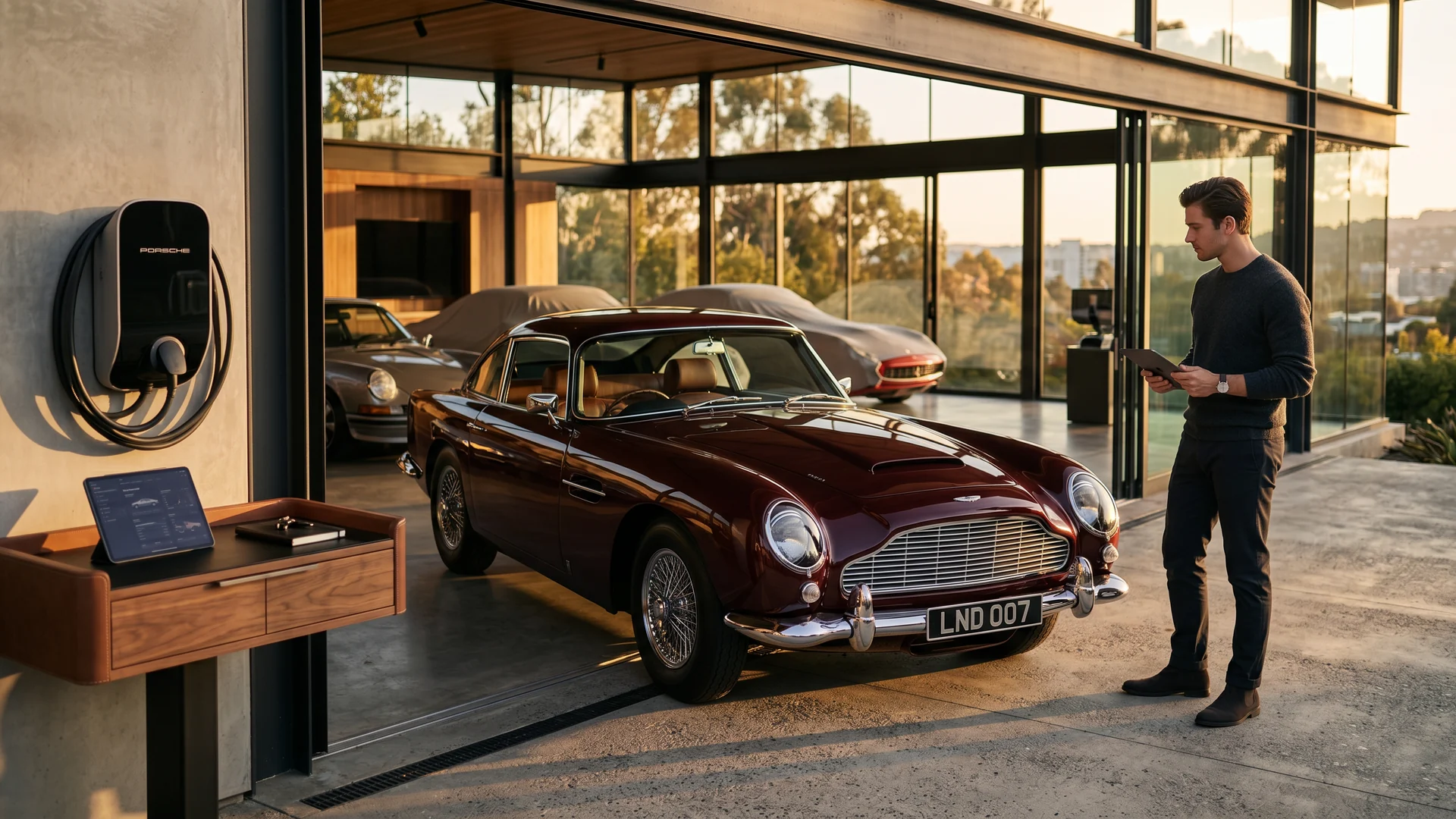
The Future of Classic Car Collecting: Trends Shaping the Next Generation
The future of classic car collecting: why 2035 ICE bans spare existing cars, plus e-fuels, shifting demographics, electromods and fractional ownership…
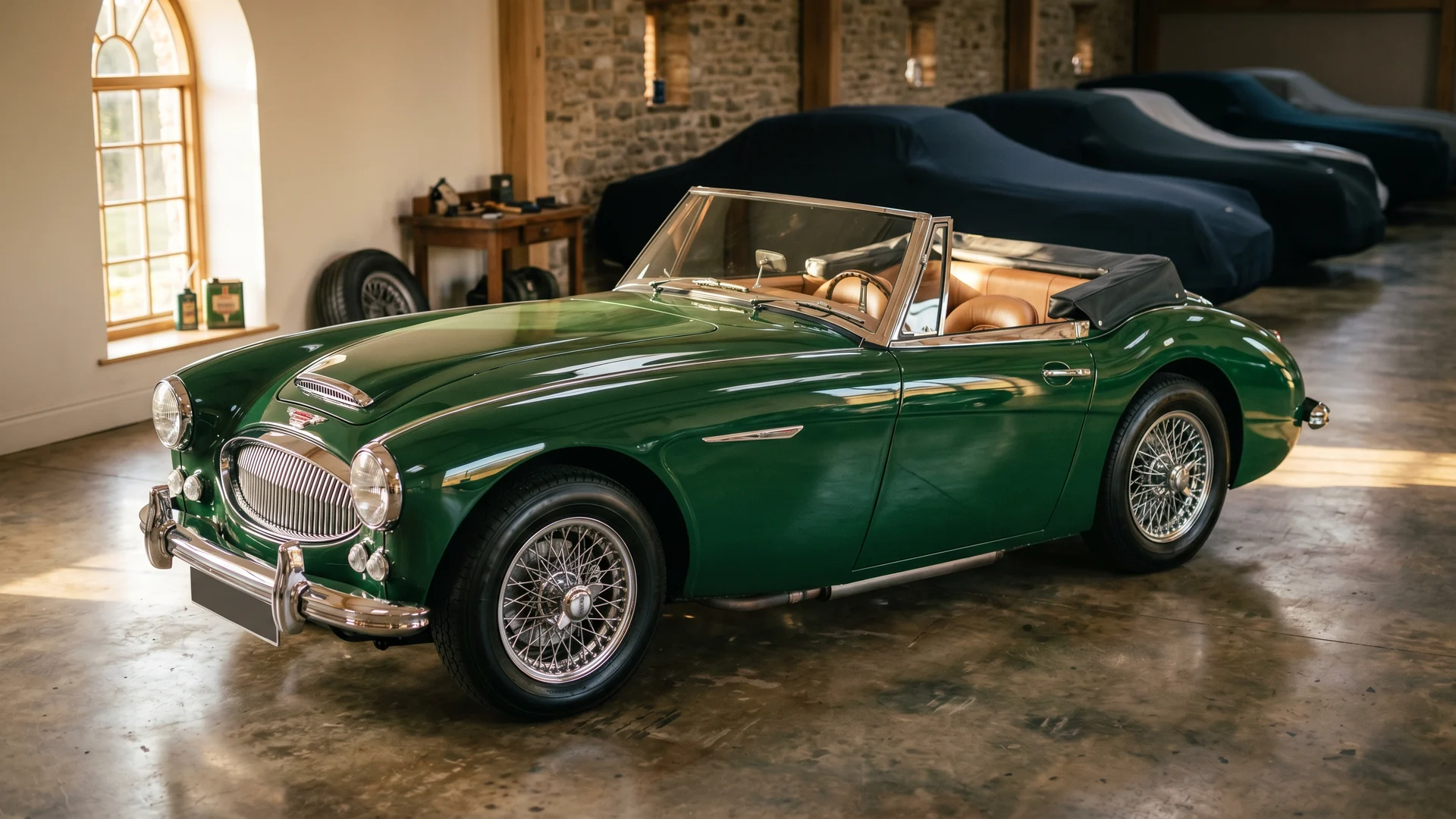
Classic Car Insurance Guide: Protecting Your Vintage Investment
Classic car insurance guide: why agreed-value policies beat stated and actual cash value, how Hagerty, Grundy and Chubb compare, plus costs and covera…
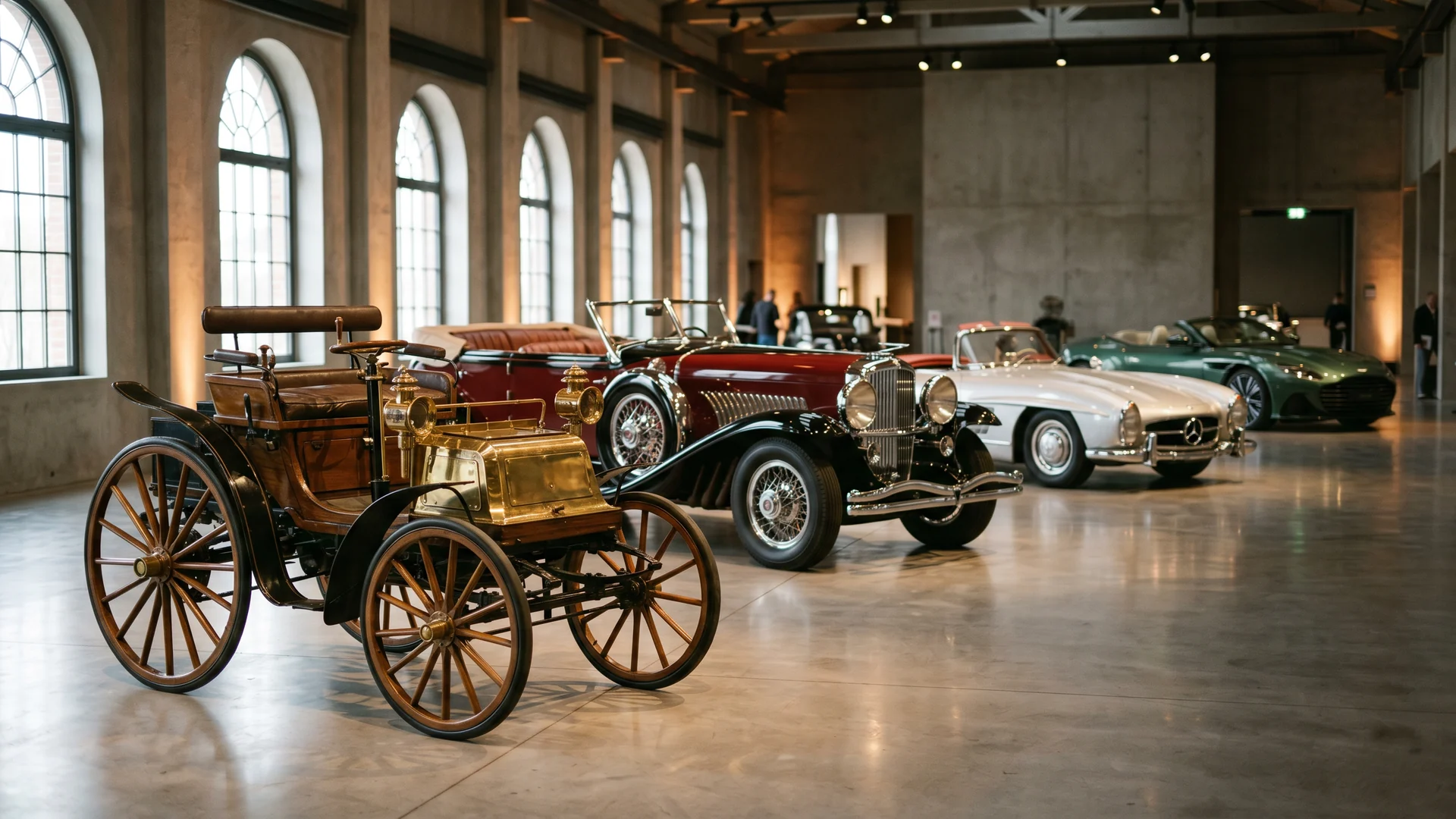
Classic Car History Timeline: From Benz to the Modern Collector Era
Classic car history timeline from the 1886 Benz Patent-Motorwagen through coachbuilding, muscle cars and supercars to modern collectibles. Discover th…