Why Classic Cars Are Becoming Institutional Assets
Classic cars hold a unique place in automotive history, serving as a testament to the engineering prowess and design aesthetics of their respective eras. These vehicles are not mer…
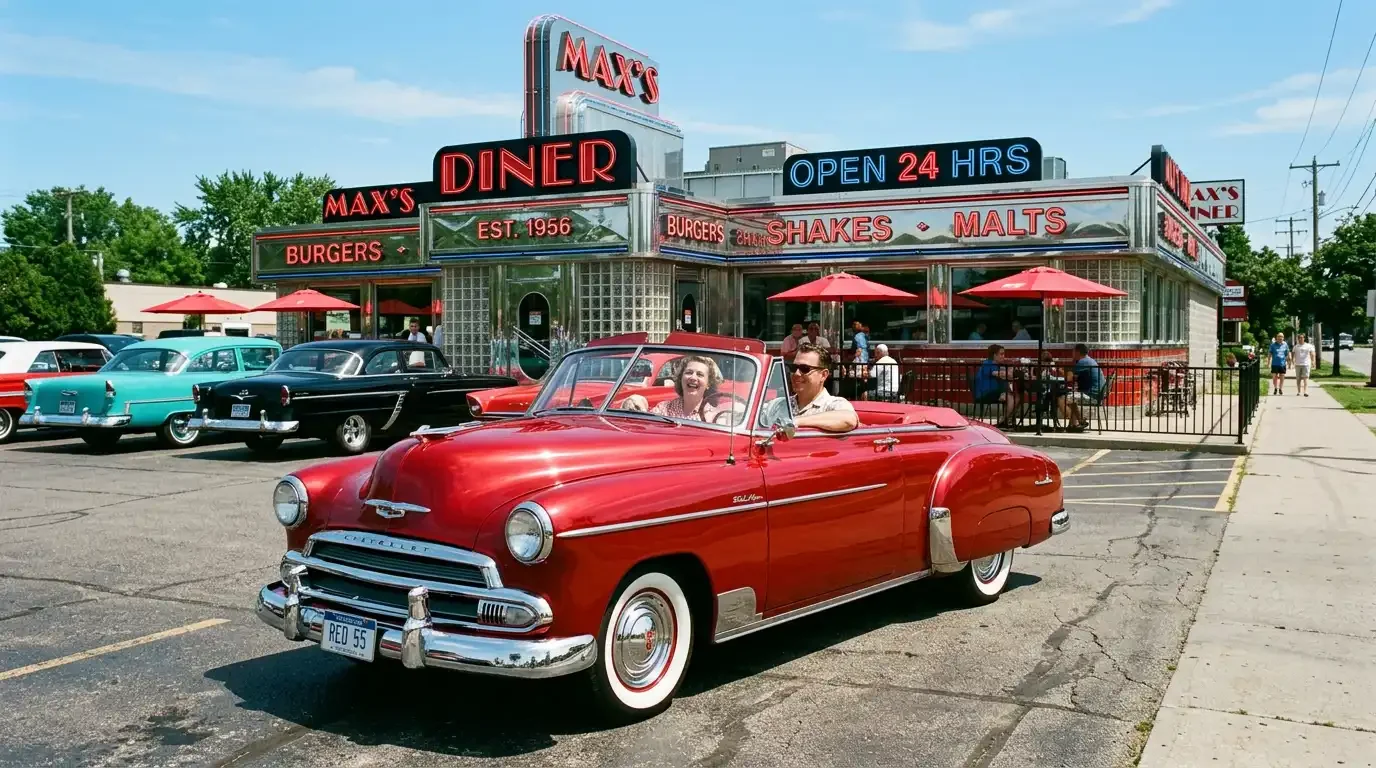
Classic cars hold a unique place in automotive history, serving as a testament to the engineering prowess and design aesthetics of their respective eras. These vehicles are not merely modes of transportation; they encapsulate the spirit of innovation and cultural shifts that defined their time. From the roaring twenties to the muscle car era of the sixties and seventies, classic cars reflect societal changes, technological advancements, and the evolution of consumer preferences.
Each model tells a story, representing the aspirations and dreams of the people who drove them. Moreover, classic cars often symbolize freedom and adventure. They evoke nostalgia for a time when driving was an experience rather than a necessity.
The craftsmanship involved in their production is often unparalleled, showcasing the artistry of skilled engineers and designers. As such, classic cars are not just relics of the past; they are significant cultural artifacts that continue to inspire admiration and respect among enthusiasts and historians alike.
Key Takeaways
- Classic cars hold significant historical and cultural value, reflecting automotive heritage and artistry.
- Their rarity and limited availability make them highly sought after by collectors and investors.
- Classic cars have strong investment potential due to their appreciation in value over time.
- Preservation and restoration efforts are crucial to maintaining the legacy and condition of classic cars.
- Classic cars continue to influence popular culture and play an important role in museums and exhibitions.
The Rarity and Limited Availability of Classic Cars
One of the most compelling aspects of classic cars is their rarity. Many models were produced in limited quantities, making them highly sought after by collectors. The scarcity of these vehicles adds to their allure, as owning a classic car often means possessing a piece of history that few others can claim.
This limited availability can drive up demand, making certain models incredibly valuable over time. Additionally, the condition of classic cars plays a crucial role in their rarity. Many vehicles have been lost to time due to neglect or accidents, while others have been meticulously preserved or restored.
This creates a unique market where well-maintained examples can command premium prices. Collectors often find themselves on a quest to locate these rare gems, adding an element of excitement and challenge to the pursuit of classic car ownership.
The Investment Potential of Classic Cars
Investing in classic cars has become increasingly popular as enthusiasts recognize their potential for appreciation. Unlike traditional investments, classic cars offer tangible assets that can be enjoyed while also serving as a financial investment. Certain models have seen significant increases in value over the years, making them attractive options for investors looking to diversify their portfolios.
Moreover, the classic car market has shown resilience even during economic downturns. While stock markets may fluctuate, the demand for classic cars often remains steady, driven by passionate collectors and investors alike. This stability can provide peace of mind for those looking to invest in tangible assets that hold intrinsic value.
As with any investment, however, it is essential to conduct thorough research and understand market trends to make informed decisions.
The Cultural and Artistic Value of Classic Cars
Classic cars are not just machines; they are works of art that reflect the cultural zeitgeist of their time. The design elements, colors, and materials used in these vehicles often mirror the artistic movements and societal values prevalent during their production. For instance, the sleek lines and chrome accents of 1950s American cars embody the optimism and prosperity of post-war America.
Furthermore, classic cars have become symbols of cultural identity and pride. They often represent specific eras or movements within automotive history, such as the muscle car craze or the rise of European sports cars. This cultural significance extends beyond mere aesthetics; it encompasses the stories and experiences associated with these vehicles, making them cherished artifacts in automotive history.
The Collectible Nature of Classic Cars
The collectible nature of classic cars is one of the primary reasons enthusiasts are drawn to them. Each vehicle has its own unique story, making it a conversation starter among collectors and fans alike. The thrill of hunting for rare models or completing a collection adds an element of excitement to the hobby.
Many collectors find joy in restoring or preserving these vehicles, further deepening their connection to automotive history. Additionally, classic cars often come with a sense of community. Car shows, clubs, and online forums provide platforms for enthusiasts to share their passion, exchange knowledge, and showcase their prized possessions.
This sense of belonging fosters camaraderie among collectors, creating lasting friendships built on a shared love for classic automobiles.
The Influence of Classic Cars on Popular Culture
Classic cars have left an indelible mark on popular culture, influencing everything from movies to music. Iconic films like “American Graffiti” and “Bullitt” feature classic cars as central characters, showcasing their significance in American life. These vehicles often symbolize freedom, rebellion, and adventure, resonating with audiences across generations.
Moreover, classic cars have inspired countless songs and artworks, further embedding them into the fabric of popular culture. Musicians frequently reference classic cars in their lyrics, celebrating the lifestyle and experiences associated with these vehicles. This cultural impact ensures that classic cars remain relevant and cherished long after they roll off the production line.
The Preservation and Restoration of Classic Cars
Preserving and restoring classic cars is both an art and a science. Enthusiasts dedicate countless hours to ensuring these vehicles remain in pristine condition or are returned to their former glory. This process often involves sourcing rare parts, employing skilled craftsmen, and adhering to strict restoration guidelines to maintain authenticity.
The preservation of classic cars is crucial for future generations to appreciate automotive history. Many enthusiasts view restoration as a labor of love, investing time and resources into projects that honor the legacy of these vehicles.
The Role of Classic Cars in Automotive History
Classic cars play a vital role in understanding automotive history. They serve as benchmarks for technological advancements and design philosophies that have shaped modern vehicles. By studying these classics, historians can trace the evolution of automotive engineering and consumer preferences over time.
Moreover, classic cars often highlight significant milestones in automotive history, such as the introduction of safety features or fuel efficiency standards. They provide insight into how societal changes have influenced vehicle design and functionality, making them invaluable resources for researchers and enthusiasts alike.
The Appeal of Classic Cars to Collectors and Enthusiasts
The appeal of classic cars extends beyond mere aesthetics; it encompasses a deep-seated passion for automotive history and craftsmanship. Collectors are often drawn to specific models due to personal connections or family histories associated with them. This emotional attachment adds layers of meaning to ownership that go beyond financial investment.
Enthusiasts appreciate the craftsmanship that goes into classic cars, from intricate details to powerful engines. The thrill of driving a vintage vehicle offers a unique experience that modern cars cannot replicate. For many collectors, owning a classic car is about reliving memories or creating new ones on open roads.
The Role of Classic Cars in Museums and Exhibitions
Classic cars hold significant value in museums and exhibitions worldwide. They serve as educational tools that showcase automotive history while also celebrating design innovation and engineering excellence. Museums often curate collections that highlight specific eras or themes within automotive history, allowing visitors to appreciate these vehicles’ cultural significance.
Exhibitions featuring classic cars also provide platforms for enthusiasts to connect with one another while sharing their passion with the public. Events like Concours d’Elegance showcase meticulously restored vehicles, drawing attention from collectors and casual observers alike. These gatherings foster appreciation for automotive artistry while preserving history for future generations.
The Future of Classic Cars as Institutional Assets
As interest in classic cars continues to grow, they are increasingly viewed as institutional assets within investment portfolios.
This trend has led to the establishment of specialized funds focused on acquiring high-value classic vehicles.
The future looks promising for classic cars as more people become aware of their investment potential and cultural significance. As long as there are enthusiasts dedicated to preserving these vehicles’ legacies, classic cars will remain relevant in both automotive history and contemporary culture. Their enduring appeal ensures they will continue to captivate collectors and investors alike for years to come.
In conclusion, classic cars represent much more than just modes of transportation; they embody history, culture, artistry, and investment potential. Their rarity and collectible nature make them highly sought after by enthusiasts worldwide. As we look toward the future, it is clear that classic cars will continue to hold a special place in our hearts and society at large.
FAQs
What defines a classic car?
A classic car is typically defined as a vehicle that is at least 20 to 25 years old, has historical interest, and is often preserved or restored to maintain its original condition. These cars are valued for their design, engineering, and cultural significance.
Why are classic cars considered institutional assets?
Classic cars are becoming institutional assets because they are increasingly recognized as alternative investments by institutions such as hedge funds, private equity firms, and family offices. Their rarity, historical value, and potential for appreciation make them attractive for portfolio diversification and wealth preservation.
How do classic cars appreciate in value?
Classic cars appreciate in value due to factors like rarity, condition, provenance, and market demand. Limited production numbers, iconic status, and well-documented ownership history can significantly increase a car’s desirability and price over time.
What role do auctions play in the classic car market?
Auctions are a primary marketplace for buying and selling classic cars. They provide transparency in pricing, attract global buyers, and often set benchmark values for rare and desirable models, influencing market trends and valuations.
Are classic cars a liquid investment?
Classic cars are generally less liquid than traditional financial assets. Selling a classic car can take time, and prices can fluctuate based on market conditions, making them a longer-term investment with potential challenges in quick resale.
What are the risks associated with investing in classic cars?
Risks include market volatility, high maintenance and storage costs, potential for damage or theft, and the need for expert knowledge to authenticate and value vehicles accurately. Additionally, economic downturns can reduce demand and prices.
How do institutions manage classic car investments?
Institutions often employ specialists for valuation, restoration, and maintenance. They may also use secure storage facilities and insurance to protect assets. Some invest through funds or partnerships that pool resources and expertise to manage collections professionally.
Can classic cars provide income or dividends?
Classic cars typically do not generate income or dividends. Their value appreciation is realized upon sale. However, some owners may generate income by lending cars for exhibitions, films, or events, though this is not a primary investment return.
What trends are driving the institutional interest in classic cars?
Trends include low yields in traditional markets, increasing wealth concentration, growing interest in tangible and alternative assets, and the cultural resurgence of vintage and heritage items, all contributing to classic cars’ appeal as investment assets.
How does the condition of a classic car affect its investment value?
Condition is critical; well-maintained or fully restored cars command higher prices. Originality, minimal modifications, and documented maintenance history enhance value, while poor condition or extensive alterations can reduce desirability and investment potential.
More from Blog

The Future of Classic Car Collecting: Trends Shaping the Next Generation
The future of classic car collecting: why 2035 ICE bans spare existing cars, plus e-fuels, shifting demographics, electromods and fractional ownership…
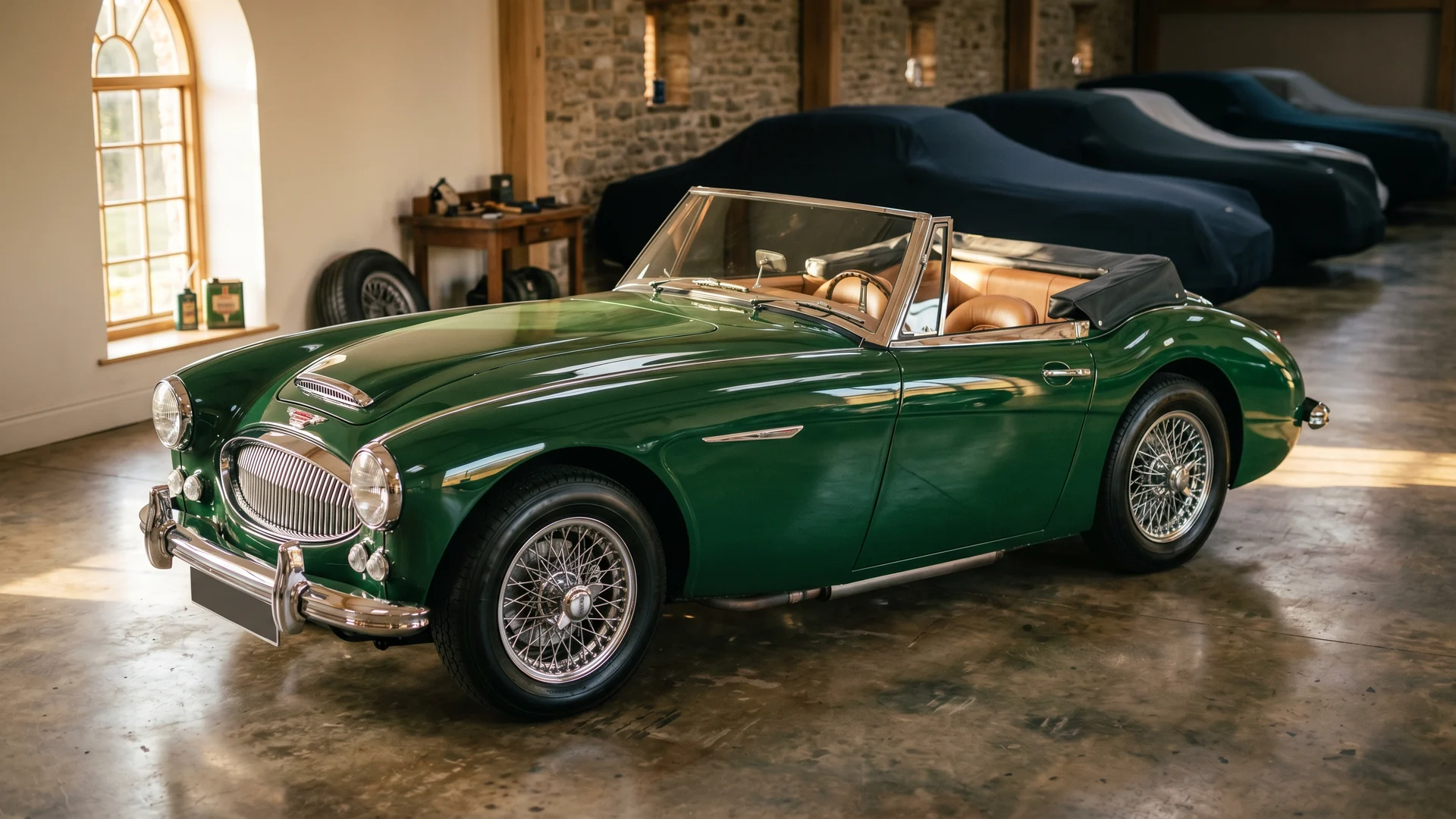
Classic Car Insurance Guide: Protecting Your Vintage Investment
Classic car insurance guide: why agreed-value policies beat stated and actual cash value, how Hagerty, Grundy and Chubb compare, plus costs and covera…
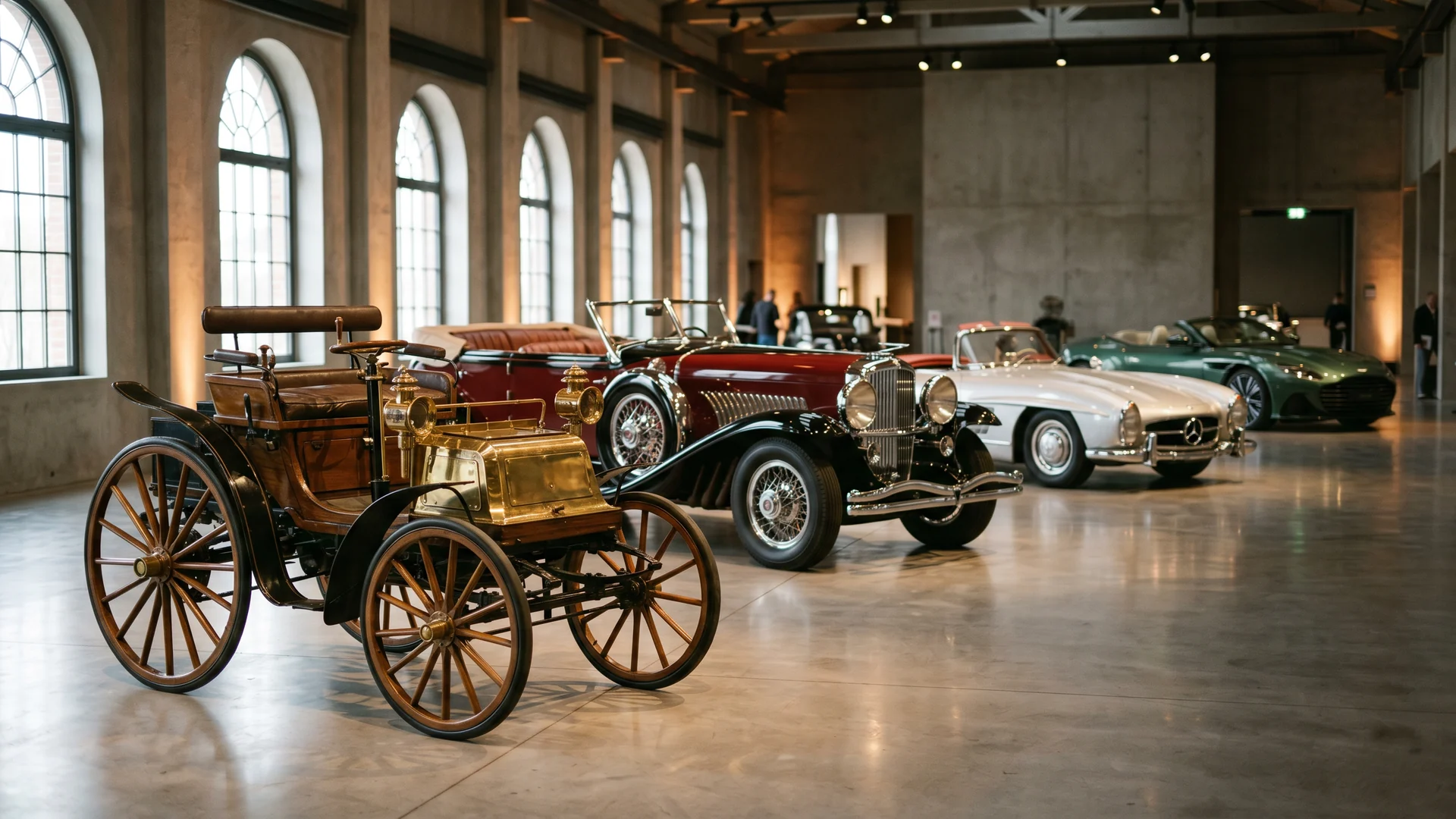
Classic Car History Timeline: From Benz to the Modern Collector Era
Classic car history timeline from the 1886 Benz Patent-Motorwagen through coachbuilding, muscle cars and supercars to modern collectibles. Discover th…