Why Classic Car Shows Are About Power, Not Passion
Classic cars, generally defined as vehicles manufactured between 1915 and 1975, represent a pivotal period in automotive development. The early 20th century introduced mass product…
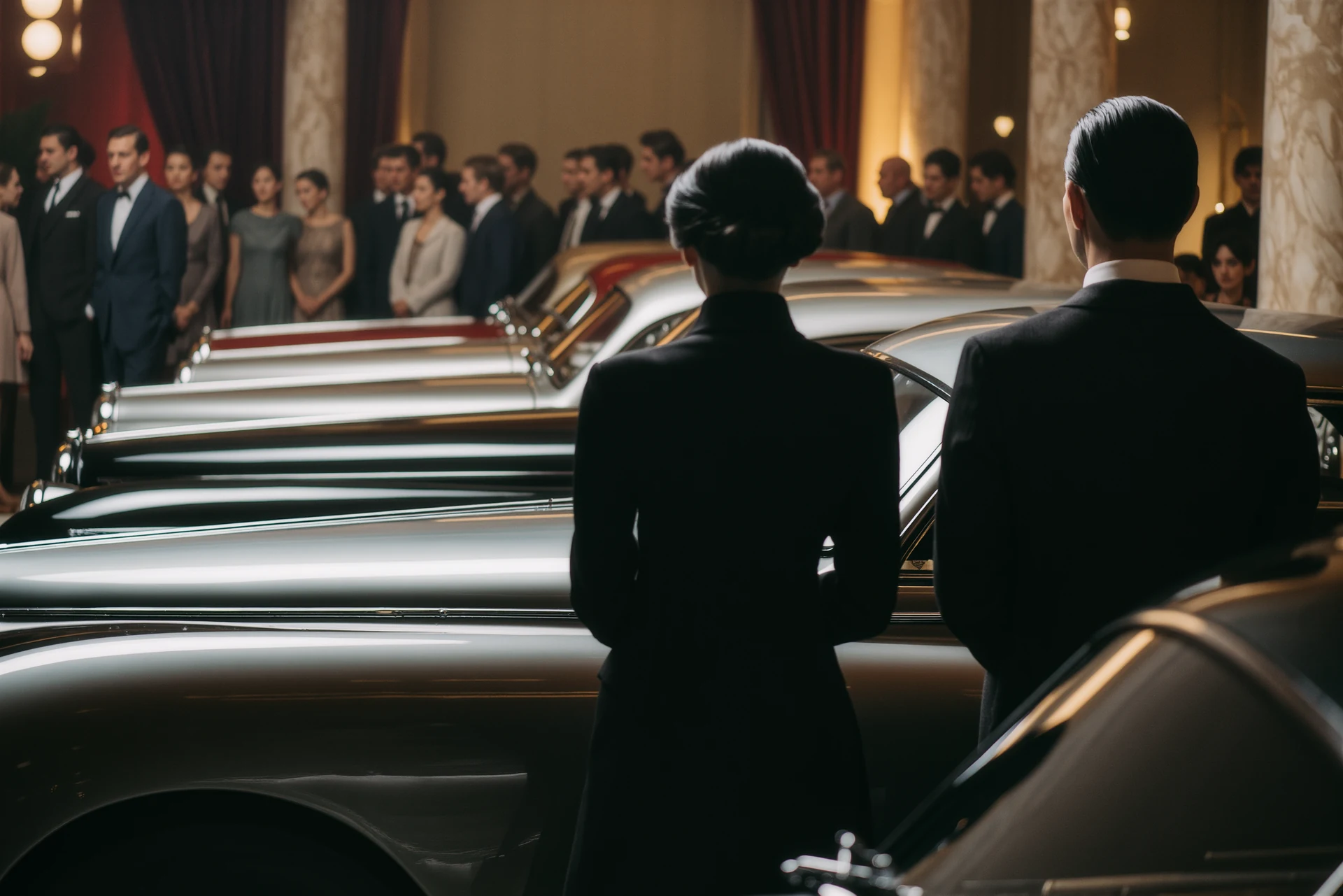
Classic cars, generally defined as vehicles manufactured between 1915 and 1975, represent a pivotal period in automotive development. The early 20th century introduced mass production methods, with Henry Ford’s Model T establishing the foundation for large-scale automobile manufacturing. During this era, major automotive brands including Chevrolet, Cadillac, and Ford were established, creating the basis for what would become the classic car market.
Throughout the following decades, classic cars evolved to reflect changing social and economic conditions. The 1920s featured luxury automobiles with elaborate design elements, while the post-World War II period produced an increase in performance-focused vehicles. The muscle car era spanning the 1960s and 1970s was characterized by high-displacement engines and distinctive styling that attracted automotive enthusiasts.
Contemporary appreciation of classic cars extends beyond their historical importance to include recognition of their manufacturing quality and design characteristics. These vehicles serve as documentation of automotive engineering progress, design trends, and cultural values of their respective time periods.
Key Takeaways
- Classic car shows have evolved from simple gatherings to highly competitive events that influence the automotive industry.
- Power plays a significant role in classic car culture, affecting prestige and the enthusiasm of collectors and enthusiasts.
- Passion is a driving force behind participation in classic car shows, often intersecting with the desire for power and recognition.
- The relationship between power and prestige shapes the dynamics and outcomes of classic car competitions.
- Understanding power dynamics is crucial for the future development and inclusivity of classic car shows.
The Evolution of Classic Car Shows
Classic car shows have evolved significantly since their inception, transforming from small gatherings of enthusiasts to grand events that attract thousands of visitors. Initially, these shows were informal meet-ups where car owners showcased their prized possessions to fellow enthusiasts. Over time, they grew in popularity, leading to organized events that featured competitions, awards, and vendor displays.
Today’s classic car shows are multifaceted experiences that celebrate automotive heritage. They often include live music, food vendors, and family-friendly activities, making them appealing to a broader audience. The rise of social media has also played a crucial role in promoting these events, allowing enthusiasts to connect and share their passion for classic cars on a global scale.
This evolution has not only increased attendance but has also fostered a sense of community among classic car lovers.
The Role of Power in Classic Car Culture
Power plays a pivotal role in classic car culture, influencing everything from vehicle design to owner pride. In the automotive world, power is often associated with engine performance and speed. Classic cars with powerful engines are highly sought after, as they represent the pinnacle of engineering and performance from their respective eras.
This fascination with power extends beyond mere specifications; it embodies a lifestyle and an identity for many enthusiasts. Moreover, power dynamics within the classic car community can shape social interactions and hierarchies. Owners of high-performance vehicles often enjoy a certain prestige among peers, leading to a competitive spirit that drives enthusiasts to seek out more powerful models.
This quest for power not only fuels individual passion but also fosters camaraderie among those who share similar interests in performance and engineering excellence.
The Influence of Classic Car Shows on the Automotive Industry
Classic car shows have a profound influence on the automotive industry, serving as a barometer for trends and consumer preferences. Manufacturers often attend these events to gauge public interest in vintage models and assess the potential for reintroducing classic designs into modern markets. The nostalgia associated with classic cars can inspire contemporary designs, leading to limited-edition releases that pay homage to iconic models.
Additionally, classic car shows provide a platform for aftermarket businesses to showcase their products. From restoration services to custom parts, these vendors cater to the needs of classic car owners looking to enhance or maintain their vehicles. The synergy between classic car shows and the automotive industry creates a vibrant ecosystem that benefits both enthusiasts and manufacturers alike.
The Competitive Nature of Classic Car Shows
The competitive nature of classic car shows adds an exciting dimension to these events. Participants often enter their vehicles into various categories, vying for awards such as “Best in Show” or “People’s Choice.
Judging criteria can vary significantly from show to show, with some focusing on originality while others prioritize modifications or overall presentation.
This diversity allows for a wide range of vehicles to be celebrated, from pristine restorations to creatively customized builds. The competitive spirit fosters a sense of pride among participants and encourages them to share their knowledge and expertise with others in the community.
The Impact of Power on Classic Car Enthusiasts
For many classic car enthusiasts, power is not just about engine specifications; it represents a deeper connection to the automotive world. The thrill of driving a powerful classic car evokes feelings of nostalgia and excitement that resonate with owners on a personal level. This emotional connection often drives enthusiasts to invest significant time and resources into their vehicles.
Moreover, the pursuit of power can lead to a sense of belonging within the classic car community.
This camaraderie fosters friendships that extend beyond the realm of cars, creating lasting connections among individuals who share a passion for automotive history and engineering excellence.
The Relationship Between Power and Prestige in Classic Car Shows
The relationship between power and prestige is evident in classic car shows, where high-performance vehicles often command attention and admiration. Cars equipped with powerful engines are frequently regarded as status symbols, reflecting the owner’s taste and dedication to automotive excellence. This prestige can elevate an owner’s standing within the community, leading to increased recognition at events.
However, prestige is not solely determined by power; it also encompasses factors such as rarity, historical significance, and craftsmanship. A beautifully restored classic car may garner just as much admiration as a high-powered muscle car if it possesses unique qualities that resonate with judges and spectators alike. This multifaceted relationship between power and prestige adds depth to the competitive landscape of classic car shows.
The Role of Passion in Classic Car Shows
Passion is at the heart of classic car shows, driving enthusiasts to participate in events that celebrate their love for automobiles. For many owners, their vehicles represent more than just machines; they embody memories, stories, and personal journeys. This passion fuels the desire to restore, maintain, and showcase these cars at events where they can connect with like-minded individuals.
The atmosphere at classic car shows is often electric, filled with conversations about restoration techniques, engine modifications, and shared experiences on the road. This sense of community fosters an environment where knowledge is exchanged freely, allowing newcomers to learn from seasoned enthusiasts. Passion not only enhances the experience for participants but also enriches the overall culture surrounding classic cars.
The Intersection of Power and Passion in Classic Car Culture
The intersection of power and passion creates a unique dynamic within classic car culture. Enthusiasts are drawn to powerful vehicles not only for their performance but also for the stories they tell about engineering innovation and design evolution. This duality allows owners to express their individuality while celebrating the rich history of automotive development.
Moreover, this intersection often leads to creative endeavors such as custom builds or restorations that reflect personal tastes and preferences. Enthusiasts may choose to enhance their vehicles’ power while maintaining historical accuracy or opt for modern modifications that elevate performance without sacrificing character. This blend of power and passion results in a diverse array of vehicles that showcase the creativity and dedication of their owners.
The Future of Classic Car Shows and the Power Dynamics at Play
As classic car shows continue to evolve, new power dynamics are emerging within the community. With advancements in technology and changing consumer preferences, electric vehicles are beginning to make their mark on the classic car scene. This shift presents both challenges and opportunities for traditional enthusiasts as they navigate the integration of modern technology into vintage designs.
Additionally, younger generations are becoming increasingly involved in classic car culture, bringing fresh perspectives and ideas to the table. Their passion for sustainability may influence future trends in restoration practices and vehicle modifications. As these dynamics unfold, classic car shows will likely adapt to reflect the changing landscape while preserving the essence of what makes them special.
The Importance of Recognizing the Power Dynamics in Classic Car Shows
Recognizing the power dynamics at play in classic car shows is essential for fostering an inclusive environment that celebrates diversity within the community. Understanding how factors such as vehicle performance, historical significance, and personal passion intersect can help create a more equitable space for all enthusiasts. By acknowledging these dynamics, organizers can design events that cater to a wide range of interests and preferences.
This inclusivity not only enhances the experience for participants but also encourages new enthusiasts to join the community without feeling intimidated by established hierarchies. Ultimately, recognizing power dynamics can lead to a richer appreciation for classic cars and the stories they tell about our automotive heritage. In conclusion, classic cars represent more than just vehicles; they embody history, passion, and innovation.
As we look toward the future of classic car shows, it is crucial to embrace both power dynamics and personal connections within this vibrant community. By doing so, we can ensure that classic car culture continues to thrive for generations to come.
FAQs
What is the main argument of the article “Why Classic Car Shows Are About Power, Not Passion”?
The article argues that classic car shows are more focused on displaying social status and power rather than genuine passion for the vehicles themselves.
How do classic car shows demonstrate power according to the article?
Classic car shows demonstrate power through the display of rare, expensive, and meticulously maintained vehicles, which often symbolize wealth, influence, and social standing.
What role does passion typically play in classic car shows?
While passion for cars is often cited as a reason for participation, the article suggests that passion is frequently overshadowed by the desire to showcase power and prestige.
Are all participants in classic car shows motivated by power?
No, not all participants are motivated by power; some enthusiasts genuinely appreciate the history, craftsmanship, and restoration of classic cars, but the article emphasizes that power dynamics are a significant factor.
What types of cars are usually featured at classic car shows?
Classic car shows typically feature vintage, rare, and collectible automobiles that are often restored to pristine condition.
How do classic car shows impact the perception of car culture?
Classic car shows can reinforce the idea that car culture is linked to social status and exclusivity, sometimes overshadowing the appreciation of automotive history and engineering.
Is the focus on power unique to classic car shows?
No, the focus on power and status can be found in various types of car shows and automotive events, but the article highlights this aspect specifically in the context of classic car shows.
What are some common criticisms of classic car shows mentioned in the article?
Common criticisms include the emphasis on wealth and exclusivity, the potential neglect of genuine automotive passion, and the commercialization of car culture.
How can classic car shows balance power and passion?
Classic car shows can balance power and passion by promoting inclusivity, encouraging education about automotive history, and highlighting the stories behind the cars rather than just their value or rarity.
Why might some people attend classic car shows despite the focus on power?
Some attendees enjoy the social aspect, the opportunity to network, the aesthetic appeal of the cars, or have a genuine interest in automotive history and restoration.
More from Blog
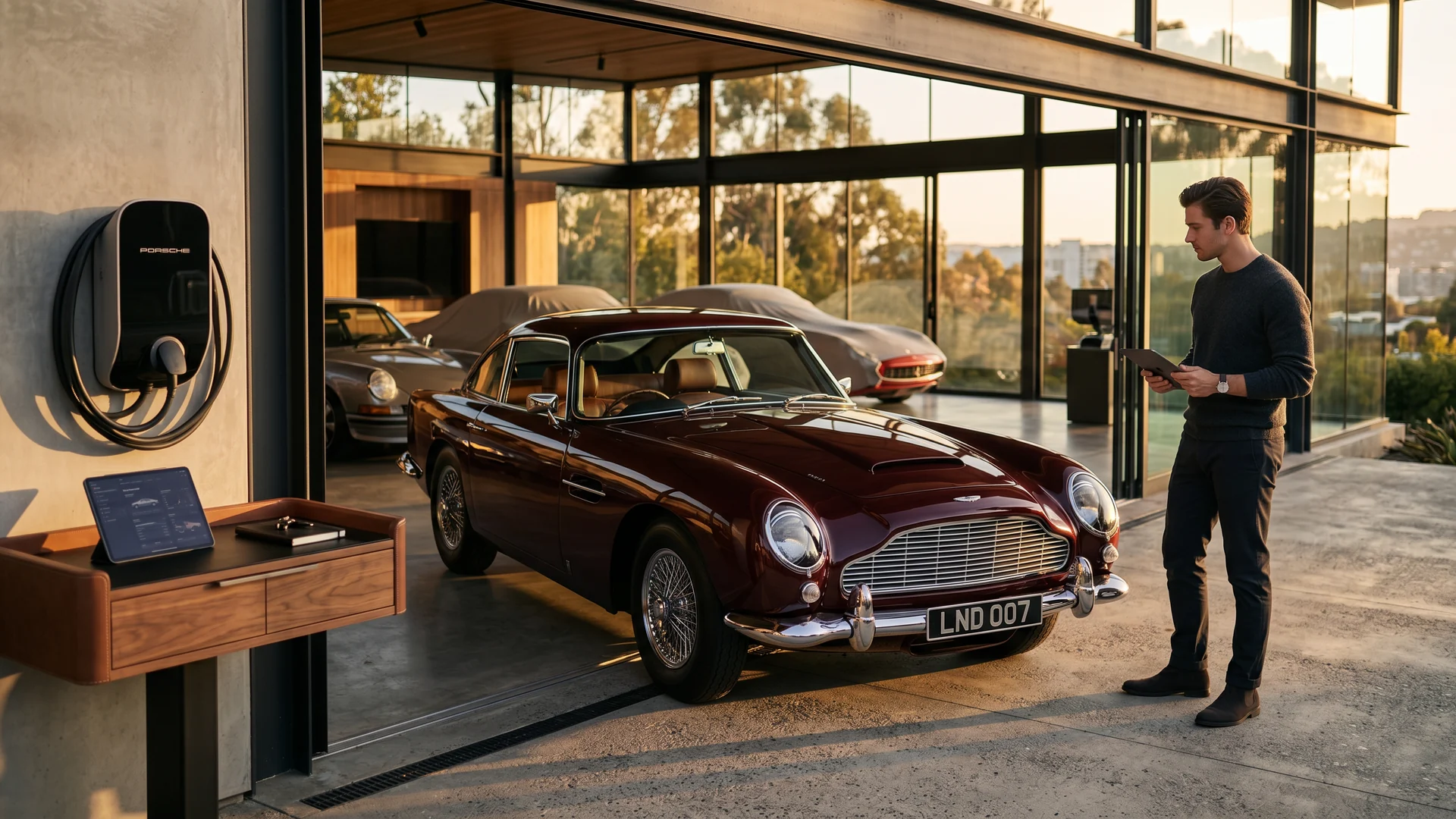
The Future of Classic Car Collecting: Trends Shaping the Next Generation
The future of classic car collecting: why 2035 ICE bans spare existing cars, plus e-fuels, shifting demographics, electromods and fractional ownership…
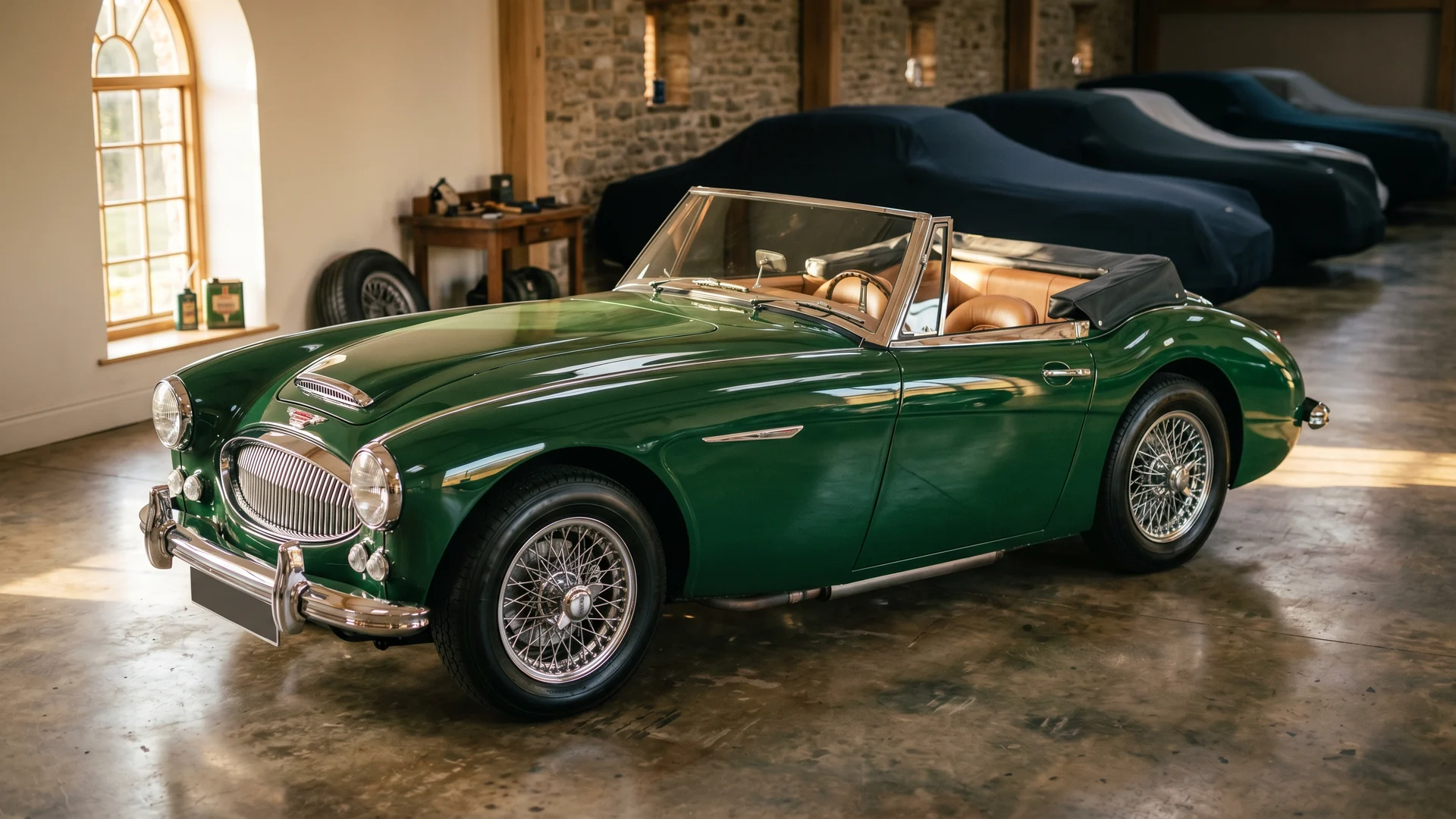
Classic Car Insurance Guide: Protecting Your Vintage Investment
Classic car insurance guide: why agreed-value policies beat stated and actual cash value, how Hagerty, Grundy and Chubb compare, plus costs and covera…
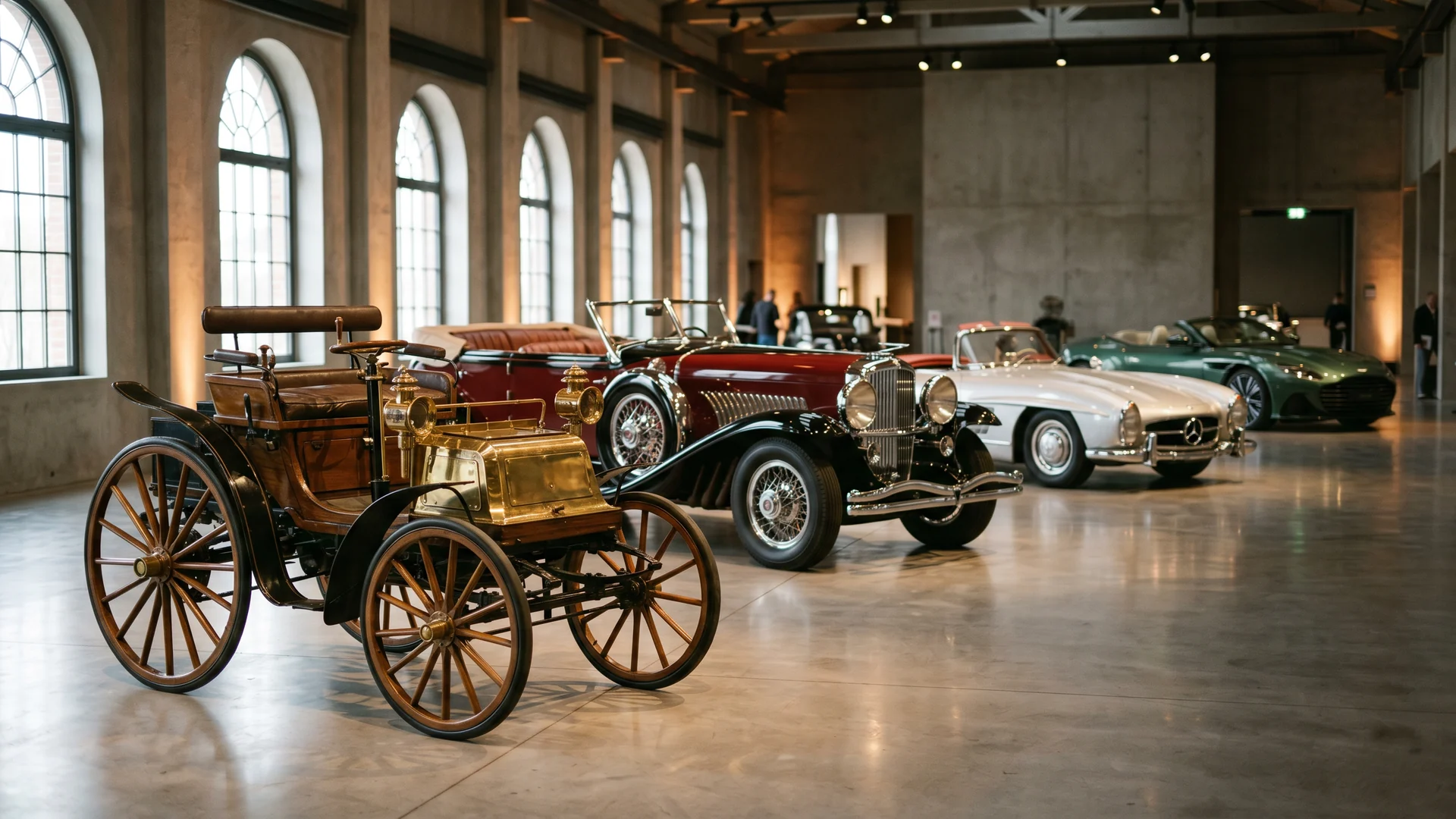
Classic Car History Timeline: From Benz to the Modern Collector Era
Classic car history timeline from the 1886 Benz Patent-Motorwagen through coachbuilding, muscle cars and supercars to modern collectibles. Discover th…