Why Classic Car Rarity Is More Political Than Mechanical
Government regulations significantly influence classic car rarity through various mechanisms. Emissions standards and safety requirements directly affect both production and preser…
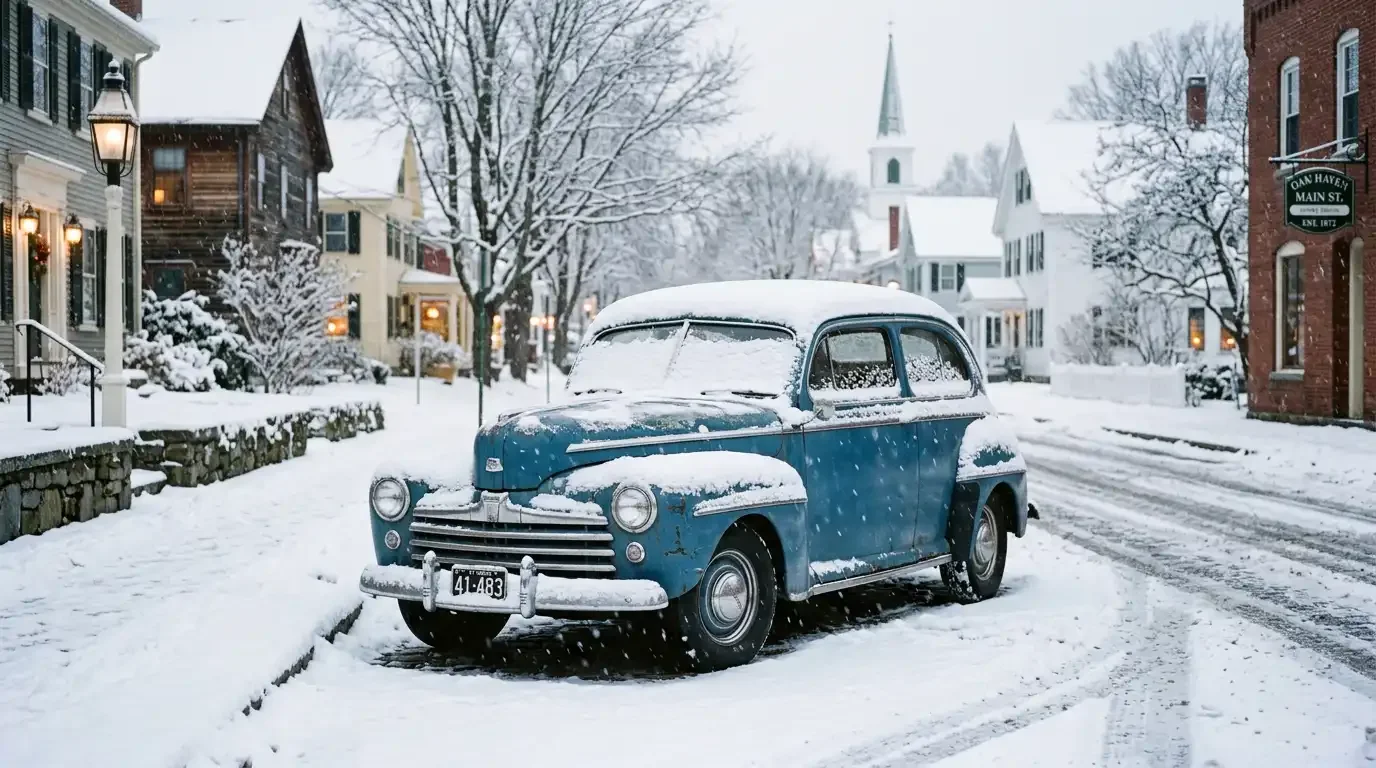
Government regulations significantly influence classic car rarity through various mechanisms. Emissions standards and safety requirements directly affect both production and preservation of vintage vehicles.
This diminishing availability naturally increases their rarity and enhances their appeal among collectors and enthusiasts. Registration and insurance regulations also impact classic car ownership patterns. Many jurisdictions apply different regulatory frameworks to classic vehicles compared to modern ones, often providing benefits such as reduced insurance premiums and specialized registration categories.
These favorable policies can stimulate investment in classic automobiles, further contributing to their scarcity in the market. As governmental regulatory frameworks continue to develop, they will remain a determining factor in the availability and desirability of these historical vehicles.
Key Takeaways
- Government regulations and environmental policies significantly shape the availability and rarity of classic cars.
- Economic policies, taxation, and international trade agreements influence the market dynamics and distribution of classic cars globally.
- Historic events and cultural factors contribute to the perceived value and rarity of classic cars.
- Collectors, manufacturers, and preservation efforts play crucial roles in maintaining and enhancing classic car rarity.
- The evolving political landscape will continue to impact the future rarity and preservation of classic cars.
The Impact of Economic Policies on Classic Car Rarity
Economic policies have a profound effect on the classic car market. Factors such as inflation, interest rates, and overall economic health can influence consumer spending power and investment in luxury items like classic cars. During economic downturns, potential buyers may prioritize essential expenses over luxury purchases, leading to a decrease in demand for classic vehicles.
This reduced demand can result in a decline in the number of classic cars being bought and sold, ultimately increasing their rarity. Conversely, during periods of economic growth, more individuals may have disposable income to invest in classic cars. This surge in demand can lead to higher prices and increased competition among collectors, further driving up rarity.
Additionally, economic policies that encourage investment in vintage automobiles, such as tax incentives for restoration projects, can also contribute to the preservation and appreciation of classic cars.
The Role of International Trade Agreements in Classic Car Rarity
International trade agreements significantly impact the classic car market by influencing the availability of parts and vehicles across borders. Trade policies can either facilitate or hinder the importation of classic cars and their components, affecting their rarity. For example, favorable trade agreements may lower tariffs on imported classic cars or parts, making it easier for collectors to restore or maintain their vehicles.
This increased accessibility can lead to a more vibrant market but may also dilute the rarity of certain models. On the other hand, restrictive trade policies can limit the availability of specific classic cars or parts, driving up their rarity and value. Collectors may find themselves competing for a dwindling supply of vehicles or components, leading to increased prices and heightened interest in preservation efforts.
As global trade dynamics shift, the classic car market will continue to be influenced by these agreements.
Historic Events and Classic Car Rarity
Historic events have a lasting impact on the rarity of classic cars. Major events such as wars, economic crises, and technological advancements can alter production levels and consumer preferences. For instance, during World War II, many automobile manufacturers shifted their focus to military production, resulting in a significant decrease in civilian vehicle output.
This scarcity led to an increase in the rarity of certain models produced before the war. Additionally, cultural shifts and changing consumer tastes can also affect which classic cars are considered rare. For example, the rise of environmental consciousness has led to a decline in interest for gas-guzzling muscle cars from the 1960s and 1970s.
As societal values evolve, so too does the perception of what constitutes a “classic” car, impacting its rarity and desirability among collectors.
The Effect of Environmental Policies on Classic Car Rarity
Environmental policies are increasingly shaping the landscape of classic car rarity. As governments worldwide implement stricter emissions regulations and promote electric vehicles, older combustion-engine cars face challenges that can affect their viability on the road. Many classic cars do not meet modern environmental standards, which can lead to restrictions on their use or even outright bans in certain areas.
This regulatory environment can drive up the rarity of these vehicles as fewer are allowed to remain operational. Moreover, environmental initiatives aimed at reducing carbon footprints may encourage collectors to invest in electric or hybrid vehicles instead of traditional classics. As a result, certain models may become less desirable over time, while others that are more environmentally friendly could see an increase in value.
The interplay between environmental policies and classic car rarity will continue to evolve as society grapples with sustainability issues.
Social and Cultural Factors in Classic Car Rarity
Social and cultural factors play a crucial role in determining the rarity of classic cars. Trends in popular culture, such as movies, television shows, and music, can significantly influence which models gain notoriety and desirability among collectors. For example, iconic films featuring classic cars can spark renewed interest in specific models, driving up their rarity as demand surges.
Additionally, social movements advocating for preservation and appreciation of automotive history contribute to the rarity of certain vehicles. Car clubs and enthusiast groups often rally around specific makes or models, fostering a sense of community that elevates their status among collectors. As these social dynamics shift over time, they will continue to shape the landscape of classic car rarity.
The Influence of Taxation on Classic Car Rarity
Taxation policies can have a direct impact on classic car ownership and rarity. In some regions, tax incentives for restoring or maintaining vintage vehicles can encourage collectors to invest in classic cars. These incentives may include reduced property taxes for registered classics or tax credits for restoration projects.
Such policies can lead to an increase in the number of restored vehicles on the market, potentially affecting their rarity. Conversely, high taxes on luxury items, including classic cars, can deter potential buyers from entering the market. When taxes become prohibitive, fewer individuals may be willing to invest in these vehicles, leading to a decline in demand and an increase in rarity for those that remain available.
As taxation policies evolve, they will continue to influence the dynamics of classic car ownership.
Classic Car Rarity and the Role of Collectors
Collectors play an essential role in shaping the rarity of classic cars. Their passion for preserving automotive history drives demand for specific models and influences market trends. Collectors often seek out rare vehicles not only for personal enjoyment but also as investments that appreciate over time.
This pursuit can lead to increased competition among collectors for limited supply models, further driving up their rarity. Moreover, collectors often engage in restoration projects that enhance the value and desirability of classic cars.
The collector community is vital in maintaining interest in classic cars and ensuring that they remain valued pieces of history.
The Importance of Heritage and Preservation in Classic Car Rarity
Heritage and preservation are critical factors influencing classic car rarity. As society becomes more aware of the importance of preserving history, there is a growing appreciation for vintage automobiles as cultural artifacts. This recognition has led to increased efforts to restore and maintain classic cars, ensuring that they remain part of our automotive legacy.
Preservation initiatives often involve collaboration between collectors, museums, and automotive organizations dedicated to safeguarding these vehicles for future generations. By promoting awareness about the historical significance of classic cars, these efforts help maintain their rarity while fostering a sense of community among enthusiasts who share a passion for automotive history.
Classic Car Rarity and the Role of Car Manufacturers
Car manufacturers play a pivotal role in shaping the landscape of classic car rarity through their production decisions and marketing strategies. Limited production runs or special editions often create a sense of exclusivity that drives up demand among collectors. When manufacturers release iconic models with unique features or designs, they become highly sought after over time.
Additionally, manufacturers’ decisions regarding parts availability can impact the preservation efforts surrounding classic cars. If a manufacturer continues to produce parts for older models or supports restoration initiatives, it can help maintain these vehicles’ operational status and desirability among collectors. Conversely, if parts become scarce due to discontinued production lines, it can lead to increased rarity as fewer vehicles remain roadworthy.
The Future of Classic Car Rarity in a Changing Political Landscape
The future of classic car rarity is uncertain as political landscapes shift globally. Changes in government regulations regarding emissions standards or environmental policies could significantly impact which vehicles remain operational on public roads. As society increasingly prioritizes sustainability, older combustion-engine cars may face challenges that could affect their long-term viability.
However, there is also potential for growth within the classic car market as new generations of enthusiasts emerge. Younger collectors may seek out vintage vehicles not only for their aesthetic appeal but also as symbols of nostalgia and craftsmanship from a bygone era. As political dynamics continue to evolve, so too will the factors influencing classic car rarity, creating both challenges and opportunities for collectors and enthusiasts alike.
In conclusion, understanding the multifaceted influences on classic car rarity, from government regulations to social factors, provides valuable insights into this unique market’s future trajectory. As enthusiasts navigate these complexities, they will continue to shape the landscape of classic car ownership for years to come.
FAQs
What does “classic car rarity” mean?
Classic car rarity refers to how uncommon or scarce a particular vintage or antique automobile is. This can be influenced by factors such as limited production numbers, surviving examples, and historical significance.
How can rarity in classic cars be considered political?
Rarity can be political because it is often shaped by regulations, market dynamics, cultural values, and collector preferences, which are influenced by social and economic policies. Decisions about which cars are preserved, restored, or valued can reflect broader political and cultural trends rather than purely mechanical factors.
Is mechanical condition not important in determining a classic car’s rarity?
While mechanical condition affects a car’s usability and value, rarity is more about how many examples exist and their historical context. A mechanically sound car may be common, whereas a rare car might be valued for its scarcity regardless of mechanical state.
What role do government regulations play in classic car rarity?
Government regulations, such as import restrictions, emissions standards, and safety laws, can limit the availability or preservation of certain classic cars, thereby influencing their rarity. Policies can also affect which cars are eligible for historic vehicle status or tax incentives.
How do collector communities influence classic car rarity?
Collector preferences and trends can elevate the status of certain models, making them more sought after and perceived as rarer. Social networks, auctions, and clubs often shape which cars are preserved and celebrated, impacting their rarity in the market.
Can cultural factors affect the rarity of classic cars?
Yes, cultural appreciation or neglect of certain car models or brands can influence how many are preserved and valued. For example, cars associated with particular historical events or regions may be rarer due to cultural significance or lack thereof.
Does rarity always increase a classic car’s value?
Generally, rarity can increase value, but it is not the sole factor. Condition, provenance, desirability, and market demand also play critical roles in determining a classic car’s worth.
Are all rare classic cars considered valuable?
Not necessarily. Some rare cars may have limited appeal due to design, performance, or historical context, which can affect their market value despite rarity.
How does the article “Why Classic Car Rarity Is More Political Than Mechanical” challenge common perceptions?
The article suggests that rarity is not just a matter of how many cars were made or survive but is heavily influenced by political, social, and economic factors that shape which cars are preserved, valued, and recognized as rare.
Where can I learn more about the politics behind classic car rarity?
You can explore automotive history books, collector forums, industry analyses, and articles that discuss the intersection of culture, policy, and the classic car market to gain deeper insights into this topic.
More from Blog

The Future of Classic Car Collecting: Trends Shaping the Next Generation
The future of classic car collecting: why 2035 ICE bans spare existing cars, plus e-fuels, shifting demographics, electromods and fractional ownership…
Classic Car Insurance Guide: Protecting Your Vintage Investment
Classic car insurance guide: why agreed-value policies beat stated and actual cash value, how Hagerty, Grundy and Chubb compare, plus costs and covera…
Classic Car History Timeline: From Benz to the Modern Collector Era
Classic car history timeline from the 1886 Benz Patent-Motorwagen through coachbuilding, muscle cars and supercars to modern collectibles. Discover th…