Why Classic Car Ownership Is Now About Preservation, Not Driving
In recent years, the landscape of classic car ownership has undergone a significant transformation. Once primarily seen as vehicles for driving enthusiasts, classic cars are now in…
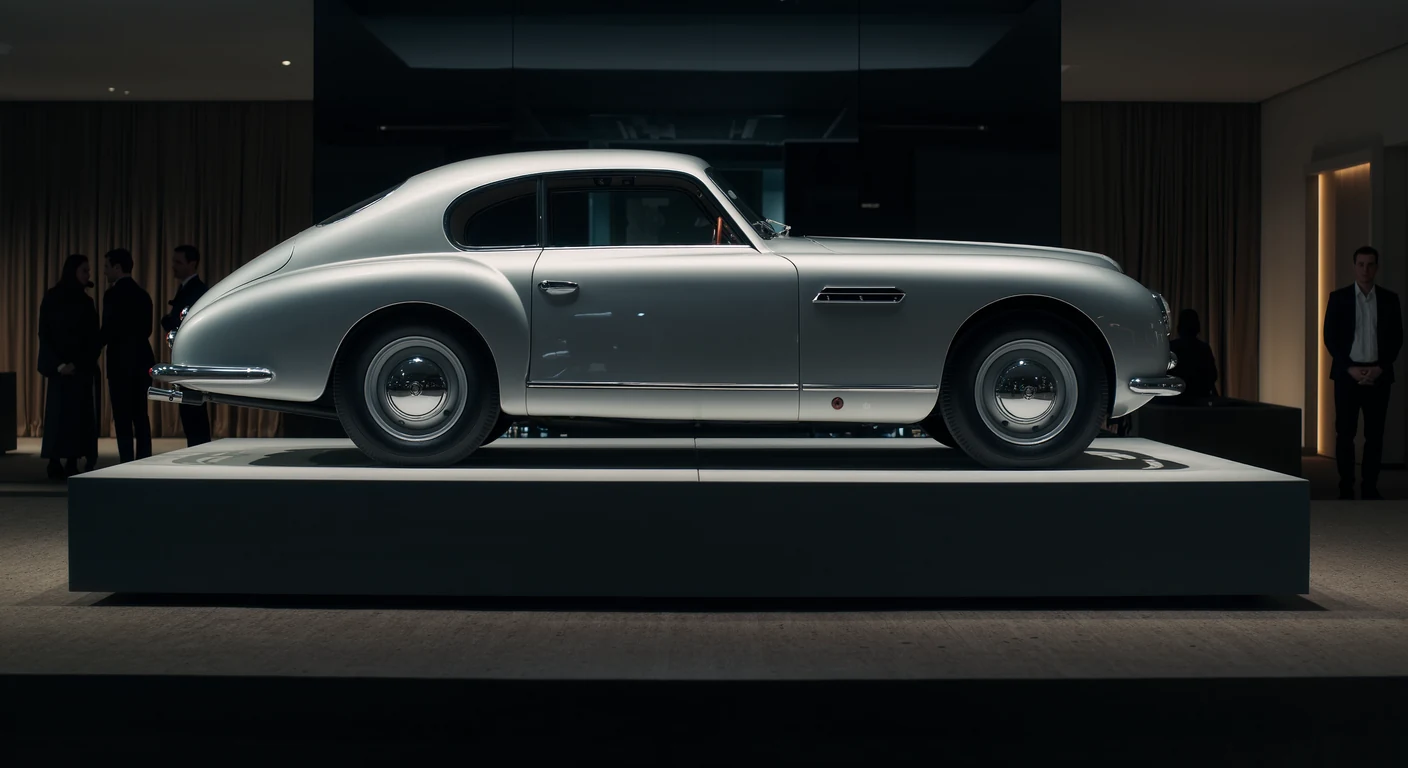
In recent years, the landscape of classic car ownership has undergone a significant transformation. Once primarily seen as vehicles for driving enthusiasts, classic cars are now increasingly viewed as valuable assets and collectibles. This shift is driven by a growing appreciation for the craftsmanship and history behind these vehicles.
Owners are not just looking for a means of transportation; they are investing in pieces of art that tell a story. This change in perspective has led to a more diverse group of individuals entering the classic car market, from seasoned collectors to younger enthusiasts eager to connect with automotive heritage. As the market evolves, so do the motivations behind ownership.
Many classic car owners today prioritize preservation over daily driving. This trend reflects a broader cultural shift towards valuing experiences and history over mere utility. The allure of classic cars now lies in their ability to evoke nostalgia and represent a bygone era, making them more than just machines.
This new mindset is reshaping how we view classic cars, emphasizing their role as cultural artifacts rather than just vehicles.
Key Takeaways
- Classic car ownership is shifting from frequent driving to preservation and display.
- Maintaining originality is crucial for preserving the historical value of classic cars.
- Classic cars serve as important cultural and historical artifacts reflecting automotive heritage.
- Environmental concerns and restoration challenges impact the future of classic car use.
- A dedicated community of preservationists supports the ongoing care and appreciation of classic cars.
The Rise of Preservation Over Driving
The rise of preservation over driving has become a defining characteristic of modern classic car ownership. Many enthusiasts are opting to keep their vehicles in pristine condition rather than using them as daily drivers. This trend is fueled by a desire to maintain the integrity and originality of these cars, which can be compromised through regular use.
Preservationists often invest in high-quality storage solutions and climate-controlled garages to protect their vehicles from the elements, ensuring that they remain in excellent condition for years to come. Moreover, this shift has led to an increase in events and gatherings focused on showcasing preserved classic cars. Car shows and exhibitions have become popular venues for owners to display their meticulously maintained vehicles, allowing them to connect with fellow enthusiasts and share their passion for automotive history.
This focus on preservation not only enhances the value of individual cars but also fosters a sense of community among owners who share similar values and interests.
The Importance of Maintaining Originality
Maintaining originality is paramount in the world of classic car preservation. Original parts, finishes, and features contribute significantly to a vehicle’s value and authenticity. Enthusiasts often go to great lengths to source original components, ensuring that their cars remain true to their factory specifications.
This commitment to originality not only enhances the car’s market value but also preserves its historical significance. Furthermore, originality plays a crucial role in storytelling. Each classic car has its own unique history, and preserving its original features allows owners to share that narrative with others.
Whether it’s the original paint color or factory-installed accessories, these details provide insight into the car’s past and its place in automotive history. By prioritizing originality, owners contribute to the broader narrative of classic cars as cultural artifacts that deserve recognition and respect.
The Value of Classic Cars as Historical Artifacts
Classic cars are more than just vehicles; they are historical artifacts that encapsulate the technological advancements and design philosophies of their time. Each model represents a snapshot of automotive history, reflecting the social and economic conditions of its era. As such, classic cars hold significant value not only as collectibles but also as educational tools that can teach future generations about the evolution of transportation.
The appreciation for classic cars as historical artifacts has led to increased interest from museums and educational institutions. Many organizations are now incorporating classic cars into their exhibits, showcasing them as examples of engineering excellence and design innovation. This recognition elevates the status of classic cars beyond mere collectibles, positioning them as vital components of our cultural heritage.
The Role of Classic Cars in Preserving Automotive History
Classic cars play a crucial role in preserving automotive history by serving as tangible links to the past. They allow us to experience firsthand the craftsmanship and engineering that defined different eras of automotive design. By maintaining and restoring these vehicles, enthusiasts ensure that future generations can appreciate the artistry and innovation that went into their creation.
Moreover, classic cars often serve as a source of inspiration for modern automotive design. Many contemporary manufacturers look to classic models for design cues and engineering principles, blending nostalgia with modern technology. This interplay between past and present highlights the importance of preserving classic cars not only for their historical value but also for their influence on the future of automotive design.
The Environmental Impact of Driving Classic Cars
While classic cars are often celebrated for their beauty and historical significance, they also raise important questions about environmental impact.
However, this has sparked a conversation about sustainable practices within the classic car community.
Enthusiasts are increasingly exploring ways to minimize the environmental impact of driving classic cars. Some owners are retrofitting their vehicles with modern engines that meet current emissions standards while maintaining the car’s original aesthetic. Others are advocating for responsible driving practices, emphasizing that occasional use can mitigate environmental concerns while still allowing owners to enjoy their vehicles.
The Challenges of Restoring and Preserving Classic Cars
Restoring and preserving classic cars is not without its challenges. Finding original parts can be a daunting task, especially for rare models or those produced in limited quantities. Enthusiasts often face difficulties sourcing components that match the original specifications, leading some to resort to aftermarket alternatives that may compromise authenticity.
Additionally, the restoration process itself can be time-consuming and costly. Owners must navigate various aspects, from mechanical repairs to bodywork and paint restoration. Each step requires careful consideration to ensure that the vehicle retains its historical integrity while achieving a high standard of quality.
Despite these challenges, many enthusiasts find the restoration journey rewarding, as it allows them to connect deeply with their vehicles and preserve their legacy.
The Growing Trend of Displaying Classic Cars
The trend of displaying classic cars has gained momentum in recent years, with more owners choosing to showcase their vehicles at events and exhibitions rather than simply keeping them hidden away in garages. Car shows have become vibrant gatherings where enthusiasts can share their passion for automotive history while connecting with like-minded individuals. These displays serve multiple purposes: they celebrate craftsmanship, foster community engagement, and educate the public about the significance of classic cars.
Many events feature awards for various categories, encouraging owners to invest time and effort into maintaining their vehicles’ condition. As a result, displaying classic cars has become an integral part of ownership, allowing enthusiasts to share their pride and passion with others.
The Cultural Significance of Classic Car Preservation
Classic car preservation holds profound cultural significance as it reflects our collective memory and identity. These vehicles serve as reminders of our past, evoking nostalgia for simpler times while showcasing the evolution of design and technology. By preserving classic cars, we honor the craftsmanship and innovation that shaped our automotive landscape.
Moreover, classic cars often symbolize freedom and adventure, representing a spirit of exploration that resonates across generations. They connect people through shared experiences and stories, fostering a sense of community among enthusiasts who appreciate the artistry behind these machines. In this way, classic car preservation transcends mere ownership; it becomes a celebration of culture and heritage.
The Future of Classic Car Ownership
The future of classic car ownership appears bright as new generations embrace these vehicles with enthusiasm. Younger enthusiasts are increasingly drawn to classic cars for their unique character and historical significance, often seeking out models that resonate with their personal values and interests. This trend suggests a promising future for the classic car community as it evolves to include diverse voices and perspectives.
Additionally, advancements in technology may play a role in shaping the future of classic car ownership. Innovations such as electric conversions could provide environmentally friendly alternatives while preserving the charm of vintage vehicles. As society continues to prioritize sustainability, finding ways to adapt classic cars for modern use will be essential in ensuring their relevance for years to come.
The Community of Classic Car Preservationists
The community of classic car preservationists is vibrant and passionate, united by a shared love for automotive history. Enthusiasts come together through clubs, online forums, and social media groups to exchange knowledge, share restoration tips, and celebrate their vehicles’ unique stories. This sense of camaraderie fosters an environment where individuals can learn from one another while building lasting friendships.
Moreover, events such as car shows and rallies provide opportunities for preservationists to showcase their work while connecting with fellow enthusiasts. These gatherings often feature educational seminars on restoration techniques or discussions about the importance of preserving automotive history. By engaging with one another, members of this community contribute to a collective effort to honor and protect classic cars for future generations.
In conclusion, the world of classic car ownership is evolving rapidly, driven by a growing appreciation for preservation over driving, originality, and cultural significance. As enthusiasts navigate challenges related to restoration and environmental impact, they continue to foster a vibrant community dedicated to preserving automotive history. The future looks promising as new generations embrace these timeless machines while honoring their legacy through passionate preservation efforts.
FAQs
Why has classic car ownership shifted from driving to preservation?
Classic car ownership has shifted towards preservation due to factors such as the increasing rarity and value of vintage vehicles, the high cost of maintenance and repairs, and the desire to maintain originality and historical integrity. Additionally, stricter emissions and safety regulations limit the use of classic cars on modern roads.
What are the main challenges of driving classic cars regularly?
Driving classic cars regularly can be challenging because of their outdated technology, limited safety features, and potential mechanical unreliability. They often require specialized maintenance, and parts can be difficult or expensive to source. Frequent use can also accelerate wear and reduce the vehicle’s value.
How do owners typically preserve classic cars?
Owners preserve classic cars by storing them in controlled environments to prevent rust and deterioration, performing regular maintenance with original or period-correct parts, and limiting their use to special occasions or shows. Documentation and careful restoration practices are also important to maintain authenticity.
Does preserving a classic car affect its market value?
Yes, preserving a classic car in original or well-maintained condition generally increases its market value. Collectors and enthusiasts often seek vehicles with minimal modifications and documented history, making preservation a key factor in investment potential.
Are there legal restrictions on driving classic cars?
In many regions, classic cars are subject to specific regulations such as limited registration types, restrictions on daily use, or exemptions from certain emissions standards. These rules encourage owners to use classic cars sparingly, supporting preservation efforts.
What role do classic car clubs and events play in preservation?
Classic car clubs and events provide owners with opportunities to showcase their vehicles, share knowledge, and access resources for maintenance and restoration. These communities promote preservation by fostering appreciation and education about classic automobiles.
Is it still possible to enjoy driving a classic car?
Yes, many owners enjoy driving their classic cars occasionally, especially during car shows, parades, or leisure drives. However, the emphasis is often on careful, limited use to balance enjoyment with preservation.
More from Blog
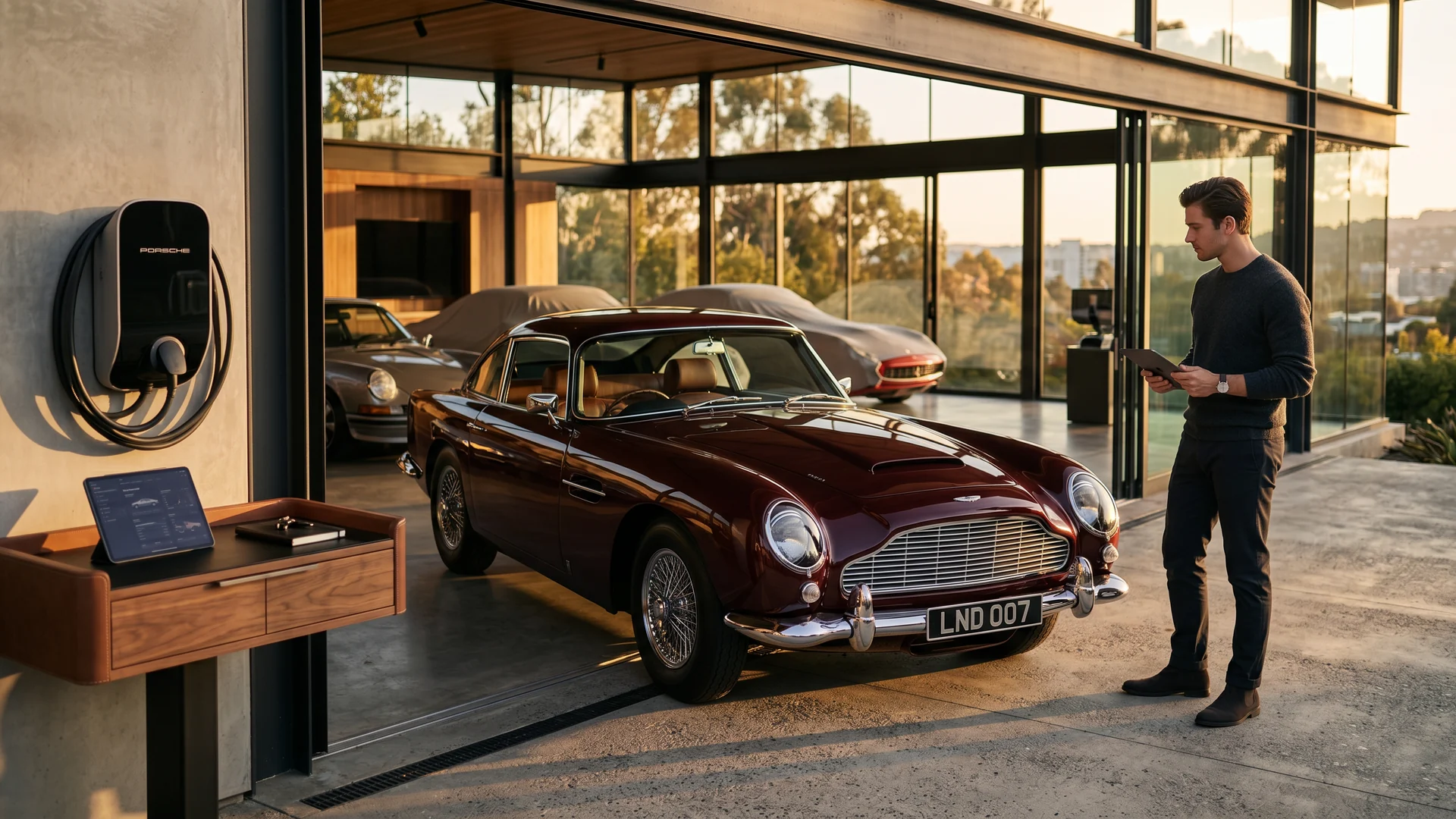
The Future of Classic Car Collecting: Trends Shaping the Next Generation
The future of classic car collecting: why 2035 ICE bans spare existing cars, plus e-fuels, shifting demographics, electromods and fractional ownership…
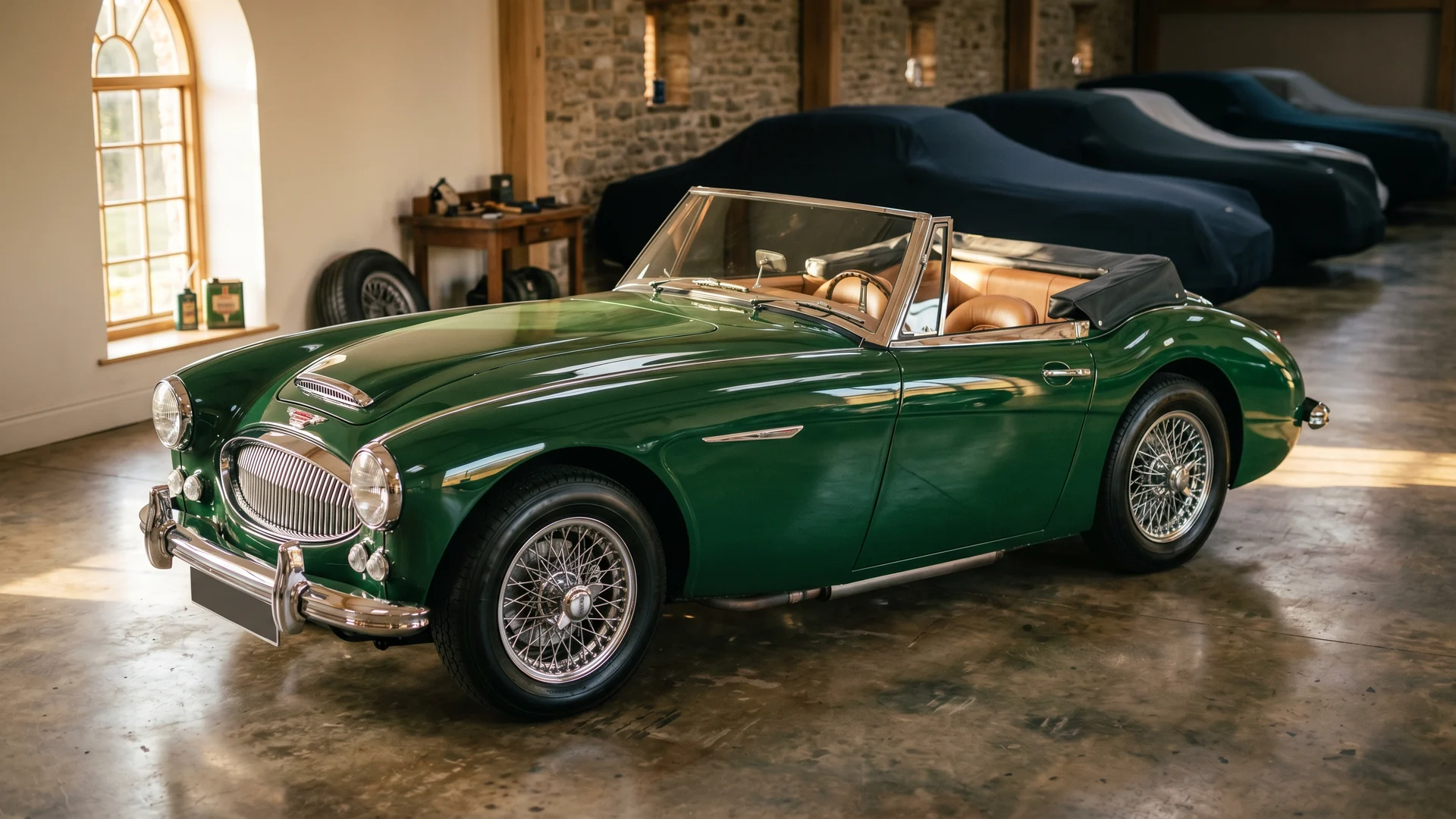
Classic Car Insurance Guide: Protecting Your Vintage Investment
Classic car insurance guide: why agreed-value policies beat stated and actual cash value, how Hagerty, Grundy and Chubb compare, plus costs and covera…
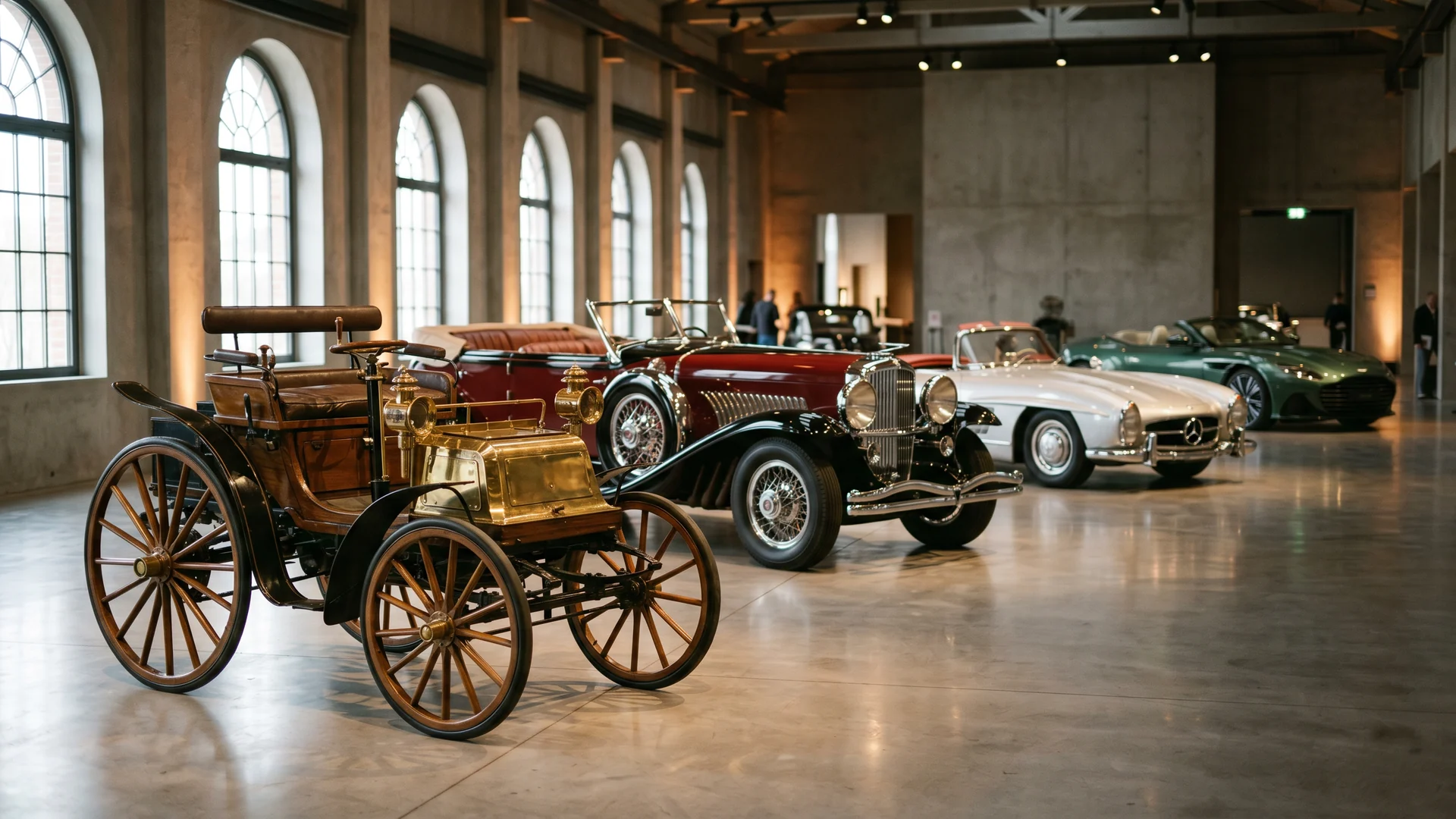
Classic Car History Timeline: From Benz to the Modern Collector Era
Classic car history timeline from the 1886 Benz Patent-Motorwagen through coachbuilding, muscle cars and supercars to modern collectibles. Discover th…