Why Classic Car Ownership Is Becoming an Exclusive Club
The classic car market has experienced a substantial price increase over the past decade. Multiple factors contribute to this trend, including heightened interest in vintage vehicl…
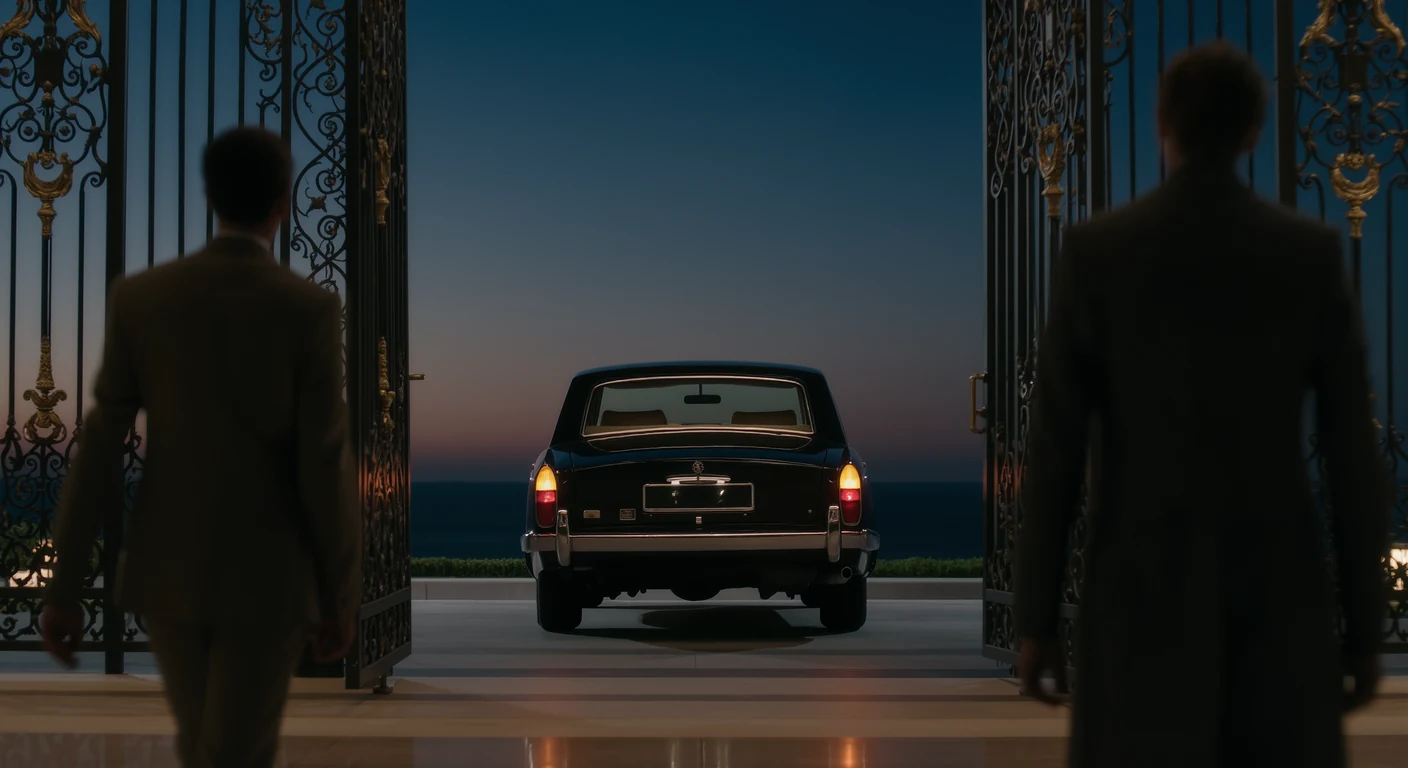
The classic car market has experienced a substantial price increase over the past decade. Multiple factors contribute to this trend, including heightened interest in vintage vehicles as investment assets. Serious collectors and enthusiasts are increasingly paying premium prices for well-maintained examples, which has driven overall market values upward.
Consequently, many classic automobiles that were previously accessible to average buyers have become prohibitively expensive. This shift affects both individual collectors and broader market dynamics, creating significant barriers to entry for those new to classic car collecting. The financial implications extend beyond initial purchase costs.
Ancillary expenses including insurance premiums, proper storage facilities, and specialized maintenance have similarly increased. With demand consistently exceeding available supply, prospective buyers face a market environment where even basic classic models command substantial prices. This situation prompts legitimate questions regarding the long-term sustainability of the classic car market and whether it will remain accessible for upcoming generations of automotive enthusiasts.
Key Takeaways
- Classic cars are becoming more expensive and harder to find.
- Maintenance, restoration, and insurance costs for classic cars are increasing.
- Younger generations show less interest in classic cars, impacting demand.
- Stricter regulations and limited parts availability complicate classic car ownership.
- Consumer preferences are shifting towards modern vehicles, reducing classic car popularity.
Limited Availability of Classic Cars
The limited availability of classic cars is another pressing issue facing collectors today. As time passes, fewer vehicles from the golden age of motoring remain on the roads. Many classic cars have been lost to accidents, neglect, or simply the ravages of time.
This dwindling supply has created a competitive environment where collectors are vying for a shrinking pool of desirable models. The scarcity of certain makes and models has led to inflated prices, making it difficult for enthusiasts to find their dream cars. Additionally, the limited availability is compounded by the fact that many classic cars are held in private collections or are not actively marketed for sale.
This makes it challenging for potential buyers to discover and acquire these vehicles. As a result, many enthusiasts find themselves frustrated in their search for classic cars, often resorting to auctions or specialized dealers that may charge premium prices for rare finds.
Increasing Maintenance and Restoration Costs
Owning a classic car comes with its own set of challenges, particularly when it comes to maintenance and restoration costs. As these vehicles age, they require more frequent repairs and upkeep to keep them running smoothly. Parts may become harder to find, leading to increased labor costs and longer wait times for repairs.
This situation can deter potential buyers who may be intimidated by the prospect of ongoing expenses associated with maintaining a vintage vehicle. Furthermore, restoration projects can quickly spiral out of control in terms of budget and time. Many owners underestimate the costs involved in bringing a classic car back to its former glory.
From sourcing original parts to hiring skilled craftsmen, restoration can become a financial burden. This reality often leads to disappointment for those who dream of owning a classic car but are unprepared for the financial commitment required.
Lack of Access to Classic Car Parts
One of the most significant hurdles faced by classic car owners is the lack of access to parts necessary for repairs and restorations. As manufacturers discontinue production of specific components, finding original or compatible parts becomes increasingly difficult. This scarcity can lead to inflated prices for rare parts, further driving up the cost of ownership.
Many enthusiasts find themselves scouring junkyards or online marketplaces in search of elusive components, often at great expense. Additionally, the lack of access to parts can hinder the ability to maintain these vehicles properly. Without the right components, owners may be forced to make compromises that affect performance and safety.
This situation not only frustrates current owners but also discourages potential buyers who may be concerned about the long-term viability of owning a classic car.
Decreasing Interest in Classic Cars among Younger Generations
As society evolves, so do interests and preferences. Unfortunately, there has been a noticeable decline in interest in classic cars among younger generations. Factors such as the rise of electric vehicles and modern technology have shifted focus away from vintage automobiles.
Many young people prioritize practicality and fuel efficiency over nostalgia and style, leading to a generational gap in classic car appreciation. This shift in interest poses a challenge for the future of the classic car market. As older enthusiasts age and pass on their collections, there may not be enough younger buyers to sustain demand.
This decline could lead to further price drops and an oversupply of classic cars on the market, ultimately affecting their value and desirability.
Stricter Emission and Safety Regulations
Stricter emission and safety regulations have also impacted the classic car market significantly.
Owners may face challenges when trying to register or insure their classic cars due to these regulations, which can deter potential buyers from investing in older models.
Moreover, as governments push for greener alternatives, classic car enthusiasts may find themselves facing increased scrutiny regarding their vehicles’ environmental impact. This pressure could lead to restrictions on where and how classic cars can be driven, further diminishing their appeal among potential buyers who are concerned about compliance with modern regulations.
Limited Knowledge and Skills for Classic Car Maintenance
Another challenge facing classic car owners is the limited knowledge and skills available for maintenance and repair. As fewer mechanics specialize in vintage vehicles, finding qualified professionals can be difficult. Many younger mechanics are trained primarily on modern cars and may lack the expertise needed to work on older models effectively.
Owners may struggle to find trustworthy mechanics who understand the nuances of vintage vehicles, leading to frustration and potentially costly mistakes. This situation can deter potential buyers who fear they won’t have access to reliable support for their classic car ownership journey.
Growing Competition for Classic Car Ownership
The growing competition for classic car ownership has created a challenging environment for enthusiasts looking to acquire their dream vehicles. With more collectors entering the market, bidding wars at auctions have become increasingly common, driving prices higher than ever before. This competitive landscape can make it difficult for newcomers to secure desirable models without breaking the bank.
Additionally, as more people recognize the investment potential of classic cars, they may be less inclined to sell their prized possessions. This reluctance further limits availability and drives up prices, creating a cycle that makes it harder for aspiring collectors to enter the market. The combination of rising competition and limited supply can leave many feeling disheartened in their pursuit of classic car ownership.
Rising Insurance Costs for Classic Cars
Rising insurance costs are another factor that potential classic car owners must consider. Insuring a vintage vehicle often comes with higher premiums due to its age, rarity, and value. Many insurance companies view classic cars as high-risk investments, leading to increased costs that can deter potential buyers from making a purchase.
Moreover, finding an insurance provider that specializes in classic cars can be challenging. Not all insurers understand the unique needs of vintage vehicle owners, which can lead to inadequate coverage or unexpected costs down the line. This uncertainty surrounding insurance can create additional barriers for those considering entering the world of classic car ownership.
Declining Number of Classic Car Events and Shows
The decline in classic car events and shows has also contributed to a less vibrant community for enthusiasts. Fewer gatherings mean fewer opportunities for collectors to showcase their vehicles, connect with fellow enthusiasts, and share their passion for vintage automobiles. This reduction in events can lead to a sense of isolation among owners who may feel disconnected from the larger classic car community.
Additionally, as events dwindle, so does the excitement surrounding classic cars as a hobby. The lack of exposure can make it difficult for newcomers to engage with the culture and history associated with vintage vehicles. This decline in community engagement may further contribute to decreasing interest among younger generations who seek social connections through shared interests.
Shift in Consumer Preferences towards Modern Vehicles
Finally, there has been a noticeable shift in consumer preferences towards modern vehicles over classic cars. Factors such as advanced technology, fuel efficiency, and safety features have made contemporary automobiles more appealing to many buyers. As consumers prioritize practicality over nostalgia, classic cars may struggle to capture attention in an increasingly competitive automotive market.
This shift poses challenges not only for current owners but also for those looking to invest in classic cars as an asset or hobby. As modern vehicles continue to dominate sales figures and consumer interest, the future of classic cars remains uncertain. Enthusiasts must navigate this changing landscape while advocating for the preservation and appreciation of vintage automobiles.
In conclusion, while owning a classic car can be a rewarding experience filled with nostalgia and passion, numerous challenges exist that potential buyers must consider carefully. From rising costs and limited availability to shifting consumer preferences and regulatory hurdles, aspiring collectors face an uphill battle in their pursuit of vintage vehicles. However, with dedication and knowledge, it is still possible to navigate these obstacles and enjoy the timeless beauty of classic automobiles.
FAQs
What defines a classic car?
A classic car is typically defined as a vehicle that is at least 20 to 25 years old, has historical interest, and is often preserved or restored to maintain its original condition. Definitions can vary by country and organization.
Why is classic car ownership becoming more exclusive?
Classic car ownership is becoming more exclusive due to rising prices, limited availability of well-maintained vehicles, increased restoration costs, and the growing interest from collectors and investors, which drives demand and competition.
How do maintenance and restoration costs affect classic car ownership?
Maintenance and restoration of classic cars can be expensive because parts may be rare or require custom fabrication, and specialized skills are often needed. These costs can limit ownership to those with sufficient financial resources.
What role does rarity play in classic car exclusivity?
Rarity significantly increases a classic car’s value and exclusivity. Limited production numbers, surviving examples, and unique features make certain models highly sought after, contributing to their status as exclusive collectibles.
Are classic cars considered good investments?
Many classic cars have appreciated in value over time, making them attractive to investors. However, market trends can fluctuate, and investment returns are not guaranteed. Proper maintenance and provenance also impact a car’s investment potential.
How does the classic car community influence exclusivity?
The classic car community, including clubs, events, and auctions, fosters a culture of exclusivity by promoting high standards for ownership, restoration, and presentation. Membership and participation often require significant commitment and resources.
What impact do regulations have on classic car ownership?
Regulations regarding emissions, safety, and roadworthiness can affect classic car ownership. Some regions offer exemptions or special permits for classic cars, but compliance can still be costly and complex, influencing who can own and operate these vehicles.
Can anyone own a classic car?
While anyone can technically own a classic car, practical barriers such as high purchase prices, maintenance costs, and the need for specialized knowledge make ownership more accessible to enthusiasts with adequate financial means and commitment.
More from Blog
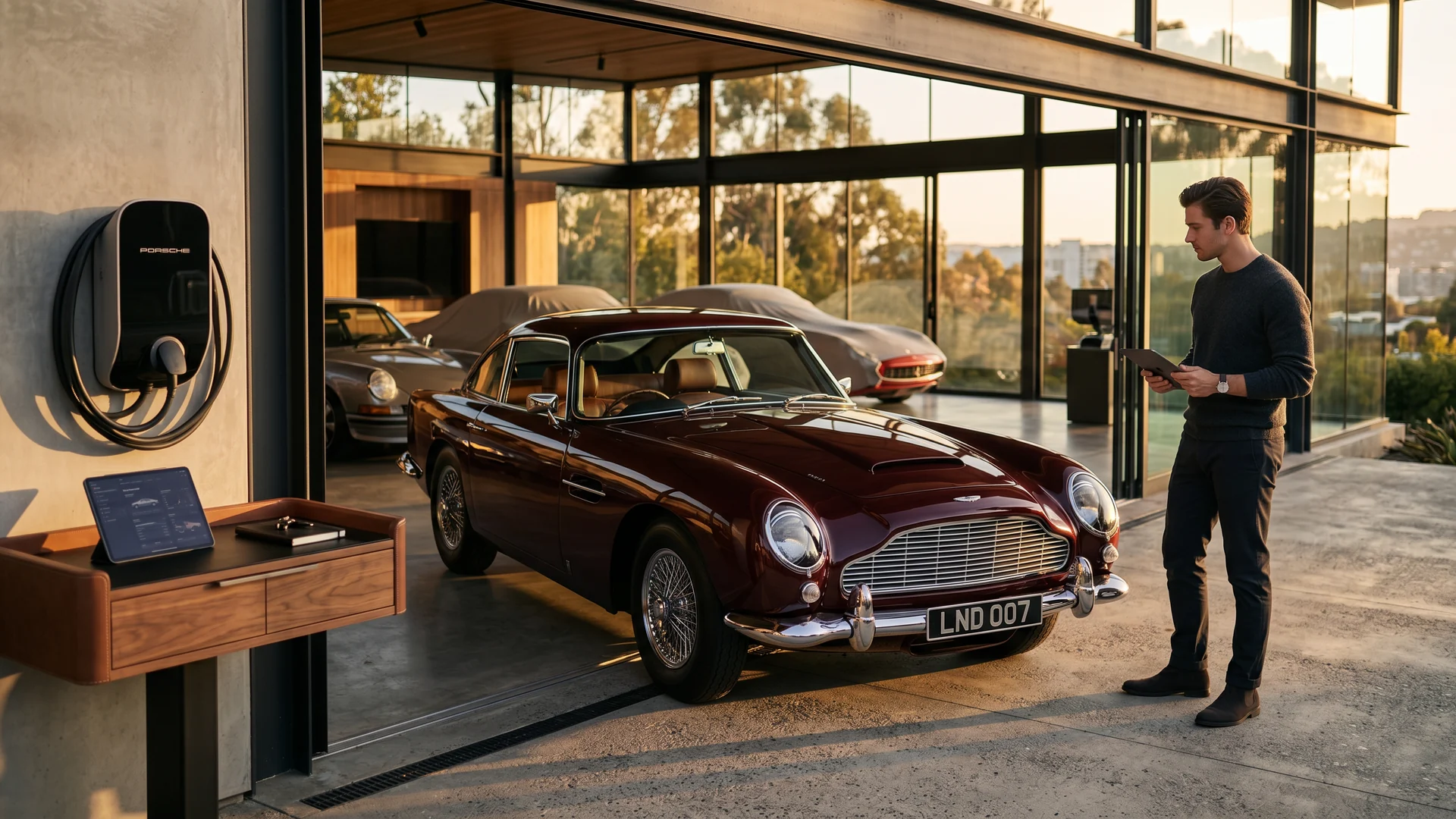
The Future of Classic Car Collecting: Trends Shaping the Next Generation
The future of classic car collecting: why 2035 ICE bans spare existing cars, plus e-fuels, shifting demographics, electromods and fractional ownership…
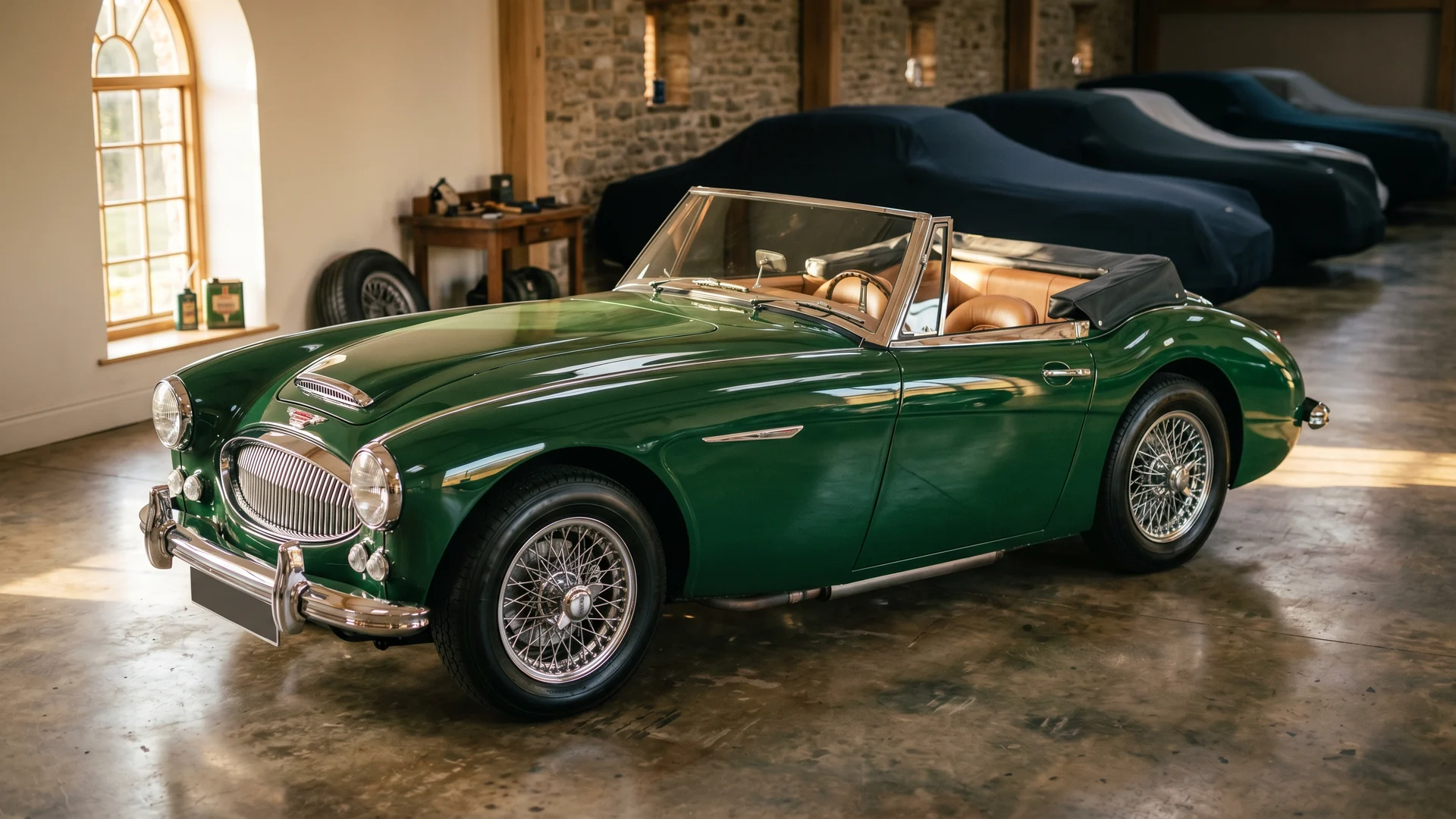
Classic Car Insurance Guide: Protecting Your Vintage Investment
Classic car insurance guide: why agreed-value policies beat stated and actual cash value, how Hagerty, Grundy and Chubb compare, plus costs and covera…
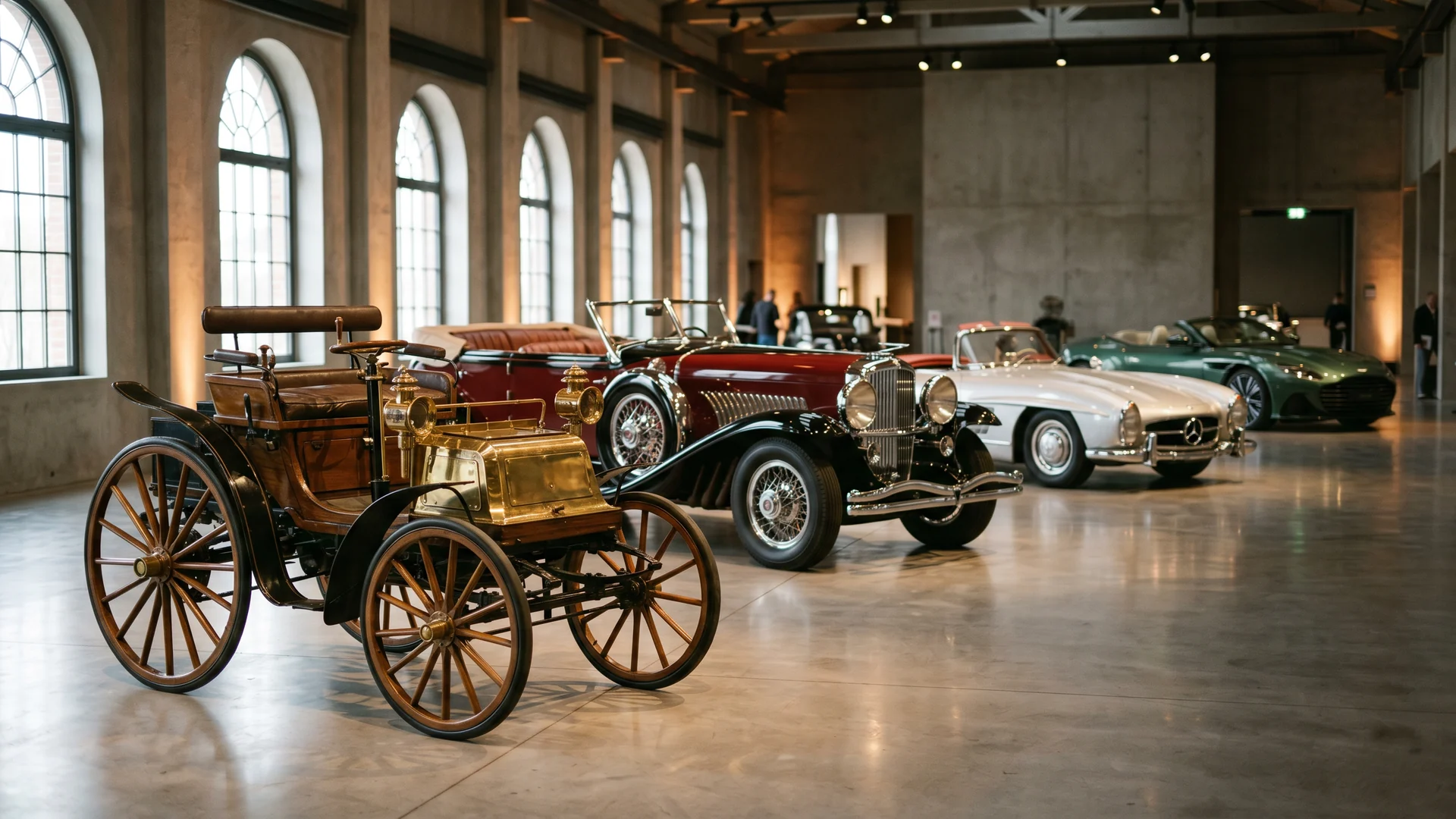
Classic Car History Timeline: From Benz to the Modern Collector Era
Classic car history timeline from the 1886 Benz Patent-Motorwagen through coachbuilding, muscle cars and supercars to modern collectibles. Discover th…