Why Classic Car Collecting Is the New Power Game for Elites
Classic automobiles have maintained significant appeal among collectors and automotive enthusiasts, particularly within affluent demographics. These vehicles function beyond basic …
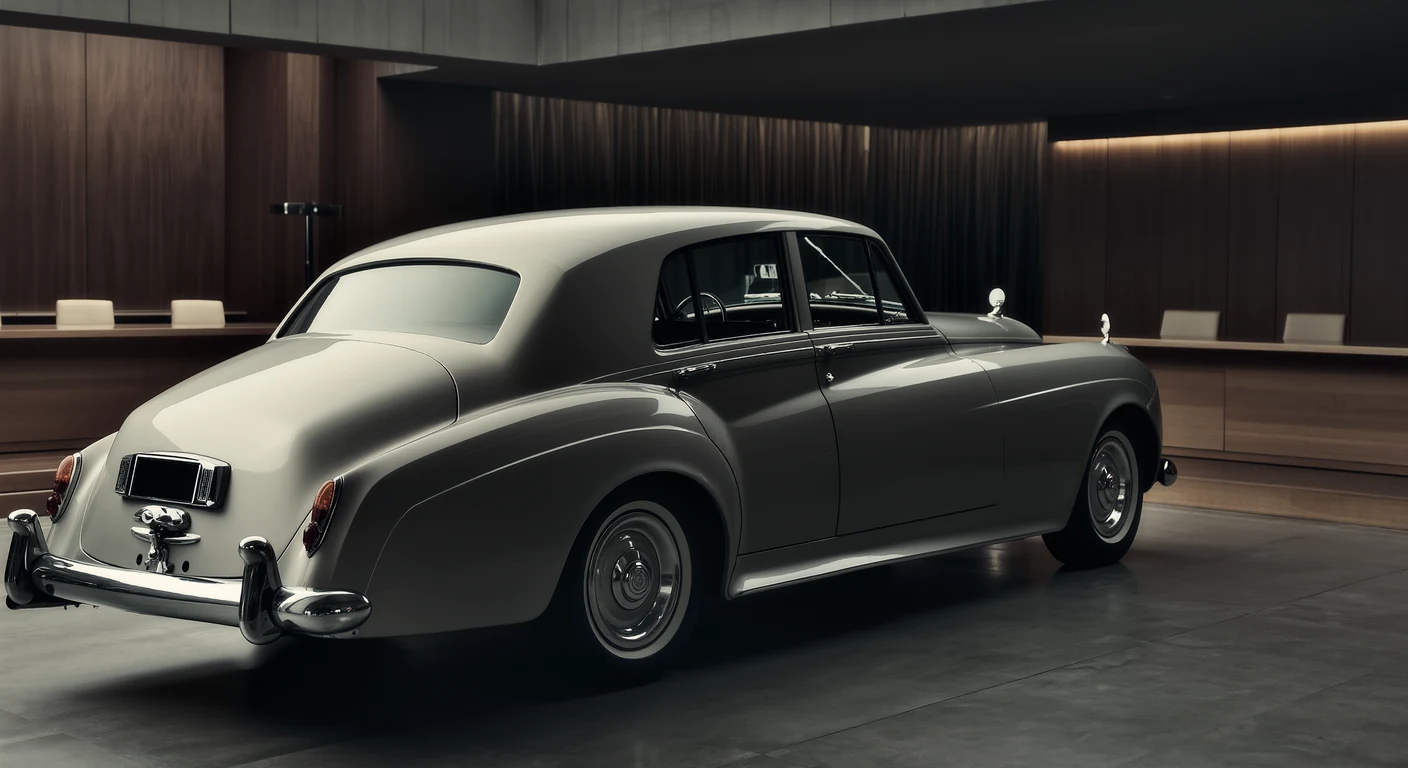
Classic automobiles have maintained significant appeal among collectors and automotive enthusiasts, particularly within affluent demographics. These vehicles function beyond basic transportation, serving as representations of historical craftsmanship, engineering development, and social status indicators. Their attraction stems from distinctive design elements, mechanical specifications, and historical significance.
Each classic automobile represents a specific period in automotive development and often generates nostalgic responses to past eras. For high-end collectors, classic car ownership parallels art acquisition, demonstrating refined aesthetic preferences and appreciation for engineering achievements. Classic automobiles provide historical connections through their embodiment of period-specific innovation and design approaches.
These vehicles represent the technological and creative standards that characterized their production eras. For collectors, classic automobiles serve as tangible links to automotive history, offering direct experience with the manufacturing techniques and design principles that influenced industry development. This historical connection contributes to their appeal beyond financial investment value, establishing them as significant possessions with documented provenance and cultural importance.
Key Takeaways
- Classic car collecting is increasingly popular among elite collectors due to its exclusivity and prestige.
- Wealthy individuals view classic cars as valuable investment assets with significant appreciation potential.
- Classic car ownership enhances social status and serves as a symbol of power within elite circles.
- High-profile auctions have become key events, attracting elite collectors and driving market demand.
- Despite its allure, classic car collecting involves challenges and risks, influencing its future as a status-driven pursuit.
The rising trend of classic car collecting among the elite
In recent years, there has been a noticeable surge in classic car collecting among the elite. This trend can be attributed to several factors, including the growing interest in vintage aesthetics and the desire for unique investments. As wealth continues to concentrate among a select few, many affluent individuals are turning to classic cars as a way to diversify their portfolios while indulging in their passion for automobiles.
The rise of social media has also played a significant role in this trend. Platforms like Instagram and YouTube have allowed collectors to showcase their prized vehicles, creating a sense of community among enthusiasts. This visibility has sparked interest among those who may not have previously considered classic car collecting.
As more people become aware of the beauty and value of these vehicles, the demand for classic cars continues to grow, further solidifying their status as coveted possessions among the elite.
The investment potential of classic car collecting for the wealthy
Classic car collecting is increasingly recognized as a viable investment strategy for the wealthy. Unlike traditional investments that can be volatile, classic cars often appreciate in value over time, making them an attractive option for those looking to preserve and grow their wealth. Certain models, particularly rare or limited-edition vehicles, have seen significant price increases at auctions and private sales, further highlighting their investment potential.
Moreover, classic cars offer a unique advantage: they can be enjoyed while they appreciate in value. Unlike stocks or bonds, which can be abstract and impersonal, classic cars provide tangible enjoyment. Wealthy collectors can take pride in showcasing their vehicles at events or simply enjoying leisurely drives.
This dual benefit of enjoyment and investment makes classic car collecting an appealing choice for affluent individuals seeking to diversify their assets.
The exclusivity and prestige associated with classic car ownership
Owning a classic car is synonymous with exclusivity and prestige. The rarity of certain models means that only a select few can claim ownership, elevating the status of those who do. This exclusivity is further enhanced by the meticulous care and attention required to maintain these vehicles.
Collectors often invest significant time and resources into restoring and preserving their classic cars, showcasing their dedication to automotive history. Additionally, classic car ownership often opens doors to exclusive events and gatherings where collectors can connect with like-minded individuals. These events foster a sense of community among elite collectors while reinforcing their social status.
The prestige associated with owning a classic car extends beyond the vehicle itself; it reflects a lifestyle characterized by sophistication, taste, and an appreciation for the finer things in life.
The impact of classic car collecting on the luxury market
The rise of classic car collecting has had a profound impact on the luxury market as a whole. As more affluent individuals invest in these vehicles, the demand for high-end automotive services has surged.
This shift has created new opportunities for businesses within the luxury sector, further solidifying the connection between classic cars and high-end lifestyles. Moreover, classic cars have become integral to luxury branding strategies. Many luxury brands leverage the allure of classic cars in their marketing campaigns to evoke feelings of nostalgia and timelessness.
By associating their products with iconic vehicles from the past, brands can enhance their image and appeal to affluent consumers seeking authenticity and heritage in their purchases.
The influence of classic car collecting on social status and power
Classic car collecting serves as a powerful indicator of social status among the elite. The ability to own rare and valuable vehicles often correlates with wealth and influence. Collectors are frequently viewed as connoisseurs of taste and sophistication, further enhancing their social standing within elite circles.
This dynamic creates a competitive environment where collectors strive to acquire the most prestigious models, reinforcing their status among peers. Furthermore, classic cars can serve as symbols of power in various contexts. For instance, owning a vintage Ferrari or Aston Martin can signal not only financial success but also an appreciation for engineering excellence and design aesthetics.
This association between classic cars and power extends beyond mere ownership; it influences how collectors are perceived within social hierarchies.
The role of classic car collecting in shaping elite identities
Classic car collecting plays a significant role in shaping the identities of elite individuals. For many collectors, their vehicles reflect personal values such as craftsmanship, heritage, and individuality. The choice of which cars to collect often reveals insights into a collector’s personality and interests.
This process of curating a collection allows individuals to express themselves while simultaneously aligning with broader cultural narratives surrounding luxury and exclusivity. Moreover, classic car collecting fosters connections among collectors who share similar passions. These relationships can lead to collaborations on restoration projects or participation in exclusive events that celebrate automotive history.
As collectors build their identities around their vehicles, they create communities that reinforce shared values and interests within elite circles.
The rise of classic car auctions and their appeal to elite collectors
Classic car auctions have gained immense popularity among elite collectors in recent years. These events provide an opportunity for collectors to acquire rare vehicles while also showcasing their own collections to potential buyers. Auctions create an atmosphere of excitement and competition, driving up prices for sought-after models and further solidifying their status as valuable investments.
The appeal of auctions lies not only in the chance to purchase unique vehicles but also in the social aspect of attending these events. Collectors gather to network, share stories, and celebrate their shared passion for automotive history. The thrill of bidding against fellow enthusiasts adds an element of excitement that enhances the overall experience for participants.
The cultural significance of classic car collecting among the elite
Classic car collecting holds significant cultural value among elite individuals. These vehicles represent more than just transportation; they embody cultural narratives that resonate with themes of innovation, nostalgia, and craftsmanship. Collectors often view themselves as custodians of automotive history, preserving these vehicles for future generations while celebrating their cultural significance.
Additionally, classic cars serve as symbols of status within popular culture. Films featuring iconic vehicles often elevate their status further, creating a sense of desirability among collectors and enthusiasts alike. This cultural significance reinforces the notion that classic cars are not merely possessions but integral components of identity and heritage.
The challenges and risks associated with classic car collecting for the wealthy
While classic car collecting offers numerous benefits, it is not without its challenges and risks. The market can be unpredictable; values fluctuate based on trends and economic conditions. Collectors must stay informed about market dynamics to make sound investment decisions.
Additionally, maintenance costs can be substantial; restoring or preserving a classic car requires significant financial investment. Moreover, there is always the risk of counterfeit vehicles or misrepresented sales. Wealthy collectors must conduct thorough research before making purchases to ensure they are acquiring genuine pieces of automotive history.
Navigating these challenges requires diligence and expertise but can ultimately lead to rewarding experiences for those who are passionate about classic cars.
The future of classic car collecting as a power game for elites
As we look toward the future, classic car collecting is poised to remain a significant power game among elites. The continued interest in vintage aesthetics and unique investments suggests that demand will persist in the coming years. Additionally, as new generations of affluent individuals emerge, they may bring fresh perspectives on what constitutes value in classic cars.
The intersection of technology and classic car collecting may also shape its future landscape. Innovations such as electric vehicle conversions or digital documentation could redefine how collectors approach ownership and preservation. As this dynamic evolves, it will be fascinating to see how elite collectors adapt their strategies while maintaining the allure that has made classic cars so desirable throughout history.
In conclusion, classic car collecting is more than just a hobby; it is an intricate blend of passion, investment potential, social status, and cultural significance that resonates deeply with elite individuals. As this trend continues to evolve, it will undoubtedly shape identities and influence social dynamics within affluent circles for years to come.
FAQs
What defines a classic car in the context of collecting?
A classic car is typically defined as a vehicle that is at least 20 to 25 years old, maintained or restored to a condition that reflects its original design and specifications. These cars often have historical significance, unique design features, or limited production runs that make them desirable to collectors.
Why are classic cars considered a status symbol among elites?
Classic cars are seen as status symbols because they represent wealth, taste, and exclusivity. Owning rare or highly sought-after models demonstrates financial capability and a connection to cultural or automotive history, which appeals to elite collectors seeking prestige.
How has classic car collecting become a form of power or influence?
Classic car collecting has evolved into a power game as it allows elites to showcase their wealth and social standing. High-value collections can influence market trends, attract media attention, and provide access to exclusive events and networks, thereby enhancing the collector’s social capital.
What factors contribute to the increasing value of classic cars?
Several factors contribute to the rising value of classic cars, including rarity, historical significance, condition, provenance, and market demand. Limited production numbers and models associated with famous personalities or events also tend to appreciate in value.
Are classic cars a good investment compared to other assets?
Classic cars can be a good investment, especially rare and well-maintained models that appreciate over time. However, they require ongoing maintenance and storage costs, and their market can be less liquid than traditional investments. Collectors often value them for passion and prestige as much as financial return.
What role do auctions play in the classic car market?
Auctions are a central platform for buying and selling classic cars, often setting benchmark prices and attracting global buyers. High-profile auctions can generate significant media coverage, influencing market trends and enhancing the perceived value of certain models.
How do collectors ensure the authenticity and condition of classic cars?
Collectors rely on expert appraisals, provenance documentation, and thorough inspections to verify authenticity and condition. Restoration work is often done by specialists to maintain originality, and detailed records are kept to preserve the car’s history and value.
What are some popular classic car models among elite collectors?
Popular models include vintage Ferraris, Porsches, Jaguars, Aston Martins, and American muscle cars like the Shelby Cobra and Ford Mustang. Limited editions and cars with racing heritage or celebrity ownership are especially prized.
How does classic car collecting impact the automotive industry?
Classic car collecting helps preserve automotive heritage and can influence modern car design and marketing. It also supports specialized restoration businesses and creates a niche market that complements the broader automotive industry.
What are the challenges faced by classic car collectors?
Challenges include high acquisition and maintenance costs, finding authentic parts, storage requirements, and market volatility. Additionally, legal and environmental regulations can affect the use and transport of classic vehicles.
More from Blog
The Future of Classic Car Collecting: Trends Shaping the Next Generation
The future of classic car collecting: why 2035 ICE bans spare existing cars, plus e-fuels, shifting demographics, electromods and fractional ownership…
Classic Car Insurance Guide: Protecting Your Vintage Investment
Classic car insurance guide: why agreed-value policies beat stated and actual cash value, how Hagerty, Grundy and Chubb compare, plus costs and covera…
Classic Car History Timeline: From Benz to the Modern Collector Era
Classic car history timeline from the 1886 Benz Patent-Motorwagen through coachbuilding, muscle cars and supercars to modern collectibles. Discover th…