Why Classic Car Authenticity Is More Important Than Condition
Classic car authenticity is a fundamental principle in the automotive collector community. It encompasses the maintenance of a vehicle’s original components, features, and sp…
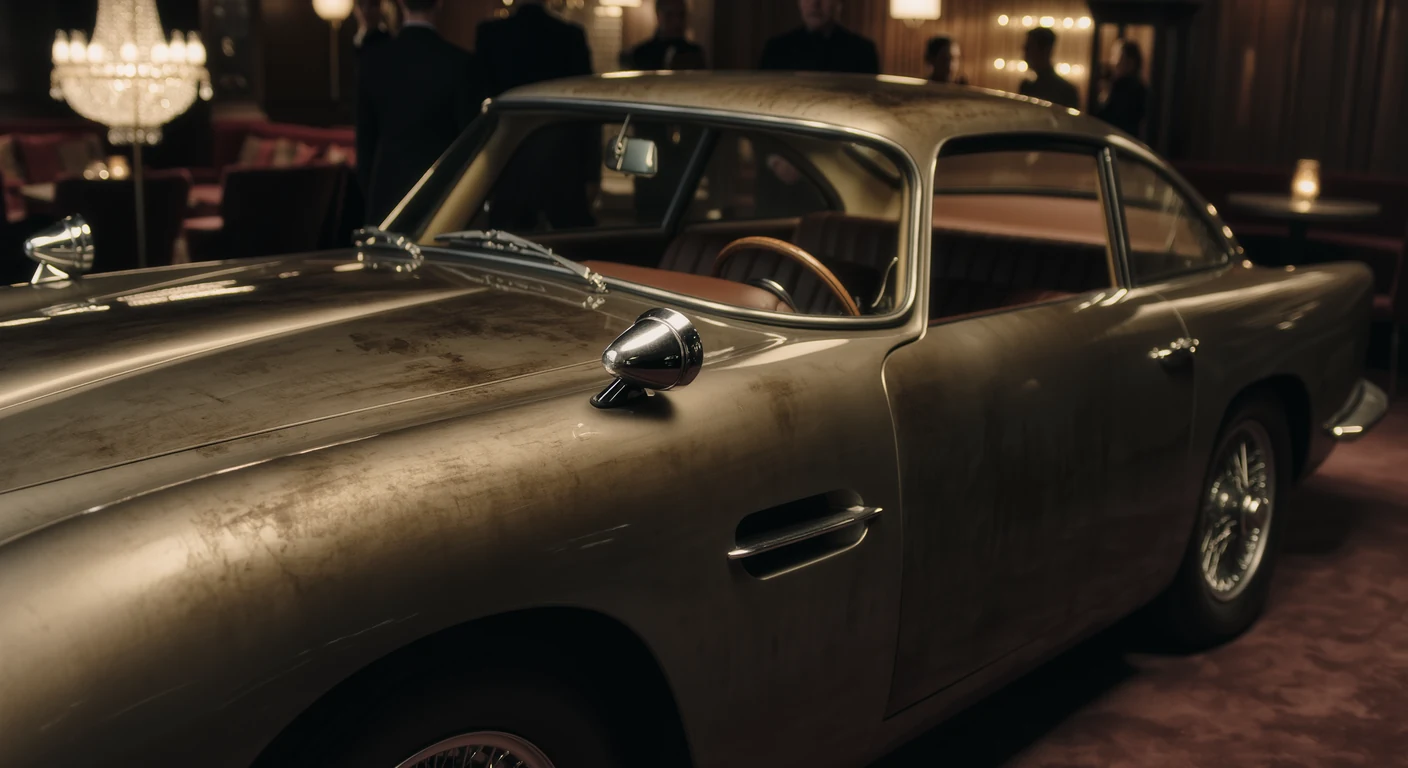
Classic car authenticity is a fundamental principle in the automotive collector community. It encompasses the maintenance of a vehicle’s original components, features, and specifications, ensuring the car remains consistent with its factory condition. This authenticity serves as evidence of historical craftsmanship and engineering excellence.
The importance of classic car authenticity transcends personal attachment. It significantly influences the market value and desirability of vintage vehicles.
Consequently, comprehending and preserving authenticity is vital for everyone participating in the classic car community, including collectors, restoration specialists, and casual enthusiasts.
Key Takeaways
- Authenticity is crucial for preserving the historical integrity of classic cars.
- Original parts and features significantly enhance a classic car’s value and uniqueness.
- Authenticity directly influences a car’s collectibility and appeal among enthusiasts.
- Maintaining authenticity poses challenges but is essential for preserving classic car heritage.
- The future of classic car authenticity will shape restoration practices and industry standards.
The Role of Authenticity in Preserving History
Authenticity serves as a vital link to our automotive history. Each classic car tells a story, reflecting the technological advancements, design philosophies, and cultural trends of its era. By preserving these vehicles in their original state, we maintain a physical representation of our automotive heritage.
This preservation allows future generations to appreciate the artistry and innovation that shaped the cars we drive today. Moreover, authentic classic cars often serve as educational tools. Museums and exhibitions frequently showcase these vehicles to illustrate the evolution of automotive design and engineering.
When a car is restored with authenticity in mind, it becomes more than just a vehicle; it transforms into a historical artifact that can educate and inspire. This role in preserving history underscores the importance of authenticity in the classic car community.
The Impact of Authenticity on Classic Car Value
The value of classic cars is heavily influenced by their authenticity. Collectors and investors alike recognize that vehicles with original parts and features tend to appreciate more over time. An authentic classic car not only holds its value but can also increase significantly, making it a sound investment for those looking to enter the market.
In contrast, modified or poorly restored vehicles often see diminished value, as they stray from their original specifications. Market trends indicate that buyers are increasingly seeking authenticity when purchasing classic cars. Auctions and private sales often highlight the importance of original documentation, such as build sheets and service records, which verify a vehicle’s authenticity.
This trend reinforces the idea that authenticity is not just a preference but a critical factor in determining a classic car’s market value.
The Importance of Original Parts and Features
Original parts and features are essential components of classic car authenticity. These elements not only contribute to the vehicle’s aesthetic appeal but also ensure that it operates as intended by the manufacturer. Original components often include engines, transmissions, body panels, and interior fittings, all of which play a significant role in maintaining the car’s integrity.
Using original parts during restoration is crucial for several reasons. First, it helps preserve the vehicle’s historical accuracy, allowing it to remain true to its original design. Second, original parts often perform better than aftermarket alternatives, ensuring reliability and longevity.
Lastly, maintaining original features enhances the car’s value, making it more attractive to potential buyers who prioritize authenticity.
The Rarity and Uniqueness of Authentic Classic Cars
Authentic classic cars are inherently rare and unique, which adds to their allure among collectors. Many models were produced in limited quantities or have become scarce due to age and attrition. This rarity makes authentic vehicles highly sought after, as they represent not only a specific make and model but also a unique piece of automotive history.
The uniqueness of each authentic classic car is further amplified by its individual story. Factors such as previous ownership, maintenance history, and even geographical location can contribute to a vehicle’s distinctiveness. Collectors often seek out these unique stories, adding another layer of value to their investments.
As such, the rarity and uniqueness of authentic classic cars play a significant role in their desirability within the collector community.
The Connection Between Authenticity and Collectibility
The connection between authenticity and collectibility is profound in the classic car world. Collectors are drawn to vehicles that embody originality and historical significance. Authentic cars often come with a rich narrative that enhances their collectibility, making them more appealing to enthusiasts who appreciate both the vehicle itself and its backstory.
Moreover, authenticity fosters a sense of community among collectors. Enthusiasts often share their passion for preserving original vehicles through clubs, forums, and events dedicated to classic cars. This shared commitment to authenticity creates bonds among collectors, further enhancing the appeal of owning an authentic classic car.
As collectors seek to build their collections with genuine pieces, the connection between authenticity and collectibility becomes increasingly evident.
The Influence of Authenticity on Classic Car Restoration
Authenticity plays a pivotal role in classic car restoration projects. Restorers face the challenge of balancing modern techniques with the need to preserve original features. A successful restoration prioritizes authenticity by using original parts whenever possible and adhering to factory specifications during the process.
Restoration projects that emphasize authenticity often yield better results in terms of both aesthetics and performance. By staying true to the original design, restorers can create vehicles that not only look great but also drive as intended by the manufacturer. This commitment to authenticity can significantly enhance the vehicle’s value and appeal in the marketplace.
The Role of Authenticity in Maintaining Classic Car Heritage
Maintaining classic car heritage relies heavily on authenticity. As custodians of automotive history, collectors and restorers have a responsibility to preserve these vehicles for future generations. By prioritizing authenticity in their efforts, they ensure that the legacy of classic cars continues to thrive.
Authenticity also fosters appreciation for the craftsmanship involved in creating these vehicles. When enthusiasts recognize the effort required to maintain originality, they develop a deeper respect for automotive history. This appreciation can lead to increased interest in classic cars among younger generations, helping to sustain the hobby for years to come.
The Appeal of Authenticity to Classic Car Enthusiasts
Classic car enthusiasts are often drawn to authenticity for various reasons. For many, owning an authentic vehicle represents a connection to their personal history or family legacy. These cars evoke memories and emotions tied to specific moments in time, making them more than just machines; they become cherished possessions.
Additionally, authentic classic cars offer enthusiasts an opportunity to engage with like-minded individuals who share their passion for preservation. Events such as car shows and rallies provide platforms for enthusiasts to showcase their vehicles while celebrating automotive history together. This sense of community enhances the overall appeal of owning an authentic classic car.
The Challenges of Maintaining Authenticity in Classic Cars
While maintaining authenticity is essential, it comes with its challenges. One significant hurdle is sourcing original parts for restoration projects. As classic cars age, finding genuine components becomes increasingly difficult, leading some restorers to resort to aftermarket alternatives that may compromise authenticity.
Another challenge lies in balancing modern safety standards with historical accuracy. Many classic cars lack essential safety features found in contemporary vehicles, prompting restorers to consider upgrades that may alter the car’s original character. Striking this balance requires careful consideration and expertise to ensure that authenticity remains intact while addressing safety concerns.
The Future of Classic Car Authenticity in the Automotive Industry
The future of classic car authenticity appears promising as interest in vintage vehicles continues to grow. With advancements in technology, such as 3D printing and digital documentation, restoring authentic classic cars may become more accessible for enthusiasts and restorers alike. Moreover, as younger generations become more involved in the automotive community, there is potential for renewed appreciation for classic cars’ historical significance.
This shift could lead to increased demand for authentic vehicles and a greater emphasis on preserving originality within restoration practices. In conclusion, classic car authenticity is vital for preserving history, enhancing value, and fostering community among enthusiasts. As we move forward into an era where technology meets tradition, maintaining authenticity will remain crucial for ensuring that these remarkable vehicles continue to inspire future generations.
FAQs
What does classic car authenticity mean?
Classic car authenticity refers to the originality of a vehicle’s components, including its engine, body, interior, and other parts. It means the car retains its original factory specifications and has not been significantly altered or modified.
Why is authenticity considered more important than condition in classic cars?
Authenticity is often valued more because it preserves the car’s historical integrity and originality. A well-preserved original car can be more desirable and valuable to collectors than a restored or modified vehicle, even if the latter is in better cosmetic or mechanical condition.
How can I verify the authenticity of a classic car?
Authenticity can be verified through documentation such as original build sheets, factory records, and matching numbers on the engine and chassis. Expert inspections and appraisals can also help confirm if the car’s parts and features are original.
Does a car’s condition not affect its value?
Condition does affect value, but in the classic car market, originality often has a greater impact. A car in original, unrestored condition may command a premium over a fully restored car that has non-original parts or modifications.
What are matching numbers in classic cars?
Matching numbers refer to the identification numbers on the engine, transmission, and chassis that correspond to the original factory records. Cars with matching numbers are considered authentic and are typically more valuable.
Can a classic car be both authentic and in good condition?
Yes, some classic cars are both authentic and well-maintained or carefully restored using original parts. These vehicles are highly prized because they combine originality with good condition.
Why do collectors prefer authentic classic cars?
Collectors prefer authentic cars because they represent a true piece of automotive history. Authenticity ensures the car is as close as possible to how it was when first manufactured, which is important for historical accuracy and investment value.
Is it possible to restore a classic car without compromising its authenticity?
Yes, restoration can be done while maintaining authenticity if original parts are used and the car is restored to its factory specifications. However, extensive modifications or use of non-original parts can reduce authenticity.
How does authenticity impact insurance for classic cars?
Authentic classic cars may qualify for specialized insurance policies that recognize their unique value. Insurers often require proof of authenticity to provide appropriate coverage and valuation.
Are there specific classic car shows or events that emphasize authenticity?
Yes, many prestigious classic car shows and concours d’elegance events place a strong emphasis on authenticity. Cars are judged not only on condition but also on originality and adherence to factory specifications.
More from Blog
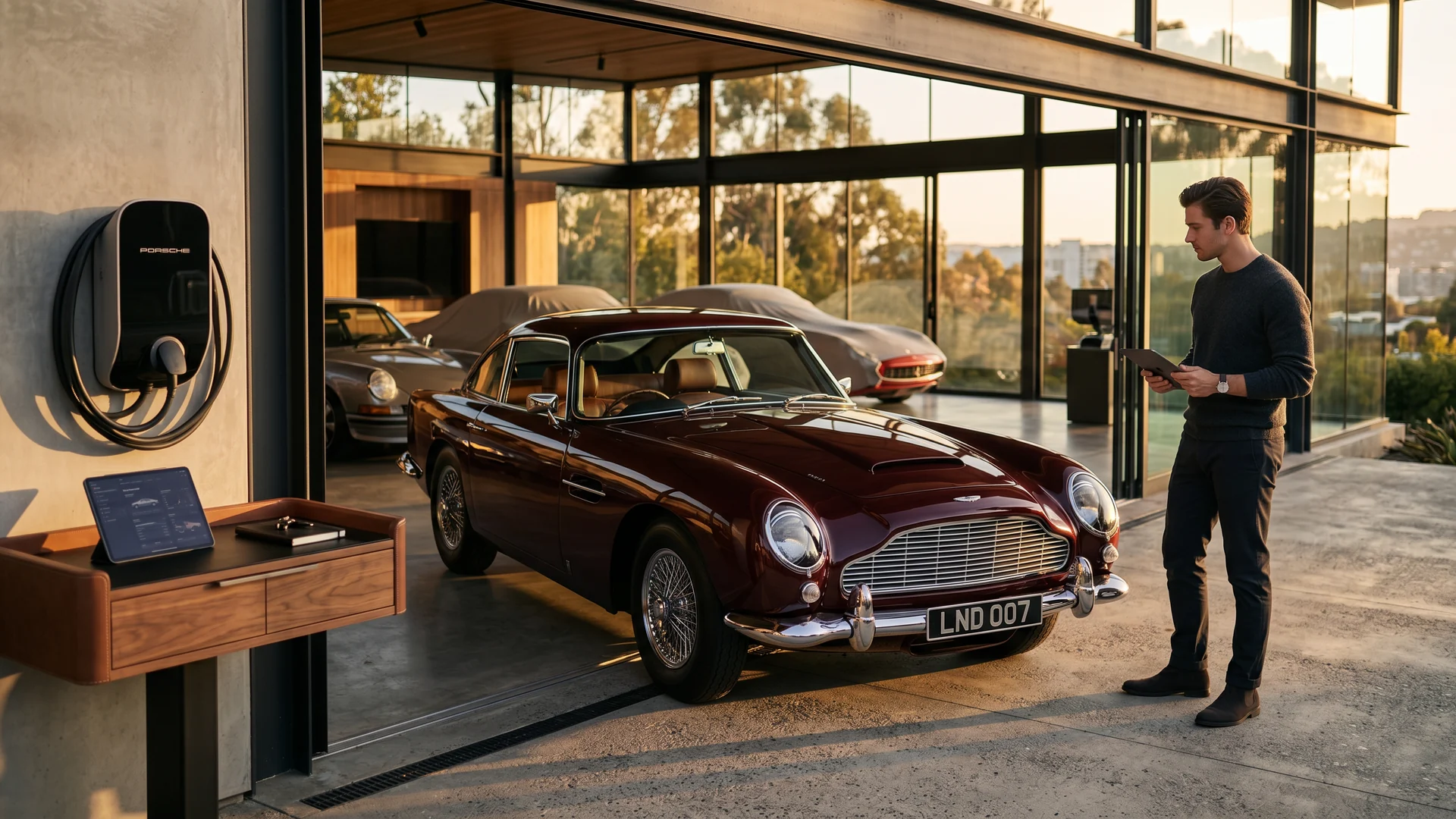
The Future of Classic Car Collecting: Trends Shaping the Next Generation
The future of classic car collecting: why 2035 ICE bans spare existing cars, plus e-fuels, shifting demographics, electromods and fractional ownership…
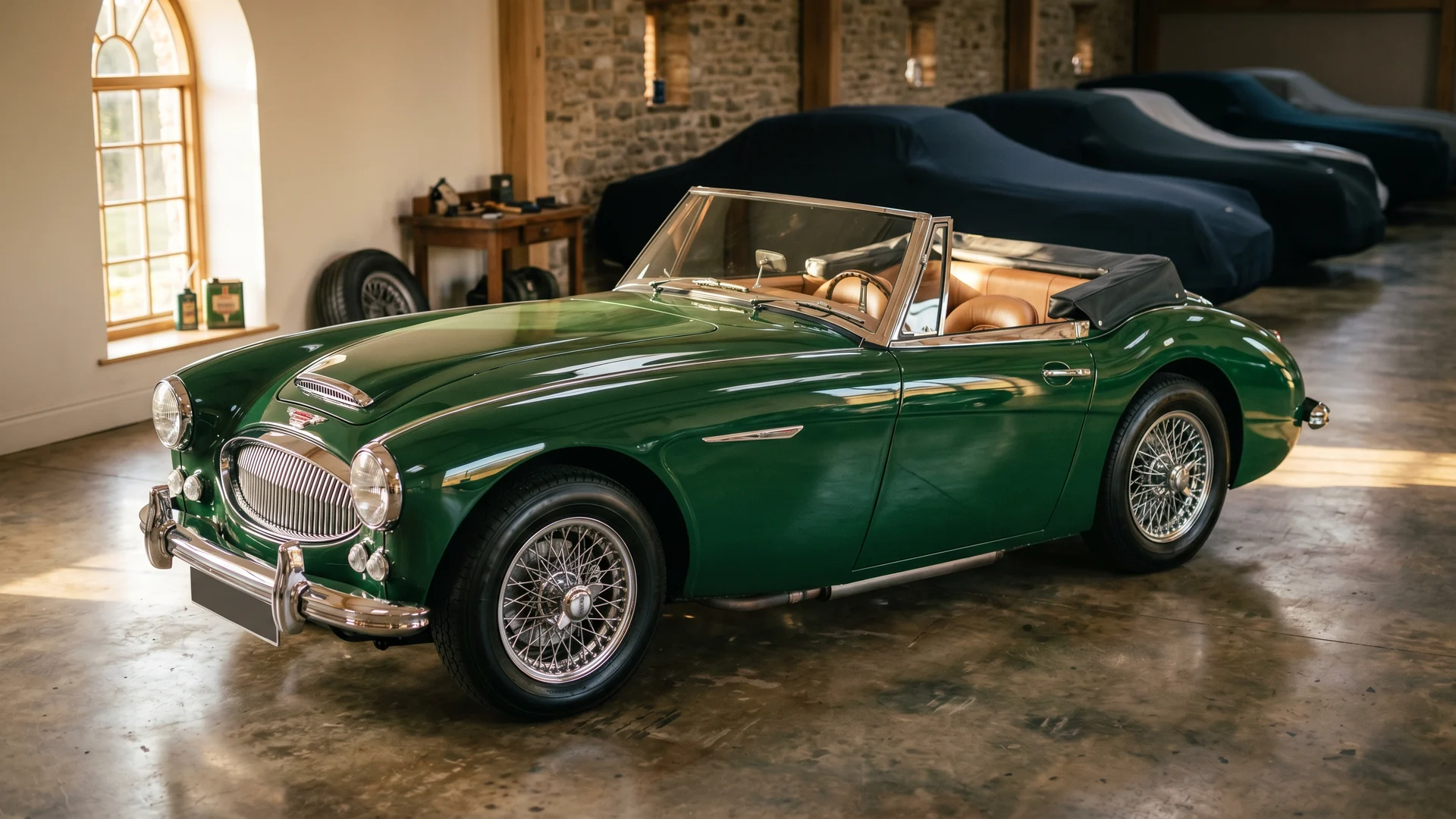
Classic Car Insurance Guide: Protecting Your Vintage Investment
Classic car insurance guide: why agreed-value policies beat stated and actual cash value, how Hagerty, Grundy and Chubb compare, plus costs and covera…
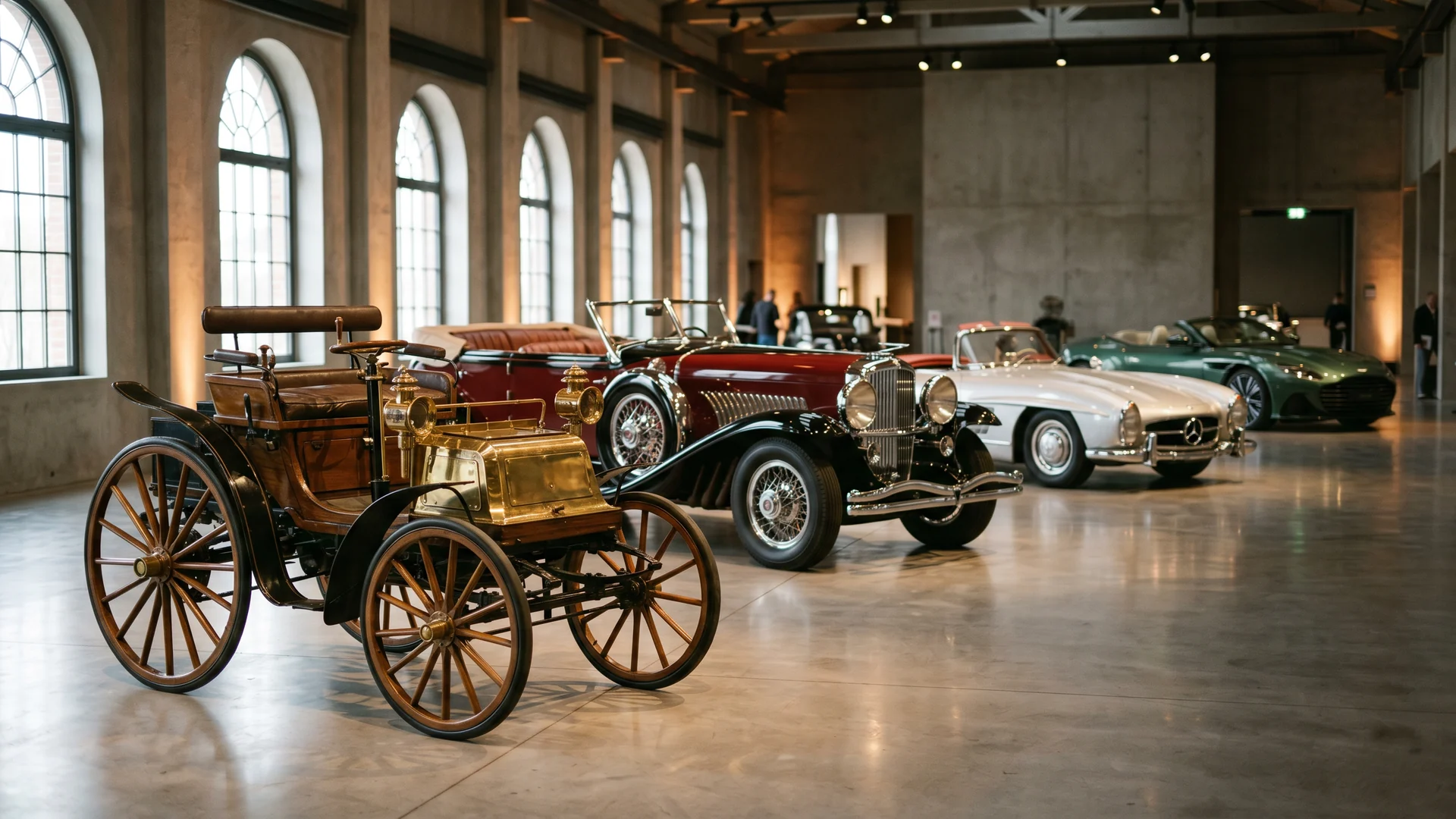
Classic Car History Timeline: From Benz to the Modern Collector Era
Classic car history timeline from the 1886 Benz Patent-Motorwagen through coachbuilding, muscle cars and supercars to modern collectibles. Discover th…