Why Classic Aston Martins Are Bought, Not Sold
Timeless design and elegance are hallmarks of classic cars that captivate enthusiasts and collectors alike. These vehicles often feature sleek lines, intricate details, and a level…
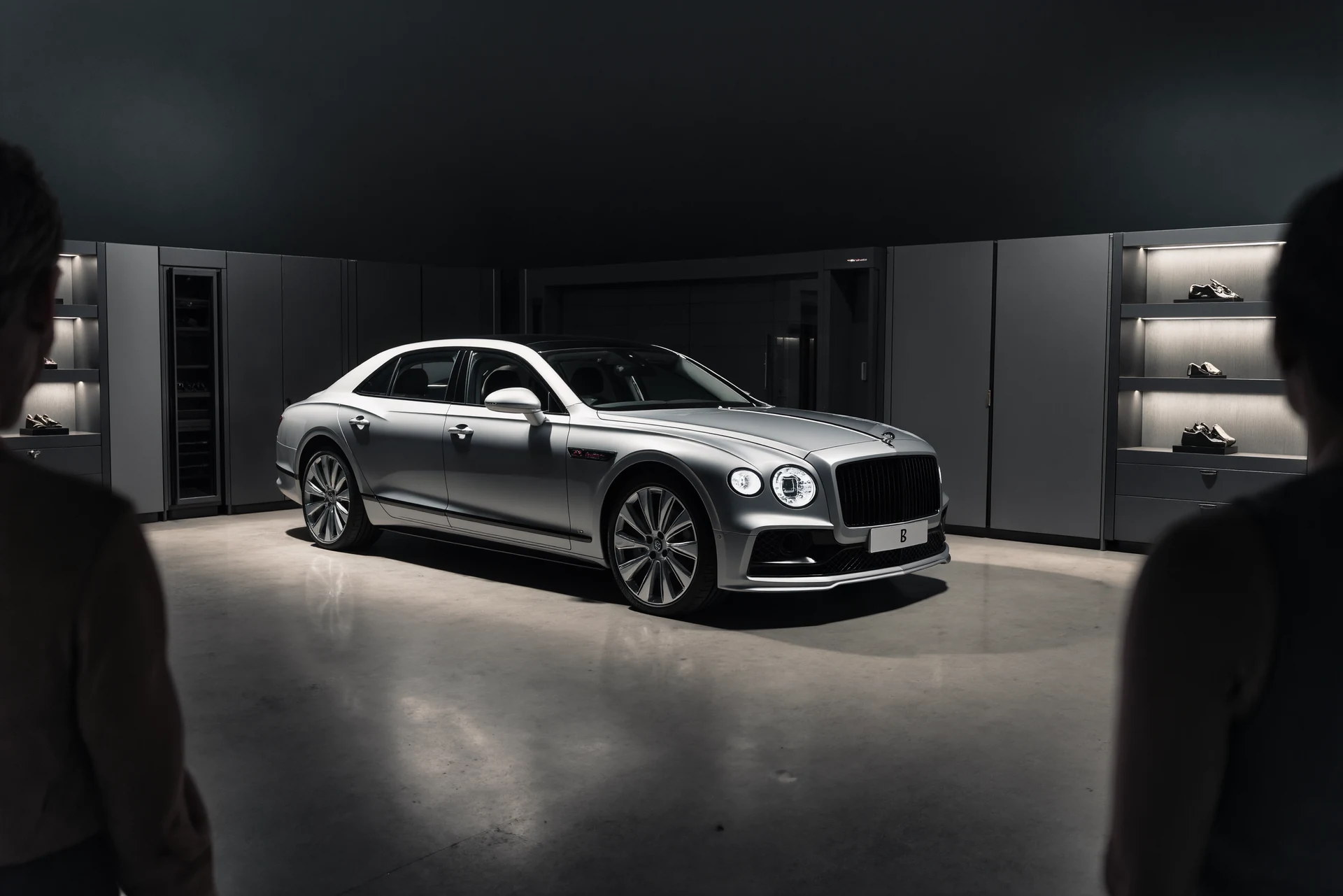
Timeless design and elegance are hallmarks of classic cars that captivate enthusiasts and collectors alike. These vehicles often feature sleek lines, intricate details, and a level of craftsmanship that is rarely seen in modern automobiles. The aesthetic appeal of classic cars transcends trends, making them a symbol of enduring beauty.
From the graceful curves of a vintage Jaguar to the bold stance of a classic Mustang, each model tells a story through its design. Moreover, the elegance of classic cars is not just about looks; it’s about the experience they offer. Driving a classic car is akin to stepping back in time, where every detail, from the dashboard layout to the sound of the engine, evokes nostalgia.
This unique blend of design and experience creates an emotional connection that modern cars often lack. For many, owning a classic car is not just about transportation; it’s about embracing a lifestyle steeped in history and artistry.
Key Takeaways
- Timeless design and elegance contribute to the enduring appeal of classic cars.
- Prestige, exclusivity, and rarity enhance their status and desirability.
- Superior performance, handling, and engineering craftsmanship are key attractions.
- Strong emotional connections and heritage add sentimental value.
- Classic cars hold investment potential and are celebrated at events and shows.
Prestige and Status
Owning a classic car is synonymous with prestige and status. These vehicles are often seen as symbols of wealth and sophistication, reflecting the owner’s taste and appreciation for finer things in life. Classic cars have a unique ability to command attention, whether parked at a gala or cruising down the street.
Their rarity and historical significance elevate them above ordinary vehicles, making them a statement piece for any car enthusiast. Furthermore, the prestige associated with classic cars extends beyond their appearance. Many classic models have rich histories tied to motorsport or luxury brands, adding layers of allure.
For instance, owning a vintage Ferrari or a classic Rolls-Royce not only signifies wealth but also an appreciation for automotive excellence. This status can open doors to exclusive events and communities, allowing owners to connect with like-minded individuals who share their passion for automotive history.
Exclusivity and Rarity
Exclusivity and rarity are defining characteristics of classic cars that enhance their appeal. Many classic models were produced in limited quantities, making them hard to find today. This scarcity drives demand among collectors and enthusiasts, often resulting in significant appreciation in value over time.
The thrill of owning a rare vehicle adds an element of excitement to the ownership experience. Additionally, the exclusivity of classic cars fosters a sense of belonging within a niche community. Owners often participate in clubs and events where they can showcase their vehicles and share their passion with others.
This camaraderie among collectors creates lasting friendships and networks that extend beyond the automotive world. The rarity of these cars not only makes them valuable assets but also cherished possessions that connect owners to a rich automotive heritage.
Performance and Handling
Performance and handling are critical aspects that set classic cars apart from their modern counterparts.
The mechanical simplicity of classic cars allows for a more tactile connection between driver and machine, making every drive feel special.
Moreover, classic cars often feature unique engineering solutions that contribute to their performance. For example, older sports cars may have lighter frames or more responsive steering systems, providing an exhilarating driving experience. Enthusiasts appreciate these characteristics, as they offer a different kind of thrill compared to today’s technology-driven vehicles.
The performance of classic cars is not just about speed; it’s about the joy of driving and the connection to automotive history.
Heritage and Legacy
Heritage and legacy play significant roles in the allure of classic cars. Each vehicle carries with it a story, of innovation, design evolution, and cultural impact. Many classic models have become icons in their own right, representing specific eras in automotive history.
For instance, the Ford Model T revolutionized transportation in the early 20th century, while the Volkswagen Beetle became a symbol of counterculture in the 1960s. This rich heritage adds depth to the ownership experience. Collectors often find themselves drawn to specific models due to their historical significance or personal connections to family memories.
The legacy of these vehicles is preserved through restoration efforts and enthusiast communities dedicated to keeping the spirit of classic cars alive. Owning a classic car means becoming part of this ongoing narrative, contributing to its history while enjoying its timeless charm.
Investment Potential
The investment potential of classic cars has garnered attention from both automotive enthusiasts and financial investors alike. Many classic models have shown remarkable appreciation over the years, often outperforming traditional investments like stocks or real estate. Factors such as rarity, condition, and historical significance play crucial roles in determining a vehicle’s value.
Investing in classic cars can be both rewarding and enjoyable. Unlike stocks that can be volatile or real estate that requires ongoing management, classic cars offer tangible assets that can be appreciated visually and experientially. Additionally, as more people become interested in vintage vehicles, demand continues to rise, further driving up prices.
For those looking to diversify their investment portfolios, classic cars present an exciting opportunity with potential for significant returns.
Emotional Connection
The emotional connection that many enthusiasts feel towards classic cars is profound.
For many owners, driving a classic car is not just about transportation; it’s about reliving cherished moments and creating new memories with loved ones.
This emotional bond is further strengthened by the stories behind each vehicle. Whether it’s a family heirloom passed down through generations or a model that represents a personal milestone, these cars hold sentimental value that transcends their monetary worth. The joy of restoring or maintaining a classic car can also foster a deeper appreciation for its history and craftsmanship, making it more than just an object but rather a beloved companion on life’s journey.
Customization and Personalization
Customization and personalization are key aspects that attract many collectors to classic cars. Unlike modern vehicles that often come with limited options for modification, classic cars offer a blank canvas for creativity. Owners can choose to restore their vehicles to original specifications or modify them to reflect their unique style and preferences.
This freedom allows for endless possibilities when it comes to design and performance enhancements. From custom paint jobs to upgraded engines, each modification can make a classic car truly one-of-a-kind. Additionally, many enthusiasts enjoy the process of restoring these vehicles themselves, turning it into a labor of love that deepens their connection to the car.
Personalization not only enhances the ownership experience but also adds value by creating a distinctive vehicle that stands out in any collection.
Collector’s Item
Classic cars are highly sought after as collector’s items due to their unique characteristics and historical significance. Collectors often seek specific models based on rarity, condition, or personal preference, creating vibrant markets for these vehicles. The thrill of hunting for rare finds adds an exciting dimension to collecting.
Moreover, owning a classic car can be seen as an investment in culture and history. Many collectors take pride in preserving these vehicles for future generations, ensuring that their stories continue to be told. The community surrounding classic car collecting is passionate and knowledgeable, providing opportunities for networking and sharing insights about restoration techniques or market trends.
As collector’s items, these vehicles represent not just personal treasures but also pieces of automotive heritage worth celebrating.
Classic Car Events and Shows
Classic car events and shows provide enthusiasts with opportunities to showcase their vehicles while connecting with fellow aficionados. These gatherings celebrate automotive history and culture, featuring everything from local meet-ups to large-scale international exhibitions. Attending these events allows owners to share their passion while learning from others in the community.
Participating in shows can also enhance the value of classic cars by showcasing their condition and craftsmanship to potential buyers or collectors. Many events include competitions where vehicles are judged based on various criteria such as originality, restoration quality, and presentation. Winning awards at these shows can significantly increase a vehicle’s desirability and market value while providing owners with recognition for their dedication to preserving automotive history.
Appreciation of Craftsmanship and Engineering
The appreciation of craftsmanship and engineering is at the heart of what makes classic cars so special. Each vehicle represents countless hours of skilled labor, from design conception to final assembly. Enthusiasts admire not only the aesthetic beauty but also the intricate engineering solutions that went into creating these machines.
Many classic cars feature unique design elements that reflect the era in which they were built, whether it’s the hand-stitched leather interiors or the meticulous attention to detail in engine construction. This level of craftsmanship is often lost in modern mass-produced vehicles, making classic cars stand out as true works of art. For many owners, appreciating this craftsmanship goes hand-in-hand with maintaining or restoring their vehicles, fostering a deeper connection to both the car itself and its place in automotive history.
In conclusion, classic cars embody timeless design, prestige, exclusivity, performance, heritage, investment potential, emotional connections, customization opportunities, collectibility, community engagement through events, and an appreciation for craftsmanship. Each aspect contributes to the allure of owning these remarkable vehicles, making them not just modes of transportation but cherished pieces of history that continue to inspire passion across generations. Whether you’re considering purchasing your first classic car or adding to your collection, embracing this journey promises excitement and fulfillment like no other.
FAQs
Why are classic Aston Martins considered more often bought than sold?
Classic Aston Martins are highly sought after due to their timeless design, historical significance, and limited availability. Enthusiasts and collectors tend to hold onto these vehicles as valuable investments and symbols of automotive heritage, leading to more purchases than sales.
What makes classic Aston Martins valuable?
Their value comes from a combination of factors including rarity, craftsmanship, performance, and association with iconic moments in automotive history. Models like the DB5 have cultural significance, further enhancing their desirability and value.
Are classic Aston Martins good investments?
Yes, many classic Aston Martins appreciate in value over time, especially well-maintained and original examples. Their limited production numbers and strong collector demand contribute to their status as solid investment vehicles.
How does the condition of a classic Aston Martin affect its marketability?
Condition is critical; cars that are well-preserved, with original parts and minimal restoration, tend to command higher prices. Poor condition or extensive modifications can reduce desirability and value.
What role does provenance play in the buying and selling of classic Aston Martins?
Provenance, including documented ownership history and any notable previous owners, can significantly increase a car’s appeal and value. Cars with a well-documented history are more trusted by buyers and collectors.
Are classic Aston Martins frequently used as daily drivers?
Typically, classic Aston Martins are not used as daily drivers due to their age, maintenance requirements, and value. They are usually reserved for special occasions, shows, or as part of private collections.
Where can one buy a classic Aston Martin?
Classic Aston Martins can be purchased through specialized classic car dealers, auctions, private sales, and sometimes directly from collectors. It is important to verify authenticity and condition before purchase.
What should buyers consider before purchasing a classic Aston Martin?
Buyers should consider the car’s authenticity, condition, maintenance history, provenance, and market value. It is also advisable to have a professional inspection and to understand the costs associated with ownership and upkeep.
How does the rarity of a model affect its desirability?
Rarer models are generally more desirable because they are harder to find and often have unique features or historical importance. This scarcity drives up demand and price.
Do classic Aston Martins require special maintenance?
Yes, classic Aston Martins often require specialized maintenance and parts, which can be costly and require expertise. Owners typically work with specialists familiar with vintage Aston Martin vehicles.
More from Blog
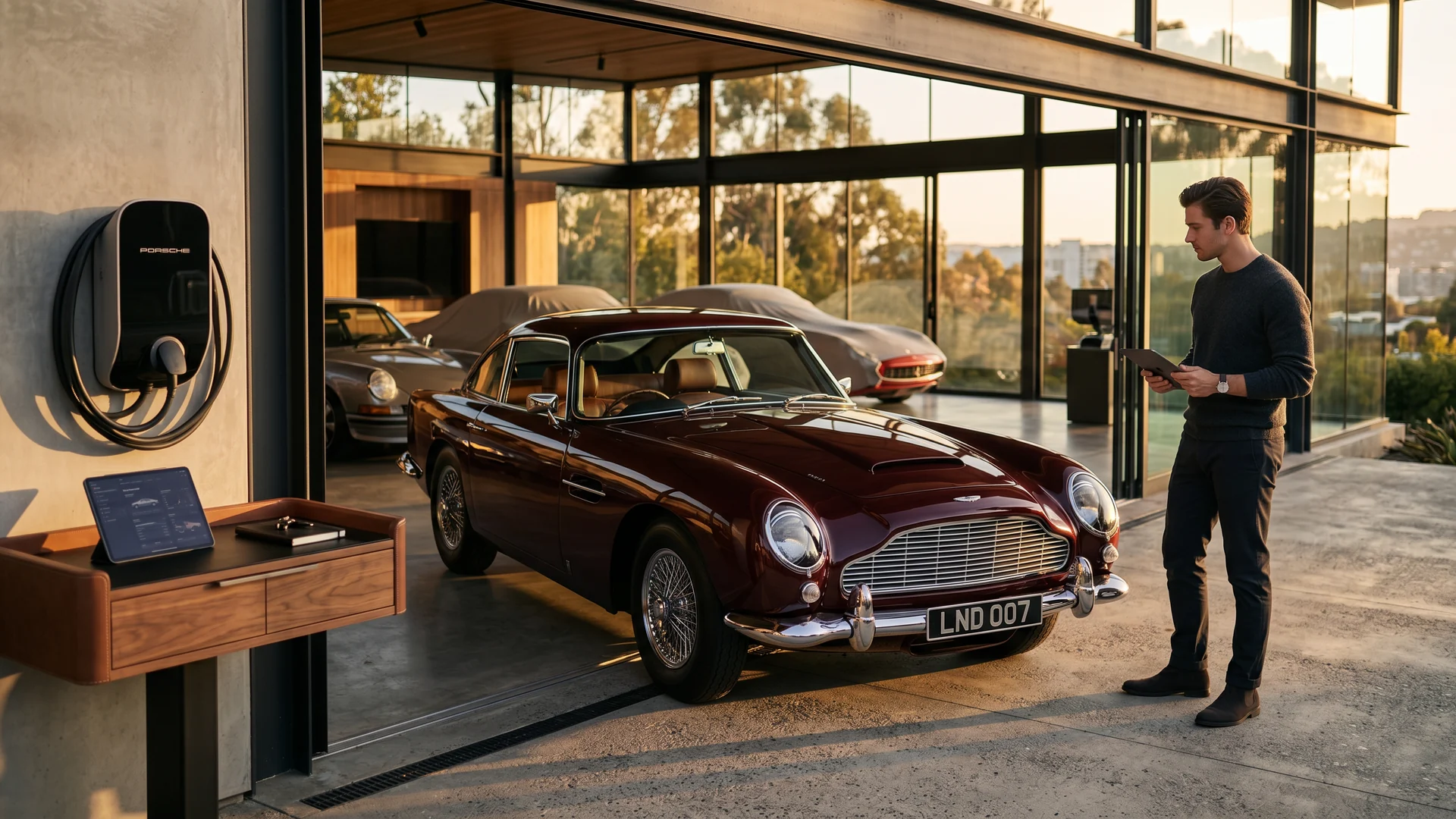
The Future of Classic Car Collecting: Trends Shaping the Next Generation
The future of classic car collecting: why 2035 ICE bans spare existing cars, plus e-fuels, shifting demographics, electromods and fractional ownership…
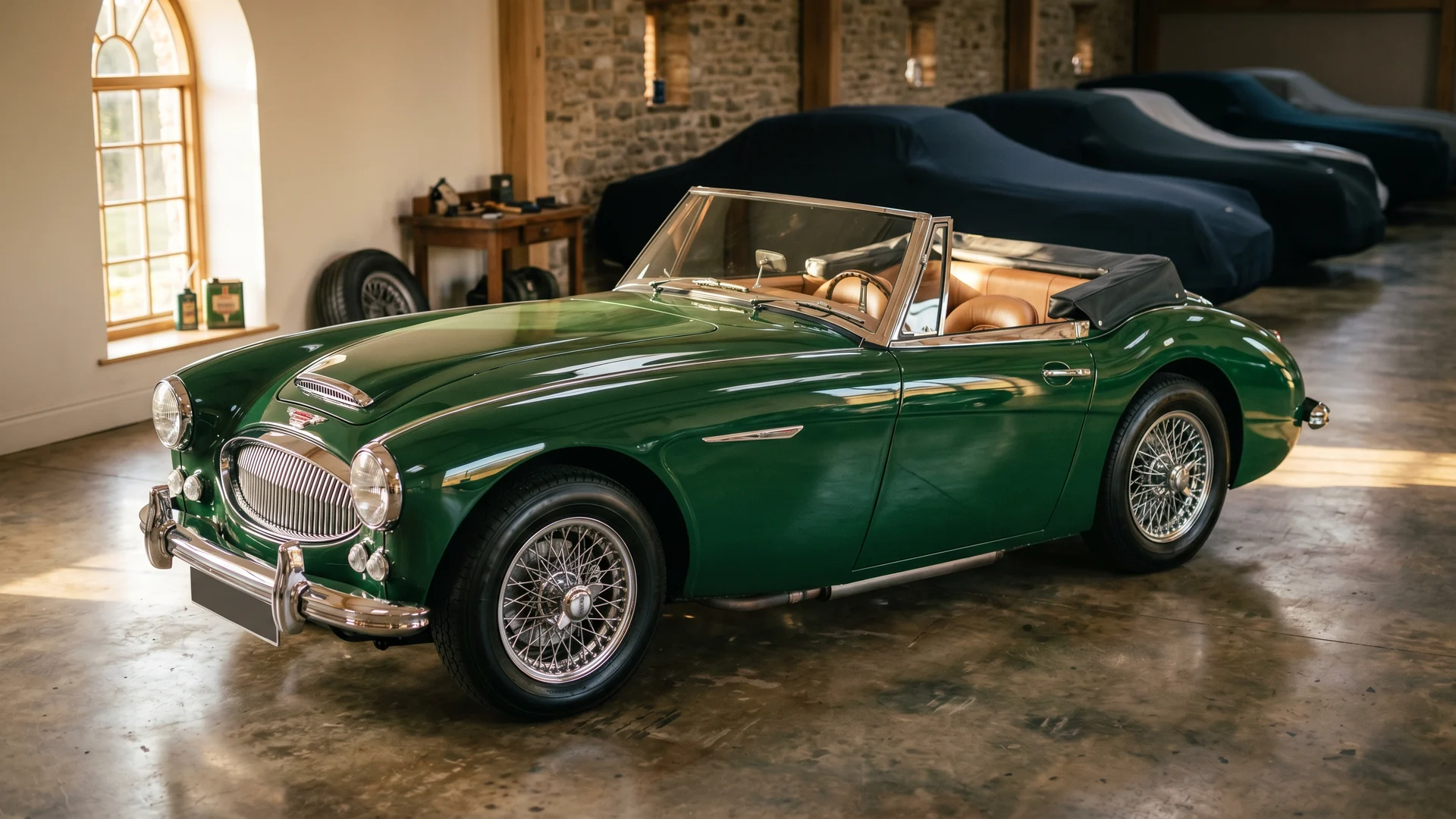
Classic Car Insurance Guide: Protecting Your Vintage Investment
Classic car insurance guide: why agreed-value policies beat stated and actual cash value, how Hagerty, Grundy and Chubb compare, plus costs and covera…
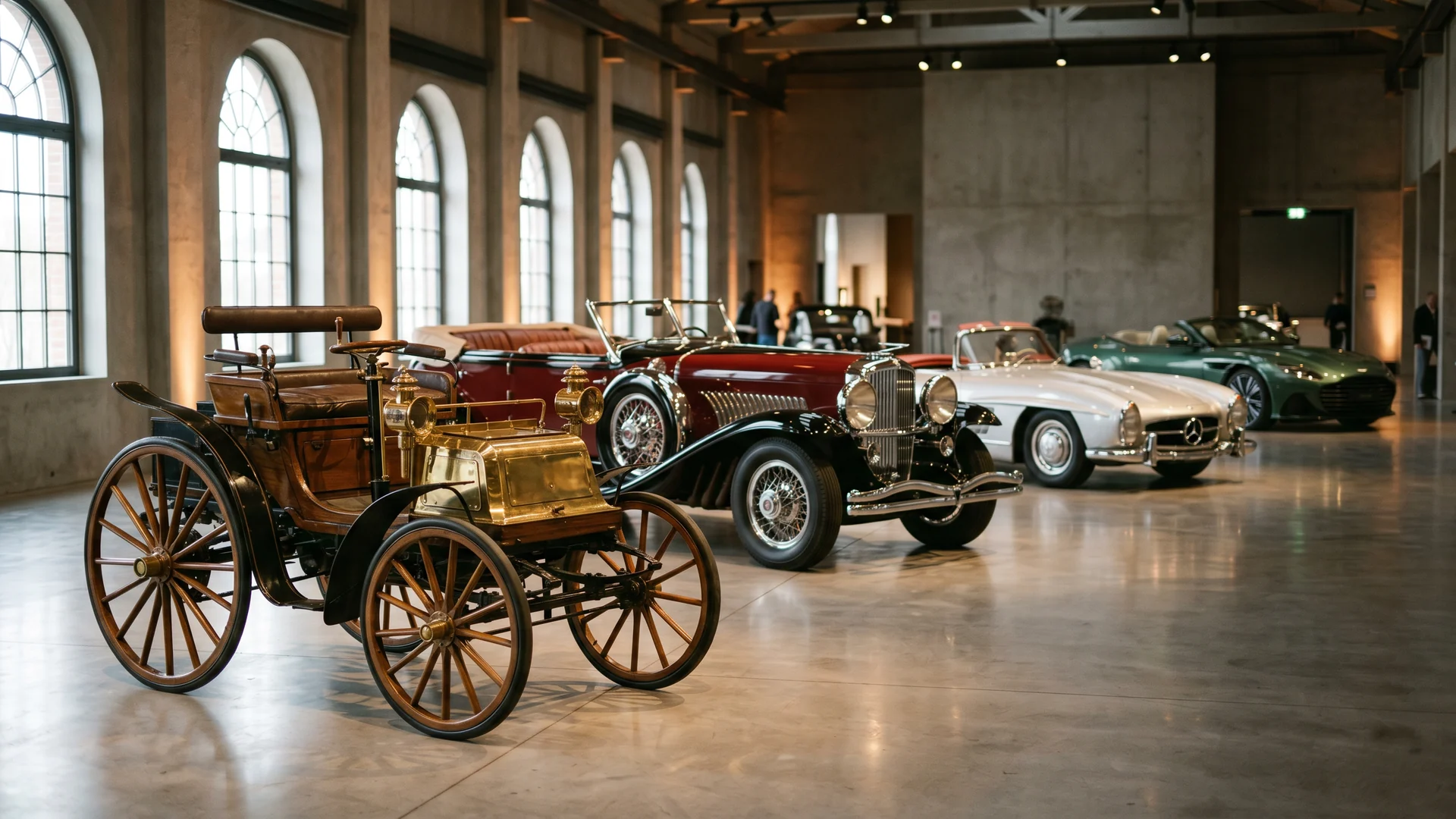
Classic Car History Timeline: From Benz to the Modern Collector Era
Classic car history timeline from the 1886 Benz Patent-Motorwagen through coachbuilding, muscle cars and supercars to modern collectibles. Discover th…