Why Classic Alfa Romeo Models Are Finally Getting Respect
Alfa Romeo was founded in 1910 in Milan, Italy, under the original name A.L.F.A. (Anonima Lombarda Fabbrica Automobili). The company’s first production model was the 24 HP, w…
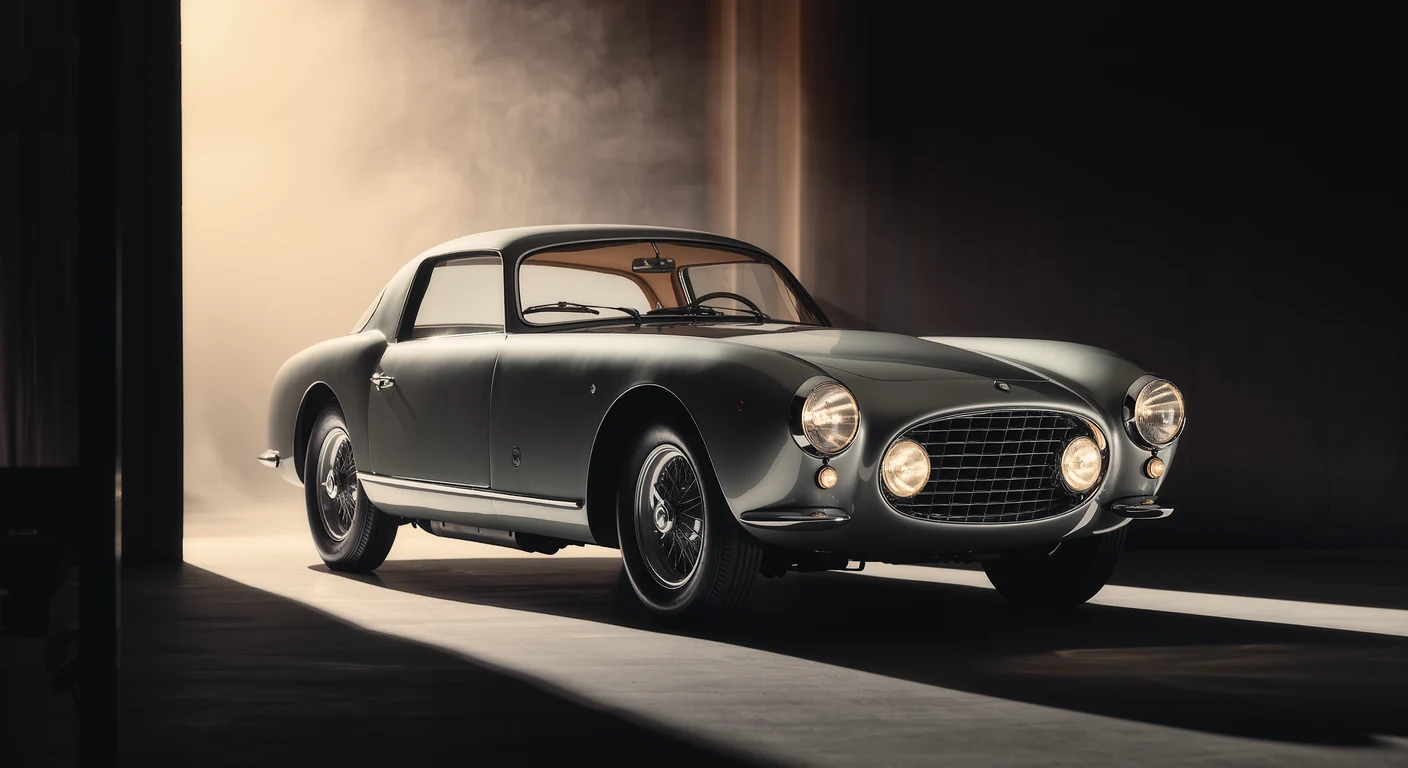
Alfa Romeo was founded in 1910 in Milan, Italy, under the original name A.L.F.A. (Anonima Lombarda Fabbrica Automobili).
During the 1920s, Alfa Romeo achieved significant success in motorsport competition, winning multiple racing events that enhanced its reputation in the automotive industry. The company experienced several ownership changes throughout its history. In 1933, Alfa Romeo was acquired by the Italian government’s industrial holding company IRI (Istituto per la Ricostruzione Industriale) during Italy’s economic difficulties.
Following World War II, the company resumed civilian automobile production and introduced notable models including the Giulietta in 1954 and the Giulia in 1962. These vehicles demonstrated the manufacturer’s engineering capabilities and contributed to its market position in the premium automobile segment. In 1986, Alfa Romeo was purchased by Fiat S.p.A. integrating it into what would later become the Stellantis automotive group.
Key Takeaways
- Alfa Romeo’s rich history and timeless design have cemented its status in classic car culture.
- Classic Alfa Romeo models significantly influence modern automotive design and engineering.
- The rarity and exclusivity of these models drive a growing collector market worldwide.
- Restoration and preservation efforts are vital to maintaining the legacy and performance of classic Alfa Romeos.
- Classic Alfa Romeo cars continue to impact motorsport and hold cultural significance in the automotive industry.
The Revival of Classic Car Culture
In recent years, there has been a notable revival of classic car culture, with enthusiasts and collectors increasingly drawn to vintage automobiles. This resurgence can be attributed to a growing appreciation for craftsmanship, design, and the nostalgia associated with classic cars. As modern vehicles become more technologically advanced, many drivers find themselves yearning for the simplicity and character of older models.
Classic Alfa Romeo cars, with their unique blend of Italian flair and engineering excellence, have become particularly sought after in this movement. The revival is not just about aesthetics; it also reflects a desire for authenticity in an age dominated by digital technology. Classic cars offer a tangible connection to the past, allowing owners to experience driving in its purest form.
Events such as classic car shows and rallies have gained popularity, providing platforms for enthusiasts to showcase their prized possessions and share their passion with like-minded individuals. This cultural shift has breathed new life into the classic car market, making it an exciting time for collectors and fans of Alfa Romeo.
The Timeless Design of Alfa Romeo Models
One of the most compelling aspects of classic Alfa Romeo models is their timeless design. From the elegant curves of the 1960s Giulia to the aggressive stance of the 1970s Montreal, each model tells a story through its aesthetic appeal. The design philosophy at Alfa Romeo has always emphasized beauty and functionality, resulting in cars that are not only visually striking but also aerodynamically efficient.
This attention to detail has made Alfa Romeo a benchmark for automotive design. Moreover, the influence of Italian design extends beyond mere appearance; it encompasses an entire lifestyle. Classic Alfa Romeo models embody a spirit of adventure and passion that resonates with drivers.
The iconic triangular grille and distinctive headlights are instantly recognizable, making these cars stand out on any road. This unique design language has not only captured the hearts of enthusiasts but has also inspired modern automotive designers seeking to evoke a sense of nostalgia while incorporating contemporary elements.
The Influence of Classic Alfa Romeo Models on Modern Cars
Classic Alfa Romeo models have left an indelible mark on modern automotive design and engineering. Many contemporary manufacturers draw inspiration from the brand’s rich heritage, incorporating elements that pay homage to its iconic past. For instance, the use of lightweight materials and sporty aesthetics can be traced back to classic models like the Alfa Romeo Spider and GTV.
These influences are evident in modern vehicles that prioritize performance without sacrificing style. Additionally, the engineering principles established by classic Alfa Romeo models continue to inform current automotive practices. The brand’s commitment to performance and handling has set standards that many manufacturers strive to achieve today.
This connection between past and present highlights the enduring impact of classic Alfa Romeo models on the automotive landscape.
The Rarity and Exclusivity of Classic Alfa Romeo Models
The rarity and exclusivity of classic Alfa Romeo models contribute significantly to their allure among collectors and enthusiasts. Many models were produced in limited quantities, making them hard to find today. For instance, the Alfa Romeo 33 Stradale is one of the rarest sports cars ever made, with only 18 units produced.
This scarcity not only enhances their value but also elevates their status as coveted collector’s items. Moreover, owning a classic Alfa Romeo is often seen as a badge of honor among car enthusiasts. The exclusivity associated with these vehicles fosters a sense of community among owners who share a passion for preserving automotive history.
Collectors often participate in exclusive clubs and events dedicated to Alfa Romeo, further enhancing their experience as custodians of these remarkable machines. This sense of belonging adds another layer of appeal to owning a classic Alfa Romeo.
The Performance and Engineering of Classic Alfa Romeo Models
Performance has always been at the heart of Alfa Romeo’s identity, and classic models are no exception. Renowned for their spirited driving dynamics, these vehicles offer an exhilarating experience behind the wheel. The brand’s engineering philosophy emphasizes lightweight construction and responsive handling, resulting in cars that are not only fun to drive but also capable on the track.
Classic Alfa Romeo models often feature advanced engineering solutions for their time, such as twin-cam engines and independent suspension systems. These innovations have contributed to their reputation as performance-oriented vehicles that deliver an engaging driving experience. Enthusiasts appreciate the raw power and precision that these cars offer, making them a favorite among those who value performance as much as style.
The Growing Collector Market for Classic Alfa Romeo Models
The collector market for classic Alfa Romeo models has seen significant growth in recent years, driven by increased interest from both seasoned collectors and newcomers alike. As more people recognize the value of these vintage cars, prices have steadily risen, making them attractive investments. Collectors are drawn not only to the aesthetic appeal but also to the potential for appreciation over time.
This growing market has led to a surge in events dedicated to classic Alfa Romeo models, including auctions, shows, and rallies. These gatherings provide opportunities for enthusiasts to connect, share knowledge, and showcase their collections. Additionally, online platforms have made it easier for buyers and sellers to engage in transactions, further fueling interest in classic Alfa Romeo models.
As this trend continues, it is likely that we will see even more appreciation for these timeless automobiles.
The Role of Classic Alfa Romeo Models in Motorsport
Classic Alfa Romeo models have played a significant role in motorsport history, contributing to the brand’s reputation for performance and innovation. From early racing successes in the 1920s to dominating events like the Mille Miglia and Targa Florio, Alfa Romeo established itself as a formidable competitor on the track. The brand’s commitment to racing has not only shaped its engineering practices but has also fostered a culture of excellence that persists today.
Many classic models were designed with motorsport in mind, featuring lightweight bodies and powerful engines that delivered exceptional performance on race day. The legacy of these racing machines continues to inspire modern iterations of Alfa Romeo vehicles, which often incorporate technology developed through motorsport endeavors. This connection between classic racing heritage and contemporary performance underscores the brand’s enduring influence in both realms.
The Restoration and Preservation of Classic Alfa Romeo Models
Restoring and preserving classic Alfa Romeo models is a labor of love for many enthusiasts who seek to maintain the integrity of these iconic vehicles. Restoration projects can range from simple cosmetic upgrades to complete overhauls that require extensive mechanical work. Enthusiasts often invest significant time and resources into ensuring that their cars remain true to their original specifications while enhancing performance where possible.
The preservation aspect is equally important; many collectors prioritize maintaining their vehicles’ authenticity by using original parts whenever possible. This commitment to restoration not only honors the craftsmanship that went into creating these cars but also ensures that future generations can appreciate their beauty and engineering excellence. Various clubs and organizations dedicated to Alfa Romeo provide resources and support for those undertaking restoration projects, fostering a community focused on preserving automotive history.
The Cultural Impact of Classic Alfa Romeo Models
Classic Alfa Romeo models have transcended mere transportation; they have become cultural icons that represent Italian artistry and engineering prowess. Their presence in films, art, and popular culture has solidified their status as symbols of style and sophistication. Movies featuring classic Alfas often depict them as vehicles of choice for charismatic characters, further enhancing their allure.
Moreover, these cars have inspired countless artists and designers who draw upon their aesthetic appeal in various creative endeavors. From fashion collections to graphic design, the influence of classic Alfa Romeo extends beyond automotive circles into broader cultural conversations about beauty and innovation. This cultural impact reinforces the idea that these vehicles are not just machines but rather expressions of passion and creativity.
The Future of Classic Alfa Romeo Models in the Automotive Industry
As we look toward the future, classic Alfa Romeo models will continue to hold a special place in automotive history while influencing new generations of car enthusiasts. While modern technology advances rapidly, there remains a strong desire among consumers for vehicles that evoke nostalgia while delivering contemporary performance standards. Manufacturers are increasingly recognizing this trend by incorporating retro-inspired designs into new models.
Additionally, as electric vehicles gain traction in the industry, there is potential for classic designs to be reimagined with sustainable technologies while retaining their iconic aesthetics. This fusion of tradition and innovation could pave the way for a new era where classic Alfa Romeos are celebrated not only for their historical significance but also for their adaptability in an evolving automotive landscape. In conclusion, classic Alfa Romeo models represent more than just cars; they embody a rich history filled with passion, performance, and artistry that continues to resonate with enthusiasts today.
As we celebrate their legacy while looking forward to future innovations inspired by these timeless machines, it is clear that classic Alfas will remain cherished symbols within both automotive culture and broader society for years to come.
FAQs
What makes classic Alfa Romeo models unique?
Classic Alfa Romeo models are known for their distinctive Italian design, innovative engineering, and a rich racing heritage. They often feature elegant styling, advanced technology for their time, and a focus on driving dynamics that set them apart from other cars of their era.
Why were classic Alfa Romeo cars previously undervalued?
Classic Alfa Romeo cars were often undervalued due to concerns about reliability, maintenance costs, and the availability of parts. Additionally, their niche appeal and the dominance of other classic car brands in the collector market contributed to their lower recognition.
What factors have contributed to the renewed respect for classic Alfa Romeo models?
The renewed respect for classic Alfa Romeo models is due to increased awareness of their historical significance, improved restoration techniques, and a growing appreciation for their design and performance. Enthusiast communities and classic car events have also played a role in elevating their status.
Are classic Alfa Romeo models considered good investments?
Many classic Alfa Romeo models have become sought-after by collectors, leading to increased values over time. However, investment potential varies by model, condition, and market trends. It’s important to research specific models and consult experts before purchasing for investment purposes.
What are some iconic classic Alfa Romeo models?
Iconic classic Alfa Romeo models include the Alfa Romeo Spider, Giulietta, Giulia, and the Alfa Romeo Montreal. These models are celebrated for their design, performance, and contribution to automotive history.
How can one maintain and restore a classic Alfa Romeo?
Maintaining and restoring a classic Alfa Romeo requires sourcing authentic parts, regular mechanical upkeep, and sometimes specialized knowledge due to the car’s unique engineering. Joining Alfa Romeo clubs and consulting with experienced restorers can provide valuable support.
Where can enthusiasts find classic Alfa Romeo cars today?
Classic Alfa Romeo cars can be found through specialized classic car dealers, auctions, online marketplaces, and Alfa Romeo enthusiast clubs. Attending classic car shows and events can also provide opportunities to connect with sellers and other collectors.
More from Blog
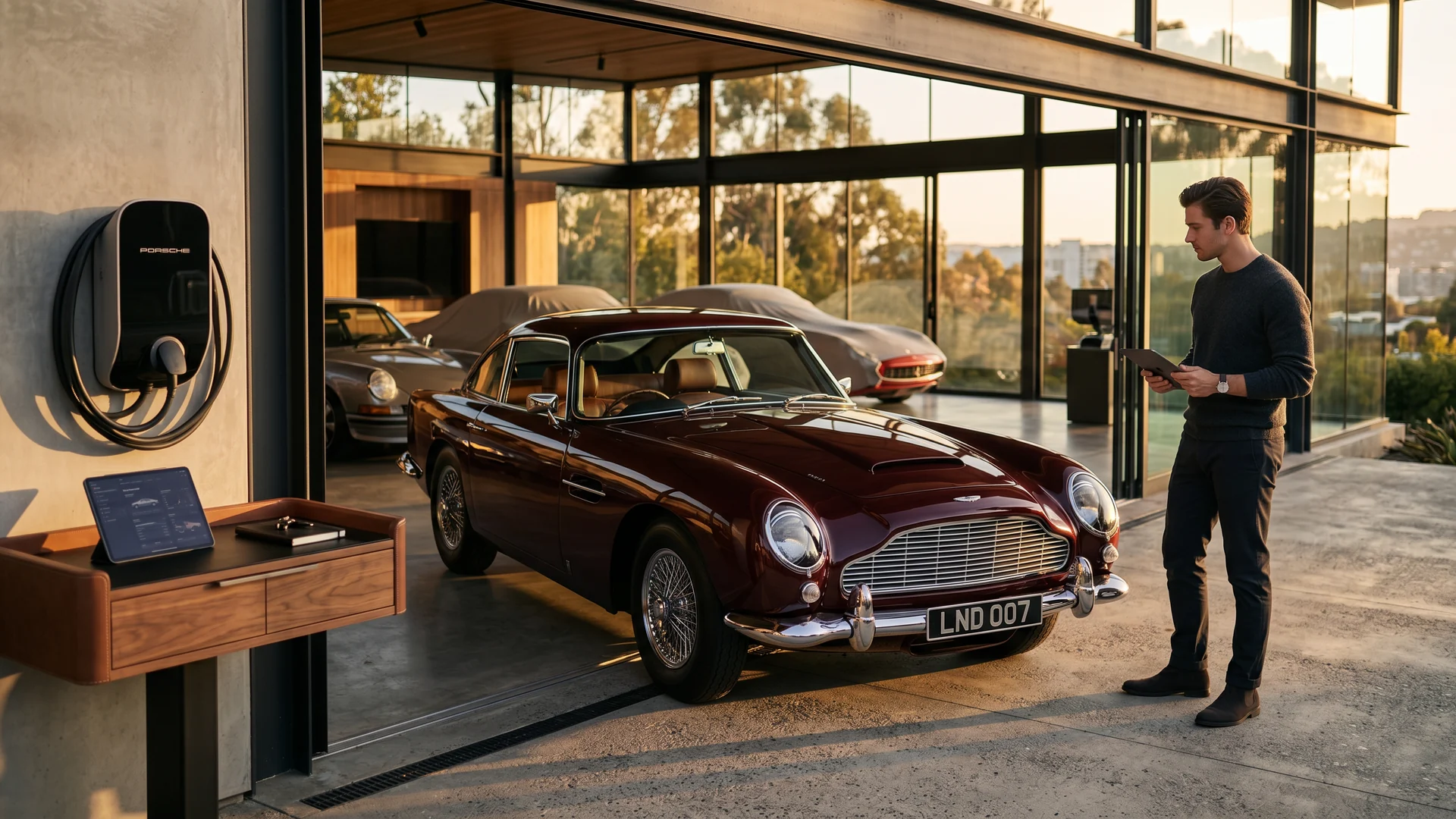
The Future of Classic Car Collecting: Trends Shaping the Next Generation
The future of classic car collecting: why 2035 ICE bans spare existing cars, plus e-fuels, shifting demographics, electromods and fractional ownership…
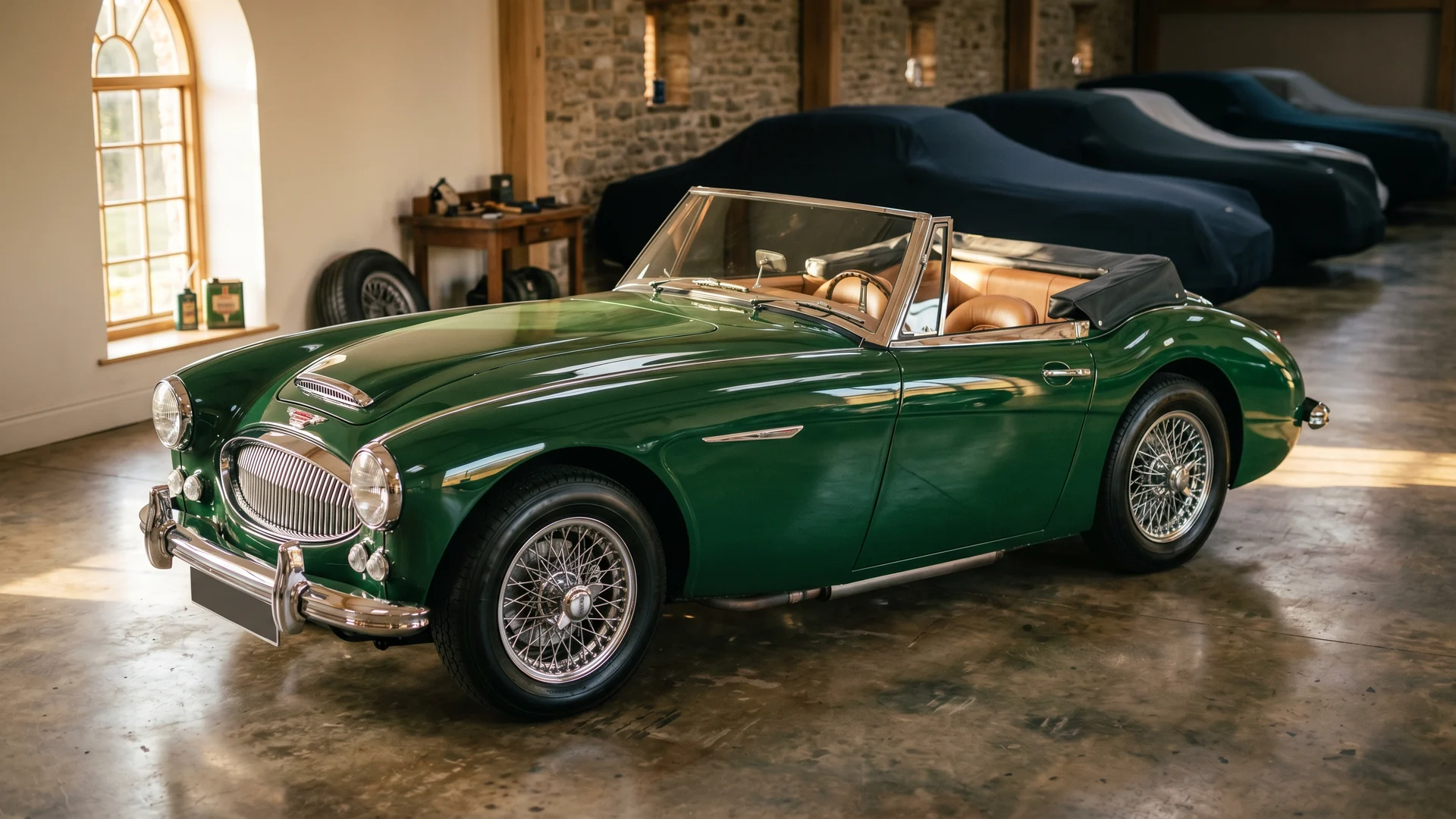
Classic Car Insurance Guide: Protecting Your Vintage Investment
Classic car insurance guide: why agreed-value policies beat stated and actual cash value, how Hagerty, Grundy and Chubb compare, plus costs and covera…
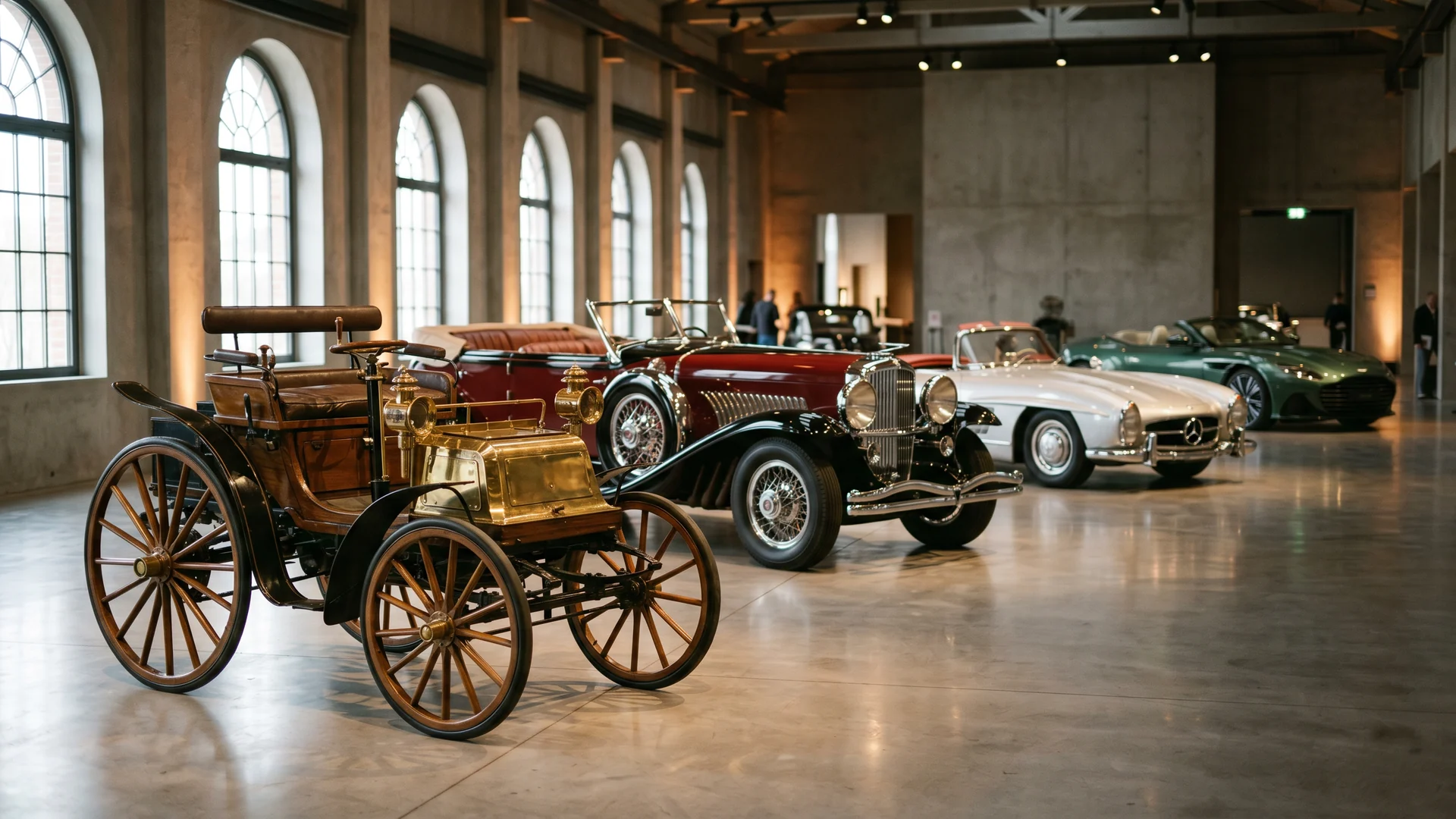
Classic Car History Timeline: From Benz to the Modern Collector Era
Classic car history timeline from the 1886 Benz Patent-Motorwagen through coachbuilding, muscle cars and supercars to modern collectibles. Discover th…