Why Certain Classic Models Are Quietly Blacklisted
The concept of blacklisting classic car models has emerged as a significant topic in the automotive industry. Blacklisting refers to the practice of deeming certain vehicles undesi…
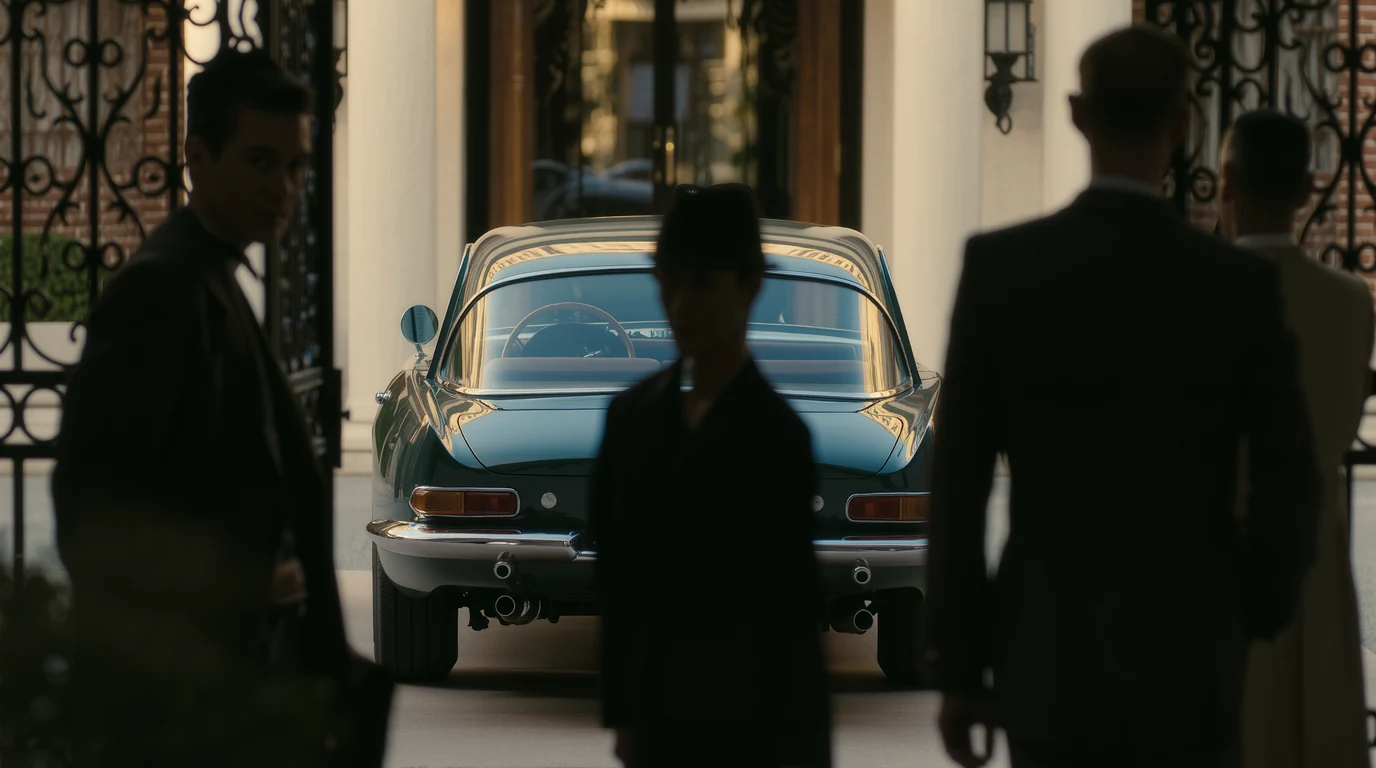
The concept of blacklisting classic car models has emerged as a significant topic in the automotive industry. Blacklisting refers to the practice of deeming certain vehicles undesirable or unfit for use, often due to various factors such as safety, environmental impact, or consumer perception. Classic cars, which are often cherished for their historical value and nostalgic appeal, are not immune to this trend.
As society evolves, so do the standards and expectations surrounding vehicles, leading to a growing list of classic models that are increasingly viewed as problematic. This phenomenon raises important questions about the future of classic cars. While many enthusiasts celebrate these vehicles for their craftsmanship and heritage, others argue that some models should be retired from the roads.
Understanding the reasons behind blacklisting can help collectors and enthusiasts navigate the complexities of owning classic cars in a rapidly changing automotive landscape.
Key Takeaways
- Blacklisting classic car models is influenced by consumer perception, environmental, safety, and economic factors.
- Government regulations and technological advancements play significant roles in determining which classic cars are blacklisted.
- Nostalgia and cultural shifts can both contribute to and challenge the blacklisting of certain classic models.
- Specific case studies highlight how some classic cars have been blacklisted due to various concerns but may also face potential reevaluation.
- The future of classic car blacklisting will impact enthusiasts and collectors, balancing preservation with modern standards.
The impact of consumer perception on classic car blacklisting
Consumer perception plays a pivotal role in the blacklisting of classic car models. As public awareness of environmental issues and safety standards increases, certain vehicles are scrutinized more closely. For instance, classic cars often lack modern safety features such as airbags and anti-lock braking systems, which can lead to negative perceptions among potential buyers.
This shift in consumer sentiment can result in a decline in demand for specific models, prompting manufacturers and dealers to distance themselves from these vehicles. Moreover, social media and online forums amplify consumer opinions, making it easier for negative perceptions to spread. A single viral post highlighting the dangers or inefficiencies of a classic model can lead to widespread blacklisting.
As a result, car enthusiasts may find themselves facing challenges when trying to sell or restore these vehicles, as potential buyers may be influenced by prevailing negative narratives.
Environmental and safety concerns leading to classic car blacklisting
Environmental concerns are at the forefront of the blacklisting debate surrounding classic cars. Many older models emit higher levels of pollutants compared to modern vehicles, contributing to air quality issues and climate change. As cities implement stricter emissions regulations, classic cars that do not meet these standards are often banned from urban areas or face hefty fines.
This regulatory pressure can lead to a decline in their desirability among environmentally conscious consumers. Safety concerns also contribute significantly to the blacklisting of classic models.
Features such as electronic stability control, lane departure warnings, and advanced braking systems are absent in many classic cars, raising concerns about their safety on modern roads. As a result, consumers may be hesitant to invest in these vehicles, fearing for their safety and that of their passengers.
The role of technology and innovation in classic car blacklisting
Technology and innovation have transformed the automotive landscape, impacting how classic cars are perceived and valued. The rise of electric vehicles (EVs) and hybrid technology has shifted consumer preferences toward more sustainable options. As a result, classic cars that rely on traditional combustion engines may be viewed as outdated or less desirable.
This technological shift has led to a growing divide between modern vehicles and classic models, with the latter often facing blacklisting due to their perceived obsolescence. Additionally, advancements in automotive technology have made it easier for manufacturers to produce safer and more efficient vehicles. As consumers become accustomed to these innovations, they may find it difficult to appreciate the charm of older models that lack such features.
Consequently, classic cars may be blacklisted not only for their environmental impact but also for their inability to keep pace with technological advancements.
Economic factors contributing to classic car blacklisting
Economic factors also play a crucial role in the blacklisting of classic car models. The cost of maintaining and restoring older vehicles can be prohibitively high, deterring potential buyers from investing in them. Classic cars often require specialized parts and skilled labor for repairs, which can lead to significant expenses over time.
As economic conditions fluctuate, consumers may prioritize more affordable and reliable transportation options over vintage models. Moreover, the rising popularity of electric vehicles has led to increased competition in the automotive market. As consumers shift their focus toward eco-friendly options, classic cars may struggle to maintain their value and appeal.
This economic pressure can result in a decline in demand for certain models, leading to their eventual blacklisting as consumers opt for more modern alternatives.
Case studies of specific classic car models that have been blacklisted
Several classic car models have faced blacklisting due to various factors. One notable example is the Ford Mustang from the late 1960s and early 1970s. While this model is celebrated for its performance and design, it has also been criticized for its poor fuel efficiency and high emissions.
As environmental regulations tightened, some regions began restricting older Mustangs from city roads, leading to a decline in their desirability among eco-conscious buyers. Another example is the Chevrolet Corvette from the 1970s. Although revered by enthusiasts for its iconic styling and performance capabilities, this model faced scrutiny due to safety concerns and emissions issues.
As newer Corvettes incorporated advanced safety features and improved fuel efficiency, older models became less appealing to consumers who prioritized modern standards.
The influence of government regulations on classic car blacklisting
Government regulations significantly influence the blacklisting of classic car models. Many countries have implemented stringent emissions standards aimed at reducing pollution and promoting cleaner air quality. These regulations often target older vehicles that do not meet modern emissions criteria, leading to restrictions on their use in urban areas or outright bans.
In addition to emissions regulations, safety standards also play a critical role in determining which classic cars remain roadworthy. Governments frequently update safety requirements for vehicles, making it challenging for older models to comply without significant modifications. As a result, many classic cars find themselves blacklisted due to their inability to meet these evolving standards.
The role of nostalgia and cultural shifts in classic car blacklisting
Nostalgia plays a complex role in the blacklisting of classic car models. While many enthusiasts cherish these vehicles for their historical significance and unique design, cultural shifts can lead to changing perceptions about their value. As younger generations prioritize sustainability and technology over nostalgia, classic cars may be viewed as relics of a bygone era rather than desirable collectibles.
Moreover, cultural attitudes toward transportation are evolving. The rise of urbanization and shared mobility solutions has shifted consumer preferences away from car ownership altogether. This cultural shift can contribute to the blacklisting of certain classic models as they become less relevant in a world where convenience and sustainability take precedence over nostalgia.
The potential for redemption and reevaluation of blacklisted classic models
Despite the challenges faced by blacklisted classic car models, there is potential for redemption and reevaluation. As technology advances, retrofitting older vehicles with modern components can enhance their safety and environmental performance. Electric conversions are becoming increasingly popular among enthusiasts looking to preserve the charm of classic cars while making them more sustainable.
Additionally, growing interest in vintage vehicles among younger generations may lead to a resurgence in demand for certain models previously deemed undesirable. As collectors seek unique pieces with character and history, some blacklisted classics may find new life in the market.
The future of classic car blacklisting in the automotive industry
The future of classic car blacklisting remains uncertain as societal values continue to evolve. As environmental concerns take center stage, it is likely that more classic models will face scrutiny regarding their emissions and safety features. However, advancements in technology may provide opportunities for retrofitting and restoring these vehicles to meet modern standards.
Furthermore, as nostalgia for vintage cars persists among enthusiasts, there may be a growing movement advocating for the preservation of certain models despite regulatory challenges. The automotive industry will need to strike a balance between honoring its heritage while adapting to contemporary demands.
Conclusion and implications for classic car enthusiasts and collectors
In conclusion, the blacklisting of classic car models is influenced by various factors including consumer perception, environmental concerns, government regulations, and cultural shifts. While some models face challenges due to outdated technology or safety issues, there is potential for redemption through innovation and changing consumer attitudes. For classic car enthusiasts and collectors, understanding these dynamics is crucial for navigating the evolving landscape of vintage automobiles.
By embracing technological advancements and advocating for preservation efforts, enthusiasts can help ensure that beloved classics continue to hold a place in automotive history while adapting to modern standards.
FAQs
What does it mean for a classic model to be “quietly blacklisted”?
“Quietly blacklisted” refers to certain classic models being informally excluded or avoided by collectors, dealers, or enthusiasts due to specific issues such as reliability problems, safety concerns, or poor reputation, without an official or public announcement.
Why are some classic models blacklisted despite their popularity?
Some classic models may be blacklisted because they have recurring mechanical failures, high maintenance costs, or safety defects that make them less desirable or practical to own, even if they have a strong fan base or historical significance.
Who decides which classic models get blacklisted?
There is no formal authority that blacklists classic models; rather, the decision is often made collectively by the automotive community, including collectors, mechanics, and dealers, based on shared experiences and market demand.
Are blacklisted classic models unsafe to drive?
Not necessarily. While some blacklisted models may have safety issues, others might be blacklisted due to reliability or cost concerns rather than safety. However, potential buyers should research specific models thoroughly before purchase.
Can a blacklisted classic model regain popularity?
Yes, a blacklisted classic model can regain popularity if issues are resolved, restoration techniques improve, or if there is renewed interest due to cultural or historical factors.
How can I find out if a classic model is blacklisted?
Information about blacklisted classic models is typically found through automotive forums, expert reviews, collector communities, and historical reliability data rather than official listings.
Does blacklisting affect the value of classic cars?
Yes, blacklisting can negatively impact the market value of classic cars by reducing demand, but in some cases, rarity or unique features may still maintain or increase their value despite blacklisting.
Are blacklisted classic models harder to insure?
Insurance companies may consider blacklisted models higher risk due to their known issues, which can lead to higher premiums or difficulty obtaining coverage, depending on the insurer and the specific model.
More from Blog
The Future of Classic Car Collecting: Trends Shaping the Next Generation
The future of classic car collecting: why 2035 ICE bans spare existing cars, plus e-fuels, shifting demographics, electromods and fractional ownership…
Classic Car Insurance Guide: Protecting Your Vintage Investment
Classic car insurance guide: why agreed-value policies beat stated and actual cash value, how Hagerty, Grundy and Chubb compare, plus costs and covera…
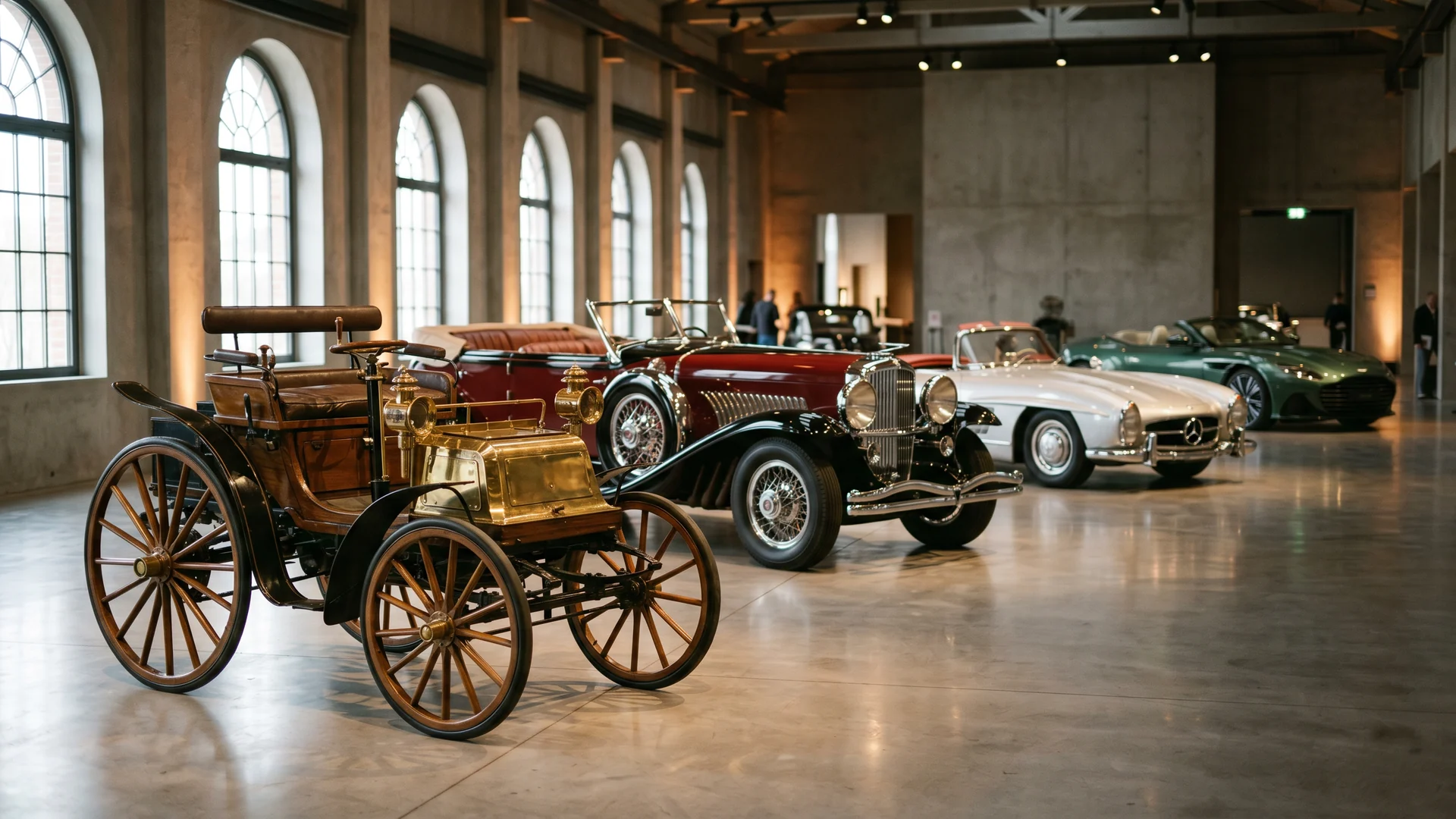
Classic Car History Timeline: From Benz to the Modern Collector Era
Classic car history timeline from the 1886 Benz Patent-Motorwagen through coachbuilding, muscle cars and supercars to modern collectibles. Discover th…