Why Buying a Classic Mercedes-Benz Can Ruin New Collectors
Classic Mercedes-Benz cars represent a unique blend of luxury, performance, and timeless design. These vehicles, often celebrated for their engineering excellence, have become symb…
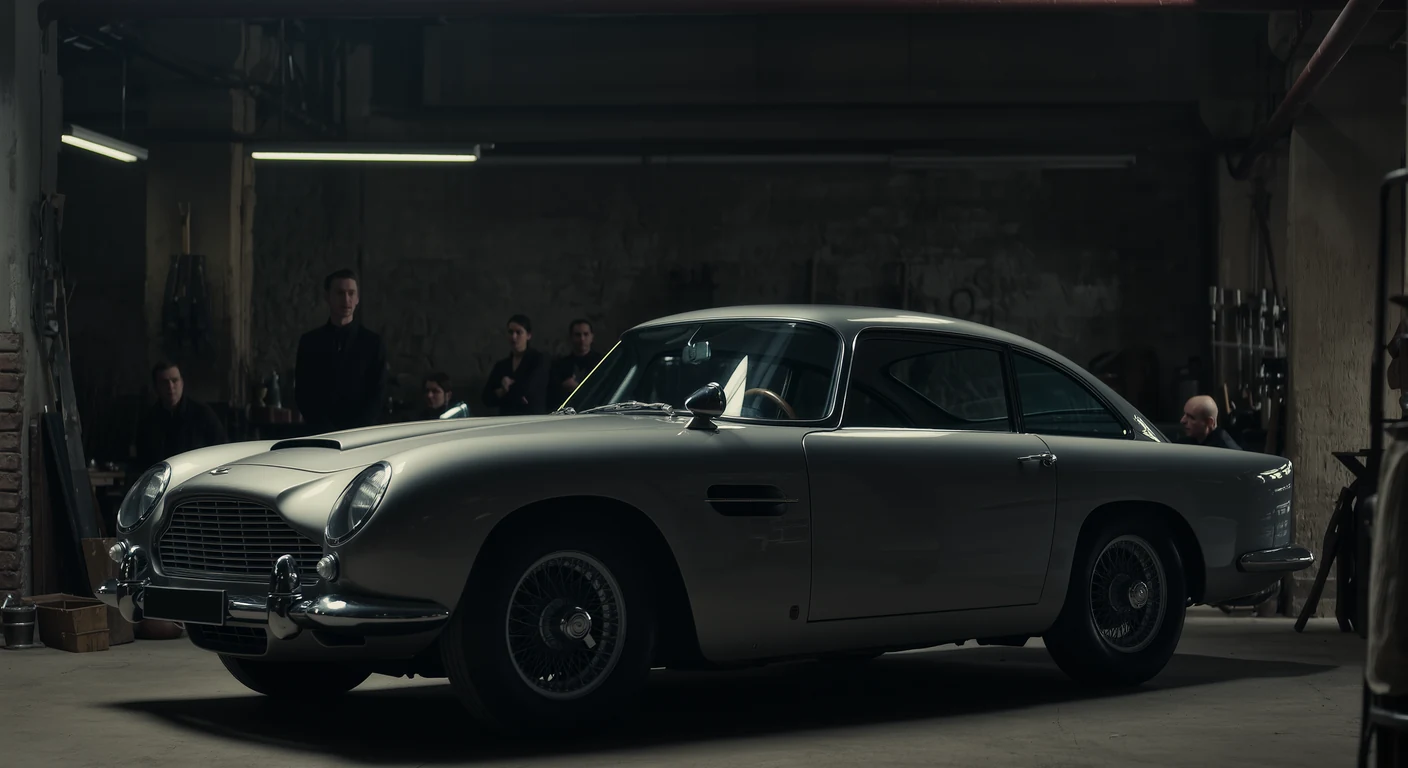
Classic Mercedes-Benz cars represent a unique blend of luxury, performance, and timeless design. These vehicles, often celebrated for their engineering excellence, have become symbols of status and sophistication. For car enthusiasts and collectors alike, owning a classic Mercedes-Benz is not just about having a mode of transportation; it’s about embracing a piece of automotive history.
The allure of these cars lies in their craftsmanship and the legacy of the brand, which has been synonymous with quality since its inception. However, while the dream of owning a classic Mercedes-Benz is enticing, it comes with its own set of challenges and considerations.
The journey of collecting these vehicles can be rewarding, but it also requires careful planning and a clear understanding of what lies ahead. From maintenance costs to the emotional investment involved, prospective buyers must weigh their options thoughtfully. This article will explore the various aspects of owning a classic Mercedes-Benz, helping you make an informed decision about whether this investment is right for you.
Key Takeaways
- Classic Mercedes-Benz cars are highly desirable for their timeless design and engineering excellence.
- Maintenance and repair costs are often high due to limited parts availability and the need for skilled mechanics.
- There is a risk of depreciation and buying a problematic vehicle (“lemon”) which can impact investment value.
- Emotional attachment to these cars can lead to significant financial investment and budget challenges for collectors.
- New collectors should carefully weigh the potential frustrations and costs before deciding if a classic Mercedes-Benz is worth it.
The allure of classic Mercedes-Benz cars
The allure of classic Mercedes-Benz cars is undeniable. These vehicles are not just machines; they are works of art that embody the spirit of innovation and luxury. From the iconic curves of the 300SL Gullwing to the elegant lines of the W113 Pagoda, each model tells a story of its time.
Collectors are often drawn to the rich history behind these cars, as well as their impressive performance capabilities. The engineering prowess that Mercedes-Benz is known for ensures that many classic models still perform admirably today. Moreover, owning a classic Mercedes-Benz can be a status symbol.
These cars are often associated with wealth and sophistication, making them highly desirable among collectors. The exclusivity of certain models adds to their appeal, as they become coveted items in automotive circles. For many enthusiasts, the thrill of driving a classic Mercedes-Benz is matched only by the joy of sharing their passion with fellow collectors at car shows and events.
The high cost of maintenance and repairs
While classic Mercedes-Benz cars offer undeniable charm and prestige, they also come with significant maintenance and repair costs. Unlike modern vehicles, which benefit from advanced technology and readily available parts, classic models often require specialized care. Routine maintenance can quickly add up, especially if you’re dealing with older engines or unique components that need replacement or repair.
Additionally, finding quality parts for classic models can be challenging. Many components may no longer be in production, leading to higher prices for those that are available. Owners must be prepared for unexpected repairs that can strain their budgets.
It’s crucial to factor in these costs when considering the purchase of a classic Mercedes-Benz, as they can significantly impact your overall ownership experience.
Limited availability of parts
One of the most significant challenges faced by classic Mercedes-Benz owners is the limited availability of parts. As these vehicles age, certain components become increasingly difficult to find. While some parts may still be manufactured or reproduced, others may only be available through specialty suppliers or salvage yards.
This scarcity can lead to inflated prices and extended wait times for repairs.
Some classic Mercedes-Benz cars have unique features or specifications that require specialized components.
Owners may find themselves scouring the internet or attending auctions in search of rare parts, which can be both time-consuming and costly. Understanding this aspect of ownership is essential for anyone considering investing in a classic Mercedes-Benz.
Difficulty finding skilled mechanics
Another hurdle for classic Mercedes-Benz owners is finding skilled mechanics who are familiar with older models. While many modern mechanics are trained on contemporary vehicles, fewer possess the expertise needed to work on classic cars. This gap in knowledge can lead to frustration when seeking repairs or maintenance services.
Finding a mechanic who understands the intricacies of classic Mercedes-Benz vehicles is crucial for ensuring proper care. Owners may need to invest time in researching local specialists or traveling long distances to find qualified professionals. This challenge can add another layer of complexity to the ownership experience, making it essential for prospective buyers to consider their options carefully.
The potential for depreciation in value
While many classic Mercedes-Benz cars appreciate over time, there is still a risk of depreciation in value. Factors such as market demand, condition, and rarity play significant roles in determining a vehicle’s worth. If you purchase a car that is not well-maintained or falls out of favor with collectors, you may find its value declining rather than increasing.
Additionally, economic fluctuations can impact the classic car market as a whole. A downturn in the economy may lead to decreased demand for luxury items like classic cars, resulting in lower resale values. It’s essential for potential buyers to conduct thorough research on market trends and specific models before making a purchase to mitigate this risk.
The risk of buying a lemon
The risk of buying a lemon is another concern for those looking to invest in a classic Mercedes-Benz. Not all vehicles on the market are in good condition; some may have hidden issues that can lead to costly repairs down the line. Without proper inspection and documentation, buyers may unknowingly purchase a car that requires extensive work.
To avoid this pitfall, it’s crucial to conduct thorough due diligence before making a purchase. This includes obtaining a comprehensive vehicle history report, having a trusted mechanic inspect the car, and verifying its authenticity through documentation. Taking these steps can help ensure that you’re making a sound investment rather than falling victim to a lemon.
The emotional attachment and financial investment
Owning a classic Mercedes-Benz often involves both emotional attachment and significant financial investment. For many collectors, these vehicles represent more than just transportation; they embody memories, nostalgia, and passion for automotive history. This emotional connection can make it challenging to view the car purely as an asset.
However, it’s essential to balance this emotional attachment with financial considerations. Classic cars require ongoing investment in maintenance and repairs, which can strain budgets if not managed carefully. Understanding your motivations for purchasing a classic Mercedes-Benz can help you navigate this emotional landscape while making sound financial decisions.
The impact on the collector’s budget
The impact on a collector’s budget cannot be overstated when considering a classic Mercedes-Benz purchase. Beyond the initial acquisition cost, ongoing expenses such as insurance, storage, maintenance, and repairs must be factored into your budget. These costs can accumulate quickly and may require adjustments to your financial planning.
Additionally, collectors should consider potential fluctuations in value over time. While some models appreciate significantly, others may not perform as well in terms of resale value. It’s crucial to have a clear understanding of your financial situation and goals before diving into the world of classic car collecting.
The potential for disappointment and frustration
The potential for disappointment and frustration is an unfortunate reality for some classic Mercedes-Benz owners. Whether it’s dealing with unexpected repairs or struggling to find parts, challenges can arise that dampen the joy of ownership. Additionally, if expectations are not aligned with reality, such as assuming all classic cars will appreciate, owners may find themselves disillusioned.
To mitigate these feelings, it’s essential to approach classic car ownership with realistic expectations and a willingness to adapt to challenges as they arise. Building a support network within the collector community can also provide valuable insights and encouragement during difficult times.
Is a classic Mercedes-Benz worth it for new collectors?
In conclusion, whether a classic Mercedes-Benz is worth it for new collectors depends on individual circumstances and preferences. While these vehicles offer undeniable allure and prestige, they also come with challenges such as high maintenance costs, limited parts availability, and potential depreciation risks. For those who are passionate about automotive history and willing to invest time and resources into their collection, owning a classic Mercedes-Benz can be an incredibly rewarding experience.
However, prospective buyers should approach this decision with careful consideration and thorough research. Understanding both the emotional and financial aspects of ownership will help ensure that your investment aligns with your goals as a collector. Ultimately, if you’re prepared for the journey ahead and embrace both the joys and challenges that come with owning a classic Mercedes-Benz, you may find that this investment is well worth it in the end.
FAQs
What are some common challenges new collectors face when buying a classic Mercedes-Benz?
New collectors often encounter issues such as high maintenance costs, difficulty finding original parts, and the need for specialized knowledge to properly care for and restore classic Mercedes-Benz vehicles.
Why can buying a classic Mercedes-Benz be financially risky for new collectors?
Classic Mercedes-Benz cars can have hidden mechanical problems, require expensive repairs, and may depreciate if not properly maintained, making them a potentially costly investment for inexperienced buyers.
How important is vehicle history when purchasing a classic Mercedes-Benz?
Vehicle history is crucial; knowing the car’s maintenance records, accident history, and previous ownership helps assess its condition and value, reducing the risk of unexpected issues.
Are classic Mercedes-Benz cars difficult to maintain?
Yes, they often require specialized knowledge and tools for maintenance and repairs, and finding qualified mechanics or original parts can be challenging and expensive.
What should new collectors consider before buying a classic Mercedes-Benz?
New collectors should research the specific model, understand the costs involved, inspect the vehicle thoroughly, verify its authenticity, and consider consulting experts or joining classic car clubs for guidance.
Can buying a classic Mercedes-Benz affect a new collector’s enthusiasm for car collecting?
Yes, unexpected expenses, mechanical problems, and the complexity of maintaining a classic Mercedes-Benz can lead to frustration and disappointment, potentially discouraging new collectors.
Is it advisable for new collectors to buy a classic Mercedes-Benz without prior experience?
It is generally not advisable; gaining experience with less complex or less expensive classic cars first can help new collectors build knowledge and avoid costly mistakes.
How can new collectors protect themselves when buying a classic Mercedes-Benz?
They should conduct thorough inspections, request professional appraisals, verify documentation, and consider purchasing from reputable sellers or dealers to minimize risks.
More from Blog
The Future of Classic Car Collecting: Trends Shaping the Next Generation
The future of classic car collecting: why 2035 ICE bans spare existing cars, plus e-fuels, shifting demographics, electromods and fractional ownership…
Classic Car Insurance Guide: Protecting Your Vintage Investment
Classic car insurance guide: why agreed-value policies beat stated and actual cash value, how Hagerty, Grundy and Chubb compare, plus costs and covera…
Classic Car History Timeline: From Benz to the Modern Collector Era
Classic car history timeline from the 1886 Benz Patent-Motorwagen through coachbuilding, muscle cars and supercars to modern collectibles. Discover th…