Why The Best Classic Cars Never Reach the Open Market
Classic cars are more than just vehicles; they are a testament to automotive history and craftsmanship. The rarity of classic cars stems from various factors, including limited pro…
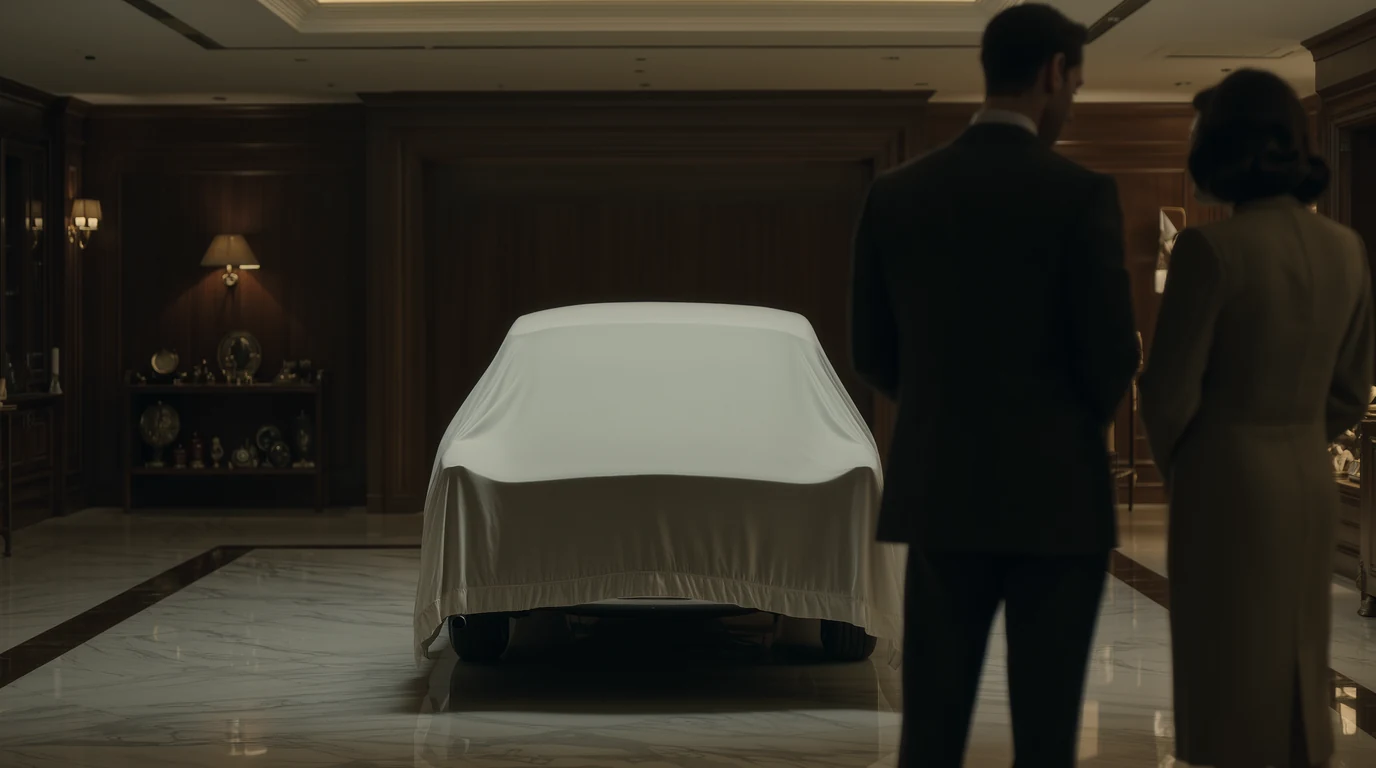
Classic cars are more than just vehicles; they are a testament to automotive history and craftsmanship. The rarity of classic cars stems from various factors, including limited production runs, unique designs, and the passage of time. As fewer of these vehicles remain on the road, their value increases, making them highly sought after by collectors and enthusiasts alike.
The allure of classic cars lies not only in their aesthetic appeal but also in the stories they tell about the eras they represent. The rarity of classic cars can be attributed to several elements. First, many models were produced in limited quantities, making them hard to find today.
Additionally, the natural wear and tear that occurs over decades means that only a fraction of the original cars still exist in good condition. This scarcity drives demand, leading to higher prices at auctions and private sales. Collectors often seek out these rare gems, not just for their investment potential but also for the joy of owning a piece of automotive history.
Key Takeaways
- Classic cars are rare and highly valued due to their limited availability and historical significance.
- Collectors, museums, and auction houses play crucial roles in preserving and promoting classic cars.
- Authenticity and originality are key factors that significantly affect a classic car’s value and desirability.
- Restorations, modifications, and the challenge of sourcing authentic parts impact the car’s market appeal.
- Celebrity ownership, insurance considerations, and evolving market trends shape the future of classic car ownership.
The Influence of Collectors and Museums
Collectors play a pivotal role in the classic car market. Their passion for preserving automotive history drives demand and influences prices. Many collectors invest significant time and resources into acquiring rare models, often attending auctions and car shows to find their next prized possession.
Their dedication helps maintain the value of classic cars, as they are willing to pay top dollar for well-preserved examples. Museums also contribute to the preservation and appreciation of classic cars. They serve as custodians of automotive history, showcasing rare models and educating the public about their significance.
By hosting exhibitions and events, museums foster a community of enthusiasts who share a love for classic cars. This collective passion not only enhances the cultural value of these vehicles but also encourages new collectors to enter the market.
The Role of Auction Houses
Auction houses are critical players in the classic car market, providing a platform for buyers and sellers to connect. These venues often feature high-profile auctions that attract collectors from around the world. The excitement of bidding on a rare classic car can create a sense of urgency, driving prices higher than expected.
Auction houses also offer expert appraisals, ensuring that both buyers and sellers have a clear understanding of a vehicle’s value. In addition to facilitating sales, auction houses help establish market trends. By analyzing bidding patterns and final sale prices, they provide valuable insights into which models are gaining popularity and which are declining in value.
The transparency and competitive nature of auctions contribute to a vibrant marketplace for classic cars.
The Impact of Private Sales
Private sales are another significant avenue for buying and selling classic cars. Unlike auctions, private sales allow for more negotiation and personal interaction between buyers and sellers. This can lead to favorable deals for both parties, as they can discuss the vehicle’s history, condition, and any modifications made over the years.
Private sales often occur through word-of-mouth or online platforms dedicated to classic car enthusiasts. The impact of private sales on the classic car market is substantial. They provide an alternative to auction houses, allowing buyers to find unique vehicles that may not be available at public auctions.
Additionally, private sales can sometimes yield better prices for sellers who prefer to avoid auction fees. This flexibility makes private sales an attractive option for many collectors looking to expand their collections or sell their prized possessions.
The Importance of Authenticity and Originality
Authenticity and originality are paramount in the classic car market. Buyers often seek vehicles that retain their original parts and features, as these factors significantly influence value. A classic car with matching numbers, meaning the engine and chassis numbers align with factory records, commands a premium price compared to one with non-original components.
Collectors appreciate the historical significance of authentic vehicles, making them more desirable. Moreover, originality extends beyond just parts; it encompasses the car’s overall condition and history. A well-documented provenance can enhance a vehicle’s appeal, providing potential buyers with confidence in their investment.
As a result, sellers must prioritize maintaining authenticity when restoring or modifying their classic cars. This commitment to originality not only preserves value but also honors the legacy of these remarkable machines.
The Effect of Restorations and Modifications
Restorations and modifications can significantly impact a classic car’s value and desirability. While some buyers prefer vehicles in their original state, others appreciate tasteful modifications that enhance performance or aesthetics. A well-executed restoration can breathe new life into a classic car, making it more enjoyable to drive while preserving its historical significance.
However, restorations must be approached with caution. Over-restoration, where a vehicle is brought back to a condition better than when it was new, can detract from its authenticity and reduce its value. Collectors often seek vehicles that strike a balance between restoration and originality, ensuring that any modifications enhance rather than detract from the car’s character.
Understanding buyer preferences is crucial for sellers looking to maximize their investment.
The Challenge of Finding Authentic Parts
Finding authentic parts for classic cars can be a daunting task for collectors and restorers alike. As time passes, many original components become scarce or entirely unavailable, leading enthusiasts to seek out reproduction parts or aftermarket alternatives. While these options can be suitable for certain repairs, they may not hold the same value as genuine parts.
The challenge lies in maintaining authenticity while ensuring that the vehicle remains functional and safe to drive. Collectors often invest significant time in sourcing original parts from specialty suppliers or salvage yards. This pursuit not only enhances the vehicle’s value but also contributes to its historical integrity.
For many enthusiasts, the thrill of finding that elusive part is part of the joy of owning a classic car.
The Influence of Celebrity Ownership
Celebrity ownership can dramatically influence the value of classic cars. When a famous individual owns a particular model, it often becomes more desirable due to its association with that person. High-profile sales involving celebrity-owned vehicles frequently attract media attention, driving up interest and prices among collectors.
The impact of celebrity ownership extends beyond just monetary value; it also adds a layer of intrigue and storytelling to the vehicle’s history. Buyers may feel a connection to the celebrity or appreciate the unique narrative behind the car’s journey. As a result, celebrity-owned classic cars often command premium prices at auctions and private sales, making them highly coveted among collectors.
The Role of Classic Car Dealers
Classic car dealers serve as intermediaries in the buying and selling process, offering expertise and guidance to both buyers and sellers. These professionals often have extensive knowledge about various makes and models, helping clients navigate the complexities of the classic car market. Dealers can provide valuable insights into current trends, pricing strategies, and restoration options.
In addition to facilitating transactions, classic car dealers often curate collections that showcase rare and desirable vehicles. Their ability to source unique models can save collectors time and effort in their search for specific cars. By building relationships with clients based on trust and transparency, dealers play an essential role in fostering a thriving community of classic car enthusiasts.
The Impact of Insurance and Appraisals
Insurance and appraisals are critical components of classic car ownership.
Insurers often assess vehicles based on factors such as age, make, model, and overall condition to determine appropriate coverage levels.
Appraisals are equally important for establishing a vehicle’s market value. A professional appraisal provides documentation that can be useful for insurance purposes or when selling the car. Accurate appraisals help protect owners’ investments by ensuring they have adequate coverage in case of loss or damage.
As such, both insurance and appraisals play vital roles in safeguarding classic car ownership.
The Future of Classic Car Ownership
The future of classic car ownership is poised for evolution as new generations embrace these timeless vehicles. While traditional collectors continue to appreciate vintage models, younger enthusiasts are increasingly drawn to electric conversions and modern interpretations of classic designs. This shift presents opportunities for innovation while preserving the essence of what makes classic cars special.
As technology advances, so too does the potential for enhancing classic car ownership experiences. Online platforms facilitate easier access to buying, selling, and restoring vehicles while fostering communities where enthusiasts can share knowledge and resources. The future holds promise for classic car ownership as it adapts to changing preferences while honoring its rich heritage.
In conclusion, classic cars represent more than just modes of transportation; they embody history, craftsmanship, and passion. From collectors and museums to auction houses and private sales, each element plays a vital role in shaping this dynamic market. As authenticity remains paramount and new trends emerge, the future of classic car ownership promises excitement for enthusiasts old and new alike.
FAQs
Why do some classic cars never reach the open market?
Many classic cars are never sold publicly because they are kept within private collections, passed down through families, or owned by enthusiasts who prefer to preserve them rather than sell. Additionally, some vehicles are considered too valuable or rare to risk being traded.
How does rarity affect the availability of classic cars on the market?
Rarity significantly limits the availability of classic cars. Limited production numbers, surviving examples, and unique features make certain models highly sought after, leading owners to hold onto them rather than sell.
What role do private collectors play in the classic car market?
Private collectors often acquire and retain classic cars for personal enjoyment, investment, or preservation. Their preference to keep these vehicles off the market reduces the number of cars available for public sale.
Are classic cars always sold through auctions or dealerships?
Not always. While many classic cars are sold through auctions or specialized dealerships, some transactions occur privately between collectors or enthusiasts, which may not be publicly advertised.
How does the condition of a classic car influence its market presence?
Classic cars in excellent, original, or fully restored condition are more likely to be retained by owners due to their high value. Conversely, cars in poor condition may be more frequently sold or restored, affecting their market availability.
Do legal or historical factors prevent some classic cars from being sold?
Yes. Certain classic cars may be subject to legal restrictions, such as export controls or historical preservation laws, which can limit their sale or transfer. Additionally, cars with significant historical importance may be kept in museums or collections rather than sold.
How does the investment potential of classic cars impact their market availability?
Because classic cars can appreciate in value over time, many owners treat them as investments and choose to hold onto them, reducing the number of vehicles offered for sale.
Is it common for classic cars to be restored before being sold?
Yes, many classic cars are restored to enhance their value and appeal before sale. However, some collectors prefer original, unrestored vehicles, which can also affect market dynamics.
What factors should buyers consider when looking for classic cars that rarely reach the market?
Buyers should be prepared for limited availability, higher prices, and the need to network within collector communities. Patience and thorough research are essential to locate and acquire rare classic cars.
More from Blog
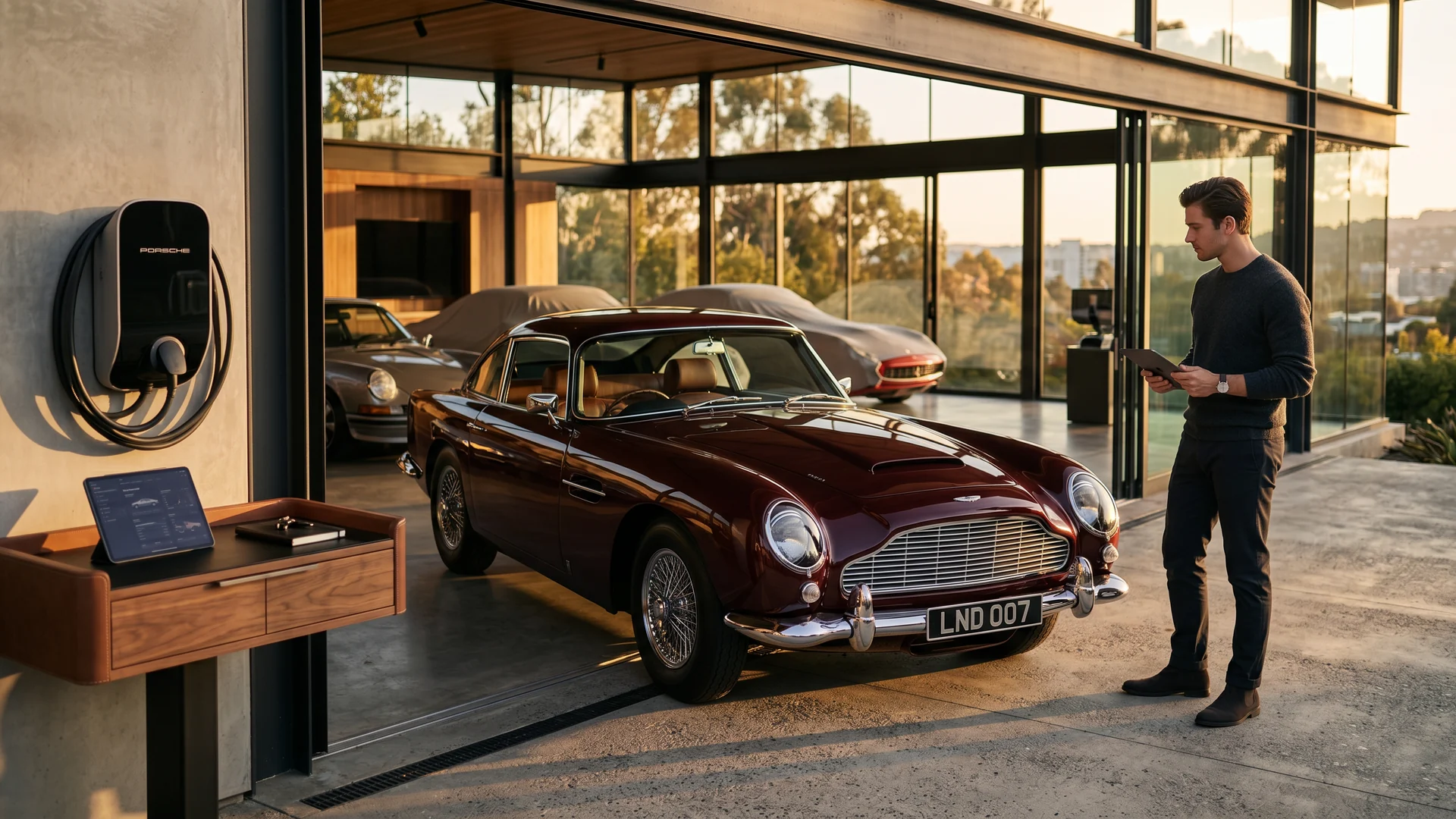
The Future of Classic Car Collecting: Trends Shaping the Next Generation
The future of classic car collecting: why 2035 ICE bans spare existing cars, plus e-fuels, shifting demographics, electromods and fractional ownership…
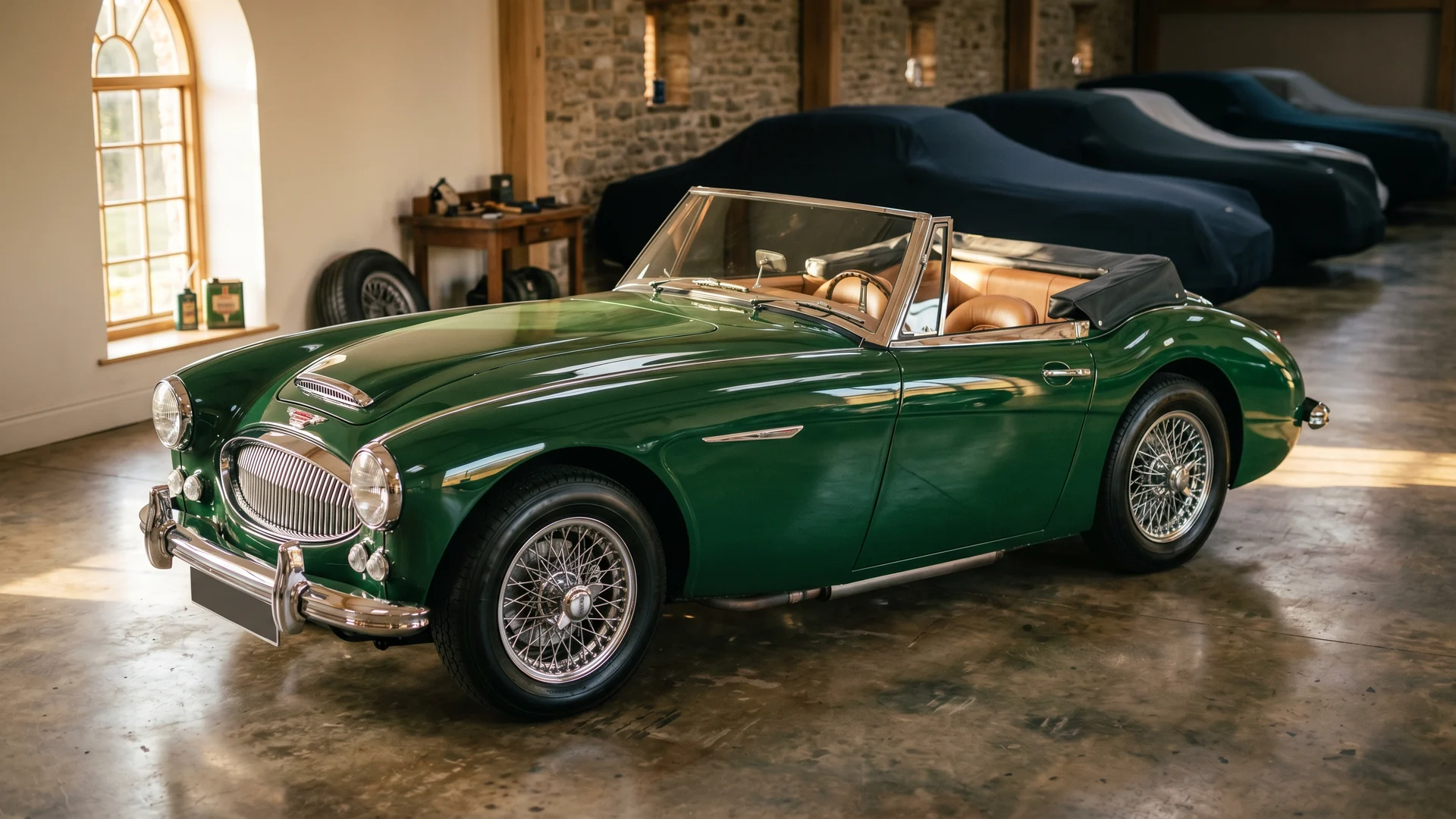
Classic Car Insurance Guide: Protecting Your Vintage Investment
Classic car insurance guide: why agreed-value policies beat stated and actual cash value, how Hagerty, Grundy and Chubb compare, plus costs and covera…
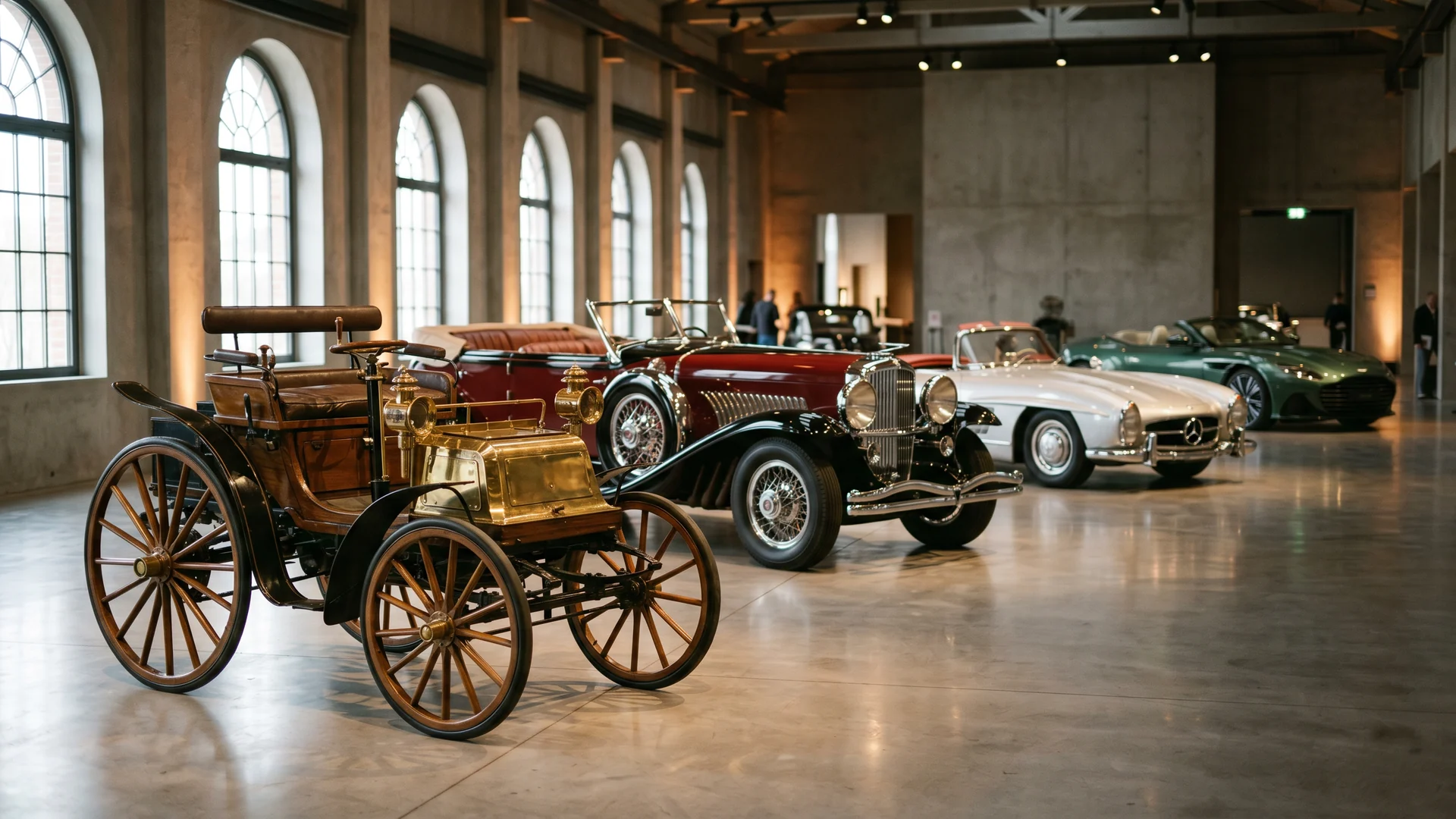
Classic Car History Timeline: From Benz to the Modern Collector Era
Classic car history timeline from the 1886 Benz Patent-Motorwagen through coachbuilding, muscle cars and supercars to modern collectibles. Discover th…