The Untold Truth About Buying a Classic Mercedes-Benz as an Investment
Classic Mercedes-Benz cars have long captivated enthusiasts and investors alike, offering a unique blend of luxury, performance, and timeless design. As an investment, these vehicl…

Classic Mercedes-Benz cars have long captivated enthusiasts and investors alike, offering a unique blend of luxury, performance, and timeless design. As an investment, these vehicles not only provide the thrill of ownership but also the potential for significant appreciation in value over time. The allure lies in their rich history, engineering excellence, and the prestige associated with the Mercedes-Benz brand.
For many, owning a classic Mercedes-Benz is not just about driving; it’s about being part of a legacy that transcends generations. Investing in a classic Mercedes-Benz can be a rewarding experience, both financially and emotionally. These cars often evoke nostalgia and admiration, making them desirable collectibles.
However, potential buyers must navigate the complexities of the classic car market to ensure they make informed decisions. Understanding the nuances of this investment can help you appreciate the true value of these iconic vehicles.
Key Takeaways
- Classic Mercedes-Benz cars are prized both for their luxury heritage and investment potential.
- Market value depends heavily on originality, rarity, and documented provenance.
- Ownership involves significant hidden costs related to maintenance and restoration.
- Special editions and well-documented history can greatly enhance a car’s investment value.
- Emotional appeal and nostalgia add intangible value but buyers must weigh risks carefully.
The history and reputation of Mercedes-Benz as a luxury brand
Mercedes-Benz has a storied history that dates back to the late 19th century, when Karl Benz created the first gasoline-powered automobile. This pioneering spirit laid the foundation for what would become one of the most prestigious automotive brands in the world. Over the decades, Mercedes-Benz has consistently pushed the boundaries of innovation, introducing groundbreaking technologies and luxurious features that set them apart from competitors.
The reputation of Mercedes-Benz as a luxury brand is built on its commitment to quality, performance, and safety. Each model is meticulously crafted, reflecting the brand’s dedication to excellence. This reputation has made classic Mercedes-Benz cars highly sought after by collectors and investors alike.
The combination of historical significance and engineering prowess ensures that these vehicles maintain their value over time, making them a smart investment choice.
Understanding the market value and appreciation potential of classic Mercedes-Benz cars
The market for classic Mercedes-Benz cars has shown remarkable resilience and growth over the years. Factors such as rarity, condition, and historical significance play crucial roles in determining a vehicle’s market value. Certain models, particularly those with limited production runs or unique features, can appreciate significantly over time.
For instance, models like the 300SL Gullwing or the Pagoda SL have seen substantial increases in value, making them attractive options for investors. Investors should also consider market trends and demand when evaluating potential purchases. Classic cars often follow cyclical patterns influenced by economic conditions and collector interest.
By staying informed about these trends, buyers can make strategic decisions that enhance their investment potential. Understanding the nuances of market value is essential for anyone looking to invest in classic Mercedes-Benz cars.
The hidden costs of owning and maintaining a classic Mercedes-Benz
While owning a classic Mercedes-Benz can be a rewarding experience, it’s essential to recognize the hidden costs associated with ownership. Maintenance and repair expenses can be significantly higher than those for modern vehicles due to the specialized parts and expertise required. Regular servicing is crucial to keep these cars in optimal condition, which can add up over time.
Additionally, insurance costs for classic cars can be higher than standard policies. Owners should also consider storage expenses, especially if they plan to keep their vehicle in pristine condition. Proper storage is vital to protect against environmental damage and deterioration.
Understanding these hidden costs is crucial for prospective buyers to ensure they are prepared for the financial commitment involved in owning a classic Mercedes-Benz.
The importance of originality and authenticity in classic Mercedes-Benz cars
Originality and authenticity are paramount when it comes to classic Mercedes-Benz cars. Vehicles that retain their original parts and features tend to command higher prices in the market. Collectors often seek out models that have not been heavily modified or restored, as these cars maintain their historical integrity and value.
When evaluating a classic Mercedes-Benz for purchase, buyers should look for documentation that verifies its originality.
A well-documented vehicle not only enhances its value but also provides peace of mind to potential buyers.
Ensuring that a classic car is authentic is essential for anyone looking to make a sound investment.
Potential challenges in finding and purchasing a desirable classic Mercedes-Benz
Finding the perfect classic Mercedes-Benz can be a daunting task due to the competitive nature of the market. Many desirable models are in high demand, making them difficult to locate at reasonable prices. Buyers may need to invest significant time and effort into researching available options and networking with other enthusiasts or collectors.
It’s crucial to conduct thorough inspections and obtain professional appraisals before making a purchase. Engaging with reputable dealers or auction houses can help mitigate risks associated with buying a classic car.
Being aware of these challenges will empower buyers to navigate the market more effectively.
The impact of rarity and special editions on the investment value of classic Mercedes-Benz cars
Rarity plays a significant role in determining the investment value of classic Mercedes-Benz cars. Limited production models or special editions often appreciate more rapidly than their more common counterparts. For example, vehicles like the 600 Pullman or AMG variants are highly coveted due to their exclusivity and unique features.
Investors should pay attention to production numbers and special features when evaluating potential purchases. Understanding which models are considered rare can help buyers make informed decisions that align with their investment goals. The allure of owning a rare classic Mercedes-Benz not only enhances its value but also adds prestige to the owner’s collection.
The role of documentation and provenance in determining the value of a classic Mercedes-Benz
Documentation and provenance are critical factors in establishing the value of a classic Mercedes-Benz. A well-documented vehicle with a clear ownership history is more likely to command higher prices in the market. Buyers should seek out service records, original sales documents, and any relevant certifications that verify the car’s authenticity.
Provenance adds an additional layer of value by providing context about the vehicle’s history. For instance, if a car was owned by a notable figure or featured in significant events, its value may increase substantially. Collectors often prioritize vehicles with compelling stories behind them, making documentation an essential aspect of any investment decision.
The potential for restoration and customization in increasing the value of a classic Mercedes-Benz
Restoration and customization can significantly impact the value of a classic Mercedes-Benz when done correctly. A well-executed restoration can enhance both aesthetics and performance while preserving originality. However, it’s essential to strike a balance between restoring a vehicle to its former glory and maintaining its historical integrity.
Customization can also add value if it enhances the driving experience or aligns with collector preferences. For example, upgrading performance components or adding modern conveniences can make a classic car more appealing to potential buyers. However, it’s crucial to ensure that any modifications do not detract from the vehicle’s authenticity or originality.
The emotional and nostalgic appeal of owning a classic Mercedes-Benz as an investment
Owning a classic Mercedes-Benz goes beyond financial considerations; it taps into deep emotional and nostalgic sentiments. For many enthusiasts, these vehicles represent cherished memories or aspirations tied to automotive history. The experience of driving a classic car evokes feelings of nostalgia that modern vehicles simply cannot replicate.
This emotional connection often drives collectors to invest in classic Mercedes-Benz cars as more than just financial assets; they become symbols of passion and appreciation for automotive craftsmanship. The joy of ownership can enhance the overall investment experience, making it worthwhile beyond mere monetary gains.
The considerations and risks of buying a classic Mercedes-Benz as an investment
Investing in a classic Mercedes-Benz offers numerous benefits but also comes with its share of considerations and risks. Potential buyers must navigate hidden costs, market fluctuations, and challenges associated with finding desirable models. Understanding factors such as rarity, documentation, and restoration potential is crucial for making informed decisions.
Ultimately, while owning a classic Mercedes-Benz can be an enriching experience both financially and emotionally, it requires careful consideration and research. By weighing these factors thoughtfully, investors can position themselves for success in this exciting market while enjoying the timeless allure of these iconic vehicles.
FAQs
What makes a classic Mercedes-Benz a good investment?
Classic Mercedes-Benz cars are often considered good investments due to their timeless design, engineering quality, and strong brand heritage. Limited production numbers and historical significance can also increase their value over time.
Which models of classic Mercedes-Benz are most sought after by collectors?
Models such as the 300SL Gullwing, 190SL, and certain versions of the W123 and W113 series are highly sought after by collectors. These models are prized for their rarity, performance, and iconic status.
How does the condition of a classic Mercedes-Benz affect its investment value?
The condition is critical; well-maintained, original, or properly restored vehicles typically command higher prices. Rust-free bodies, original parts, and documented service history significantly enhance investment potential.
Is it necessary to have mechanical knowledge to invest in a classic Mercedes-Benz?
While not mandatory, having mechanical knowledge or access to a trusted specialist can help in assessing the car’s condition, estimating restoration costs, and maintaining the vehicle, which is important for preserving its value.
What are the risks involved in investing in a classic Mercedes-Benz?
Risks include market fluctuations, high maintenance and restoration costs, potential difficulty in finding original parts, and the possibility of purchasing a vehicle with hidden damage or poor documentation.
How important is provenance and documentation when buying a classic Mercedes-Benz?
Provenance and documentation are very important as they verify the car’s history, authenticity, and maintenance records. Well-documented vehicles generally have higher resale values and are more attractive to collectors.
Can classic Mercedes-Benz cars generate income or are they purely investment assets?
While primarily investment assets, some owners generate income by renting their classic cars for events, films, or photo shoots. However, frequent use can affect the car’s condition and value.
What should I consider before buying a classic Mercedes-Benz as an investment?
Consider factors such as the model’s rarity, condition, maintenance costs, market trends, storage requirements, and your ability to invest time and resources into proper care and preservation.
Where is the best place to buy a classic Mercedes-Benz?
Classic Mercedes-Benz cars can be purchased through specialized classic car dealerships, auctions, private sellers, and online classic car marketplaces. It is advisable to buy from reputable sources with verified vehicle history.
How does the classic car market affect the value of a Mercedes-Benz investment?
The classic car market is influenced by economic conditions, collector interest, and trends. Market demand can cause values to fluctuate, so timing and market knowledge are important when buying or selling a classic Mercedes-Benz.
More from Blog
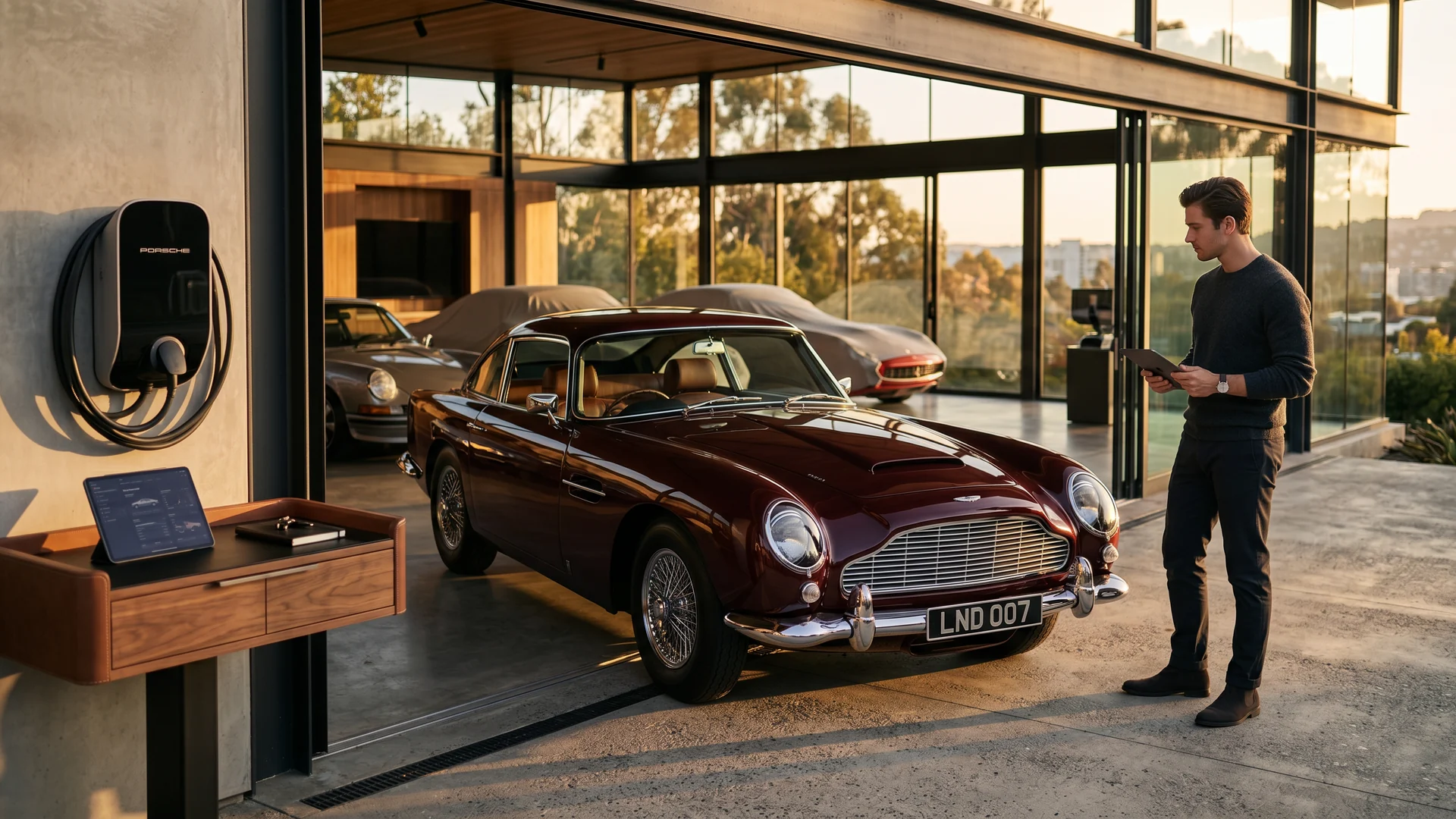
The Future of Classic Car Collecting: Trends Shaping the Next Generation
The future of classic car collecting: why 2035 ICE bans spare existing cars, plus e-fuels, shifting demographics, electromods and fractional ownership…
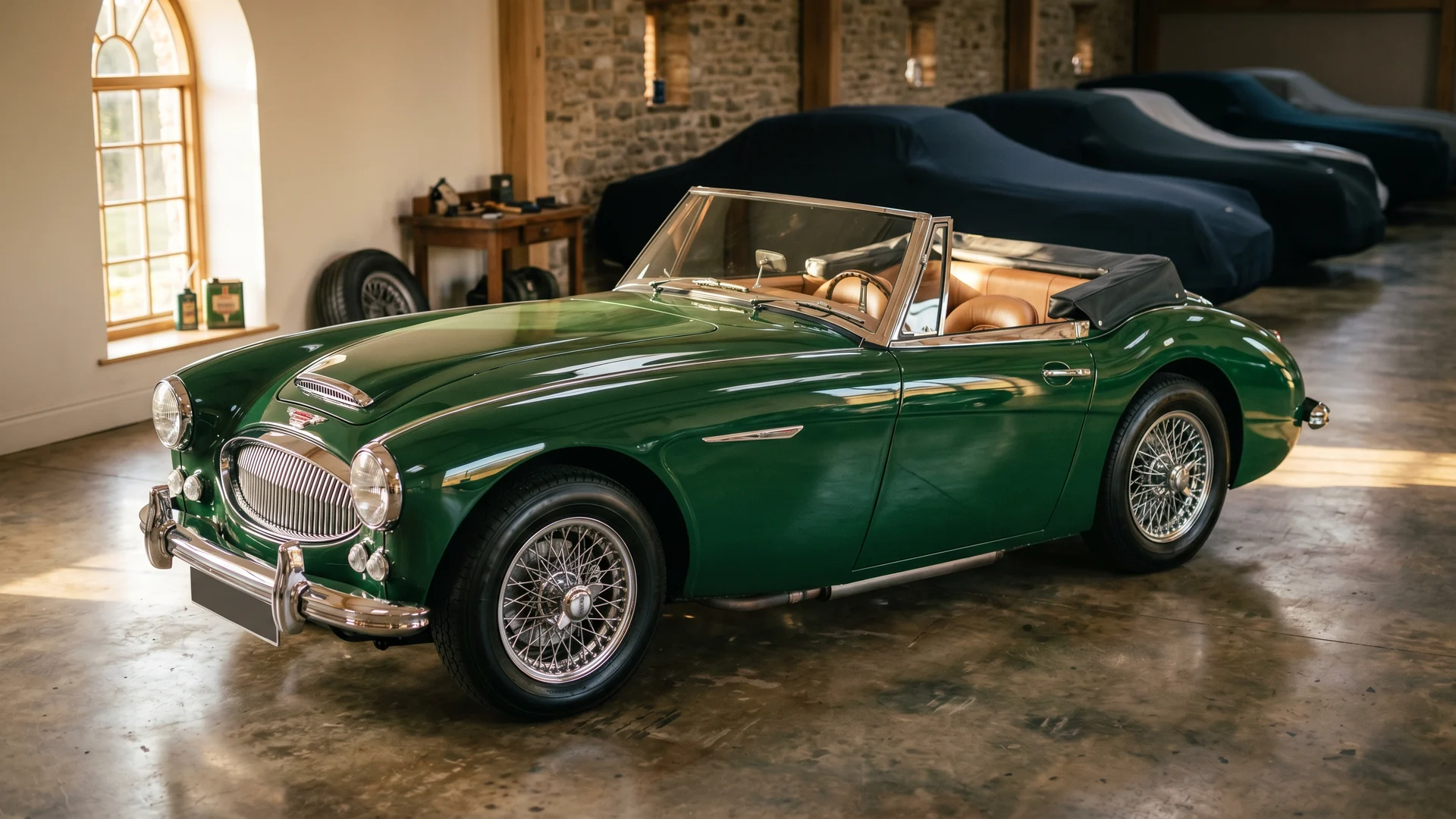
Classic Car Insurance Guide: Protecting Your Vintage Investment
Classic car insurance guide: why agreed-value policies beat stated and actual cash value, how Hagerty, Grundy and Chubb compare, plus costs and covera…
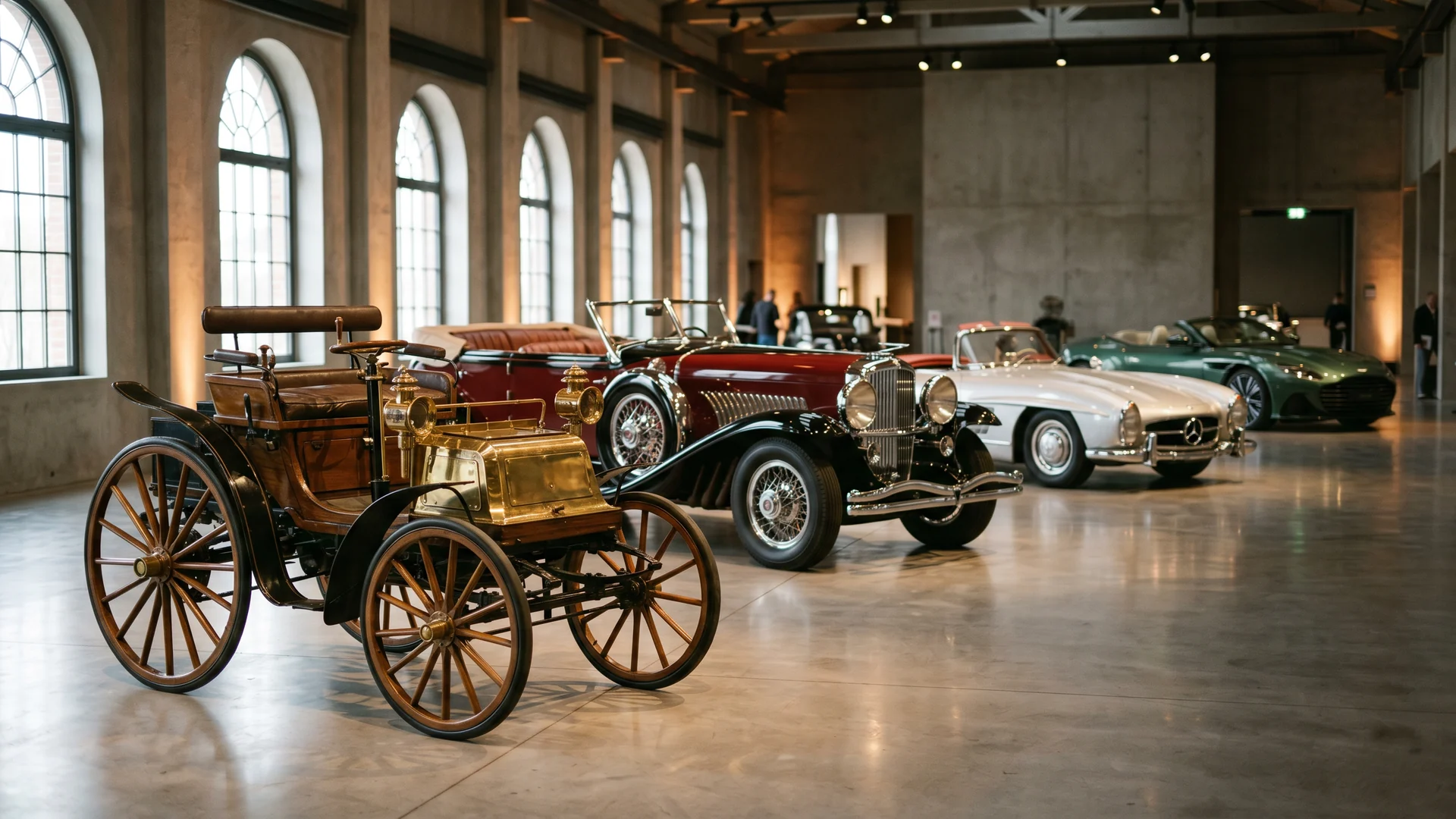
Classic Car History Timeline: From Benz to the Modern Collector Era
Classic car history timeline from the 1886 Benz Patent-Motorwagen through coachbuilding, muscle cars and supercars to modern collectibles. Discover th…