The Unspoken Rules of Elite Classic Car Auctions
Elite classic car auctions function as specialized marketplaces where rare and historically significant automobiles are sold to collectors and enthusiasts. These events feature veh…
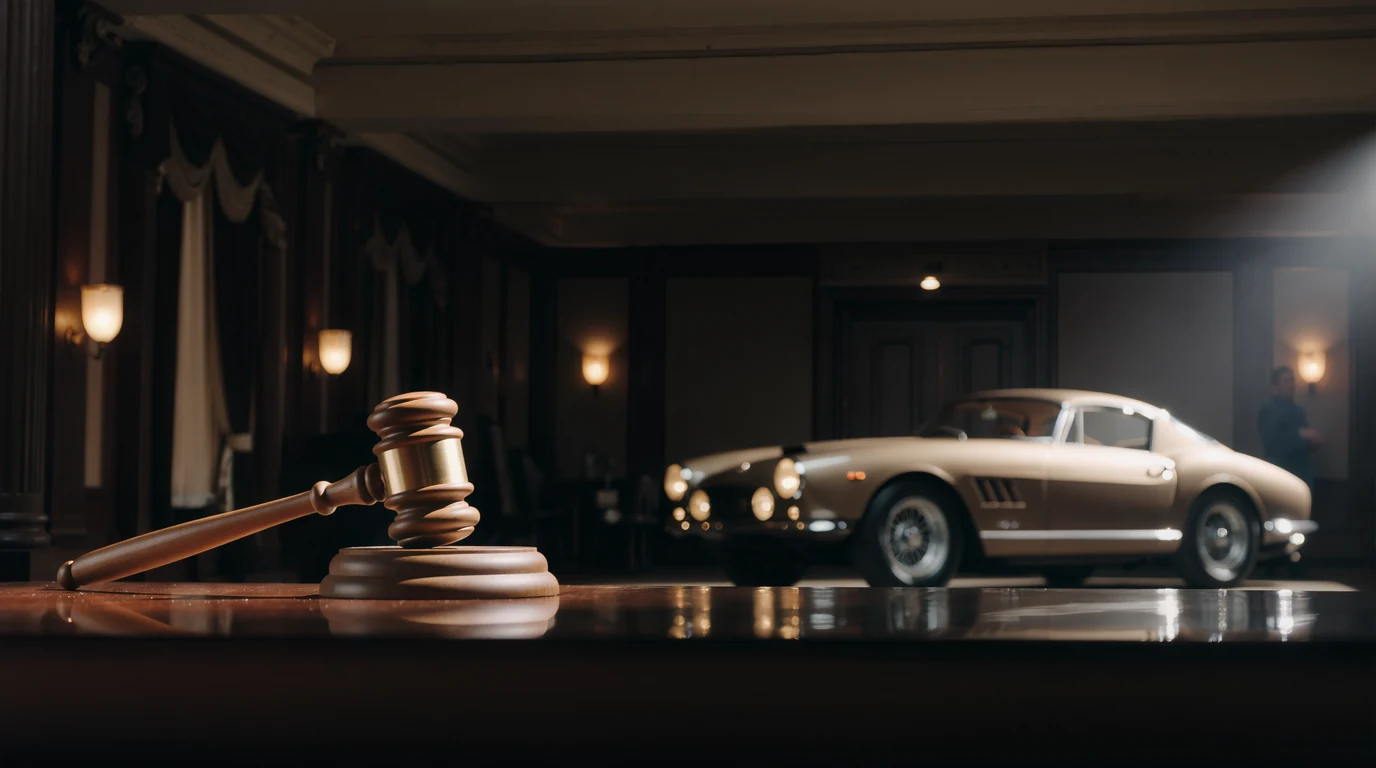
Elite classic car auctions function as specialized marketplaces where rare and historically significant automobiles are sold to collectors and enthusiasts.
The classic car market attracts participants for various reasons, including investment potential, historical preservation, and personal interest in automotive heritage.
Many vehicles sold at these auctions have documented provenance, connecting them to notable historical periods, racing achievements, or previous ownership by prominent figures. The auction process typically involves competitive bidding among registered participants, with prices determined by factors such as rarity, condition, historical significance, and market demand. These events serve both commercial and cultural functions, facilitating the transfer of automotive artifacts while maintaining their preservation and documentation for future generations.
Classic car auctions have become established venues for the trade of significant automobiles, operating within a specialized market that values historical authenticity, craftsmanship, and cultural heritage. Participants include private collectors, museums, dealers, and investors who recognize these vehicles as tangible representations of automotive and social history.
Key Takeaways
- Elite classic car auctions emphasize prestige, history, and rarity to attract high-end collectors.
- Authenticity, thorough documentation, and provenance are crucial for establishing a car’s value.
- Understanding auction etiquette and the bidding process is essential for successful participation.
- Celebrity ownership and professional appraisals significantly influence a car’s desirability and price.
- The classic car auction market is evolving, adapting to changing collector expectations and market dynamics.
The Importance of Prestige and History
Prestige plays a crucial role in the world of classic car auctions. Owning a classic car is often seen as a status symbol, reflecting not only wealth but also a deep appreciation for craftsmanship and heritage. The history behind each vehicle enhances its value, making it more than just a collectible; it becomes a conversation starter and a testament to one’s taste and discernment.
Collectors often seek cars with rich histories, as these vehicles carry stories that resonate with their owners and the broader community. Moreover, the historical significance of classic cars can dramatically influence their market value. Cars that have participated in notable races or belonged to influential figures often command higher prices.
This connection to history adds an emotional layer to the purchase, allowing collectors to feel a sense of pride in owning something that has shaped automotive culture. In this way, prestige and history intertwine, creating a compelling narrative that drives the passion for collecting classic cars.
Understanding the Auction Process
Navigating the auction process can be both exhilarating and daunting for newcomers. Understanding how auctions operate is essential for anyone looking to participate. Typically, auctions begin with a preview event where potential buyers can inspect the cars up close.
This is an opportunity to assess the condition and authenticity of each vehicle before placing bids. Knowledgeable auction houses often provide detailed catalogs that include specifications, historical context, and estimated values for each car. Once the auction begins, bidders must be prepared for a fast-paced environment.
Bidding can escalate quickly, and having a clear strategy is vital. Many collectors set a maximum bid limit to avoid overspending in the heat of the moment. Additionally, understanding the auctioneer’s cues and the dynamics of bidding can significantly enhance one’s chances of success.
By familiarizing themselves with the auction process, bidders can approach the event with confidence and clarity.
The Role of Authenticity and Documentation
Authenticity is paramount in the world of classic cars. Buyers must ensure that the vehicles they are interested in are genuine and not replicas or modified versions. Documentation plays a critical role in establishing authenticity.
This includes original titles, service records, and any certificates of authenticity from recognized organizations. A well-documented car not only reassures buyers but also enhances its resale value. In addition to documentation, provenance, the history of ownership, can further validate a car’s authenticity.
Cars with documented histories that trace back to their original owners or significant events are often more desirable. Collectors should always request comprehensive documentation before making a purchase to ensure they are investing in an authentic piece of automotive history.
The Influence of Rarity and Condition
Rarity is one of the most significant factors influencing the value of classic cars at auction. Limited production models or those that were only manufactured for a short period often attract higher bids due to their scarcity. Collectors are drawn to unique features or specifications that set certain models apart from others.
The rarity factor creates an allure that can drive prices up significantly during auctions. Condition is equally important when assessing a classic car’s value. Cars that have been meticulously maintained or restored to their original specifications tend to fetch higher prices than those in poor condition.
Buyers should carefully evaluate each vehicle’s exterior, interior, and mechanical components before bidding. A thorough inspection can reveal potential issues that may affect both the enjoyment and future resale value of the car.
The Significance of Provenance and Ownership History
Provenance is a critical aspect of classic car valuation that cannot be overlooked. The ownership history of a vehicle can significantly impact its desirability and price at auction. Cars that have been owned by notable figures or have participated in prestigious events often carry a premium due to their storied pasts.
Collectors are particularly interested in vehicles with well-documented histories that highlight their significance within automotive culture. Ownership history also provides insight into how well a car has been cared for over the years. A vehicle with a single owner who maintained it meticulously may be more appealing than one with multiple owners who may not have treated it with the same level of care.
Understanding provenance allows buyers to make informed decisions about their investments while adding depth to their appreciation for the vehicle’s history.
The Etiquette of Bidding and Negotiating
Bidding at an elite classic car auction requires not only strategy but also etiquette. Respecting fellow bidders and adhering to auction house rules is essential for maintaining a positive atmosphere during the event. Bidders should remain composed and avoid aggressive tactics that could alienate others in the room.
A polite demeanor can foster goodwill among participants and may even lead to favorable negotiations post-auction. Negotiating after winning a bid can also be an art form in itself. Successful bidders should approach discussions with sellers respectfully, recognizing that both parties have invested time and resources into the transaction.
Clear communication about expectations and any concerns regarding the vehicle can lead to smoother negotiations and ultimately enhance satisfaction for both buyer and seller.
The Impact of Celebrity Ownership
Celebrity ownership can dramatically influence the desirability and value of classic cars at auction. Vehicles once owned by famous personalities often attract significant attention from collectors eager to own a piece of pop culture history. The association with celebrities adds an extra layer of allure, making these cars highly sought after during auctions.
Moreover, celebrity-owned cars often come with compelling stories that enhance their appeal. Whether it’s a vintage sports car driven by a Hollywood star or a classic convertible owned by a rock legend, these vehicles carry narratives that resonate with fans and collectors alike. As such, celebrity ownership can lead to fierce bidding wars, driving prices higher than those for similar models without such associations.
The Role of Professional Appraisers and Inspectors
Professional appraisers and inspectors play an invaluable role in the classic car auction process. Their expertise helps buyers make informed decisions by providing detailed assessments of each vehicle’s condition, authenticity, and market value. Engaging these professionals can save collectors from costly mistakes and ensure they are investing wisely.
Appraisers often conduct thorough inspections, examining everything from engine performance to bodywork integrity. They also verify documentation and provenance, ensuring that buyers have all necessary information before placing bids. By leveraging the knowledge of appraisers and inspectors, collectors can approach auctions with confidence, knowing they have made well-informed choices.
The Unspoken Expectations of Elite Collectors
Elite collectors often have unspoken expectations when it comes to classic car auctions. They seek not only high-quality vehicles but also an exceptional buying experience that reflects their status as connoisseurs. This includes personalized service from auction houses, access to exclusive previews, and opportunities for private consultations with experts.
Additionally, elite collectors expect transparency throughout the auction process. They want assurance that all information regarding each vehicle is accurate and complete, allowing them to make informed decisions without hidden surprises post-purchase. Meeting these expectations is crucial for auction houses aiming to build long-lasting relationships with discerning collectors.
The Future of Classic Car Auctions in a Changing Market
The future of classic car auctions is poised for transformation as market dynamics evolve. With advancements in technology, online auctions are becoming increasingly popular, allowing collectors from around the globe to participate without geographical limitations. This shift opens up new opportunities for both buyers and sellers while expanding access to rare vehicles.
Moreover, changing demographics are influencing collector preferences. Younger generations are showing interest in classic cars but may prioritize sustainability and electric vehicles over traditional combustion engines. Auction houses must adapt to these trends by incorporating diverse offerings that appeal to emerging collectors while preserving the rich heritage of classic automobiles.
In conclusion, elite classic car auctions represent more than just transactions; they embody passion, history, and community among enthusiasts.
Whether you’re an experienced collector or new to this captivating realm, embracing these insights will enhance your journey into the world of classic cars.
FAQs
What are elite classic car auctions?
Elite classic car auctions are specialized events where rare, vintage, and highly collectible automobiles are sold to the highest bidder. These auctions often feature prestigious and historically significant vehicles.
How do elite classic car auctions differ from regular car auctions?
Elite classic car auctions focus on high-value, rare, and historically important vehicles, often attracting serious collectors and enthusiasts. They typically have stricter entry requirements, higher reserve prices, and more detailed vehicle documentation compared to regular car auctions.
What are some common unspoken rules at elite classic car auctions?
Common unspoken rules include maintaining professionalism, respecting other bidders and sellers, understanding the vehicle’s provenance, conducting thorough due diligence before bidding, and adhering to the auction house’s protocols and etiquette.
Is it necessary to register before participating in an elite classic car auction?
Yes, registration is usually required before participating. This process often involves providing identification, financial information, and sometimes a deposit or proof of funds to ensure serious bidding.
How should a bidder prepare for an elite classic car auction?
Preparation includes researching the cars of interest, inspecting vehicles in advance, setting a budget, understanding auction terms and fees, and familiarizing oneself with the bidding process and auction house rules.
Are there fees associated with buying a car at an elite classic car auction?
Yes, buyers typically pay a buyer’s premium, which is a percentage of the final sale price, along with any applicable taxes, registration fees, and sometimes transportation or storage costs.
Can I inspect the cars before the auction?
Most elite classic car auctions offer preview days or inspection periods where potential buyers can examine the vehicles, review documentation, and sometimes have a mechanic inspect the car.
What happens if a car does not meet its reserve price?
If a car does not meet its reserve price, the minimum price set by the seller, it may not be sold during the auction. The seller can choose to negotiate privately with interested buyers afterward or withdraw the car from sale.
Is it possible to bid remotely at elite classic car auctions?
Many elite classic car auctions offer remote bidding options, including online bidding platforms, telephone bidding, or absentee bids, allowing participants to bid without being physically present.
What should I know about the provenance of a classic car at auction?
Provenance refers to the car’s history, including previous ownership, maintenance records, and any notable events or awards. A well-documented provenance can significantly increase a car’s value and desirability at auction.
More from Blog
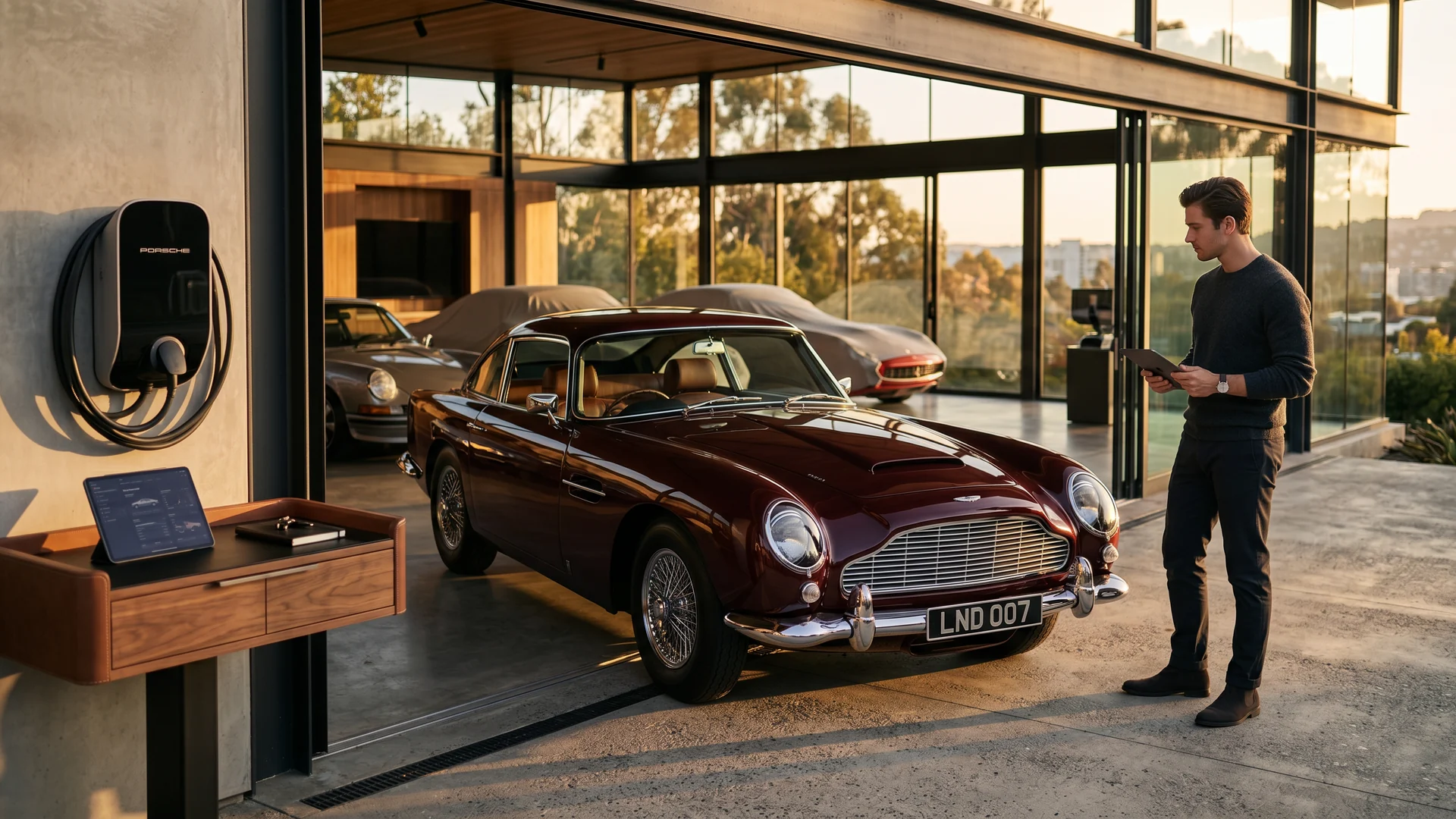
The Future of Classic Car Collecting: Trends Shaping the Next Generation
The future of classic car collecting: why 2035 ICE bans spare existing cars, plus e-fuels, shifting demographics, electromods and fractional ownership…
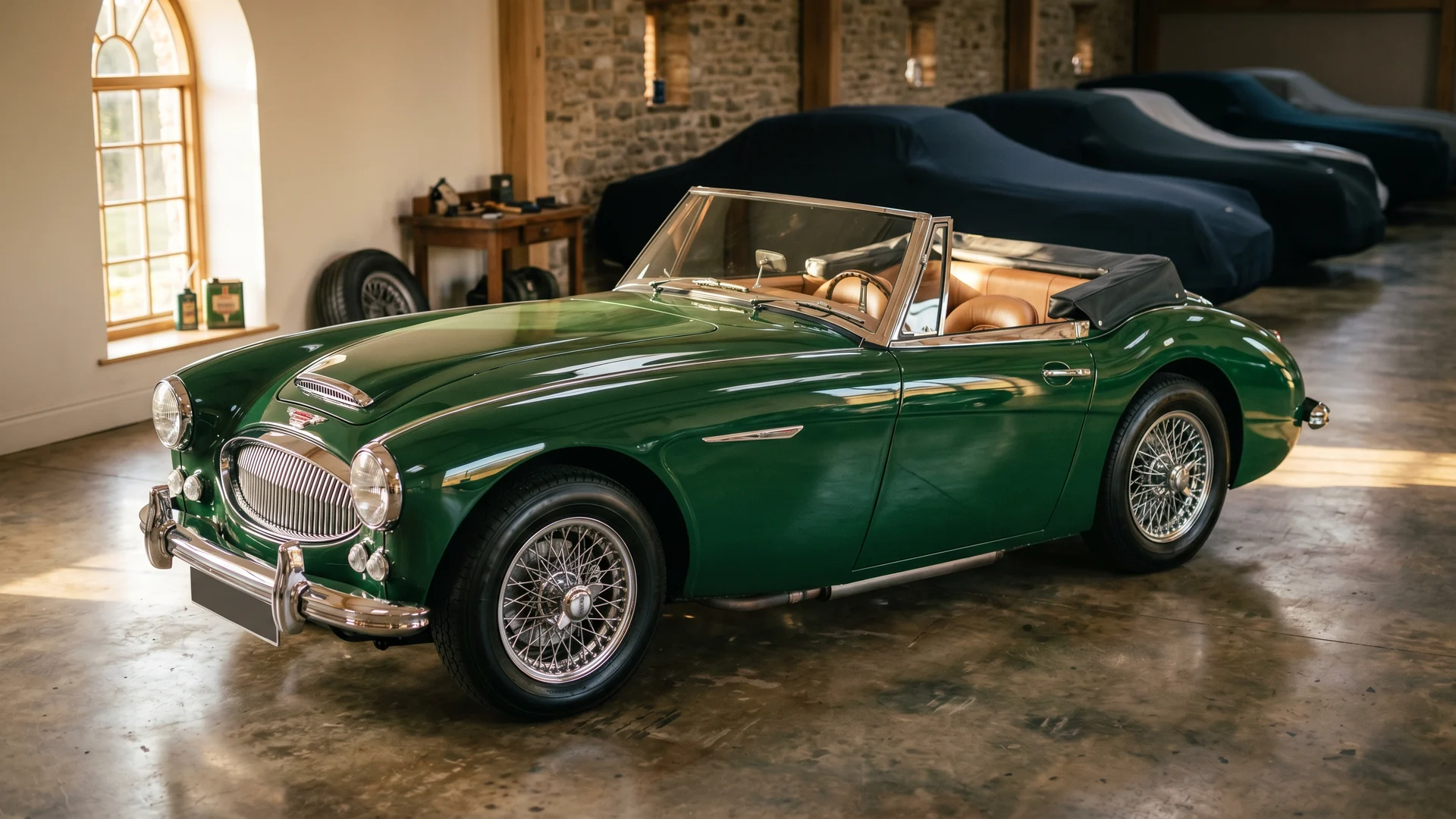
Classic Car Insurance Guide: Protecting Your Vintage Investment
Classic car insurance guide: why agreed-value policies beat stated and actual cash value, how Hagerty, Grundy and Chubb compare, plus costs and covera…
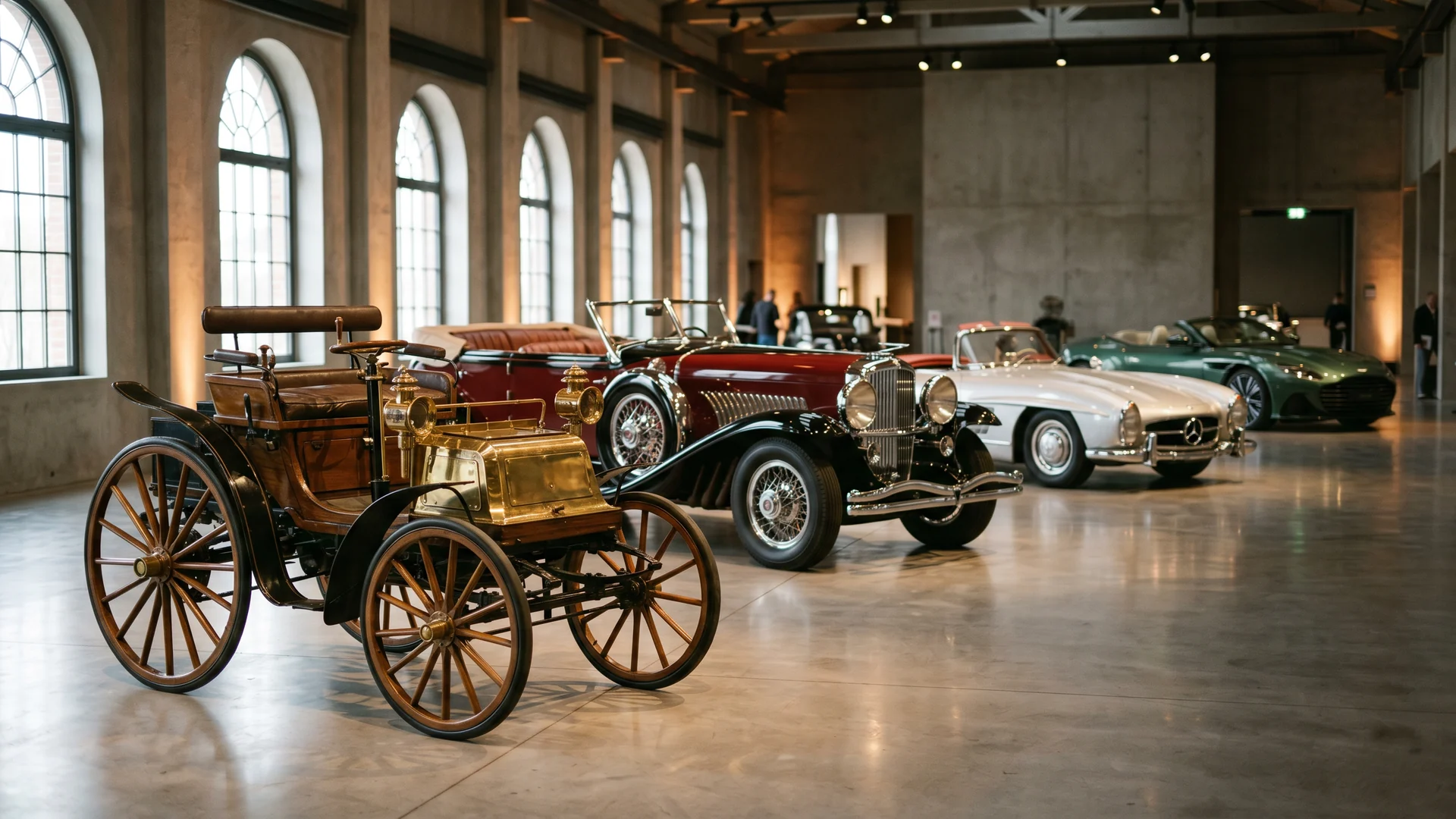
Classic Car History Timeline: From Benz to the Modern Collector Era
Classic car history timeline from the 1886 Benz Patent-Motorwagen through coachbuilding, muscle cars and supercars to modern collectibles. Discover th…