The Uncomfortable Truth About Over-Documented Classic Cars
In recent years, the classic car market has experienced a notable increase in over-documented vehicles. This trend is characterized by excessive paperwork, including comprehensive …
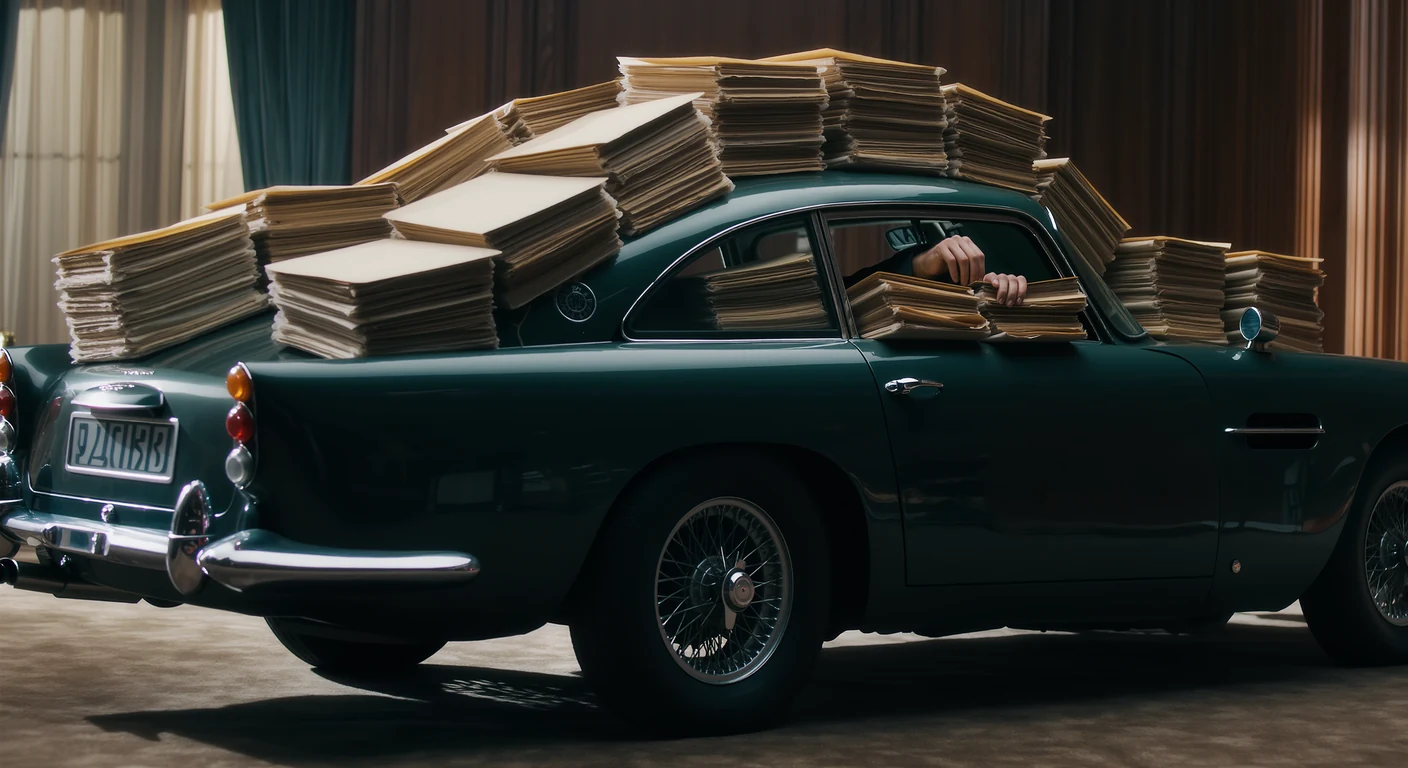
In recent years, the classic car market has experienced a notable increase in over-documented vehicles. This trend is characterized by excessive paperwork, including comprehensive service records, detailed restoration invoices, and extensive ownership histories. While documentation is crucial for authenticating a vehicle’s provenance and establishing its market value, the practice of over-documentation has become increasingly common.
Many collectors and enthusiasts operate under the assumption that more extensive documentation directly correlates with higher valuation, fostering an environment where vehicles are accompanied by overwhelming amounts of paperwork. Digital platforms and social media have accelerated this phenomenon. Classic car owners frequently use these channels to present their vehicles’ historical narratives, often resulting in documentation that exceeds practical necessity and potentially confuses prospective buyers.
As the classic car community expands, the expectation for exhaustive records has intensified. This creates a contradictory situation where the excessive volume of documentation may actually obscure a vehicle’s authentic history, making it challenging for buyers to identify truly significant information.
Key Takeaways
- Over-documentation of classic cars is increasingly common, complicating authenticity verification.
- Excessive paperwork can obscure a car’s true history and condition, misleading buyers.
- Transparency and ethical standards are crucial to maintain trust in the classic car market.
- Technology offers promising tools to improve documentation accuracy and combat fraud.
- Buyers must remain vigilant and seek expert authentication to navigate documentation challenges.
The Problem with Over-Documentation
Over-documentation presents several challenges for both sellers and buyers in the classic car market. One major issue is the potential for information overload. When faced with stacks of papers, buyers may struggle to identify key details that genuinely impact a car’s value and authenticity.
This can lead to confusion and hesitation, ultimately affecting purchasing decisions. Additionally, over-documentation can create a false sense of security. Buyers may assume that a car with extensive records is automatically a better investment.
However, this assumption can be misleading. Not all documentation is created equal; some records may be incomplete or even fabricated. As a result, buyers must navigate through a sea of paperwork to determine what is credible and what is not.
The Impact on Authenticity
Authenticity is a cornerstone of the classic car market. A vehicle’s value often hinges on its originality and historical significance. However, over-documentation can complicate the narrative of authenticity.
When cars are accompanied by excessive paperwork, it can blur the lines between genuine history and embellished stories. Moreover, the presence of numerous documents can lead to discrepancies in a car’s history.
This ambiguity can raise questions about the vehicle’s true condition and originality, ultimately impacting its market value. Buyers may find themselves questioning whether they are purchasing a true classic or a heavily modified version that lacks authenticity.
The Role of Over-Documentation in the Classic Car Market
Over-documentation has become a double-edged sword in the classic car market. On one hand, it can provide valuable insights into a vehicle’s history, helping buyers make informed decisions. On the other hand, it can create an environment where misinformation thrives.
Sellers may feel pressured to produce extensive documentation to compete in a crowded market, leading to inflated claims about a car’s condition or history. This trend has also influenced how classic cars are appraised and valued. Appraisers often rely on documentation to assess a vehicle’s worth, but when faced with excessive records, they may struggle to determine what is relevant.
This can lead to inconsistencies in valuations and create challenges for both buyers and sellers trying to negotiate fair prices.
The Dangers of Over-Documentation for Buyers
For buyers, over-documentation poses several dangers that can impact their investment decisions. One significant risk is the potential for fraud. Unscrupulous sellers may create fake documents or manipulate existing records to inflate a car’s value.
In an environment where buyers are overwhelmed by paperwork, it becomes easier for fraudulent activities to go unnoticed. Additionally, buyers may find themselves investing in vehicles that do not meet their expectations due to misleading documentation. A car that appears pristine on paper may have hidden issues that are not adequately disclosed in the records.
This discrepancy can lead to costly repairs and disappointment for buyers who believed they were making a sound investment.
The Ethical Issues Surrounding Over-Documented Classic Cars
The ethical implications of over-documentation in the classic car market cannot be overlooked. Sellers have a responsibility to provide accurate and honest information about their vehicles. However, the pressure to produce extensive documentation can lead some sellers to exaggerate or misrepresent their cars’ histories.
This ethical dilemma extends beyond individual transactions; it affects the entire classic car community. When trust is eroded due to misleading documentation practices, it can create a toxic environment where buyers are wary of all sellers. This lack of trust can stifle the growth of the classic car market and discourage new enthusiasts from entering the hobby.
The Challenge for Authenticating Classic Cars
Authenticating classic cars has become increasingly challenging in an era of over-documentation. Experts tasked with verifying a vehicle’s history must sift through mountains of paperwork to determine what is credible and what is not. This process can be time-consuming and requires a keen eye for detail.
Moreover, as more cars enter the market with extensive documentation, it becomes harder for experts to distinguish between genuine records and those that have been manipulated or fabricated. This challenge underscores the need for standardized practices in documenting classic cars to ensure that buyers can trust the information they receive.
The Need for Transparency in Classic Car Documentation
Transparency is essential in addressing the issues surrounding over-documentation in the classic car market. Sellers should strive to provide clear and concise records that highlight key aspects of a vehicle’s history without overwhelming potential buyers with unnecessary information. Creating standardized documentation practices could help streamline the process for both buyers and sellers.
By focusing on essential details such as ownership history, restoration work, and maintenance records, sellers can present a more accurate picture of their vehicles while minimizing confusion for buyers.
The Role of Technology in Combatting Over-Documentation
Technology has the potential to revolutionize how classic cars are documented and authenticated. Digital platforms can provide secure storage for important records while allowing easy access for potential buyers. Blockchain technology could also play a role in ensuring the integrity of documentation by creating immutable records that cannot be altered or forged.
Additionally, mobile applications could facilitate communication between buyers and sellers, allowing for real-time updates on a vehicle’s history and condition. By leveraging technology, the classic car community can work towards reducing over-documentation while enhancing transparency and trust.
The Future of Over-Documented Classic Cars
As the classic car market continues to evolve, addressing the issue of over-documentation will be crucial for its sustainability.
The future may see a shift towards digital documentation solutions that prioritize essential information while minimizing clutter.
As technology advances, it will become easier for buyers to verify a vehicle’s history without being overwhelmed by excessive paperwork.
Navigating the Complex World of Classic Car Documentation
Navigating the world of classic car documentation requires careful consideration from both buyers and sellers. While documentation is vital for establishing authenticity and value, over-documentation can create confusion and mistrust within the market. By prioritizing transparency and leveraging technology, stakeholders can work together to create a more trustworthy environment for classic car enthusiasts.
As you embark on your journey in the classic car market, remember to approach documentation with a discerning eye. Seek out clear and concise records that genuinely reflect a vehicle’s history while remaining vigilant against potential pitfalls associated with over-documentation. With careful navigation, you can make informed decisions that enhance your classic car experience while preserving its integrity for future generations.
FAQs
What does “over-documented” mean in the context of classic cars?
Over-documented classic cars refer to vehicles that have an excessive amount of paperwork, records, and provenance details. This can include extensive maintenance logs, ownership history, restoration records, and verification documents that sometimes complicate the car’s valuation or authenticity.
Why can over-documentation be a problem for classic car collectors?
Over-documentation can lead to confusion or skepticism about a car’s true history. It may raise questions about the authenticity of the records, create doubts about the originality of the vehicle, or overwhelm potential buyers with conflicting information, making it harder to assess the car’s actual value.
How does over-documentation affect the value of a classic car?
While thorough documentation can increase a car’s value by proving its provenance, too much or inconsistent documentation can have the opposite effect. It may cause buyers to question the car’s authenticity or suspect that the vehicle has undergone significant modifications or restorations that are not clearly explained.
Is it better to have no documentation or too much documentation for a classic car?
Ideally, a balanced and accurate set of documentation is best. Having no documentation can make it difficult to verify a car’s history, while too much or conflicting documentation can create doubts. Clear, concise, and verified records are most valuable to collectors and buyers.
What types of documents are typically included in classic car documentation?
Typical documents include the original sales invoice, maintenance and repair records, restoration receipts, ownership history, vehicle registration papers, and any certificates of authenticity or awards from car shows.
Can over-documentation impact the sale process of a classic car?
Yes, over-documentation can complicate the sale process by overwhelming potential buyers or raising questions about the vehicle’s history. Sellers may need to spend additional time clarifying records and verifying the authenticity of the documentation to reassure buyers.
How can collectors avoid the pitfalls of over-documentation?
Collectors should focus on maintaining clear, accurate, and relevant documentation. It is important to verify all records, avoid unnecessary paperwork, and present a coherent history of the vehicle that supports its authenticity and condition without overwhelming potential buyers.
More from Blog

The Future of Classic Car Collecting: Trends Shaping the Next Generation
The future of classic car collecting: why 2035 ICE bans spare existing cars, plus e-fuels, shifting demographics, electromods and fractional ownership…
Classic Car Insurance Guide: Protecting Your Vintage Investment
Classic car insurance guide: why agreed-value policies beat stated and actual cash value, how Hagerty, Grundy and Chubb compare, plus costs and covera…
Classic Car History Timeline: From Benz to the Modern Collector Era
Classic car history timeline from the 1886 Benz Patent-Motorwagen through coachbuilding, muscle cars and supercars to modern collectibles. Discover th…