The Uncomfortable Truth About Chasing Blue-Chip Classic Cars
Blue-chip classic cars have long captivated enthusiasts and collectors alike. These vehicles, often characterized by their rarity, historical significance, and exceptional craftsma…

Blue-chip classic cars have long captivated enthusiasts and collectors alike. These vehicles, often characterized by their rarity, historical significance, and exceptional craftsmanship, represent more than just modes of transportation; they embody a rich tapestry of automotive history. The allure of these cars lies in their timeless design and the stories they tell.
Owning a blue-chip classic car is akin to possessing a piece of art, a tangible connection to a bygone era that evokes nostalgia and admiration. The prestige associated with blue-chip classic cars is undeniable. Brands like Ferrari, Aston Martin, and Bugatti have become synonymous with luxury and performance.
Their limited production runs and iconic status make them highly sought after, often leading to significant appreciation in value over time. For many collectors, the thrill of acquiring such a vehicle is not just about the investment; it’s about the passion for automotive excellence and the joy of driving a piece of history.
Key Takeaways
- Blue-chip classic cars offer strong emotional appeal and potential investment value but come with high acquisition and maintenance costs.
- Investing in these cars carries risks due to market volatility, economic downturns, and the competitive nature of the market.
- Proper storage, upkeep, and expert knowledge are essential to preserve the value and condition of blue-chip classic cars.
- Buyers must conduct thorough due diligence to navigate the complexities of purchasing and selling in this niche market.
- Environmental and ethical concerns are increasingly relevant, influencing the future outlook and desirability of blue-chip classic cars.
The high costs of chasing blue-chip classic cars
While the allure of blue-chip classic cars is enticing, the financial implications can be daunting. The initial purchase price for these vehicles can range from hundreds of thousands to millions of dollars, depending on the model and condition. This high entry cost can deter many potential buyers, making it essential to assess one’s financial readiness before diving into this market.
Beyond the purchase price, ongoing costs can quickly add up. Insurance premiums for classic cars are often higher than standard vehicles due to their value and rarity.
Prospective buyers must consider these factors carefully to avoid financial strain while pursuing their passion for blue-chip classic cars.
The risks and uncertainties of investing in blue-chip classic cars
Investing in blue-chip classic cars carries inherent risks that potential buyers must acknowledge. The market for these vehicles can be volatile, influenced by trends in collector preferences and economic conditions. A car that is highly sought after today may lose its appeal tomorrow, leading to fluctuations in value that can impact an investor’s return.
Moreover, the authenticity and provenance of classic cars are critical factors that can affect their value. Counterfeit vehicles or those with unclear histories can lead to significant financial losses. Buyers must conduct thorough research and seek expert opinions to mitigate these risks.
Understanding the market dynamics and being aware of potential pitfalls is essential for anyone considering an investment in blue-chip classic cars.
The maintenance and storage challenges of owning blue-chip classic cars
Owning a blue-chip classic car comes with unique maintenance challenges that require dedication and resources. These vehicles often demand specialized care, including regular servicing by professionals who understand their intricacies. Finding qualified mechanics who can handle vintage models can be a challenge, leading to potential delays in repairs and increased costs.
Storage is another critical consideration for owners of classic cars. These vehicles require secure, climate-controlled environments to prevent deterioration from environmental factors such as humidity and temperature fluctuations. Renting or building a suitable garage space can add to the overall cost of ownership.
Proper maintenance and storage are essential to preserving the value and condition of blue-chip classic cars.
The emotional attachment and personal fulfillment of owning blue-chip classic cars
Despite the challenges associated with owning blue-chip classic cars, many enthusiasts find immense personal fulfillment in their ownership experience. The emotional connection to these vehicles often transcends financial considerations. For many collectors, driving a classic car evokes feelings of nostalgia and pride, creating lasting memories that go beyond mere investment.
The community surrounding blue-chip classic cars also plays a significant role in enhancing the ownership experience. Car shows, rallies, and clubs provide opportunities for enthusiasts to connect with like-minded individuals who share their passion. This sense of belonging fosters camaraderie and enriches the overall enjoyment of owning a classic car, making it a rewarding endeavor on multiple levels.
The competitive nature of the blue-chip classic car market
The blue-chip classic car market is highly competitive, with collectors vying for rare models that often come with hefty price tags. Auctions featuring these vehicles can attract bidders from around the world, driving prices to unprecedented levels. This competitive landscape requires potential buyers to be well-informed and prepared to act quickly when opportunities arise.
Networking within the collector community is crucial for success in this market. Building relationships with dealers, fellow collectors, and auction houses can provide valuable insights into upcoming sales and trends. Understanding market dynamics and being aware of what makes certain models desirable can give buyers a competitive edge when pursuing their dream blue-chip classic cars.
The impact of economic downturns on the value of blue-chip classic cars
Economic downturns can significantly impact the value of blue-chip classic cars, as luxury items often see decreased demand during challenging financial times. Collectors may be forced to sell their vehicles to liquidate assets or cover expenses, leading to increased supply in the market and potential price drops. This volatility underscores the importance of considering economic conditions when investing in high-value assets like classic cars.
However, it’s worth noting that some blue-chip models have historically proven resilient during economic downturns. Vehicles with strong brand heritage or limited production runs may retain their value better than others. Savvy investors should analyze historical trends and market behavior during past recessions to make informed decisions about their investments in blue-chip classic cars.
The complexities of buying and selling blue-chip classic cars
Navigating the buying and selling process for blue-chip classic cars can be complex and time-consuming. Potential buyers must conduct thorough research on specific models, including their history, condition, and market value. Engaging with reputable dealers or auction houses can help streamline this process but may come with additional costs.
Selling a blue-chip classic car also presents its own set of challenges. Owners must accurately assess their vehicle’s value while considering market demand and condition. Proper documentation, including service records and provenance history, is essential for attracting serious buyers.
Understanding the nuances of negotiation and marketing can significantly impact the success of a sale.
The environmental and ethical considerations of owning blue-chip classic cars
As awareness of environmental issues grows, potential owners of blue-chip classic cars must consider the ecological impact of their vehicles. Classic cars often lack modern fuel efficiency standards and emissions controls, raising concerns about their carbon footprint. Enthusiasts may need to weigh their passion against environmental responsibilities when deciding to invest in these vehicles.
Ethical considerations also come into play when acquiring classic cars. Ensuring that vehicles are sourced responsibly, without contributing to illegal trade or exploitation, is crucial for conscientious collectors. Engaging with reputable dealers who prioritize ethical practices can help mitigate these concerns while allowing enthusiasts to enjoy their passion responsibly.
The importance of due diligence when pursuing blue-chip classic cars
Due diligence is paramount when pursuing blue-chip classic cars to ensure a successful investment experience. Buyers should thoroughly research specific models, including their historical significance, market trends, and potential pitfalls associated with ownership. Consulting experts or joining collector communities can provide valuable insights into making informed decisions.
Additionally, verifying the authenticity and provenance of a vehicle is essential to avoid costly mistakes. Engaging professional appraisers or inspectors can help identify any issues that may affect a car’s value or desirability. Taking the time to conduct comprehensive due diligence can ultimately lead to more rewarding ownership experiences in the world of blue-chip classic cars.
The future outlook for blue-chip classic cars in the market
The future outlook for blue-chip classic cars remains promising despite challenges in the market. As younger generations develop an appreciation for vintage vehicles, demand for well-preserved classics is likely to continue growing. Additionally, advancements in technology may enhance restoration processes, making it easier for owners to maintain their vehicles’ condition.
However, potential investors should remain vigilant about market trends and economic conditions that could impact values. Staying informed about emerging collector preferences will be crucial for navigating this dynamic landscape successfully. With careful consideration and strategic planning, enthusiasts can look forward to a bright future in the world of blue-chip classic cars.
In conclusion, while owning a blue-chip classic car presents numerous challenges, from high costs to maintenance issues, the emotional rewards and sense of community make it an appealing pursuit for many enthusiasts. By conducting thorough research and engaging with reputable sources, collectors can navigate this complex market successfully while enjoying the timeless allure of these remarkable vehicles.
FAQs
What are blue-chip classic cars?
Blue-chip classic cars are highly sought-after vintage vehicles that have a strong reputation for maintaining or increasing their value over time. They are often rare, historically significant, and produced by prestigious manufacturers.
Why are blue-chip classic cars considered a good investment?
These cars are considered good investments because they tend to appreciate in value due to their rarity, desirability, and cultural significance. Collectors and enthusiasts often view them as tangible assets that can diversify an investment portfolio.
What are some common challenges when investing in blue-chip classic cars?
Challenges include high purchase prices, ongoing maintenance and storage costs, market volatility, the risk of forgeries or misrepresented vehicles, and the need for specialized knowledge to make informed decisions.
Is it easy to find authentic blue-chip classic cars?
No, finding authentic blue-chip classic cars can be difficult due to their rarity and the presence of counterfeit or heavily modified vehicles. Verification by experts and thorough documentation are essential.
How important is maintenance for blue-chip classic cars?
Maintenance is crucial to preserve the car’s condition and value. Classic cars require regular servicing, proper storage, and sometimes restoration by specialists, which can be costly and time-consuming.
Can the value of blue-chip classic cars decline?
Yes, while many blue-chip classic cars appreciate over time, their value can decline due to market trends, economic downturns, changes in collector preferences, or damage to the vehicle.
What should potential buyers consider before purchasing a blue-chip classic car?
Buyers should consider their budget, the car’s provenance, condition, maintenance history, storage requirements, and the potential for appreciation or depreciation. Consulting with experts and conducting thorough research is recommended.
Are blue-chip classic cars suitable for everyday driving?
Generally, blue-chip classic cars are not ideal for everyday use due to their age, fragility, and the risk of wear and tear. They are often preserved for shows, exhibitions, or occasional leisure driving.
How does the market for blue-chip classic cars differ from other collectibles?
The market for blue-chip classic cars is influenced by factors such as automotive history, rarity, brand prestige, and cultural impact. It tends to be less liquid and more specialized compared to other collectibles like art or coins.
What role do auctions play in the blue-chip classic car market?
Auctions are a primary venue for buying and selling blue-chip classic cars, providing transparency and access to a global pool of buyers and sellers. They often set benchmark prices and influence market trends.
More from Blog

The Future of Classic Car Collecting: Trends Shaping the Next Generation
The future of classic car collecting: why 2035 ICE bans spare existing cars, plus e-fuels, shifting demographics, electromods and fractional ownership…
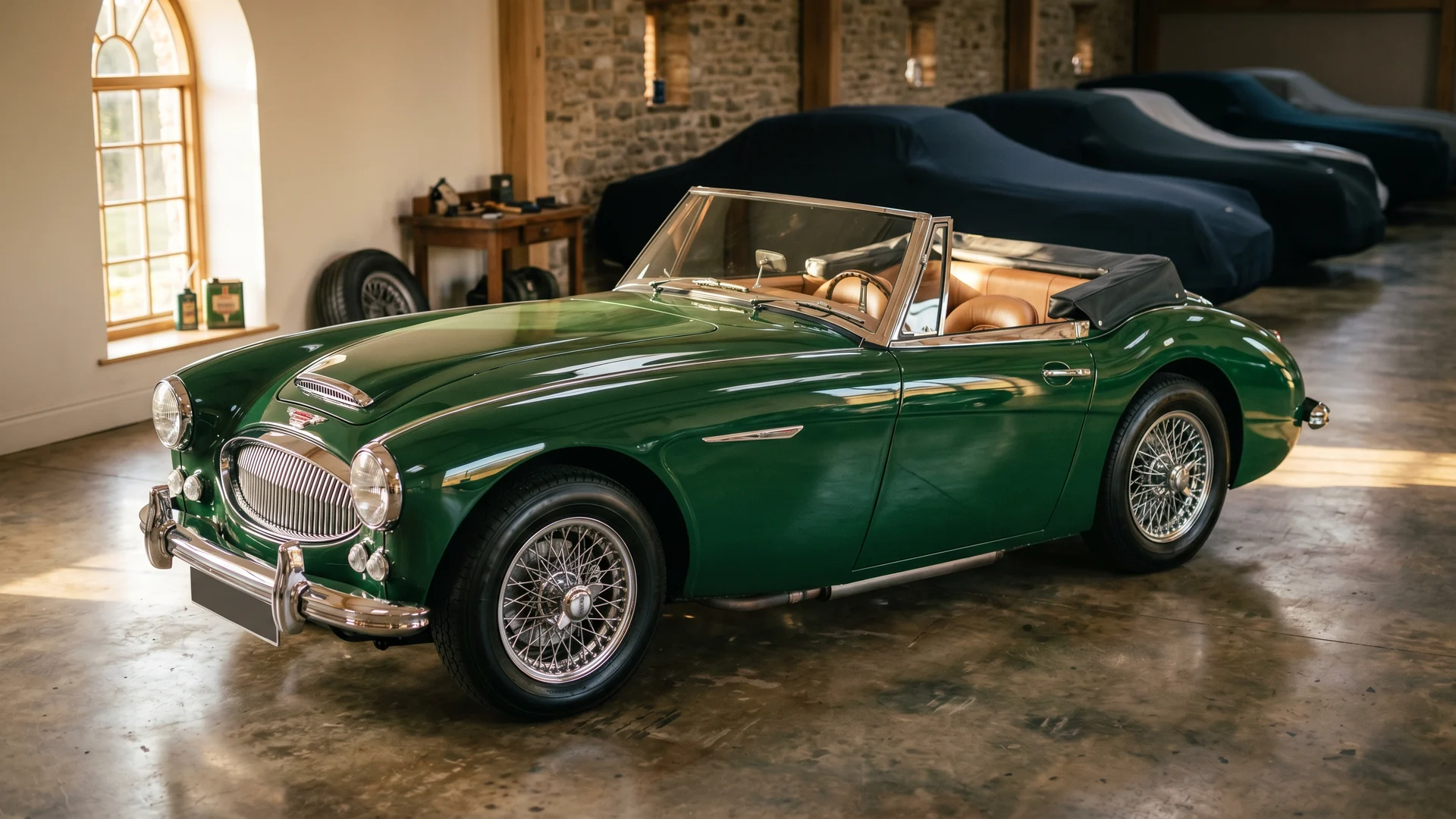
Classic Car Insurance Guide: Protecting Your Vintage Investment
Classic car insurance guide: why agreed-value policies beat stated and actual cash value, how Hagerty, Grundy and Chubb compare, plus costs and covera…
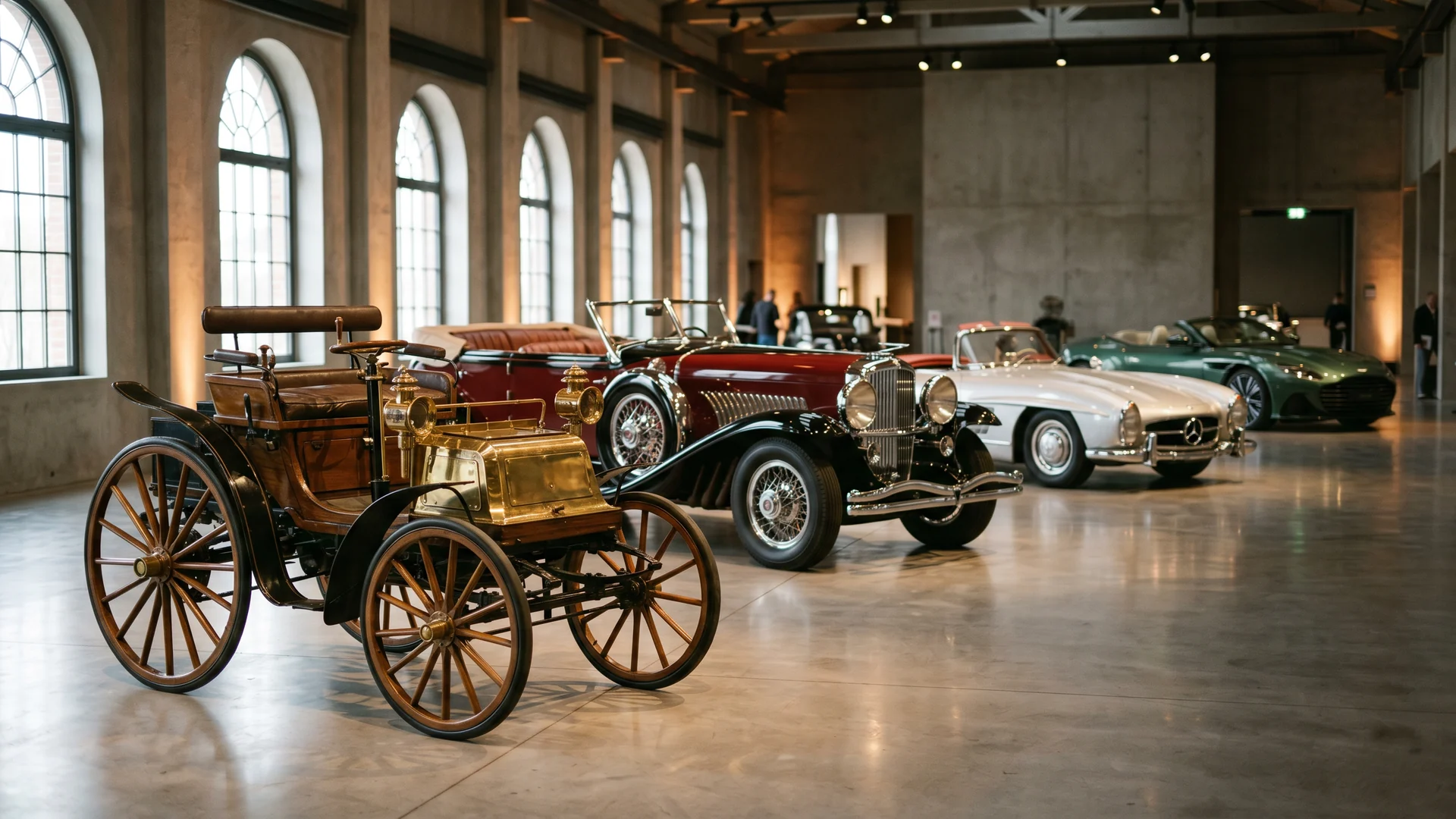
Classic Car History Timeline: From Benz to the Modern Collector Era
Classic car history timeline from the 1886 Benz Patent-Motorwagen through coachbuilding, muscle cars and supercars to modern collectibles. Discover th…