The Truth About Storage Costs for Million-Dollar Oldtimers
Million-dollar classic automobiles function as tangible assets that combine historical significance, engineering excellence, and financial investment potential. These vintage vehic…

Million-dollar classic automobiles function as tangible assets that combine historical significance, engineering excellence, and financial investment potential. These vintage vehicles typically experience value appreciation over time, establishing them as sought-after acquisitions within collector and enthusiast markets. Ownership of high-value classic automobiles presents specific operational requirements, with storage considerations being particularly critical.
Appropriate storage conditions directly impact vehicle preservation and value retention. This analysis examines the cost variables associated with storing million-dollar classic automobiles and provides guidance for effective asset protection. Storage decisions for million-dollar classic automobiles carry substantial financial implications.
Inadequate storage environments can cause mechanical deterioration, cosmetic damage, and corresponding depreciation. The relationship between storage investment and risk mitigation requires careful evaluation. Understanding the components that determine storage costs enables owners to make data-driven decisions that preserve asset value and optimize the ownership experience.
Key Takeaways
- Storage costs for million-dollar oldtimers vary based on factors like location, climate control, and security measures.
- Insurance for high-value vehicles is a significant expense and must be carefully evaluated.
- Proper maintenance and preservation are essential to protect the vehicle’s value during storage.
- Choosing between DIY and professional storage depends on budget, expertise, and desired protection level.
- Managing storage costs effectively can positively influence the vehicle’s long-term resale value.
Factors Affecting Storage Costs
Several factors influence the cost of storing a million-dollar oldtimer. The first is location. Urban areas typically have higher storage fees due to demand and limited space.
Conversely, rural areas may offer more affordable options but could lack specialized facilities equipped to handle high-value vehicles. Additionally, the type of storage facility plays a significant role in determining costs. Climate-controlled environments are generally more expensive but provide essential protection against temperature fluctuations and humidity.
Another critical factor is the duration of storage. Short-term storage may come with different pricing structures compared to long-term agreements. Many facilities offer discounts for extended commitments, which can help mitigate costs over time.
Furthermore, the size and type of the vehicle can also affect storage fees. Larger vehicles or those requiring special accommodations may incur additional charges, making it essential to assess your specific needs before committing to a storage solution.
Insurance Costs for High-Value Vehicles
Insurance is another significant expense associated with owning a million-dollar oldtimer.
These policies typically offer agreed value coverage, ensuring that you receive a predetermined amount in case of a total loss.
However, this specialized coverage can come at a premium. Factors influencing insurance costs include the vehicle’s age, make, model, and overall condition. Additionally, your driving history and how often you plan to use the vehicle can also impact premiums.
It’s crucial to shop around and compare quotes from different insurers to find the best coverage at a reasonable price. Investing in comprehensive insurance not only protects your vehicle but also provides peace of mind as you navigate the complexities of ownership.
Climate-Controlled Storage Options
Climate-controlled storage is often considered the gold standard for million-dollar oldtimers. These facilities maintain consistent temperature and humidity levels, protecting vehicles from environmental damage such as rust, mold, and fading paint. While climate-controlled options may come with higher costs, the benefits far outweigh the expenses for serious collectors.
When selecting a climate-controlled storage facility, consider factors such as accessibility, security features, and overall reputation. Look for facilities that offer 24/7 access and have robust security measures in place, such as surveillance cameras and gated entry. Additionally, inquire about the facility’s maintenance practices to ensure that they regularly monitor and adjust climate conditions as needed.
Security and Protection Measures for Oldtimers
Security is paramount when it comes to storing million-dollar oldtimers. High-value vehicles are often targets for theft or vandalism, making it essential to choose a facility with comprehensive security measures. Look for features such as 24-hour surveillance cameras, alarm systems, and secure access controls.
In addition to facility security, consider investing in additional protective measures for your vehicle. This may include using a high-quality car cover designed specifically for classic cars or installing a GPS tracking system for added peace of mind. By taking proactive steps to enhance security, you can significantly reduce the risk of loss or damage to your prized possession.
Maintenance and Preservation Expenses
Maintaining a million-dollar oldtimer requires ongoing investment in preservation efforts. Regular maintenance is crucial to keeping the vehicle in optimal condition and preventing deterioration over time. This includes routine oil changes, tire rotations, and brake inspections, which can add up quickly in terms of costs.
Additionally, consider investing in professional detailing services to keep the exterior and interior looking pristine. Waxing and polishing can protect the paint from UV damage while regular cleaning prevents dirt buildup that can lead to corrosion. While these expenses may seem daunting, they are essential for preserving the vehicle’s value and ensuring it remains a source of pride for years to come.
Hidden Costs to Consider
When budgeting for storage and maintenance of a million-dollar oldtimer, it’s essential to account for hidden costs that may arise unexpectedly. For instance, transportation fees can add up if you need to move your vehicle between locations or take it to shows or events. Additionally, registration fees and taxes can vary significantly based on your location and the vehicle’s value.
Another hidden cost is potential repairs that may be necessary due to wear and tear or unforeseen issues. Even well-maintained vehicles can require unexpected repairs, so it’s wise to set aside a contingency fund for these situations. By being aware of these hidden costs upfront, you can better prepare yourself financially and avoid surprises down the road.
DIY vs Professional Storage Solutions
When it comes to storing a million-dollar oldtimer, you may be tempted to consider DIY solutions as a cost-saving measure. While storing your vehicle at home may seem appealing, it often lacks the necessary protections offered by professional facilities. Home garages may not provide climate control or adequate security measures, putting your investment at risk.
On the other hand, professional storage solutions offer specialized services tailored to high-value vehicles. These facilities are equipped with climate control systems, security features, and knowledgeable staff who understand how to care for classic cars properly. While professional storage may come at a higher cost initially, it often proves more beneficial in preserving your vehicle’s value over time.
Long-Term vs Short-Term Storage Considerations
Deciding between long-term and short-term storage options is another critical consideration for million-dollar oldtimer owners. Short-term storage may be suitable for seasonal use or temporary situations but can become costly if extended beyond initial plans. Conversely, long-term storage often comes with discounted rates but requires a commitment that may not suit every owner’s needs.
When evaluating your options, consider how frequently you plan to use your vehicle and whether you have any upcoming events or shows that require access. If you anticipate needing your oldtimer regularly, short-term solutions may be more practical despite higher costs. However, if you plan on storing your vehicle for an extended period without use, long-term agreements can provide significant savings while ensuring your investment remains protected.
The Impact of Storage Costs on Resale Value
Storage costs play a crucial role in determining the resale value of a million-dollar oldtimer. Properly stored vehicles tend to retain their value better than those subjected to neglect or environmental damage. Investing in quality storage solutions not only protects your investment but also enhances its appeal when it comes time to sell.
Potential buyers are often willing to pay a premium for well-maintained vehicles with documented care histories. By keeping detailed records of maintenance and storage practices, you can demonstrate your commitment to preserving the vehicle’s condition. This transparency can significantly impact resale negotiations and ultimately lead to a higher selling price.
Tips for Managing and Minimizing Storage Costs
Managing and minimizing storage costs for your million-dollar oldtimer requires strategic planning and informed decision-making. Start by researching various storage facilities in your area to compare prices and services offered. Look for facilities that provide discounts for long-term commitments or package deals that include maintenance services.
Additionally, consider joining classic car clubs or forums where members often share tips on affordable storage solutions or even offer shared storage arrangements among enthusiasts. Regularly reviewing your insurance policy can also help identify potential savings opportunities without sacrificing coverage quality. Finally, always keep an eye on market trends related to classic cars; understanding when demand rises can help you make informed decisions about when to sell or store your vehicle.
In conclusion, owning a million-dollar oldtimer is both an exciting journey and a significant responsibility. By understanding the various factors affecting storage costs and taking proactive measures to protect your investment, you can enjoy your classic car while ensuring its value remains intact for years to come.
FAQs
What factors influence the storage costs of million-dollar oldtimers?
Storage costs for million-dollar oldtimers are influenced by factors such as the location of the storage facility, the level of security provided, climate control features, insurance requirements, and the type of storage (indoor vs. outdoor). Premium facilities with advanced security and climate control typically charge higher fees.
Is climate-controlled storage necessary for oldtimers?
Yes, climate-controlled storage is highly recommended for million-dollar oldtimers. These vehicles are often sensitive to temperature fluctuations and humidity, which can cause damage to the paint, leather, and mechanical components. Climate control helps preserve the car’s condition and value.
How much does it typically cost to store a million-dollar oldtimer?
Storage costs can vary widely depending on the facility and location, but on average, indoor climate-controlled storage for a high-value oldtimer can range from $200 to $600 or more per month. Some premium facilities may charge even higher rates due to added services and security.
Are there additional costs associated with storing oldtimers?
Yes, additional costs may include insurance premiums, maintenance fees, and periodic inspections. Insurance for million-dollar vehicles can be expensive, and some storage facilities require proof of coverage. Maintenance may be necessary to keep the vehicle in optimal condition during storage.
Can storing an oldtimer in a regular garage be sufficient?
While a regular garage may provide basic protection from the elements, it often lacks climate control and advanced security features. For million-dollar oldtimers, specialized storage facilities are generally preferred to ensure maximum protection and preservation of value.
Do storage costs vary by geographic region?
Yes, storage costs can vary significantly by region. Urban areas or regions with high real estate costs tend to have higher storage fees. Additionally, areas with extreme weather conditions may require more specialized storage solutions, impacting the overall cost.
Is it better to store an oldtimer long-term or short-term?
The decision depends on the owner’s needs. Long-term storage may offer discounted rates but requires careful planning for maintenance and insurance. Short-term storage can be more flexible but may be more expensive on a monthly basis. Owners should consider their usage patterns and budget.
What security measures are important for storing million-dollar oldtimers?
Important security measures include 24/7 surveillance cameras, gated access, alarm systems, on-site personnel, and secure entry protocols. These features help protect valuable vehicles from theft, vandalism, and unauthorized access.
Can storage conditions affect the resale value of an oldtimer?
Absolutely. Proper storage conditions that prevent damage from moisture, temperature changes, and pests help maintain the vehicle’s condition and authenticity, which are critical factors in preserving or increasing resale value.
Are there specialized storage services for classic and vintage cars?
Yes, many facilities specialize in classic and vintage car storage, offering tailored services such as regular vehicle startups, battery maintenance, tire care, and detailed cleaning. These services help keep the vehicle in showroom condition during storage.
More from Blog
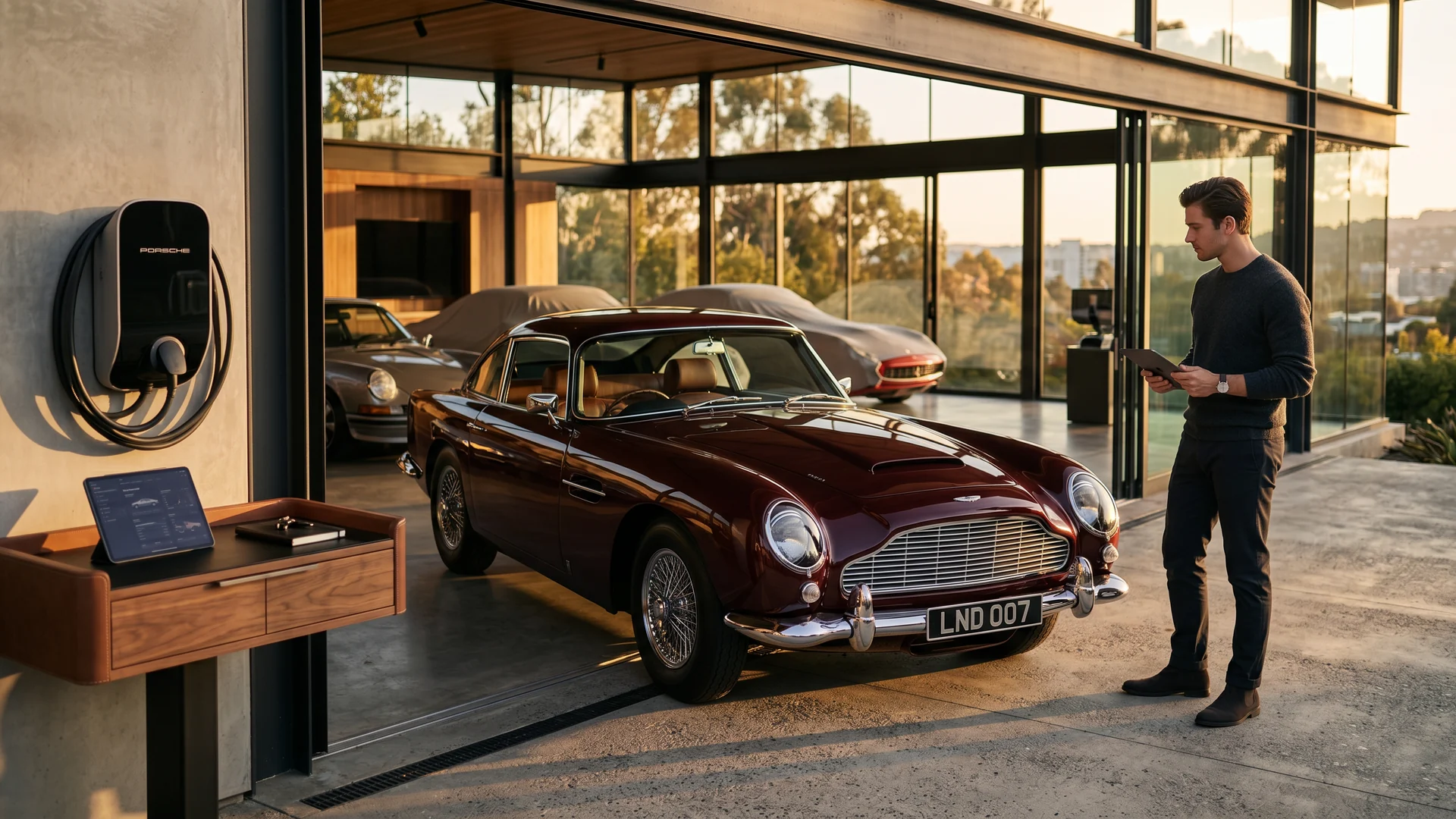
The Future of Classic Car Collecting: Trends Shaping the Next Generation
The future of classic car collecting: why 2035 ICE bans spare existing cars, plus e-fuels, shifting demographics, electromods and fractional ownership…
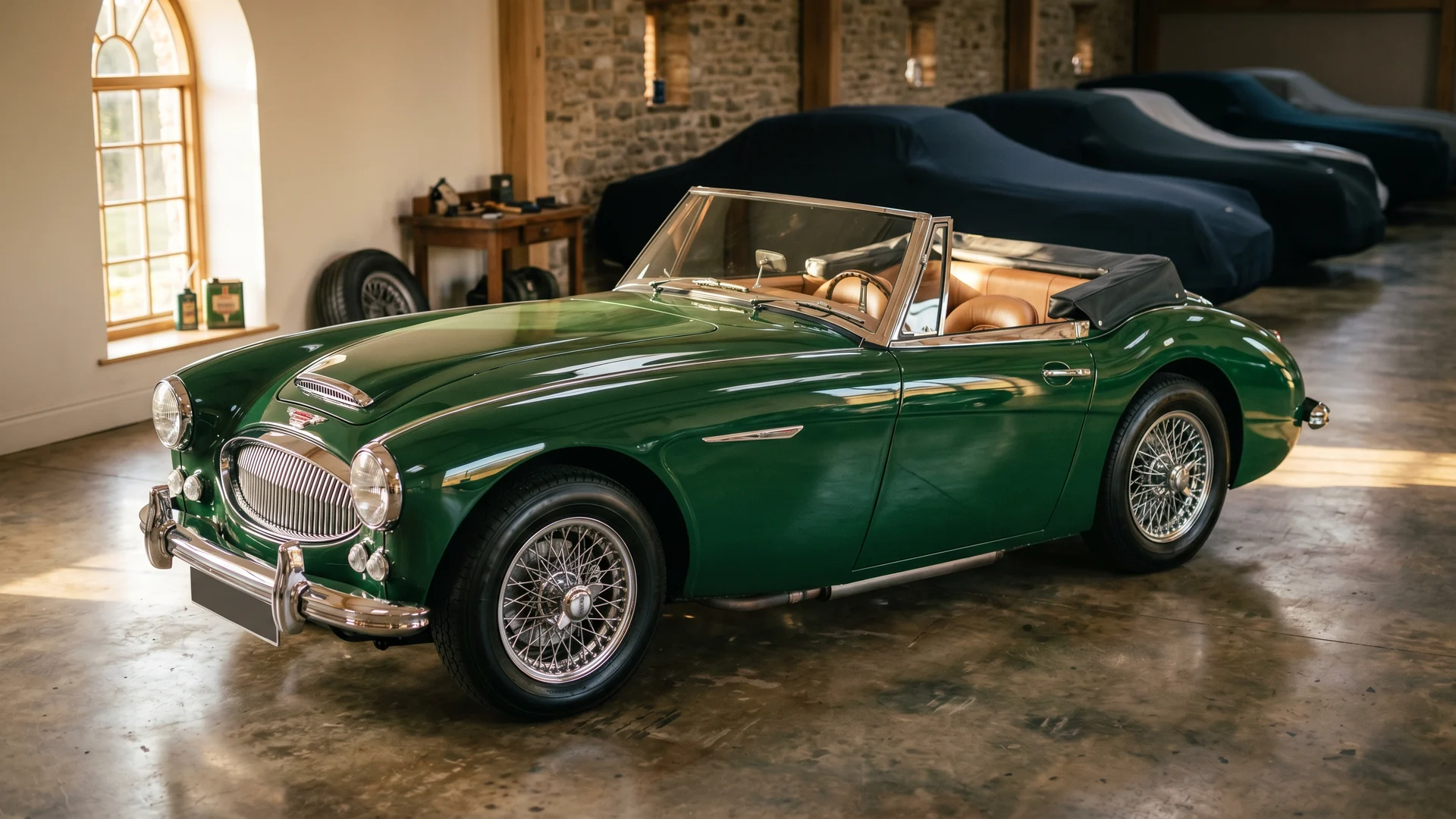
Classic Car Insurance Guide: Protecting Your Vintage Investment
Classic car insurance guide: why agreed-value policies beat stated and actual cash value, how Hagerty, Grundy and Chubb compare, plus costs and covera…
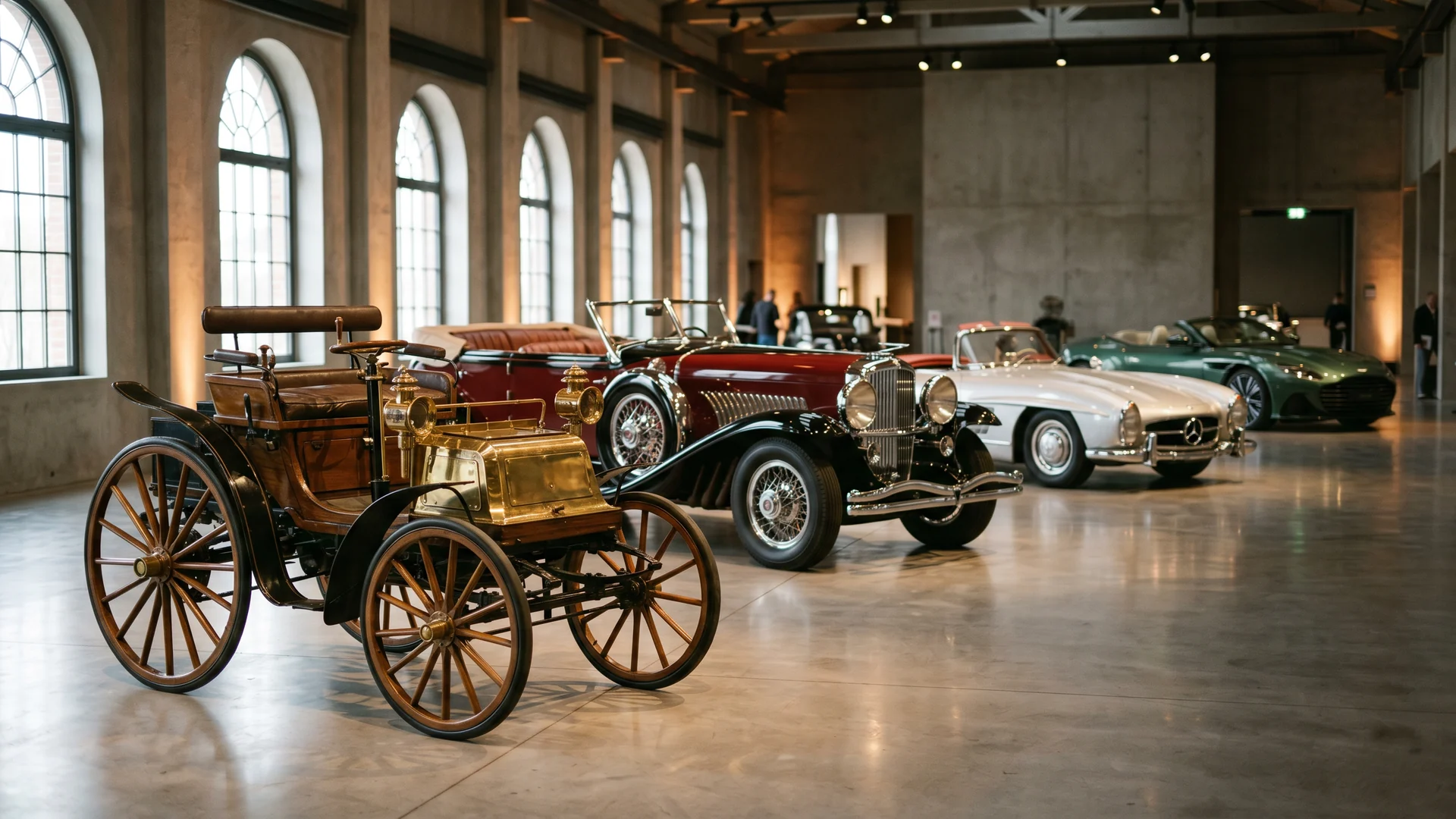
Classic Car History Timeline: From Benz to the Modern Collector Era
Classic car history timeline from the 1886 Benz Patent-Motorwagen through coachbuilding, muscle cars and supercars to modern collectibles. Discover th…