The Truth About Restoring Classic Cars Versus Preserving Originality
Classic cars encompass vehicles manufactured between 1915 and 1975, representing a pivotal era in automotive development. This period witnessed substantial technological and design…
Classic cars encompass vehicles manufactured between 1915 and 1975, representing a pivotal era in automotive development. This period witnessed substantial technological and design innovations that transformed personal transportation. Major manufacturers including Ford, Chevrolet, and Cadillac established the foundation for mass automobile production.
Ford’s Model T, launched in 1908, demonstrated the viability of affordable automotive manufacturing for widespread consumer adoption, establishing principles that would define the subsequent classic car period. The evolution of classic automobiles progressed through distinct phases across six decades. During the 1920s and 1930s, manufacturers such as Packard and Duesenberg focused on luxury vehicle production, emphasizing advanced engineering and premium materials.
The post-World War II period marked a significant expansion in American automotive manufacturing, featuring distinctive styling, increased engine power, and enhanced passenger comfort systems. Notable models including the Chevrolet Corvette and Ford Mustang achieved widespread recognition and influenced automotive design trends. Contemporary appreciation of classic cars stems from their historical importance in transportation development, distinctive design characteristics, and cultural significance within automotive history.
Key Takeaways
- Classic cars have rich histories that influence their value and appeal.
- Restoring classic cars can improve functionality but may reduce originality.
- Preserving originality maintains authenticity but can be costly and challenging.
- Balancing restoration and preservation is key to maintaining both value and integrity.
- Common mistakes include over-restoration and neglecting original parts, impacting car value.
Restoring Classic Cars: Pros and Cons
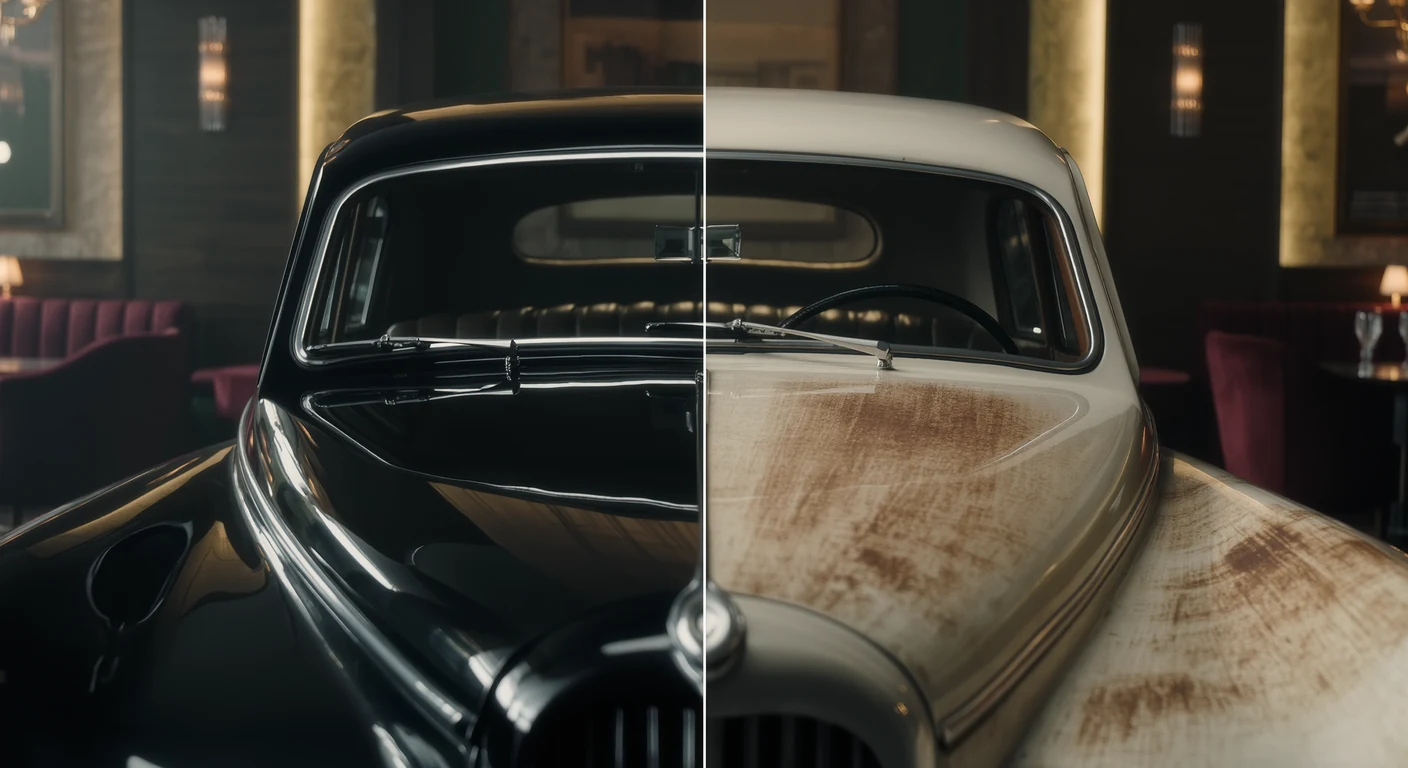
Restoring classic cars can be a rewarding endeavor, allowing enthusiasts to breathe new life into vintage vehicles. One of the primary advantages of restoration is the opportunity to preserve automotive history. By restoring a classic car, owners can maintain its legacy while enjoying the satisfaction of reviving a piece of art.
Additionally, a well-restored classic car can significantly increase in value, making it a potentially lucrative investment. However, restoring classic cars also comes with its challenges. The process can be time-consuming and costly, often requiring specialized skills and tools.
Finding original parts can be difficult, especially for rare models, leading to increased expenses. Furthermore, there is always the risk that the restoration may not meet the owner’s expectations or that the vehicle may lose some of its original charm in the process. Balancing these pros and cons is essential for anyone considering a restoration project.
Preserving Originality: Pros and Cons
Preserving originality in classic cars is another approach that many enthusiasts take. One of the most significant benefits of maintaining a vehicle’s original state is that it retains its historical value. Original cars often command higher prices in the collector market because they represent an unaltered snapshot of automotive history.
Additionally, preserving originality allows owners to experience the car as it was intended by the manufacturer, providing an authentic driving experience. On the flip side, preserving originality can limit customization options. Owners may feel constrained by the need to keep everything as it was when it rolled off the assembly line.
Moreover, original parts may be harder to find or more expensive than aftermarket alternatives, which can complicate maintenance and repairs. Weighing these pros and cons is crucial for anyone passionate about classic cars.
The Importance of Originality in Classic Cars
Originality plays a vital role in the classic car community. It is often seen as a benchmark for quality and authenticity. A classic car that retains its original paint, interior, and mechanical components is typically more desirable among collectors and enthusiasts.
This emphasis on originality helps preserve automotive history and ensures that future generations can appreciate these vehicles as they were originally designed. Moreover, originality contributes to a car’s story. Each scratch, dent, or modification tells a tale of its past, adding character and depth to the vehicle’s history.
For many owners, this connection to the past is what makes classic cars so special. They are not just machines; they are artifacts that embody memories and experiences. As such, maintaining originality is not just about preserving value; it’s about honoring the legacy of automotive craftsmanship.
The Process of Restoring a Classic Car
Restoring a classic car involves several key steps that require careful planning and execution. The first step is assessing the vehicle’s condition. This includes evaluating the bodywork, engine, interior, and any mechanical components that may need attention.
Once a thorough assessment is complete, owners can create a restoration plan that outlines necessary repairs and upgrades. Next comes disassembly. This phase involves taking apart the vehicle to access all components that require restoration or replacement.
It’s essential to document each step meticulously to ensure that reassembly goes smoothly later on. After disassembly, owners can begin repairing or replacing parts as needed. This may involve bodywork, engine rebuilding, or interior restoration.
Finally, once all components are restored or replaced, reassembly takes place, followed by thorough testing to ensure everything functions correctly.
The Process of Preserving Originality in a Classic Car
Preserving originality in a classic car requires a different approach than restoration but is equally important for maintaining its value and character. The first step in this process is conducting a comprehensive evaluation of the vehicle’s current state. Owners should document any existing modifications or repairs made over the years to understand what needs to be preserved.
Once this assessment is complete, owners should focus on maintaining existing components rather than replacing them whenever possible. This may involve cleaning and refurbishing original parts instead of opting for aftermarket replacements. For example, restoring original upholstery or repainting with period-correct colors can help maintain authenticity.
Additionally, keeping detailed records of any work done on the vehicle is crucial for future reference and potential resale value.
The Cost of Restoring a Classic Car
The cost of restoring a classic car can vary widely based on several factors, including the vehicle’s make and model, its current condition, and the extent of restoration required. On average, restoration projects can range from a few thousand dollars for minor repairs to tens of thousands for complete overhauls. Rare or highly sought-after models may command even higher prices due to their collectible status.
Labor costs also play a significant role in determining overall expenses. Hiring skilled professionals for specialized tasks such as bodywork or engine rebuilding can quickly add up. Additionally, sourcing original parts can be challenging and expensive, especially for older models where parts are scarce.
Therefore, it’s essential for prospective restorers to budget carefully and consider all potential costs before embarking on their project.
The Value of Preserving Originality in a Classic Car
Preserving originality in a classic car can significantly enhance its value over time. Collectors often seek out vehicles that remain true to their original specifications because they represent an unaltered piece of history. Original cars tend to appreciate more than those that have undergone extensive modifications or restorations.
Moreover, maintaining originality allows owners to enjoy their vehicles without compromising their historical integrity. An original classic car provides an authentic driving experience that cannot be replicated with modern modifications. This connection to the past adds emotional value for many enthusiasts who cherish their vehicles as more than just modes of transportation.
Common Mistakes in Restoring Classic Cars
Restoring classic cars can be fraught with pitfalls if owners are not careful. One common mistake is underestimating costs; many enthusiasts begin projects without fully understanding the financial commitment involved. This can lead to incomplete restorations or rushed decisions that compromise quality.
Another frequent error is failing to document the restoration process thoroughly. Keeping detailed records helps maintain transparency regarding modifications made during restoration and can enhance resale value later on. Additionally, some owners may overlook the importance of sourcing quality parts; using inferior replacements can detract from both performance and authenticity.
Common Challenges in Preserving Originality in Classic Cars
Preserving originality presents its own set of challenges for classic car owners. One major hurdle is finding authentic replacement parts when repairs are necessary; many original components may no longer be manufactured or readily available on the market. This scarcity can lead to frustration when trying to maintain authenticity.
Another challenge lies in balancing preservation with necessary updates for safety or reliability reasons. While it’s essential to keep a vehicle as close to its original state as possible, some modifications may be necessary to ensure safe operation on modern roads. Striking this balance requires careful consideration and often involves consulting experts who understand both preservation techniques and safety standards.
Finding the Right Balance: Restoring and Preserving Classic Cars
Finding the right balance between restoring and preserving classic cars is crucial for enthusiasts who want to enjoy their vehicles while maintaining their historical integrity. Each owner must assess their priorities, whether they value performance enhancements or historical accuracy more highly, and make decisions accordingly. For some owners, a hybrid approach works best: restoring certain components while preserving others allows them to enjoy improved performance without sacrificing authenticity entirely.
Ultimately, striking this balance requires thoughtful consideration of both personal preferences and market trends within the classic car community. In conclusion, whether you choose to restore or preserve your classic car, or find a balance between both, each approach offers unique benefits and challenges that contribute to your vehicle’s story. Embracing this journey not only enhances your appreciation for automotive history but also connects you with fellow enthusiasts who share your passion for these timeless machines.
FAQs
What is the difference between restoring and preserving a classic car?
Restoring a classic car involves repairing or replacing parts to return the vehicle to its original or like-new condition. Preserving originality focuses on maintaining the car’s existing components and patina, keeping as much of the original material and finish intact as possible.
Why do some collectors prefer preserving originality over restoration?
Collectors may prefer preserving originality because it maintains the car’s historical authenticity, originality of parts, and often its value. Original cars can tell a story through their wear and patina, which restoration might erase.
What are the common steps involved in restoring a classic car?
Restoration typically includes disassembling the vehicle, repairing or replacing mechanical parts, bodywork to fix rust or damage, repainting, refurbishing the interior, and reassembling the car to a like-new condition.
Does restoring a classic car always increase its value?
Not necessarily. While a high-quality restoration can increase value, over-restoration or using non-original parts can reduce a car’s worth. Some collectors value originality more than a restored appearance.
What challenges are associated with preserving a classic car’s originality?
Challenges include sourcing original parts, preventing further deterioration, and deciding how much wear or damage to allow while maintaining the car’s historical integrity.
How does the choice between restoration and preservation affect a classic car’s maintenance?
Restored cars may require less immediate maintenance due to new parts and repairs, but preserving originality often involves careful upkeep to prevent damage and maintain original components.
Can a classic car be both restored and preserved?
Yes, some owners choose a balanced approach, restoring critical mechanical components for safety and reliability while preserving original bodywork, paint, and interior elements to maintain authenticity.
What factors should be considered when deciding to restore or preserve a classic car?
Consider the car’s historical significance, current condition, availability of original parts, intended use (show, drive, investment), and personal preference regarding originality versus appearance.
Is professional expertise necessary for restoring or preserving classic cars?
Yes, both restoration and preservation require specialized knowledge and skills to ensure work is done correctly, especially to maintain value and authenticity.
How does the market view restored versus original classic cars?
The market varies; some buyers prioritize originality and are willing to pay premiums for untouched cars, while others prefer restored vehicles for aesthetics and drivability. The car’s make, model, and rarity also influence market preferences.
What is the difference between restoring and preserving a classic car?
Why does originality matter so much to collectors?
What are the main drawbacks of restoration?
More from Blog
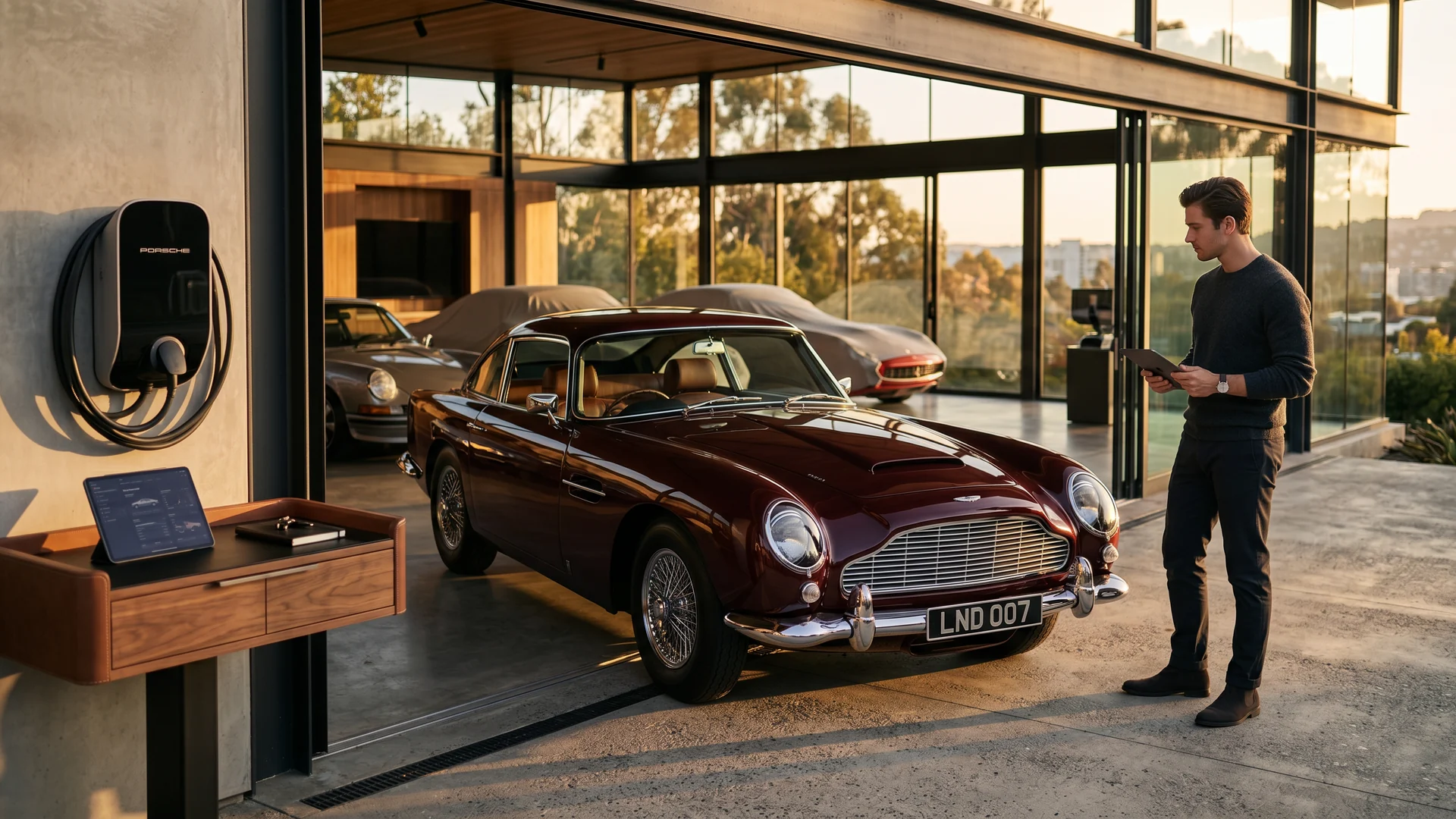
The Future of Classic Car Collecting: Trends Shaping the Next Generation
The future of classic car collecting: why 2035 ICE bans spare existing cars, plus e-fuels, shifting demographics, electromods and fractional ownership…
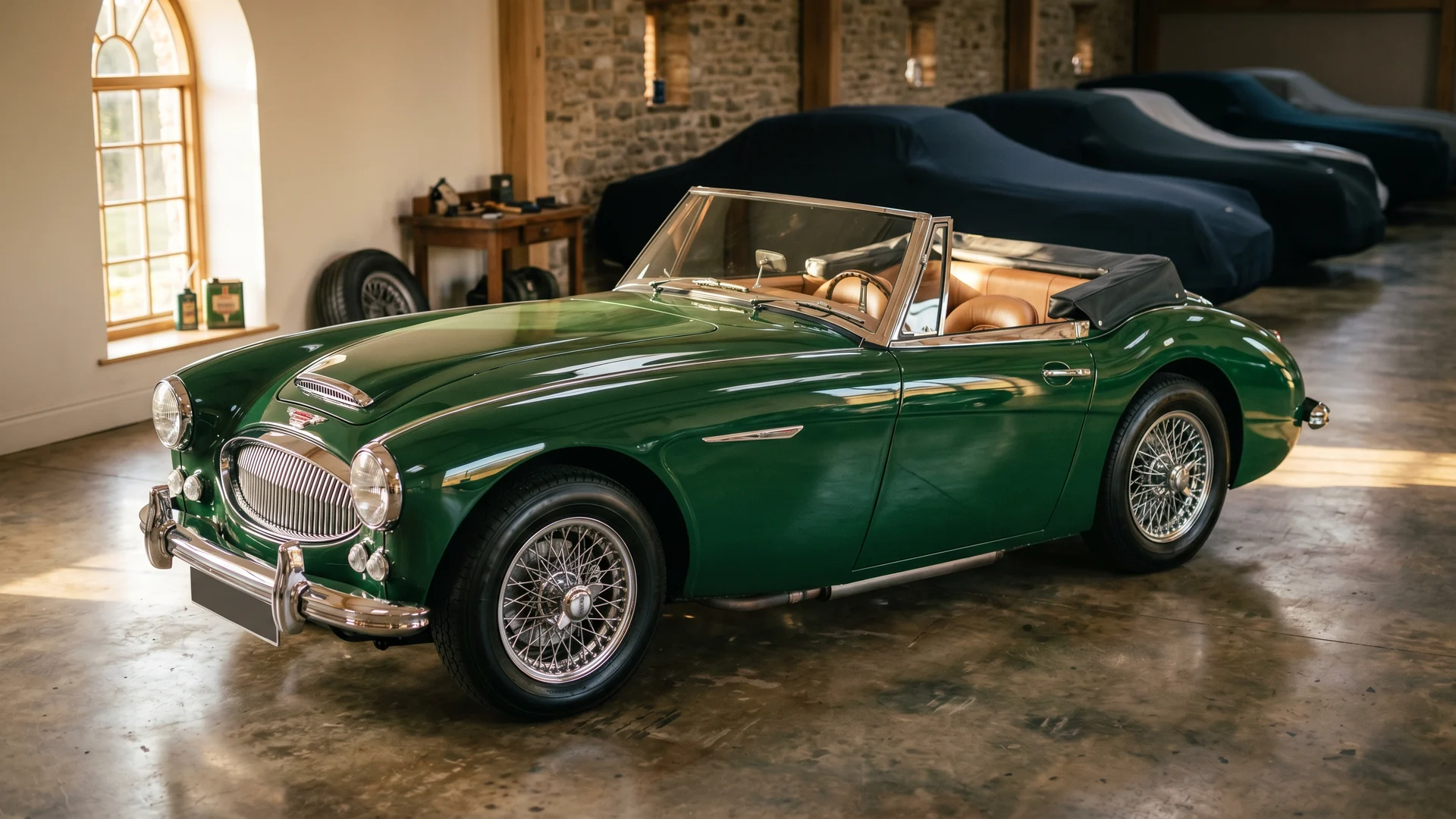
Classic Car Insurance Guide: Protecting Your Vintage Investment
Classic car insurance guide: why agreed-value policies beat stated and actual cash value, how Hagerty, Grundy and Chubb compare, plus costs and covera…
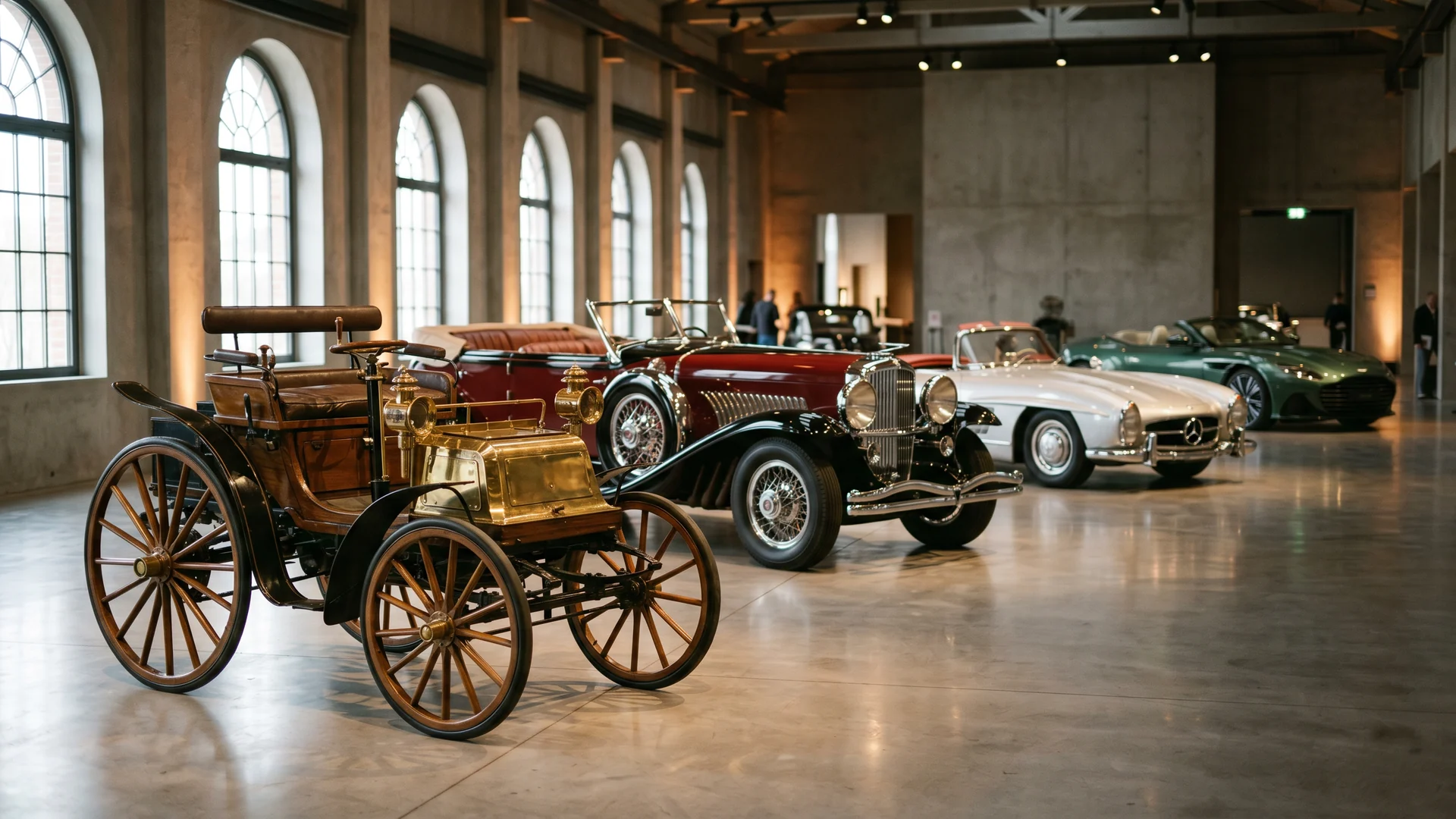
Classic Car History Timeline: From Benz to the Modern Collector Era
Classic car history timeline from the 1886 Benz Patent-Motorwagen through coachbuilding, muscle cars and supercars to modern collectibles. Discover th…