Why Some Classic Cars Are Never Shown Publicly
Classic cars attract enthusiasts and collectors due to their historical significance, craftsmanship, and cultural value. These vehicles serve as tangible representations of specifi…
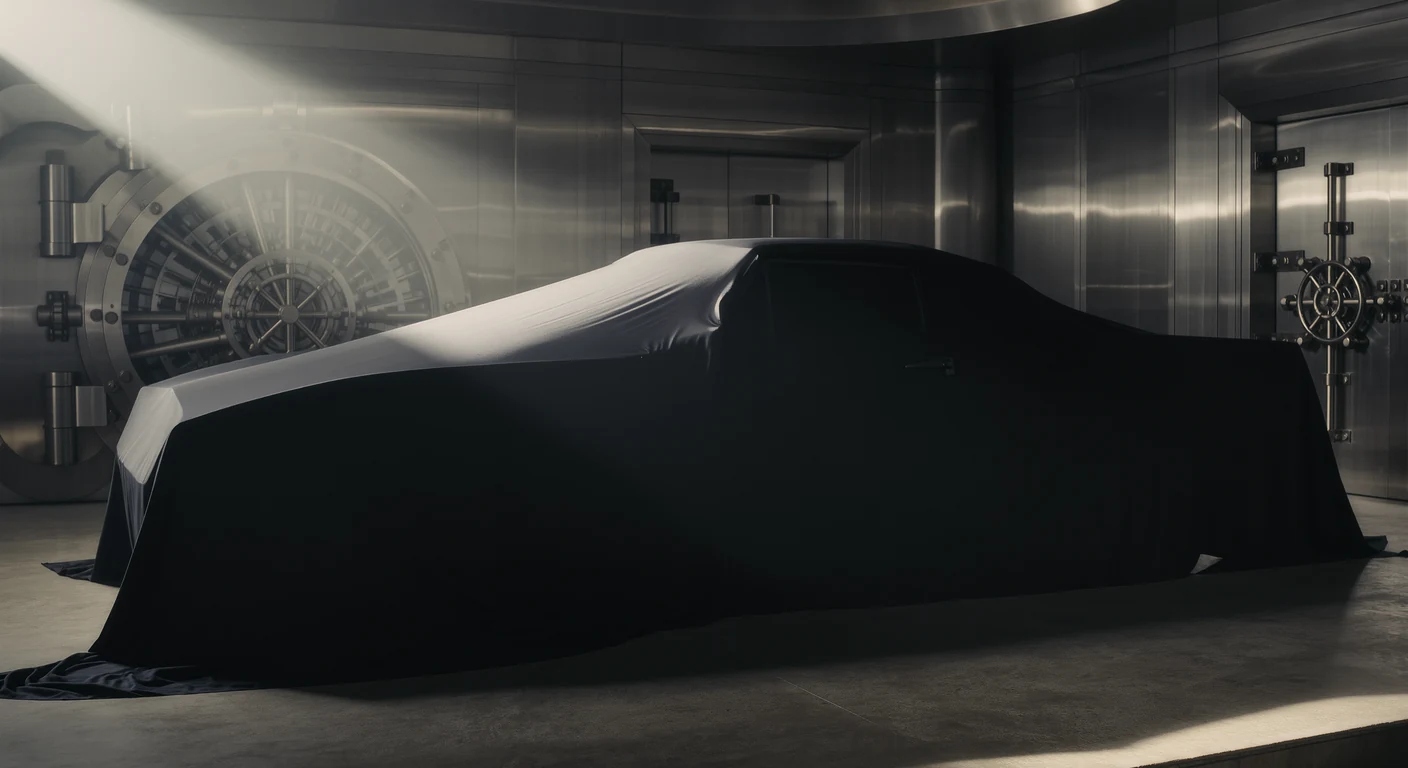
Classic cars attract enthusiasts and collectors due to their historical significance, craftsmanship, and cultural value. These vehicles serve as tangible representations of specific automotive eras, showcasing the manufacturing techniques, design principles, and technological capabilities of their respective time periods. Classic cars demonstrate the evolution of automotive engineering, from early hand-assembled components to the development of mass production methods.
The appeal of classic cars derives from several measurable factors, including their mechanical specifications, production numbers, and documented provenance. Many classic vehicles were manufactured in limited quantities, making them statistically rare in today’s market. Their distinctive engineering features, such as specific engine configurations, transmission systems, and body construction methods, differentiate them from contemporary automotive designs.
These technical characteristics provide insight into the automotive industry’s development and the economic conditions that influenced manufacturing decisions. The collector community surrounding classic cars operates as an organized network focused on preservation, restoration, and documentation. Collectors maintain detailed records of vehicle histories, including original specifications, ownership transfers, and modification histories.
This systematic approach to documentation serves both preservation purposes and market valuation needs. The community’s research efforts contribute to automotive historical knowledge and help establish authentication standards for classic vehicle identification and verification.
Key Takeaways
- Classic cars hold a unique mystery and historical significance that captivates enthusiasts.
- Many rare classic cars remain unseen due to private ownership and exclusive collections.
- Preservation efforts focus on maintaining originality and protecting these valuable automobiles.
- Owners often prioritize privacy to avoid public scrutiny, theft, and vandalism.
- The future of unseen classic cars depends on careful maintenance and continued private stewardship.
The Rarity of Unseen Classic Cars
Unseen classic cars are a rare breed, often hidden away in private collections or tucked away in garages, waiting to be rediscovered. The rarity of these vehicles adds to their allure, as many enthusiasts dream of stumbling upon a forgotten gem that has been preserved through the years. The scarcity of unseen classic cars can be attributed to several factors, including limited production numbers, the passage of time, and the changing tastes of car buyers.
As a result, these vehicles become coveted treasures for collectors who appreciate their historical significance. The thrill of uncovering an unseen classic car is akin to finding buried treasure. Each discovery offers a glimpse into the past and an opportunity to restore a piece of automotive history.
Collectors often invest significant time and resources into locating these rare finds, driven by the desire to preserve their legacy for future generations. The excitement surrounding unseen classic cars fuels a vibrant market where enthusiasts share tips, leads, and stories about their own discoveries, creating a sense of camaraderie among those who share a passion for these extraordinary vehicles.
The Preservation of Historical Automobiles
Preserving historical automobiles is both an art and a science. It requires a deep understanding of the original materials, techniques, and craftsmanship that went into creating these vehicles. Enthusiasts and restorers often face the challenge of sourcing authentic parts and materials to maintain the integrity of the car while ensuring it remains roadworthy.
This meticulous process not only safeguards the vehicle’s historical value but also honors the legacy of the engineers and designers who brought it to life. The preservation of classic cars goes beyond mere restoration; it involves a commitment to maintaining their originality. Many collectors prioritize keeping their vehicles as close to factory specifications as possible, which can be a daunting task given the age of these automobiles.
This dedication to authenticity ensures that future generations can appreciate the craftsmanship and innovation that defined each era of automotive history. By preserving these historical automobiles, collectors contribute to a broader understanding of our cultural heritage and the evolution of transportation.
The Privacy of Classic Car Owners
Classic car ownership often comes with a desire for privacy. Many collectors prefer to keep their prized possessions out of the public eye, allowing them to enjoy their vehicles without external scrutiny. This privacy can be particularly important for high-value cars that attract attention due to their rarity and desirability.
By maintaining a low profile, owners can protect their investments while enjoying the freedom that comes with driving a classic car. The privacy afforded to classic car owners also allows them to cultivate personal connections with their vehicles. Without the pressure of public opinion or judgment, owners can appreciate their cars for what they truly are: expressions of individuality and passion.
This intimate relationship fosters a deeper appreciation for the craftsmanship and history behind each vehicle, making ownership an enriching experience that transcends mere possession.
The Exclusivity of Private Collections
Private collections of classic cars are often exclusive sanctuaries for automotive enthusiasts. These collections can range from small assemblages of cherished vehicles to expansive showcases featuring rare models from various eras. The exclusivity of private collections adds an element of prestige, as many collectors take pride in curating unique assortments that reflect their personal tastes and interests.
Owning a private collection allows enthusiasts to immerse themselves in the world of classic cars fully. Collectors often invest significant time and resources into acquiring vehicles that resonate with them personally, creating a collection that tells a story about their journey as car lovers. This exclusivity not only enhances the value of each vehicle but also fosters a sense of community among collectors who share similar passions and interests.
The Protection of Valuable Assets
Classic cars are not just vehicles; they are valuable assets that require protection. As investments, these automobiles can appreciate significantly over time, making them attractive targets for theft or vandalism. To safeguard their investments, many collectors take proactive measures such as installing security systems, utilizing specialized insurance policies, and storing their vehicles in secure locations.
Protecting valuable assets goes beyond physical security; it also involves maintaining proper documentation and provenance for each vehicle. Collectors often keep detailed records of ownership history, restoration work, and any modifications made over time. This documentation not only enhances the vehicle’s value but also provides peace of mind for owners who want to ensure their investment is well cared for.
The Personal Connection to Classic Cars
For many enthusiasts, classic cars represent more than just machines; they embody personal connections and cherished memories. Whether it’s a family heirloom passed down through generations or a vehicle that evokes nostalgia from youth, these cars often hold sentimental value that transcends their monetary worth. This emotional bond drives collectors to invest time and resources into restoring and preserving their vehicles.
The personal connection to classic cars can also foster a sense of community among enthusiasts. Car shows, rallies, and clubs provide opportunities for owners to share their stories and experiences with like-minded individuals who appreciate the significance of these vehicles.
The Avoidance of Public Scrutiny
Classic car owners often seek to avoid public scrutiny for various reasons. The unique nature of these vehicles can attract attention from onlookers, leading to unwanted questions or opinions about modifications or restorations. By keeping their cars private or participating in exclusive events, owners can enjoy their vehicles without feeling judged or scrutinized by those who may not understand the intricacies involved in classic car ownership.
Avoiding public scrutiny also allows owners to maintain control over how their vehicles are perceived. Many collectors take pride in their choices regarding restoration and customization, which may not align with mainstream preferences. By engaging with fellow enthusiasts in private settings, they can share their passion without fear of criticism or misunderstanding.
The Avoidance of Theft and Vandalism
Theft and vandalism are significant concerns for classic car owners due to the high value associated with these vehicles. Many collectors take extensive precautions to protect their prized possessions from potential threats. This includes investing in advanced security systems, utilizing GPS tracking devices, and storing cars in secure facilities designed specifically for classic automobiles.
In addition to physical security measures, owners often participate in community watch programs or collaborate with local law enforcement to raise awareness about classic car thefts in their area. By fostering relationships with fellow enthusiasts and authorities, collectors can create a network dedicated to protecting valuable assets while promoting safe practices within the classic car community.
The Maintenance of Originality
Maintaining originality is paramount for many classic car enthusiasts who wish to preserve the authenticity of their vehicles. This commitment involves sourcing original parts and adhering to factory specifications during restoration processes. Collectors understand that originality not only enhances the vehicle’s value but also honors its historical significance.
The pursuit of originality can be challenging due to the scarcity of authentic parts and the evolving standards within the automotive industry. However, dedicated enthusiasts often find creative solutions by connecting with specialized suppliers or joining networks focused on preserving specific makes and models. This dedication ensures that future generations can appreciate these remarkable machines as they were intended.
The Future of Unseen Classic Cars
The future of unseen classic cars is bright yet uncertain as trends in automotive technology continue to evolve rapidly. While electric vehicles gain popularity, there remains a strong demand for classic cars among enthusiasts who appreciate traditional craftsmanship and design. As younger generations become interested in vintage automobiles, there is hope that unseen classics will be rediscovered and celebrated anew.
Moreover, advancements in restoration techniques and preservation methods will play a crucial role in ensuring that unseen classic cars remain viable investments for collectors. As technology improves, it becomes easier to maintain originality while enhancing performance and safety features without compromising historical integrity. This balance between tradition and innovation will shape the future landscape of classic car ownership for years to come.
In conclusion, classic cars hold an enduring appeal that transcends generations. Their rarity, historical significance, and personal connections make them cherished possessions for many enthusiasts around the world. As we look toward the future, it is essential to continue preserving these remarkable machines while fostering communities that celebrate automotive history and craftsmanship.
FAQs
Why are some classic cars never shown publicly?
Some classic cars are never shown publicly due to their extreme rarity, fragile condition, or because they are privately owned and the owners prefer to keep them out of the spotlight. Additionally, some vehicles may be considered too valuable or historically significant to risk damage or theft.
Do owners of rare classic cars have specific reasons for not displaying them?
Yes, owners may choose not to display their rare classic cars to protect their investment, maintain the car’s pristine condition, or avoid unwanted attention. Privacy concerns and the desire to preserve the car’s originality can also influence this decision.
Are there legal or insurance reasons that prevent classic cars from being shown publicly?
In some cases, insurance policies may restrict public display to minimize risk, or legal issues such as ownership disputes or export restrictions may prevent a classic car from being exhibited publicly.
How does the condition of a classic car affect its public display?
Classic cars in delicate or unrestored condition may be kept private to avoid damage from exposure, transportation, or handling during public shows. Owners often prefer to restore or maintain the vehicle before considering public display.
Can museums or private collectors influence whether a classic car is shown publicly?
Yes, museums and private collectors may have policies or preferences regarding the display of classic cars. Some may choose to keep certain vehicles in storage for preservation, while others may rotate exhibits to limit exposure and wear.
Are there examples of famous classic cars that are rarely or never shown publicly?
Yes, some historically significant or one-of-a-kind classic cars are rarely shown publicly due to their value, fragility, or ownership status. These vehicles are often kept in private collections or secure storage to ensure their preservation.
What role does the car’s provenance play in its public visibility?
A car’s provenance, including its history, previous owners, and significance, can impact whether it is shown publicly. Vehicles with notable histories may be displayed selectively to protect their legacy and condition.
Is it common for classic cars to be kept off public view for restoration purposes?
Yes, many classic cars are kept off public view during restoration to protect the process and prevent premature exposure. Owners often wait until restoration is complete before showcasing the vehicle publicly.
More from Blog
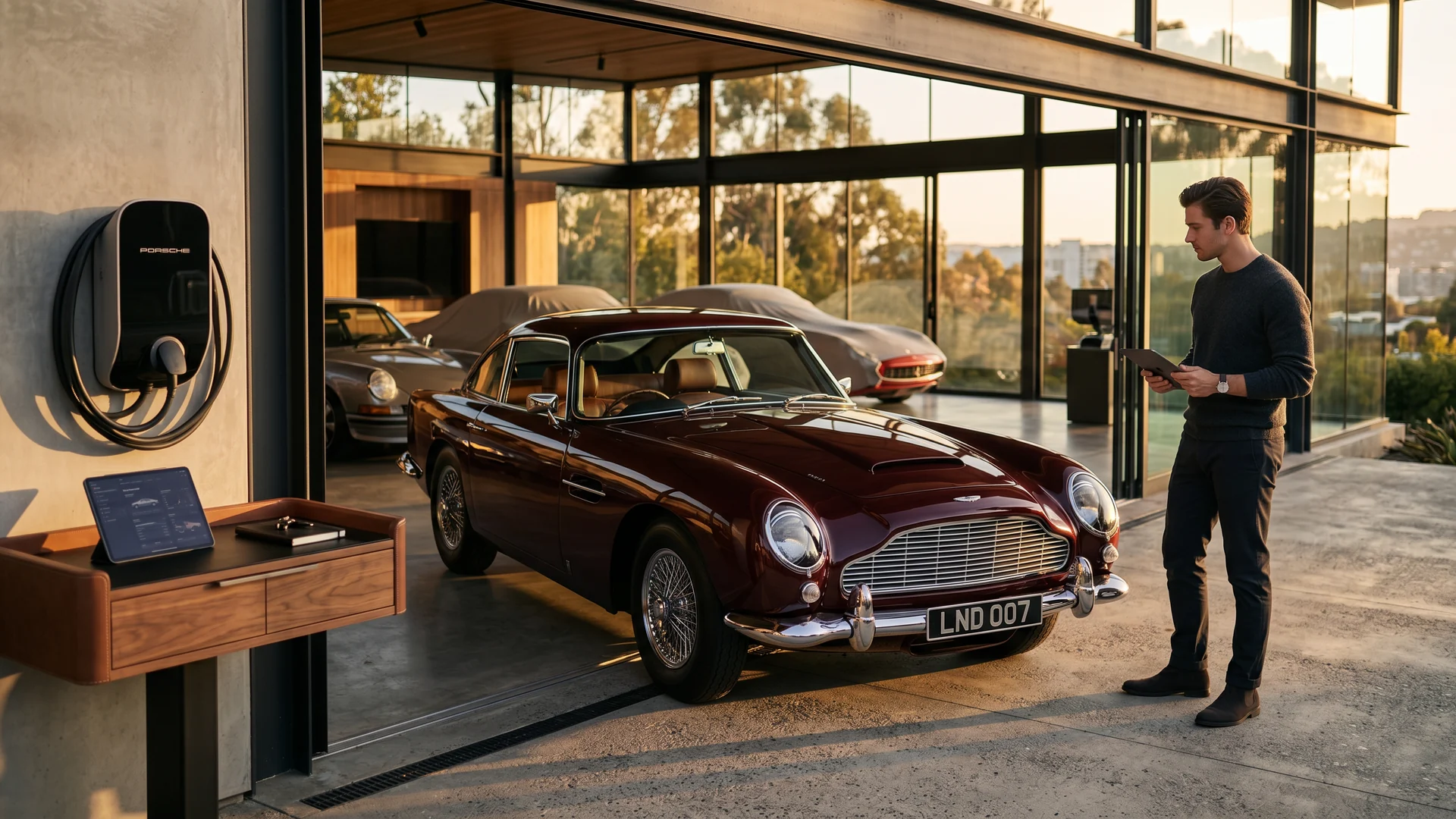
The Future of Classic Car Collecting: Trends Shaping the Next Generation
The future of classic car collecting: why 2035 ICE bans spare existing cars, plus e-fuels, shifting demographics, electromods and fractional ownership…
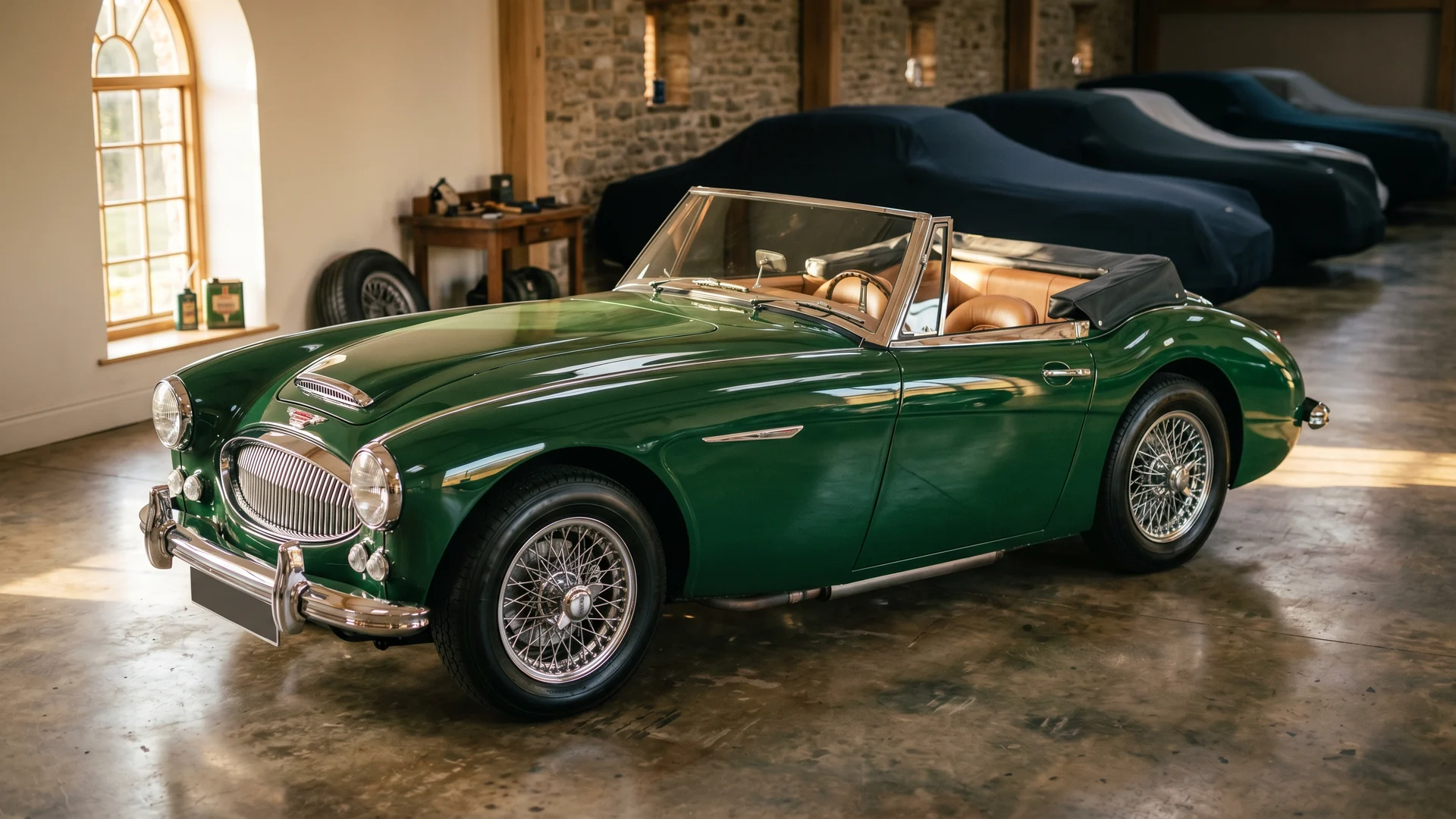
Classic Car Insurance Guide: Protecting Your Vintage Investment
Classic car insurance guide: why agreed-value policies beat stated and actual cash value, how Hagerty, Grundy and Chubb compare, plus costs and covera…
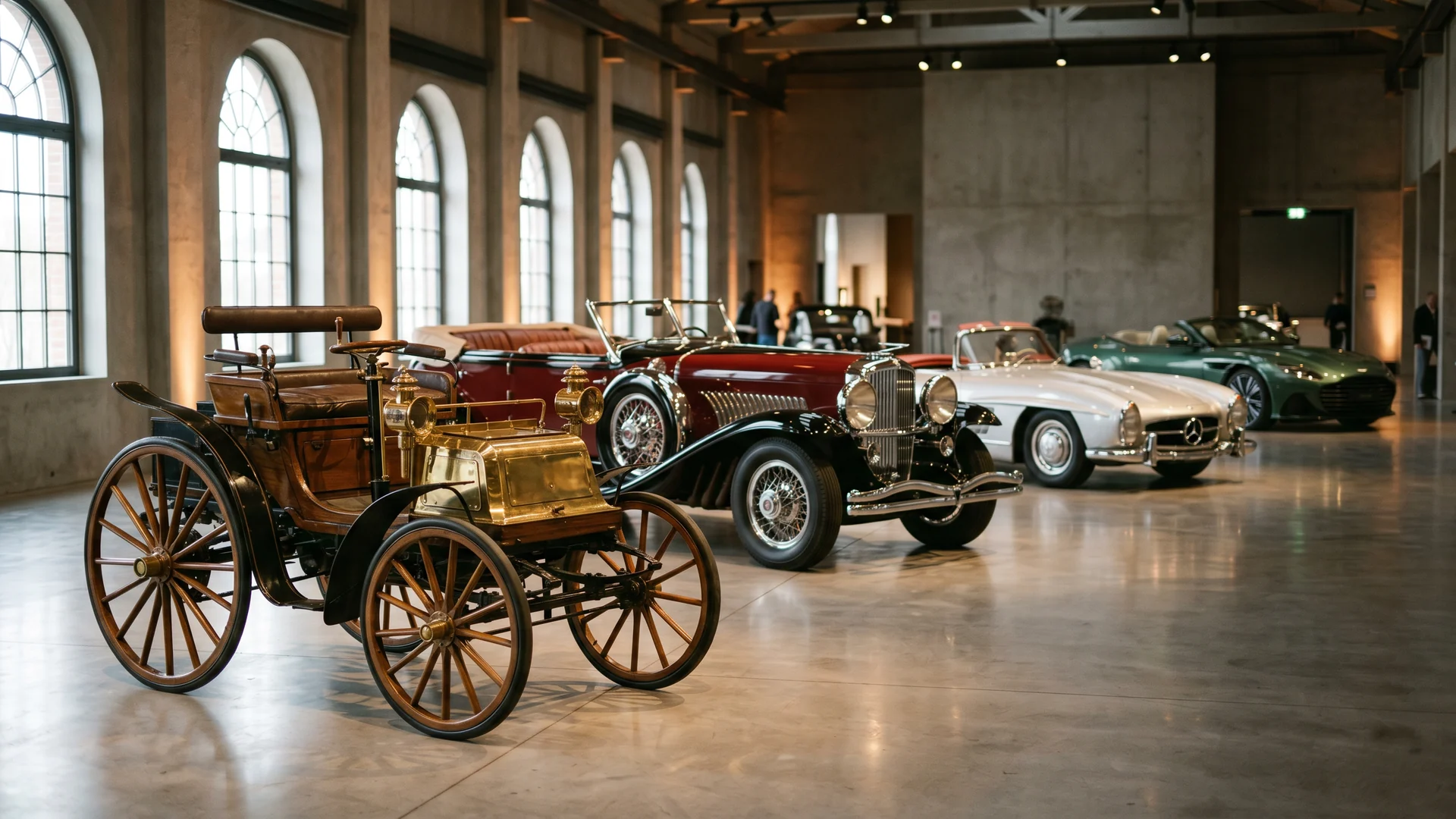
Classic Car History Timeline: From Benz to the Modern Collector Era
Classic car history timeline from the 1886 Benz Patent-Motorwagen through coachbuilding, muscle cars and supercars to modern collectibles. Discover th…