The Silent Exit of Enthusiasts From the Oldtimer Market
The classic car market has undergone substantial changes in recent decades, experiencing periods of growth followed by notable decline. The market initially attracted a broad range…
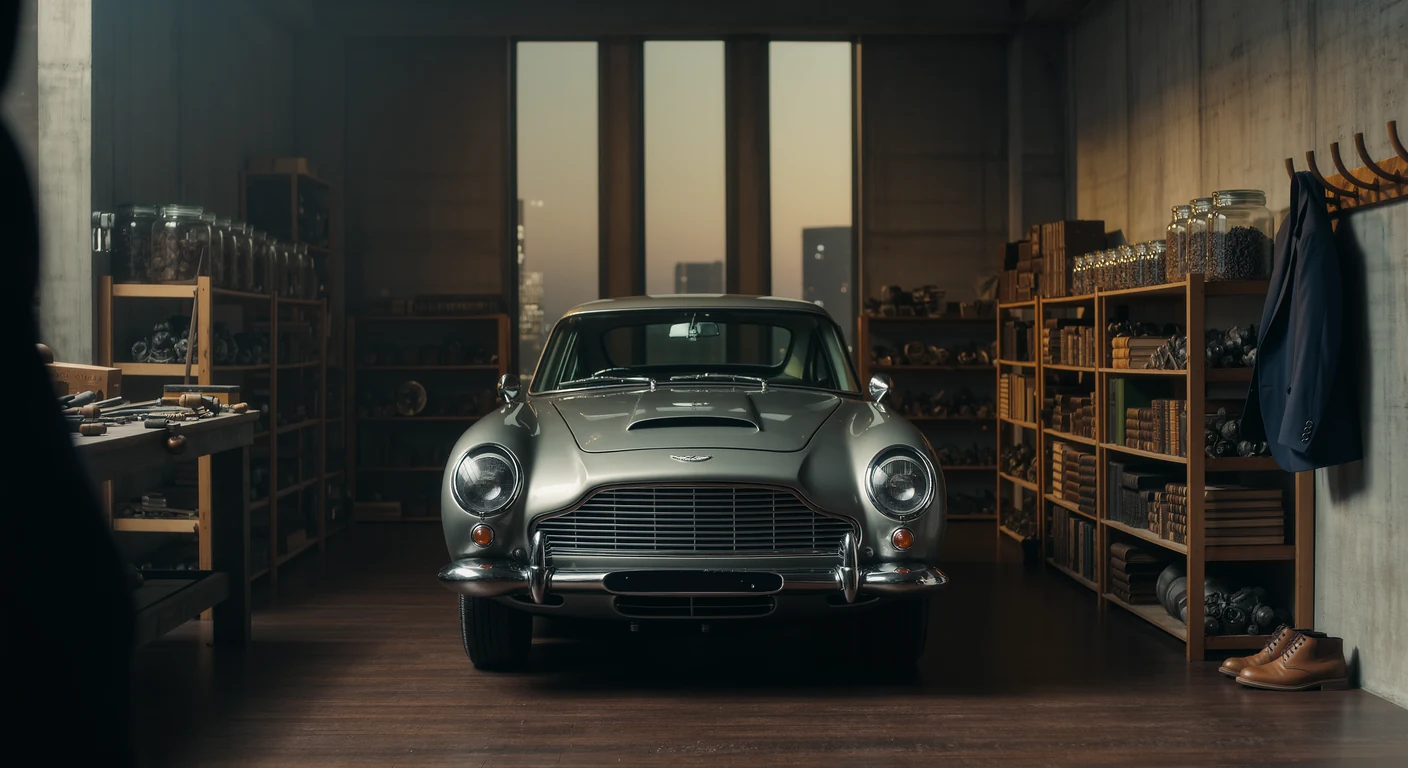
The classic car market has undergone substantial changes in recent decades, experiencing periods of growth followed by notable decline. The market initially attracted a broad range of collectors and restoration enthusiasts, creating a robust ecosystem of buyers, sellers, and specialized service providers. Current market data indicates decreased participation rates and reduced transaction volumes compared to peak periods in previous decades.
Several measurable factors have influenced this market transformation. Demographic shifts show an aging collector base with limited replacement by younger enthusiasts. Technological changes in modern vehicles have created a growing knowledge gap between contemporary automotive technology and classic car maintenance requirements.
Economic factors, including increased restoration costs and storage expenses, have also impacted market accessibility. The classic car market’s earlier expansion was driven by collectors who valued the engineering heritage and historical significance of vintage automobiles. These enthusiasts established clubs, events, and specialized businesses that supported market growth.
Documentation from industry associations shows that participation in classic car events and club memberships has declined measurably since the early 2000s. Contemporary market analysis reveals specific challenges affecting classic car ownership. Insurance costs have increased, parts availability has decreased for many models, and qualified restoration specialists have become less common.
Additionally, urbanization trends have reduced access to suitable storage facilities, while environmental regulations in some regions have restricted classic car usage. These factors collectively impact both market values and participation rates in classic car collecting.
Key Takeaways
- The oldtimer market has experienced significant fluctuations influenced by changing demographics and consumer values.
- Advances in technology have transformed how enthusiasts own, maintain, and restore classic vehicles.
- Traditional oldtimer events are declining, reflecting shifts in community engagement and interest.
- Environmental, ethical, and economic factors increasingly impact the appeal and feasibility of oldtimer ownership.
- Preservation strategies are essential to sustain the legacy and adapt to the evolving landscape of oldtimer enthusiasm.
The Changing Demographics of Oldtimer Enthusiasts
The demographics of oldtimer enthusiasts have evolved significantly over the past few decades.
Millennials and Gen Z are beginning to show interest in classic cars, albeit for different reasons than their predecessors.
While older collectors often sought vehicles for their historical significance and craftsmanship, younger buyers are more inclined to view oldtimers as unique lifestyle choices or investment opportunities. This demographic shift brings both challenges and opportunities for the oldtimer market. Younger enthusiasts tend to prioritize sustainability and technology, which can clash with the traditional values associated with classic cars.
As a result, the industry must adapt to cater to this new audience while preserving the essence of what makes oldtimers special. Engaging younger collectors through social media platforms and online communities can help bridge this gap and foster a renewed interest in vintage automobiles.
The Impact of Technology on Oldtimer Ownership
Technology has profoundly impacted various aspects of oldtimer ownership, from restoration techniques to communication among enthusiasts. Advanced tools and resources have made it easier for collectors to restore and maintain their vehicles, allowing for greater accessibility to the hobby. Online forums and social media groups have emerged as vital platforms for sharing knowledge, tips, and experiences related to classic cars.
This digital revolution has created a sense of community that transcends geographical boundaries. However, technology also presents challenges for traditionalists who may feel that the essence of oldtimer ownership is being diluted by modern advancements. The rise of electric vehicles and hybrid technology has sparked debates about the future of classic cars in an increasingly eco-conscious world.
While some enthusiasts embrace these innovations as a way to preserve oldtimers for future generations, others argue that they compromise the authenticity and charm that define vintage automobiles.
The Decline of Traditional Oldtimer Events and Shows
In recent years, traditional oldtimer events and shows have seen a decline in attendance and participation. Once bustling gatherings where enthusiasts showcased their prized possessions, these events now struggle to attract crowds. Several factors contribute to this trend, including changing consumer preferences and the rise of alternative forms of engagement within the community.
Younger enthusiasts often prefer online interactions over physical gatherings, leading to a shift in how car culture is experienced. Moreover, the COVID-19 pandemic accelerated this decline by forcing many events to cancel or adapt to virtual formats. While some organizers have attempted to pivot by incorporating digital elements into their shows, the essence of in-person camaraderie remains difficult to replicate online.
To revitalize traditional events, organizers must innovate and create experiences that resonate with both seasoned collectors and new enthusiasts alike.
The Challenges of Maintaining and Restoring Oldtimers
Maintaining and restoring oldtimers presents unique challenges that can deter potential enthusiasts from entering the market. The costs associated with restoration can be prohibitively high, especially for rare or vintage models that require specialized parts and expertise. Additionally, finding skilled mechanics who understand the intricacies of classic cars can be a daunting task.
This scarcity of resources can lead to frustration for owners who wish to preserve their vehicles but lack the means or knowledge to do so. Furthermore, the time commitment involved in restoring an oldtimer can be overwhelming for those with busy lifestyles. Many enthusiasts find themselves torn between their passion for classic cars and their everyday responsibilities.
To address these challenges, it is essential for the community to foster mentorship programs that connect experienced restorers with newcomers. By sharing knowledge and resources, enthusiasts can help ensure that the legacy of oldtimers continues for generations to come.
The Shift in Consumer Preferences and Values
Consumer preferences have shifted dramatically in recent years, reflecting broader societal changes that impact the oldtimer market. Today’s buyers are increasingly focused on sustainability, ethical sourcing, and social responsibility. As a result, many are reevaluating their relationship with classic cars, questioning whether they align with their values.
This shift has led some enthusiasts to seek out electric conversions or eco-friendly restoration practices as a way to reconcile their love for vintage automobiles with their commitment to environmental stewardship. Additionally, younger consumers are more inclined to prioritize experiences over material possessions. This trend poses a challenge for traditional car ownership models, as many may prefer car-sharing services or alternative transportation methods over investing in a classic vehicle.
To remain relevant, the oldtimer market must adapt by offering experiences that resonate with modern values while still celebrating the rich history and craftsmanship of vintage automobiles.
The Role of Environmental and Ethical Concerns
Environmental concerns play a significant role in shaping consumer attitudes toward oldtimers. As awareness of climate change and pollution grows, many potential buyers are reconsidering their choices regarding classic cars. The internal combustion engine is increasingly viewed as outdated in an era where electric vehicles are gaining traction.
This shift has prompted discussions within the community about how to make classic cars more environmentally friendly without sacrificing their authenticity. Ethical considerations also come into play when discussing the sourcing of materials used in restoration projects. Enthusiasts are becoming more conscious of where parts come from and how they impact the environment.
This awareness has led to a demand for sustainable practices within the industry, such as using recycled materials or supporting local artisans who prioritize eco-friendly methods. By addressing these concerns head-on, the oldtimer market can position itself as a forward-thinking community that values both tradition and sustainability.
The Influence of Economic Factors on the Oldtimer Market
Economic factors significantly influence the oldtimer market’s health and viability. Fluctuations in disposable income can directly impact consumers’ willingness to invest in classic cars. During economic downturns, luxury items like vintage automobiles often see decreased demand as buyers prioritize essential expenditures over hobbies or collectibles.
Conversely, during periods of economic growth, interest in oldtimers may surge as individuals seek unique investments or status symbols. Additionally, rising costs associated with restoration and maintenance can deter potential buyers from entering the market altogether. As prices for parts and labor continue to climb, many enthusiasts find themselves priced out of ownership or forced to compromise on quality when restoring their vehicles.
To counteract these economic pressures, stakeholders within the industry must work together to create accessible pathways for new collectors while ensuring that existing enthusiasts can continue enjoying their passion without financial strain.
The Future of the Oldtimer Market: Is There Hope for Revival?
Despite the challenges facing the oldtimer market, there is hope for revival if stakeholders adapt to changing trends and consumer preferences. Embracing technology can enhance engagement within the community while attracting new enthusiasts who may not have previously considered classic cars as part of their lifestyle. By leveraging social media platforms and online marketplaces, sellers can reach wider audiences while fostering connections among collectors.
Moreover, promoting sustainable practices within restoration projects can appeal to environmentally conscious consumers who seek authenticity without compromising their values. Collaborations between traditional restorers and modern innovators can lead to exciting developments that breathe new life into vintage automobiles while preserving their heritage. By embracing change while honoring tradition, there is potential for a resurgence in interest surrounding oldtimers.
Strategies for Preserving the Legacy of Oldtimers
To ensure the legacy of oldtimers endures amidst evolving trends, several strategies can be implemented within the community. First and foremost is education, providing resources that inform both seasoned collectors and newcomers about restoration techniques, maintenance practices, and historical significance can foster appreciation for classic cars across generations. Additionally, creating mentorship programs that connect experienced restorers with younger enthusiasts can facilitate knowledge transfer while building relationships within the community.
Encouraging collaboration among collectors through clubs or online forums can also strengthen bonds while promoting shared experiences centered around vintage automobiles.
By embracing innovation while honoring tradition, stakeholders can work together to preserve not only individual vehicles but also the rich history they represent.
Navigating the New Landscape of Oldtimer Enthusiasm
The landscape of oldtimer enthusiasm is undoubtedly changing, influenced by various factors ranging from demographics to technology and consumer values. While challenges abound, such as declining event attendance and rising restoration costs, there remains an opportunity for revival through adaptation and innovation within the community. By embracing new technologies while honoring traditional craftsmanship, stakeholders can create an inclusive environment that appeals to both seasoned collectors and newcomers alike.
Fostering education, mentorship programs, and sustainable practices will ensure that future generations appreciate not only the beauty of vintage automobiles but also their historical significance. As we navigate this new terrain together, balancing nostalgia with modernity, the legacy of oldtimers can continue to thrive in an ever-evolving world where passion meets purpose.
FAQs
What is the Oldtimer market?
The Oldtimer market refers to the buying, selling, and trading of classic and vintage cars, often those that are several decades old and considered collectible or historically significant.
Who are the enthusiasts in the Oldtimer market?
Enthusiasts are individuals passionate about classic cars, including collectors, restorers, and hobbyists who appreciate the history, design, and mechanics of Oldtimer vehicles.
What does the term “Silent Exit” mean in the context of the Oldtimer market?
“Silent Exit” refers to the gradual and often unnoticed departure of enthusiasts from the Oldtimer market, indicating a decline in active participation or interest without significant public attention.
What factors are contributing to the decline of enthusiasts in the Oldtimer market?
Several factors contribute, including rising maintenance costs, stricter environmental regulations, changing interests among younger generations, and the increasing complexity of modern vehicles making restoration more challenging.
How does the departure of enthusiasts affect the Oldtimer market?
A decline in enthusiasts can lead to reduced demand for classic cars, lower prices, fewer restorations, and potentially less preservation of automotive heritage.
Are there any efforts to attract new enthusiasts to the Oldtimer market?
Yes, various clubs, events, and organizations promote classic car culture, offer educational programs, and create communities to engage younger generations and new collectors.
Is the Oldtimer market declining globally or only in specific regions?
The trend varies by region; some markets experience a decline due to local economic or regulatory factors, while others maintain or even grow their classic car communities.
What impact do environmental regulations have on the Oldtimer market?
Stricter emissions and safety regulations can limit the use of older vehicles, increase costs for compliance, and discourage ownership, contributing to the decline in enthusiasm.
Can digital technology help preserve interest in Oldtimer cars?
Yes, digital platforms enable enthusiasts to connect, share knowledge, buy and sell vehicles, and access restoration resources, potentially helping to sustain interest in the market.
What is the future outlook for the Oldtimer market?
While challenges exist, the market may stabilize or evolve with new technologies, changing demographics, and continued passion from dedicated communities, though the silent exit of some enthusiasts remains a concern.
More from Blog
The Future of Classic Car Collecting: Trends Shaping the Next Generation
The future of classic car collecting: why 2035 ICE bans spare existing cars, plus e-fuels, shifting demographics, electromods and fractional ownership…
Classic Car Insurance Guide: Protecting Your Vintage Investment
Classic car insurance guide: why agreed-value policies beat stated and actual cash value, how Hagerty, Grundy and Chubb compare, plus costs and covera…
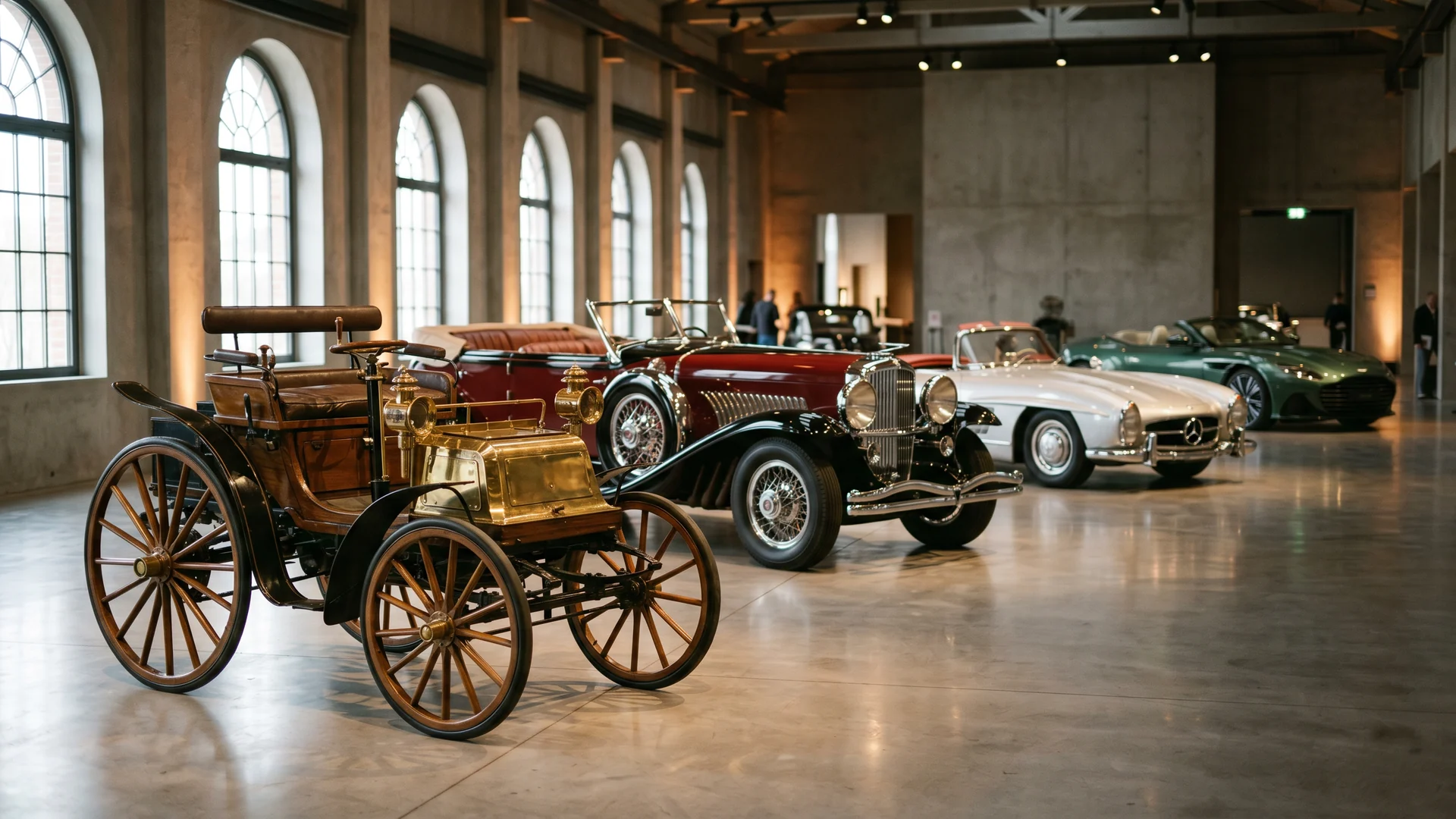
Classic Car History Timeline: From Benz to the Modern Collector Era
Classic car history timeline from the 1886 Benz Patent-Motorwagen through coachbuilding, muscle cars and supercars to modern collectibles. Discover th…