The Silent Divide Between Public and Private Collectors
In recent years, private art collecting has experienced significant growth, emerging as a substantial influence within the art market. Individuals and families increasingly acquire…
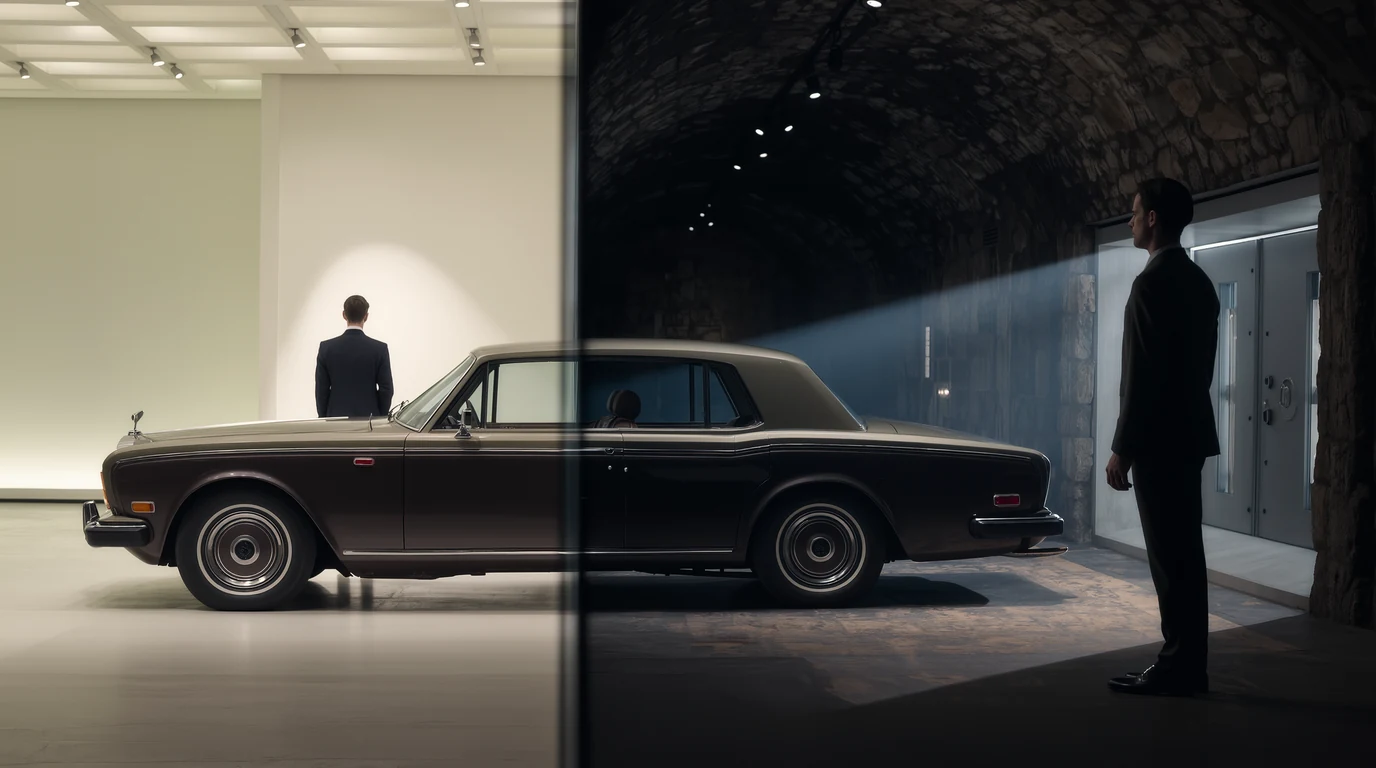
In recent years, private art collecting has experienced significant growth, emerging as a substantial influence within the art market. Individuals and families increasingly acquire artworks, motivated by personal aesthetic preferences, investment potential, and cultural participation. This development indicates a broader cultural shift toward personal ownership and the distinctive stories embedded in artistic works.
The expansion of private collecting is transforming approaches to art appreciation and investment, creating a complex relationship between private collections and public institutions. Private collectors pursue art acquisition for various reasons. Some seek pieces that establish personal connections or reflect their identities, while others approach art primarily as a financial investment vehicle.
This expanding practice not only enhances collectors’ personal environments but also affects the wider art ecosystem, generating both opportunities and challenges for artists, galleries, and cultural institutions. As private collectors become more influential, they increasingly shape artistic directions and market behaviors through their acquisition choices and patronage activities.
Key Takeaways
- Private collecting is increasing, significantly shaping the art market and artistic trends.
- Public collections play a crucial role in preserving cultural heritage and providing broad access to art.
- Public institutions face challenges in acquiring and maintaining artworks due to limited resources.
- Ethical considerations arise around private collecting, including accessibility and cultural responsibility.
- Collaboration between public and private collectors is key to the future of art collecting and bridging accessibility gaps.
The Role of Public Collections in Preserving Cultural Heritage
Public collections serve as vital custodians of cultural heritage, preserving artworks and artifacts for future generations. Museums and galleries curate collections that reflect the history, diversity, and creativity of societies worldwide. These institutions play a crucial role in safeguarding cultural narratives, ensuring that significant works are accessible to the public.
By maintaining these collections, public institutions foster a sense of community and shared identity, allowing individuals to connect with their cultural roots. Moreover, public collections often engage in educational initiatives that promote awareness and appreciation of art. Through exhibitions, workshops, and outreach programs, they provide opportunities for individuals to learn about artistic movements and historical contexts.
This educational aspect is essential for fostering a deeper understanding of art’s role in society and encouraging future generations to appreciate and support cultural heritage.
The Influence of Private Collectors on the Art Market
Private collectors wield considerable influence over the art market, shaping trends and driving demand for specific artists or styles. Their purchasing decisions can elevate emerging artists to prominence or create a resurgence in interest for established figures. As collectors acquire works, they often set benchmarks for pricing and desirability, impacting how galleries and auction houses operate.
This influence can lead to a more vibrant market but also raises questions about accessibility and equity within the art world. Additionally, private collectors often act as patrons for artists, providing financial support that enables them to create new works. This relationship can foster innovation and experimentation in artistic practices.
However, it can also lead to a concentration of power among a few wealthy individuals who dictate market trends. As private collectors continue to shape the art landscape, it is essential to consider the implications of their influence on artistic diversity and accessibility.
Challenges Faced by Public Collections in Acquiring and Maintaining Artworks
Public collections face numerous challenges in acquiring and maintaining artworks. Funding constraints often limit their ability to purchase new pieces or invest in conservation efforts. Many institutions rely on government support or donations, which can fluctuate based on economic conditions or political priorities.
This financial instability can hinder their capacity to expand collections or maintain existing works in optimal condition. Moreover, public collections must navigate complex legal and ethical considerations when acquiring artworks. Issues such as provenance, restitution, and cultural sensitivity can complicate the acquisition process.
Institutions must ensure that they are acquiring works ethically and transparently while also addressing the concerns of communities from which these artworks originate. Balancing these challenges requires strategic planning and collaboration with various stakeholders.
The Impact of Private Collectors on Artistic Trends and Movements
Private collectors significantly impact artistic trends and movements by determining which artists gain visibility and recognition. Their preferences can create waves of interest in specific styles or mediums, influencing galleries’ exhibition choices and auction houses’ sales strategies. As collectors champion particular artists or movements, they can elevate them to new heights, shaping the narrative of contemporary art history.
Furthermore, private collectors often have the resources to support innovative projects that may not receive funding from traditional sources. By commissioning new works or funding exhibitions, they can encourage artists to explore new ideas and push boundaries. This support fosters a dynamic artistic environment where creativity thrives, ultimately enriching the cultural landscape.
Accessibility is a critical consideration when comparing public collections to private collections. Public institutions strive to make art available to everyone, offering free or low-cost admission to exhibitions and educational programs. This commitment to accessibility ensures that diverse audiences can engage with art and culture, fostering a sense of community and shared experience.
In contrast, private collections are often less accessible to the general public. Many private collectors display their artworks in personal spaces or exclusive venues, limiting opportunities for broader engagement. While some collectors may host exhibitions or lend works to public institutions, access remains contingent on individual choices rather than institutional commitments.
This disparity raises important questions about equity in art access and the role of collectors in promoting inclusivity within the art world.
The Ethical Considerations of Private Collecting
The rise of private collecting brings forth several ethical considerations that warrant attention.
Private collectors must be diligent in researching the backgrounds of their acquisitions to avoid perpetuating injustices related to cultural heritage.
Additionally, the motivations behind private collecting can raise ethical questions about commodification versus genuine appreciation for art. When artworks are viewed primarily as financial investments rather than cultural artifacts, it can lead to a disconnect between artists and their audiences. Collectors must navigate these ethical dilemmas thoughtfully, balancing personal interests with a commitment to supporting artists and preserving cultural heritage.
The Contribution of Public Collections to Art Education and Research
Public collections play an essential role in art education and research by providing resources for scholars, students, and enthusiasts alike. Museums often house extensive archives that facilitate academic inquiry into various artistic movements, techniques, and historical contexts. These resources contribute to a deeper understanding of art’s evolution and its impact on society.
Moreover, public institutions frequently collaborate with educational organizations to develop programs that engage diverse audiences in learning about art. Workshops, lectures, and guided tours offer opportunities for individuals to explore artistic practices and cultural histories actively. By fostering an environment of inquiry and exploration, public collections contribute significantly to the ongoing dialogue surrounding art and its relevance in contemporary society.
The Differing Motivations of Public and Private Collectors
The motivations behind public and private collecting often diverge significantly. Public collectors, typically institutions, are driven by a mission to preserve cultural heritage and promote accessibility to art for all. Their focus is on curating collections that reflect diverse narratives while engaging the public through educational initiatives.
In contrast, private collectors may be motivated by personal passion, investment potential, or social status.
Understanding these differing motivations is crucial for navigating the complex relationships between public institutions and private collectors.
The Collaboration and Conflict Between Public and Private Collectors
The relationship between public institutions and private collectors is marked by both collaboration and conflict. On one hand, partnerships can lead to mutually beneficial outcomes, private collectors may lend works for exhibitions or donate pieces to public collections, enriching institutional holdings while enhancing their own reputations. However, conflicts can arise when private interests clash with public missions.
For instance, disagreements over access to artworks or differing priorities regarding conservation can create tension between collectors and institutions. Navigating these complexities requires open communication and a shared commitment to preserving cultural heritage while respecting individual interests.
The Future of Art Collecting: Bridging the Gap between Public and Private Collections
As the landscape of art collecting continues to evolve, bridging the gap between public and private collections will be essential for fostering a more inclusive art world. Collaborative initiatives that encourage dialogue between collectors and institutions can lead to innovative solutions for addressing accessibility challenges while promoting ethical collecting practices. The future may also see increased transparency regarding provenance and ethical considerations within both realms of collecting.
By prioritizing collaboration over competition, public institutions and private collectors can work together to create a more equitable art ecosystem that values diverse voices while preserving cultural heritage for generations to come. In conclusion, the interplay between private collecting and public collections shapes the art world in profound ways. By understanding their respective roles, challenges, and opportunities for collaboration, we can foster a more inclusive environment that celebrates creativity while preserving our shared cultural heritage.
FAQs
What is the main difference between public and private art collectors?
Public art collectors typically acquire works on behalf of institutions such as museums or galleries, making the art accessible to the general public. Private collectors purchase art for personal enjoyment and often keep their collections private or limited to select audiences.
Why is there a divide between public and private collectors?
The divide stems from differing goals and resources. Public collectors focus on education, preservation, and public access, while private collectors may prioritize personal taste, investment, or exclusivity. This can lead to differences in acquisition strategies, transparency, and accessibility.
How does the divide affect the art market?
The divide influences pricing, availability, and visibility of artworks. Private collectors may drive up prices by competing for rare pieces, while public institutions may struggle with limited budgets. This dynamic can impact which artworks are publicly exhibited versus held in private collections.
Are there collaborations between public and private collectors?
Yes, collaborations do occur. Private collectors sometimes loan or donate works to public institutions, and public museums may partner with private collectors for exhibitions or research. These partnerships can help bridge the gap and increase public access to important artworks.
What challenges do public collectors face compared to private collectors?
Public collectors often face budget constraints, bureaucratic processes, and the need to justify acquisitions to stakeholders. They must balance public interest with curatorial goals. Private collectors generally have more flexibility and fewer restrictions but may lack the obligation to share their collections publicly.
How does the divide impact artists?
Artists may experience different opportunities depending on whether their work is acquired by public or private collectors. Public acquisitions can enhance an artist’s reputation and provide broader exposure, while private sales may offer financial benefits but less public visibility.
Can private collections become public?
Yes, private collections can become public through donations, bequests, or the establishment of private museums. Some collectors choose to share their collections with the public to preserve their legacy and contribute to cultural heritage.
What role do ethics play in the relationship between public and private collectors?
Ethical considerations include provenance, transparency, and the impact of acquisitions on cultural heritage. Public institutions are often held to higher ethical standards due to their public trust, while private collectors may face scrutiny regarding the legality and morality of their acquisitions.
How do private collectors influence the market?
What role do public collections play?
What challenges do public institutions face when acquiring works?
More from Blog

The Future of Classic Car Collecting: Trends Shaping the Next Generation
The future of classic car collecting: why 2035 ICE bans spare existing cars, plus e-fuels, shifting demographics, electromods and fractional ownership…

Classic Car Insurance Guide: Protecting Your Vintage Investment
Classic car insurance guide: why agreed-value policies beat stated and actual cash value, how Hagerty, Grundy and Chubb compare, plus costs and covera…

Classic Car History Timeline: From Benz to the Modern Collector Era
Classic car history timeline from the 1886 Benz Patent-Motorwagen through coachbuilding, muscle cars and supercars to modern collectibles. Discover th…