The Silent Collapse Risk Behind Overpriced Luxury Oldtimers
Luxury vintage automobiles possess a distinctive appeal that attracts automotive enthusiasts and collectors worldwide. These historic vehicles embody the craftsmanship, refinement,…
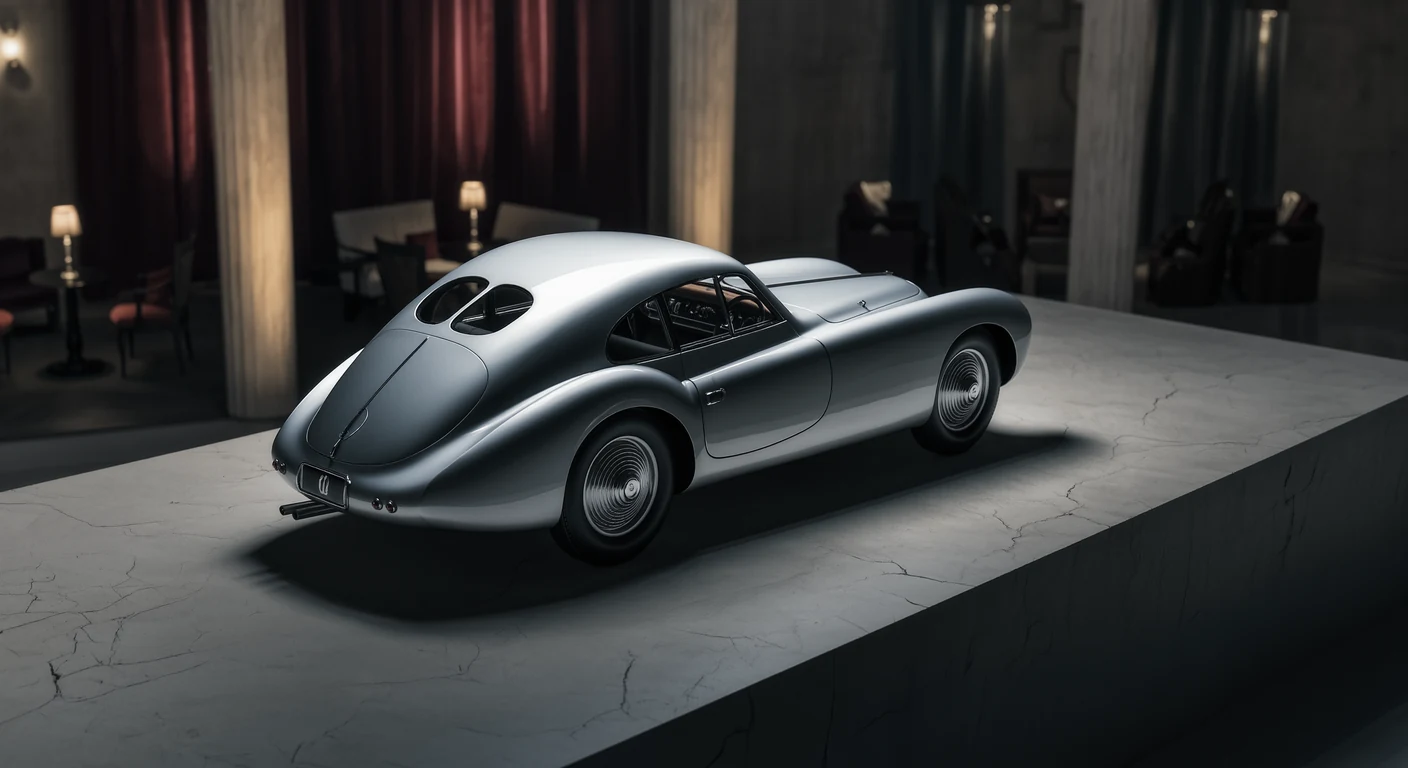
Luxury vintage automobiles possess a distinctive appeal that attracts automotive enthusiasts and collectors worldwide. These historic vehicles embody the craftsmanship, refinement, and design aesthetics of their respective eras. Acquiring a luxury vintage car transcends basic transportation needs, representing an investment in automotive heritage.
Their enduring appeal stems from sophisticated design elements, robust mechanical engineering, and historical significance. Each vehicle carries its own historical context, often connected to important cultural developments, elevating them from mere transportation to significant artifacts of technological achievement. The driving experience offered by luxury vintage automobiles delivers sensations unavailable in contemporary vehicles.
The tactile feedback from mechanical controls, distinctive engine acoustics, and public appreciation create an emotional engagement often absent in modern automobiles. These vehicles frequently evoke historical appreciation and owner satisfaction. They function as indicators of refined taste and financial acumen, typically appreciating in value over time.
However, this distinctive market segment presents specific challenges and considerations that prospective purchasers must carefully evaluate.
Key Takeaways
- Luxury oldtimers are highly desirable but increasingly expensive assets.
- Overpriced luxury oldtimers carry hidden risks, including depreciation and unexpected repair costs.
- Neglect and poor maintenance significantly reduce the value and longevity of oldtimers.
- Finding replacement parts for luxury oldtimers is challenging and costly.
- Insurance plays a crucial role in protecting the investment in overpriced luxury oldtimers amid volatile market trends.
The rising prices of luxury oldtimers
In recent years, the market for luxury oldtimers has seen a significant surge in prices. This increase can be attributed to several factors, including growing demand among collectors and investors who view these vehicles as valuable assets. As more people recognize the potential for appreciation, the competition for high-quality models intensifies, driving prices even higher.
Certain brands and models have become particularly sought after, leading to bidding wars at auctions and private sales. Additionally, the rarity of specific models contributes to their rising prices. Limited production runs and unique features make certain oldtimers highly desirable.
As the pool of available vehicles shrinks due to age and wear, collectors are willing to pay a premium for well-preserved examples. This trend has created a booming market where prices can skyrocket overnight, making it essential for buyers to conduct thorough research before making a purchase.
The hidden risks of overpriced luxury oldtimers
While the allure of luxury oldtimers is undeniable, potential buyers must be aware of the hidden risks associated with overpriced models. One significant concern is the possibility of overpaying for a vehicle that may not hold its value or could even depreciate. In a market driven by emotion and speculation, it’s easy to get swept up in the excitement and overlook critical factors that could affect long-term value.
Another risk involves the condition of the vehicle itself. An overpriced luxury oldtimer may appear pristine on the surface but could have underlying issues that are not immediately visible. Buyers should be cautious of vehicles with questionable histories or those that have undergone extensive modifications, as these factors can impact both performance and resale value.
Conducting a thorough inspection and obtaining a comprehensive vehicle history report is crucial to mitigate these risks.
The impact of neglect on oldtimers
Neglect can have devastating effects on luxury oldtimers, leading to costly repairs and diminished value. These vehicles require regular maintenance to keep them in optimal condition. When owners fail to provide proper care, even minor issues can escalate into significant problems.
For instance, neglecting routine oil changes can lead to engine damage, while ignoring rust can compromise the structural integrity of the vehicle. Moreover, the impact of neglect extends beyond mechanical issues. A poorly maintained luxury oldtimer may suffer from aesthetic deterioration, such as faded paint or worn interiors.
These cosmetic flaws can significantly reduce the vehicle’s appeal and market value. Therefore, it is essential for owners to prioritize maintenance and address any issues promptly to preserve both functionality and aesthetics.
The importance of maintenance for oldtimers
Regular maintenance is vital for ensuring the longevity and performance of luxury oldtimers. Unlike modern vehicles equipped with advanced technology, classic cars often rely on simpler mechanics that require attentive care. Routine tasks such as oil changes, brake inspections, and tire rotations are essential to keep these vehicles running smoothly.
Additionally, maintenance helps prevent minor issues from escalating into major repairs. For example, addressing a small leak early on can save owners from facing a complete engine overhaul later. Furthermore, maintaining detailed service records can enhance the vehicle’s resale value by demonstrating its well-cared-for history to potential buyers.
Investing in regular maintenance not only protects the vehicle but also enhances the overall ownership experience.
The looming threat of depreciation for overpriced luxury oldtimers
While many luxury oldtimers appreciate in value over time, there is always a looming threat of depreciation for overpriced models. Market fluctuations can impact demand and pricing dynamics, leading to potential losses for owners who overpaid initially. Factors such as economic downturns or shifts in collector preferences can significantly affect resale values.
Moreover, certain models may experience rapid depreciation if they fail to meet buyer expectations or if they become less desirable due to changing trends. For instance, vehicles that were once considered iconic may lose their appeal as new generations emerge with different tastes. Therefore, it is crucial for buyers to carefully assess market trends and consider long-term value when investing in luxury oldtimers.
The potential for unexpected repair costs
Owning a luxury oldtimer often comes with unexpected repair costs that can catch owners off guard. While these vehicles are celebrated for their craftsmanship, they are also prone to age-related issues that may require costly repairs. Components such as electrical systems, suspension parts, and engine components may need replacement or refurbishment over time.
Additionally, sourcing parts for older models can be challenging and expensive. Many manufacturers no longer produce specific components, leading owners to rely on aftermarket suppliers or specialty shops that may charge premium prices for hard-to-find parts. It’s essential for prospective buyers to budget for these potential repair costs when considering an investment in a luxury oldtimer.
The challenge of finding replacement parts for oldtimers
Finding replacement parts for luxury oldtimers can be a daunting task for owners and enthusiasts alike. As these vehicles age, manufacturers may discontinue production of specific components, making them increasingly difficult to source. This scarcity can lead to inflated prices for available parts or force owners to settle for subpar alternatives that may not meet original specifications.
Owners may need to seek out experienced mechanics who understand the intricacies of classic cars, further complicating the repair process. Building relationships with reputable suppliers and mechanics who specialize in vintage vehicles can help mitigate these challenges and ensure that owners have access to quality parts when needed.
The impact of market trends on luxury oldtimers
Market trends play a significant role in shaping the landscape of luxury oldtimers. As consumer preferences evolve, certain models may rise or fall in popularity based on factors such as design aesthetics, performance capabilities, or historical significance. Keeping an eye on these trends is essential for collectors looking to make informed investment decisions.
Additionally, external factors such as economic conditions or shifts in automotive technology can influence market dynamics. For instance, as electric vehicles gain traction in the mainstream market, some classic combustion-engine models may see decreased interest from younger buyers. Understanding these trends allows collectors to anticipate changes in demand and adjust their strategies accordingly.
The role of insurance in protecting overpriced luxury oldtimers
Insurance plays a crucial role in protecting investments in overpriced luxury oldtimers. Given their high value and unique characteristics, standard auto insurance policies may not provide adequate coverage for these vehicles. Owners should consider specialized classic car insurance that accounts for factors such as agreed value coverage and restoration costs.
Additionally, maintaining comprehensive documentation of the vehicle’s condition and history can help streamline claims processes in case of damage or theft. Regular appraisals can also ensure that insurance coverage remains aligned with current market values. By investing in appropriate insurance coverage, owners can safeguard their investments against unforeseen events.
The future outlook for overpriced luxury oldtimers
The future outlook for overpriced luxury oldtimers remains uncertain yet promising for dedicated collectors and enthusiasts. While market fluctuations may pose challenges, the enduring appeal of classic cars suggests that well-maintained models will continue to attract interest from buyers seeking unique investments. As younger generations become more involved in car culture, there is potential for renewed interest in vintage vehicles that embody craftsmanship and nostalgia.
However, prospective buyers should remain vigilant about market trends and be prepared for potential fluctuations in value over time. By staying informed and prioritizing maintenance and care, owners can navigate the complexities of the luxury oldtimer market with confidence. In conclusion, while luxury oldtimers offer an alluring blend of history and craftsmanship, they come with inherent risks and challenges that require careful consideration from potential buyers.
Understanding market dynamics, prioritizing maintenance, and securing appropriate insurance coverage are essential steps toward ensuring a rewarding ownership experience in this captivating realm of automotive history.
FAQs
What are luxury oldtimers?
Luxury oldtimers refer to classic or vintage luxury cars that are often highly sought after by collectors and enthusiasts due to their historical value, design, and brand prestige.
Why are some luxury oldtimers considered overpriced?
Some luxury oldtimers are considered overpriced because their market prices have been driven up by speculation, rarity, and demand, sometimes beyond their intrinsic or practical value.
What does “silent collapse risk” mean in the context of luxury oldtimers?
The “silent collapse risk” refers to the potential for a sudden and significant drop in the market value of overpriced luxury oldtimers, which may not be immediately apparent to investors or collectors.
What factors contribute to the risk of a market collapse for luxury oldtimers?
Factors include market speculation, economic downturns, changes in collector preferences, maintenance costs, and the limited liquidity of the classic car market.
How can buyers protect themselves from the collapse risk when purchasing luxury oldtimers?
Buyers can conduct thorough research, seek expert appraisals, consider the car’s condition and provenance, avoid speculative purchases, and be aware of market trends.
Are all luxury oldtimers at risk of a price collapse?
Not all luxury oldtimers are at risk; those with genuine historical significance, excellent condition, and strong demand tend to hold value better than others.
What role do market trends play in the valuation of luxury oldtimers?
Market trends influence demand and pricing; shifts in collector interest, economic conditions, and cultural factors can cause prices to rise or fall.
Is investing in luxury oldtimers a safe financial decision?
Investing in luxury oldtimers carries risks similar to other collectibles, including market volatility and liquidity issues, so it should be approached with caution and as part of a diversified portfolio.
How does maintenance affect the value of luxury oldtimers?
Proper maintenance preserves the car’s condition and authenticity, which is crucial for retaining or increasing its value; neglect can lead to depreciation.
Where can one find reliable information about the value of luxury oldtimers?
Reliable information can be found through classic car auctions, expert appraisers, collector clubs, specialized publications, and market analysis reports.
More from Blog
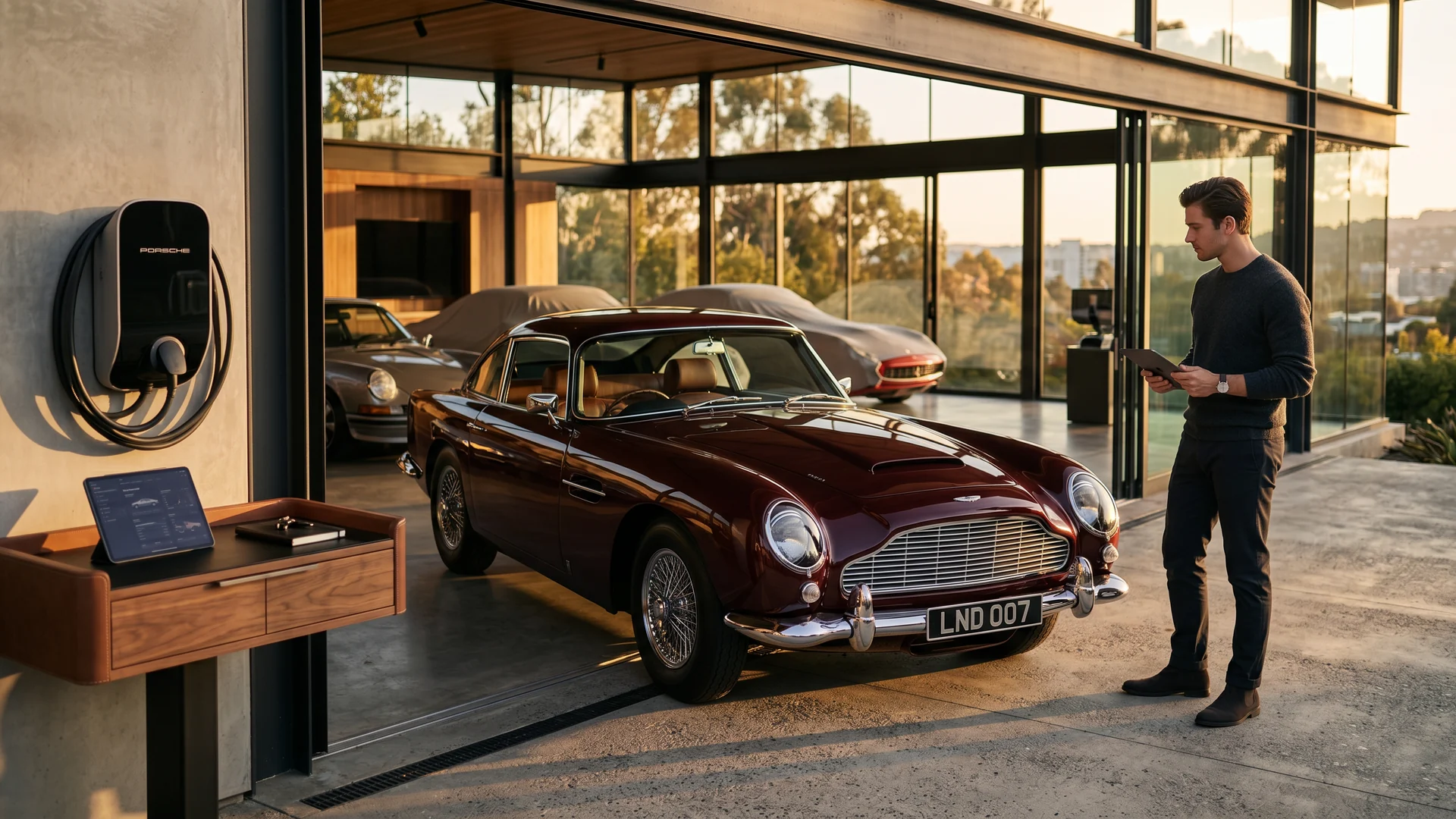
The Future of Classic Car Collecting: Trends Shaping the Next Generation
The future of classic car collecting: why 2035 ICE bans spare existing cars, plus e-fuels, shifting demographics, electromods and fractional ownership…
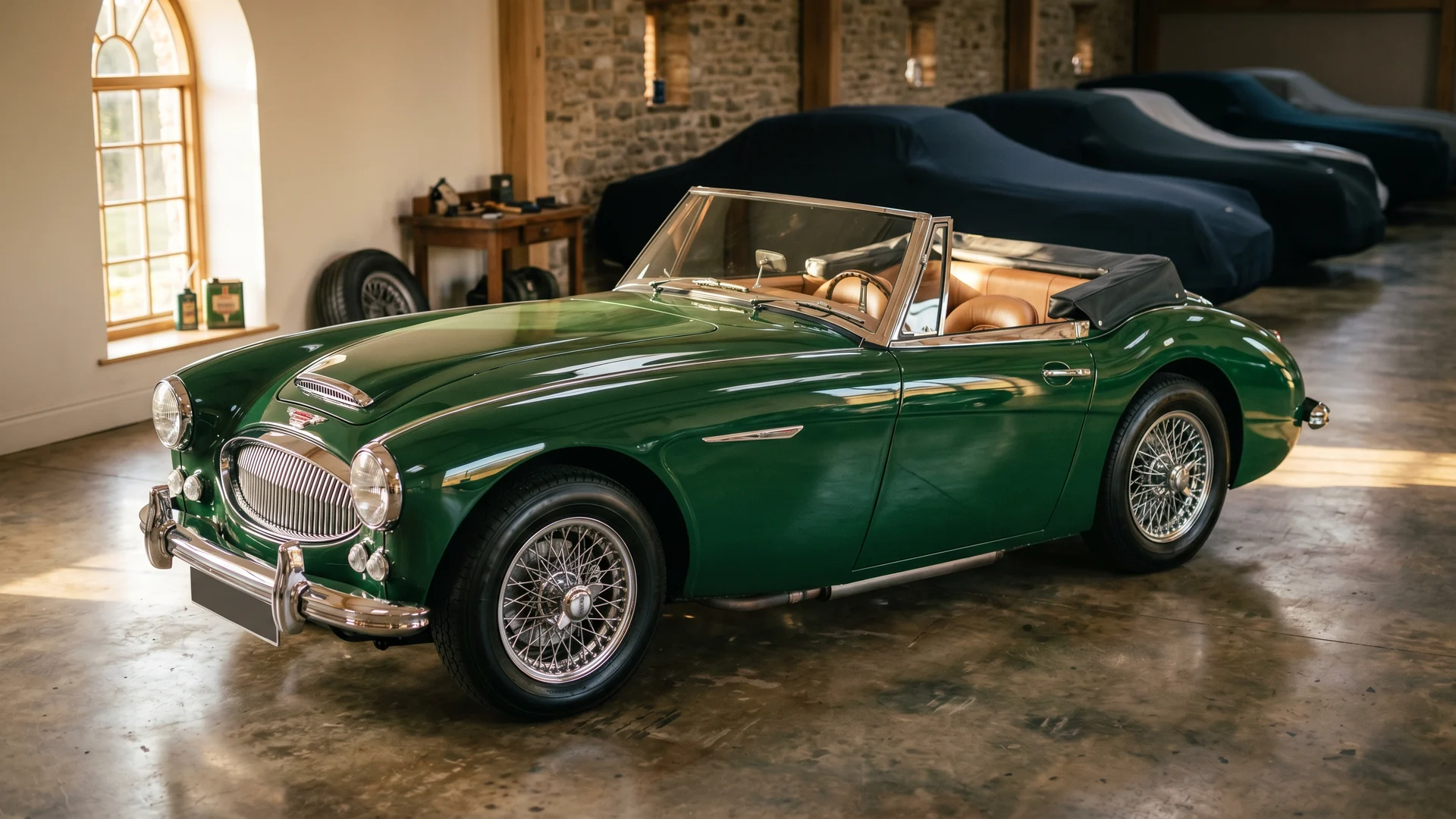
Classic Car Insurance Guide: Protecting Your Vintage Investment
Classic car insurance guide: why agreed-value policies beat stated and actual cash value, how Hagerty, Grundy and Chubb compare, plus costs and covera…
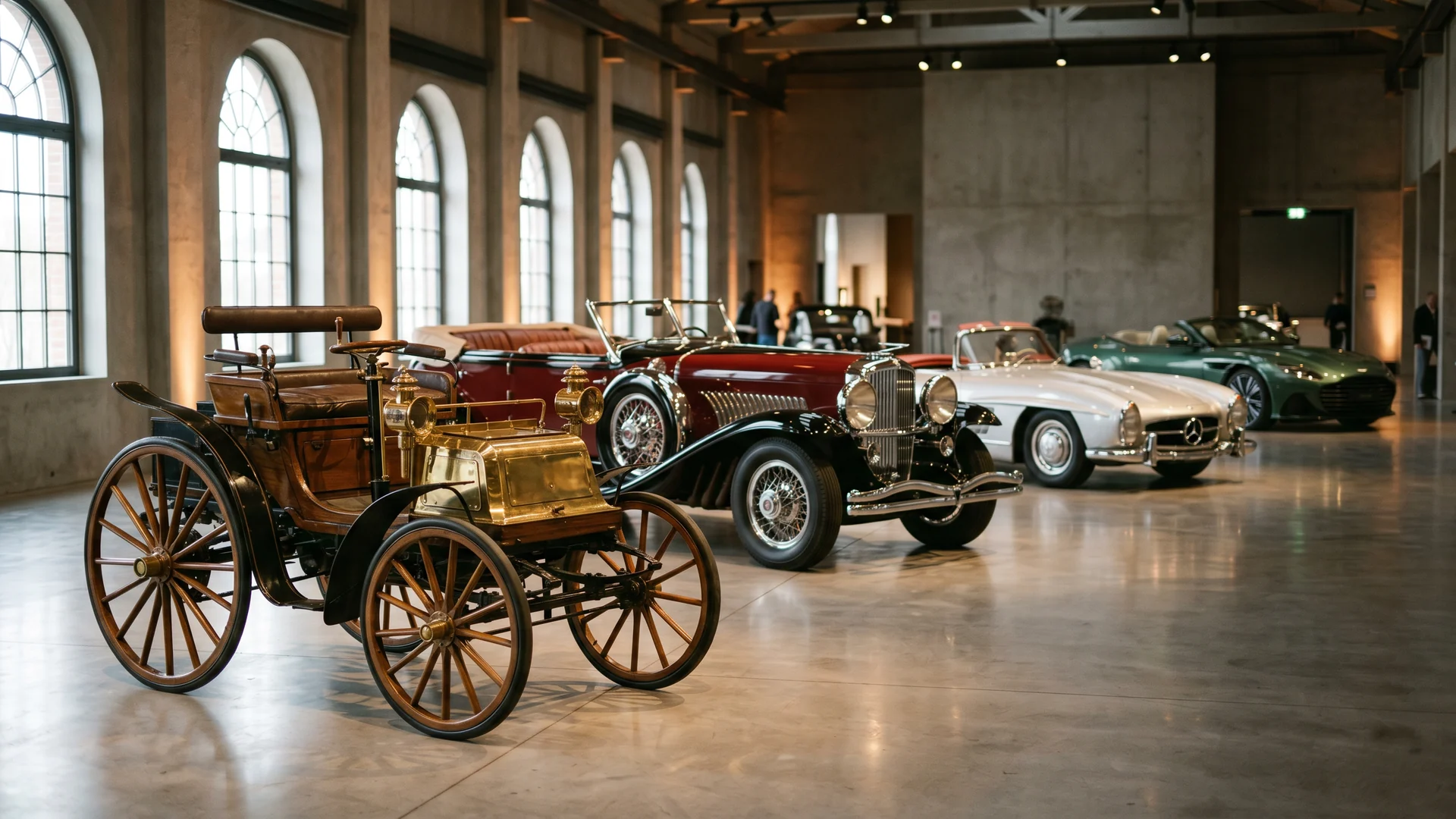
Classic Car History Timeline: From Benz to the Modern Collector Era
Classic car history timeline from the 1886 Benz Patent-Motorwagen through coachbuilding, muscle cars and supercars to modern collectibles. Discover th…