The Silent War Between Private Classic Car Collectors
In recent years, the world of classic car collecting has witnessed a remarkable surge in interest, particularly among private collectors. This rise can be attributed to a combinati…
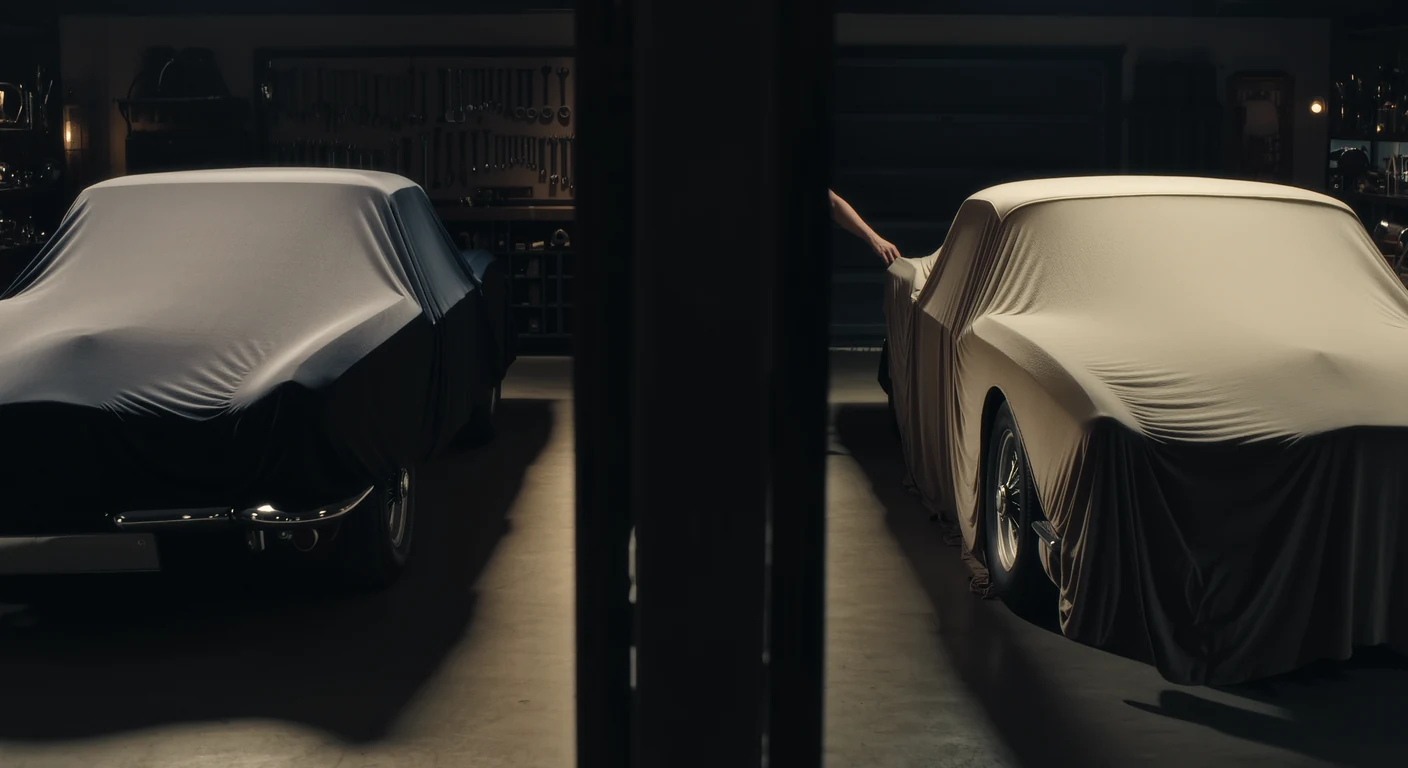
In recent years, the world of classic car collecting has witnessed a remarkable surge in interest, particularly among private collectors. This rise can be attributed to a combination of factors, including the growing appreciation for automotive history and the desire for unique investments. As more individuals seek to own a piece of history, the allure of classic cars has become irresistible.
Collectors are not just purchasing vehicles; they are acquiring stories, craftsmanship, and a sense of nostalgia that modern cars often lack. The demographic of classic car collectors has also evolved. Once dominated by older enthusiasts, the market is now attracting younger buyers who are eager to invest in vintage automobiles.
This shift has led to a diversification of the types of cars being collected, with a focus on models that resonate with personal experiences or cultural significance. As a result, private classic car collectors are not only preserving automotive heritage but also shaping the future of the industry.
Key Takeaways
- Private classic car collecting has grown significantly, driven by enthusiasts seeking rare and unique vehicles.
- Wealth and status heavily influence the competitive and secretive nature of the classic car market.
- Auctions and private sales play a crucial role in acquiring and trading prized classic cars.
- Maintaining and restoring classic cars presents ongoing challenges requiring expertise and resources.
- Networking, legal considerations, and emerging technologies shape the future landscape of classic car collecting.
The Competitive Nature of Classic Car Collecting
Classic car collecting is inherently competitive, with collectors vying for the most coveted models and rarest finds. This competition can drive prices to astronomical levels, especially for vehicles with unique histories or limited production runs. Collectors often find themselves in bidding wars at auctions or negotiating fiercely in private sales, as the desire to own a prized vehicle can lead to heated exchanges.
Moreover, the competitive nature of this hobby fosters a sense of community among collectors. Many enthusiasts attend car shows, auctions, and events where they can showcase their collections and connect with like-minded individuals. This camaraderie can lead to valuable exchanges of information and tips on sourcing rare vehicles, enhancing the overall experience of collecting.
However, it also means that collectors must stay informed about market trends and be prepared to act quickly when opportunities arise.
The Quest for Rare and Unique Vehicles
For many classic car collectors, the thrill lies in the quest for rare and unique vehicles. These cars often come with fascinating backstories, making them even more desirable. Collectors may spend years searching for a specific model or variant that holds personal significance or represents a pivotal moment in automotive history.
This pursuit can be both exhilarating and frustrating, as the rarity of certain vehicles means they are not always readily available. The search for unique vehicles often leads collectors to explore unconventional avenues. Some may scour online marketplaces, while others might attend estate sales or connect with fellow enthusiasts to uncover hidden gems.
The journey itself becomes part of the collecting experience, as each discovery adds to the collector’s narrative and deepens their appreciation for automotive craftsmanship.
The Influence of Wealth and Status in the Classic Car Collecting World
Wealth and status play significant roles in the classic car collecting landscape. High-net-worth individuals often dominate this space, as they have the financial means to acquire rare vehicles that may be out of reach for average collectors. This dynamic can create an exclusive atmosphere where only those with substantial resources can participate fully in the market.
However, wealth does not always guarantee success in collecting. Knowledge and passion are equally important factors that can determine a collector’s ability to build a valuable collection. While affluent collectors may have access to exclusive auctions and private sales, those who invest time in research and networking can still find remarkable vehicles at more accessible price points.
Ultimately, the interplay between wealth and knowledge shapes the classic car collecting community.
The Secretive Nature of Private Classic Car Collections
Private classic car collections often operate under a veil of secrecy, with many collectors choosing to keep their prized possessions hidden from public view. This discretion can stem from various reasons, including a desire for privacy or the fear of theft. Some collectors prefer to maintain an air of mystery around their collections, which can enhance their status within the community.
The secretive nature of these collections can also create intrigue among enthusiasts. Stories circulate about hidden treasures waiting to be discovered, fueling the excitement surrounding classic car collecting. While some collectors may share glimpses of their vehicles through social media or at events, many prefer to keep their collections private, adding an element of exclusivity that further elevates their status among peers.
The Role of Auctions and Private Sales in the Classic Car Market
Auctions and private sales are pivotal components of the classic car market, providing platforms for collectors to buy and sell vehicles. Auctions often attract significant attention, with high-profile events featuring rare cars that can fetch millions of dollars. These events create a sense of urgency and excitement, as bidders compete for coveted models in real-time.
Private sales offer a different dynamic, allowing for more personalized transactions between buyers and sellers. These deals can be less publicized but equally important in shaping collections. Many collectors prefer private sales for their discretion and potential for negotiation.
Whether through auctions or private transactions, these avenues play crucial roles in determining market values and trends within the classic car community.
The Impact of Technology on Classic Car Collecting
Technology has transformed classic car collecting in numerous ways, making it easier for enthusiasts to connect and share information. Online marketplaces have emerged as valuable resources for buyers and sellers alike, allowing collectors to browse listings from around the world without leaving their homes. This accessibility has broadened the market and introduced new players into the field.
Social media platforms have also played a significant role in fostering community among collectors. Enthusiasts can share their collections, seek advice, and connect with others who share their passion.
The Challenges of Maintaining and Restoring Classic Cars
While owning a classic car can be rewarding, it also comes with its share of challenges. Maintenance and restoration require significant time, effort, and financial investment. Classic cars often need specialized care due to their age and unique components, making it essential for collectors to find skilled mechanics who understand vintage vehicles.
Restoration projects can be particularly daunting, as they may involve sourcing rare parts or replicating original features. Collectors must weigh the costs against potential increases in value when deciding whether to restore a vehicle or leave it in its original condition. Balancing preservation with personal preferences is crucial for maintaining the integrity of classic cars while ensuring they remain roadworthy.
The Importance of Networking and Connections in the Classic Car Community
Networking is vital in the classic car community, as connections can lead to valuable opportunities for collectors. Building relationships with fellow enthusiasts, dealers, and industry experts can provide insights into market trends and access to rare vehicles that may not be publicly listed. Many successful collectors emphasize the importance of attending events and engaging with others who share their passion.
Additionally, networking can facilitate knowledge sharing among collectors. Experienced enthusiasts often mentor newcomers, offering guidance on sourcing vehicles, restoration techniques, and market dynamics. This collaborative spirit strengthens the community and fosters a culture of support that benefits all involved.
The Legal and Ethical Issues Surrounding Classic Car Collecting
Classic car collecting is not without its legal and ethical challenges. Issues such as provenance verification, title disputes, and concerns over stolen vehicles can complicate transactions. Collectors must conduct thorough research to ensure that their acquisitions are legitimate and free from legal entanglements.
Ethical considerations also come into play when it comes to restoration practices and sourcing parts.
Engaging with reputable dealers and restoration experts can help mitigate these risks and ensure that collectors uphold ethical standards within the community.
The Future of Private Classic Car Collecting
The future of private classic car collecting appears bright as interest continues to grow among diverse demographics. As younger generations become more involved in this hobby, we may see shifts in collecting trends that reflect contemporary values and preferences. Electric conversions of classic cars are gaining traction as sustainability becomes a priority for many enthusiasts.
Moreover, advancements in technology will likely continue to shape how collectors engage with one another and acquire vehicles. Online platforms will evolve further, providing even more resources for buyers and sellers alike. As the classic car community adapts to changing times while preserving its rich heritage, it remains an exciting space filled with passion and opportunity for both seasoned collectors and newcomers alike.
In conclusion, private classic car collecting is a multifaceted hobby that combines passion with investment potential. As collectors navigate challenges ranging from competition to legal issues, they also enjoy unique opportunities for connection and discovery within this vibrant community. Whether you’re an experienced collector or just starting your journey, embracing the nuances of this world will enrich your experience as you pursue your automotive dreams.
FAQs
What is the “silent war” among private classic car collectors?
The “silent war” refers to the intense but discreet competition and rivalry between private collectors of classic cars. This competition often involves acquiring rare vehicles, maintaining exclusivity, and sometimes disputes over provenance or authenticity.
Why do private classic car collectors compete with each other?
Collectors compete to own the rarest, most valuable, or historically significant classic cars. This competition can be driven by personal passion, investment potential, prestige, and the desire to build the most impressive collection.
How do collectors acquire rare classic cars?
Collectors acquire rare classic cars through auctions, private sales, estate sales, and sometimes directly from manufacturers or restorers. Networking within the collector community also plays a significant role in finding and securing unique vehicles.
What challenges do private classic car collectors face?
Challenges include verifying the authenticity and provenance of vehicles, maintaining and restoring cars to original condition, dealing with high acquisition and maintenance costs, and navigating legal or ownership disputes.
How do collectors maintain the value of their classic cars?
Collectors maintain value by preserving originality, performing careful restorations, storing cars in controlled environments, documenting provenance, and sometimes limiting the use of the vehicles to prevent wear and tear.
Are there legal issues involved in classic car collecting?
Yes, legal issues can arise related to ownership disputes, import/export regulations, title authenticity, and compliance with local laws regarding vehicle registration and emissions.
What role do auctions play in the classic car collector community?
Auctions are a primary marketplace for buying and selling classic cars. They provide transparency in pricing, access to rare vehicles, and opportunities for collectors to compete for prized automobiles.
How does the classic car market impact the “silent war”?
Market trends, such as rising prices for certain models or shifts in collector interest, can intensify competition. Economic factors and market speculation also influence how aggressively collectors pursue acquisitions.
Can classic car collecting be considered an investment?
Yes, many collectors view classic cars as alternative investments. However, the market can be volatile, and factors like condition, rarity, and historical significance heavily influence value.
What is the importance of provenance in classic car collecting?
Provenance, or the documented history of a vehicle, is crucial for establishing authenticity, value, and desirability. Well-documented provenance can significantly increase a car’s market value and collector interest.
More from Blog
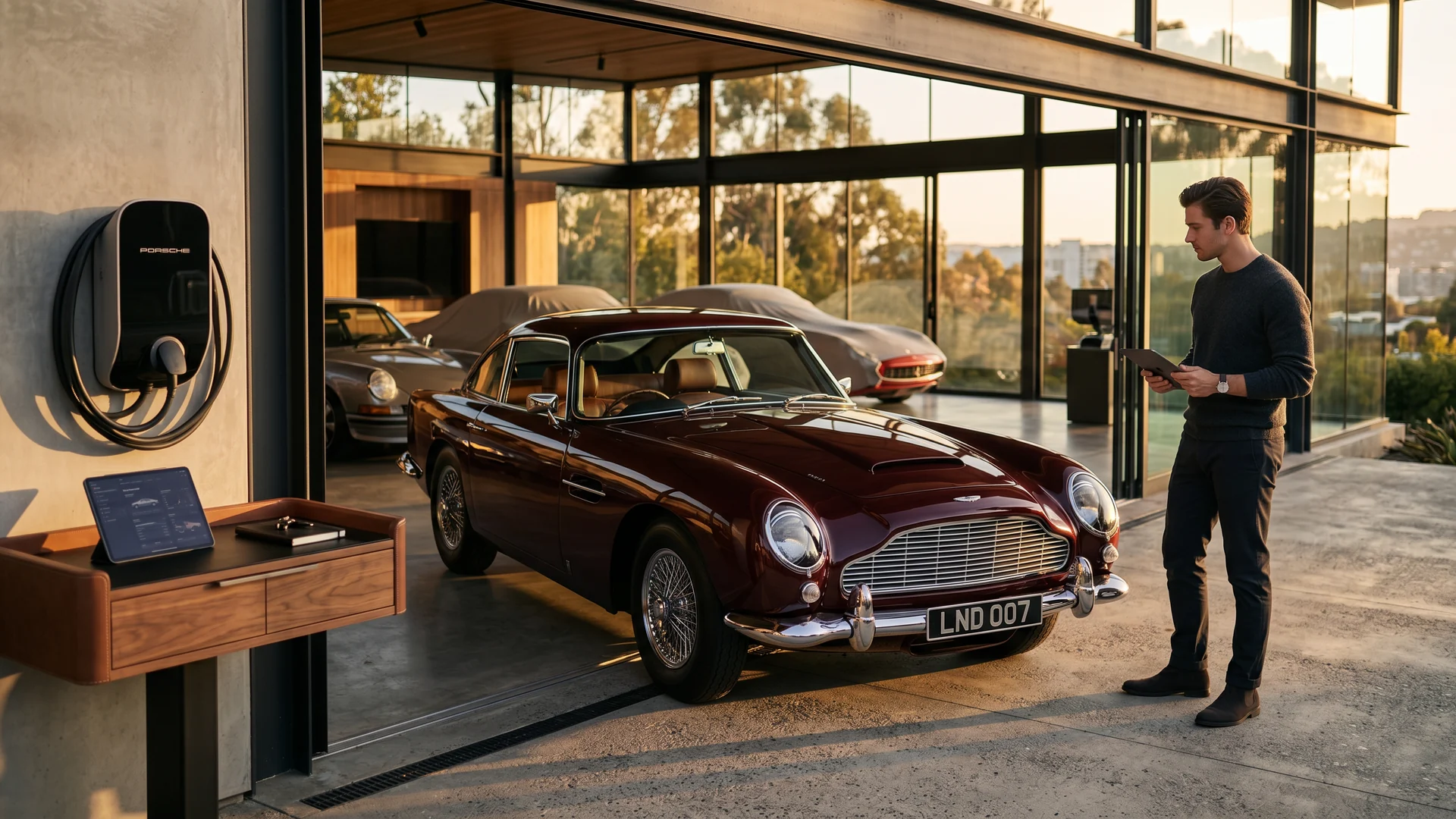
The Future of Classic Car Collecting: Trends Shaping the Next Generation
The future of classic car collecting: why 2035 ICE bans spare existing cars, plus e-fuels, shifting demographics, electromods and fractional ownership…
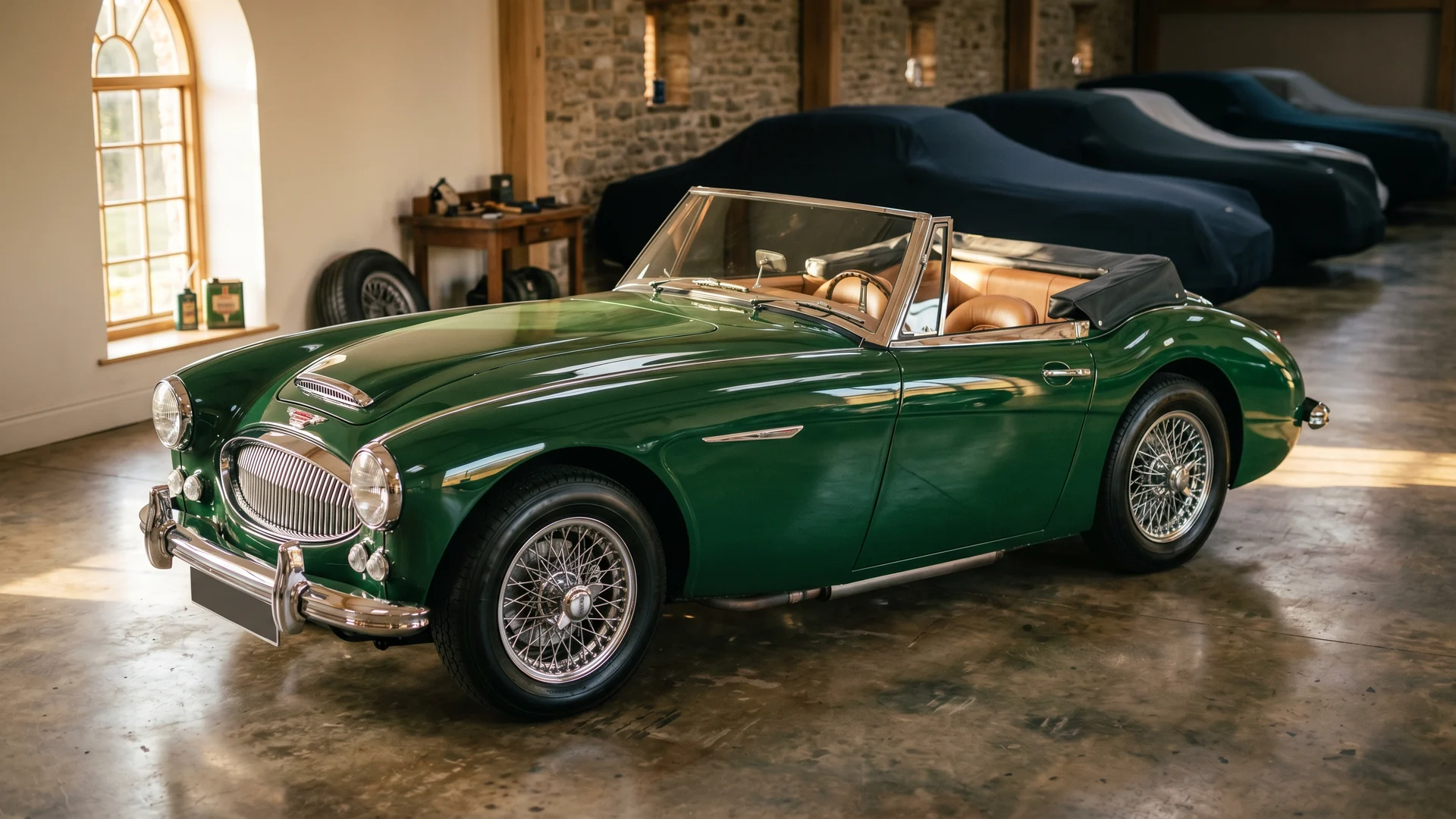
Classic Car Insurance Guide: Protecting Your Vintage Investment
Classic car insurance guide: why agreed-value policies beat stated and actual cash value, how Hagerty, Grundy and Chubb compare, plus costs and covera…
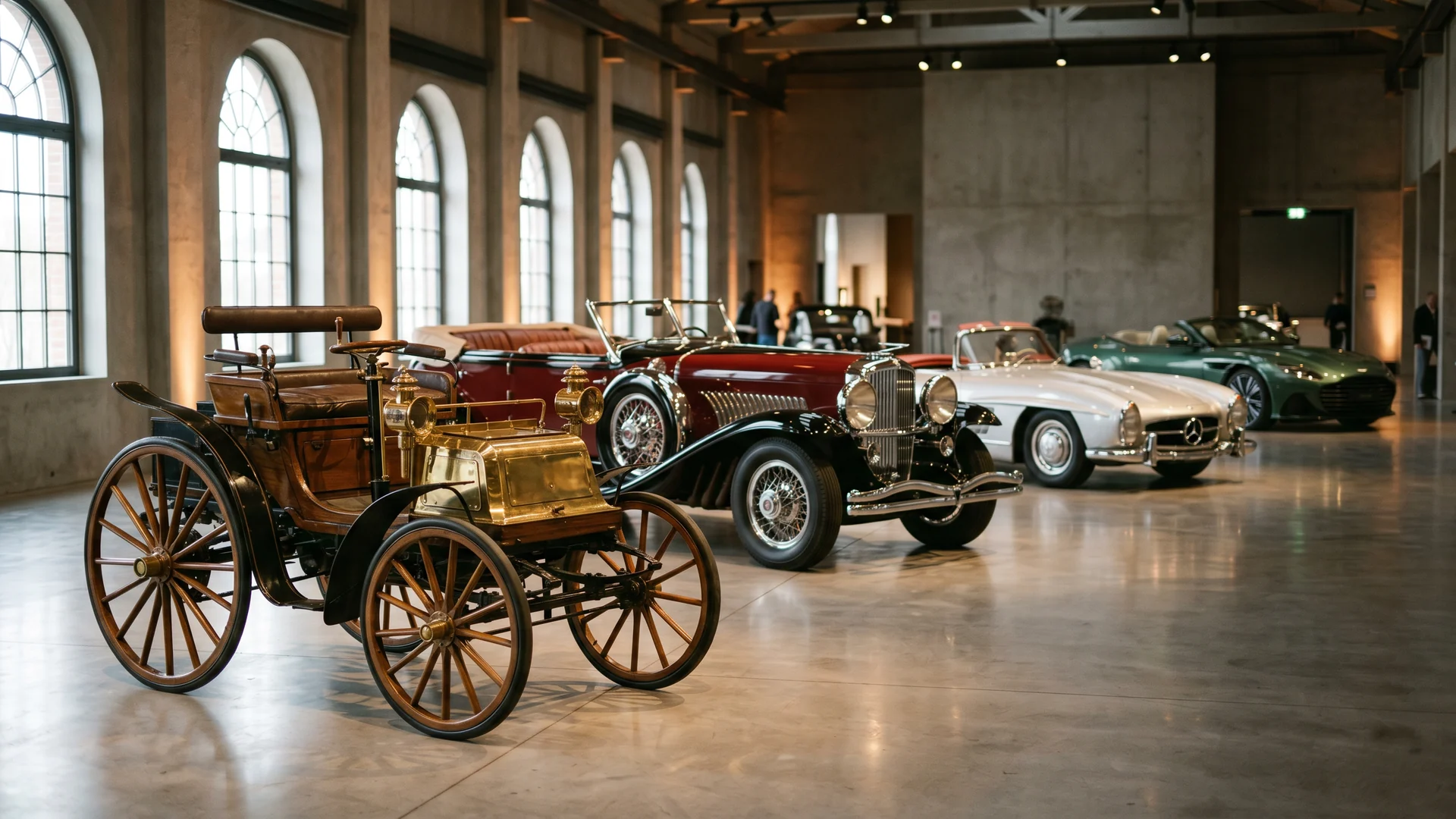
Classic Car History Timeline: From Benz to the Modern Collector Era
Classic car history timeline from the 1886 Benz Patent-Motorwagen through coachbuilding, muscle cars and supercars to modern collectibles. Discover th…