The Secret Reason Collectors Avoid Fully Restored Classics
In contemporary markets dominated by mass production, authentic items hold significant appeal for collectors and enthusiasts. Authentic pieces possess historical provenance that co…
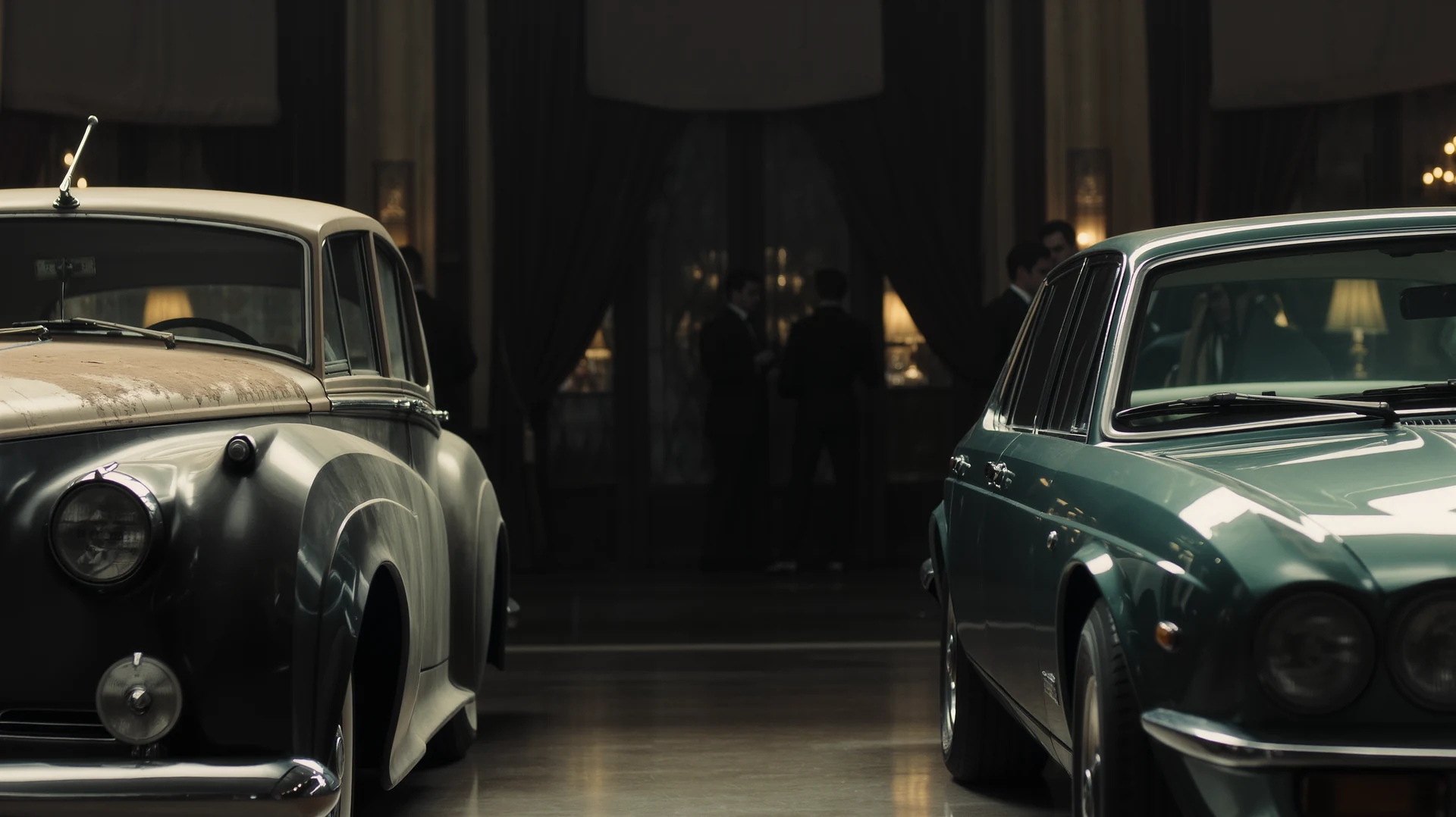
In contemporary markets dominated by mass production, authentic items hold significant appeal for collectors and enthusiasts. Authentic pieces possess historical provenance that connects owners to specific time periods and cultural contexts. Items such as vintage timepieces, classic automobiles, and antique furniture derive their value from verified authenticity, which establishes both trust and market worth.
Ownership of authentic items represents acquisition of historically significant objects that have maintained their original characteristics over time. This historical significance drives demand among collectors who value genuine articles for their documented heritage and cultural importance. Authenticity provides insight into traditional craftsmanship methods and manufacturing techniques.
Authentic pieces demonstrate the skills and methods employed by their original creators, often showcasing production techniques that differ significantly from contemporary manufacturing processes. This connection to historical artisanship adds contextual value to items beyond their functional or aesthetic properties. Collectors frequently research the background and provenance of authentic pieces, which enhances their understanding of the item’s historical and cultural significance.
The appeal of authenticity encompasses both the physical object and its documented history and cultural context.
Key Takeaways
- Authenticity and originality are highly valued in collecting and restoration.
- The process of hunting and restoring items brings excitement and satisfaction.
- Imperfections and patina add nostalgic and historical appeal.
- Over-restoration can diminish the true value and character of a piece.
- Ownership fosters a deep connection to history and personal pride.
The thrill of the hunt
The thrill of the hunt is an exhilarating experience that many collectors cherish. Scouring flea markets, estate sales, and online auctions for hidden gems can be both challenging and rewarding. Each search is an adventure filled with anticipation and excitement, as you never know what treasures await you.
This pursuit is not merely about acquiring items; it’s about the joy of discovery and the satisfaction that comes from finding something truly unique. The thrill lies in the unpredictability of each hunt, where every corner turned could lead to an unexpected find. Moreover, the thrill of the hunt fosters a sense of community among collectors.
Sharing tips, experiences, and discoveries with fellow enthusiasts creates bonds that transcend geographical boundaries. Online forums and social media groups allow collectors to connect, exchange stories, and celebrate each other’s finds. This camaraderie enhances the overall experience, making the hunt not just a solitary endeavor but a shared passion.
The thrill of the hunt is an integral part of collecting, transforming it into an engaging and dynamic journey.
The satisfaction of restoration
Restoration is an art form in itself, offering immense satisfaction to those who engage in it. Breathing new life into a worn-out piece can be incredibly fulfilling, as it allows you to witness the transformation firsthand. Whether it’s refinishing a vintage chair or repairing a classic car, restoration requires patience, skill, and creativity.
The process can be labor-intensive, but the end result is often worth every ounce of effort. There’s something profoundly rewarding about taking an item that has seen better days and restoring it to its former glory. Additionally, restoration provides an opportunity for personal expression.
Each restoration project is unique, allowing you to make choices that reflect your style and vision. You can decide on colors, finishes, and techniques that resonate with you, creating a piece that is not only restored but also personalized. This creative aspect adds another layer of satisfaction to the process, as you can take pride in knowing that your touch has contributed to the item’s revival.
The satisfaction of restoration goes beyond aesthetics; it’s about creating something meaningful and enduring.
The value of originality
Originality holds significant value in the world of collecting. An original piece often commands higher prices and greater respect than reproductions or imitations. Collectors understand that originality signifies authenticity and integrity, making it a crucial factor in determining an item’s worth.
Original pieces often come with provenance, documentation that traces their history, which further enhances their value. This emphasis on originality ensures that collectors are investing in items that are not only beautiful but also historically significant. Moreover, original pieces often showcase unique characteristics that cannot be replicated.
The imperfections and nuances found in original items tell a story that mass-produced counterparts simply cannot match. These distinctive features contribute to the charm and appeal of originality, making each piece one-of-a-kind. Collectors are drawn to these unique attributes, as they add depth and character to their collections.
The value of originality lies not just in monetary terms but also in the emotional connection it fosters between collectors and their cherished items.
The fear of over-restoration
While restoration can be gratifying, there exists a fine line between rejuvenation and over-restoration. Many collectors harbor a fear of over-restoration, an excessive alteration that strips away the character and history of an item. Over-restoration can lead to a loss of authenticity, diminishing the very qualities that make a piece valuable.
This concern is particularly prevalent among collectors who appreciate the beauty of age and wear; they understand that imperfections often tell a story that should not be erased. To navigate this delicate balance, collectors must approach restoration with care and respect for the item’s original state. It’s essential to consider what aspects are worth preserving and which can be improved without compromising authenticity.
Engaging with experienced restorers who understand this philosophy can help mitigate the risk of over-restoration.
The appeal of imperfections
Imperfections hold a unique appeal in the world of collecting. Rather than detracting from an item’s value, they often enhance it by adding character and depth. A vintage piece with scratches or patina tells a story, a narrative of its journey through time that resonates with collectors on an emotional level.
These imperfections serve as reminders of the item’s history, making it more relatable and cherished. In many cases, collectors actively seek out pieces with imperfections because they appreciate the authenticity they represent. Furthermore, embracing imperfections fosters a sense of connection between collectors and their items.
Each flaw becomes a point of interest, sparking conversations about where the piece has been and what it has experienced. This connection deepens the collector’s appreciation for their items, transforming them from mere possessions into treasured artifacts with rich histories. The appeal of imperfections lies in their ability to evoke nostalgia and create meaningful connections between people and their collections.
The nostalgia of patina
Patina is often celebrated for its nostalgic qualities, evoking memories of times gone by. The natural aging process creates a unique surface on items, be it furniture, metalwork, or leather, that tells a story through its color and texture. Collectors often find themselves drawn to patina because it signifies authenticity and history; it’s a visual representation of an item’s journey through time.
This nostalgic quality resonates deeply with those who appreciate the beauty found in age. Moreover, patina adds depth to an item’s aesthetic appeal. The variations in color and texture create visual interest that cannot be replicated through modern finishes or treatments.
Collectors often find themselves captivated by these nuances, as they reflect the passage of time in a way that is both beautiful and meaningful. The nostalgia of patina transforms ordinary objects into extraordinary pieces filled with character and charm, an essential aspect of collecting for many enthusiasts.
The authenticity of history
The authenticity of history plays a pivotal role in the world of collecting. Each piece carries with it a narrative, a glimpse into the past that enriches our understanding of different eras and cultures. Collectors are often motivated by this historical significance; they seek out items that provide insight into human experiences across time.
Owning such pieces allows individuals to connect with history on a personal level, fostering appreciation for the stories behind them. Additionally, authentic historical items serve as tangible links to our collective heritage. They remind us of our roots and offer perspectives on how society has evolved over time.
Collectors often take pride in preserving these artifacts for future generations, ensuring that history remains alive and accessible. The authenticity of history is not just about ownership; it’s about stewardship, an opportunity to honor the past while sharing its significance with others.
The uniqueness of each piece
Every collectible item possesses its own unique qualities that set it apart from others. This uniqueness is what makes collecting so appealing; no two pieces are exactly alike, even if they belong to the same category or era. Variations in design, craftsmanship, and condition contribute to each item’s individuality, creating a sense of exclusivity for collectors.
This uniqueness fosters pride among owners who appreciate having something truly special in their collections. Moreover, unique pieces often spark curiosity and conversation among enthusiasts. Collectors enjoy sharing stories about their finds, what makes them special or how they came into their possession, creating connections within the community.
This sense of individuality enhances the overall experience of collecting; it transforms each item into more than just an object but rather a cherished part of one’s personal narrative.
The connection to the past
Collecting offers individuals a profound connection to the past, a bridge between generations that transcends time and space. Each item serves as a reminder of historical events, cultural shifts, or artistic movements that have shaped our world today. For many collectors, this connection is deeply meaningful; it allows them to engage with history in ways that textbooks cannot convey.
Owning artifacts from different eras fosters appreciation for our shared heritage while igniting curiosity about how we arrived at our present. Additionally, this connection extends beyond mere ownership; it encourages exploration and learning about various cultures and traditions associated with collected items. Many collectors invest time researching their pieces’ origins, uncovering stories behind them that enrich their understanding further still.
This journey into history creates lasting bonds between collectors and their items while fostering respect for those who came before us.
The pride of ownership
The pride of ownership is perhaps one of the most rewarding aspects of collecting authentic pieces. When you possess something unique, whether it’s an antique vase or a vintage guitar, you carry with you not just an object but also its story and significance within your life narrative. This pride manifests itself in various ways: showcasing your collection at home or sharing your finds with fellow enthusiasts creates opportunities for connection while celebrating your passion.
Moreover, owning authentic pieces often instills confidence in collectors as they navigate conversations about art history or craftsmanship techniques associated with their items’ origins, transforming them into knowledgeable advocates for preservation efforts within their communities too! Ultimately, this pride reinforces why so many individuals dedicate themselves wholeheartedly to collecting: it’s about more than just acquiring objects; it’s about cherishing memories tied closely together through time itself. In conclusion, collecting authentic pieces offers individuals an enriching experience filled with excitement, nostalgia, connection, and above all else, a sense of pride rooted deeply within each unique artifact they hold dear!
FAQs
Why do some collectors avoid fully restored classic cars?
Many collectors avoid fully restored classic cars because they often prefer originality and authenticity. Fully restored vehicles may have replaced or altered original parts, which can reduce the car’s historical value and appeal to purists.
What is meant by a “fully restored” classic car?
A fully restored classic car is one that has undergone extensive refurbishment to return it to like-new condition. This process can include repainting, replacing mechanical parts, reupholstering interiors, and other cosmetic and functional repairs.
How does restoration affect the value of a classic car?
Restoration can both increase and decrease a classic car’s value depending on the quality and authenticity of the work. Poor or non-original restorations may lower value, while high-quality, period-correct restorations can enhance it. However, some collectors value original, unrestored cars more highly.
What do collectors mean by “originality” in classic cars?
Originality refers to how much of the car’s original components, paint, and features remain intact and unaltered. Collectors often seek cars with original engines, interiors, and bodywork, as these elements preserve the vehicle’s historical integrity.
Are there risks associated with fully restoring a classic car?
Yes, risks include over-restoration, which can strip away original features, and the use of non-authentic parts or materials. These factors can diminish the car’s authenticity and desirability among collectors.
Can a classic car be both restored and valuable?
Yes, if the restoration is done carefully using original or period-correct parts and techniques, a restored classic car can be highly valuable. The key is maintaining authenticity and respecting the car’s historical significance.
Why might some collectors prefer “patina” or unrestored cars?
Some collectors appreciate the natural aging, wear, and imperfections known as “patina” because it tells the car’s unique story and history. Unrestored cars with patina are often seen as more genuine and can be rarer than fully restored examples.
How can a collector verify the authenticity of a restored classic car?
Collectors can verify authenticity by reviewing documentation such as build sheets, service records, and restoration receipts. Consulting experts, appraisers, or classic car clubs can also help confirm the originality and quality of a restoration.
More from Blog
The Future of Classic Car Collecting: Trends Shaping the Next Generation
The future of classic car collecting: why 2035 ICE bans spare existing cars, plus e-fuels, shifting demographics, electromods and fractional ownership…
Classic Car Insurance Guide: Protecting Your Vintage Investment
Classic car insurance guide: why agreed-value policies beat stated and actual cash value, how Hagerty, Grundy and Chubb compare, plus costs and covera…
Classic Car History Timeline: From Benz to the Modern Collector Era
Classic car history timeline from the 1886 Benz Patent-Motorwagen through coachbuilding, muscle cars and supercars to modern collectibles. Discover th…