The Role of Secrecy in High-End Oldtimer Transactions
In the high-end classic car market, confidentiality serves several important functions. Classic automobiles represent significant financial investments, collectible assets, and sta…

In the high-end classic car market, confidentiality serves several important functions. Classic automobiles represent significant financial investments, collectible assets, and status symbols. Many participants in this market prefer private transactions to protect their financial information and personal privacy.
Confidential dealings enable negotiations to proceed without external market pressures or public attention, which can influence pricing and transaction outcomes. Confidentiality also serves broader market stability purposes. When transactions remain private, it reduces the potential for market manipulation and excessive speculation.
This is particularly relevant in the classic car market, where values can experience significant volatility based on public perception, media coverage, and perceived demand trends. Private transactions help ensure that pricing reflects genuine market conditions rather than artificial influences, contributing to overall market stability and protecting the interests of both buyers and sellers.
Key Takeaways
- Secrecy is crucial in high-end oldtimer transactions to protect buyer and seller privacy and maintain the exclusivity of classic cars.
- Confidentiality safeguards the value, rarity, and prestige of vintage vehicles during negotiations and ownership transfers.
- Discretion helps shield high-profile collectors and their collections from unwanted public attention and potential security risks.
- Maintaining secrecy influences market dynamics and pricing by preserving the exclusivity and reputation of involved parties.
- Legal and ethical considerations are essential to ensure confidentiality is upheld responsibly in the evolving oldtimer market.
Maintaining Privacy for High-Profile Buyers and Sellers
High-profile buyers and sellers often face unique challenges when it comes to maintaining privacy in oldtimer transactions. Their public personas can attract unwanted attention, making it essential to implement strategies that safeguard their identities. Many opt for intermediaries or specialized brokers who understand the importance of discretion.
These professionals can facilitate transactions while ensuring that the identities of both parties remain confidential. Additionally, high-profile individuals may choose to conduct transactions through private auctions or exclusive events. These settings provide a controlled environment where privacy is prioritized.
By limiting access to only select individuals, buyers and sellers can engage in negotiations without fear of public exposure. This level of privacy not only protects their identities but also enhances the overall experience of acquiring or selling a classic car.
Protecting the Value and Rarity of Classic Cars
The value and rarity of classic cars are often tied to their history and provenance. Secrecy plays a crucial role in protecting these elements during transactions. When details about a car’s sale become public knowledge, it can lead to speculation that may affect its market value.
For instance, if a rare model is sold at a high price, it may trigger a surge in demand, leading to inflated prices for similar models. Conversely, if a car is sold at a lower price than expected, it could devalue other cars in the same category. By keeping transactions confidential, sellers can protect the perceived value of their vehicles.
This is particularly important for collectors who own multiple classic cars. Maintaining secrecy allows them to sell or acquire vehicles without impacting the overall market dynamics. It ensures that their investments remain sound and that they can continue to enjoy the benefits of owning rare and valuable classic cars.
The Role of Confidentiality in Negotiations and Deals
Confidentiality is a cornerstone of successful negotiations in high-end oldtimer transactions. When both parties agree to keep details private, it creates an atmosphere of trust and openness. Buyers feel more comfortable discussing their needs and budget without fear of judgment or competition from other potential buyers.
Similarly, sellers can present their vehicles honestly, knowing that sensitive information will not be disclosed. Moreover, confidentiality allows for more strategic negotiations. Buyers can make offers based on their assessment of the car’s value without worrying about how their bid might influence others in the market.
Sellers can negotiate terms that best suit their needs without external pressures. This level of discretion ultimately leads to more satisfactory outcomes for both parties involved.
Ensuring Discretion in the Transfer of Ownership
The transfer of ownership in high-end oldtimer transactions requires careful handling to ensure discretion. This process often involves legal documentation, inspections, and payment arrangements that must be managed with confidentiality in mind. Many buyers and sellers choose to work with specialized firms that understand the nuances of these transactions and prioritize discretion throughout the process.
Additionally, using secure payment methods and private contracts can further enhance confidentiality during ownership transfers. By taking these precautions, both parties can feel confident that their transaction will remain private, protecting their interests and reputations. This attention to detail not only safeguards individual identities but also reinforces trust in the transaction process.
Securing the Reputation and Identity of Buyers and Sellers
In high-end oldtimer transactions, reputation is everything. Buyers and sellers alike want to ensure that their identities remain secure to protect their standing in the community. A public transaction could lead to unwanted attention or scrutiny, which may impact future dealings or personal lives.
Therefore, maintaining confidentiality is essential for preserving reputations. Many collectors prefer to work with trusted advisors or brokers who have established reputations for discretion. These professionals understand the importance of safeguarding client identities and can navigate transactions with care.
By choosing to work with reputable intermediaries, buyers and sellers can ensure that their reputations remain intact while still engaging in successful transactions.
Shielding Oldtimer Collections from Public Attention
For many collectors, their oldtimer collections represent not just financial investments but also personal passions. As such, shielding these collections from public attention is paramount. Public knowledge of a collection’s existence or its value can attract unwanted interest from thieves or opportunists looking to exploit vulnerabilities.
To mitigate these risks, collectors often choose to keep their collections private and limit public displays. They may also invest in secure storage solutions that provide additional protection against theft or damage. By maintaining secrecy around their collections, owners can enjoy peace of mind knowing that their prized vehicles are safe from prying eyes.
Preserving the Exclusivity and Prestige of High-End Oldtimer Transactions
Exclusivity is a defining characteristic of high-end oldtimer transactions. The rarity of classic cars often means that only a select few have access to certain models or collections. Secrecy helps preserve this exclusivity by ensuring that information about available vehicles remains within a closed circle of trusted individuals.
This exclusivity not only enhances the prestige associated with owning a classic car but also contributes to its value over time. When potential buyers know that they are part of an elite group with access to rare vehicles, it elevates their status within the community. By maintaining confidentiality around transactions, sellers can create an aura of desirability around their cars, further driving up demand.
The Impact of Secrecy on Market Dynamics and Pricing
Secrecy has a profound impact on market dynamics and pricing within the high-end oldtimer sector. When transactions are conducted discreetly, it minimizes fluctuations in pricing caused by public speculation or media coverage. This stability is crucial for collectors who rely on accurate valuations for their investments.
Moreover, secrecy allows for more nuanced pricing strategies during negotiations. Buyers can assess a vehicle’s worth based on its condition and history without external influences skewing perceptions. Sellers can set prices that reflect true market value rather than inflated figures driven by public interest or hype.
This balance ultimately benefits both parties by fostering a healthier market environment.
Legal and Ethical Considerations in Confidential Transactions
While secrecy is essential in high-end oldtimer transactions, it also raises legal and ethical considerations that must be addressed. Both buyers and sellers should be aware of the implications of confidentiality agreements and ensure that they comply with relevant laws governing such transactions. Additionally, ethical considerations come into play when discussing the provenance of classic cars.
Buyers should conduct due diligence to verify the history and authenticity of vehicles before completing a purchase. Sellers must be transparent about any known issues or discrepancies related to their cars’ histories to maintain trust within the community.
The Future of Secrecy in the High-End Oldtimer Market
As the high-end oldtimer market continues to evolve, so too will the need for secrecy in transactions. With advancements in technology and communication, buyers and sellers may find new ways to maintain confidentiality while engaging in deals. Virtual auctions and online platforms could offer secure environments for discreet transactions.
However, as transparency becomes increasingly valued in many industries, striking a balance between secrecy and openness will be crucial for maintaining trust within the classic car community.
In conclusion, secrecy is an integral aspect of high-end oldtimer transactions that benefits buyers and sellers alike.
By prioritizing confidentiality throughout the process, from negotiations to ownership transfers, individuals can protect their investments while preserving their reputations and identities. As this niche market continues to grow, understanding the significance of secrecy will be essential for anyone looking to navigate the world of classic cars successfully.
FAQs
What is meant by “high-end oldtimer” in the context of vehicle transactions?
High-end oldtimers refer to classic or vintage cars that are highly valued due to their rarity, historical significance, condition, and brand prestige. These vehicles often command premium prices in the collector car market.
Why is secrecy important in high-end oldtimer transactions?
Secrecy helps protect the privacy of buyers and sellers, prevents market manipulation, and maintains the exclusivity and value of the vehicle. It also helps avoid unwanted attention and potential security risks associated with high-value transactions.
How is secrecy typically maintained during these transactions?
Secrecy is maintained through private negotiations, non-disclosure agreements, discreet communication channels, and sometimes the use of intermediaries or brokers who handle the transaction confidentially.
Are there legal considerations related to secrecy in oldtimer sales?
Yes, while confidentiality is common, all transactions must comply with applicable laws, including proper documentation, tax reporting, and adherence to anti-money laundering regulations. Secrecy should not be used to conceal illegal activities.
Does secrecy affect the valuation of high-end oldtimers?
Secrecy can influence valuation by limiting public knowledge of sale prices, which may affect market transparency. However, it can also preserve the vehicle’s exclusivity and prevent price inflation due to public speculation.
Who typically participates in maintaining secrecy during these transactions?
Participants often include private collectors, specialized brokers, legal advisors, and sometimes auction houses that offer confidential sales services tailored to high-end oldtimer clients.
Can secrecy impact the authenticity verification of oldtimers?
While secrecy is maintained, thorough due diligence and expert verification are still essential to confirm authenticity, provenance, and condition, ensuring the buyer receives a legitimate and accurately represented vehicle.
Is secrecy common in all classic car transactions or only high-end ones?
Secrecy is more prevalent in high-end oldtimer transactions due to the significant financial stakes and privacy concerns. Lower-value classic car sales are typically more transparent and less confidential.
More from Blog
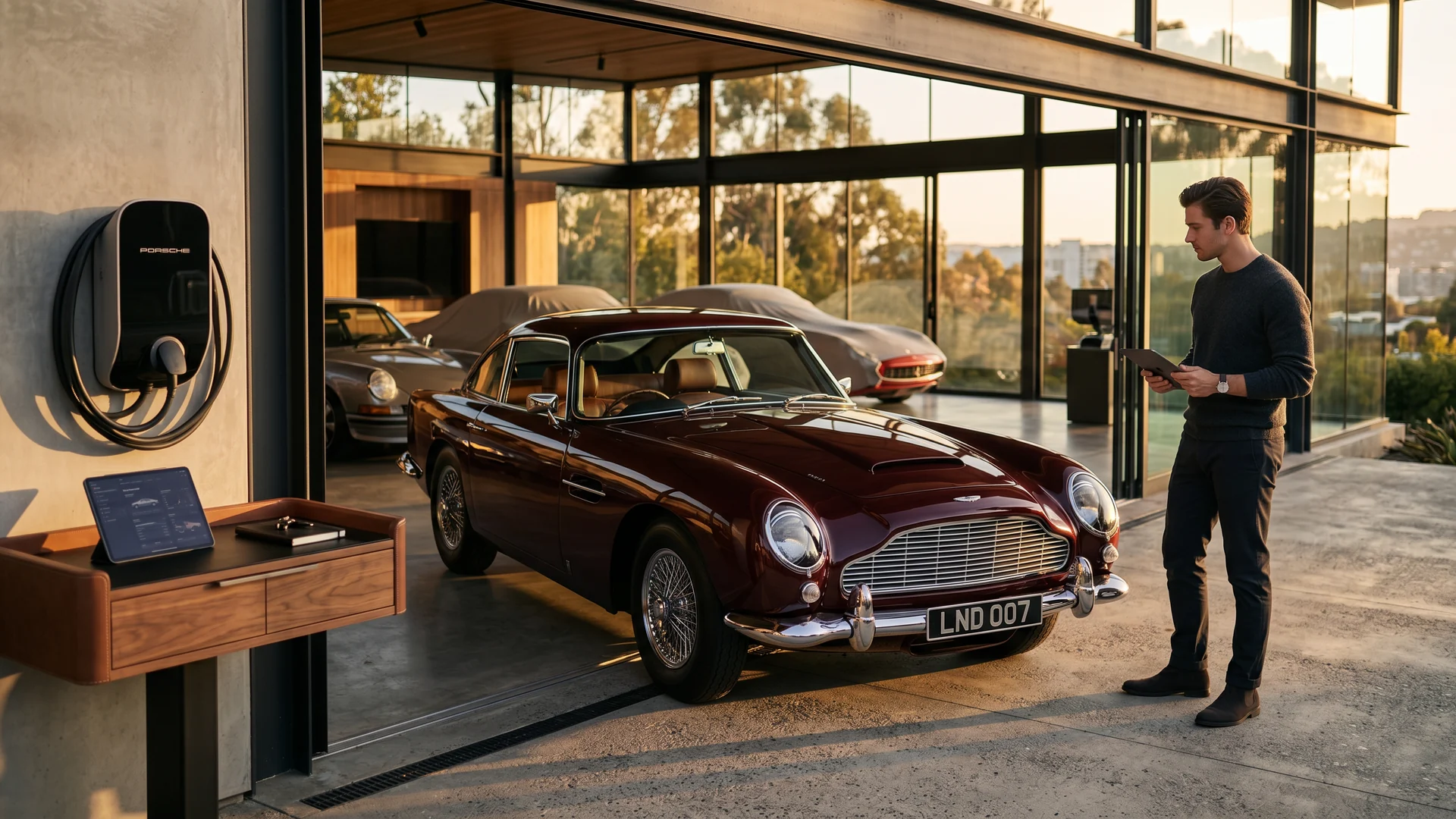
The Future of Classic Car Collecting: Trends Shaping the Next Generation
The future of classic car collecting: why 2035 ICE bans spare existing cars, plus e-fuels, shifting demographics, electromods and fractional ownership…
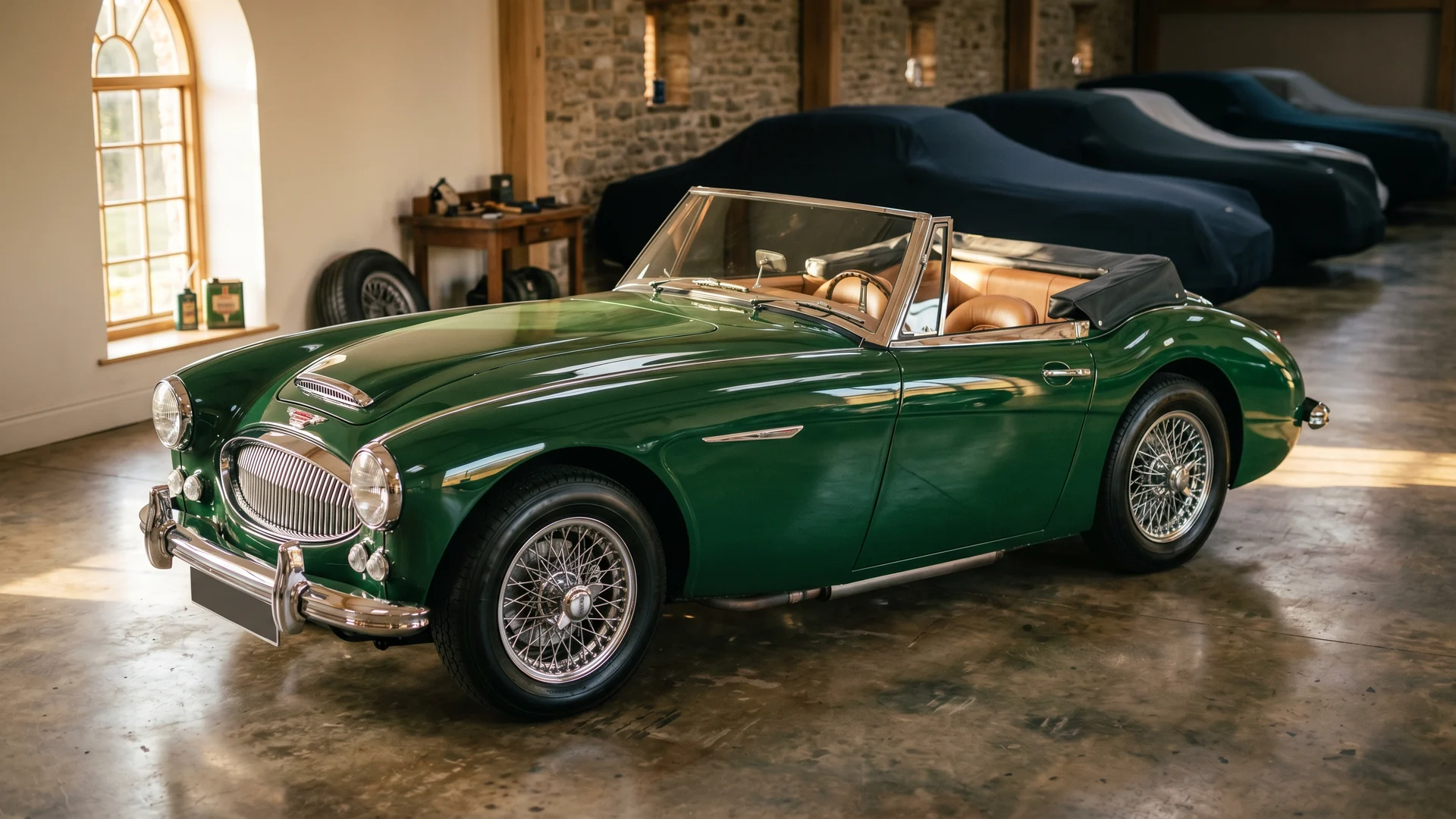
Classic Car Insurance Guide: Protecting Your Vintage Investment
Classic car insurance guide: why agreed-value policies beat stated and actual cash value, how Hagerty, Grundy and Chubb compare, plus costs and covera…
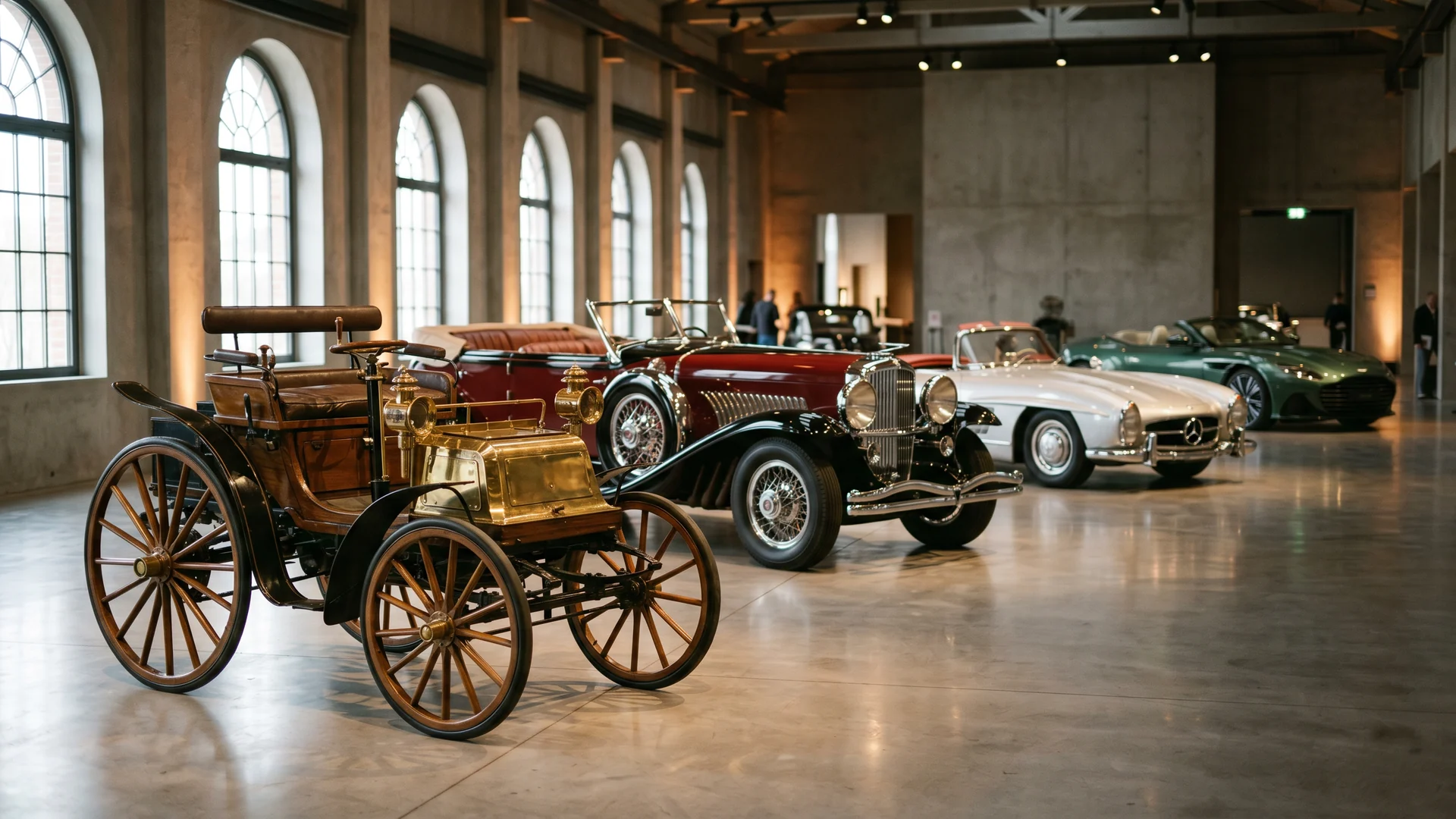
Classic Car History Timeline: From Benz to the Modern Collector Era
Classic car history timeline from the 1886 Benz Patent-Motorwagen through coachbuilding, muscle cars and supercars to modern collectibles. Discover th…