The Role of Heritage and Storytelling in Classic Car Prices
Classic car prices are determined by a complex interaction of nostalgia, historical significance, and market forces. These vehicles typically achieve high values at auctions and pr…
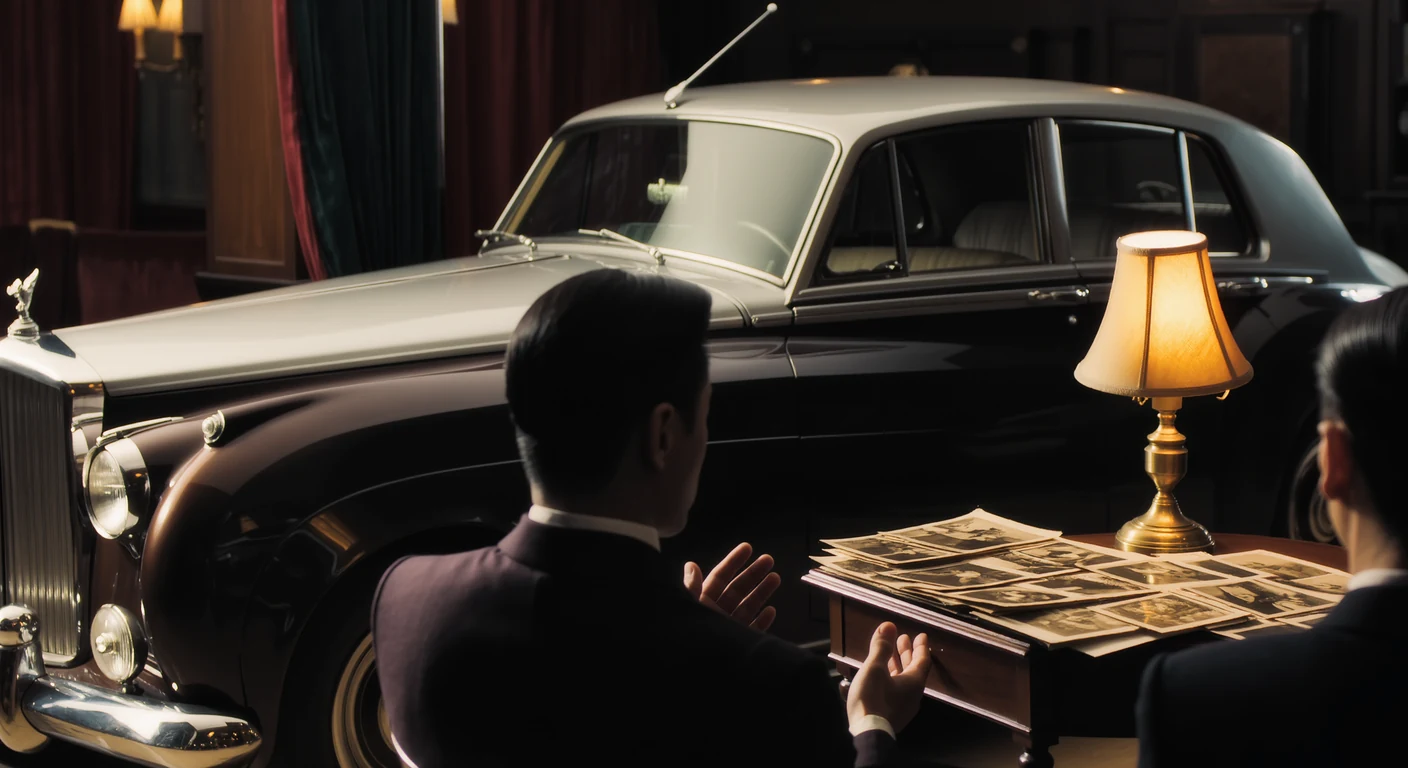
Classic car prices are determined by a complex interaction of nostalgia, historical significance, and market forces. These vehicles typically achieve high values at auctions and private sales due to their distinctive designs and cultural importance. For collectors, investors, and enthusiasts, understanding the factors that drive classic car valuations is crucial for making informed purchasing and selling decisions.
Classic cars function as more than transportation; they serve as tangible connections to specific historical periods and automotive milestones. The market’s continued evolution requires participants to recognize the key elements that influence vehicle values to optimize their investment strategies. The classic car market extends beyond the physical attributes of individual vehicles to encompass their provenance, ownership history, and cultural context.
Each vehicle carries a documented history that reflects the manufacturing era, previous ownership, and maintenance records. This documentation directly affects market valuation, making thorough research essential for buyers and sellers. Understanding how provenance, historical documentation, and period significance influence pricing provides the foundation for accurate market assessment and valuation.
Key Takeaways
- Heritage and storytelling significantly influence the value of classic cars.
- Historical significance and brand history enhance classic car prices.
- Nostalgia plays a powerful role in driving demand and value.
- Cultural and social contexts affect how classic cars are perceived and priced.
- The connection between heritage, rarity, and storytelling shapes future classic car market trends.
The Influence of Heritage on Classic Car Prices
Heritage is a powerful force in the classic car market. It encompasses the history of the vehicle, the brand’s legacy, and the cultural context in which it was produced. Cars that are tied to significant events or milestones often see a boost in their value.
For instance, vehicles that were part of iconic races or owned by famous personalities tend to attract higher bids at auctions. This connection to heritage not only enhances the car’s story but also solidifies its place in automotive history. Moreover, heritage can create a sense of community among collectors and enthusiasts.
Many buyers are drawn to classic cars because they represent a shared passion for automotive history. This communal aspect can drive demand, further inflating prices. Cars that are well-documented and have a clear lineage often fetch higher prices than those with murky histories.
Buyers are willing to pay a premium for vehicles that come with a rich backstory, making heritage a crucial factor in determining classic car prices.
The Impact of Storytelling on Classic Car Prices
Storytelling is an art that can significantly enhance the value of classic cars. A compelling narrative surrounding a vehicle can transform it from a mere object into a cherished artifact. For example, a car that has been lovingly restored and comes with a detailed account of its journey through time can captivate potential buyers.
This emotional connection can lead to higher offers as buyers envision themselves as part of the car’s story. Furthermore, storytelling can create a sense of exclusivity. When a classic car is associated with unique experiences or notable figures, it becomes more than just a mode of transportation; it becomes a piece of history that collectors want to own.
The ability to share these stories through social media and online platforms has also changed the landscape of classic car sales. Sellers who effectively communicate their vehicle’s narrative can attract more interest and command higher prices.
Historical Significance and its Effect on Classic Car Prices
Historical significance plays a vital role in shaping classic car prices. Vehicles that have played pivotal roles in automotive history or have been part of significant cultural movements often see their values soar. For instance, cars that were instrumental in technological advancements or those that symbolize an era’s design ethos tend to be highly sought after by collectors.
Additionally, historical significance can be tied to specific events or milestones. Cars that were featured in movies or associated with famous personalities often carry a premium price tag. The more significant the historical context, the more likely it is that collectors will be willing to invest in these vehicles.
As such, understanding the historical backdrop of a classic car can provide valuable insights into its potential market value.
The Role of Brand History in Classic Car Prices
Brand history is another critical factor influencing classic car prices. Established brands with a long-standing reputation for quality and innovation tend to command higher prices than lesser-known manufacturers. Brands like Ferrari, Porsche, and Aston Martin have cultivated legacies that resonate with collectors and enthusiasts alike.
Their vehicles are often seen as symbols of prestige and performance, driving demand and increasing prices. Moreover, brand history can create a sense of trust among buyers. When purchasing a classic car from a reputable brand, buyers feel more confident in their investment.
This trust can lead to higher valuations as collectors are willing to pay more for vehicles associated with brands known for their craftsmanship and reliability. In this way, brand history not only influences pricing but also shapes buyer perceptions in the classic car market.
The Power of Nostalgia in Classic Car Prices
Nostalgia is a potent emotion that significantly impacts classic car prices. Many buyers are motivated by memories of their youth or experiences associated with specific vehicles. For instance, someone who grew up admiring a particular model may be willing to pay a premium to own it as an adult.
This emotional connection can drive demand and inflate prices as buyers seek to recapture those cherished moments. Additionally, nostalgia can create trends within the classic car market. Certain models may experience surges in popularity due to cultural references or media portrayals that evoke fond memories among potential buyers.
As nostalgia drives interest, prices can rise rapidly for vehicles that resonate with collectors on an emotional level. Understanding this dynamic is essential for both buyers and sellers navigating the classic car market.
How Classic Car Stories Drive Value
Classic car stories are integral to their value proposition. Each vehicle carries its own narrative, whether it’s the story of its design, its journey through different owners, or its role in significant events. These stories add layers of meaning to the cars, making them more appealing to potential buyers.
A well-documented history can enhance a vehicle’s desirability and justify higher price points. Moreover, storytelling can be leveraged in marketing efforts to attract buyers. Sellers who effectively communicate their vehicle’s unique story can create an emotional connection with potential buyers, leading to increased interest and competition among bidders.
This competitive environment often results in higher sale prices as buyers vie for ownership of cars with compelling narratives.
The Connection Between Heritage and Rarity in Classic Car Prices
Heritage and rarity are closely intertwined when it comes to classic car pricing. Vehicles that are rare due to limited production runs or unique features often command higher prices because they represent exclusivity within the market. Collectors are drawn to rare models as they offer not only an investment opportunity but also the prestige of owning something few others possess.
Additionally, heritage can enhance rarity by adding historical context to limited-production vehicles. A rare model with a rich backstory, such as being associated with a famous race or having unique design elements, can see its value skyrocket as collectors seek out these exceptional pieces of automotive history. Understanding this connection between heritage and rarity is crucial for anyone looking to buy or sell classic cars.
The Influence of Cultural and Social Context on Classic Car Prices
Cultural and social contexts play significant roles in shaping classic car prices. Trends within society can influence which models become desirable at any given time. For example, during periods when environmental consciousness is heightened, classic cars with fuel-efficient designs may see increased interest and value.
Moreover, social movements can impact buyer preferences as well. Cars that symbolize freedom or rebellion, such as muscle cars from the 1960s, often resonate strongly with collectors who identify with those ideals. As cultural narratives evolve, so too do the values placed on certain vehicles within the classic car market.
The Role of Heritage and Storytelling in Future Classic Car Prices
Looking ahead, heritage and storytelling will continue to play pivotal roles in shaping future classic car prices. As new generations enter the market, their appreciation for automotive history will influence which vehicles gain prominence and value over time.
Additionally, as digital platforms evolve, storytelling will become even more critical in connecting buyers with vehicles’ histories. Sellers who effectively leverage online tools to share compelling narratives will likely see greater success in attracting interest and achieving higher sale prices. The interplay between heritage and storytelling will remain essential as the classic car market continues to evolve.
The Everlasting Impact of Heritage and Storytelling on Classic Car Prices
In conclusion, heritage and storytelling are fundamental elements that shape classic car prices today and will continue to do so in the future.
As we navigate this dynamic landscape, recognizing the importance of each vehicle’s narrative will empower individuals to make informed decisions while fostering appreciation for automotive history.
As we look forward to the future of classic cars, it is clear that their stories will remain integral to their worth. By valuing heritage and embracing storytelling, we ensure that these remarkable vehicles continue to captivate hearts and minds for generations to come.
FAQs
What is the significance of heritage in classic car pricing?
Heritage refers to the historical background, origin, and legacy of a classic car. It significantly influences pricing because cars with a well-documented history, notable previous owners, or a connection to important events tend to be more valuable to collectors and enthusiasts.
How does storytelling impact the value of classic cars?
Storytelling adds emotional and cultural value to classic cars by highlighting unique aspects such as the car’s provenance, restoration journey, or participation in famous races. A compelling story can increase a car’s desirability and, consequently, its market price.
Are all classic cars affected equally by heritage and storytelling?
No, the impact varies depending on the car’s make, model, rarity, and condition. Some cars inherently carry more historical significance or have more documented stories, which can lead to a greater influence on their prices compared to more common or less storied vehicles.
Can the provenance of a classic car be verified?
Yes, provenance can often be verified through documentation such as ownership records, maintenance logs, historical archives, and expert appraisals. Verified provenance enhances a car’s credibility and value in the classic car market.
Do classic car auctions consider heritage and storytelling when appraising vehicles?
Yes, auction houses frequently emphasize a car’s heritage and storytelling in their marketing and appraisals. These factors help attract buyers and can lead to higher final sale prices.
Is the role of heritage and storytelling unique to classic cars compared to other collectibles?
While heritage and storytelling are important in many collectible markets, they are particularly influential in classic cars due to the combination of mechanical craftsmanship, design history, and cultural significance associated with automobiles.
How can owners enhance the storytelling aspect of their classic cars?
Owners can enhance storytelling by documenting the car’s history, preserving original parts, sharing restoration stories, and highlighting any unique features or notable events associated with the vehicle. Engaging narratives can be shared through auctions, car shows, and publications.
Does the condition of a classic car affect how heritage and storytelling influence its price?
Yes, while heritage and storytelling add value, the physical condition of the car remains critical. A well-preserved or expertly restored vehicle with a strong story will generally command a higher price than one in poor condition.
Are there any risks in relying too heavily on storytelling for classic car valuation?
Yes, overemphasizing storytelling without verifiable facts can lead to inflated expectations and potential disputes. Authenticity and documentation are essential to ensure that the story positively impacts the car’s value.
Where can collectors learn more about the heritage and stories behind classic cars?
Collectors can explore automotive museums, historical registries, classic car clubs, specialized publications, and online databases. Attending car shows and auctions also provides opportunities to learn from experts and fellow enthusiasts.
More from Blog
The Future of Classic Car Collecting: Trends Shaping the Next Generation
The future of classic car collecting: why 2035 ICE bans spare existing cars, plus e-fuels, shifting demographics, electromods and fractional ownership…
Classic Car Insurance Guide: Protecting Your Vintage Investment
Classic car insurance guide: why agreed-value policies beat stated and actual cash value, how Hagerty, Grundy and Chubb compare, plus costs and covera…
Classic Car History Timeline: From Benz to the Modern Collector Era
Classic car history timeline from the 1886 Benz Patent-Motorwagen through coachbuilding, muscle cars and supercars to modern collectibles. Discover th…