The Role of Gatekeepers in the Classic Car Elite
The classic car community consists of collectors and enthusiasts who focus on vintage automobiles, typically defined as vehicles manufactured 20 or more years ago. This segment of …

The classic car community consists of collectors and enthusiasts who focus on vintage automobiles, typically defined as vehicles manufactured 20 or more years ago. This segment of automotive culture centers on the preservation, restoration, and appreciation of historically significant vehicles. Classic car ownership involves maintaining vehicles that represent specific eras of automotive design and engineering, from early 20th-century models to vehicles from the 1970s and 1980s that have gained collector status.
The market for classic cars operates on principles of rarity, historical significance, condition, and provenance. Values are determined by factors including production numbers, racing heritage, design importance, and documentation of ownership history. Collectors often specialize in particular marques, time periods, or vehicle types, developing expertise in specific segments of the market.
Within the classic car community, certain individuals hold significant influence over market trends, authentication standards, and valuation practices. These influential figures include long-established collectors, automotive historians, restoration specialists, auction house experts, and automotive journalists. Their expertise and opinions can substantially impact the perceived value and desirability of specific vehicles or entire categories of classic cars.
These key figures establish authentication criteria, validate historical claims about vehicles, and influence market pricing through their expertise and public statements. Their knowledge encompasses technical specifications, production history, racing provenance, and restoration standards. Understanding their role and influence is important for anyone participating in classic car collecting, restoration, or investment activities.
Key Takeaways
- Gatekeepers play a crucial role in maintaining the integrity and history of the classic car industry.
- They influence classic car valuation and control access to exclusive events and shows.
- Gatekeepers help preserve the authenticity and exclusivity of classic car collections.
- Their influence impacts collectors and enthusiasts, shaping the community and market dynamics.
- Challenges and controversies exist, but gatekeepers remain central to the future of the classic car elite.
Who are the Gatekeepers?
Gatekeepers in the classic car elite are individuals or organizations that hold significant sway over the community’s norms and values. They can be found in various roles, including judges at car shows, members of prestigious automotive clubs, or even influential journalists and bloggers who shape public perception. These individuals often possess extensive knowledge about classic cars, including their history, specifications, and market trends.
Their expertise allows them to identify genuine vehicles from replicas or modified versions, ensuring that authenticity remains a cornerstone of the classic car culture. Moreover, gatekeepers often serve as mentors to new collectors and enthusiasts. They provide guidance on best practices for restoration, maintenance, and investment strategies.
By sharing their insights and experiences, they help foster a sense of community among classic car lovers. However, this mentorship can also come with an unspoken hierarchy, where only those who meet certain criteria are welcomed into the inner circle. This exclusivity can create barriers for newcomers who may feel intimidated or overwhelmed by the established norms.
The Influence of Gatekeepers in the Classic Car Community
The influence of gatekeepers in the classic car community cannot be overstated. They play a pivotal role in determining which vehicles gain recognition and which remain obscure. Their opinions can elevate a car’s status from a simple collector’s item to a highly sought-after investment.
For instance, when a respected gatekeeper endorses a particular model or brand, it can lead to increased demand and higher prices in the market. This phenomenon highlights the power dynamics at play within the classic car elite. Additionally, gatekeepers often curate events such as car shows and auctions, where they decide which vehicles are showcased and celebrated.
Their selections can significantly impact trends within the community, influencing what types of cars are considered desirable. This curation process not only shapes market values but also affects the overall culture surrounding classic cars. As a result, gatekeepers hold a unique position that allows them to shape both individual collectors’ experiences and the broader narrative of classic car history.
How Gatekeepers Maintain the Integrity of the Classic Car Industry
Gatekeepers play an essential role in maintaining the integrity of the classic car industry by upholding standards of authenticity and quality. They are often involved in establishing guidelines for restoration practices, ensuring that vehicles are preserved in a manner that respects their original design and engineering. This commitment to authenticity helps protect the value of classic cars and prevents the market from being flooded with poorly restored or counterfeit vehicles.
Moreover, gatekeepers often advocate for ethical practices within the industry. They may work with organizations that promote transparency in sales and transactions, helping to prevent fraud and misrepresentation. By fostering an environment of trust and accountability, gatekeepers contribute to a healthier marketplace for both buyers and sellers.
Their efforts ensure that classic cars remain not only valuable assets but also cherished pieces of history that deserve respect and preservation.
Gatekeepers and the Preservation of Classic Car History
The preservation of classic car history is another critical function performed by gatekeepers. They are often involved in documenting the stories behind iconic vehicles, including their design evolution, production numbers, and notable owners. This historical context adds depth to the appreciation of classic cars, transforming them from mere machines into artifacts that reflect cultural trends and technological advancements.
Gatekeepers also collaborate with museums and historical societies to ensure that significant vehicles are preserved for future generations. By advocating for the inclusion of classic cars in educational programs and exhibitions, they help raise awareness about the importance of automotive history. This commitment to preservation not only enriches the community but also fosters a sense of responsibility among collectors to care for their vehicles as part of a larger narrative.
The Role of Gatekeepers in Classic Car Valuation
Valuation is a complex process influenced heavily by gatekeepers in the classic car elite. These individuals possess an intimate understanding of market trends and can assess a vehicle’s worth based on various factors such as rarity, condition, provenance, and historical significance. Their expertise allows them to provide accurate appraisals that reflect current market conditions.
Furthermore, gatekeepers often set benchmarks for pricing within the community. When they publicly endorse certain models or brands as valuable investments, it can lead to increased demand and higher prices. Conversely, if they deem a vehicle less desirable or overhyped, it can result in decreased interest and lower valuations.
Gatekeepers and the Exclusivity of Classic Car Events and Shows
Classic car events and shows are often exclusive gatherings where enthusiasts come together to celebrate their passion for vintage automobiles. Gatekeepers play a crucial role in determining who gets access to these events and which vehicles are showcased. Their influence can create an atmosphere of exclusivity that elevates the status of certain models while sidelining others.
This exclusivity can be both beneficial and detrimental to the community. On one hand, it fosters a sense of prestige around certain events, attracting high-profile collectors and industry leaders. On the other hand, it can alienate newcomers who may feel unwelcome or out of place among seasoned enthusiasts.
Striking a balance between exclusivity and inclusivity is essential for ensuring that classic car events remain vibrant and welcoming to all.
Gatekeepers and the Impact on Classic Car Collectors and Enthusiasts
The impact of gatekeepers on classic car collectors and enthusiasts is profound. For seasoned collectors, these individuals can serve as invaluable resources for knowledge and networking opportunities. They provide insights into market trends, restoration techniques, and investment strategies that can enhance a collector’s experience.
However, for newcomers or casual enthusiasts, gatekeepers can sometimes create barriers that hinder participation in the community. The perceived elitism associated with certain gatekeeping practices may discourage potential collectors from engaging with others or pursuing their passion for classic cars. It is essential for established members of the community to recognize this dynamic and work towards fostering an inclusive environment that welcomes all levels of interest.
Challenges and Controversies Surrounding Gatekeepers in the Classic Car Elite
Despite their important role in the classic car community, gatekeepers are not without their challenges and controversies. One significant issue is the potential for bias in their assessments and decisions. Personal preferences or affiliations may influence their opinions on certain vehicles or brands, leading to favoritism that can skew market perceptions.
Additionally, there is an ongoing debate about whether gatekeeping practices hinder diversity within the community. Critics argue that an overly exclusive approach can stifle innovation and limit opportunities for new voices to emerge. As the classic car industry evolves, it is crucial for gatekeepers to reflect on their practices and consider how they can adapt to foster a more inclusive environment.
The Future of Gatekeepers in the Classic Car Industry
The future of gatekeepers in the classic car industry will likely be shaped by changing demographics and technological advancements. As younger generations become more involved in collecting and appreciating classic cars, there may be a shift towards more inclusive practices that embrace diversity and innovation. This evolution could lead to new forms of engagement within the community that prioritize accessibility while still maintaining standards of quality.
Moreover, advancements in technology may provide new tools for valuation and authentication that reduce reliance on traditional gatekeeping methods.
As these changes unfold, it will be essential for gatekeepers to adapt their roles while continuing to uphold the integrity of the classic car culture.
The Continuing Influence of Gatekeepers in the Classic Car Elite
In conclusion, gatekeepers play an indispensable role in shaping the landscape of the classic car elite. Their influence extends across various aspects of ownership, valuation, preservation, and community engagement. While they help maintain standards of authenticity and quality within the industry, it is crucial for them to remain open to new voices and perspectives as the community evolves.
As we look towards the future, embracing inclusivity while preserving tradition will be key to ensuring that classic cars continue to inspire passion across generations. The ongoing dialogue surrounding gatekeeping practices will ultimately determine how this vibrant community adapts to changing times while honoring its rich history.
FAQs
What is a gatekeeper in the context of the classic car elite?
A gatekeeper in the classic car elite refers to an individual or organization that controls access to rare, valuable, or prestigious classic cars. They influence which cars are available to collectors and often shape market trends and values.
Why are gatekeepers important in the classic car market?
Gatekeepers play a crucial role by maintaining the quality and authenticity of classic cars, ensuring that only well-preserved or historically significant vehicles enter the elite market. They help preserve the integrity and exclusivity of classic car collections.
Who typically acts as gatekeepers in the classic car community?
Gatekeepers can include auction houses, specialized dealers, restorers, appraisers, and influential collectors. These individuals or entities have extensive knowledge and networks that allow them to control access to high-value classic cars.
How do gatekeepers influence the value of classic cars?
By controlling which cars are available and promoting certain models or brands, gatekeepers can drive demand and prices. Their endorsements or involvement often add credibility and prestige, increasing a car’s market value.
Can gatekeepers impact the preservation of classic cars?
Yes, gatekeepers often set standards for restoration and maintenance, ensuring that classic cars are preserved in a manner that respects their historical significance. This helps maintain the cars’ authenticity and long-term value.
Are gatekeepers always beneficial to the classic car community?
While gatekeepers help maintain quality and exclusivity, their control can sometimes limit access for new collectors or create barriers to entry. However, their expertise generally supports the overall health and sustainability of the classic car market.
How can collectors identify reputable gatekeepers?
Reputable gatekeepers are typically recognized for their expertise, transparency, and ethical practices. Collectors can look for established auction houses, certified appraisers, and dealers with strong industry reputations and positive client feedback.
What role do gatekeepers play in classic car auctions?
In auctions, gatekeepers vet the cars to ensure authenticity and condition, set reserve prices, and help market the vehicles to the right buyers. Their involvement helps maintain trust and fairness in the auction process.
More from Blog
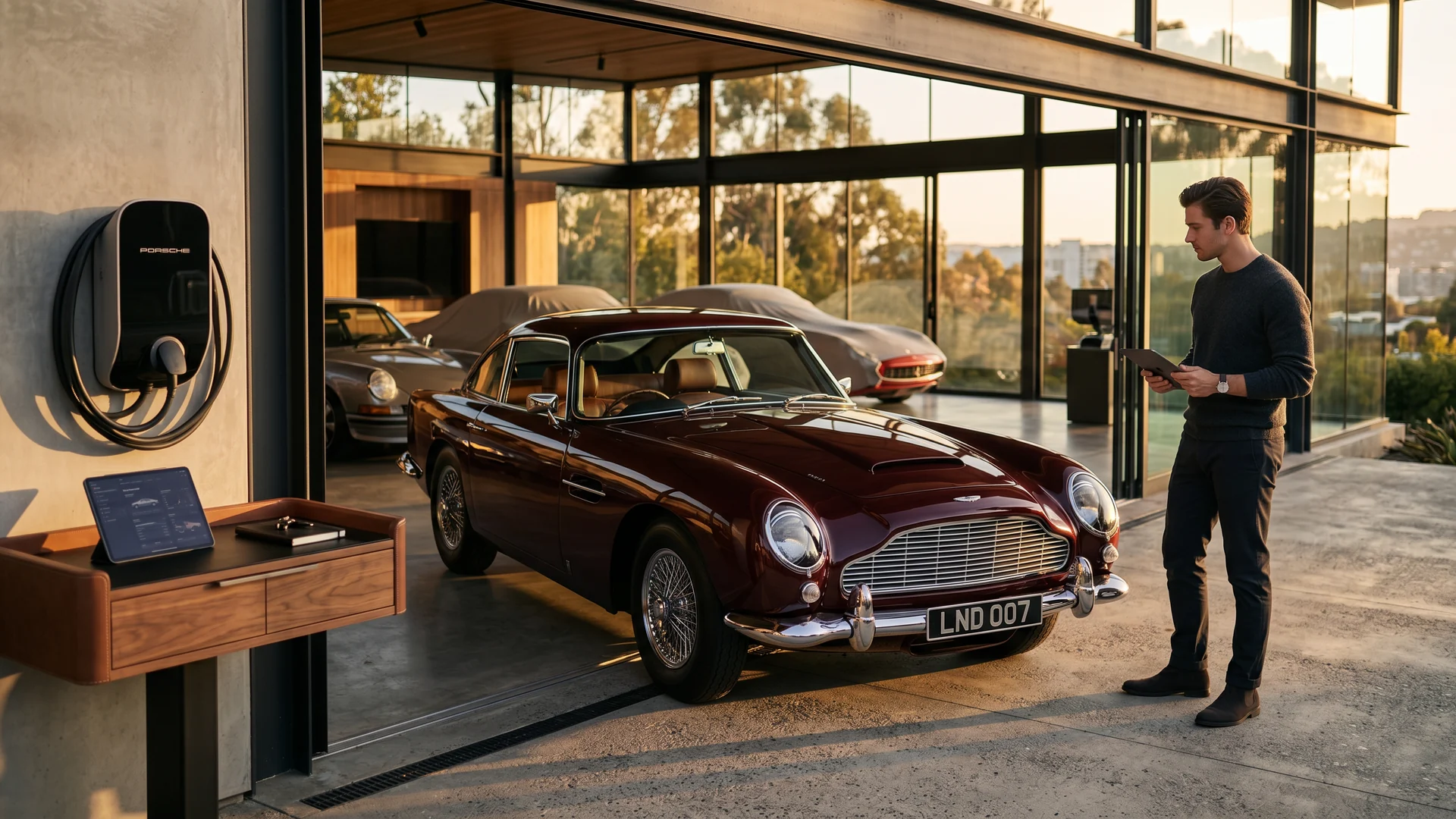
The Future of Classic Car Collecting: Trends Shaping the Next Generation
The future of classic car collecting: why 2035 ICE bans spare existing cars, plus e-fuels, shifting demographics, electromods and fractional ownership…
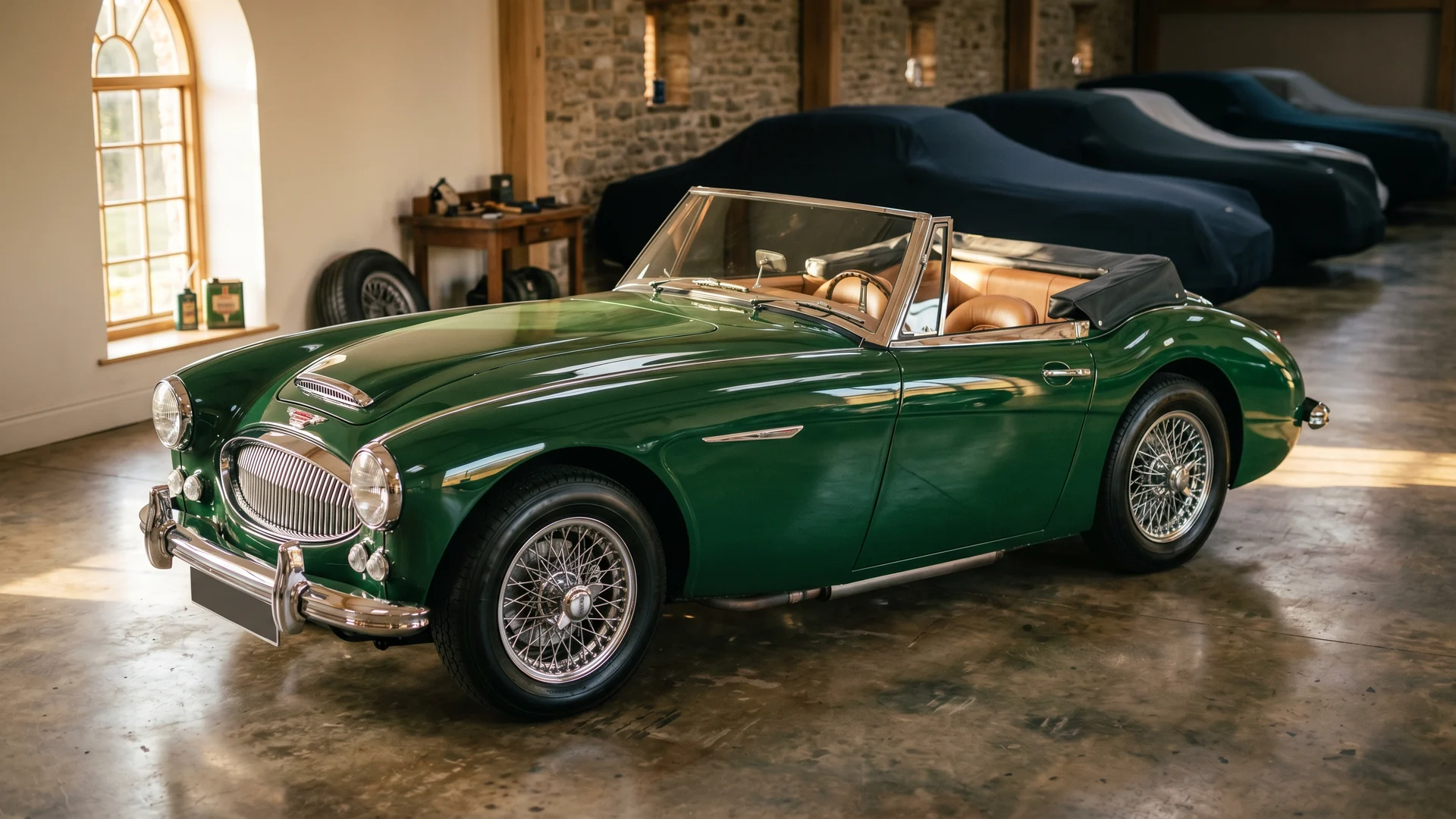
Classic Car Insurance Guide: Protecting Your Vintage Investment
Classic car insurance guide: why agreed-value policies beat stated and actual cash value, how Hagerty, Grundy and Chubb compare, plus costs and covera…
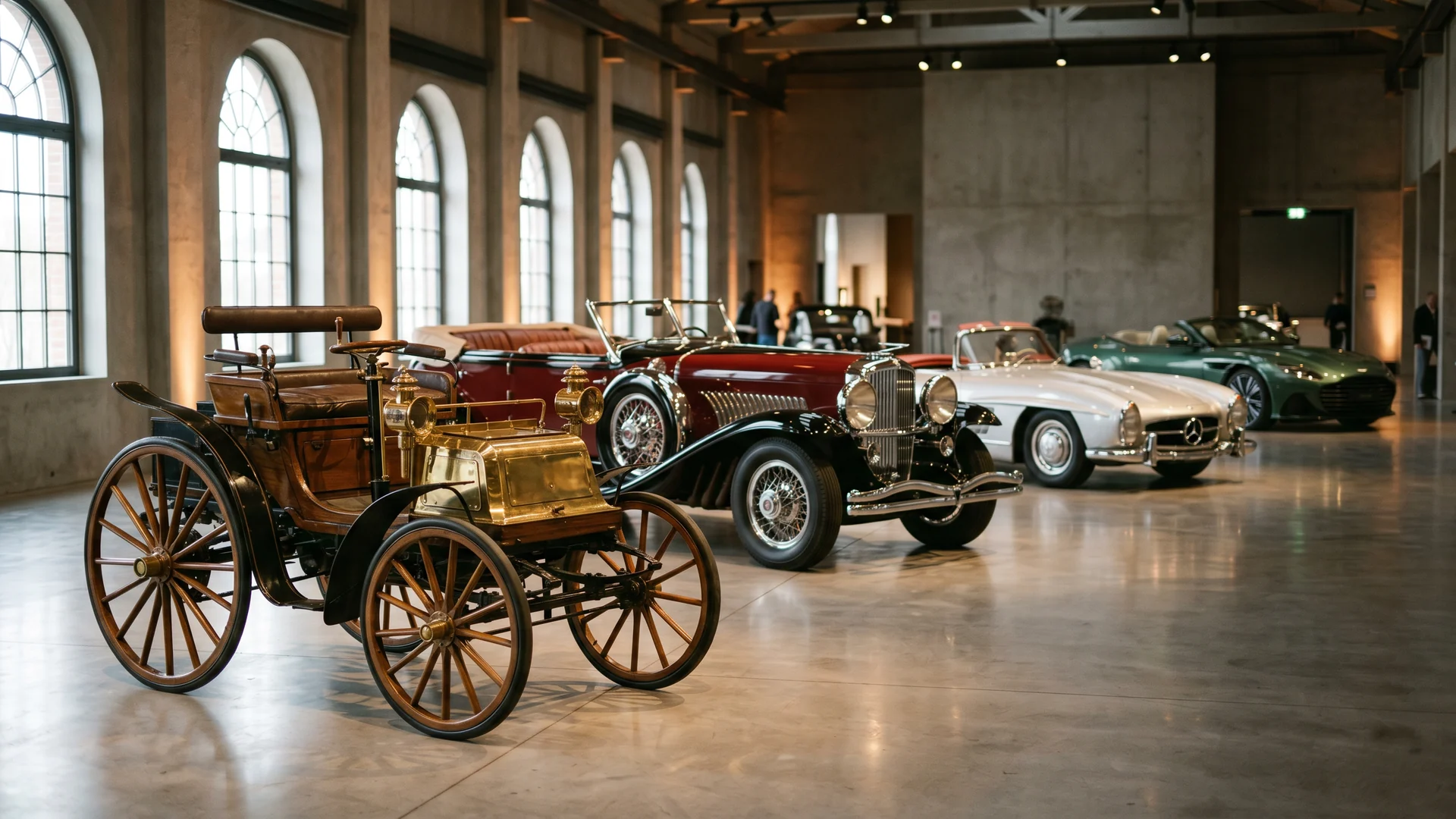
Classic Car History Timeline: From Benz to the Modern Collector Era
Classic car history timeline from the 1886 Benz Patent-Motorwagen through coachbuilding, muscle cars and supercars to modern collectibles. Discover th…