The Real Risk Behind Buying Recently Restored Oldtimers
Restored classic automobiles attract significant interest from automotive enthusiasts and collectors worldwide. These vintage vehicles, many dating back several decades, represent …
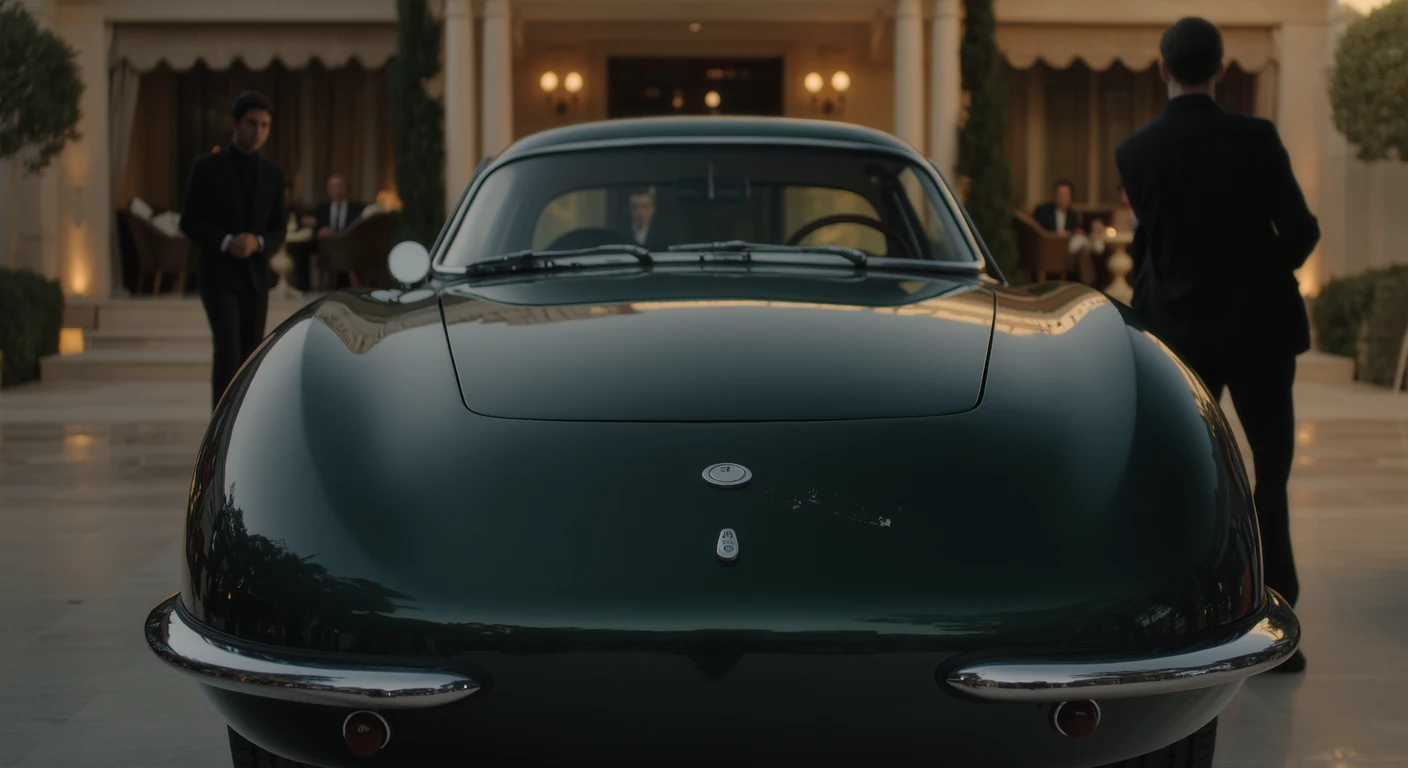
Restored classic automobiles attract significant interest from automotive enthusiasts and collectors worldwide. These vintage vehicles, many dating back several decades, represent important periods in automotive design and engineering development. A professionally restored classic car demonstrates the owner’s appreciation for automotive heritage and serves as a tangible connection to historical manufacturing techniques and aesthetic principles.
The restoration process requires specialized knowledge of period-appropriate materials, original manufacturing methods, and mechanical systems specific to each era. Classic car ownership provides opportunities to experience historical automotive technology firsthand. These vehicles offer insight into the evolution of engineering solutions, design philosophies, and manufacturing processes from their respective time periods.
The classic car community maintains an active network of clubs, exhibitions, and organized events including concours d’elegance, vintage rallies, and technical seminars. These gatherings facilitate knowledge sharing about restoration techniques, parts sourcing, and historical documentation. Participation in this community provides access to specialized expertise and resources essential for maintaining these vehicles in authentic condition.
Key Takeaways
- Restored oldtimers are appealing but may hide underlying restoration issues.
- Thorough inspections and researching restoration history are crucial before buying.
- Poor quality or rushed repairs can lead to safety concerns and higher maintenance costs.
- Restoration can affect a car’s originality and overall value.
- Consulting experts helps identify potential problems and ensures informed purchasing decisions.
The potential hidden issues with restoration work
While the charm of restored oldtimers is undeniable, potential hidden issues often lurk beneath the surface. Restoration work can vary significantly in quality, and not all restorations are created equal. Some vehicles may have undergone superficial cosmetic changes that mask underlying problems.
For instance, rust may have been painted over rather than properly treated, leading to future structural issues. Buyers must be cautious and aware that a shiny exterior does not guarantee a sound vehicle. Additionally, some restorers may cut corners to save time or costs, resulting in subpar workmanship.
This can lead to a host of problems down the line, including mechanical failures or safety hazards.
A thorough evaluation of the restoration process and its quality can save buyers from future headaches and expenses.
The importance of thorough inspections before purchasing
Before committing to a restored oldtimer, conducting a thorough inspection is essential. A detailed examination can reveal hidden flaws that may not be immediately apparent. Buyers should consider hiring a professional mechanic or appraiser who specializes in classic cars to perform this inspection.
They can identify issues such as frame damage, engine problems, or poor-quality repairs that an untrained eye might miss. In addition to mechanical inspections, buyers should also assess the vehicle’s documentation. This includes restoration records, receipts for parts, and any previous accident history.
A well-documented restoration process can provide peace of mind and assurance that the vehicle has been cared for properly. By investing time in inspections and research, buyers can make informed decisions and avoid costly mistakes.
The risk of undisclosed damage or poor quality repairs
One of the significant risks associated with purchasing restored oldtimers is the potential for undisclosed damage or poor-quality repairs. Some sellers may not disclose previous accidents or significant repairs, leading buyers to believe they are acquiring a pristine vehicle. This lack of transparency can result in unexpected repair costs and safety concerns down the line.
Moreover, even if repairs are disclosed, the quality of those repairs is paramount. A vehicle may have been involved in a serious accident but superficially restored to look good on the outside. Buyers should be wary of vehicles that have undergone extensive bodywork without proper documentation or evidence of quality craftsmanship.
Understanding the risks associated with undisclosed damage is vital for making a sound investment in a classic car.
How to spot signs of rushed or subpar restoration work
Identifying signs of rushed or subpar restoration work can save buyers from future headaches. One common indicator is uneven paintwork or mismatched colors, which may suggest that the restoration was done hastily or without proper attention to detail. Additionally, buyers should look for signs of overspray on trim pieces or glass, indicating that the painting process was not conducted with care.
Another red flag is inconsistent panel gaps or misaligned body parts. These issues can signal poor craftsmanship during the restoration process and may lead to further complications down the line. Buyers should also inspect the undercarriage for signs of rust or inadequate treatment, as this area often reveals the true condition of the vehicle.
By being vigilant and observant, buyers can better assess the quality of restoration work.
The potential for higher maintenance and repair costs
Restored oldtimers can come with higher maintenance and repair costs than their modern counterparts. Vintage vehicles often require specialized parts that may be difficult to find or expensive to source. Even routine maintenance tasks can become costly if parts are scarce or if specialized knowledge is needed for repairs.
Additionally, older vehicles may have outdated technology that requires more frequent servicing. For instance, carbureted engines may need tuning more often than modern fuel-injected systems. Buyers should factor in these potential costs when considering a restored oldtimer, as they can significantly impact overall ownership expenses.
Understanding these financial implications is crucial for anyone looking to invest in a classic car.
The impact of restoration on the originality and value of the car
Restoration can significantly impact both the originality and value of an oldtimer. While some enthusiasts appreciate a fully restored vehicle, others prefer cars that retain their original features and patina. Over-restoration can detract from a car’s authenticity and historical value, making it less appealing to certain collectors.
Moreover, the quality of restoration work plays a crucial role in determining value. A well-executed restoration can enhance a vehicle’s worth, while poor-quality work can diminish it significantly. Buyers should consider their preferences regarding originality versus restoration when evaluating potential purchases.
Understanding how restoration affects value is essential for making informed decisions in the classic car market.
The potential for safety concerns with restored oldtimers
Safety concerns are paramount when considering restored oldtimers. Older vehicles may lack modern safety features such as airbags, anti-lock brakes, and stability control systems. Additionally, if restoration work was not performed correctly, it could lead to mechanical failures that pose safety risks on the road.
Buyers should prioritize safety by ensuring that any restored vehicle has undergone necessary updates or modifications to enhance its safety profile. This may include upgrading braking systems or ensuring that seatbelts are functional and up to current standards. By addressing these safety concerns upfront, buyers can enjoy their classic cars with greater peace of mind.
The importance of researching the restoration history and documentation
Researching the restoration history and documentation is crucial when considering a restored oldtimer. A well-documented restoration process provides insight into the quality of work performed and helps establish trust between buyer and seller. Documentation should include receipts for parts, photographs of the restoration process, and any relevant certifications from professional restorers.
Additionally, understanding the vehicle’s history can reveal important information about previous ownership and any accidents it may have been involved in. Buyers should ask for this documentation upfront and verify its authenticity before making a purchase decision. Thorough research into restoration history can help buyers avoid pitfalls and ensure they are investing in a quality vehicle.
The potential for difficulty in finding replacement parts for restored oldtimers
Finding replacement parts for restored oldtimers can be challenging due to their age and rarity. Many vintage vehicles require specific components that may no longer be in production or readily available on the market. This scarcity can lead to increased costs and longer wait times for repairs.
Buyers should consider the availability of parts when evaluating potential purchases. Researching online forums, specialty shops, and classic car clubs can provide valuable insights into sourcing parts for specific models. Additionally, some restorers may have established relationships with suppliers that can ease the search for hard-to-find components.
Being proactive about part availability can save buyers time and frustration down the road.
The importance of consulting with experts before making a purchase
Consulting with experts before purchasing a restored oldtimer is invaluable for ensuring a sound investment. Professionals such as appraisers, mechanics specializing in classic cars, or experienced collectors can provide insights into the vehicle’s condition and value. Their expertise can help buyers identify potential issues that may not be immediately apparent.
Additionally, experts can offer guidance on market trends and help buyers understand what constitutes a fair price for a specific model in its condition. Engaging with knowledgeable individuals in the classic car community can enhance buyers’ confidence in their decisions and lead to more satisfying ownership experiences. In conclusion, while recently restored oldtimers hold undeniable appeal, potential buyers must navigate various challenges associated with their purchase.
From hidden issues with restoration work to safety concerns and part availability, thorough research and expert consultation are essential steps in making an informed decision. By understanding these factors, buyers can enjoy their classic cars while minimizing risks and maximizing their investment’s value.
FAQs
What are “oldtimers” in the context of car restoration?
Oldtimers refer to classic or vintage cars that are typically several decades old and have historical or collectible value. These vehicles are often restored to preserve their original condition or to enhance their appearance and performance.
Why do people buy recently restored oldtimers?
People buy recently restored oldtimers for various reasons, including nostalgia, investment potential, enjoyment of classic car culture, and the desire to own a unique or rare vehicle that has been brought back to good condition.
What are the common risks associated with buying recently restored oldtimers?
Common risks include hidden mechanical issues, poor-quality restoration work, use of non-original or incompatible parts, incomplete documentation, and potential overvaluation. These factors can affect the car’s reliability, authenticity, and resale value.
How can a buyer assess the quality of a restoration?
A buyer can assess restoration quality by reviewing detailed service and restoration records, inspecting the vehicle thoroughly (preferably with a professional mechanic or classic car expert), checking for originality of parts, and verifying the reputation of the restorer or restoration shop.
Is it important to verify the authenticity of parts used in restoration?
Yes, verifying the authenticity of parts is crucial because original or period-correct parts maintain the car’s value and historical accuracy. Using modern or incorrect parts can diminish the car’s collectibility and may cause mechanical issues.
What should buyers look for in the vehicle’s documentation?
Buyers should look for comprehensive documentation including restoration invoices, maintenance records, provenance history, certificates of authenticity, and any previous ownership details. Proper documentation helps confirm the car’s history and the quality of restoration.
Can recently restored oldtimers have hidden mechanical problems?
Yes, even recently restored oldtimers can have hidden mechanical problems if the restoration was rushed, incomplete, or done without proper expertise. It is important to conduct a thorough inspection and possibly a test drive before purchase.
How does the restoration affect the value of an oldtimer?
A high-quality restoration can significantly increase an oldtimer’s value by improving its condition and appeal. However, a poor or non-authentic restoration can reduce value and make the car harder to sell in the future.
Should buyers consider professional appraisal before purchasing?
Yes, obtaining a professional appraisal or inspection from a classic car expert is highly recommended to identify potential issues, verify authenticity, and ensure the asking price is fair.
What are some tips for safely buying a recently restored oldtimer?
Tips include researching the model and market value, requesting detailed restoration records, having the car inspected by a qualified expert, verifying the authenticity of parts, checking for any legal or registration issues, and being cautious of deals that seem too good to be true.
More from Blog
The Future of Classic Car Collecting: Trends Shaping the Next Generation
The future of classic car collecting: why 2035 ICE bans spare existing cars, plus e-fuels, shifting demographics, electromods and fractional ownership…
Classic Car Insurance Guide: Protecting Your Vintage Investment
Classic car insurance guide: why agreed-value policies beat stated and actual cash value, how Hagerty, Grundy and Chubb compare, plus costs and covera…
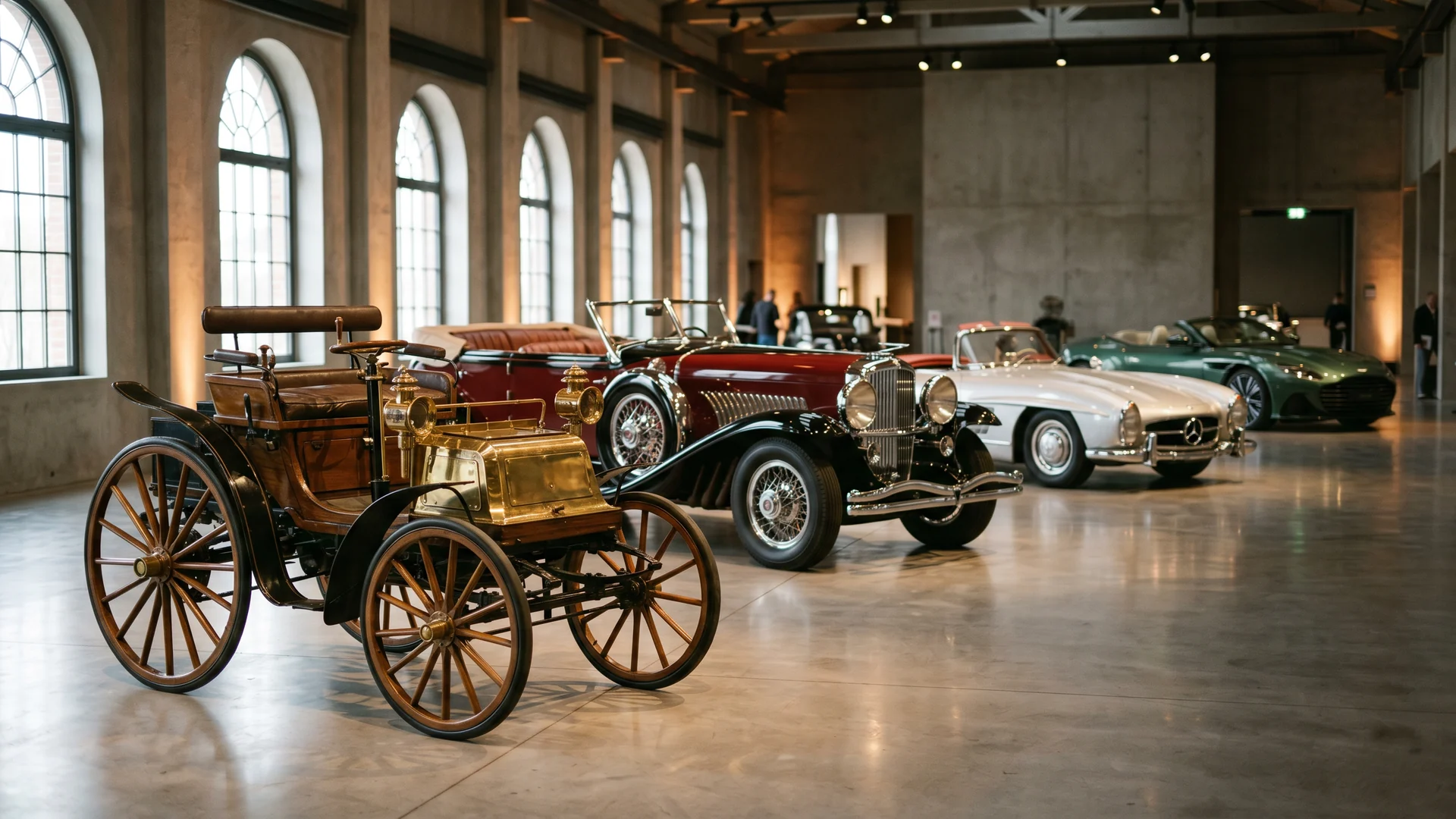
Classic Car History Timeline: From Benz to the Modern Collector Era
Classic car history timeline from the 1886 Benz Patent-Motorwagen through coachbuilding, muscle cars and supercars to modern collectibles. Discover th…