The Real Reason Why Classic Cars Are Leaving Public Roads
The presence of classic cars on public roads has decreased significantly over recent decades. These vintage vehicles, which were once frequently observed in daily traffic, now repr…
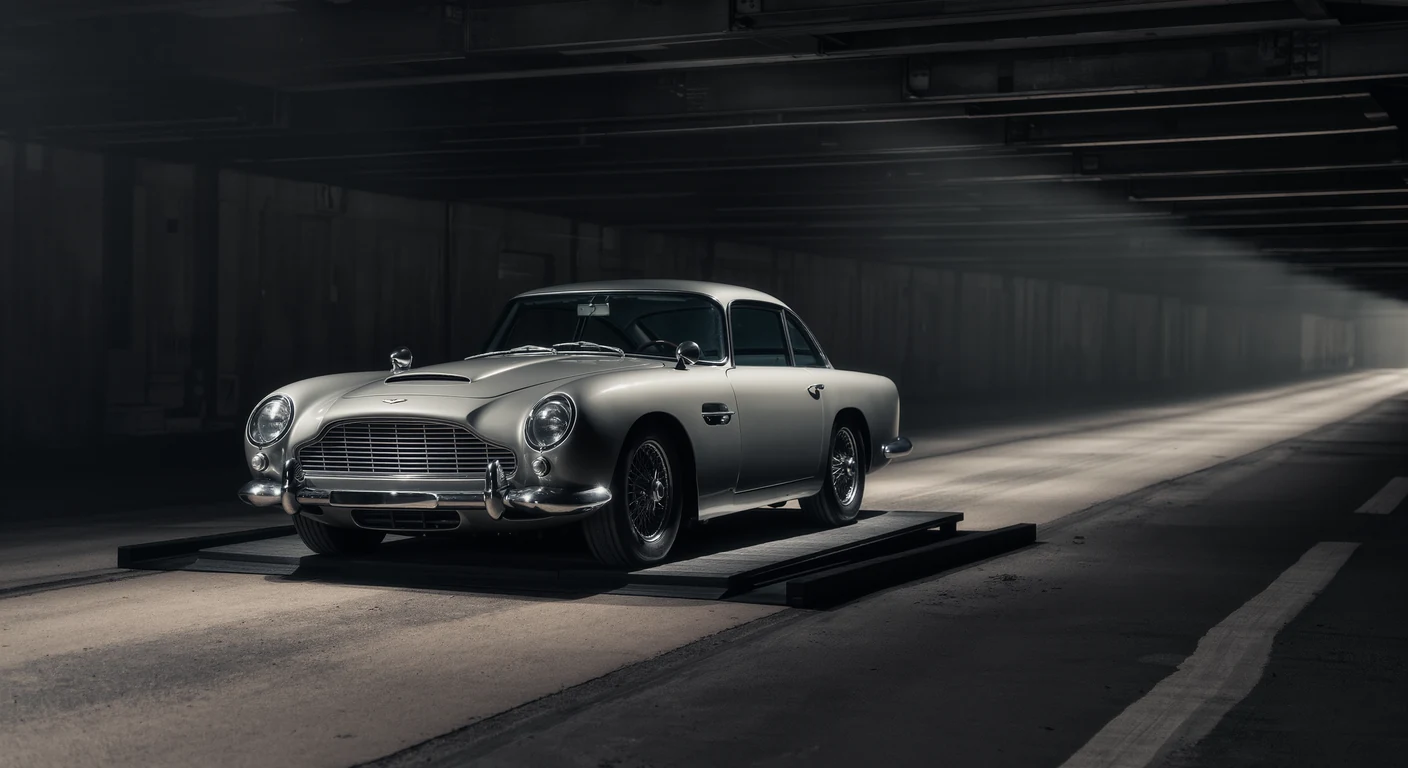
The presence of classic cars on public roads has decreased significantly over recent decades. These vintage vehicles, which were once frequently observed in daily traffic, now represent a small fraction of the total vehicle population.
Classic cars are typically defined as vehicles manufactured between the 1920s and 1980s that possess historical significance, distinctive design characteristics, or engineering innovations representative of their era. Their appeal stems from unique aesthetic elements, mechanical simplicity compared to modern vehicles, and cultural associations with specific time periods. Several interconnected factors contribute to the declining presence of classic cars on public roads.
These include evolving safety and emissions regulations, increased maintenance costs and parts scarcity, changing consumer preferences toward newer technology, and practical considerations related to daily transportation needs. Additionally, many classic car owners now reserve these vehicles for special occasions, car shows, or recreational driving rather than regular commuting. The transformation of the automotive landscape reflects technological progress, regulatory developments, and shifting societal priorities regarding transportation efficiency, environmental impact, and safety standards.
This evolution has implications for automotive heritage preservation, collector communities, and the broader cultural significance of vintage vehicles in contemporary society.
Key Takeaways
- Classic cars are becoming less common on public roads due to stricter safety, emission standards, and government regulations.
- Difficulty in sourcing replacement parts limits the maintenance and usability of vintage vehicles.
- Growing interest in vintage car collecting and restoration contrasts with changing driving habits and preferences.
- Environmental concerns and fuel efficiency standards discourage the regular use of classic cars.
- Aging infrastructure, insurance challenges, and shifting consumer trends further impact the presence of classic cars on roads.
The Rise of Modern Safety and Emission Standards
One of the primary reasons for the decline of classic cars on public roads is the rise of modern safety and emission standards. In recent decades, governments worldwide have implemented stringent regulations aimed at improving vehicle safety and reducing environmental impact. Classic cars, often lacking advanced safety features such as airbags, anti-lock brakes, and electronic stability control, struggle to meet these new requirements.
As a result, many classic car owners find it increasingly difficult to legally drive their vehicles on public roads. The cost of retrofitting these cars to comply with modern standards can be prohibitively expensive, leading many enthusiasts to choose not to invest in their restoration. Consequently, this regulatory environment has contributed significantly to the decline of classic cars as they become less practical for everyday use.
Lack of Accessibility to Replacement Parts
Another significant factor contributing to the decline of classic cars is the lack of accessibility to replacement parts. As time passes, manufacturers discontinue production of parts for older models, making it challenging for owners to maintain their vehicles. This scarcity can lead to increased repair costs and extended downtime for classic cars, discouraging owners from using them regularly.
Moreover, the aftermarket parts industry has not always kept pace with the demand for classic car components. While some enthusiasts have taken it upon themselves to create reproduction parts, these solutions are often limited in availability and quality. As a result, many classic car owners face the daunting prospect of sourcing rare parts or resorting to costly custom fabrication, further diminishing the appeal of driving these vintage vehicles.
Increase in Vintage Car Collectors and Restoration Projects
Despite the challenges faced by classic cars, there has been a notable increase in vintage car collectors and restoration projects in recent years. Many enthusiasts view classic cars as valuable investments, appreciating their rarity and historical significance. This growing interest has led to a thriving market for restoration services, with skilled craftsmen dedicated to bringing these vehicles back to life.
Restoration projects often involve extensive work, from mechanical overhauls to cosmetic enhancements. Collectors are willing to invest significant time and resources into these projects, driven by a passion for preserving automotive history. This trend has created a niche community where knowledge and expertise are shared among enthusiasts, fostering a sense of camaraderie and appreciation for classic cars.
Changing Driving Habits and Preferences
Changing driving habits and preferences also play a crucial role in the decline of classic cars on public roads. In an era where convenience and efficiency are paramount, many drivers opt for modern vehicles equipped with advanced technology and fuel efficiency. The rise of electric vehicles and hybrid models has further shifted consumer preferences away from traditional combustion engines.
Additionally, urbanization has led to increased traffic congestion and limited parking options in many cities. As a result, drivers may prioritize practicality over nostalgia when choosing a vehicle. Classic cars, often less fuel-efficient and more challenging to maneuver in tight spaces, may not align with the needs of today’s drivers.
This shift in preferences contributes to the declining presence of classic cars on public roads.
Environmental Concerns and Fuel Efficiency
Environmental concerns have become increasingly prominent in recent years, influencing consumer choices and government policies alike. Classic cars, typically powered by older combustion engines, are often viewed as less environmentally friendly compared to modern vehicles that adhere to stricter emissions standards. As awareness of climate change grows, many consumers are prioritizing fuel efficiency and sustainability when selecting their vehicles.
This shift has led to a decline in interest in classic cars among environmentally conscious buyers who may perceive them as outdated relics contributing to pollution. Consequently, this growing emphasis on eco-friendliness further exacerbates the challenges faced by classic car enthusiasts.
Aging Infrastructure and Road Conditions
Aging infrastructure and deteriorating road conditions also impact the viability of classic cars on public roads. Many vintage vehicles were designed for different driving environments than those we encounter today. With potholes, uneven surfaces, and poorly maintained roads becoming more common, driving a classic car can be both uncomfortable and risky.
Classic cars often lack modern suspension systems designed to handle rough terrain, making them less suitable for everyday use in today’s urban environments. As road conditions continue to decline, owners may hesitate to take their vintage vehicles out for fear of damage or mechanical failure. This concern further contributes to the decline of classic cars on public roads.
Limited Availability of Classic Car Insurance
Limited availability of classic car insurance can also deter owners from driving their vintage vehicles regularly. While specialized insurance policies exist for classic cars, they often come with restrictions regarding mileage and usage. Many insurance providers impose limitations that can make it challenging for owners to use their vehicles as they wish.
Additionally, the cost of insuring a classic car can be higher than that of a modern vehicle due to factors such as rarity and potential repair costs. This financial burden may discourage some owners from driving their classic cars frequently or at all. As a result, limited insurance options contribute to the overall decline of classic cars on public roads.
Government Regulations and Restrictions
Government regulations and restrictions play a significant role in shaping the landscape for classic cars on public roads. In many regions, laws governing emissions testing and safety inspections can pose challenges for owners of vintage vehicles. Some jurisdictions have implemented strict regulations that require older cars to undergo rigorous testing or even ban them from certain areas altogether.
These regulations can create an environment where owning a classic car becomes more burdensome than enjoyable. Owners may find themselves navigating complex legal requirements just to keep their vehicles roadworthy. As government policies continue to evolve in response to environmental concerns, the future of classic cars remains uncertain.
Shift in Consumer Demands and Trends
The automotive industry is constantly evolving, driven by shifts in consumer demands and trends. Today’s buyers prioritize technology integration, connectivity features, and advanced safety systems over the nostalgic appeal of classic cars. As manufacturers focus on meeting these demands, classic cars may struggle to compete for attention in an increasingly tech-driven market.
Moreover, younger generations may not share the same appreciation for vintage vehicles as their predecessors did. With changing cultural values and interests, classic cars may be viewed as less relevant or desirable compared to modern alternatives. This shift in consumer preferences further contributes to the decline of classic cars on public roads.
The Future of Classic Cars on Public Roads
The future of classic cars on public roads remains uncertain as various factors continue to influence their presence in our society. While challenges such as regulatory hurdles, environmental concerns, and changing consumer preferences persist, there is still hope for preservation efforts within the automotive community. Enthusiasts are actively working to advocate for policies that support classic car ownership while promoting responsible driving practices.
Additionally, advancements in technology may offer solutions for retrofitting vintage vehicles with modern safety features without compromising their authenticity. Ultimately, the future of classic cars will depend on a delicate balance between preserving automotive history and adapting to contemporary needs. As long as there are passionate individuals dedicated to keeping these vehicles alive, there will always be a place for classic cars on public roads, albeit perhaps in a more limited capacity than before.
FAQs
Why are classic cars becoming less common on public roads?
Classic cars are becoming less common on public roads due to stricter emissions regulations, increased maintenance costs, and limited availability of replacement parts. Additionally, many owners prefer to keep these vehicles in private collections or use them only for special occasions to preserve their value.
Do environmental regulations affect the use of classic cars?
Yes, environmental regulations significantly impact the use of classic cars. Many cities and countries have introduced low-emission zones and restrictions on older vehicles that do not meet modern emissions standards, limiting where and when classic cars can be driven.
Are classic cars more expensive to maintain than modern vehicles?
Generally, yes. Classic cars often require specialized parts and expertise for repairs, which can be costly and harder to find. Their older technology also means they may need more frequent maintenance compared to modern vehicles.
Is it legal to drive classic cars on public roads?
In most places, it is legal to drive classic cars on public roads, but there may be restrictions based on emissions, safety standards, or local regulations. Some regions require special permits or limit the use of classic cars to certain days or events.
What role does insurance play in the use of classic cars?
Insurance for classic cars is often different from standard vehicle insurance. Many owners opt for specialized classic car insurance policies that consider the vehicle’s value, limited use, and storage conditions. Insurance costs and requirements can influence how often classic cars are driven.
Are there efforts to preserve classic cars despite these challenges?
Yes, there are numerous clubs, museums, and enthusiast groups dedicated to preserving classic cars. These organizations often advocate for relaxed regulations, provide resources for maintenance, and organize events to celebrate and maintain interest in classic vehicles.
How does the availability of modern alternatives affect classic car usage?
The availability of modern vehicles with advanced technology, better fuel efficiency, and improved safety features makes them more practical for daily use. This reduces the incentive for owners to drive classic cars regularly, contributing to their decline on public roads.
More from Blog
The Future of Classic Car Collecting: Trends Shaping the Next Generation
The future of classic car collecting: why 2035 ICE bans spare existing cars, plus e-fuels, shifting demographics, electromods and fractional ownership…
Classic Car Insurance Guide: Protecting Your Vintage Investment
Classic car insurance guide: why agreed-value policies beat stated and actual cash value, how Hagerty, Grundy and Chubb compare, plus costs and covera…
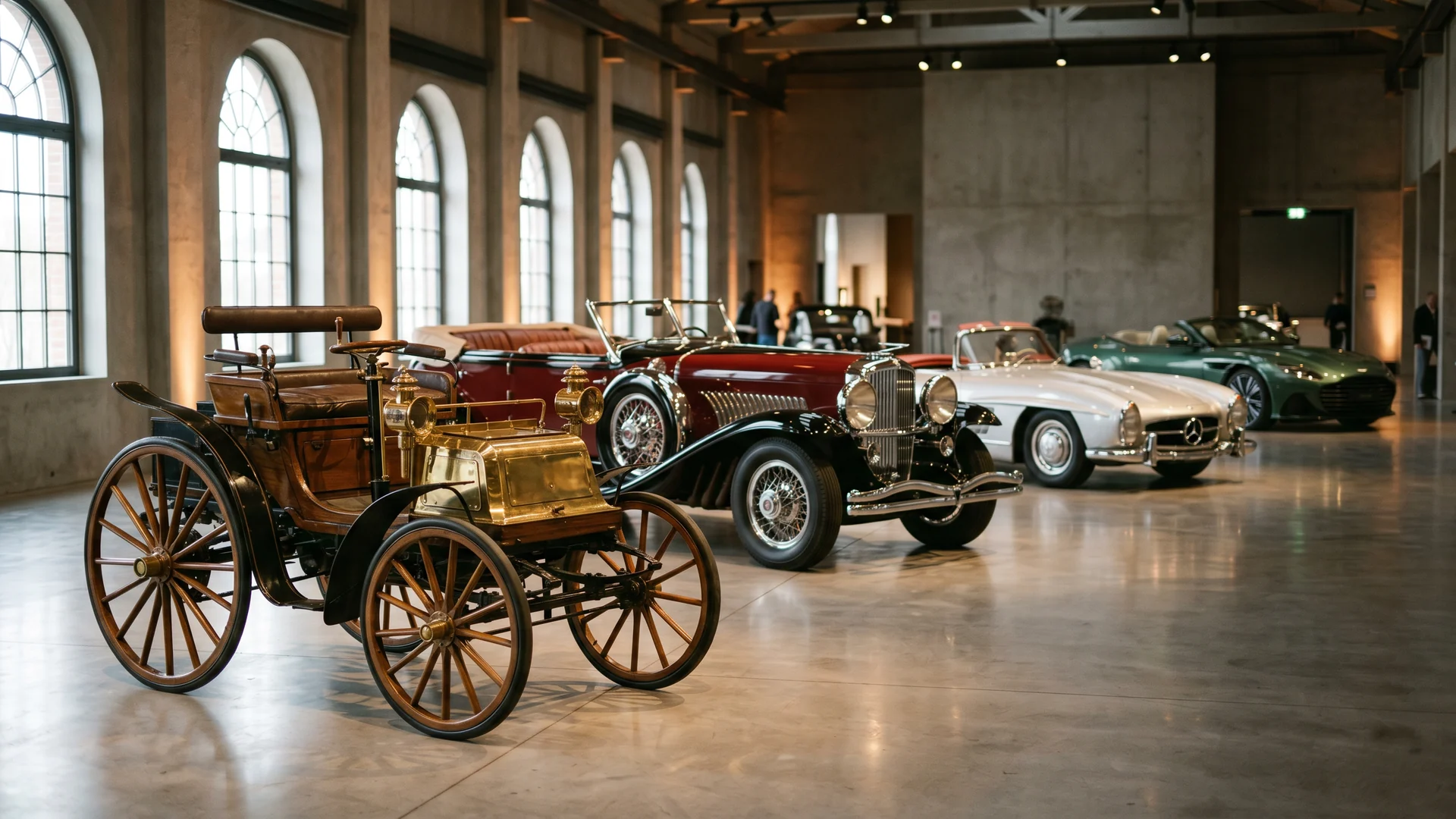
Classic Car History Timeline: From Benz to the Modern Collector Era
Classic car history timeline from the 1886 Benz Patent-Motorwagen through coachbuilding, muscle cars and supercars to modern collectibles. Discover th…