The Psychology Behind Owning Ultra-Rare Classic Cars
Classic car ownership appeals to enthusiasts primarily due to the limited availability of these vehicles. Classic cars represent historical artifacts from specific manufacturing pe…

Classic car ownership appeals to enthusiasts primarily due to the limited availability of these vehicles. Classic cars represent historical artifacts from specific manufacturing periods, with production numbers that have decreased significantly over time due to factors such as deterioration, accidents, and scrapping. This scarcity creates market value and positions these vehicles as collectible items within automotive communities.
The limited production runs of many classic models contribute to their current rarity. Manufacturing data shows that certain models had initial production numbers in the hundreds or low thousands, and surviving examples today represent only a fraction of original output. This mathematical scarcity drives both market pricing and collector interest, as documented ownership becomes increasingly concentrated among dedicated enthusiasts.
Classic cars serve as physical representations of automotive engineering and design philosophies from their respective eras. These vehicles showcase period-specific manufacturing techniques, materials, and aesthetic approaches that differ substantially from contemporary automotive production. The historical context surrounding each model, including its original market positioning, technological innovations, and cultural significance, provides documented provenance that enhances collector interest beyond mere mechanical function.
Key Takeaways
- Exclusivity and rarity significantly enhance the emotional and psychological value of classic cars for owners.
- Nostalgia and personal history play a crucial role in the attachment to and preservation of classic vehicles.
- Owning ultra-rare classic cars contributes to a strong sense of identity, status, and personal fulfillment.
- The restoration process offers psychological benefits, including a sense of accomplishment and mental well-being.
- Participation in classic car communities fosters emotional support and shared passion, enhancing overall owner satisfaction.
The emotional attachment to classic cars
The emotional attachment to classic cars is profound and multifaceted. For many owners, these vehicles evoke memories of family road trips, first loves, or significant life events. Each scratch and dent tells a story, creating a personal narrative that intertwines with the car’s history.
This emotional bond often leads to a deep-seated affection for the vehicle, making it more than just an object but rather a cherished companion. Moreover, classic cars often serve as a bridge between generations.
This generational connection enhances the emotional significance of classic car ownership, as it becomes a way to honor family traditions and values. The nostalgia associated with these cars can evoke feelings of warmth and comfort, making them an integral part of many people’s lives.
The impact of nostalgia on classic car ownership
Nostalgia plays a crucial role in classic car ownership, acting as a powerful motivator for enthusiasts. Many individuals are drawn to classic cars because they remind them of simpler times or significant moments in their lives. This longing for the past can be incredibly compelling, driving people to seek out vehicles that resonate with their personal histories.
The impact of nostalgia extends beyond individual experiences; it also shapes the broader culture surrounding classic cars. Car shows, clubs, and online communities thrive on shared memories and collective appreciation for vintage vehicles. These gatherings provide a space for enthusiasts to connect over their love for classic cars, fostering friendships and camaraderie rooted in shared nostalgia.
This sense of belonging enhances the overall experience of ownership, making it even more rewarding.
The psychological value of preserving history
Preserving history through classic car ownership offers significant psychological value. Many owners view their vehicles as custodians of the past, responsible for maintaining the legacy of automotive innovation and design. This sense of stewardship can be incredibly fulfilling, as it allows individuals to contribute to the preservation of cultural heritage.
Furthermore, owning a classic car can instill a sense of purpose and responsibility. Enthusiasts often invest time and resources into restoring and maintaining their vehicles, ensuring they remain in excellent condition for future generations to appreciate. This commitment to preservation fosters a deeper connection with the car and enhances the owner’s sense of identity as a guardian of history.
The sense of identity and status associated with owning ultra-rare classic cars
Owning ultra-rare classic cars often comes with an inherent sense of identity and status. These vehicles are not just prized possessions; they are symbols of wealth, taste, and sophistication.
This status can lead to exclusive opportunities, such as invitations to high-profile events or private gatherings with fellow enthusiasts. The prestige associated with owning an ultra-rare classic car can also enhance one’s self-image, providing a sense of accomplishment and validation. As such, these vehicles become more than just modes of transportation; they are integral to the owner’s identity and social narrative.
The role of classic cars in shaping personal narratives
Classic cars play a significant role in shaping personal narratives for their owners. Each vehicle carries its own story, which often intertwines with the owner’s life experiences. Whether it’s a car inherited from a loved one or one purchased after years of dreaming, these vehicles become milestones in personal journeys.
The stories associated with classic cars can be deeply meaningful, reflecting values such as perseverance, passion, and dedication. Owners often share these narratives with others, creating connections based on shared experiences and emotions. This storytelling aspect adds depth to the ownership experience, transforming the car into a vessel for personal expression and reflection.
The connection between classic car ownership and personal fulfillment
The connection between classic car ownership and personal fulfillment is profound. For many enthusiasts, owning a classic car represents the realization of a lifelong dream or aspiration. This achievement can bring immense satisfaction and joy, contributing to an overall sense of well-being.
Moreover, the process of restoring or maintaining a classic car can be incredibly rewarding. Engaging in hands-on work allows owners to develop new skills and knowledge while fostering a sense of accomplishment. This active involvement in the restoration process enhances personal fulfillment, as owners witness their efforts transform into tangible results.
The psychological impact of the restoration process
The psychological impact of the restoration process cannot be overstated. Restoring a classic car requires patience, dedication, and creativity, qualities that can lead to personal growth and development. As owners navigate challenges during restoration, they often experience increased resilience and problem-solving skills.
Additionally, the act of restoring a vehicle can serve as a therapeutic outlet for many individuals. The focus required during restoration allows owners to escape from daily stressors and immerse themselves in a rewarding project. This creative engagement can lead to improved mental health and overall well-being.
The impact of classic car ownership on mental well-being
Classic car ownership has been shown to positively impact mental well-being in various ways. The joy derived from owning and driving these vehicles can elevate mood and reduce feelings of anxiety or depression. For many enthusiasts, the thrill of taking their classic car out for a drive provides an exhilarating escape from everyday life.
Furthermore, the social connections formed within classic car communities contribute to improved mental health. Engaging with like-minded individuals fosters a sense of belonging and support, which can be invaluable for overall well-being. These relationships often extend beyond automotive interests, creating lasting friendships that enrich lives.
The emotional response to the rarity and uniqueness of ultra-rare classic cars
The emotional response to the rarity and uniqueness of ultra-rare classic cars is intense and multifaceted. For collectors, these vehicles represent not only financial investments but also emotional treasures that evoke passion and admiration. The thrill of owning something so rare creates an exhilarating sense of pride that is hard to replicate.
Moreover, the uniqueness of ultra-rare classic cars often sparks fascination among enthusiasts and casual observers alike. The stories behind these vehicles, how they were made, who owned them, and their journey through time, add layers of intrigue that enhance their allure. This emotional connection fosters appreciation for craftsmanship and design while deepening the owner’s bond with their vehicle.
The psychological benefits of participating in classic car communities
Participating in classic car communities offers numerous psychological benefits for enthusiasts. These groups provide opportunities for social interaction, knowledge sharing, and support among individuals who share similar passions. Engaging with fellow enthusiasts fosters camaraderie and friendship that can significantly enhance one’s quality of life.
Additionally, being part of a community allows owners to celebrate their shared interests through events such as car shows or rallies. These gatherings create an environment where individuals can showcase their vehicles while connecting with others who appreciate their passion. This sense of belonging contributes positively to mental well-being by reinforcing social ties and providing opportunities for personal growth.
In conclusion, classic cars offer more than just aesthetic appeal; they provide emotional connections, historical significance, and opportunities for personal fulfillment. Whether through nostalgia or community engagement, owning a classic car enriches lives in profound ways. For those considering entering this world or deepening their involvement, embracing the journey can lead to lasting joy and satisfaction, both on the road and beyond.
FAQs
What motivates people to own ultra-rare classic cars?
Many owners are driven by a passion for automotive history, the thrill of exclusivity, and the desire to preserve a piece of cultural heritage. The rarity and uniqueness of these cars often provide a sense of pride and accomplishment.
How does owning an ultra-rare classic car affect an owner’s identity?
Owning such a vehicle can enhance an individual’s self-esteem and social status. It often reflects personal values like appreciation for craftsmanship, nostalgia, and a connection to a particular era or lifestyle.
Are there psychological benefits to collecting ultra-rare classic cars?
Yes, collecting these cars can offer emotional satisfaction, stress relief, and a sense of purpose. The hobby encourages mindfulness, attention to detail, and can foster social connections with like-minded enthusiasts.
What role does nostalgia play in the desire to own classic cars?
Nostalgia is a significant factor; many owners are drawn to classic cars because they evoke memories of a bygone era, personal experiences, or cultural moments, providing comfort and a link to the past.
Can owning ultra-rare classic cars influence social interactions?
Absolutely. These cars often serve as conversation starters and can help owners build networks within exclusive communities, enhancing social bonds and shared experiences.
Is the investment potential a psychological factor in owning rare classic cars?
For some, yes. The prospect of financial appreciation can add to the appeal, providing a sense of security and accomplishment, though many prioritize passion over profit.
How does the rarity of a classic car impact its psychological value to the owner?
Rarity increases perceived value and exclusivity, which can heighten feelings of uniqueness and personal significance, reinforcing the owner’s emotional attachment to the vehicle.
More from Blog
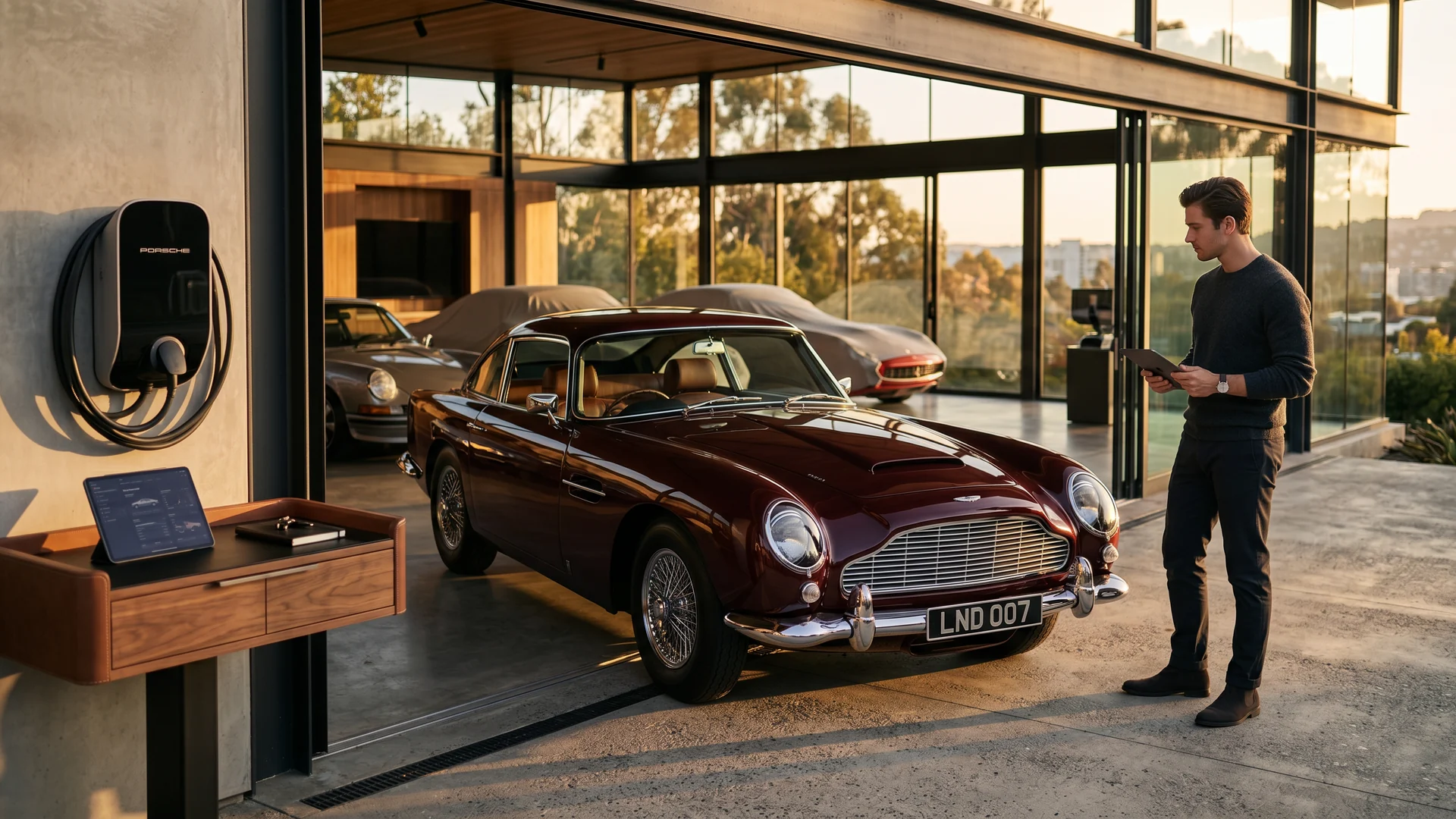
The Future of Classic Car Collecting: Trends Shaping the Next Generation
The future of classic car collecting: why 2035 ICE bans spare existing cars, plus e-fuels, shifting demographics, electromods and fractional ownership…
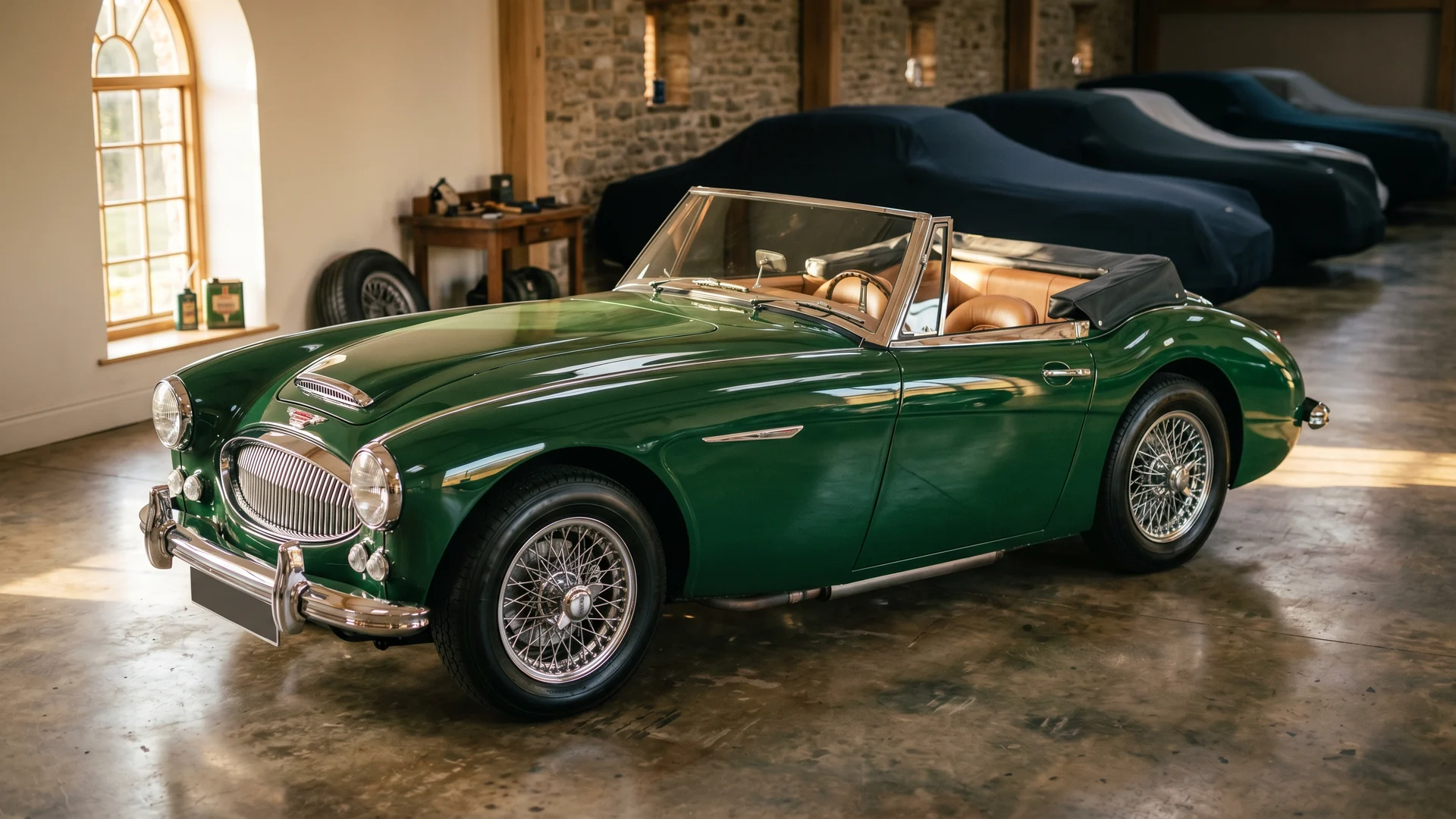
Classic Car Insurance Guide: Protecting Your Vintage Investment
Classic car insurance guide: why agreed-value policies beat stated and actual cash value, how Hagerty, Grundy and Chubb compare, plus costs and covera…
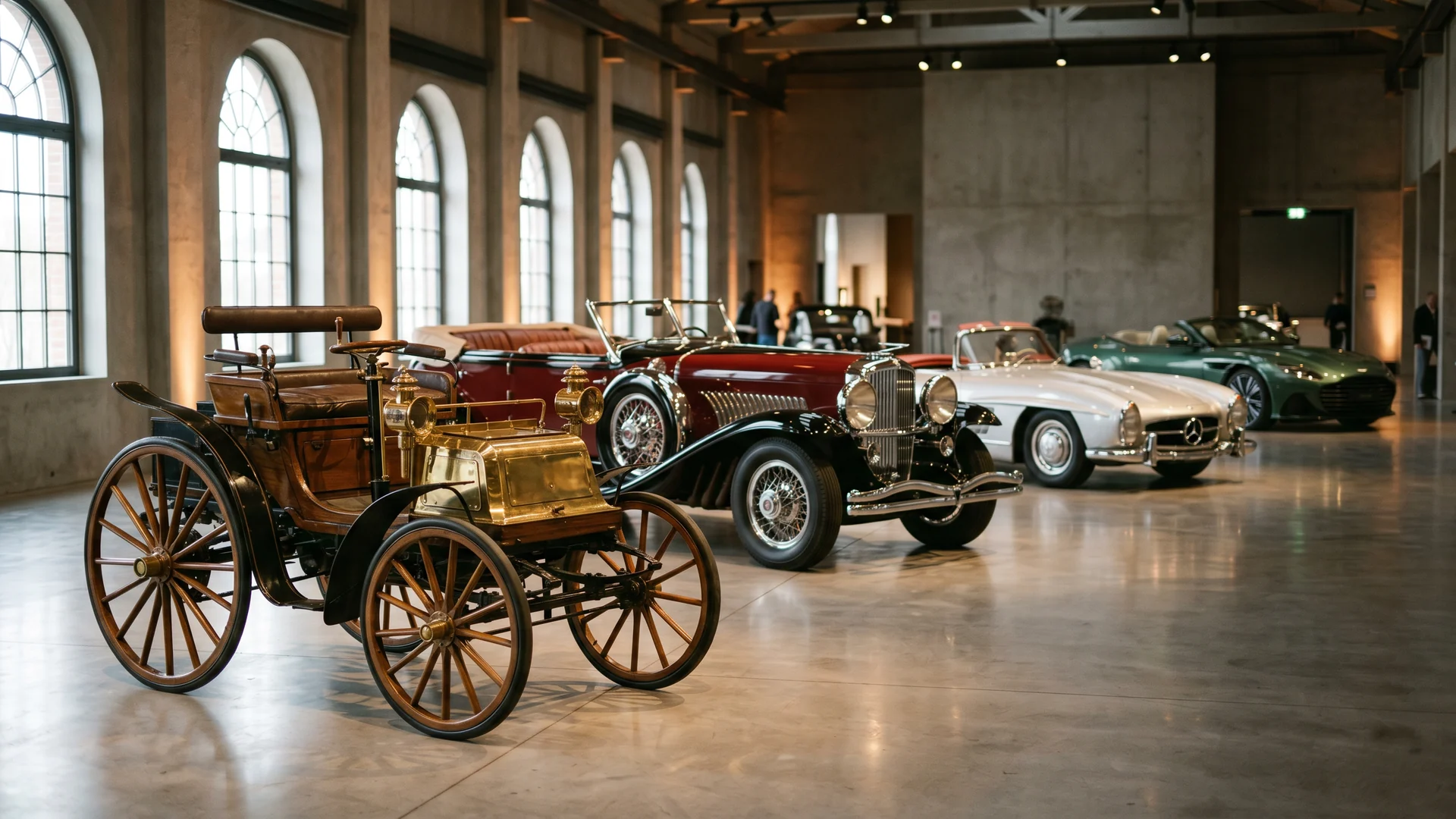
Classic Car History Timeline: From Benz to the Modern Collector Era
Classic car history timeline from the 1886 Benz Patent-Motorwagen through coachbuilding, muscle cars and supercars to modern collectibles. Discover th…