The Psychological Power of Owning a Rare Vintage Car
Owning a vintage car is more than just having a mode of transportation; it’s about possessing a unique piece of history. Each vintage car tells a story, representing a specif…
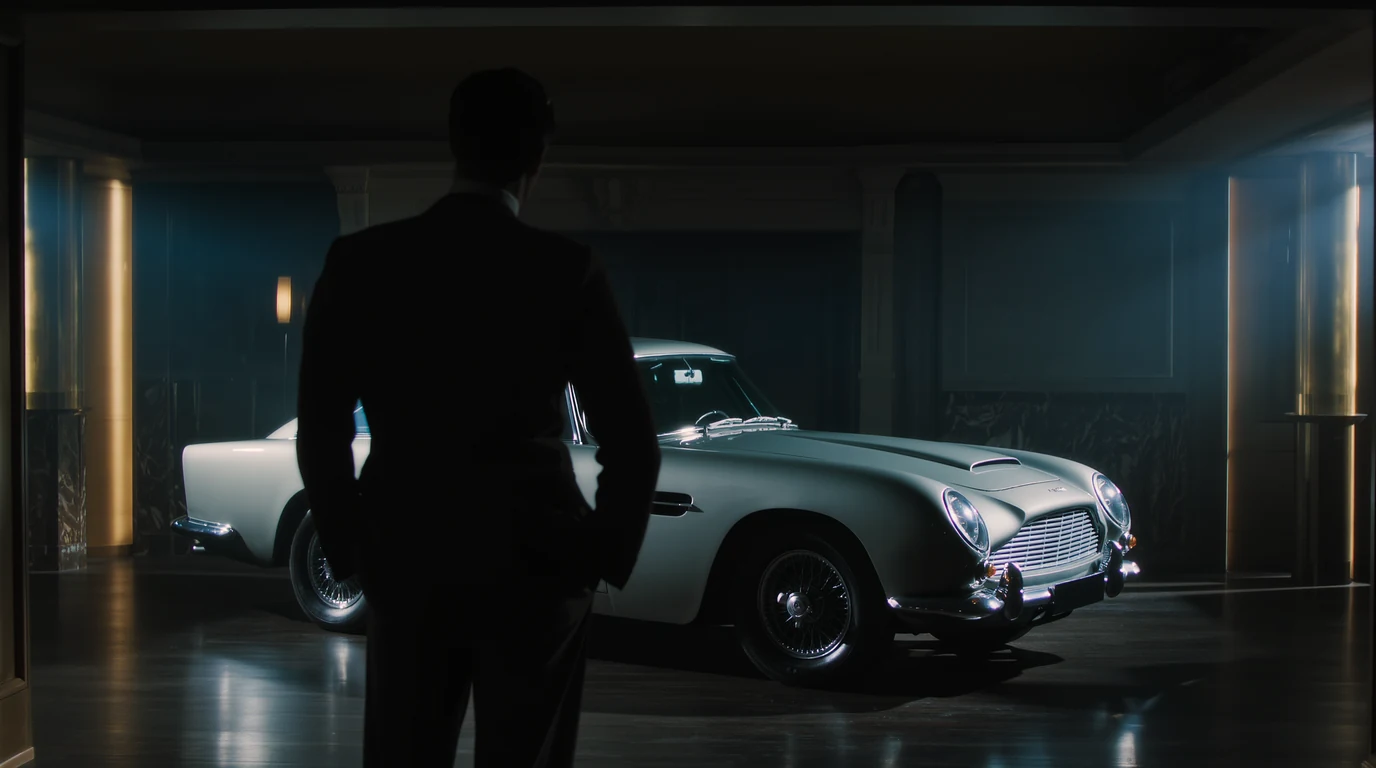
Owning a vintage car is more than just having a mode of transportation; it’s about possessing a unique piece of history. Each vintage car tells a story, representing a specific era in automotive design and engineering. The thrill of rarity lies in the fact that these vehicles are not mass-produced; they are limited in number, making them highly sought after by collectors and enthusiasts alike.
When you own a vintage car, you become part of an exclusive club, one that appreciates the craftsmanship and artistry that went into creating these timeless machines. The allure of rarity also extends to the emotional connection that comes with owning such a vehicle. Each scratch, dent, and patina tells a story of its own, evoking memories of the past.
This connection to history can be exhilarating, as it allows owners to feel like custodians of a bygone era. The thrill of rarity is not just about the car itself; it’s about the journey and the stories that come with it.
Key Takeaways
- Owning a rare vintage car offers a unique connection to history and nostalgia.
- Vintage cars serve as powerful status symbols, enhancing owners’ self-image and exclusivity.
- Restoring and maintaining classic cars provides therapeutic benefits and personal satisfaction.
- Being a custodian of automotive heritage fosters a strong sense of achievement and preservation.
- The vintage car community creates meaningful social bonds and a shared sense of belonging.
The Emotional Connection: How Vintage Cars Evoke Nostalgia and Sentimentality
Vintage cars evoke powerful emotions, often stirring up feelings of nostalgia and sentimentality. For many, these vehicles represent cherished memories from their youth or family history. Perhaps it was the car that their parents drove on summer road trips or the one that graced the driveway during special occasions.
This emotional connection can be profound, as vintage cars often symbolize freedom, adventure, and simpler times. Moreover, the aesthetic appeal of vintage cars adds to their emotional resonance. The curves, colors, and designs reflect an era when cars were not just machines but works of art.
Owners often find themselves reminiscing about the past while admiring their vehicles, creating a deep-seated bond that transcends mere ownership. This emotional connection is what makes vintage cars so special; they are not just objects but vessels of memories and experiences.
The Status Symbol: The Psychological Impact of Owning a Rare and Valuable Car
Owning a rare vintage car can significantly impact one’s social status. These vehicles are often seen as symbols of wealth and success, elevating the owner’s image in the eyes of others. The psychological effect of driving a classic car can be empowering; it instills a sense of pride and accomplishment.
People often associate vintage cars with sophistication and taste, making them a desirable status symbol. Additionally, the exclusivity of owning a rare car can enhance this status even further. When you drive a vehicle that few others possess, you stand out in a crowd.
This uniqueness can lead to increased self-esteem and confidence, as you become part of an elite group of collectors and enthusiasts. The psychological impact of owning such a car goes beyond material wealth; it shapes how you perceive yourself and how others perceive you.
The Sense of Achievement: The Satisfaction of Owning a Piece of Automotive History
There is an undeniable sense of achievement that comes with owning a vintage car. For many enthusiasts, acquiring such a vehicle is the culmination of years of hard work, dedication, and passion. This achievement is not just about financial investment; it represents a commitment to preserving automotive history.
Each car requires research, maintenance, and care, making ownership a rewarding endeavor. Moreover, restoring or maintaining a vintage car can be an incredibly fulfilling experience. Owners often take pride in their ability to keep these vehicles running smoothly, ensuring that they remain in excellent condition for future generations to enjoy.
This sense of accomplishment fosters a deeper appreciation for the craftsmanship involved in automotive design and engineering, further enhancing the owner’s connection to their vehicle.
The Bonding Experience: Connecting with Other Vintage Car Enthusiasts
Owning a vintage car opens the door to a vibrant community of enthusiasts who share similar passions. This bonding experience is invaluable; it allows owners to connect with like-minded individuals who appreciate the beauty and history behind these vehicles. Car shows, meet-ups, and online forums provide opportunities for owners to share stories, tips, and experiences related to their cars.
These connections often lead to lasting friendships built on shared interests. Whether discussing restoration techniques or reminiscing about memorable road trips, the camaraderie among vintage car enthusiasts fosters a sense of belonging. This community support can be incredibly rewarding, as it creates an environment where owners can celebrate their passion together.
The Personal Identity: How Vintage Cars Reflect and Shape Owners’ Self-Image
Vintage cars often serve as extensions of their owners’ identities. The choice of vehicle can reflect personal values, tastes, and even aspirations. For some, owning a classic car signifies a love for history and craftsmanship; for others, it may represent a desire for adventure or freedom.
This connection between car ownership and personal identity is profound, as it shapes how individuals see themselves and how they wish to be perceived by others. Moreover, vintage cars can influence lifestyle choices and social interactions. Owners may find themselves gravitating towards events or activities that align with their automotive interests, further solidifying their identity within this niche community.
As they engage with others who share similar passions, they reinforce their self-image as connoisseurs of automotive history.
The Sense of Exclusivity: Owning a Rare Vintage Car as a Form of Self-Expression
The exclusivity associated with owning a rare vintage car allows for unique self-expression. These vehicles are not just modes of transportation; they are statements about who the owner is and what they value. By choosing to invest in a rare model, owners communicate their appreciation for craftsmanship, history, and individuality.
This sense of exclusivity can also lead to creative expression through customization or restoration projects. Many owners take pride in personalizing their vehicles to reflect their tastes and preferences.
The Preservation of History: The Psychological Impact of Being a Custodian of Automotive Heritage
Owning a vintage car comes with the responsibility of preserving automotive history. Many owners view themselves as custodians of these vehicles, ensuring that they remain in excellent condition for future generations to appreciate. This role can be psychologically rewarding; it fosters a sense of purpose and connection to the past.
The act of preservation also involves learning about the history behind each vehicle model. Owners often delve into research about the era in which their car was produced, gaining insights into its significance within automotive history. This knowledge enhances their appreciation for the vehicle and reinforces their commitment to preserving its legacy.
The Investment Value: How Owning a Rare Vintage Car Can Provide a Sense of Financial Security
Investing in rare vintage cars can offer financial security for owners. Many classic cars appreciate over time, making them valuable assets in an investment portfolio. This potential for appreciation provides peace of mind for owners who view their vehicles as more than just toys; they see them as smart financial decisions.
Additionally, owning a rare vintage car can serve as a hedge against inflation or economic downturns. Unlike traditional investments that may fluctuate in value, classic cars often maintain or increase their worth over time due to their rarity and desirability among collectors. This financial aspect adds another layer to the satisfaction of ownership.
The Therapeutic Effect: The Psychological Benefits of Restoring and Maintaining a Vintage Car
Restoring and maintaining a vintage car can have therapeutic effects on owners.
The process can be meditative; it requires patience, attention to detail, and problem-solving skills that can provide an escape from daily stressors.
Moreover, the satisfaction derived from seeing progress during restoration projects can boost self-esteem and overall well-being. Each completed task serves as a reminder of one’s capabilities and dedication to preserving automotive history. This therapeutic aspect makes vintage car ownership not just enjoyable but also beneficial for mental health.
The Community Connection: How Owning a Rare Vintage Car Can Foster a Sense of Belonging among Enthusiasts
Finally, owning a rare vintage car fosters community connections among enthusiasts. This shared passion creates bonds that transcend age, background, or location. Whether through local clubs or online forums, owners find camaraderie in discussing their vehicles’ intricacies or sharing restoration tips.
Participating in events such as car shows or rallies further strengthens these connections. Owners come together to celebrate their love for vintage cars while forming friendships that last beyond the events themselves. This sense of belonging enriches the ownership experience, making it more than just about the car; it’s about being part of something larger than oneself.
In conclusion, owning a vintage car offers numerous psychological benefits that extend beyond mere possession. From emotional connections to community bonds, these vehicles provide unique experiences that shape identities and foster personal growth. Whether you’re drawn by nostalgia or investment potential, the journey into vintage car ownership is one filled with excitement and fulfillment.
FAQs
What psychological benefits are associated with owning a rare vintage car?
Owning a rare vintage car can provide a sense of pride, accomplishment, and uniqueness. It often enhances self-esteem and can serve as a symbol of status or personal identity. The ownership experience may also evoke nostalgia and emotional satisfaction.
How does owning a rare vintage car affect a person’s social interactions?
Rare vintage car ownership can facilitate social connections by providing common ground with other enthusiasts. It often leads to participation in clubs, events, and shows, fostering a sense of community and belonging.
Why do people feel a strong emotional attachment to vintage cars?
People may develop emotional attachments due to the car’s history, craftsmanship, and rarity. Vintage cars often evoke memories or represent a connection to a particular era, enhancing sentimental value.
Can owning a rare vintage car impact mental well-being?
Yes, engaging in the restoration, maintenance, and enjoyment of a vintage car can reduce stress and provide a purposeful hobby. The sense of achievement and joy derived from ownership can positively influence mental health.
Is the rarity of a vintage car important to its psychological impact?
Rarity contributes significantly to the psychological impact by enhancing feelings of exclusivity and uniqueness. Owning something rare can boost self-worth and differentiate the owner from others.
Do vintage cars have value beyond their monetary worth?
Absolutely. Beyond financial value, vintage cars hold cultural, historical, and emotional significance. They often represent craftsmanship and design from a specific period, adding to their intangible value.
How does nostalgia play a role in the appeal of vintage cars?
Nostalgia connects owners to past experiences or eras, creating a sentimental bond. This emotional connection can increase the car’s appeal and deepen the owner’s psychological satisfaction.
Are there any challenges associated with owning a rare vintage car?
Yes, challenges include maintenance costs, finding authentic parts, and the time commitment required. These factors can sometimes cause stress but may also enhance the sense of accomplishment when overcome.
Can owning a rare vintage car influence a person’s identity?
Yes, ownership can become a key part of an individual’s identity, reflecting personal values, interests, and lifestyle. It often symbolizes passion, dedication, and appreciation for history and design.
What role does community play in the experience of owning a rare vintage car?
Community involvement provides social support, knowledge sharing, and camaraderie. Engaging with fellow enthusiasts can enhance enjoyment and reinforce the psychological benefits of ownership.
More from Blog
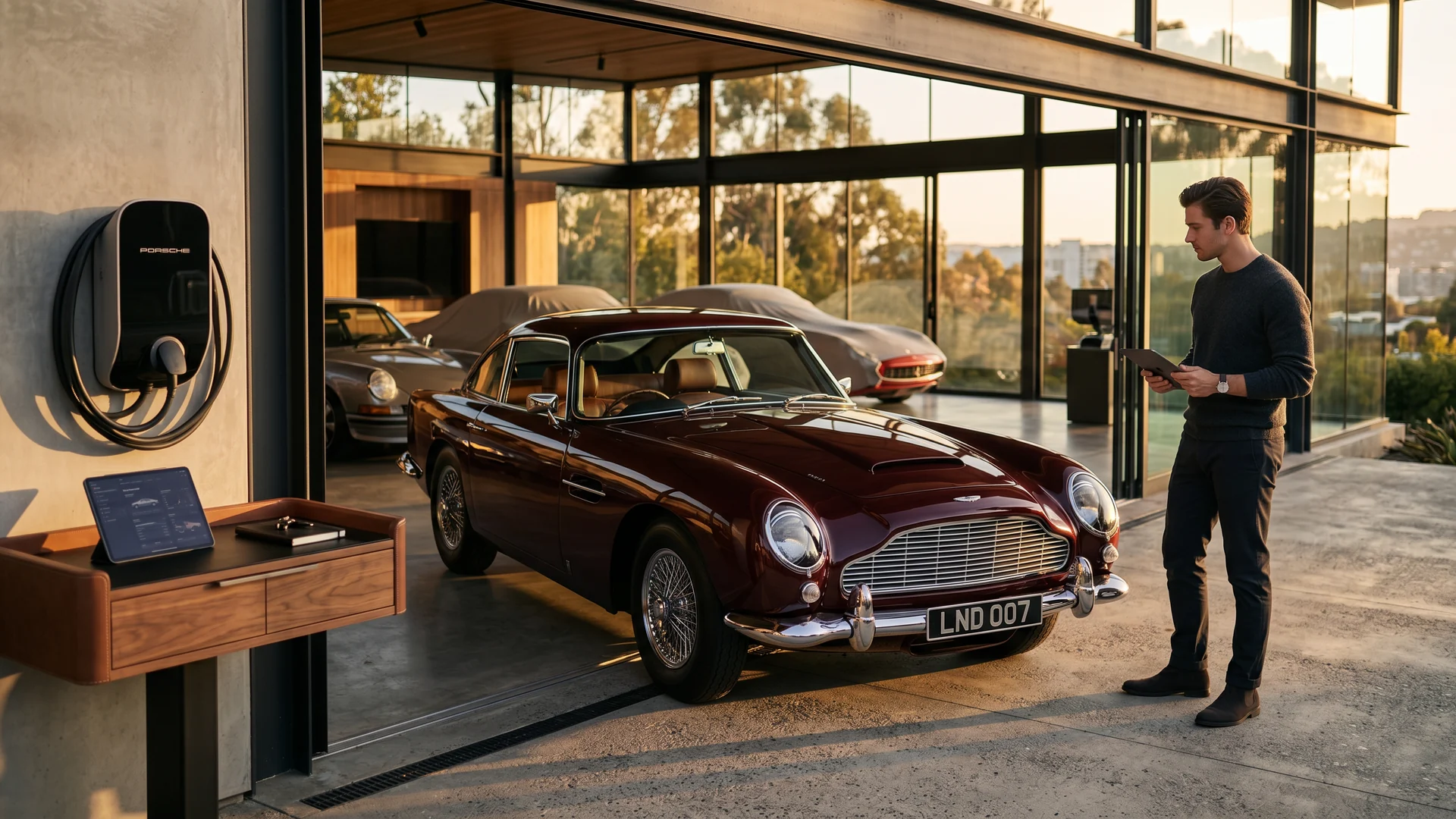
The Future of Classic Car Collecting: Trends Shaping the Next Generation
The future of classic car collecting: why 2035 ICE bans spare existing cars, plus e-fuels, shifting demographics, electromods and fractional ownership…
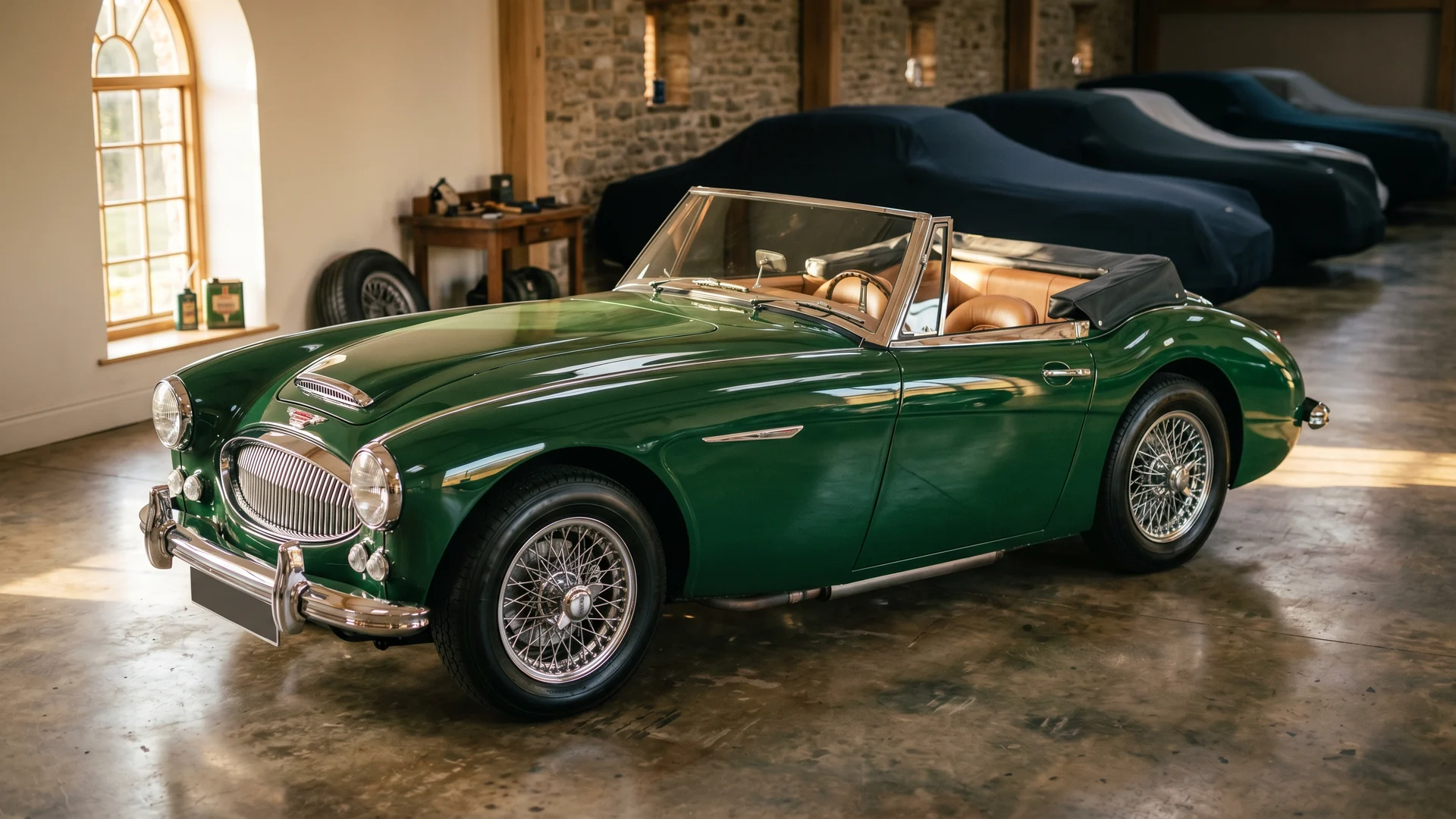
Classic Car Insurance Guide: Protecting Your Vintage Investment
Classic car insurance guide: why agreed-value policies beat stated and actual cash value, how Hagerty, Grundy and Chubb compare, plus costs and covera…
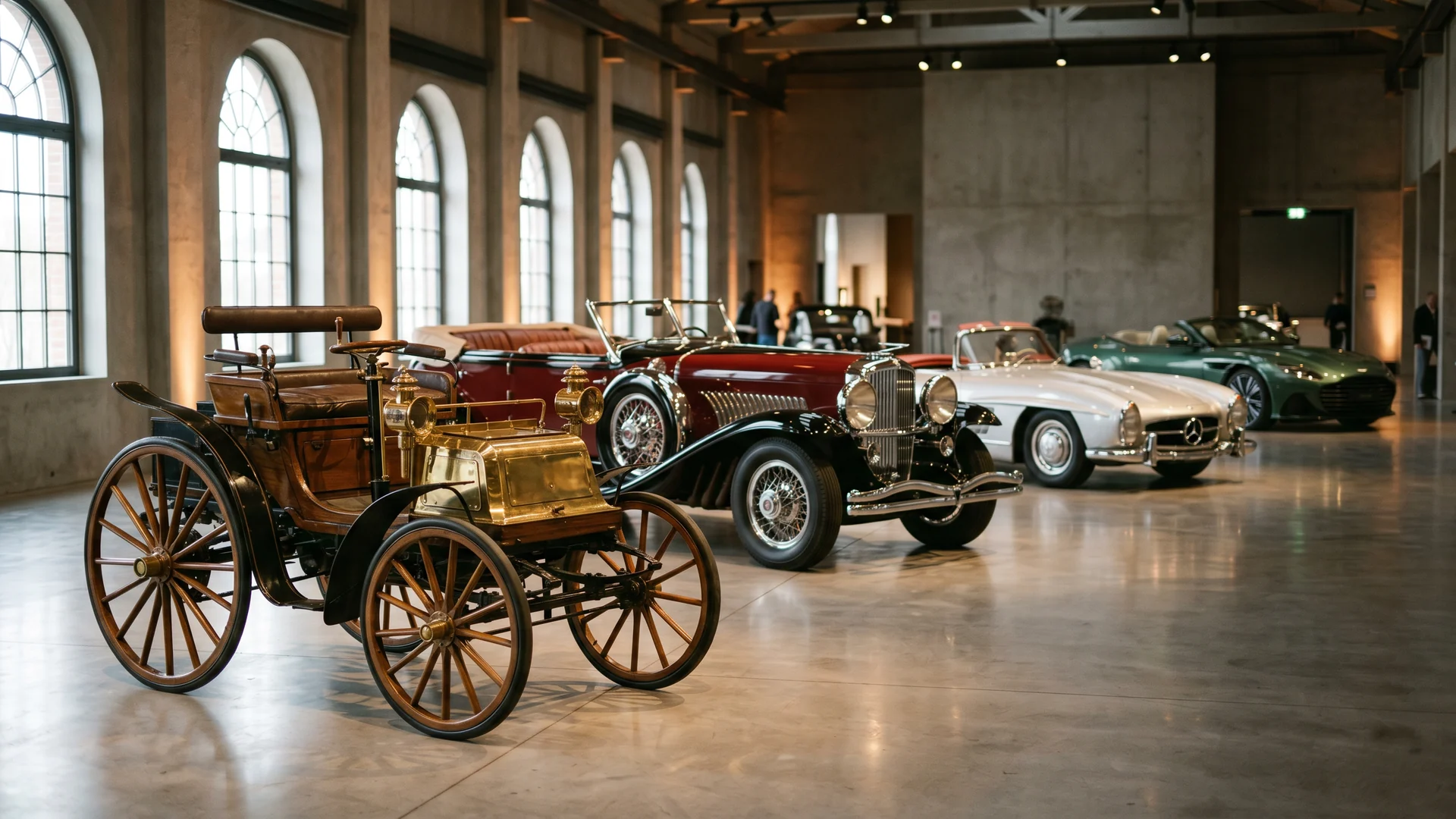
Classic Car History Timeline: From Benz to the Modern Collector Era
Classic car history timeline from the 1886 Benz Patent-Motorwagen through coachbuilding, muscle cars and supercars to modern collectibles. Discover th…