The Psychological Addiction of Collecting Rare Vintage Cars
The allure of rare vintage cars captivates enthusiasts and collectors alike. These vehicles represent not just modes of transportation but also pieces of history, craftsmanship, an…
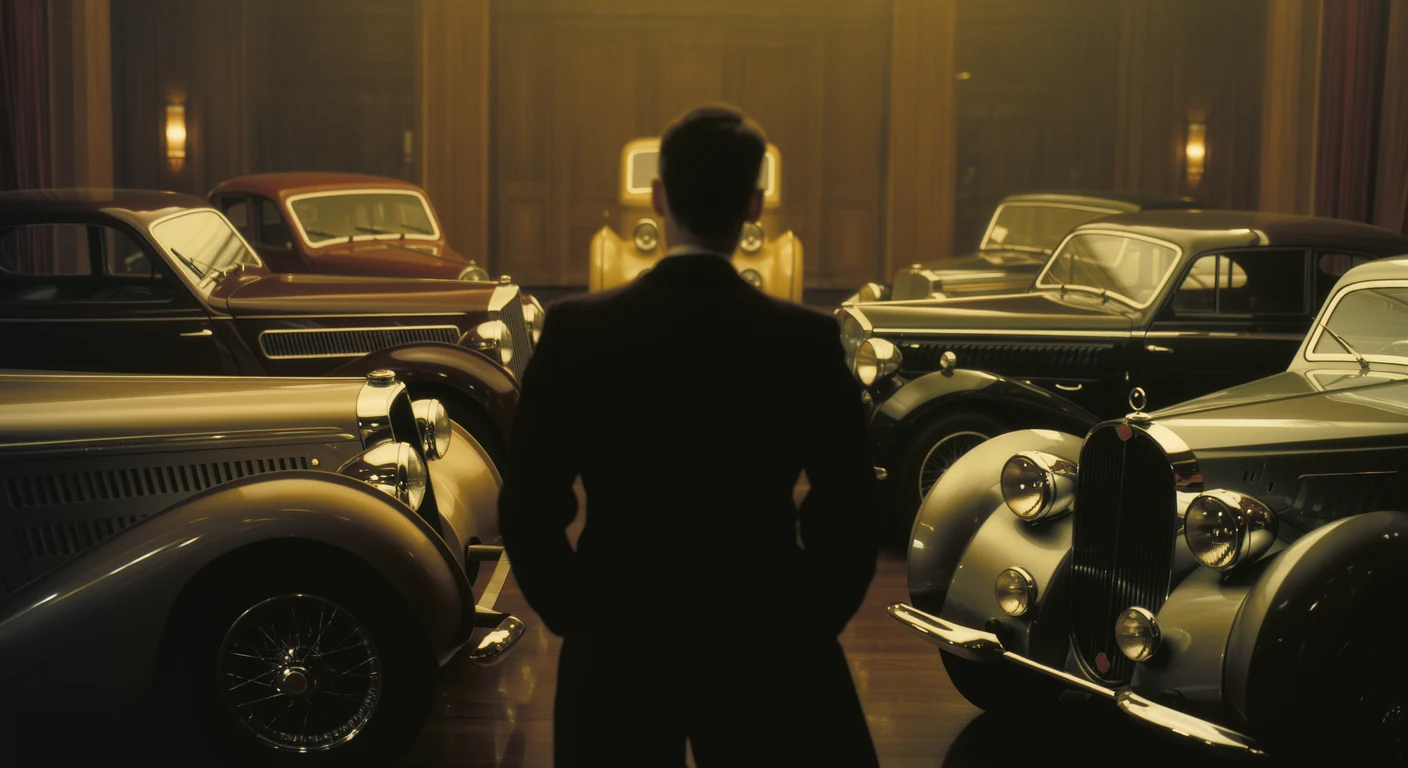
The allure of rare vintage cars captivates enthusiasts and collectors alike. These vehicles represent not just modes of transportation but also pieces of history, craftsmanship, and artistry. Each vintage car tells a story, reflecting the era in which it was created, the innovations of its time, and the passion of its makers.
The aesthetic appeal of these cars, with their unique designs and classic lines, draws many into the world of collecting. For many, owning a rare vintage car is akin to possessing a piece of art, a tangible connection to a bygone era. Moreover, the rarity of these vehicles adds to their charm.
Limited production runs and unique models create a sense of exclusivity that is hard to resist. Collectors often find themselves enchanted by the idea of owning something that few others have. This exclusivity not only enhances the car’s value but also elevates the owner’s status within the collector community.
The combination of beauty, history, and rarity makes vintage cars an irresistible pursuit for many.
Key Takeaways
- Rare vintage cars captivate collectors through nostalgia, emotional attachment, and social status.
- The thrill and addictive nature of hunting for rare finds drive continuous pursuit and competition.
- Acquiring rare cars brings a strong sense of achievement and psychological investment satisfaction.
- Collecting evokes emotional highs and lows, deeply impacting collectors’ mental well-being.
- Psychological addiction to collecting can lead to negative effects despite the passion and rewards.
The thrill of the hunt for rare finds
The thrill of the hunt for rare finds is an exhilarating experience that many collectors cherish. Searching for that elusive vintage car can feel like embarking on a treasure hunt, where each lead could potentially lead to a hidden gem. Whether scouring online marketplaces, attending auctions, or visiting classic car shows, the excitement builds with every new discovery.
The anticipation of uncovering a rare model fuels the passion for collecting and keeps enthusiasts engaged in the community. Additionally, the hunt often involves extensive research and networking. Collectors become adept at identifying valuable models and understanding market trends.
They connect with other enthusiasts, sharing tips and leads on potential finds. This collaborative spirit enhances the experience, as collectors bond over their shared passion. The thrill lies not just in finding a car but in the journey itself, the stories shared, the knowledge gained, and the friendships formed along the way.
The emotional attachment to vintage cars
The emotional attachment to vintage cars runs deep for many collectors. These vehicles often evoke memories of family road trips, first cars, or cherished moments from childhood. For some, owning a vintage car is a way to reconnect with those memories and relive the joy associated with them.
This emotional connection transforms a simple vehicle into a cherished possession that holds significant personal value. Furthermore, vintage cars often symbolize freedom and adventure. They represent a time when driving was more about the experience than just getting from point A to point Collectors frequently find themselves reminiscing about the past while behind the wheel of their vintage cars, feeling a sense of nostalgia that transcends time.
This emotional bond enhances the overall collecting experience, making each acquisition more than just a financial investment; it becomes a part of their identity.
The sense of achievement in acquiring rare pieces
The sense of achievement in acquiring rare pieces is one of the most rewarding aspects of collecting vintage cars. After months or even years of searching, finally securing that coveted model brings immense satisfaction. This accomplishment is not just about adding another car to a collection; it signifies dedication, perseverance, and passion.
Each successful acquisition reinforces a collector’s commitment to their hobby and validates their efforts. Moreover, this sense of achievement often extends beyond personal gratification. Collectors take pride in sharing their finds with fellow enthusiasts and showcasing their collections at events or online platforms.
The recognition from peers adds another layer of fulfillment, as collectors celebrate their successes together. This communal aspect fosters a supportive environment where achievements are acknowledged and celebrated, further motivating collectors to continue their pursuit.
The social status and recognition associated with owning rare vintage cars
Owning rare vintage cars often comes with a certain level of social status and recognition within the collector community. These vehicles are not just prized possessions; they are symbols of wealth, taste, and sophistication. Collectors who own rare models are frequently admired for their discerning eye and ability to acquire such exclusive pieces.
This recognition can open doors to exclusive events, clubs, and gatherings where collectors can showcase their vehicles and connect with like-minded individuals. Additionally, the prestige associated with owning rare vintage cars can enhance one’s reputation beyond the collector community. Friends, family, and acquaintances often view these vehicles as markers of success and achievement.
This social validation can be gratifying for collectors, reinforcing their passion for vintage cars while also elevating their status in broader social circles.
The impact of nostalgia and sentimental value on collectors
Nostalgia plays a significant role in shaping the motivations of vintage car collectors. Many enthusiasts are drawn to specific models because they remind them of their youth or significant life events. This sentimental value transforms collecting from a mere hobby into a deeply personal journey.
Each car represents not just an investment but also cherished memories that collectors hold dear. The impact of nostalgia can also influence purchasing decisions. Collectors may prioritize models that evoke strong emotional connections over those that are simply more valuable or sought after in the market.
This emotional investment can lead to more meaningful collections that reflect individual stories and experiences rather than just financial considerations.
The psychological impact of the investment value of rare vintage cars
The psychological impact of the investment value of rare vintage cars cannot be understated. Many collectors view their acquisitions as not only passion projects but also as financial investments that can appreciate over time. This duality creates a complex relationship between collectors and their vehicles; they must balance emotional attachment with financial considerations.
As values fluctuate in the market, collectors may experience anxiety about their investments. The pressure to maintain or increase value can lead to stress and second-guessing decisions made during acquisitions. However, this investment aspect also provides motivation for collectors to stay informed about market trends and make strategic choices that enhance their collections’ worth.
The addictive nature of the chase for the next rare acquisition
The chase for the next rare acquisition can become an addictive pursuit for many collectors. The thrill of finding a unique model or securing a hard-to-find piece can trigger an adrenaline rush akin to gambling or other high-stakes activities.
As collectors become more engrossed in their pursuits, they may find themselves prioritizing car shows, auctions, and online searches over personal relationships or responsibilities. This obsession can create an imbalance in life, where the thrill of acquisition overshadows other important aspects such as family time or career obligations.
The role of competition and comparison among collectors
Competition among collectors can significantly influence behavior within the vintage car community. Many enthusiasts strive to outdo one another by acquiring rarer models or showcasing more impressive collections. This competitive spirit can drive individuals to push their limits in terms of time, effort, and finances spent on acquiring new pieces.
Some may feel inadequate if they perceive their collection as less impressive than others’, leading to feelings of envy or frustration. This dynamic can create pressure to constantly seek out new acquisitions or upgrade existing ones to maintain status within the community.
The emotional highs and lows of collecting rare vintage cars
Collecting rare vintage cars is often characterized by emotional highs and lows that reflect the unpredictable nature of the hobby. The excitement of acquiring a long-sought-after model can lead to euphoric highs that reinforce one’s passion for collecting. Conversely, setbacks such as failed negotiations or missed opportunities can result in disappointment and frustration.
These emotional fluctuations are part and parcel of the collecting experience. Enthusiasts learn to navigate these ups and downs while developing resilience and patience over time. Ultimately, these emotional journeys contribute to a deeper appreciation for both the cars themselves and the process of collecting.
The potential negative effects of psychological addiction to collecting rare vintage cars
While collecting rare vintage cars can be fulfilling, it also carries potential negative effects related to psychological addiction. As previously mentioned, some collectors may prioritize their pursuits over personal relationships or responsibilities, leading to isolation or neglect in other areas of life. This obsession can strain friendships and family dynamics as individuals become consumed by their quest for acquisitions.
Additionally, financial strain may arise if collectors overspend on vehicles in pursuit of status or recognition within the community. This pressure can lead to regret or anxiety about financial decisions made during moments of excitement or competition. Recognizing these potential pitfalls is crucial for maintaining a healthy balance between passion for collecting and overall well-being.
In conclusion, while collecting rare vintage cars offers numerous rewards, such as emotional fulfillment, social recognition, and personal achievement, it’s essential for enthusiasts to remain mindful of potential challenges associated with this passion. By fostering healthy relationships with both their collections and fellow enthusiasts, collectors can enjoy all that this captivating hobby has to offer while avoiding its potential downsides.
FAQs
What is psychological addiction in the context of collecting rare vintage cars?
Psychological addiction in collecting rare vintage cars refers to a compulsive behavior where individuals feel an uncontrollable urge to acquire and own these vehicles. This addiction is driven by emotional satisfaction, nostalgia, status, and the thrill of the hunt, rather than physical dependence.
Why do people become addicted to collecting rare vintage cars?
People may become addicted due to various psychological factors such as the desire for prestige, emotional attachment to the cars, the excitement of finding rare models, and the sense of accomplishment from building a unique collection. Collecting can also serve as a coping mechanism for stress or a way to fulfill unmet emotional needs.
What psychological benefits do collectors experience?
Collectors often experience feelings of joy, pride, and fulfillment. The hobby can provide a sense of identity, community, and purpose. It also stimulates cognitive functions like memory and problem-solving when researching and restoring cars.
Can collecting rare vintage cars become harmful?
Yes, if the behavior becomes compulsive and leads to financial problems, neglect of personal relationships, or emotional distress, it can be harmful. Addiction may cause collectors to prioritize acquiring cars over other important aspects of life.
How can someone recognize if their collecting behavior is becoming an addiction?
Signs include spending excessive time and money on collecting, feeling anxious or irritable when unable to acquire new cars, neglecting responsibilities, and experiencing negative impacts on personal or professional life.
Is there a way to manage or overcome an addiction to collecting vintage cars?
Yes, managing the addiction involves setting clear budgets, seeking support from friends or professionals, and finding balance by engaging in other hobbies or activities. Therapy or counseling can help address underlying emotional issues contributing to the addiction.
Are there communities or support groups for collectors struggling with addiction?
While specific support groups for car collecting addiction are rare, general addiction support groups and mental health professionals can provide assistance. Online forums and collector clubs may also offer peer support and advice on maintaining healthy collecting habits.
What role does nostalgia play in the addiction to collecting vintage cars?
Nostalgia often fuels the addiction by evoking positive memories and emotions associated with a particular era or personal experiences. This emotional connection can intensify the desire to collect and preserve vintage cars.
How does the rarity of a vintage car influence the psychological addiction?
Rarity increases the perceived value and exclusivity of a car, which can heighten the collector’s desire and sense of achievement. The challenge of finding and acquiring rare models can also contribute to addictive behaviors.
Can collecting rare vintage cars have positive psychological effects?
Yes, when done in moderation, collecting can enhance self-esteem, provide a sense of accomplishment, foster social connections, and offer a meaningful and enjoyable pastime.
More from Blog
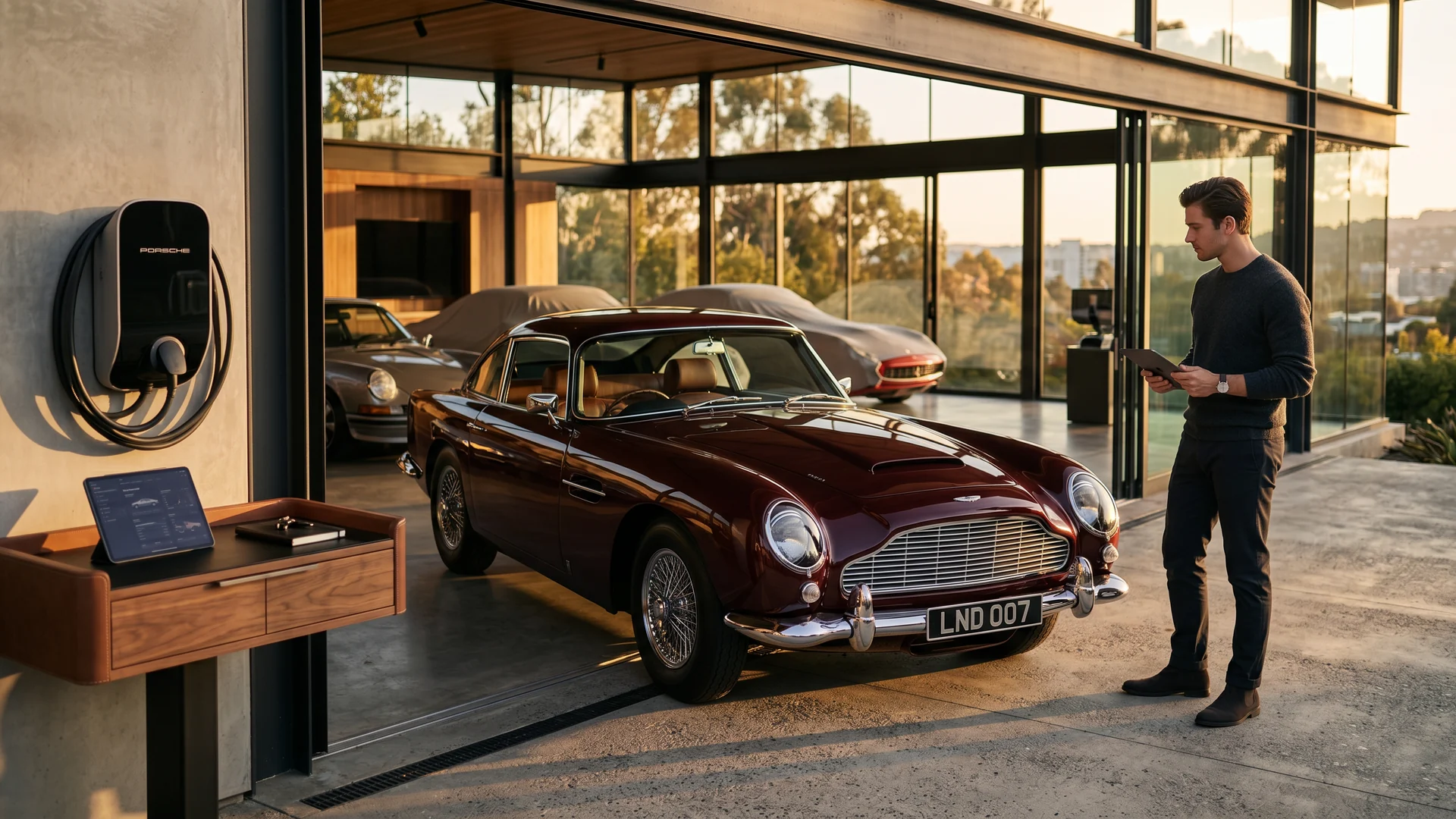
The Future of Classic Car Collecting: Trends Shaping the Next Generation
The future of classic car collecting: why 2035 ICE bans spare existing cars, plus e-fuels, shifting demographics, electromods and fractional ownership…
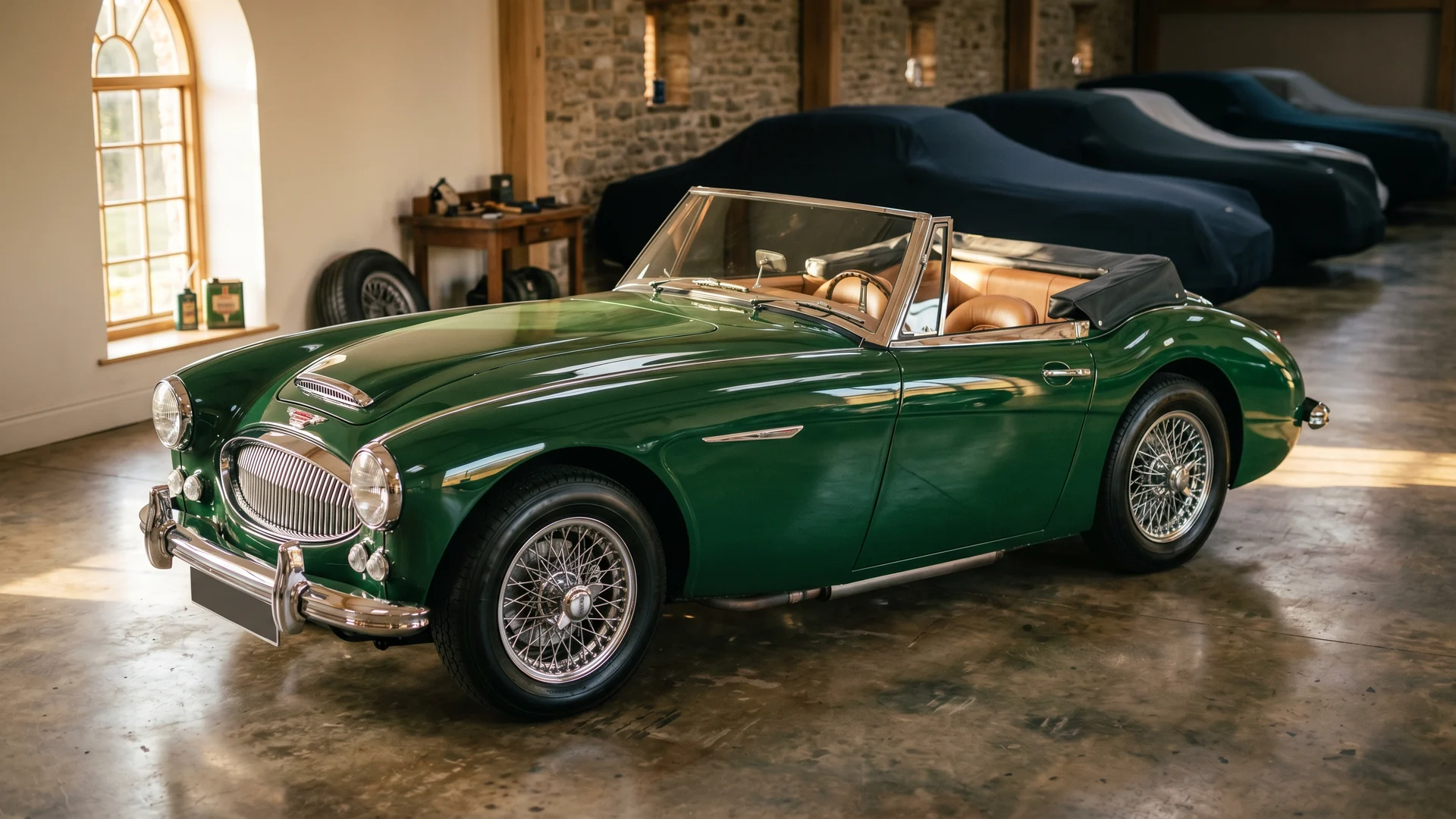
Classic Car Insurance Guide: Protecting Your Vintage Investment
Classic car insurance guide: why agreed-value policies beat stated and actual cash value, how Hagerty, Grundy and Chubb compare, plus costs and covera…
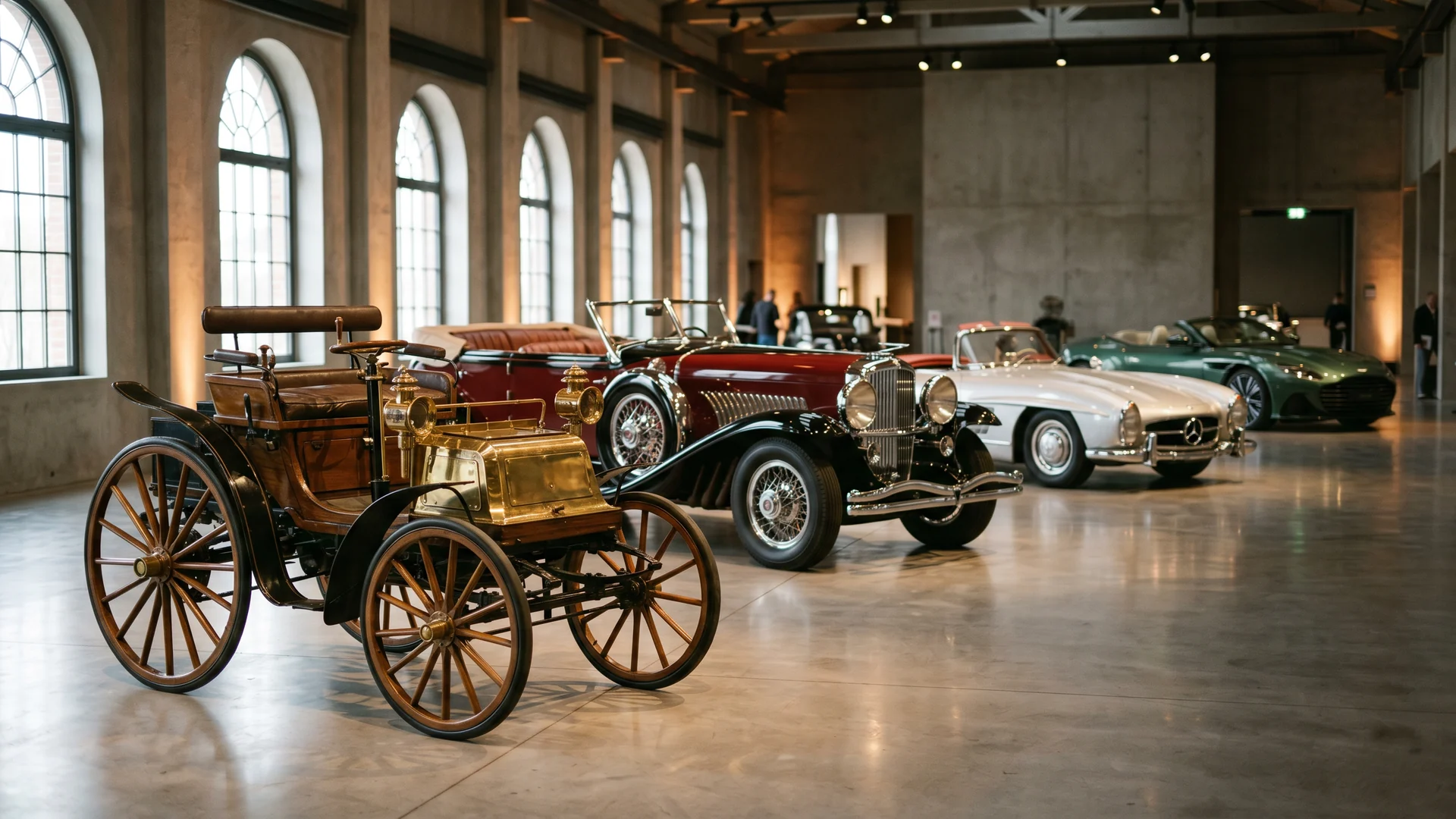
Classic Car History Timeline: From Benz to the Modern Collector Era
Classic car history timeline from the 1886 Benz Patent-Motorwagen through coachbuilding, muscle cars and supercars to modern collectibles. Discover th…