The Power Struggle Behind the Rarest Vintage Cars
Rare vintage cars represent more than just modes of transportation; they are symbols of history, craftsmanship, and passion. These vehicles, often produced in limited quantities, c…
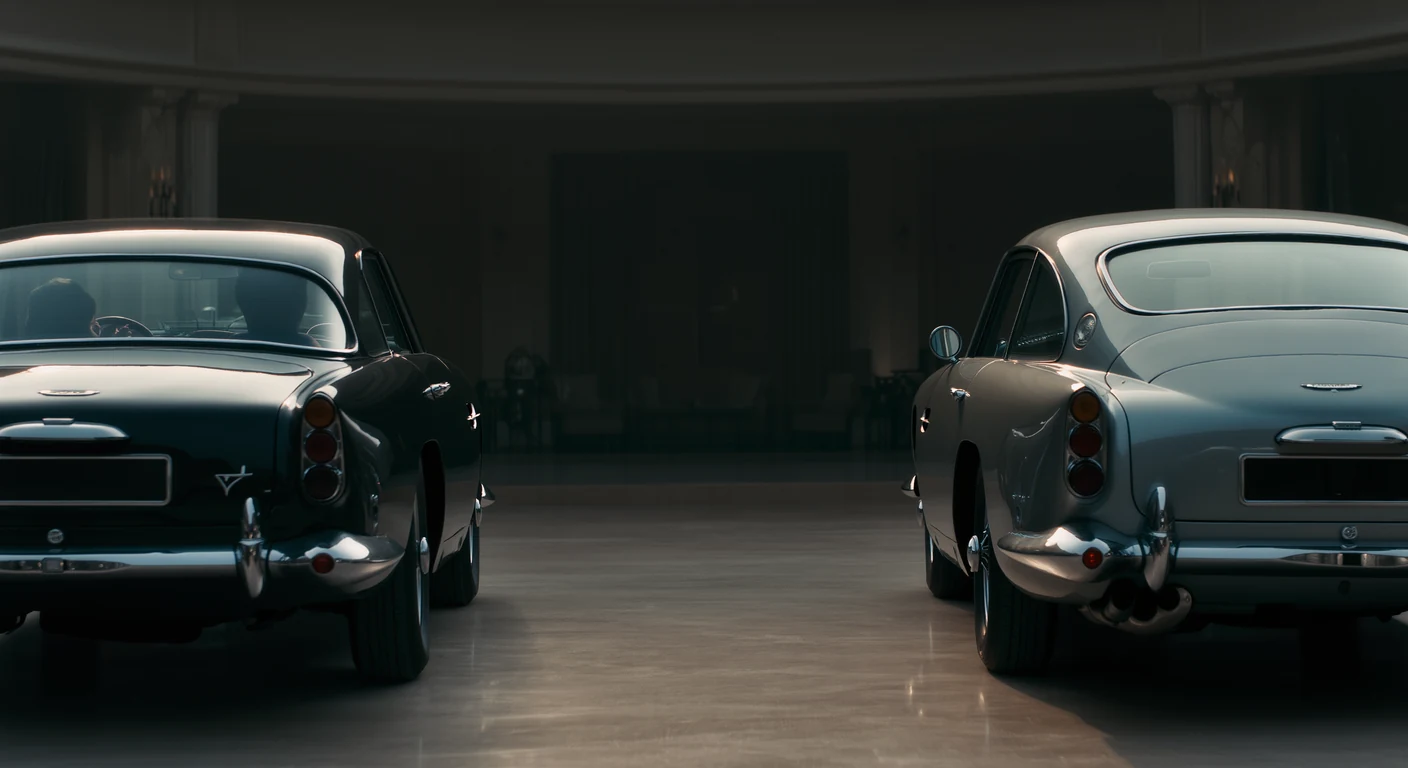
Rare vintage cars represent more than just modes of transportation; they are symbols of history, craftsmanship, and passion. These vehicles, often produced in limited quantities, capture the essence of a bygone era, showcasing the artistry and engineering prowess of their time. Collectors and enthusiasts alike are drawn to these automotive masterpieces for their unique designs, rich stories, and the thrill of ownership.
As the market for rare vintage cars continues to grow, understanding their appeal and value becomes essential for both collectors and investors. Owning a rare vintage car is not merely about having a vehicle; it’s about possessing a piece of history. These cars often come with fascinating backstories, connecting their owners to significant events or influential figures.
The allure of driving a car that has stood the test of time adds an emotional layer to the experience. For many, collecting rare vintage cars is a lifelong passion that combines nostalgia with investment potential, making it a compelling pursuit for enthusiasts around the world.
Key Takeaways
- Rare vintage cars attract enthusiasts due to their uniqueness, history, and craftsmanship.
- Rarity significantly increases a vintage car’s market value and desirability.
- Auctions and celebrity ownership play crucial roles in shaping the vintage car market and prices.
- Authenticity and restoration are key challenges and factors in preserving vintage car value.
- Technology is increasingly important for authenticating, valuing, and sustaining the future of vintage car collecting.
The Appeal of Rare Vintage Cars
The appeal of rare vintage cars lies in their unique characteristics and the emotions they evoke. Each vehicle tells a story, often reflecting the cultural and technological advancements of its era. From the sleek lines of a 1960s Ferrari to the rugged charm of a classic Jeep, these cars embody the spirit of their time.
Enthusiasts appreciate not only the aesthetics but also the engineering marvels that went into creating these machines. Moreover, rare vintage cars often serve as status symbols. Owning such a vehicle can signify wealth, taste, and a deep appreciation for automotive history.
Car shows and vintage rallies provide platforms for collectors to showcase their prized possessions, fostering a sense of community among enthusiasts. This camaraderie enhances the overall experience of collecting, making it more than just an investment; it becomes a lifestyle.
The Influence of Rarity on Value
Rarity plays a crucial role in determining the value of vintage cars. The fewer units produced, the higher the demand among collectors, which can drive prices skyward. Limited editions or models that were only manufactured for a short period often fetch astronomical sums at auctions.
For instance, a 1937 Talbot-Lago T150-C-SS Teardrop Coupe can command millions due to its scarcity and iconic design. Additionally, rarity is not solely defined by production numbers. Factors such as unique features, historical significance, and condition also contribute to a car’s value.
A well-preserved vehicle with original parts can be worth significantly more than one that has been heavily modified or restored with non-authentic components. Understanding these nuances is essential for collectors looking to make informed purchasing decisions.
The Role of Auctions in the Vintage Car Market
Auctions serve as vital platforms for buying and selling rare vintage cars.
specialize in high-end vehicles, attracting collectors from around the globe.
These events create excitement and competition, often resulting in record-breaking sales. Bidders are not just purchasing cars; they are investing in pieces of history. The auction process also provides transparency in pricing, allowing buyers to gauge market trends and values.
Sellers benefit from the expertise of auction houses, which can help them present their vehicles in the best light possible. With professional appraisals and marketing strategies, auction houses enhance the visibility of rare vintage cars, connecting sellers with serious buyers who appreciate their worth.
The Power of Collectors in the Vintage Car Industry
Collectors wield significant influence in the vintage car industry. Their passion drives demand, shaping market trends and values. Many collectors are not just investors; they are enthusiasts who actively participate in car clubs, forums, and events.
This community fosters knowledge sharing and networking opportunities, allowing collectors to connect with like-minded individuals. Moreover, collectors often play a pivotal role in preserving automotive history.
Their dedication to maintaining authenticity and quality helps sustain interest in vintage cars for future generations. As more people become aware of the value of these vehicles, the collector community continues to grow.
The Impact of Celebrity Ownership on Vintage Car Value
Celebrity ownership can significantly impact the value of rare vintage cars. When a famous individual is associated with a particular vehicle, it often becomes more desirable to collectors and fans alike. For example, James Dean’s Porsche 550 Spyder or Steve McQueen’s Ford Mustang have become iconic not just for their design but also for their connection to these legendary figures.
The allure of celebrity ownership adds an extra layer of prestige to vintage cars. Collectors may be willing to pay a premium for vehicles previously owned by stars, as they see them as investments with potential for appreciation over time. This phenomenon highlights how personal stories intertwined with these cars can elevate their status in the market.
The Influence of Historical Significance on Vintage Car Rarity
Historical significance plays a crucial role in determining the rarity and value of vintage cars. Vehicles that have been part of significant events or have connections to influential figures often command higher prices. For instance, cars used in famous films or those that participated in historic races carry stories that enhance their appeal.
Moreover, certain models may represent technological breakthroughs or shifts in automotive design that changed the industry forever. Collectors are drawn to these vehicles not only for their rarity but also for their place in history. Understanding the historical context behind a car can provide valuable insights into its value and desirability among collectors.
The Role of Restorers in Preserving Rare Vintage Cars
Restorers play an essential role in maintaining the integrity and value of rare vintage cars. Their expertise ensures that these vehicles are preserved in their original condition or restored to their former glory while maintaining authenticity. A skilled restorer understands the importance of using original parts and techniques to keep the car true to its heritage.
The restoration process can be labor-intensive and costly but is often necessary to enhance a car’s value. A well-restored vehicle can attract higher bids at auctions and appeal to discerning collectors who prioritize authenticity. Restorers not only contribute to preserving automotive history but also help maintain the market’s vibrancy by ensuring that these rare gems remain roadworthy and visually stunning.
The Challenge of Authenticating Rare Vintage Cars
Authenticating rare vintage cars presents challenges that require expertise and diligence. With counterfeit vehicles on the rise, buyers must be cautious when investing in high-value models. Authenticity verification involves examining documentation, provenance, and physical characteristics to ensure that a car is genuine.
Experts often rely on detailed records from manufacturers, previous ownership history, and even forensic analysis to confirm authenticity. This process can be complex but is crucial for maintaining trust within the collector community. Buyers should seek reputable dealers or auction houses with established credentials to mitigate risks associated with purchasing counterfeit vehicles.
The Role of Technology in Identifying and Valuing Vintage Cars
Technology has revolutionized how vintage cars are identified and valued in today’s market. Advanced tools such as digital imaging, blockchain technology for provenance tracking, and data analytics have enhanced transparency and accuracy in transactions. These innovations allow buyers and sellers to access comprehensive information about a vehicle’s history and condition.
For instance, digital databases can provide detailed records on production numbers, previous ownerships, and restoration work done on specific models. This wealth of information empowers collectors to make informed decisions while minimizing risks associated with fraud or misrepresentation. As technology continues to evolve, it will play an increasingly vital role in shaping the future of vintage car collecting.
The Future of Rare Vintage Car Collecting
The future of rare vintage car collecting looks promising as interest continues to grow among new generations of enthusiasts. As younger collectors enter the market, they bring fresh perspectives and innovative ideas about what constitutes value in vintage cars. This shift may lead to increased demand for models that were previously overlooked or undervalued.
Additionally, sustainability concerns are influencing collector preferences as electric vehicles gain traction in the automotive industry. While traditional vintage cars will always hold a special place in collectors’ hearts, there may be a growing interest in hybrid or electric models that combine classic design with modern technology. In conclusion, rare vintage cars represent a unique intersection of history, craftsmanship, and passion that captivates collectors worldwide.
As trends evolve and technology advances, this vibrant market will continue to thrive, ensuring that these automotive treasures remain cherished for generations to come.
FAQs
What defines a vintage car as “rare”?
A vintage car is considered rare based on factors such as limited production numbers, unique design features, historical significance, and the scarcity of surviving models in good condition.
Why do vintage cars often become the subject of power struggles?
Vintage cars can be highly valuable assets, attracting collectors, investors, and enthusiasts. Disputes may arise over ownership rights, authenticity, restoration decisions, and the car’s valuation, leading to power struggles among stakeholders.
How is the value of a rare vintage car determined?
The value is influenced by the car’s rarity, condition, provenance, historical importance, originality, and market demand. Expert appraisals and auction results also play a significant role in valuation.
What role do auctions play in the vintage car market?
Auctions are a primary venue for buying and selling rare vintage cars, often setting benchmark prices. They provide transparency, attract global buyers, and can intensify competition, sometimes leading to bidding wars.
How can ownership disputes over vintage cars be resolved?
Disputes are typically resolved through legal channels, mediation, or arbitration. Clear documentation of ownership, provenance, and purchase agreements helps prevent conflicts.
What challenges are involved in restoring rare vintage cars?
Restoration requires sourcing authentic parts, maintaining originality, and skilled craftsmanship. Decisions about restoration extent can be contentious, as they impact the car’s value and historical integrity.
Why is provenance important for vintage cars?
Provenance documents a car’s history, including previous owners, maintenance, and participation in events. It enhances authenticity, value, and buyer confidence.
Are rare vintage cars considered good investments?
Many rare vintage cars appreciate over time and can be lucrative investments. However, market fluctuations, maintenance costs, and liquidity risks should be considered.
What legal protections exist for vintage car owners?
Owners are protected by property laws, intellectual property rights related to design, and regulations governing vehicle registration and import/export. Authenticity certifications also provide legal assurance.
How does the rarity of a vintage car affect its insurance?
Rarity increases insurance premiums due to higher replacement costs and specialized repair needs. Owners often require classic car insurance policies tailored to vintage vehicles.
More from Blog
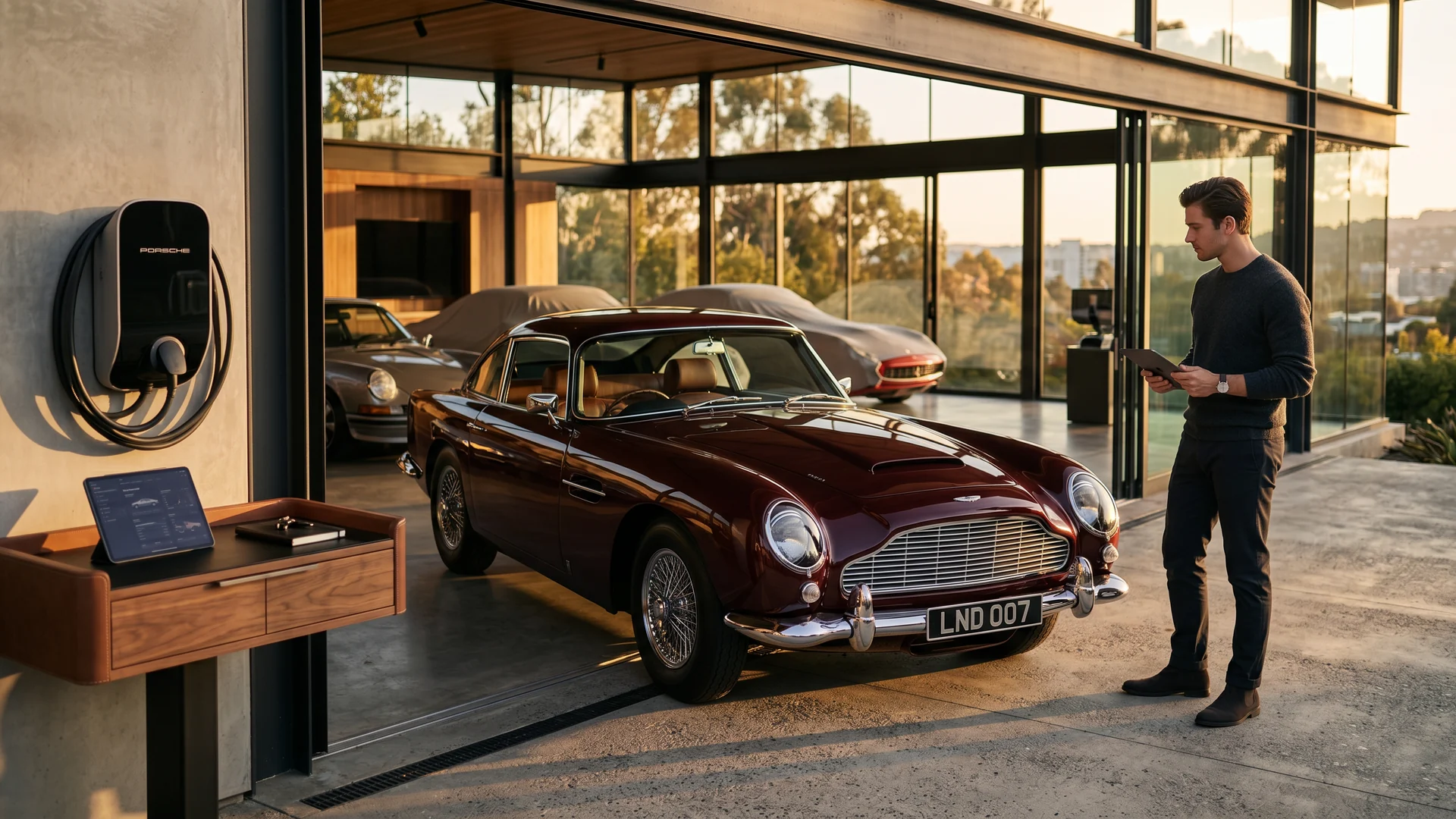
The Future of Classic Car Collecting: Trends Shaping the Next Generation
The future of classic car collecting: why 2035 ICE bans spare existing cars, plus e-fuels, shifting demographics, electromods and fractional ownership…
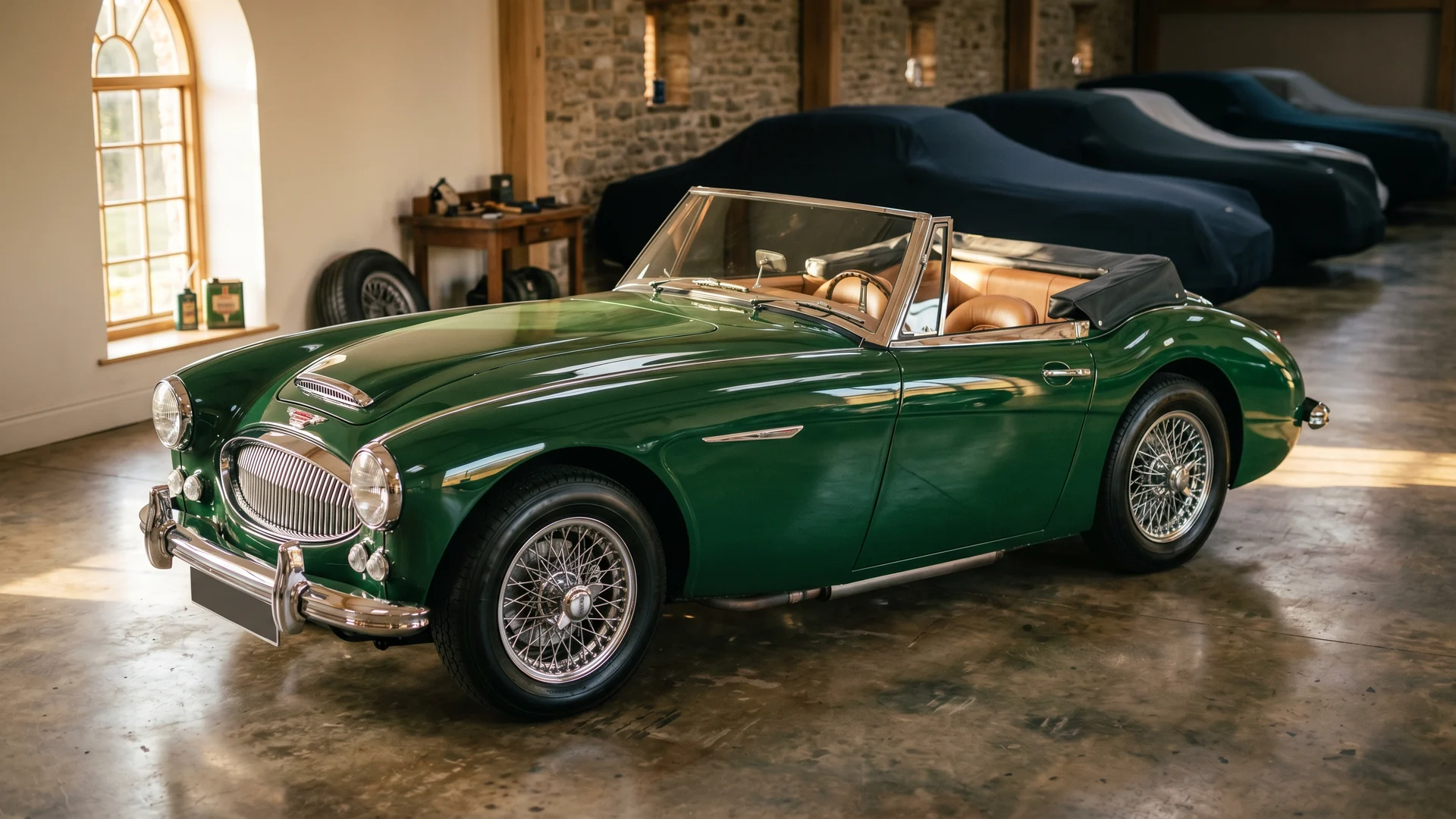
Classic Car Insurance Guide: Protecting Your Vintage Investment
Classic car insurance guide: why agreed-value policies beat stated and actual cash value, how Hagerty, Grundy and Chubb compare, plus costs and covera…
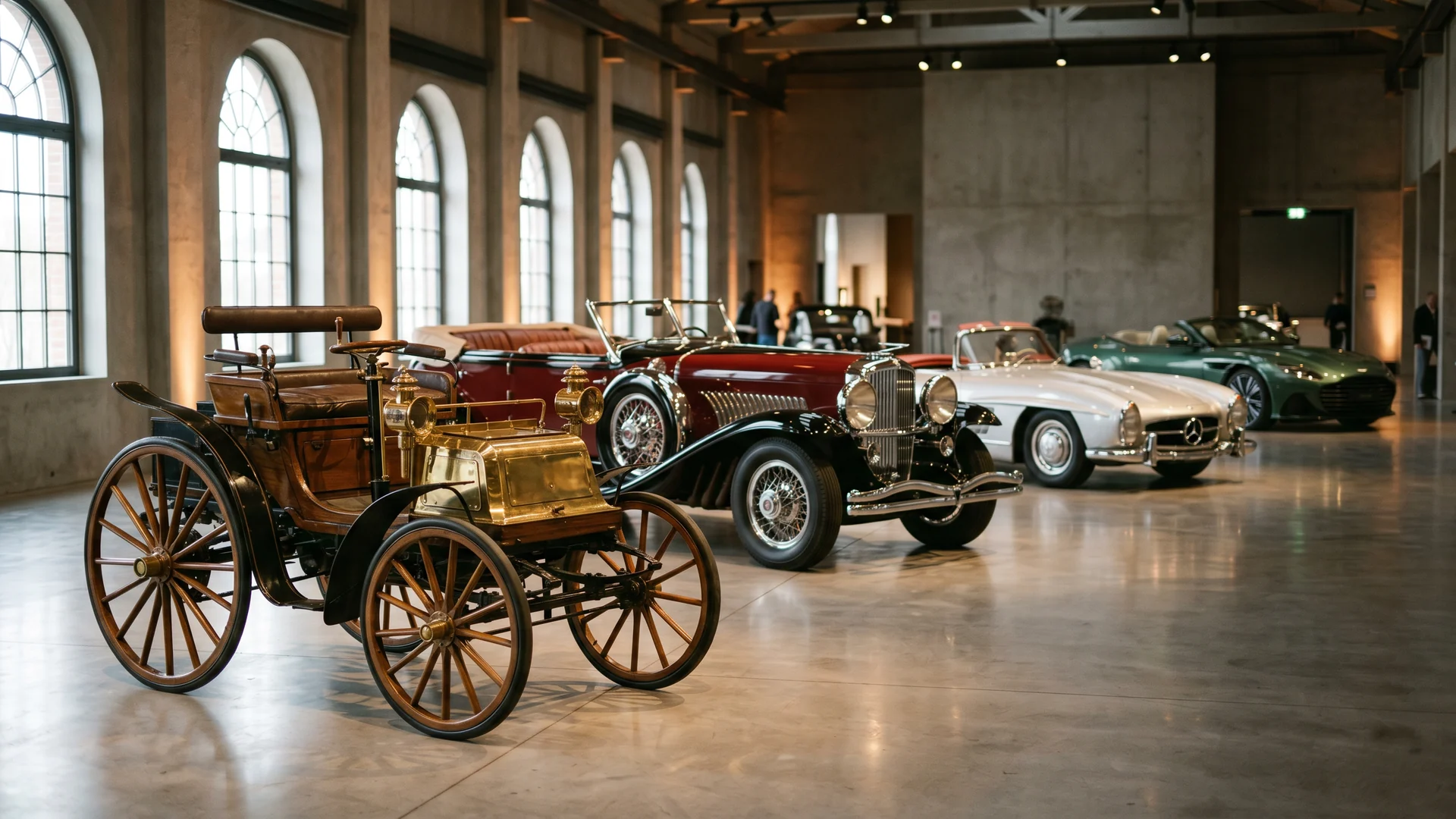
Classic Car History Timeline: From Benz to the Modern Collector Era
Classic car history timeline from the 1886 Benz Patent-Motorwagen through coachbuilding, muscle cars and supercars to modern collectibles. Discover th…