Oldtimer Investment Secrets Only Elite Collectors Know
Market trends play a fundamental role in the collectibles industry, affecting pricing, demand, and investment potential across all categories. The collectibles market operates as a…

Market trends play a fundamental role in the collectibles industry, affecting pricing, demand, and investment potential across all categories. The collectibles market operates as a complex ecosystem where multiple variables interact to determine value fluctuations.
Digital marketplaces have transformed the collectibles landscape by expanding global reach and increasing transaction volume. Online platforms enable real-time price discovery, facilitate cross-border trading, and provide access to previously isolated markets. This technological shift has resulted in greater price transparency and market efficiency, while simultaneously intensifying competition among sellers.
Different collectible categories exhibit distinct market patterns and drivers. Vintage toys experience cyclical demand patterns often correlated with generational nostalgia cycles, typically peaking 20-30 years after original production. Contemporary art markets respond to gallery representation, auction results, and critical recognition of emerging artists.
Sports memorabilia fluctuates based on athlete performance, career milestones, and historical anniversaries. Effective market analysis requires monitoring multiple data sources and industry indicators. Professional market reports provide quantitative analysis of price trends, sales volumes, and category performance.
Trade exhibitions offer direct market exposure and networking opportunities with dealers, auction houses, and fellow collectors. Industry publications and expert commentary deliver insights into emerging trends and market forecasts that inform strategic collecting decisions.
Key Takeaways
- Stay informed about current market trends and anticipate future shifts to make strategic investment decisions.
- Focus on rare, desirable models and thoroughly evaluate their condition and authenticity before purchasing.
- Build a strong network of experts and specialists to gain insights and verify provenance.
- Diversify your collection to mitigate risks and enhance long-term value.
- Implement proper storage, maintenance, and leverage tax and insurance benefits to preserve and protect your investment.
Identifying Rare and Desirable Models
Identifying rare and desirable models is a fundamental step in building a valuable collection. Collectors should focus on items that not only have historical significance but also possess unique characteristics that set them apart from the rest. This could include limited editions, items with unique features, or those associated with notable events or figures.
Researching the history of specific models can reveal their rarity and desirability, helping collectors make informed purchasing decisions. Additionally, understanding the preferences of fellow collectors can guide one in identifying sought-after items. Engaging with collector communities, both online and offline, can provide insights into what models are currently in demand.
Social media platforms and dedicated forums often showcase trending collectibles, allowing collectors to stay ahead of the curve. By honing in on rare and desirable models, collectors can enhance the value of their portfolios significantly.
Evaluating the Condition and Authenticity
Evaluating the condition and authenticity of collectibles is paramount to ensuring their value. The condition of an item can greatly influence its market price; even minor imperfections can lead to significant depreciation. Collectors should familiarize themselves with grading systems relevant to their specific collectibles, as these systems provide a standardized way to assess condition.
For instance, coins are often graded on a scale from “poor” to “mint,” while comic books use a similar grading scale. Authenticity is equally important; counterfeit items can flood the market, making it essential for collectors to verify the legitimacy of their acquisitions. This may involve consulting experts or utilizing third-party authentication services.
Collectors should also keep detailed records of provenance, including purchase receipts and any certificates of authenticity. By prioritizing condition and authenticity, collectors can protect their investments and ensure they are acquiring genuine items.
Building a Network of Experts and Specialists
Building a network of experts and specialists is invaluable for any serious collector. These connections can provide insights into market trends, help authenticate items, and offer advice on buying or selling collectibles. Attending industry events, such as conventions or trade shows, is an excellent way to meet professionals who share a passion for collectibles.
Engaging with appraisers, auctioneers, and historians can enhance a collector’s knowledge base and provide access to exclusive opportunities. Moreover, online platforms have made it easier than ever to connect with experts across the globe. Social media groups and forums dedicated to specific types of collectibles allow collectors to ask questions and share experiences with knowledgeable individuals.
By fostering these relationships, collectors can gain access to valuable resources that can aid in their collecting journey. A strong network not only enhances a collector’s understanding but also opens doors to potential collaborations and partnerships.
Knowing the History and Provenance
Knowing the history and provenance of collectibles adds depth to their value and appeal. Provenance refers to the documented history of an item, including its previous owners and any significant events associated with it. Items with well-documented provenance often command higher prices due to their historical significance.
Collectors should strive to gather as much information as possible about their items’ backgrounds, including any notable exhibitions or previous sales. Additionally, understanding the cultural context surrounding an item can enhance its desirability. For example, collectibles linked to significant historical events or influential figures often carry more weight in the market.
Collectors should research not only the item itself but also its impact on society or its role in popular culture. By appreciating the history and provenance of their collectibles, collectors can make more informed decisions about their investments.
Diversifying the Portfolio
Diversifying a collectible portfolio is a strategic approach that can mitigate risks and enhance potential returns. Just as investors diversify their financial portfolios across different asset classes, collectors should consider acquiring items from various categories. This could include art, vintage toys, rare coins, or sports memorabilia.
Moreover, diversification allows collectors to tap into different markets and trends. For instance, while one category may experience a downturn, another may be on the rise.
Collectors should stay informed about emerging trends in various collectible markets to identify new opportunities for investment. By diversifying their portfolios thoughtfully, collectors can create a more resilient collection that stands the test of time.
Long-Term Storage and Maintenance Strategies
Long-term storage and maintenance strategies are essential for preserving the value of collectibles over time. Proper storage conditions can prevent damage from environmental factors such as humidity, temperature fluctuations, and light exposure. Collectors should invest in appropriate storage solutions tailored to their specific items; for example, archival-quality boxes for paper items or climate-controlled display cases for delicate artifacts.
Regular maintenance is equally important; this includes cleaning items carefully and inspecting them for signs of wear or damage. Collectors should familiarize themselves with best practices for maintaining their specific types of collectibles to ensure they remain in optimal condition. By implementing effective storage and maintenance strategies, collectors can safeguard their investments and enhance their longevity.
Leveraging Tax and Insurance Benefits
Leveraging tax and insurance benefits is a smart move for serious collectors looking to protect their investments. Many jurisdictions offer tax incentives for collectors who donate items to museums or educational institutions. Understanding these benefits can not only provide financial advantages but also contribute to preserving cultural heritage.
Insurance is another critical aspect of protecting a collectible portfolio. Collectors should consider obtaining specialized insurance coverage tailored to their unique needs. Standard homeowner’s insurance may not adequately cover high-value collectibles; therefore, working with an insurance agent experienced in this area is advisable.
By leveraging tax benefits and securing appropriate insurance coverage, collectors can ensure their investments are well-protected against unforeseen circumstances.
Utilizing Auctions and Private Sales
Utilizing auctions and private sales is an effective way for collectors to buy or sell items within the collectible market. Auctions provide a platform for competitive bidding, often resulting in higher sale prices for rare items due to increased demand among bidders. Collectors should research reputable auction houses that specialize in their area of interest to maximize their chances of success.
Private sales offer another avenue for transactions without the competitive atmosphere of auctions. Building relationships with other collectors or dealers can lead to exclusive opportunities for buying or selling items directly. Networking within collector communities can facilitate these private transactions while ensuring fair pricing based on current market values.
By strategically utilizing both auctions and private sales, collectors can navigate the market effectively.
Anticipating Future Trends and Values
Anticipating future trends and values is essential for making informed investment decisions in the collectible market. Collectors should stay attuned to cultural shifts, technological advancements, and emerging interests that may influence demand for specific items. For instance, the rise of digital collectibles has created new opportunities within the market that were previously unimaginable.
Engaging with industry experts and following relevant publications can provide insights into potential future trends. Additionally, attending conferences or seminars focused on collectibles can help collectors gain a deeper understanding of where the market is headed. By proactively anticipating future trends and values, collectors can position themselves advantageously within the ever-evolving landscape of collectibles.
Preserving the Legacy for Generations
Preserving the legacy of a collectible portfolio for future generations is a rewarding endeavor that requires careful planning. Collectors should document their collections thoroughly, including details about each item’s history, provenance, and significance within the broader context of collecting. This documentation not only enhances the value of the collection but also serves as a valuable resource for future generations.
Moreover, involving family members in the collecting process can foster appreciation for the collection’s significance over time. Educating younger generations about the importance of preserving cultural artifacts ensures that these treasures are valued long after the original collector has passed on. By taking proactive steps to preserve their legacy, collectors can ensure that their passion for collecting continues to inspire future generations.
In conclusion, navigating the world of collectibles requires a multifaceted approach that encompasses understanding market trends, identifying rare models, evaluating authenticity, building networks, knowing history, diversifying portfolios, implementing storage strategies, leveraging tax benefits, utilizing sales avenues, anticipating trends, and preserving legacies. By embracing these principles, collectors can enhance their investment strategies while enjoying the rich tapestry of history that each collectible represents. Whether you are just starting your journey into collecting or looking to refine your existing portfolio, remember that knowledge is power in this vibrant market.
Take action today by researching your interests further or connecting with fellow enthusiasts who share your passion!
FAQs
What is an oldtimer in the context of investments?
An oldtimer refers to a classic or vintage car that is typically over 25 years old and is considered collectible. These vehicles are often sought after by enthusiasts and investors due to their historical value, rarity, and potential for appreciation.
Why are oldtimers considered good investment options?
Oldtimers can be good investments because they often appreciate in value over time, especially if they are rare, well-maintained, and have historical significance. Their limited supply and increasing demand among collectors contribute to their potential as alternative investment assets.
What factors influence the value of an oldtimer?
Several factors influence an oldtimer’s value, including its rarity, condition, originality, provenance, historical importance, and market trends. Cars with documented history, original parts, and limited production runs tend to be more valuable.
How do elite collectors typically select oldtimers for investment?
Elite collectors often conduct thorough research, focusing on models with proven appreciation, limited availability, and strong cultural or historical significance. They also consider the car’s condition, authenticity, and potential for restoration or preservation.
Is maintenance important for oldtimer investments?
Yes, proper maintenance is crucial. Maintaining an oldtimer in excellent condition preserves its value and appeal. Regular servicing, using original or high-quality parts, and proper storage are essential practices for protecting the investment.
Are there risks associated with investing in oldtimers?
Yes, risks include market volatility, high maintenance costs, potential for damage or theft, and changes in collector preferences. Additionally, liquidity can be limited, meaning it may take time to sell the vehicle at the desired price.
How can one verify the authenticity of an oldtimer?
Authenticity can be verified through documentation such as original registration papers, service records, and certificates of authenticity. Expert appraisals and inspections by qualified professionals also help confirm originality and condition.
What role does provenance play in oldtimer investment?
Provenance, or the documented history of ownership and use, can significantly enhance an oldtimer’s value. Cars owned by notable individuals or with a unique history often command higher prices in the collector market.
Can oldtimers be used as collateral for loans?
Yes, some financial institutions accept classic cars as collateral for loans, especially if the vehicle has a verified high market value. However, terms and acceptance vary widely depending on the lender and the car’s appraisal.
Where can one buy or sell oldtimers?
Oldtimers can be bought or sold through specialized classic car dealerships, auctions, private sales, and online platforms dedicated to classic and vintage vehicles. Attending car shows and collector events can also provide networking opportunities.
More from Blog

The Future of Classic Car Collecting: Trends Shaping the Next Generation
The future of classic car collecting: why 2035 ICE bans spare existing cars, plus e-fuels, shifting demographics, electromods and fractional ownership…
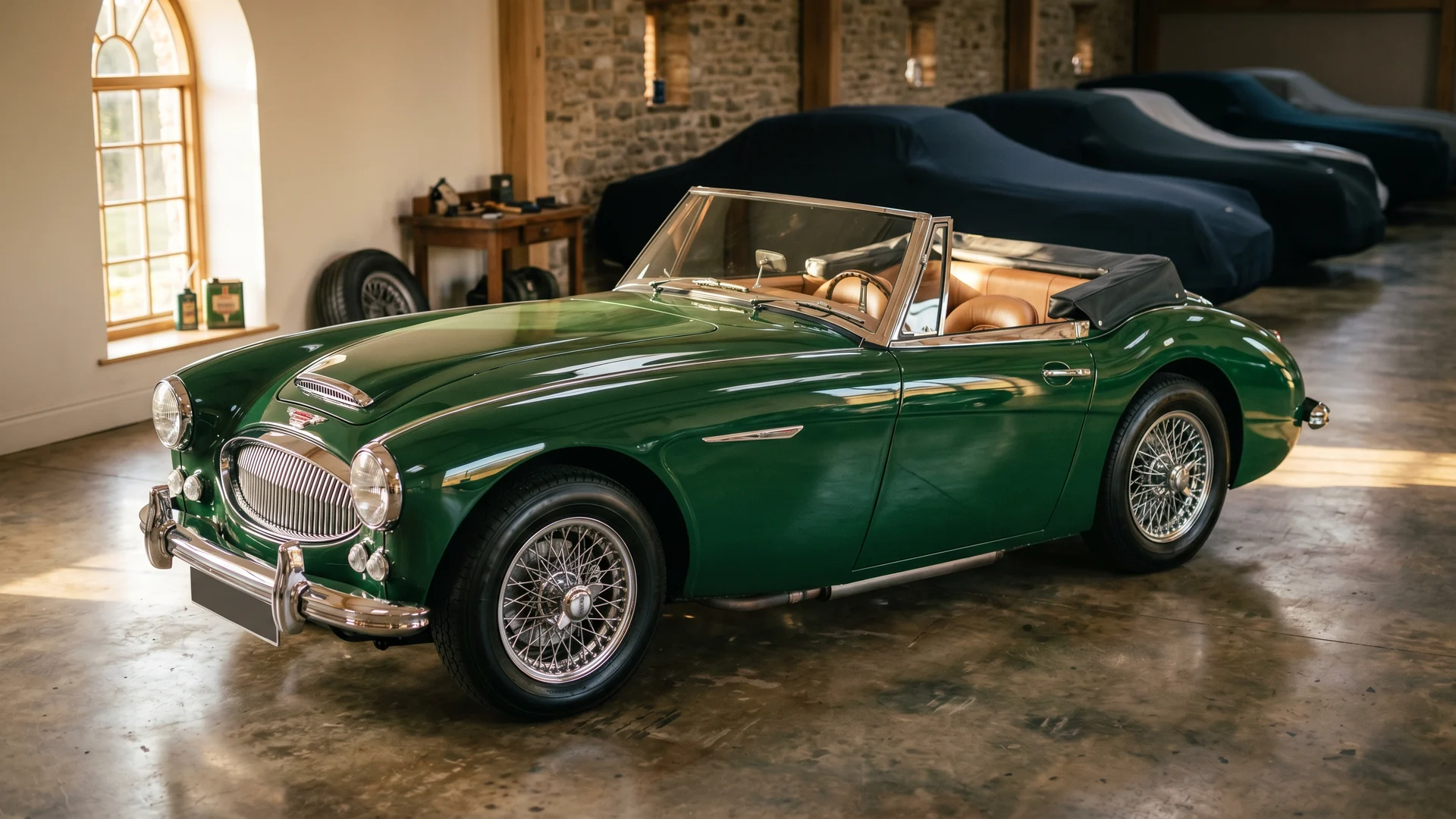
Classic Car Insurance Guide: Protecting Your Vintage Investment
Classic car insurance guide: why agreed-value policies beat stated and actual cash value, how Hagerty, Grundy and Chubb compare, plus costs and covera…
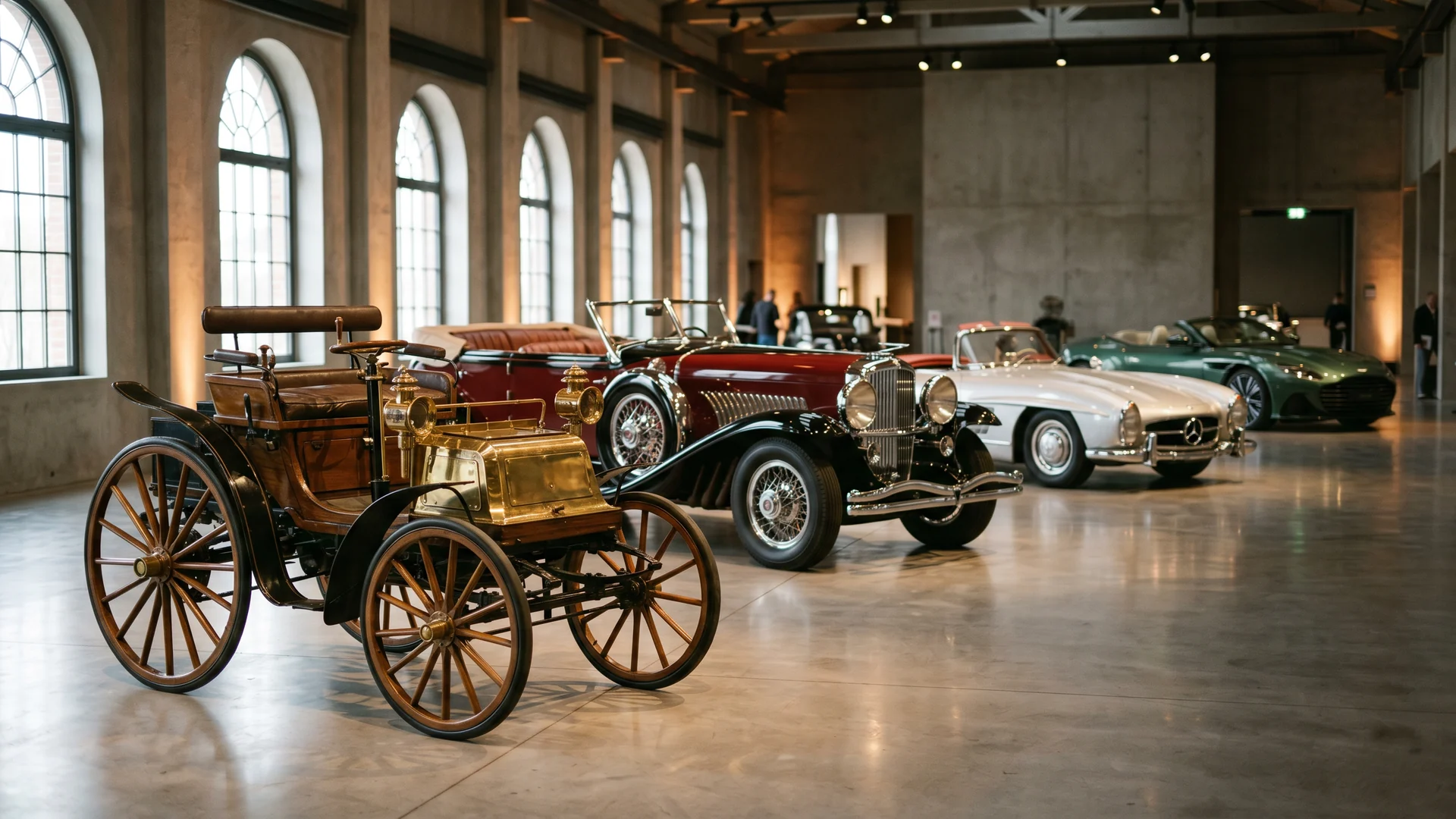
Classic Car History Timeline: From Benz to the Modern Collector Era
Classic car history timeline from the 1886 Benz Patent-Motorwagen through coachbuilding, muscle cars and supercars to modern collectibles. Discover th…