Old Money Obsession: Why Pre-War Luxury Cars Never Lose Prestige
Pre-war luxury automobiles, manufactured before World War II (1939-1945), represent a significant period in automotive history characterized by distinctive design principles and ma…
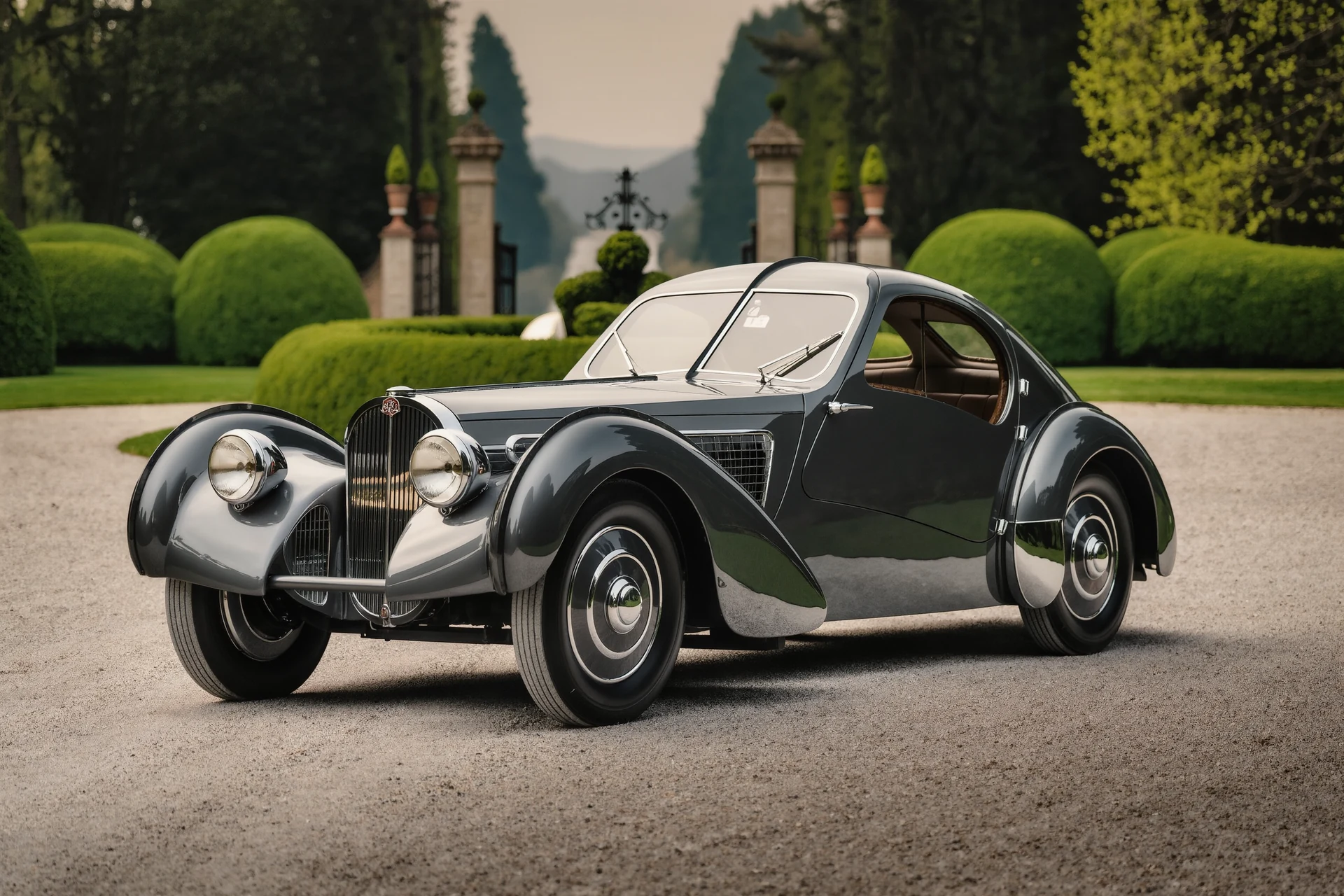
Pre-war luxury automobiles, manufactured before World War II (1939-1945), represent a significant period in automotive history characterized by distinctive design principles and manufacturing techniques. These vehicles were produced during an era when automotive engineering emphasized handcrafted construction methods and individualized styling approaches that differed substantially from modern mass production standards. The manufacturing process of pre-war luxury cars involved extensive manual labor and specialized craftsmanship.
Coachbuilders often created custom bodywork for individual chassis, resulting in unique variations even within the same model line. Materials commonly used included high-grade steel, genuine leather, and solid wood components, with finishing techniques that required skilled artisans rather than automated processes. The collector market for pre-war luxury automobiles has demonstrated consistent growth over several decades.
These vehicles are valued for their historical significance, representing technological innovations of their era such as early automatic transmissions, independent suspension systems, and advanced engine designs. The limited production numbers of many pre-war luxury models, combined with losses due to wartime material drives and natural deterioration, have created scarcity that influences current market values.
Key Takeaways
- Pre-war luxury cars symbolize timeless elegance, craftsmanship, and exclusivity.
- Old money has historically influenced the prestige and collector market of vintage luxury cars.
- These vehicles represent status, heritage, and the enduring allure of sophisticated design.
- Preservation and restoration efforts maintain their historical and investment value.
- The legacy of old money is deeply intertwined with the cultural significance of pre-war luxury automobiles.
The Historical Significance of Old Money and Luxury Cars
Old money has long been associated with luxury, refinement, and exclusivity. This wealth, often inherited rather than earned, has shaped societal norms and values throughout history. Luxury cars, particularly those produced before the war, have served as status symbols for the affluent elite.
They reflect not only financial success but also a lifestyle characterized by sophistication and taste. The historical significance of old money in relation to luxury cars is profound. These vehicles were often commissioned by wealthy individuals who sought to showcase their status.
Brands like Rolls-Royce, Bugatti, and Bentley catered to this elite clientele, producing bespoke automobiles that were as much about personal expression as they were about transportation. The connection between old money and luxury cars is a testament to the enduring relationship between wealth and craftsmanship.
The Rarity and Exclusivity of Pre-War Luxury Cars
One of the most compelling aspects of pre-war luxury cars is their rarity. Many models were produced in limited quantities, making them highly sought after by collectors. The scarcity of these vehicles adds to their allure, as owning one is akin to possessing a rare artifact from a different time.
This exclusivity not only enhances their value but also creates a sense of community among collectors who share a passion for these remarkable machines. The market for pre-war luxury cars is characterized by intense competition among collectors. Auctions often see fierce bidding wars for rare models, driving prices to astonishing heights.
This exclusivity is further amplified by the fact that many pre-war luxury cars have been lost to time or neglect, making surviving examples even more precious. For collectors, the rarity of these vehicles is not just about investment; it’s about preserving a piece of history.
The Craftsmanship and Quality of Pre-War Luxury Cars
The craftsmanship that went into creating pre-war luxury cars is nothing short of extraordinary. Each vehicle was meticulously designed and built by skilled artisans who took pride in their work. From hand-stitched leather interiors to finely crafted wood accents, every detail was considered to ensure the highest quality.
This level of craftsmanship is rarely seen in modern automobiles, which often prioritize mass production over artistry. The quality of materials used in pre-war luxury cars also sets them apart. Manufacturers sourced the finest woods, metals, and leathers to create vehicles that were not only beautiful but also durable.
This commitment to quality has allowed many pre-war luxury cars to withstand the test of time, with some still running smoothly decades after their production. Collectors appreciate this dedication to craftsmanship, as it reflects a level of care and attention that is increasingly rare in today’s automotive industry.
The Influence of Old Money on the Collector Car Market
Old money has had a significant influence on the collector car market, particularly when it comes to pre-war luxury vehicles. Wealthy collectors often drive trends in the market, dictating which models are in demand and which are considered valuable investments. Their preferences can shape auction prices and influence restoration projects, as they seek to acquire vehicles that reflect their status and taste.
Moreover, old money collectors often have access to resources that allow them to restore and maintain their vehicles to the highest standards. This commitment to preservation ensures that these classic cars remain in excellent condition, further enhancing their value over time. As new generations of collectors emerge, the influence of old money continues to shape the landscape of the collector car market, ensuring that pre-war luxury cars remain highly coveted.
The Symbol of Status and Prestige Associated with Pre-War Luxury Cars
Pre-war luxury cars are more than just vehicles; they are symbols of status and prestige. Owning one signifies not only financial success but also an appreciation for history and craftsmanship. These cars have been associated with some of the most influential figures in society, from industrialists to celebrities, further cementing their status as icons of wealth.
Collectors often participate in exclusive events, rallies, and shows where they can showcase their vehicles alongside other like-minded enthusiasts. This sense of community adds another layer of prestige, as owners share their passion for these remarkable machines while enjoying the camaraderie that comes with being part of an elite group.
The Connection Between Old Money and Vintage Luxury Cars
The connection between old money and vintage luxury cars is deeply rooted in history. For generations, wealthy families have used these automobiles as a means to display their affluence and taste. Vintage luxury cars were often custom-built to reflect the owner’s personality and preferences, making each vehicle a unique representation of its owner’s status.
This connection has created a rich tapestry of stories surrounding vintage luxury cars. Many models have fascinating histories tied to prominent figures or significant events, adding layers of intrigue for collectors. As these stories are passed down through generations, they enhance the value and desirability of vintage luxury cars, making them not just investments but cherished heirlooms.
The Timeless Elegance and Sophistication of Pre-War Luxury Cars
Timeless elegance defines pre-war luxury cars, setting them apart from modern vehicles. Their designs often feature graceful lines, intricate details, and an overall aesthetic that exudes sophistication. This elegance is not merely superficial; it reflects a philosophy of design that prioritizes beauty alongside functionality.
The sophistication of pre-war luxury cars is evident in their engineering as well. Many models were equipped with advanced technology for their time, showcasing innovation alongside artistry. This combination of elegance and performance has allowed these vehicles to maintain their appeal over decades, attracting new generations of enthusiasts who appreciate both their beauty and engineering prowess.
The Preservation and Restoration of Pre-War Luxury Cars
Preserving and restoring pre-war luxury cars is an art form in itself. Collectors often invest significant time and resources into ensuring these vehicles remain in pristine condition. Restoration projects can involve everything from mechanical repairs to cosmetic enhancements, requiring a deep understanding of both the vehicle’s history and its original specifications.
The preservation process is crucial for maintaining the integrity of these classic cars. Many collectors prioritize authenticity in their restorations, using original parts whenever possible to ensure that the vehicle retains its historical value. This commitment to preservation not only honors the craftsmanship that went into creating these cars but also ensures that future generations can appreciate their beauty and significance.
The Investment Value of Pre-War Luxury Cars
Investing in pre-war luxury cars can be a lucrative endeavor for collectors. As demand for these vehicles continues to grow, so too does their value in the marketplace. Many models have seen significant appreciation over the years, making them attractive options for investors looking to diversify their portfolios.
The investment value of pre-war luxury cars is bolstered by their rarity and historical significance. Collectors are often willing to pay top dollar for models with unique features or rich histories, driving prices higher at auctions and private sales. Additionally, as more people become interested in classic cars as investments, the market for pre-war luxury vehicles is likely to continue expanding.
The Legacy and Heritage of Old Money Reflected in Pre-War Luxury Cars
The legacy of old money is intricately woven into the fabric of pre-war luxury cars. These vehicles serve as tangible reminders of a time when wealth was often associated with craftsmanship and individuality rather than mass production. Each car tells a story about its owner’s heritage and values, reflecting a lifestyle characterized by elegance and sophistication.
As collectors seek to preserve these vehicles, they also contribute to the legacy of old money by ensuring that these stories are not forgotten. The passion for pre-war luxury cars fosters a sense of community among enthusiasts who share a commitment to honoring this heritage. In doing so, they keep alive the traditions and values associated with old money while celebrating the artistry that defines these remarkable automobiles.
In conclusion, pre-war luxury cars are more than just vehicles; they are symbols of status, craftsmanship, and history. Their enduring allure continues to captivate collectors and enthusiasts alike, ensuring that they remain cherished pieces of our automotive heritage for generations to come.
FAQs
What defines a pre-war luxury car?
Pre-war luxury cars are automobiles manufactured before World War II, typically before 1940. These vehicles are known for their craftsmanship, unique design, and advanced engineering for their time.
Why are pre-war luxury cars considered prestigious?
Pre-war luxury cars are prestigious due to their historical significance, rarity, exquisite craftsmanship, and association with the affluent lifestyles of the early 20th century. Their timeless design and limited production add to their exclusivity.
How does the rarity of pre-war luxury cars affect their value?
Rarity significantly increases the value of pre-war luxury cars. Many models were produced in limited numbers, and surviving examples are often well-preserved or restored, making them highly sought after by collectors.
What role does craftsmanship play in the appeal of pre-war luxury cars?
Craftsmanship is central to the appeal of pre-war luxury cars. These vehicles were often hand-built with meticulous attention to detail, using high-quality materials and bespoke features that are rarely found in modern mass-produced cars.
Are pre-war luxury cars still functional and drivable today?
Many pre-war luxury cars are still functional and drivable, though they often require specialized maintenance and care. Enthusiasts and collectors frequently restore these vehicles to preserve their operational condition.
How do pre-war luxury cars compare to modern luxury vehicles?
Pre-war luxury cars differ from modern luxury vehicles in design, technology, and performance. While modern cars offer advanced technology and comfort, pre-war cars are valued for their historical significance, unique aesthetics, and artisanal construction.
What factors contribute to the ongoing obsession with old money and pre-war luxury cars?
The obsession stems from the association of pre-war luxury cars with wealth, heritage, and exclusivity. They symbolize a bygone era of elegance and social status, appealing to collectors who value tradition and history.
Where can one typically find pre-war luxury cars today?
Pre-war luxury cars are commonly found in private collections, museums, classic car auctions, and specialized dealerships. They are also showcased at vintage car shows and concours d’elegance events.
Is investing in pre-war luxury cars considered a good financial decision?
Investing in pre-war luxury cars can be financially rewarding due to their rarity and desirability, but it requires expertise, proper maintenance, and market knowledge. Like all collectibles, their value can fluctuate based on trends and condition.
What are some famous brands known for pre-war luxury cars?
Notable brands include Rolls-Royce, Bentley, Duesenberg, Bugatti, Packard, and Mercedes-Benz. These manufacturers produced some of the most iconic and prestigious pre-war luxury automobiles.
More from Blog
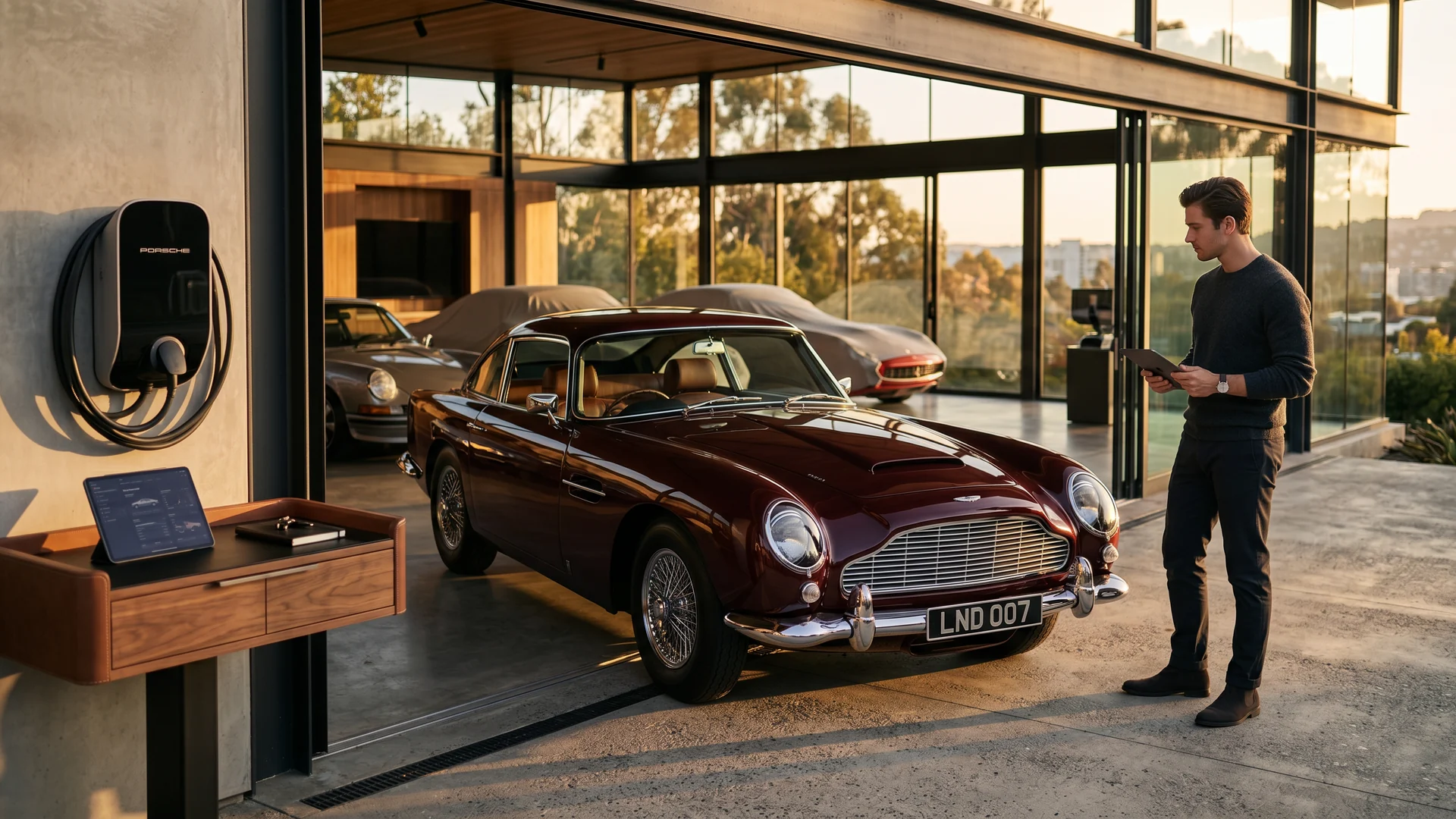
The Future of Classic Car Collecting: Trends Shaping the Next Generation
The future of classic car collecting: why 2035 ICE bans spare existing cars, plus e-fuels, shifting demographics, electromods and fractional ownership…
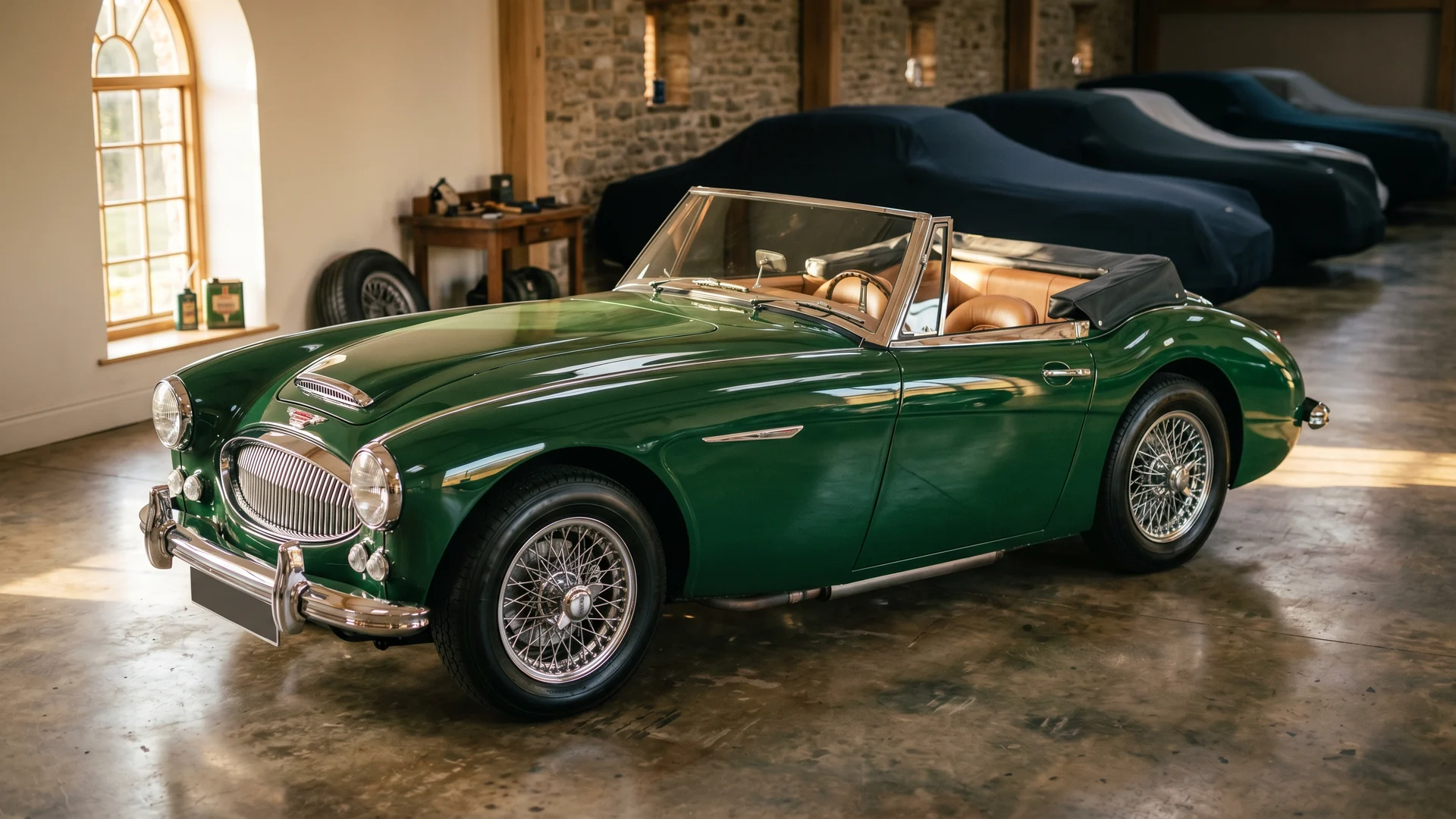
Classic Car Insurance Guide: Protecting Your Vintage Investment
Classic car insurance guide: why agreed-value policies beat stated and actual cash value, how Hagerty, Grundy and Chubb compare, plus costs and covera…
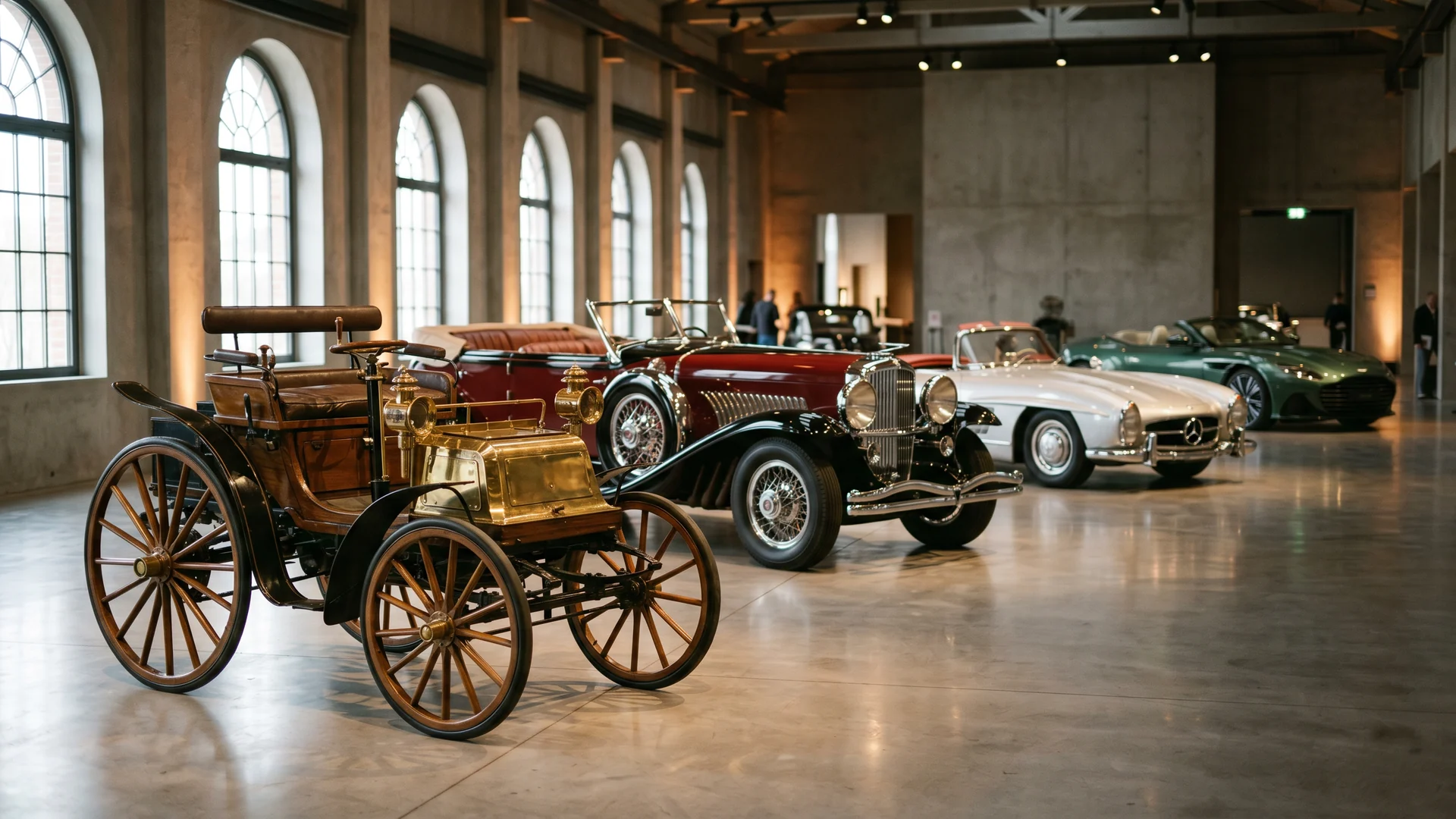
Classic Car History Timeline: From Benz to the Modern Collector Era
Classic car history timeline from the 1886 Benz Patent-Motorwagen through coachbuilding, muscle cars and supercars to modern collectibles. Discover th…