The Myth of Transparency in High-End Classic Car Deals
Classic cars attract enthusiasts and collectors due to their historical significance, engineering craftsmanship, and aesthetic design. Many buyers assume that high-end classic car …

Classic cars attract enthusiasts and collectors due to their historical significance, engineering craftsmanship, and aesthetic design. Many buyers assume that high-end classic car transactions operate with complete transparency and straightforward pricing. However, the classic car market involves numerous variables that create complexity in purchasing decisions.
Several factors contribute to the intricacy of classic car transactions. Market valuations fluctuate based on rarity, condition, provenance, and current demand trends. Vehicle histories may include undisclosed modifications, accident damage, or restoration work that affects authenticity and value.
Documentation such as matching numbers, service records, and ownership history significantly impacts pricing but may be incomplete or unavailable. The classic car market operates differently from standard automotive sales. Auction houses, private dealers, and individual sellers each follow distinct practices regarding disclosure, warranties, and pricing structures.
Professional appraisals, mechanical inspections, and authenticity verification are typically necessary but add time and cost to transactions. Additionally, market expertise varies significantly among participants, creating information asymmetries that can affect deal outcomes. Successful navigation of classic car purchases requires thorough research, professional evaluation, and understanding of market dynamics.
Buyers benefit from engaging qualified appraisers, conducting comprehensive inspections, and verifying documentation before completing transactions.
Key Takeaways
- High-end classic car deals often appear transparent but involve hidden complexities and agendas.
- Intermediaries like brokers and dealers can obscure deal transparency through their roles.
- Market fluctuations and emotional attachments significantly influence the clarity of classic car transactions.
- Thorough due diligence, including research, inspections, and documentation, is essential for transparency.
- Factors such as exclusivity, reputation, and negotiation tactics further complicate the transparency of these deals.
The reality of hidden agendas: Understanding the complexities of high-end classic car transactions
When it comes to high-end classic car transactions, hidden agendas can significantly impact the perceived transparency of a deal. Sellers may have various motivations that influence their willingness to disclose information about a vehicle’s history or condition. For instance, a seller may be eager to offload a car with undisclosed issues, hoping to maximize profit without revealing potential red flags.
This lack of transparency can lead to buyer regret and financial loss. Moreover, buyers often enter negotiations with their own agendas, which can further complicate the transaction. A buyer may be emotionally invested in a particular model or brand, leading them to overlook critical details in favor of securing the deal.
This emotional attachment can cloud judgment and result in poor decision-making. Understanding these hidden agendas is crucial for buyers who want to make informed choices when purchasing a classic car.
The role of intermediaries: How brokers and dealers can cloud the transparency of classic car deals
Intermediaries such as brokers and dealers play a significant role in high-end classic car transactions. While they can provide valuable expertise and access to exclusive vehicles, they can also introduce layers of complexity that obscure transparency. Brokers may have relationships with sellers that influence their recommendations, leading them to prioritize their interests over those of the buyer.
Additionally, dealers may inflate prices or downplay issues to close a sale quickly. This practice can create an environment where buyers feel pressured to make decisions without fully understanding the vehicle’s condition or value. To navigate this landscape effectively, buyers should approach intermediaries with caution and conduct their own research to ensure they are making informed choices.
The influence of market dynamics: How market fluctuations can impact the transparency of classic car transactions
Market dynamics play a crucial role in shaping the landscape of high-end classic car transactions. Fluctuations in demand and supply can create an environment where prices are volatile, making it challenging for buyers to assess the true value of a vehicle. For instance, during periods of high demand, sellers may be less inclined to disclose issues or negotiate on price, believing that buyers will pay a premium regardless.
Conversely, during market downturns, sellers may feel pressured to sell quickly, leading to more transparent negotiations as they seek to attract buyers. Understanding these market dynamics is essential for buyers who want to navigate the complexities of classic car transactions effectively. By staying informed about current trends and fluctuations, buyers can make more strategic decisions and avoid potential pitfalls.
The impact of emotional attachment: How personal connections to classic cars can affect the transparency of deals
Emotional attachment plays a significant role in high-end classic car transactions. Many buyers have personal connections to specific models or brands, often stemming from childhood memories or family history. This emotional investment can cloud judgment and lead buyers to overlook critical details about a vehicle’s condition or history.
For example, a buyer may become enamored with a particular model due to its nostalgic value, leading them to ignore warning signs during inspections or negotiations. This emotional bias can result in poor decision-making and financial loss. To mitigate this risk, buyers should strive to maintain objectivity throughout the purchasing process.
By focusing on facts and conducting thorough research, buyers can make informed decisions that align with their long-term goals.
The importance of due diligence: Why thorough research and inspections are crucial in classic car transactions
Due diligence is paramount when navigating high-end classic car transactions. Buyers must conduct thorough research on the vehicle’s history, condition, and market value before making a purchase. This process includes reviewing service records, obtaining vehicle history reports, and conducting pre-purchase inspections by qualified mechanics.
By investing time in due diligence, buyers can uncover potential issues that may not be immediately apparent. This proactive approach not only helps buyers make informed decisions but also empowers them during negotiations. Armed with knowledge about the vehicle’s condition and market value, buyers can advocate for fair pricing and avoid costly mistakes.
The role of documentation: How paperwork and provenance can affect the transparency of classic car deals
Documentation plays a critical role in ensuring transparency in high-end classic car transactions. Proper paperwork provides essential information about a vehicle’s history, including previous ownership, service records, and any modifications made over time. Buyers should prioritize obtaining comprehensive documentation before finalizing any deal.
Provenance is another key factor that affects transparency. A well-documented history enhances a vehicle’s value and provides assurance to potential buyers regarding its authenticity and condition.
Buyers should always request documentation and verify its authenticity before proceeding with a purchase.
The impact of exclusivity: How limited availability and rarity can impact the transparency of classic car transactions
Exclusivity is a defining characteristic of high-end classic cars, often driving demand and prices upward. Limited availability and rarity can create an environment where sellers feel less inclined to disclose information about a vehicle’s condition or history. In such cases, buyers may find themselves competing for coveted models without full knowledge of what they are purchasing.
This lack of transparency can lead to inflated prices and rushed decisions as buyers scramble to secure rare vehicles. To navigate this challenge effectively, buyers should remain patient and conduct thorough research on available options. By understanding market trends and being aware of alternative vehicles that may meet their criteria, buyers can make more informed decisions without succumbing to pressure.
The influence of reputation: How the reputation of buyers, sellers, and intermediaries can affect the transparency of classic car deals
Reputation plays a significant role in shaping the transparency of high-end classic car transactions. Buyers should consider the reputation of sellers and intermediaries before entering into negotiations. A reputable seller is more likely to provide accurate information about a vehicle’s condition and history, fostering trust throughout the transaction.
Conversely, working with intermediaries who have questionable reputations can cloud transparency and lead to unfavorable outcomes for buyers. Conducting research on potential sellers and intermediaries is essential for ensuring a smooth transaction process. By prioritizing reputable sources, buyers can enhance their chances of securing a fair deal while minimizing risks associated with hidden agendas.
The role of negotiation: How the negotiation process can impact the transparency of high-end classic car transactions
Negotiation is an integral part of high-end classic car transactions that can significantly impact transparency.
Sellers may aim to maximize profit while buyers seek fair pricing based on accurate assessments.
Effective negotiation requires open communication and a willingness to compromise on both sides. Buyers should approach negotiations with clear objectives while remaining flexible enough to adapt as new information arises during discussions. By fostering an environment of trust and collaboration, both parties can work towards achieving a transparent agreement that satisfies their respective needs.
Navigating the complexities of high-end classic car deals and the myth of transparency
Navigating high-end classic car deals requires an understanding of the complexities that often cloud perceived transparency. Hidden agendas, intermediaries’ roles, market dynamics, emotional attachments, due diligence, documentation, exclusivity, reputation, and negotiation all contribute to this intricate landscape. By recognizing these factors and approaching transactions with caution and thorough research, buyers can make informed decisions that align with their goals.
Ultimately, while the allure of classic cars may suggest straightforward transactions, the reality is far more nuanced. Buyers must remain vigilant and proactive throughout the purchasing process to ensure they secure vehicles that meet their expectations without falling victim to hidden pitfalls. With careful consideration and due diligence, navigating high-end classic car deals becomes an achievable endeavor rather than an overwhelming challenge.
FAQs
What is meant by “transparency” in high-end classic car deals?
Transparency in high-end classic car deals refers to the openness and clarity regarding the car’s history, condition, provenance, pricing, and any potential issues. It implies that all relevant information is fully disclosed to buyers and sellers.
Why is transparency considered a myth in classic car transactions?
Transparency is often considered a myth because many classic car deals involve incomplete or selectively shared information. Sellers may withhold details about repairs, restorations, or provenance to maintain higher prices, making it difficult for buyers to get a full picture.
How does the lack of transparency affect buyers?
A lack of transparency can lead buyers to overpay for vehicles, purchase cars with hidden defects, or acquire vehicles with questionable histories. This increases financial risk and can diminish the enjoyment and value of the classic car.
Are there any regulations ensuring transparency in classic car sales?
Unlike new car sales, classic car transactions are less regulated, and there are no universal laws mandating full disclosure. Buyers must rely on due diligence, expert inspections, and trusted intermediaries to mitigate risks.
What steps can buyers take to improve transparency in their purchases?
Buyers can request detailed documentation, conduct independent inspections, verify provenance through historical records, consult experts, and use reputable dealers or auction houses known for ethical practices.
Does the myth of transparency apply to all classic car markets globally?
While the issue is widespread, the degree of transparency varies by region, market maturity, and local customs. Some markets have more established practices and better information sharing, but challenges remain globally.
How do sellers benefit from the lack of transparency?
Sellers may benefit by commanding higher prices, avoiding disclosure of costly repairs or modifications, and maintaining competitive advantages. However, this can harm their reputation in the long term.
Is transparency improving in the classic car industry?
There are ongoing efforts to improve transparency through digital records, blockchain provenance tracking, and stricter auction house standards. However, full transparency remains a challenge due to the nature of the market.
What role do classic car experts and appraisers play in addressing transparency?
Experts and appraisers help uncover hidden issues, verify authenticity, and provide unbiased assessments, thereby increasing transparency and helping buyers make informed decisions.
Can transparency issues be completely eliminated in high-end classic car deals?
While transparency can be significantly improved, completely eliminating information asymmetry is difficult due to the unique, often private nature of classic car transactions and the subjective value placed on these vehicles.
More from Blog
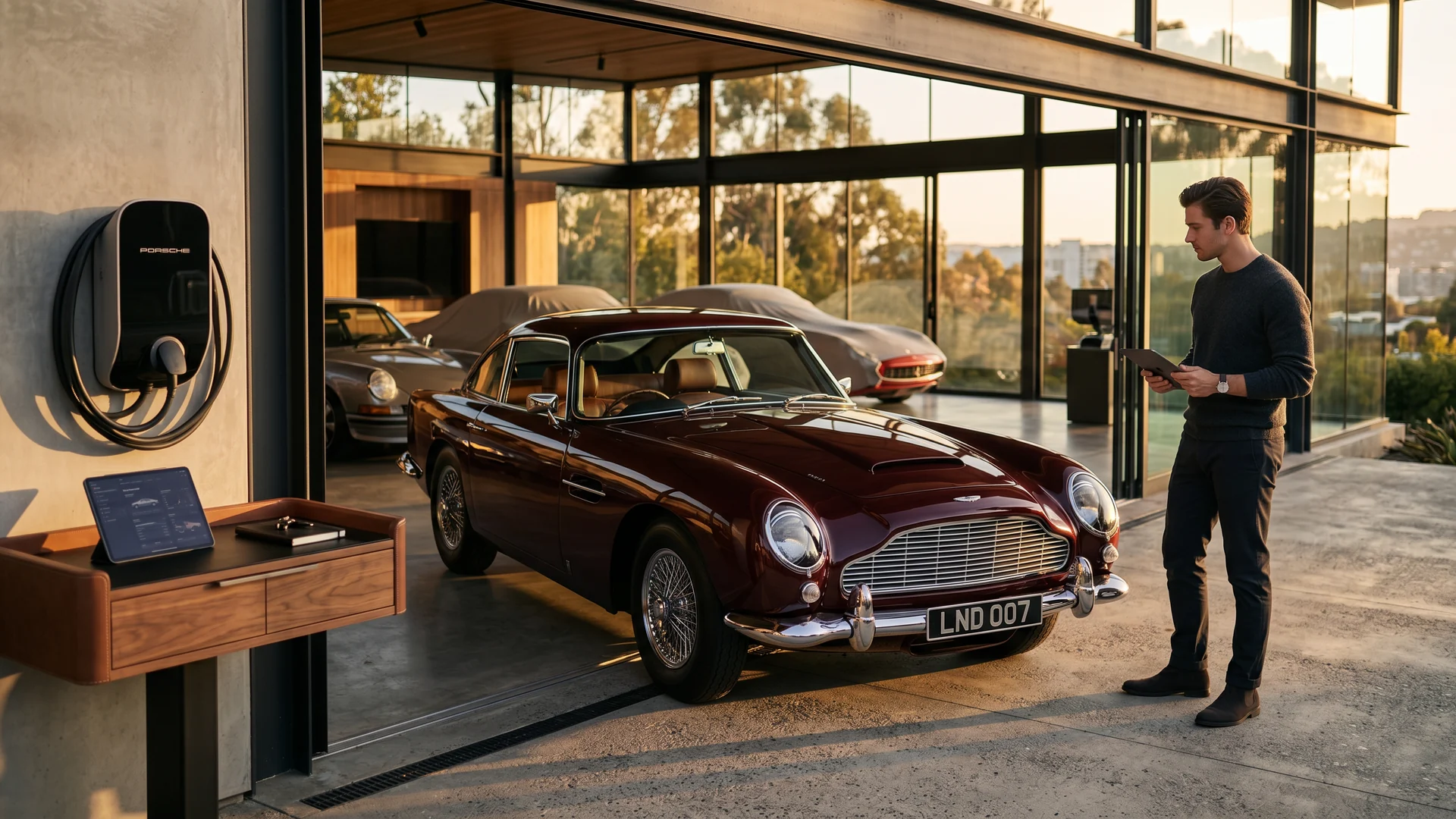
The Future of Classic Car Collecting: Trends Shaping the Next Generation
The future of classic car collecting: why 2035 ICE bans spare existing cars, plus e-fuels, shifting demographics, electromods and fractional ownership…
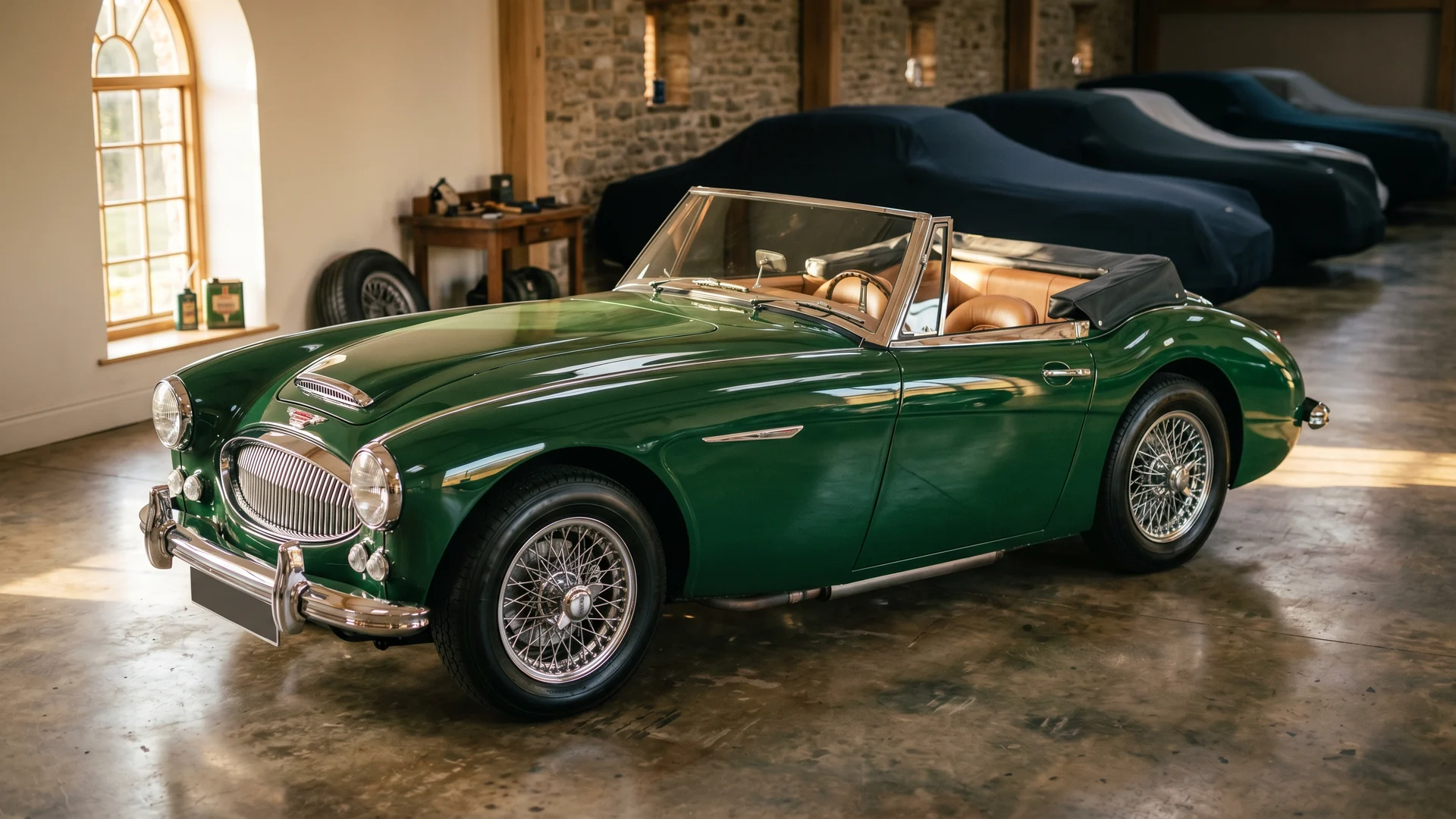
Classic Car Insurance Guide: Protecting Your Vintage Investment
Classic car insurance guide: why agreed-value policies beat stated and actual cash value, how Hagerty, Grundy and Chubb compare, plus costs and covera…
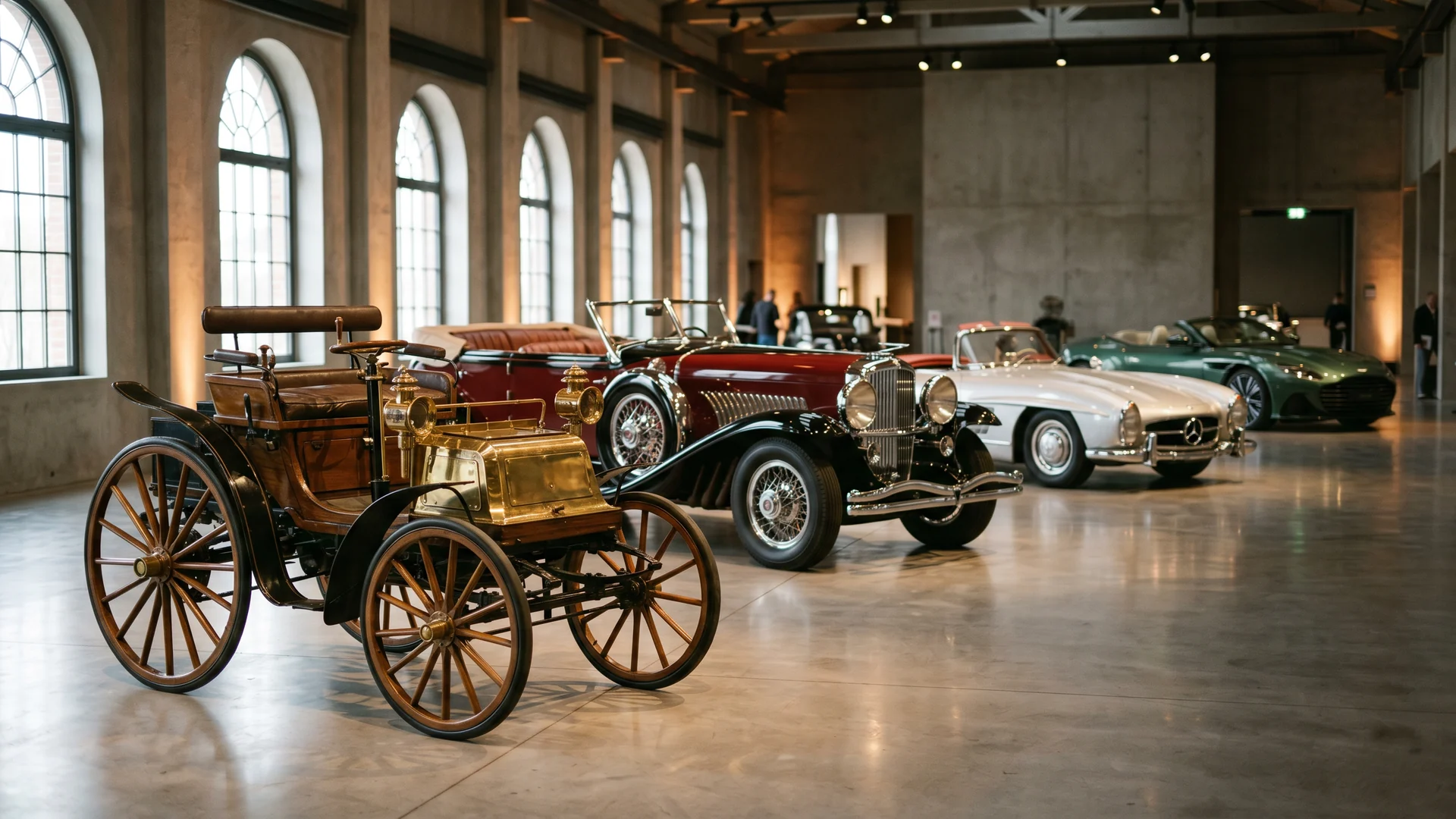
Classic Car History Timeline: From Benz to the Modern Collector Era
Classic car history timeline from the 1886 Benz Patent-Motorwagen through coachbuilding, muscle cars and supercars to modern collectibles. Discover th…