The Myth of Cheap Classic Cars and the Reality of Ownership
Classic cars possess a distinctive appeal that attracts both dedicated enthusiasts and casual admirers. Their enduring designs, historical significance, and nostalgic qualities cre…
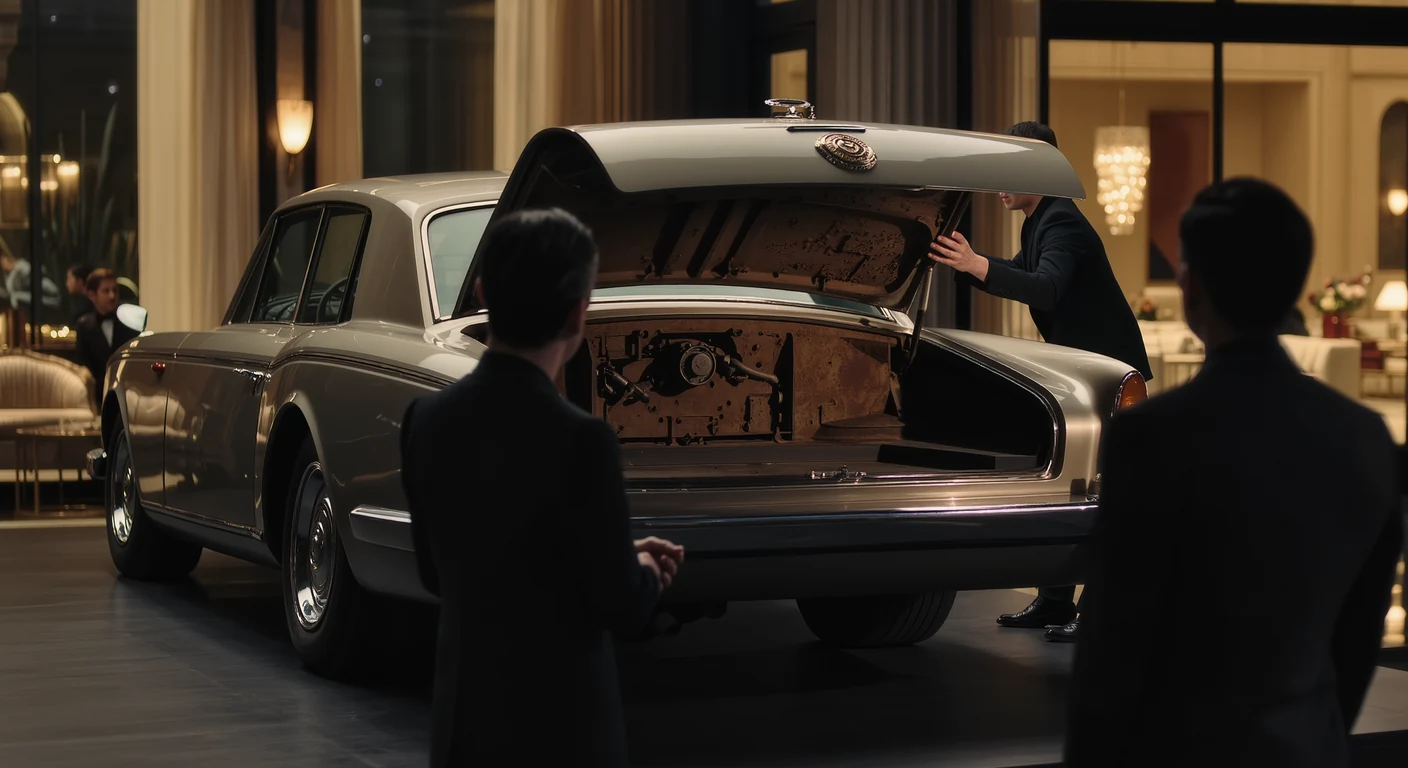
Classic cars possess a distinctive appeal that attracts both dedicated enthusiasts and casual admirers. Their enduring designs, historical significance, and nostalgic qualities create a compelling attraction that introduces many people to vintage automobile collecting. Acquiring a classic car fulfills a lifelong ambition for certain individuals, offering a connection to automotive history and the experience of operating a historical vehicle.
However, this aspiration involves complexities that extend significantly beyond the initial acquisition cost. Prospective owners must thoroughly understand the comprehensive expenses associated with classic car ownership before making such an investment. The attraction to classic automobiles encompasses more than just their visual appeal.
These vehicles symbolize independence, exploration, and a desirable lifestyle. Nevertheless, potential buyers must address numerous misconceptions regarding affordability and upkeep. While classic car ownership appears attractive, it is essential to examine the practical aspects of maintaining such vehicles to prevent them from becoming financially unsustainable.
Key Takeaways
- Classic cars are often seen as affordable, but ownership involves significant hidden costs.
- Maintenance, restoration, and sourcing parts can be expensive and time-consuming.
- Insurance for classic cars tends to be higher than expected due to their unique value.
- Depreciation and resale value vary, making classic cars a risky financial investment.
- Emotional satisfaction and passion must be balanced with financial responsibility when owning a classic car.
The myth of cheap classic cars
One of the most pervasive myths surrounding classic cars is the belief that they can be acquired cheaply. Many people assume that with a little research, they can find a vintage vehicle at a bargain price. While it is true that some classic cars can be found for less than expected, this often leads to disappointment when owners realize the hidden costs associated with these vehicles.
The allure of a low purchase price can be misleading, as it often masks the true expenses that come with ownership. In reality, the market for classic cars is diverse, with prices varying significantly based on make, model, condition, and rarity. While some models may be affordable, others can command high prices due to their desirability and historical significance.
Additionally, the initial cost is just the tip of the iceberg; prospective owners must consider ongoing expenses that can quickly add up.
The reality of ownership: hidden costs
Owning a classic car involves more than just the purchase price; it encompasses a range of hidden costs that can catch new owners off guard. These costs include registration fees, taxes, and potential modifications needed to meet modern safety standards. Furthermore, many classic cars require specialized care and attention, which can lead to unexpected expenses over time.
Moreover, the age of classic cars often means that they may not be as reliable as modern vehicles. Owners may find themselves facing frequent repairs or upgrades to keep their cars running smoothly. This unpredictability can lead to significant financial strain if not properly planned for.
Understanding these hidden costs is crucial for anyone considering entering the world of classic car ownership.
Maintenance and restoration expenses
Maintenance and restoration are two critical aspects of owning a classic car that can significantly impact overall costs. Regular maintenance is essential to keep these vintage vehicles in good working order. This includes oil changes, brake inspections, tire rotations, and more.
However, finding qualified mechanics who specialize in classic cars can be challenging and often comes at a premium price. Restoration projects can be particularly costly, especially if the vehicle requires extensive work to bring it back to its former glory. From bodywork to engine overhauls, restoration expenses can quickly escalate.
Owners must also consider whether they will undertake these projects themselves or hire professionals, as both options come with their own set of costs and challenges.
Finding parts for classic cars
One of the most significant challenges faced by classic car owners is sourcing parts for their vehicles. Unlike modern cars, which have readily available replacement parts, classic cars often require specialized components that may no longer be in production. This scarcity can lead to inflated prices for parts or even difficulty in finding what is needed.
Many owners turn to online marketplaces or specialty shops to locate parts, but this process can be time-consuming and frustrating. Additionally, some parts may need to be custom-made or refurbished, further increasing costs. Understanding the challenges associated with sourcing parts is essential for anyone considering purchasing a classic car.
Insurance costs for classic cars
Insurance is another critical factor to consider when owning a classic car. While some may assume that insuring a vintage vehicle will be cheaper than insuring a modern one, this is not always the case. Classic car insurance policies often require specialized coverage that takes into account the vehicle’s value and unique characteristics.
Additionally, factors such as storage conditions and usage frequency can impact insurance rates. Owners must also consider whether they want agreed value coverage or stated value coverage, as each option has its own implications for payouts in case of an accident or theft. Understanding these nuances is vital for ensuring adequate protection for your investment.
Depreciation and resale value
While many people view classic cars as appreciating assets, it is essential to recognize that not all vintage vehicles will increase in value over time. Factors such as market demand, condition, and rarity play significant roles in determining resale value.
Owners should conduct thorough research on their specific make and model to understand potential depreciation trends. Additionally, maintaining the vehicle’s condition through regular maintenance and restoration can help preserve its value over time. Being informed about these factors can help owners make better decisions regarding their investment.
Investment potential of classic cars
Despite the challenges associated with ownership, classic cars can offer significant investment potential for those willing to navigate the complexities involved. Certain models have shown remarkable appreciation over time, making them attractive options for collectors and investors alike. However, it is crucial to approach this investment with caution and thorough research.
Investing in classic cars requires an understanding of market trends and historical data related to specific models. Additionally, owners should consider factors such as rarity, condition, and provenance when evaluating potential investments. By taking a strategic approach to purchasing and maintaining classic cars, owners can maximize their investment potential while enjoying the passion that comes with ownership.
The emotional and time investment in classic car ownership
Owning a classic car is not just a financial commitment; it also requires an emotional and time investment. Many enthusiasts find joy in restoring and maintaining their vehicles, viewing it as a labor of love rather than just another chore. This emotional connection can enhance the overall experience of ownership but also demands dedication and patience.
Time spent researching parts, attending car shows, or participating in clubs can enrich the ownership experience but may also take away from other commitments. Balancing this passion with daily responsibilities is essential for ensuring that ownership remains enjoyable rather than overwhelming.
Balancing the passion for classic cars with financial responsibility
For many enthusiasts, the passion for classic cars can sometimes cloud financial judgment. It is crucial to strike a balance between indulging in this passion and maintaining financial responsibility. Setting a budget for purchases, maintenance, and restoration projects can help prevent overspending while still allowing for enjoyment.
Additionally, prospective owners should consider their long-term goals when investing in classic cars. Whether viewing them as an investment or simply as a hobby, having clear objectives can guide decision-making and help maintain financial stability while pursuing this passion.
Understanding the true cost of owning a classic car
In conclusion, owning a classic car is an exciting journey filled with both challenges and rewards. While the allure of these vintage vehicles is undeniable, it is essential to understand the true costs associated with ownership beyond just the purchase price. From hidden expenses to maintenance and insurance costs, prospective owners must be prepared for the realities of classic car ownership.
By conducting thorough research and being aware of potential pitfalls, enthusiasts can enjoy their passion without falling into financial traps. Ultimately, understanding the true cost of owning a classic car allows individuals to make informed decisions that enhance their experience while preserving their investment for years to come.
FAQs
Are classic cars really cheap to buy?
No, classic cars are often perceived as affordable due to their age, but many models can be expensive to purchase depending on their rarity, condition, and desirability among collectors.
What are the hidden costs of owning a classic car?
Hidden costs include maintenance and repairs, insurance, storage, restoration, parts replacement, and sometimes higher fuel consumption. These expenses can add up significantly over time.
Is it easy to find parts for classic cars?
Finding parts for classic cars can be challenging and costly, especially for rare or less popular models. Some parts may need to be custom-made or sourced from specialty suppliers.
Do classic cars require special maintenance?
Yes, classic cars often require specialized maintenance and care, including regular inspections, use of specific fluids, and attention to aging components that may not be present in modern vehicles.
How does insurance for classic cars differ from regular cars?
Classic car insurance typically has different terms, often requiring the vehicle to be stored securely and driven only occasionally. Premiums can be higher or lower depending on the car’s value, usage, and coverage type.
Can classic cars be used as daily drivers?
While some classic cars can be driven daily, many are not suited for regular use due to reliability issues, lack of modern safety features, and higher operating costs.
Does owning a classic car guarantee appreciation in value?
Not necessarily. While some classic cars appreciate over time, others may depreciate or remain stagnant in value. Market trends, condition, and historical significance all influence a car’s value.
What should I consider before buying a classic car?
Consider the total cost of ownership, availability of parts, your mechanical skills or access to a trusted mechanic, insurance costs, storage options, and your intended use for the vehicle.
More from Blog
The Future of Classic Car Collecting: Trends Shaping the Next Generation
The future of classic car collecting: why 2035 ICE bans spare existing cars, plus e-fuels, shifting demographics, electromods and fractional ownership…
Classic Car Insurance Guide: Protecting Your Vintage Investment
Classic car insurance guide: why agreed-value policies beat stated and actual cash value, how Hagerty, Grundy and Chubb compare, plus costs and covera…
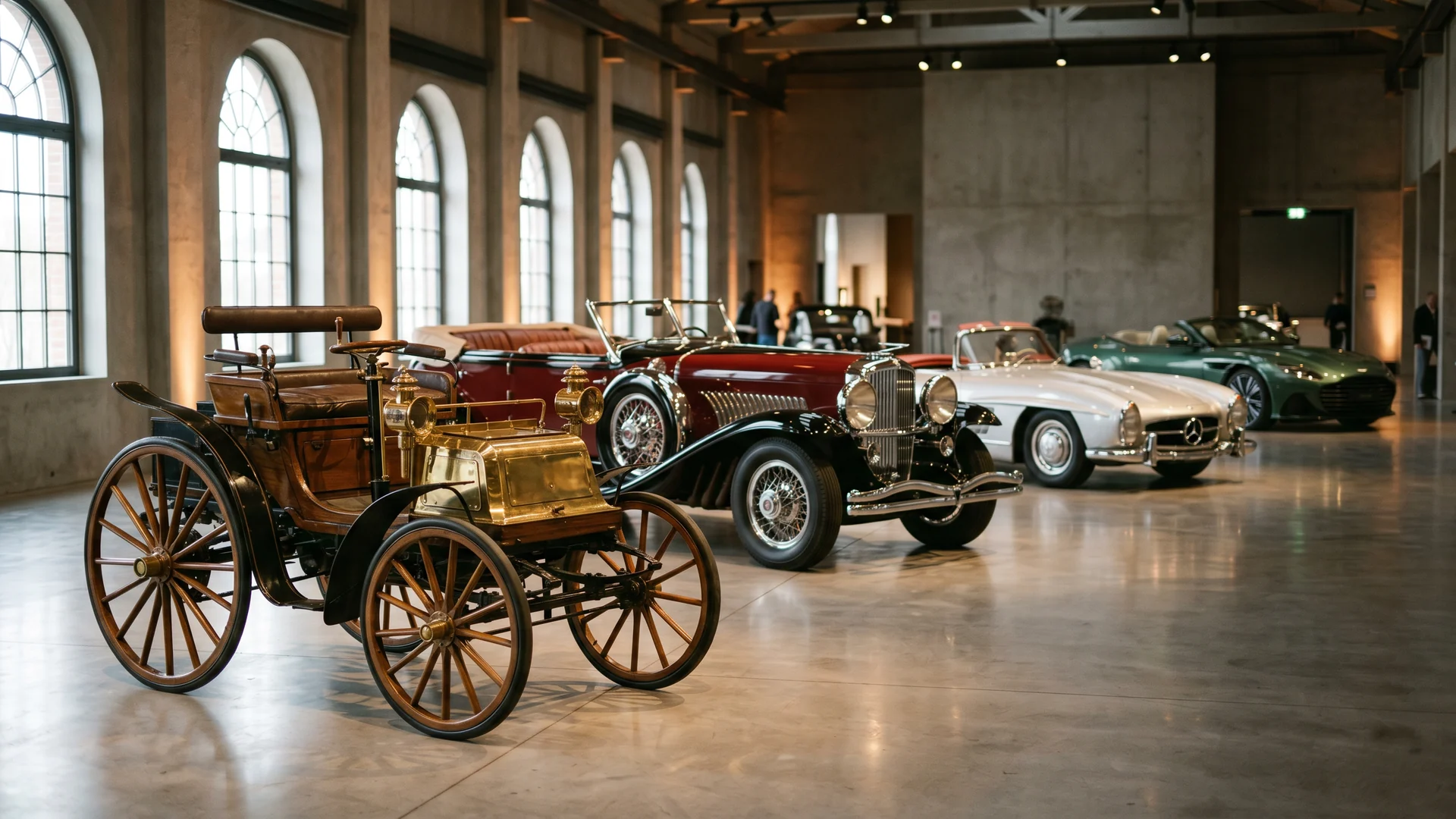
Classic Car History Timeline: From Benz to the Modern Collector Era
Classic car history timeline from the 1886 Benz Patent-Motorwagen through coachbuilding, muscle cars and supercars to modern collectibles. Discover th…