The Most Polarizing Classic Cars Ever Created
Classic cars are typically defined as vehicles that are at least 20-30 years old and possess historical significance, distinctive design characteristics, or cultural importance. Th…
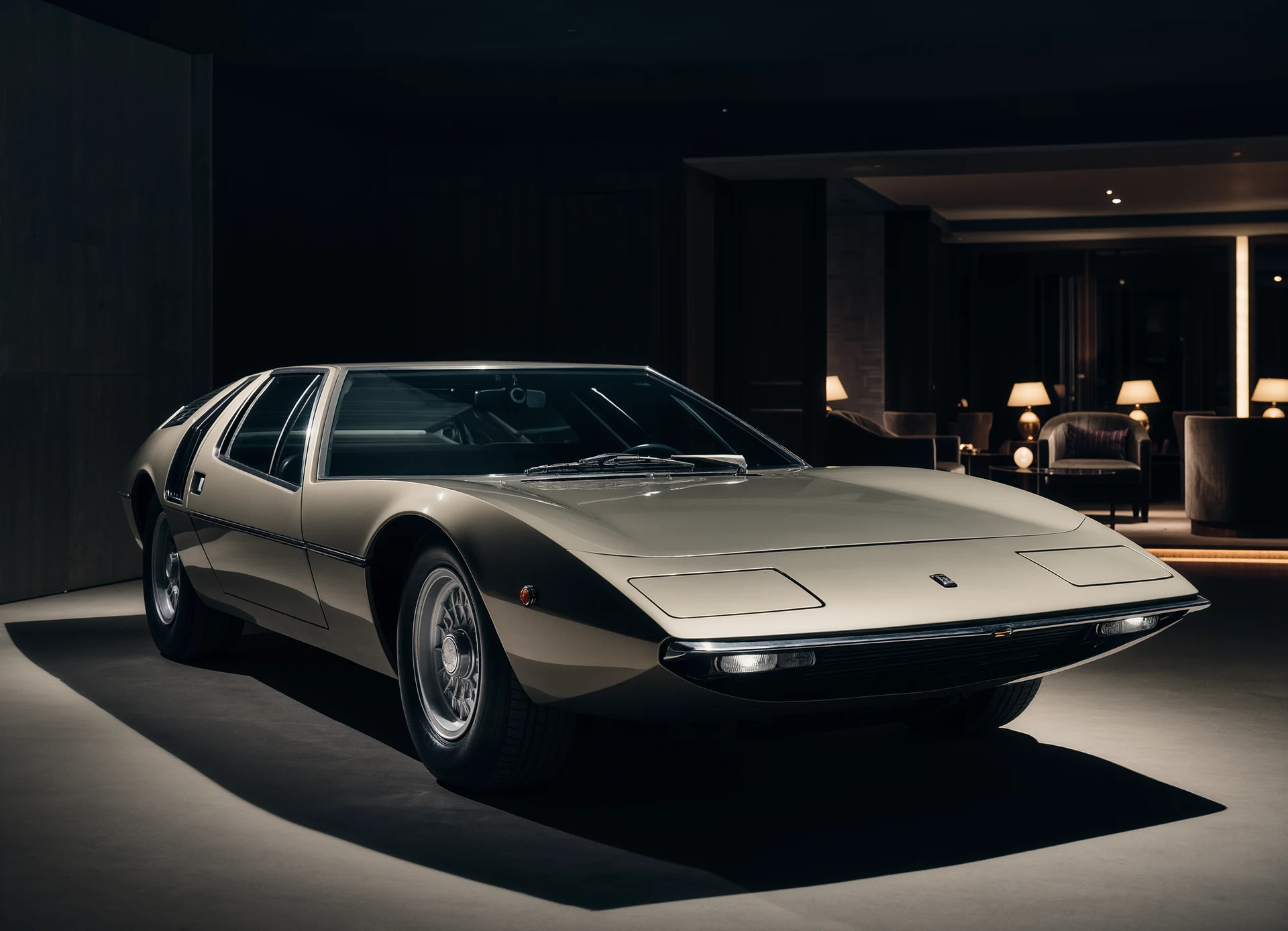
Classic cars are typically defined as vehicles that are at least 20-30 years old and possess historical significance, distinctive design characteristics, or cultural importance. These automobiles serve as tangible representations of specific periods in automotive development, reflecting the technological capabilities, design philosophies, and manufacturing processes of their respective eras. The classification of classic cars encompasses various factors including production numbers, technological innovations, design influence, and market impact.
Many classic vehicles demonstrate significant engineering achievements or pioneering features that influenced subsequent automotive development. Others gained recognition through their association with particular cultural movements, motorsport achievements, or their role in popular media. Within the classic car community, certain models generate considerable debate regarding their merit, value, and historical importance.
These discussions often center on factors such as build quality, design execution, performance characteristics, and long-term reliability. Some vehicles are praised for their innovative engineering solutions or aesthetic appeal, while others face criticism for design flaws, reliability issues, or controversial styling choices.
Collectors and enthusiasts may prioritize different aspects when assessing these vehicles, leading to varying opinions on their significance and desirability. This diversity of perspectives contributes to ongoing discussions about which models deserve recognition as important examples of automotive history and which may be considered less successful or problematic designs.
Key Takeaways
- Polarizing classic cars evoke strong, divided opinions among enthusiasts and critics alike.
- Models like the Ford Pinto and AMC Pacer are often debated for their design and cultural impact.
- Some cars, such as the DeLorean DMC-12 and Pontiac Aztek, are seen as either iconic or design failures.
- Vehicles like the Chevrolet Corvair and Volkswagen Beetle highlight innovation versus safety and timelessness versus obsolescence.
- Despite mixed reviews, polarizing classic cars maintain a lasting legacy in automotive history.
Definition of Polarizing Classic Cars
Polarizing classic cars are those that evoke strong reactions, either positive or negative, from enthusiasts and casual observers alike. These vehicles often challenge conventional design norms or introduce features that spark debate about their practicality and appeal. The term “polarizing” suggests that opinions about these cars are sharply divided; some people adore them for their uniqueness, while others criticize them for their flaws.
This dichotomy can stem from various factors, including design choices, performance capabilities, and cultural significance. The beauty of polarizing classic cars lies in their ability to provoke discussion and reflection. They often serve as a mirror to societal values and trends, revealing what people appreciate or reject in automotive design.
For instance, a car that was once deemed unattractive may later be celebrated for its quirky charm. Conversely, a model that was initially praised may fall out of favor as tastes evolve. Understanding the dynamics of these polarizing vehicles allows us to appreciate the complexities of automotive history and the ever-changing landscape of consumer preferences.
Ford Pinto: Love it or Hate it
The Ford Pinto is one of the most infamous classic cars in American automotive history. Launched in the early 1970s, it was designed to be an affordable compact car that appealed to budget-conscious consumers. However, the Pinto quickly became embroiled in controversy due to safety concerns related to its fuel tank design.
This tarnished its reputation and led many to view it as a dangerous vehicle. Despite its troubled history, some enthusiasts appreciate the Pinto for its affordability and unique styling.
The car’s compact size made it easy to maneuver in urban environments, and its simple mechanics appealed to DIY enthusiasts who enjoyed working on their vehicles. The Pinto’s polarizing nature lies in this juxtaposition: while some see it as a symbol of corporate negligence, others view it as a charming relic of a bygone era. This duality makes the Ford Pinto a fascinating case study in the world of classic cars.
DeLorean DMC-12: Iconic or Overrated
The DeLorean DMC-12 is perhaps best known for its role in the “Back to the Future” film franchise, where it was transformed into a time machine. With its distinctive stainless-steel body and gullwing doors, the DMC-12 has become an icon of 1980s pop culture. However, opinions about this classic car are sharply divided.
Some enthusiasts celebrate its futuristic design and unique features, while others criticize its lackluster performance and reliability issues. Supporters of the DeLorean argue that its innovative design was ahead of its time, making it a symbol of ambition and creativity in automotive engineering. The car’s striking appearance continues to capture the imagination of collectors and fans alike.
On the other hand, detractors point out that the DMC-12’s underwhelming performance and production challenges overshadow its aesthetic appeal. This tension between admiration and criticism makes the DeLorean DMC-12 a quintessential example of a polarizing classic car.
AMC Pacer: Quirky or Ugly
The AMC Pacer is another classic car that has sparked debate among enthusiasts and critics alike. Launched in 1975, the Pacer was designed with a focus on spaciousness and fuel efficiency during an era marked by rising gas prices. Its unique shape, characterized by a wide stance and large glass windows, has led some to label it as quirky while others deem it outright ugly.
This polarizing design has made the Pacer a subject of fascination for many. Proponents of the Pacer appreciate its unconventional styling and practicality. The spacious interior made it a family-friendly option during a time when compact cars were gaining popularity.
However, critics argue that its unusual proportions detract from its overall appeal, making it one of the more maligned vehicles in automotive history. The AMC Pacer exemplifies how design choices can elicit strong reactions, showcasing the diverse tastes within the classic car community.
Chevrolet Corvair: Innovative or Dangerous
The Chevrolet Corvair is often remembered for its innovative engineering but also for its controversial safety record. Launched in 1960, the Corvair was notable for its rear-engine layout and independent suspension system, which set it apart from other American cars of its time. However, it faced significant scrutiny after consumer advocate Ralph Nader published “Unsafe at Any Speed,” which criticized the Corvair’s handling characteristics and safety features.
Supporters of the Corvair argue that it was a groundbreaking vehicle that introduced new concepts to American car design. Its unique engineering allowed for improved handling and performance compared to traditional front-engine vehicles. Conversely, critics maintain that Nader’s concerns were valid and that the Corvair’s design flaws posed serious risks to drivers and passengers alike.
This ongoing debate highlights how innovation can be both celebrated and criticized within the realm of classic cars.
Pontiac Aztek: Ahead of its Time or Design Disaster
The Pontiac Aztek is often cited as one of the most polarizing vehicles in automotive history due to its unconventional design and mixed reception upon release in 2001. With its bold lines and distinctive styling, the Aztek aimed to appeal to adventurous consumers seeking versatility in their vehicles. However, many critics deemed it unattractive, leading to widespread ridicule and negative perceptions.
Despite its controversial appearance, some enthusiasts argue that the Aztek was ahead of its time in terms of functionality and practicality. It offered features like a removable cooler and a versatile interior layout that catered to active lifestyles. While its design may not have resonated with everyone, those who appreciate its uniqueness often celebrate it as an example of innovation in an era dominated by more traditional SUV designs.
The Pontiac Aztek serves as a reminder that beauty is subjective, especially in the world of classic cars.
Volkswagen Beetle: Timeless or Outdated
The Volkswagen Beetle is one of the most recognizable classic cars globally, celebrated for its iconic shape and cultural significance. Originally designed in the 1930s, the Beetle became synonymous with counterculture movements in the 1960s and 1970s. Its enduring popularity has led many to view it as a timeless classic; however, some argue that its design has become outdated in today’s automotive landscape.
Supporters of the Beetle appreciate its simplicity, reliability, and charm. Its compact size makes it easy to drive and park, while its distinctive styling continues to capture hearts worldwide. On the other hand, critics contend that modern advancements in automotive technology have rendered the Beetle less practical compared to contemporary vehicles.
This tension between nostalgia and practicality makes the Volkswagen Beetle a fascinating subject for discussion among classic car enthusiasts.
Cadillac Eldorado: Luxury or Excess
The Cadillac Eldorado has long been associated with luxury and opulence in American automotive history. Launched in 1953, this iconic model epitomized Cadillac’s commitment to elegance and sophistication. However, opinions about the Eldorado can be polarizing; some view it as a symbol of excess while others celebrate it as a pinnacle of American luxury.
Proponents argue that the Eldorado represents an era when craftsmanship and attention to detail were paramount in automotive design. Its plush interiors and powerful engines made it a favorite among affluent consumers seeking comfort and prestige on the road. Conversely, critics contend that its extravagant features contribute to environmental concerns and reflect an outdated notion of luxury.
The Cadillac Eldorado serves as a reminder of how perceptions of luxury can evolve over time.
Ferrari Testarossa: Timeless Beauty or Overdone
The Ferrari Testarossa is often hailed as one of the most beautiful sports cars ever produced, with its striking lines and aggressive stance capturing attention wherever it goes. Launched in 1984, this iconic model became synonymous with speed and performance while also becoming a symbol of wealth and status. However, opinions about the Testarossa can be divided; some enthusiasts view it as timeless beauty while others consider it overdone.
Supporters celebrate the Testarossa for its engineering excellence and stunning design elements that embody Ferrari’s racing heritage. Its powerful V12 engine delivers exhilarating performance on both road and track, making it a favorite among driving enthusiasts. On the flip side, critics argue that its flamboyant styling may overshadow its performance capabilities, leading some to view it as excessive rather than elegant.
The Ferrari Testarossa exemplifies how beauty can be subjective within the realm of classic cars.
The Enduring Legacy of Polarizing Classic Cars
Polarizing classic cars have left an indelible mark on automotive history by challenging conventional norms and sparking passionate debates among enthusiasts. From the Ford Pinto’s safety controversies to the DeLorean DMC-12’s iconic status in pop culture, these vehicles showcase how diverse opinions can shape our understanding of automotive design and innovation. Each model tells a story that reflects societal values, preferences, and changing tastes over time.
As we celebrate these polarizing classics, we recognize their enduring legacy within the automotive community. They remind us that beauty is subjective and that every vehicle has its own unique narrative worth exploring. Whether you love them or hate them, polarizing classic cars continue to captivate our imaginations and inspire discussions about what makes a car truly remarkable in our ever-evolving world.
FAQs
What defines a classic car as polarizing?
A classic car is considered polarizing when it evokes strong and divided opinions among enthusiasts and the general public. This can be due to its design, performance, historical significance, or cultural impact, leading some to admire it greatly while others may dislike or criticize it.
Which classic cars are often regarded as the most polarizing?
Some of the most polarizing classic cars include the Pontiac Aztek, the AMC Pacer, the Chevrolet Corvette C3, and the Ford Mustang II. These vehicles often have unique or unconventional designs and features that have sparked debate over their aesthetic and functional merits.
Why do some classic cars become polarizing over time?
Classic cars can become polarizing due to changing tastes, evolving automotive technology, and shifts in cultural values. What was once considered innovative or stylish may later be viewed as outdated or unattractive, leading to divided opinions among different generations and car enthusiasts.
Are polarizing classic cars valuable in the collector’s market?
Yes, polarizing classic cars can be valuable in the collector’s market. Their rarity, unique design, and the strong opinions they generate can make them highly sought after by certain collectors, sometimes increasing their market value despite mixed public perception.
How do polarizing classic cars impact automotive design and culture?
Polarizing classic cars often push the boundaries of design and engineering, influencing future automotive trends and sparking discussions about aesthetics and innovation. They contribute to the diversity of automotive culture by challenging conventional norms and inspiring passionate debates among enthusiasts.
Can a polarizing classic car’s reputation change over time?
Absolutely. The reputation of a polarizing classic car can improve or decline as public tastes evolve, restoration efforts highlight its qualities, or cultural nostalgia grows. Some cars initially criticized may later be celebrated as iconic or ahead of their time.
What factors contribute to a classic car being labeled as polarizing?
Factors include unconventional styling, controversial performance characteristics, unique engineering choices, limited production numbers, and the car’s association with particular cultural or historical moments. These elements can lead to divided opinions among different groups of people.
Are polarizing classic cars typically produced in limited numbers?
Not always, but many polarizing classic cars were produced in limited quantities, which can add to their mystique and divisiveness. Limited production can make them rare and collectible, but it also means fewer people have experience with them, contributing to varied opinions.
More from Blog

The Future of Classic Car Collecting: Trends Shaping the Next Generation
The future of classic car collecting: why 2035 ICE bans spare existing cars, plus e-fuels, shifting demographics, electromods and fractional ownership…
Classic Car Insurance Guide: Protecting Your Vintage Investment
Classic car insurance guide: why agreed-value policies beat stated and actual cash value, how Hagerty, Grundy and Chubb compare, plus costs and covera…
Classic Car History Timeline: From Benz to the Modern Collector Era
Classic car history timeline from the 1886 Benz Patent-Motorwagen through coachbuilding, muscle cars and supercars to modern collectibles. Discover th…