The Most Expensive Classic Cars Ever Sold and Why They Matter
Classic cars are vehicles typically aged 20 years or older that hold significant cultural and historical value beyond their original function as transportation. These automobiles r…
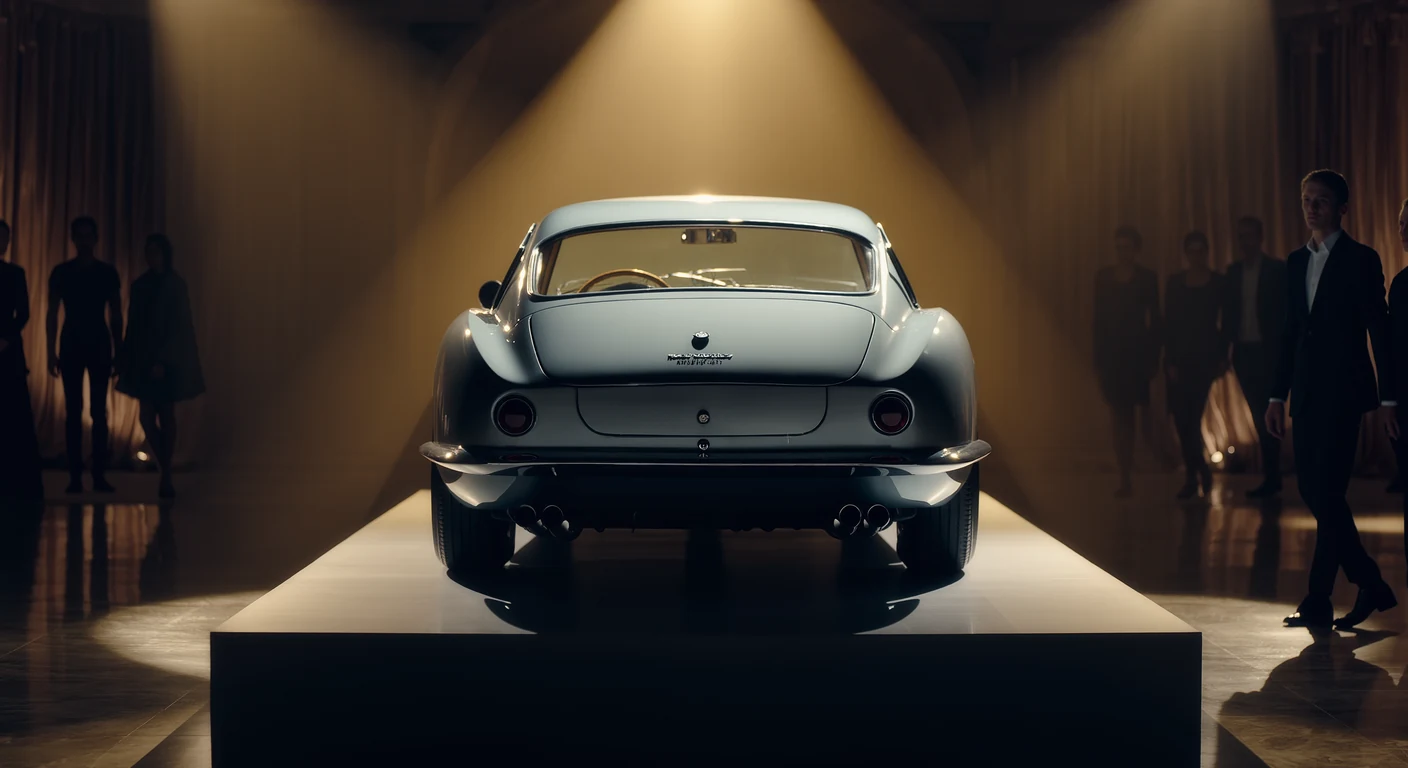
Classic cars are vehicles typically aged 20 years or older that hold significant cultural and historical value beyond their original function as transportation. These automobiles represent important periods in automotive development, featuring distinctive design elements and engineering innovations characteristic of their manufacturing era. The automotive industry has evolved considerably over decades, with classic cars serving as tangible examples of technological progression and design philosophy changes.
Many classic vehicles incorporated groundbreaking features for their time, including advanced engine technologies, safety innovations, or manufacturing techniques that influenced subsequent automotive development. The classic car market encompasses various categories, from mass-produced models that achieved cultural significance to limited-production vehicles that demonstrated exceptional craftsmanship. Collectors and enthusiasts value these vehicles for multiple reasons: historical importance, rarity, engineering excellence, and cultural impact.
The restoration process often involves sourcing period-appropriate components and employing specialized techniques to maintain authenticity. Classic car ownership involves considerations including maintenance requirements, parts availability, insurance costs, and storage needs. Many owners participate in organized events, exhibitions, and clubs dedicated to preserving automotive history and sharing knowledge about specific makes, models, or eras.
The classic car community contributes to historical preservation while maintaining these vehicles in operational condition for future generations.
Key Takeaways
- Classic cars hold significant historical and cultural value, influencing both automotive design and modern car culture.
- Some classic cars have sold for record-breaking prices, highlighting their rarity and collectibility.
- They play a crucial role in preserving automotive history and showcasing the evolution of car manufacturing.
- Collectors and enthusiasts are drawn to classic cars for their unique appeal and investment potential.
- The legacy of classic cars continues to impact popular culture and underscores their enduring importance.
The Most Expensive Classic Cars Ever Sold
The world of classic cars is not just about nostalgia; it also involves staggering financial investments. Some classic cars have fetched astronomical prices at auctions, reflecting their rarity and desirability. For instance, the 1962 Ferrari 250 GTO holds the record for the most expensive car ever sold, with a price tag exceeding $48 million.
This iconic vehicle is celebrated for its racing pedigree and limited production, making it a coveted item among collectors. Other notable mentions include the 1957 Ferrari 335 Sport Scaglietti, which sold for $38 million, and the 1937 Talbot-Lago T150-C-SS Teardrop Coupe, which reached $13.4 million at auction. These sales highlight not only the financial value of classic cars but also their cultural significance.
Each sale tells a story of craftsmanship, innovation, and the passion that drives collectors to seek out these extraordinary machines.
The Historical Significance of Classic Cars
Classic cars serve as tangible links to our automotive past, representing significant milestones in engineering and design. They reflect the evolution of technology and consumer preferences over decades. For example, the introduction of automatic transmissions in the 1950s revolutionized driving experiences, while muscle cars from the 1960s showcased raw power and performance that captivated a generation.
Moreover, classic cars often symbolize broader societal changes. The rise of the automobile industry in the early 20th century transformed urban landscapes and lifestyles. Classic cars encapsulate these shifts, offering insights into cultural trends and economic conditions of their time.
By preserving these vehicles, we maintain a connection to our history and gain a deeper understanding of how far we have come in automotive innovation.
The Impact of Classic Cars on Automotive Design
The influence of classic cars on automotive design is profound and enduring. Many modern vehicles draw inspiration from classic models, incorporating design elements that pay homage to their predecessors. For instance, the retro styling of contemporary muscle cars like the Ford Mustang and Chevrolet Camaro reflects a desire to capture the essence of their classic counterparts while integrating modern technology.
The sleek lines of a 1963 Corvette or the distinctive grille of a 1955 Mercedes-Benz 300SL continue to inspire designers across the globe. This blend of nostalgia and innovation ensures that classic cars remain integral to discussions about automotive aesthetics and functionality.
The Influence of Classic Cars on Modern Car Culture
Classic cars have significantly shaped modern car culture, fostering communities that celebrate automotive passion. Car shows, rallies, and clubs dedicated to classic vehicles create spaces for enthusiasts to connect, share knowledge, and showcase their prized possessions. These gatherings often feature restored models that highlight the craftsmanship involved in maintaining these vehicles.
Moreover, classic cars have become symbols of status and identity for many individuals. They represent a lifestyle choice that values authenticity and heritage over mass production. This cultural significance has led to a resurgence in interest among younger generations who seek to understand and appreciate the artistry behind classic automobiles.
The Rarity and Collectibility of Classic Cars
The rarity of classic cars plays a crucial role in their collectibility. Limited production runs, unique features, and historical significance contribute to a vehicle’s desirability among collectors. For instance, models like the Bugatti Type 57SC Atlantic are not only rare but also embody exceptional craftsmanship, making them highly sought after.
Collectors often seek out specific makes and models based on personal preferences or investment potential. The thrill of hunting for rare finds adds an element of excitement to collecting.
The Role of Classic Cars in Preserving Automotive History
Classic cars play an essential role in preserving automotive history by serving as living museums that showcase technological advancements and design evolution. Each vehicle tells a story about its era, reflecting societal values and innovations at the time of its production. By restoring and maintaining these cars, enthusiasts contribute to the preservation of this history for future generations.
Moreover, classic car museums and exhibitions provide platforms for education and appreciation. They allow visitors to explore the rich heritage of automotive design while highlighting significant milestones in engineering. Through these efforts, classic cars become more than just collectibles; they transform into educational tools that foster a deeper understanding of our automotive past.
The Appeal of Classic Cars to Collectors and Enthusiasts
The appeal of classic cars extends beyond mere aesthetics; it encompasses a sense of community and shared passion among collectors and enthusiasts. Owning a classic car often leads to friendships formed through shared interests in restoration projects or participation in car shows. This camaraderie creates a supportive environment where knowledge is exchanged, fostering a deeper appreciation for automotive history.
Additionally, many collectors find joy in the restoration process itself. Bringing a vintage vehicle back to life requires skill, patience, and dedication, qualities that resonate deeply with enthusiasts. The satisfaction derived from restoring a classic car can be immensely rewarding, making it more than just a hobby; it becomes a lifelong passion.
The Investment Value of Classic Cars
Investing in classic cars can yield significant returns for savvy collectors. As demand for rare models continues to rise, many classic cars appreciate in value over time. Factors such as rarity, condition, provenance, and market trends all influence investment potential.
For instance, certain models from prestigious brands like Ferrari or Porsche have seen exponential growth in value over the years. However, investing in classic cars requires careful consideration and research. Understanding market dynamics and trends is crucial for making informed decisions.
While some vehicles may appreciate rapidly, others may not hold their value as well. Therefore, collectors should approach investments with both passion and pragmatism.
The Legacy of Classic Cars in Popular Culture
Classic cars have left an indelible mark on popular culture, appearing in films, music videos, and advertisements that celebrate their timeless appeal. Iconic vehicles like the DeLorean from “Back to the Future” or the Aston Martin DB5 from James Bond films have become symbols of adventure and sophistication. Moreover, classic cars often serve as metaphors for freedom and rebellion in popular media.
They represent an era when driving was about more than just getting from point A to point B; it was an experience filled with excitement and exploration. This cultural legacy continues to influence how we perceive automobiles today.
The Enduring Importance of Classic Cars
In conclusion, classic cars hold a unique place in our hearts and society as symbols of history, craftsmanship, and community. Their significance extends beyond mere transportation; they represent an enduring legacy that connects us to our past while shaping our present and future automotive culture. As we continue to celebrate these remarkable machines, we ensure that their stories are preserved for generations to come.
Whether you are an avid collector or simply an admirer of automotive history, classic cars offer something for everyone, a glimpse into an era defined by innovation and artistry. Embracing this passion not only enriches our lives but also fosters appreciation for the remarkable journey of automotive evolution that continues to unfold today.
FAQs
What defines a classic car?
A classic car is typically defined as a vehicle that is at least 20 to 25 years old, has historical interest, and is often recognized for its design, engineering, and cultural significance. The exact definition can vary depending on car clubs and organizations.
Why are some classic cars so expensive?
Classic cars can be expensive due to factors such as rarity, historical significance, condition, provenance, and desirability among collectors. Limited production numbers and association with famous events or personalities can also increase value.
What are some of the most expensive classic cars ever sold?
Some of the most expensive classic cars ever sold include the 1962 Ferrari 250 GTO, the 1957 Ferrari 335 Sport Scaglietti, and the 1963 Ferrari 250 GTO Berlinetta. These cars have sold for tens of millions of dollars at auctions or private sales.
How do classic cars impact automotive history?
Classic cars represent milestones in automotive design, technology, and culture. They showcase the evolution of engineering and style, influence modern car design, and preserve the heritage of the automotive industry.
Are classic cars a good investment?
Classic cars can be a good investment if chosen carefully, as some models appreciate significantly over time. However, the market can be volatile, and factors like maintenance costs, storage, and market trends should be considered.
What role do auctions play in the sale of classic cars?
Auctions are a primary venue for selling high-value classic cars, providing transparency and competitive bidding that can drive prices up. Prestigious auction houses often handle the sale of rare and valuable vehicles.
How is the value of a classic car determined?
The value of a classic car is determined by its rarity, condition, originality, historical importance, documentation, and market demand. Expert appraisals and recent sales of similar models also influence valuation.
Why do collectors care about provenance in classic cars?
Provenance refers to the documented history of a car, including previous owners, maintenance records, and participation in notable events. Provenance adds authenticity and can significantly increase a car’s value and desirability.
What maintenance challenges do classic cars present?
Classic cars often require specialized maintenance due to older technology, scarcity of parts, and the need for expert restoration. Proper care is essential to preserve their value and functionality.
How do classic cars contribute to cultural heritage?
Classic cars are symbols of their era’s social, economic, and technological context. They reflect cultural trends, innovations, and lifestyles, making them important artifacts for historical study and appreciation.
More from Blog

The Future of Classic Car Collecting: Trends Shaping the Next Generation
The future of classic car collecting: why 2035 ICE bans spare existing cars, plus e-fuels, shifting demographics, electromods and fractional ownership…
Classic Car Insurance Guide: Protecting Your Vintage Investment
Classic car insurance guide: why agreed-value policies beat stated and actual cash value, how Hagerty, Grundy and Chubb compare, plus costs and covera…
Classic Car History Timeline: From Benz to the Modern Collector Era
Classic car history timeline from the 1886 Benz Patent-Motorwagen through coachbuilding, muscle cars and supercars to modern collectibles. Discover th…