The Most Controversial Classic Car Designs That Became Legends
Classic car designs represent a unique blend of artistry, engineering, and nostalgia. These vehicles, often celebrated for their aesthetic appeal and historical significance, evoke…
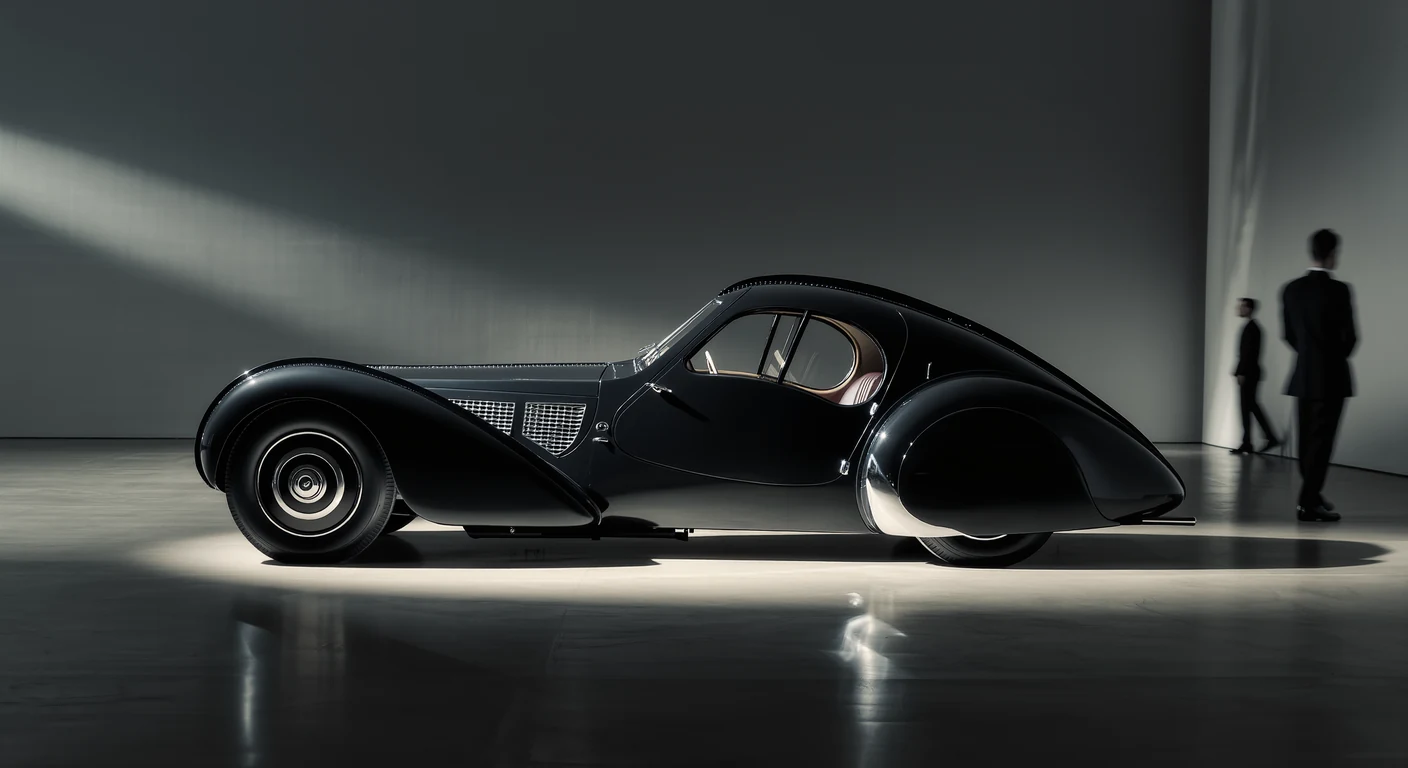
Classic car designs represent a unique blend of artistry, engineering, and nostalgia. These vehicles, often celebrated for their aesthetic appeal and historical significance, evoke a sense of admiration among enthusiasts and collectors alike. From the sleek lines of a 1960s Mustang to the elegant curves of a vintage Jaguar, classic cars are more than just modes of transportation; they are symbols of an era defined by innovation and style.
The allure of classic car designs lies not only in their beauty but also in the stories they tell about the time in which they were created. The world of classic cars is rich with diversity, showcasing various styles and philosophies that reflect the cultural zeitgeist of their respective periods. As we delve deeper into the realm of classic car designs, we will explore the controversial designs that sparked debates, the evolution of these vehicles over time, and their lasting impact on both the automotive industry and popular culture.
Key Takeaways
- Classic car designs have evolved significantly, blending tradition with innovation.
- Some classic car designs sparked controversy due to their unconventional aesthetics.
- Controversial designs often influenced modern car styling and automotive trends.
- Many classic cars that defied norms eventually became iconic and celebrated.
- The enduring appeal of these designs highlights their impact on automotive history.
The Controversial Classic Car Designs
Controversial classic car designs often challenge conventional aesthetics and provoke strong opinions among car enthusiasts. These designs can be polarizing, with some praising their boldness while others criticize them for straying too far from traditional automotive norms. One prime example is the 1970s Pontiac Aztek, which was widely derided for its unconventional shape and styling.
Despite its initial reception, the Aztek has gained a cult following over the years, illustrating how controversial designs can eventually find appreciation. Another notable example is the Chrysler Airflow, introduced in the 1930s. Its streamlined design was revolutionary for its time but faced backlash from consumers who were accustomed to more traditional car shapes.
The Airflow’s unique aesthetic was ahead of its time, paving the way for future innovations in automotive design. These examples highlight how controversial designs can spark discussions about beauty, functionality, and the evolution of automotive trends.
The Evolution of Classic Car Design
The evolution of classic car design is a fascinating journey that mirrors advancements in technology, changes in consumer preferences, and shifts in cultural values. In the early 20th century, cars were primarily utilitarian, focusing on functionality rather than aesthetics. However, as manufacturers began to recognize the importance of design in attracting buyers, the industry saw a shift towards more visually appealing vehicles.
The post-World War II era marked a significant turning point in classic car design. With an economic boom and increased consumer spending power, manufacturers began to experiment with bold colors, chrome accents, and innovative shapes. The introduction of iconic models like the Chevrolet Corvette and Ford Thunderbird showcased this newfound emphasis on style and performance.
As we moved into the 1960s and 1970s, muscle cars emerged as symbols of power and freedom, further pushing the boundaries of design.
The Impact of Controversial Classic Car Designs
Controversial classic car designs have had a profound impact on the automotive landscape. They challenge designers to think outside the box and explore new possibilities in form and function. These designs often serve as catalysts for change within the industry, prompting manufacturers to reconsider their design philosophies and embrace innovation.
Moreover, controversial designs can influence consumer behavior by creating a sense of intrigue and curiosity. Cars like the DeLorean DMC-12, with its distinctive gullwing doors and stainless-steel body, became cultural icons despite, or perhaps because of, their unconventional looks. Such vehicles often spark conversations about what constitutes beauty in automotive design and encourage enthusiasts to appreciate diversity in style.
Classic Car Designs That Defied Convention
Several classic car designs have defied convention and left an indelible mark on automotive history. The Citroën DS, introduced in 1955, is a prime example of a vehicle that broke away from traditional design norms.
The DS was not only a technical marvel but also a symbol of French ingenuity and creativity. Another standout is the BMW Isetta, a microcar that challenged conventional notions of size and functionality. With its egg-shaped body and front-opening door, the Isetta was designed for urban environments where space was at a premium.
Its quirky design captured the imagination of consumers during the post-war era and remains an iconic representation of compact car design.
The Legacy of Controversial Classic Car Designs
The legacy of controversial classic car designs is evident in their lasting influence on both collectors and modern manufacturers. These vehicles often serve as benchmarks for innovation and creativity within the industry. Their unique aesthetics continue to inspire new generations of designers who seek to push boundaries while remaining true to their brand’s identity.
Moreover, controversial designs often become sought-after collectibles over time. Cars that were once criticized for their unconventional looks can gain value as they become recognized for their historical significance and artistic merit. This phenomenon underscores the idea that beauty is subjective and that what may be deemed controversial today could be celebrated tomorrow.
The Influence of Classic Car Designs on Modern Cars
Classic car designs have significantly influenced modern automotive aesthetics and engineering principles. Many contemporary manufacturers draw inspiration from iconic models when creating new vehicles. The retro styling seen in models like the Ford Mustang and Chevrolet Camaro pays homage to their classic predecessors while incorporating modern technology and performance enhancements.
Additionally, classic car designs have paved the way for advancements in aerodynamics and fuel efficiency. Designers today often look back at classic models to understand how form can impact function. The lessons learned from these vintage vehicles continue to shape modern automotive design, ensuring that the spirit of innovation remains alive.
Classic Car Designs That Pushed Boundaries
Several classic car designs have pushed boundaries in terms of engineering and aesthetics. The Lamborghini Miura, introduced in 1966, is often credited with establishing the supercar segment. Its mid-engine layout and striking design set new standards for performance and style that continue to influence high-performance vehicles today.
Similarly, the Mercedes-Benz 300SL Gullwing broke new ground with its innovative design features, including its iconic gullwing doors and lightweight construction. This model not only showcased advanced engineering but also became a symbol of luxury and sophistication in automotive design.
The Reception of Controversial Classic Car Designs
The reception of controversial classic car designs has varied widely over time. Initially met with skepticism or outright disdain, many of these vehicles have undergone a transformation in public perception as tastes have evolved. For instance, the Ford Edsel was ridiculed upon its release in 1958 due to its unconventional styling and marketing missteps.
However, today it is often viewed as a symbol of mid-century American design. Conversely, some designs that were initially celebrated have faded into obscurity as consumer preferences shifted. The reception of these vehicles highlights the dynamic nature of automotive design and how societal trends can influence public opinion.
Classic Car Designs That Became Icons Despite Controversy
Despite their controversial nature, several classic car designs have achieved iconic status over time. The Volkswagen Beetle is perhaps one of the most recognizable examples; originally designed during World War II, it faced criticism for its unusual shape but ultimately became a symbol of counterculture in the 1960s. Another example is the Pontiac GTO, which faced scrutiny for its aggressive styling but is now celebrated as one of the first muscle cars that defined an entire genre.
These vehicles demonstrate how controversy can lead to lasting legacy and cultural significance.
The Enduring Appeal of Controversial Classic Car Designs
In conclusion, controversial classic car designs hold a unique place in automotive history. They challenge norms, provoke discussions about beauty and functionality, and inspire future generations of designers. While some may initially face criticism or skepticism, many ultimately achieve iconic status as tastes evolve over time.
The enduring appeal of these designs lies in their ability to push boundaries while capturing the imagination of enthusiasts worldwide. As we continue to celebrate classic cars, it is essential to recognize the value of innovation and creativity that these controversial designs represent, a testament to the ever-evolving world of automotive artistry.
FAQs
What defines a classic car design as controversial?
A classic car design is considered controversial when it deviates significantly from conventional aesthetics or engineering norms of its time, often provoking strong opinions among enthusiasts, critics, and the general public.
Why do some controversial classic car designs become legends?
Controversial classic car designs often become legends because their bold, unique features challenge traditional design standards, inspire future automotive innovation, and gain a dedicated following over time despite initial criticism.
Can you give examples of classic cars with controversial designs?
Yes, examples include the 1959 Cadillac Eldorado with its exaggerated tailfins, the 1970s Citroën SM with its unconventional aerodynamic shape, and the 1960s Chevrolet Corvair, which faced criticism for its rear-engine layout.
How did public perception of controversial classic cars change over time?
Many controversial classic cars were initially met with skepticism or criticism but later gained appreciation for their innovation, uniqueness, and influence on automotive design, often becoming highly sought-after collector’s items.
Are controversial classic car designs valuable in today’s market?
Yes, many controversial classic cars have become highly valuable due to their rarity, historical significance, and the passionate interest of collectors who appreciate their unique place in automotive history.
What impact did controversial classic car designs have on the automotive industry?
These designs pushed the boundaries of automotive styling and engineering, encouraging manufacturers to experiment with new ideas, materials, and technologies, ultimately shaping the evolution of car design.
Where can I learn more about classic car designs and their history?
You can explore automotive museums, classic car shows, specialized books, automotive history websites, and documentaries that focus on the evolution and impact of classic car designs.
More from Blog

The Future of Classic Car Collecting: Trends Shaping the Next Generation
The future of classic car collecting: why 2035 ICE bans spare existing cars, plus e-fuels, shifting demographics, electromods and fractional ownership…
Classic Car Insurance Guide: Protecting Your Vintage Investment
Classic car insurance guide: why agreed-value policies beat stated and actual cash value, how Hagerty, Grundy and Chubb compare, plus costs and covera…
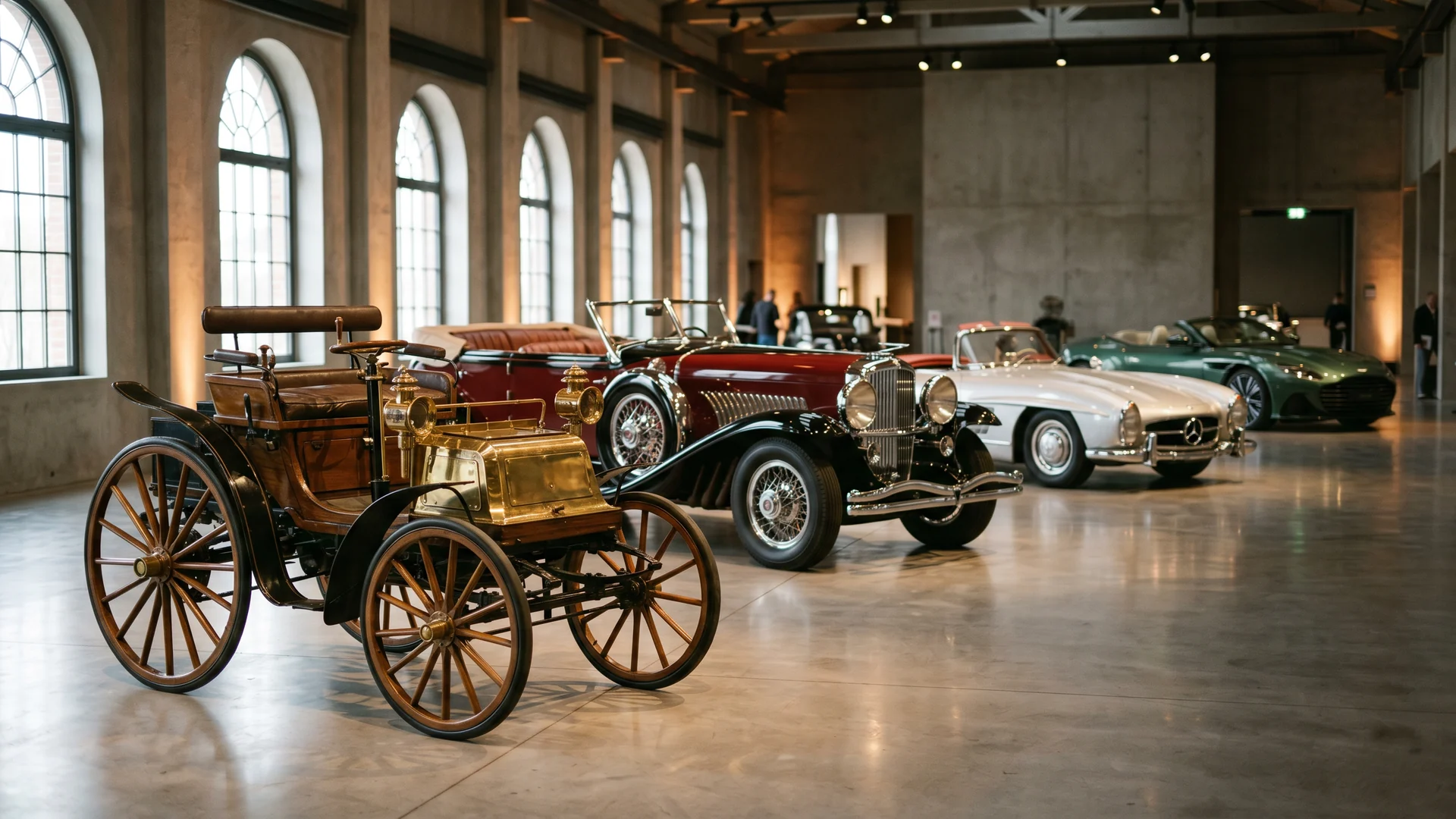
Classic Car History Timeline: From Benz to the Modern Collector Era
Classic car history timeline from the 1886 Benz Patent-Motorwagen through coachbuilding, muscle cars and supercars to modern collectibles. Discover th…