The Luxury Tax Nobody Talks About in Classic Car Ownership
Classic car ownership represents a significant investment in automotive history and craftsmanship. These vehicles, typically defined as automobiles that are 20-25 years or older, a…

Classic car ownership represents a significant investment in automotive history and craftsmanship. These vehicles, typically defined as automobiles that are 20-25 years or older, attract collectors and enthusiasts who value their historical significance, unique engineering, and aesthetic appeal. The classic car market encompasses various categories, from vintage sports cars and luxury sedans to rare production models and restored classics.
The financial aspects of classic car ownership extend beyond the initial purchase price. Owners must account for multiple ongoing expenses, including specialized maintenance, storage, insurance, and applicable taxes. Understanding these costs is crucial for prospective buyers, as classic cars often require different financial planning compared to modern vehicles.
Tax implications represent a particularly important consideration in classic car ownership. Depending on the vehicle’s value, age, and intended use, owners may encounter various tax obligations, including luxury taxes, registration fees, and potential capital gains taxes upon sale. The luxury tax, specifically, applies to vehicles exceeding certain value thresholds and can significantly impact the total cost of ownership.
This analysis examines the comprehensive financial requirements of classic car ownership, with particular attention to tax obligations and their effect on ownership costs.
Key Takeaways
- Classic car ownership involves unique financial considerations beyond purchase price, including luxury taxes and maintenance costs.
- Luxury tax on classic cars can significantly increase overall expenses, depending on the vehicle’s value and local regulations.
- Maintenance, storage, insurance, and restoration are ongoing costs that owners must budget for to preserve their classic cars.
- Depreciation impacts classic cars differently than modern vehicles, sometimes increasing value but also affecting insurance and tax assessments.
- Strategic planning can help minimize luxury tax liabilities and manage hidden costs, ensuring sustainable classic car ownership.
What is the Luxury Tax in Classic Car Ownership?
The luxury tax is a financial consideration that can significantly impact classic car ownership. This tax is typically levied on vehicles that exceed a certain price threshold, reflecting their status as luxury items. In many jurisdictions, classic cars are often classified as luxury vehicles due to their high value and desirability among collectors.
The specifics of the luxury tax can vary widely depending on local laws and regulations, making it crucial for potential owners to understand how it applies to their specific situation. For classic car enthusiasts, the luxury tax can add a substantial amount to the overall cost of ownership. This tax is usually calculated as a percentage of the vehicle’s purchase price, which can lead to significant expenses for high-value models.
Understanding the implications of this tax is essential for budgeting and financial planning. Additionally, some regions may offer exemptions or reductions for certain types of classic cars, so it’s worth researching local laws to determine if you qualify for any benefits.
The Costs of Maintaining a Classic Car
Maintaining a classic car involves more than just routine oil changes and tire rotations; it requires a commitment to preserving the vehicle’s integrity and performance. Classic cars often have unique mechanical systems and parts that may not be readily available, leading to higher maintenance costs compared to modern vehicles. Owners should be prepared for expenses related to specialized services, parts sourcing, and skilled labor.
Regular maintenance is crucial for keeping a classic car in optimal condition. This includes tasks such as fluid changes, brake inspections, and tire replacements. Additionally, older vehicles may require more frequent repairs due to wear and tear on components that have aged over time.
Owners should budget for these ongoing costs to ensure their classic car remains roadworthy and retains its value.
The Impact of Depreciation on Classic Cars
Unlike new cars that typically depreciate rapidly in their first few years, classic cars can experience a different trajectory regarding value over time. While some models may appreciate significantly due to rarity and demand, others may not hold their value as well. Understanding the factors that influence depreciation is essential for potential buyers looking to invest in a classic car.
Factors such as brand reputation, model popularity, and overall condition play critical roles in determining a classic car’s value over time. For instance, limited-production models from prestigious manufacturers often appreciate more than mass-produced vehicles. Additionally, proper maintenance and restoration can help mitigate depreciation by preserving the car’s condition and enhancing its appeal to future buyers.
Insurance Costs for Classic Cars
Insurance is another critical aspect of classic car ownership that requires careful consideration. Standard auto insurance policies may not adequately cover the unique needs of classic vehicles, leading many owners to seek specialized classic car insurance. These policies often provide coverage tailored to the specific risks associated with vintage automobiles.
The cost of insuring a classic car can vary based on several factors, including the vehicle’s value, usage frequency, and storage conditions. Owners should shop around for insurance providers that specialize in classic cars to find the best coverage options at competitive rates. Additionally, some insurers offer discounts for vehicles that are stored in secure locations or driven infrequently, which can help reduce overall insurance costs.
Storage and Maintenance Expenses
Proper storage is essential for preserving the condition of a classic car. Exposure to harsh weather conditions can lead to rust, paint damage, and other issues that can diminish the vehicle’s value over time. Owners should consider investing in climate-controlled storage solutions or garages designed specifically for classic cars.
In addition to storage costs, regular maintenance expenses must be factored into the overall budget. This includes routine inspections, cleaning products specifically designed for vintage materials, and protective covers to shield the vehicle from dust and debris. By prioritizing proper storage and maintenance practices, owners can protect their investment and ensure their classic car remains in excellent condition for years to come.
Restoration and Repair Costs
Restoration is often a significant part of classic car ownership, especially for those who wish to bring a vehicle back to its original glory. However, restoration projects can be costly and time-consuming. Depending on the extent of work needed, such as bodywork, engine rebuilding, or interior refurbishment, owners should be prepared for substantial financial outlays.
Repair costs can also add up quickly if issues arise unexpectedly. Classic cars may require specialized parts that are difficult to source or expensive to manufacture. Owners should budget for both planned restorations and potential repairs to avoid financial strain down the line.
Engaging with reputable restoration shops or specialists can help ensure quality work while managing costs effectively.
The Hidden Costs of Classic Car Ownership
Beyond the obvious expenses associated with owning a classic car, there are several hidden costs that potential owners should consider.
Additionally, owners may face expenses related to travel for sourcing parts or attending automotive gatherings.
Another hidden cost is the time investment required for maintaining and restoring a classic car. Enthusiasts often spend countless hours researching parts, attending events, or working on their vehicles themselves. While this passion can be rewarding, it’s essential to recognize that time is also a valuable resource that contributes to the overall cost of ownership.
Strategies for Minimizing the Luxury Tax in Classic Car Ownership
Minimizing the luxury tax associated with classic car ownership requires strategic planning and research. One effective approach is to explore local laws regarding tax exemptions or reductions for certain types of vehicles. Some jurisdictions may offer incentives for cars that meet specific criteria, such as being over a certain age or having historical significance.
Another strategy is to consider purchasing classic cars that fall below the luxury tax threshold. By focusing on models with lower market values or those that are less sought after by collectors, owners can avoid incurring additional taxes while still enjoying the benefits of classic car ownership.
The Future of Classic Car Ownership and the Luxury Tax
As automotive technology continues to evolve, so too does the landscape of classic car ownership. The luxury tax may face changes as governments adapt their policies in response to shifting economic conditions and consumer preferences. Potential owners should stay informed about legislative developments that could impact their investments.
Moreover, as electric vehicles gain popularity, there may be new opportunities for classic car enthusiasts to explore alternative powertrains while preserving vintage aesthetics. The future of classic car ownership will likely involve a blend of tradition and innovation as enthusiasts seek ways to enjoy their vehicles while navigating modern regulations.
Conclusion and Final Thoughts
Classic car ownership is an enriching experience filled with passion and pride but comes with its own set of financial considerations. Understanding the luxury tax and other associated costs is crucial for anyone looking to invest in these timeless vehicles. By being informed about maintenance expenses, insurance needs, restoration costs, and hidden fees, potential owners can make educated decisions that enhance their enjoyment of classic cars.
By staying informed about current trends and regulations surrounding luxury taxes and other costs, you can navigate this exciting world with confidence. Whether you’re drawn by nostalgia or the thrill of driving a piece of history, owning a classic car can be one of life’s most rewarding experiences, if approached with careful planning and consideration.
FAQs
What is the luxury tax in classic car ownership?
The luxury tax in classic car ownership refers to the additional costs and expenses that owners often incur beyond the purchase price. These can include higher insurance premiums, maintenance and restoration costs, storage fees, and sometimes special registration or property taxes depending on the jurisdiction.
Why is the luxury tax on classic cars often overlooked?
Many buyers focus primarily on the purchase price of a classic car and underestimate the ongoing expenses required to maintain, insure, and store the vehicle. These recurring costs can add up significantly over time, representing a “luxury tax” that is not always discussed upfront.
How do insurance costs affect classic car owners?
Classic cars typically require specialized insurance policies that can be more expensive than standard auto insurance. Factors influencing cost include the car’s value, rarity, usage restrictions, and the need for agreed value coverage, which can lead to higher premiums.
Are there special taxes or fees for classic cars?
In some regions, classic cars may be subject to special registration fees, property taxes, or luxury taxes based on their value or classification. These fees vary widely depending on local laws and can contribute to the overall cost of ownership.
What maintenance costs should classic car owners expect?
Classic cars often require more frequent and specialized maintenance than modern vehicles. This includes sourcing rare parts, expert mechanical work, and restoration efforts, all of which can be costly and time-consuming.
Does storage impact the cost of owning a classic car?
Yes, proper storage is essential to preserve a classic car’s condition and value. Owners may need to invest in climate-controlled garages or storage facilities, which can add significantly to the total cost of ownership.
How can prospective buyers prepare for the luxury tax of classic car ownership?
Prospective buyers should research all associated costs, including insurance, maintenance, storage, and taxes, before purchasing a classic car. Budgeting for these expenses and consulting with experts can help avoid unexpected financial burdens.
More from Blog
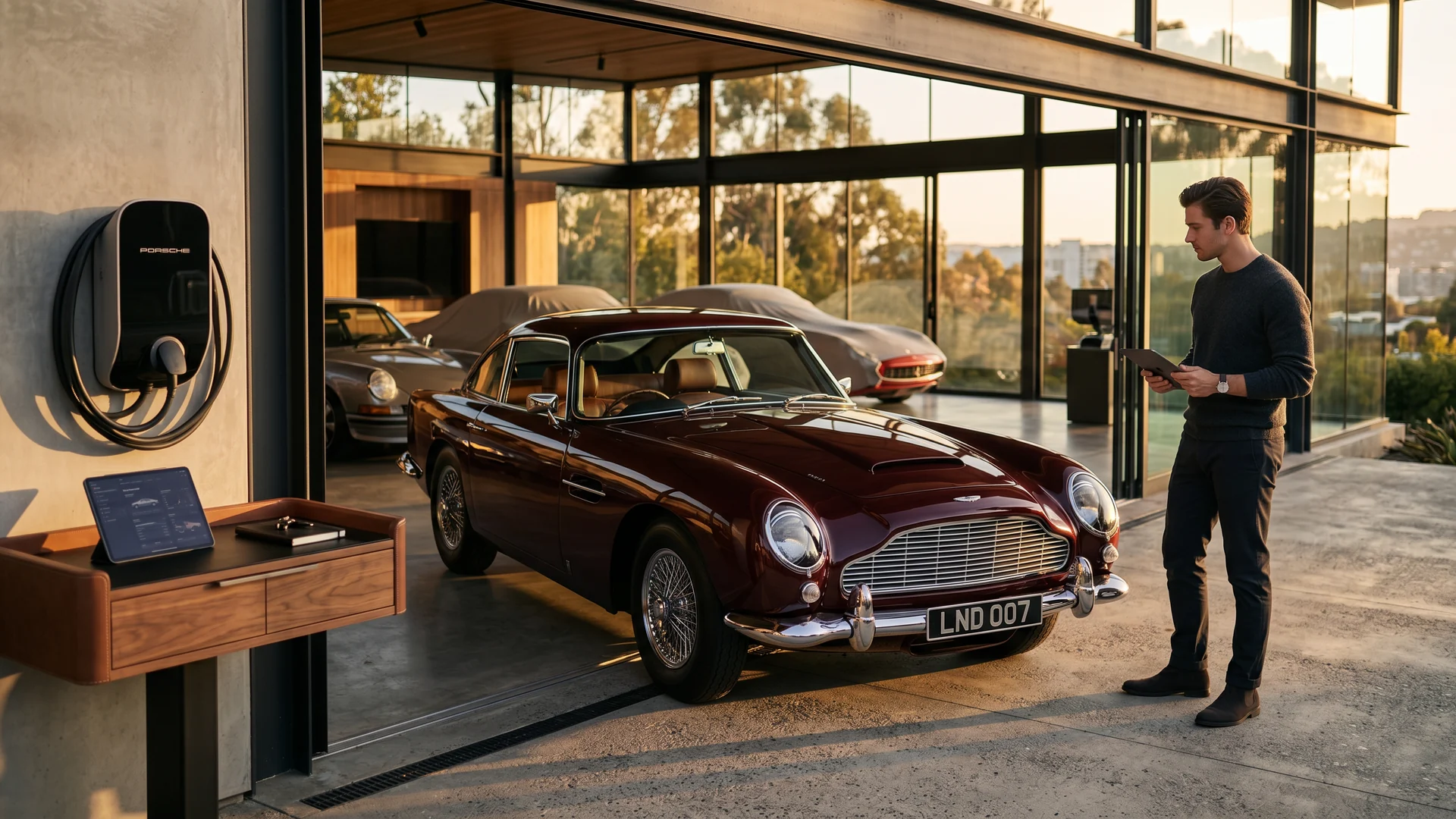
The Future of Classic Car Collecting: Trends Shaping the Next Generation
The future of classic car collecting: why 2035 ICE bans spare existing cars, plus e-fuels, shifting demographics, electromods and fractional ownership…
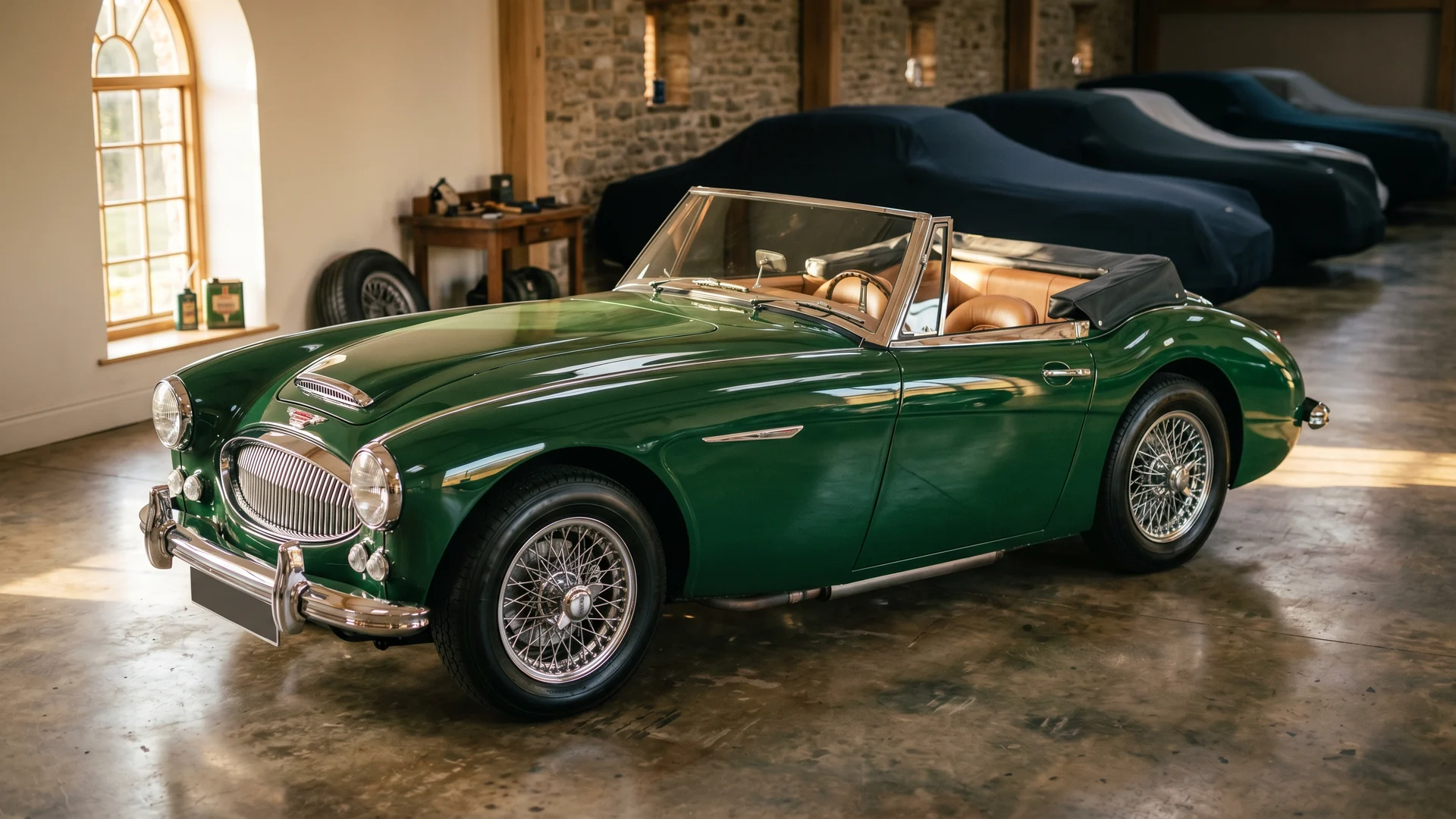
Classic Car Insurance Guide: Protecting Your Vintage Investment
Classic car insurance guide: why agreed-value policies beat stated and actual cash value, how Hagerty, Grundy and Chubb compare, plus costs and covera…
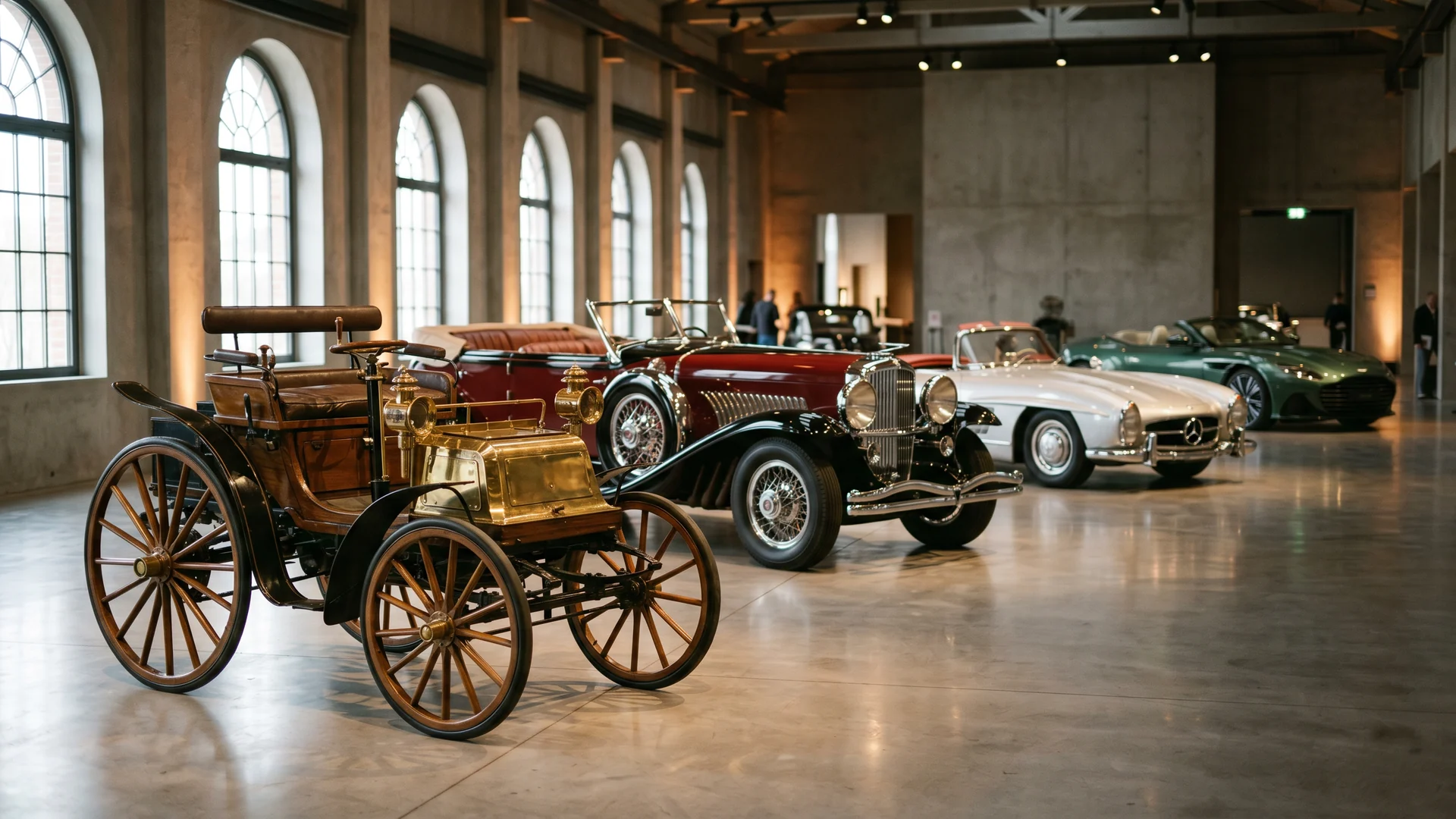
Classic Car History Timeline: From Benz to the Modern Collector Era
Classic car history timeline from the 1886 Benz Patent-Motorwagen through coachbuilding, muscle cars and supercars to modern collectibles. Discover th…