The Luxury Oldtimer Market Thrives on Controlled Scarcity
Classic automobiles attract collectors and enthusiasts due to several distinct characteristics that differentiate them from contemporary vehicles. These vehicles represent specific…
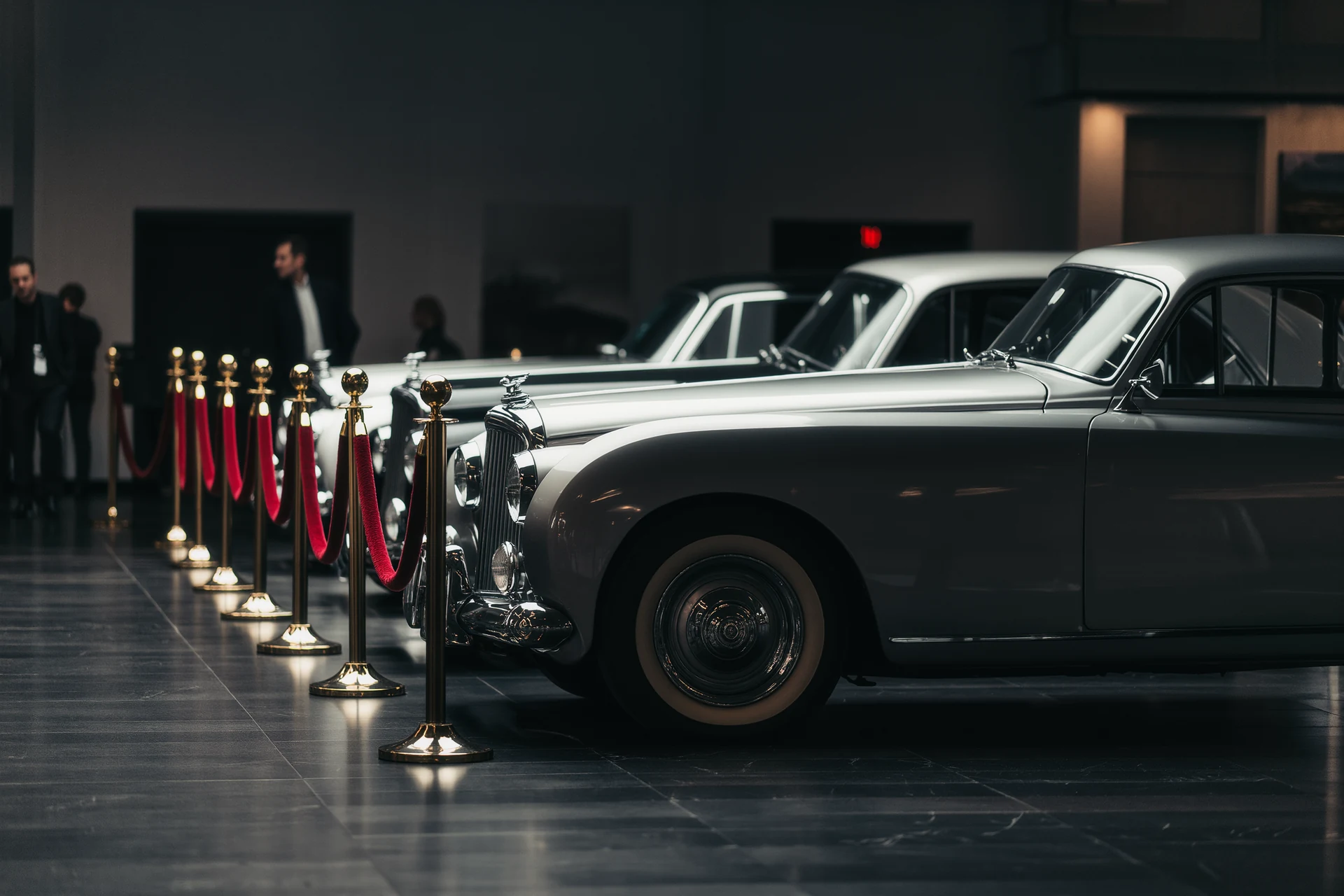
Classic automobiles attract collectors and enthusiasts due to several distinct characteristics that differentiate them from contemporary vehicles. These vehicles represent specific historical periods in automotive development, showcasing the manufacturing techniques, design philosophies, and technological capabilities of their respective eras. Each model reflects the engineering standards and aesthetic preferences that defined automotive production during its time of manufacture.
The ownership of classic automobiles extends beyond practical transportation needs. These vehicles serve as preserved examples of automotive history, demonstrating the evolution of engineering practices and design methodologies across different decades. The mechanical systems, materials, and construction methods employed in classic cars provide insight into the technological limitations and innovations of their production periods.
Classic automobiles appeal to owners who value historical preservation and mechanical craftsmanship. The distinctive engine sounds, visual design elements, and driving characteristics of vintage vehicles create experiences that differ significantly from modern automotive technology. This combination of historical significance and unique operational characteristics contributes to sustained market interest and the continued growth of the collector automobile sector.
Key Takeaways
- Classic cars captivate enthusiasts with their timeless design and historical significance.
- Controlled scarcity and limited editions significantly boost the value of luxury oldtimers.
- Auction houses play a crucial role in preserving rarity and driving market demand.
- Restoration quality and availability of original parts greatly influence an oldtimer’s worth.
- Global interest and careful investment strategies are key to success in the luxury oldtimer market.
The Rise of the Luxury Oldtimer Market
In recent years, the luxury oldtimer market has experienced remarkable growth. As more individuals seek unique investments that offer both aesthetic pleasure and financial potential, classic cars have emerged as a desirable asset class. This trend is fueled by a combination of factors, including increased disposable income among collectors and a growing appreciation for vintage automobiles as symbols of status and sophistication.
The rise of social media and online platforms has also played a crucial role in this market’s expansion. Enthusiasts can now connect with like-minded individuals, share their passion for classic cars, and access a wealth of information about models, restorations, and market trends. This digital landscape has made it easier for collectors to find rare vehicles and has heightened interest in luxury oldtimers as investment opportunities.
Controlled Scarcity: A Key Driver in the Oldtimer Market
Controlled scarcity is a fundamental principle driving the luxury oldtimer market. Unlike mass-produced vehicles, classic cars are often limited in number, making them inherently more valuable. Manufacturers produced many models in smaller quantities, and as time passes, fewer of these vehicles remain in good condition.
This scarcity creates a sense of exclusivity that appeals to collectors and investors alike. Additionally, the rarity of certain models can significantly impact their market value. For instance, limited production runs or unique features can elevate a car’s desirability.
As collectors seek to acquire these rare gems, prices can soar, making them not only cherished possessions but also lucrative investments. Understanding this dynamic is essential for anyone looking to navigate the luxury oldtimer market successfully.
The Appeal of Limited Edition and Rare Models
Limited edition and rare models hold a special place in the hearts of collectors. These vehicles often come with unique features or specifications that set them apart from their more common counterparts. For example, a limited edition sports car may boast enhanced performance capabilities or exclusive design elements that make it highly sought after.
The allure of owning a rare model goes beyond mere aesthetics; it also represents an opportunity for investment appreciation. As demand for these vehicles continues to grow, their value can increase significantly over time. Collectors are often willing to pay a premium for limited edition models, knowing that their rarity will likely translate into higher resale values in the future.
The Role of Auction Houses in Maintaining Scarcity
Auction houses play a pivotal role in maintaining the controlled scarcity of luxury oldtimers. By curating exclusive events that showcase rare and valuable vehicles, these institutions create an environment where collectors can bid on sought-after models. The competitive nature of auctions often drives prices higher, reinforcing the perception of scarcity and exclusivity.
Moreover, auction houses provide a platform for sellers to reach a global audience of potential buyers. This exposure can significantly enhance the visibility and desirability of classic cars, further driving up their market value. As collectors flock to these events in search of unique additions to their collections, auction houses continue to shape the landscape of the luxury oldtimer market.
The Influence of Collectors and Enthusiasts
Collectors and enthusiasts are at the heart of the luxury oldtimer market. Their passion for classic cars drives demand and shapes trends within the industry. Many collectors invest not only for financial gain but also for the joy of owning and restoring these vehicles.
Enthusiast communities play a vital role in fostering connections among collectors. Online forums, social media groups, and local clubs provide platforms for sharing knowledge, experiences, and resources related to classic cars.
This sense of community enhances the overall appeal of collecting while also encouraging new entrants into the market.
The Impact of Restorations and Preservation Efforts
Restorations and preservation efforts significantly impact the value and desirability of classic cars. A well-executed restoration can breathe new life into a vintage vehicle, enhancing its performance and aesthetics while maintaining its historical integrity. Collectors often seek out cars that have been meticulously restored or preserved to original specifications.
Preservation efforts also contribute to maintaining the rarity of certain models. By ensuring that classic cars remain in good condition, enthusiasts help protect their value over time. This commitment to restoration and preservation not only benefits individual collectors but also strengthens the overall luxury oldtimer market by keeping these vehicles relevant for future generations.
The Rarity of Original Parts and Accessories
The rarity of original parts and accessories is another critical factor influencing the luxury oldtimer market. As classic cars age, finding authentic components becomes increasingly challenging. Collectors often prioritize vehicles with original parts, as these contribute to authenticity and value.
The scarcity of original parts can drive up demand for certain models, particularly those with unique features or specifications. Enthusiasts are often willing to invest significant resources into sourcing authentic components to maintain their vehicles’ integrity. This pursuit not only enhances the car’s value but also reinforces its historical significance within the automotive landscape.
The Global Demand for Luxury Oldtimers
The demand for luxury oldtimers is not confined to any single region; it is a global phenomenon. Collectors from various countries are increasingly recognizing the value of classic cars as both investments and expressions of personal style.
As global economies continue to grow, more individuals are seeking unique investment opportunities that offer both enjoyment and potential financial returns. Luxury oldtimers fit this criteria perfectly, attracting collectors from diverse backgrounds who appreciate their beauty, craftsmanship, and historical significance.
The Future of the Luxury Oldtimer Market
The future of the luxury oldtimer market appears bright as interest continues to grow among collectors and investors alike. As younger generations become more involved in collecting, they bring fresh perspectives and new trends that could shape the market’s evolution. This influx of new enthusiasts may lead to increased demand for specific models or styles that resonate with contemporary tastes.
Additionally, advancements in technology may influence how classic cars are restored and maintained. Innovations such as 3D printing could make sourcing original parts easier while preserving authenticity. As the market adapts to changing preferences and technological advancements, it will likely continue to thrive as a dynamic investment opportunity.
Tips for Investing in the Oldtimer Market
Investing in the oldtimer market requires careful consideration and research. Here are some essential tips for potential investors: 1. **Research Thoroughly**: Understand different models, their histories, and current market trends.
2.
**Network with Experts**: Connect with experienced collectors or join enthusiast groups to gain insights.
3. **Focus on Rarity**: Look for limited edition or rare models that have strong potential for appreciation.
4. **Consider Condition**: Prioritize vehicles with original parts or those that have been well-restored.
5.
**Stay Informed**: Keep up with auction results and market developments to make informed decisions. By following these tips, investors can navigate the luxury oldtimer market more effectively while maximizing their chances for success. In conclusion, the allure of classic cars continues to captivate enthusiasts worldwide, driving growth in the luxury oldtimer market.
With controlled scarcity, limited editions, and passionate collectors at play, this market offers unique investment opportunities for those willing to explore its depths. Whether you’re an experienced collector or just starting your journey into classic car ownership, understanding these dynamics will help you make informed decisions in this exciting realm.
FAQs
What is the luxury oldtimer market?
The luxury oldtimer market refers to the buying, selling, and trading of classic and vintage luxury automobiles that are typically rare, well-preserved, and highly sought after by collectors and enthusiasts.
What does controlled scarcity mean in the context of oldtimers?
Controlled scarcity refers to the deliberate limitation of the availability of certain luxury oldtimer models, either through limited production runs or by maintaining a small number of vehicles in circulation, which helps preserve their exclusivity and value.
Why does controlled scarcity benefit the luxury oldtimer market?
Controlled scarcity increases demand by making certain models rare and exclusive, which often leads to higher prices and greater interest from collectors, thereby driving the market’s growth and stability.
How do manufacturers contribute to controlled scarcity?
Manufacturers may produce limited editions, restrict the number of units made, or carefully manage the release of classic models to maintain exclusivity and enhance the desirability of their vehicles in the oldtimer market.
What factors influence the value of luxury oldtimers?
Factors include rarity, historical significance, condition, provenance, originality, brand reputation, and market demand, all of which can be affected by controlled scarcity.
Are luxury oldtimers considered good investments?
Many collectors view luxury oldtimers as valuable investments due to their potential to appreciate over time, especially when scarcity is controlled and the vehicles are well-maintained.
How does the luxury oldtimer market impact car culture?
The market helps preserve automotive heritage, encourages restoration and maintenance of classic vehicles, and fosters a community of enthusiasts who appreciate the craftsmanship and history of luxury automobiles.
Where can one buy or sell luxury oldtimers?
Luxury oldtimers can be bought or sold through specialized auctions, classic car dealerships, private sales, and online platforms dedicated to vintage and classic automobiles.
What role do auctions play in the luxury oldtimer market?
Auctions are key venues for buying and selling luxury oldtimers, often setting benchmark prices and attracting global collectors, which helps maintain market transparency and liquidity.
How is authenticity verified in the luxury oldtimer market?
Authenticity is verified through documentation, expert appraisals, vehicle history reports, and sometimes certification from manufacturers or recognized classic car organizations.
More from Blog
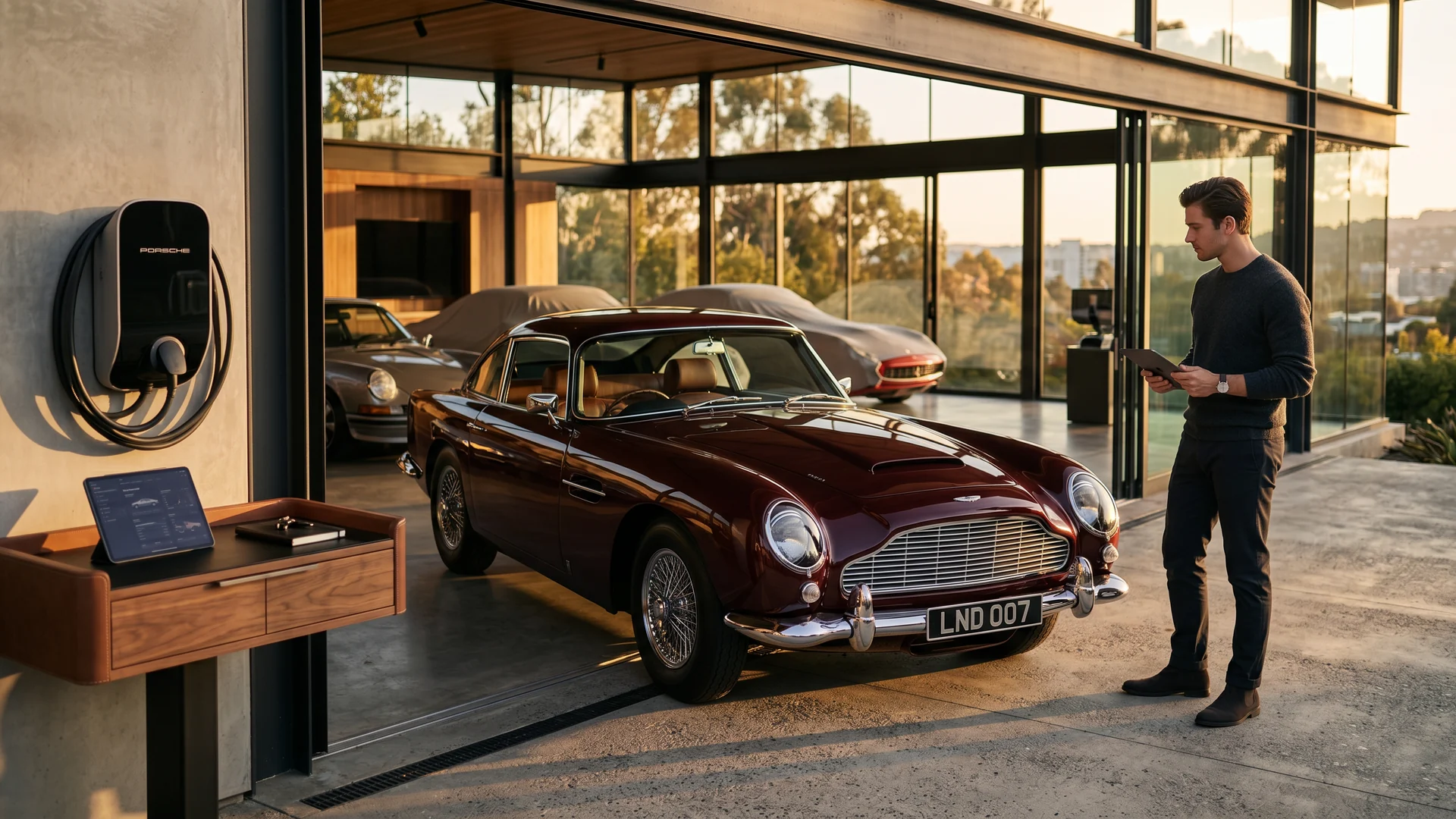
The Future of Classic Car Collecting: Trends Shaping the Next Generation
The future of classic car collecting: why 2035 ICE bans spare existing cars, plus e-fuels, shifting demographics, electromods and fractional ownership…
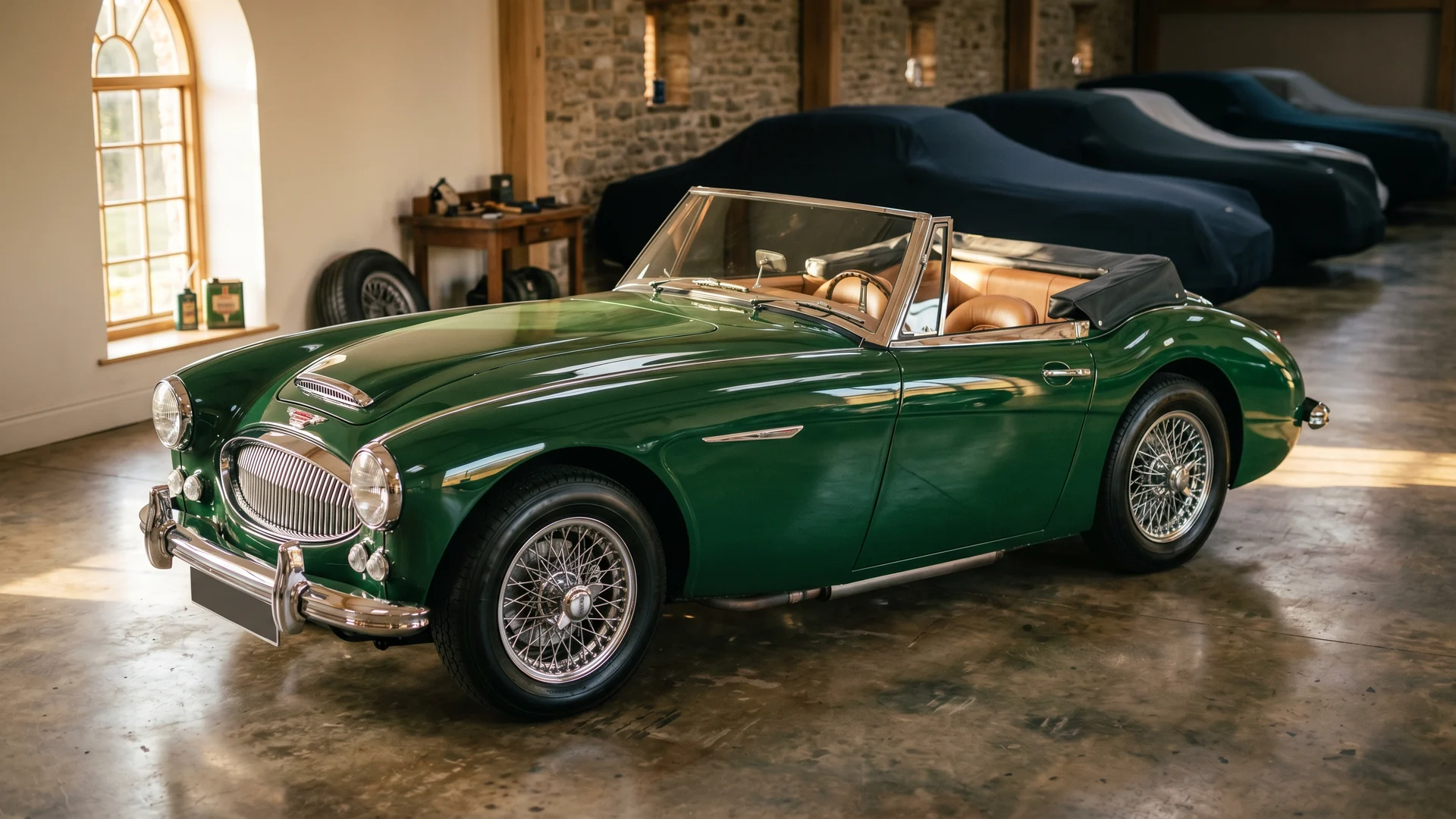
Classic Car Insurance Guide: Protecting Your Vintage Investment
Classic car insurance guide: why agreed-value policies beat stated and actual cash value, how Hagerty, Grundy and Chubb compare, plus costs and covera…
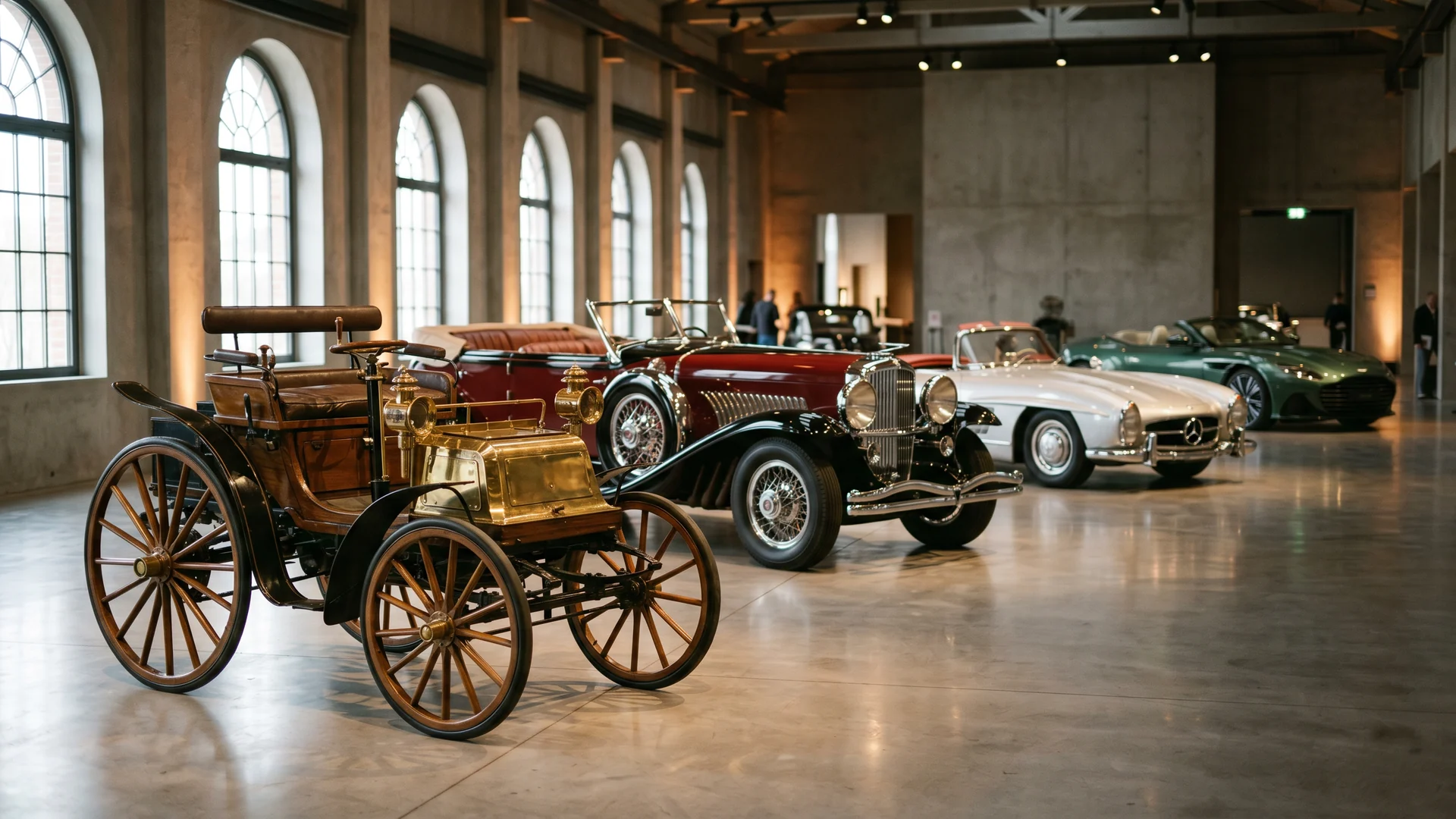
Classic Car History Timeline: From Benz to the Modern Collector Era
Classic car history timeline from the 1886 Benz Patent-Motorwagen through coachbuilding, muscle cars and supercars to modern collectibles. Discover th…