The Luxury Classic Car Market Is Rigged and Collectors Know It
The luxury classic car market has experienced significant growth in recent years, driven by increased interest in vintage automobiles as collectible assets. Classic cars appeal to …
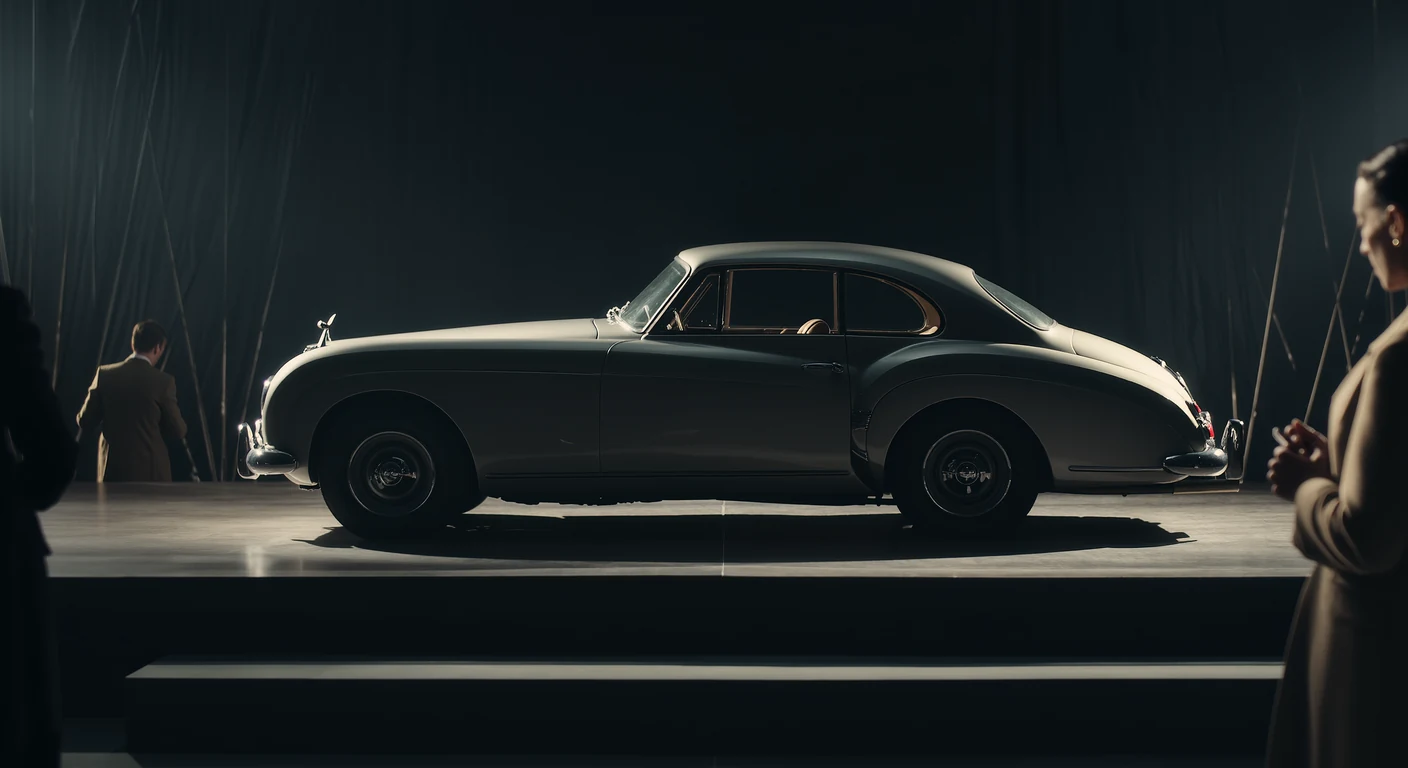
The luxury classic car market has experienced significant growth in recent years, driven by increased interest in vintage automobiles as collectible assets. Classic cars appeal to buyers for multiple reasons, including their historical significance, distinctive engineering, and potential for appreciation in value. Classic automobiles represent specific periods in automotive history when manufacturing emphasized craftsmanship and individual design characteristics.
Unlike contemporary vehicles, which often share similar design elements and technologies across manufacturers, classic cars maintain unique styling and mechanical features that distinguish them from modern production vehicles. The market attracts both collectors who value the historical and aesthetic aspects of vintage automobiles and investors seeking alternative assets. Classic cars offer tangible ownership of appreciating assets, with certain models demonstrating substantial value increases over time.
This dual appeal has contributed to the expansion of the collector community and increased market activity. Market growth has been supported by factors including limited supply of well-preserved examples, increasing wealth among potential buyers, and growing recognition of classic cars as legitimate investment vehicles. The combination of scarcity, historical importance, and investment potential continues to drive demand in the luxury classic car segment.
Key Takeaways
- Luxury classic cars have seen a significant rise in value and demand, driven by exclusivity and limited supply.
- Auction houses and celebrity endorsements play a crucial role in inflating luxury classic car prices.
- Collectors and speculators contribute to price surges, often creating market volatility and manipulation.
- The market suffers from a lack of transparency, leading to discrepancies between intrinsic and market values.
- The future of the luxury classic car market remains uncertain due to ongoing speculation and potential market corrections.
The Exclusivity of the Luxury Classic Car Market
The luxury classic car market is characterized by its exclusivity, which significantly contributes to its appeal. Limited production runs and unique models create a sense of rarity that attracts collectors willing to pay a premium. This exclusivity is not just about the cars themselves; it also encompasses the lifestyle associated with owning such vehicles.
Events like classic car shows and auctions foster a sense of community among enthusiasts, further enhancing the allure of ownership. Moreover, the exclusivity of this market often leads to inflated prices. When a car is perceived as rare or unique, its value can skyrocket, driven by demand from affluent buyers.
This phenomenon creates a competitive environment where collectors vie for ownership of the most sought-after models. As a result, the luxury classic car market becomes a playground for those with deep pockets, further solidifying its status as an elite domain.
The Influence of Auction Houses on Luxury Classic Car Prices
Auction houses play a pivotal role in shaping the prices of luxury classic cars. Renowned auction events attract high-profile buyers and sellers, creating a platform where rare vehicles can fetch astronomical sums. The excitement surrounding these auctions often leads to bidding wars, driving prices higher than expected.
Auction houses also provide a level of credibility and transparency that can enhance buyer confidence. Additionally, the marketing strategies employed by auction houses can significantly influence perceived value. By showcasing a car’s history, provenance, and unique features, they create narratives that elevate the vehicle’s status in the eyes of potential buyers.
This storytelling aspect not only enhances the car’s desirability but also justifies its price tag. As a result, auction houses have become key players in determining the market dynamics of luxury classic cars.
The Role of Collectors in Driving Up Prices
Collectors are at the heart of the luxury classic car market, and their passion often drives prices upward. These individuals are not merely buyers; they are enthusiasts who invest time and resources into acquiring and restoring vehicles that resonate with them personally. Their dedication to preserving automotive history creates a competitive landscape where certain models become highly sought after.
The influence of collectors extends beyond individual purchases; their networks and communities can amplify demand for specific cars. When a collector showcases their prized possession at events or online platforms, it can spark interest among other enthusiasts, leading to increased demand and higher prices.
The Impact of Speculation on the Luxury Classic Car Market
Speculation has become a significant factor in the luxury classic car market, as investors seek to capitalize on rising values. Many buyers view these vehicles not just as collectibles but as investment opportunities that can yield substantial returns over time. This speculative behavior can lead to price volatility, as market trends shift based on investor sentiment rather than intrinsic value.
While speculation can drive prices higher in the short term, it also introduces risks. If the market experiences a downturn or if interest wanes, values may plummet, leaving investors with significant losses. This dynamic creates an environment where potential buyers must carefully consider their motivations for purchasing luxury classic cars, whether for passion or profit.
The Lack of Transparency in Luxury Classic Car Sales
One of the challenges facing the luxury classic car market is the lack of transparency in sales transactions. Unlike traditional investments, where valuations are often based on clear metrics, the value of classic cars can be subjective and influenced by various factors. This ambiguity can lead to discrepancies between asking prices and actual market values.
Furthermore, without standardized appraisal processes or comprehensive vehicle histories, buyers may find it challenging to assess a car’s true worth. This lack of transparency can create mistrust among buyers and sellers alike, making it essential for potential investors to conduct thorough research before making a purchase. Engaging reputable dealers or auction houses can help mitigate these risks and provide greater assurance in transactions.
The Role of Celebrity Endorsement in Driving Up Prices
Celebrity endorsement has become a powerful force in the luxury classic car market, significantly impacting prices and desirability. When high-profile individuals showcase their classic cars or participate in auctions, it draws attention from fans and collectors alike. This visibility can create a surge in demand for specific models associated with celebrities, leading to inflated prices.
Moreover, celebrity ownership often adds an element of prestige to a vehicle’s history. Cars previously owned by famous figures can command higher prices due to their unique provenance. This phenomenon highlights how cultural influences intersect with the luxury classic car market, creating opportunities for both collectors and investors to capitalize on celebrity-driven trends.
The Effect of Limited Supply on Luxury Classic Car Prices
Limited supply is a fundamental driver of value in the luxury classic car market. Many iconic models were produced in small quantities, making them rare and highly coveted among collectors. This scarcity creates an environment where demand often outstrips supply, leading to increased prices as buyers compete for ownership.
The impact of limited supply is particularly pronounced during auctions or private sales, where unique models can attract multiple interested parties. As collectors vie for these rare vehicles, bidding wars can ensue, pushing prices to unprecedented levels. This dynamic reinforces the notion that rarity equates to value in the luxury classic car market.
The Influence of Market Manipulation on Luxury Classic Car Values
Market manipulation is an unfortunate reality in the luxury classic car sector, where unscrupulous individuals may attempt to artificially inflate prices for personal gain. This manipulation can take various forms, including orchestrated bidding wars at auctions or collusion among dealers to set prices artificially high. Such practices undermine trust within the market and can lead to significant financial losses for unsuspecting buyers.
To navigate this complex landscape, potential investors must remain vigilant and conduct thorough due diligence before making purchases. Engaging reputable experts and relying on transparent sales processes can help mitigate the risks associated with market manipulation.
The Disconnect Between Intrinsic Value and Market Value
A notable challenge within the luxury classic car market is the disconnect between intrinsic value and market value. While some vehicles possess historical significance or exceptional craftsmanship that warrants high intrinsic value, market prices may not always reflect this reality. Speculative trends and external influences can lead to inflated valuations that do not align with a car’s true worth.
This disconnect poses challenges for both buyers and sellers alike. Buyers may overpay for vehicles based on perceived value rather than intrinsic qualities, while sellers may struggle to achieve fair prices during downturns in demand.
The Future of the Luxury Classic Car Market
Looking ahead, the future of the luxury classic car market appears promising yet complex. As interest in vintage automobiles continues to grow, new generations of collectors are emerging with diverse tastes and preferences. This evolution may lead to shifts in demand for certain models or brands as younger enthusiasts seek out vehicles that resonate with their values.
Additionally, technological advancements may play a role in shaping the market landscape. Innovations such as electric conversions for classic cars could attract environmentally conscious buyers while preserving the charm of vintage designs. As these trends unfold, it will be essential for collectors and investors to stay informed about evolving preferences and market dynamics.
In conclusion, while the luxury classic car market presents exciting opportunities for investment and passion-driven ownership, it also comes with inherent risks and challenges. By understanding the factors influencing prices, such as exclusivity, speculation, and market manipulation, potential buyers can make informed decisions that align with their goals in this captivating realm of automotive history.
FAQs
What is the luxury classic car market?
The luxury classic car market refers to the buying, selling, and trading of high-end vintage automobiles that are considered collectible due to their rarity, historical significance, design, and brand prestige.
Why is the luxury classic car market considered rigged?
The market is often viewed as rigged because of practices such as price manipulation, insider trading, lack of transparency, and artificially inflated values driven by a small group of influential collectors and dealers.
Who are the main participants in the luxury classic car market?
The main participants include private collectors, dealers, auction houses, investors, and sometimes manufacturers or restoration experts who influence the market dynamics.
How do collectors know the market is rigged?
Collectors often recognize patterns of price manipulation, insider deals, and limited access to accurate market information, which can lead to inflated prices and unfair advantages for certain participants.
What impact does market rigging have on buyers and sellers?
Market rigging can lead to inflated prices, reduced market liquidity, and increased risk for buyers, while sellers may benefit from artificially high valuations but face challenges in finding genuine buyers.
Are there regulations governing the luxury classic car market?
Unlike financial markets, the luxury classic car market is largely unregulated, which contributes to the potential for manipulation and lack of transparency.
How can collectors protect themselves in a rigged market?
Collectors can protect themselves by conducting thorough research, seeking expert appraisals, verifying provenance, and working with reputable dealers and auction houses.
Has the luxury classic car market changed in recent years?
Yes, the market has seen increased interest from investors, rising prices, and greater media attention, which has also led to more scrutiny regarding market practices and transparency.
What role do auctions play in the luxury classic car market?
Auctions are a primary venue for buying and selling luxury classic cars, often setting benchmark prices, but they can also be influenced by bidding strategies and insider knowledge.
Is it possible to invest profitably in luxury classic cars despite market rigging?
While challenging, it is possible to invest profitably by focusing on well-researched, historically significant vehicles, maintaining patience, and understanding market trends and risks.
More from Blog
The Future of Classic Car Collecting: Trends Shaping the Next Generation
The future of classic car collecting: why 2035 ICE bans spare existing cars, plus e-fuels, shifting demographics, electromods and fractional ownership…
Classic Car Insurance Guide: Protecting Your Vintage Investment
Classic car insurance guide: why agreed-value policies beat stated and actual cash value, how Hagerty, Grundy and Chubb compare, plus costs and covera…
Classic Car History Timeline: From Benz to the Modern Collector Era
Classic car history timeline from the 1886 Benz Patent-Motorwagen through coachbuilding, muscle cars and supercars to modern collectibles. Discover th…