The Illusion of Liquidity in the Luxury Oldtimer Market
The luxury classic car market attracts collectors and investors seeking exposure to vintage automobiles that combine historical significance with potential financial returns. Class…

The luxury classic car market attracts collectors and investors seeking exposure to vintage automobiles that combine historical significance with potential financial returns. Classic cars, typically defined as vehicles manufactured more than 30 years ago, serve as both collectible assets and representations of automotive heritage. Market participation has increased as individuals pursue ownership of historically significant vehicles while evaluating their investment characteristics.
Success in this market requires comprehensive knowledge of its operational mechanisms, particularly regarding asset liquidity. Classic car investment presents both opportunities and risks that require careful consideration. While asset appreciation potential exists, the market operates differently from traditional investment vehicles.
Many participants initially assume rapid resale capabilities and immediate profit realization, but subsequently encounter operational complexities. Thorough understanding of luxury classic car market fundamentals is essential for making informed investment decisions and managing associated risks effectively.
Key Takeaways
- Classic luxury cars are often seen as attractive investments but may not offer quick liquidity.
- The market’s perceived high liquidity is misleading due to rarity and exclusivity factors.
- Selling luxury oldtimers quickly is challenging because of limited buyers and market fluctuations.
- Long-term patience and strategic investment approaches are crucial for success in this market.
- Investors should be aware of risks and seek expert advice to navigate the complexities of oldtimer valuation and sales.
The Allure of Classic Cars as Investments
Classic cars have long been viewed as more than just modes of transportation; they are considered tangible assets that can appreciate over time. The allure of classic cars as investments lies in their unique characteristics, such as rarity, historical significance, and aesthetic appeal. Many collectors see these vehicles as a way to diversify their portfolios while indulging in their passion for automobiles.
Investors are often drawn to specific models that have demonstrated consistent appreciation in value. Brands like Ferrari, Porsche, and Aston Martin have become synonymous with luxury and exclusivity, making them highly sought after in the collector’s market. The emotional connection many have with these vehicles adds another layer of appeal, as owning a classic car can evoke feelings of nostalgia and pride.
The Illusion of High Liquidity in the Luxury Oldtimer Market
One of the most common misconceptions about investing in luxury oldtimers is the assumption of high liquidity. Many investors believe that they can easily sell their classic cars at any time for a profit. However, this perception can be misleading.
The reality is that the luxury oldtimer market is not as liquid as other investment avenues, such as stocks or real estate. Liquidity refers to how quickly an asset can be converted into cash without significantly affecting its price. In the case of luxury oldtimers, finding a buyer willing to pay the desired price can take time and effort.
Factors such as market demand, vehicle condition, and rarity all play a role in determining how quickly a car can be sold. As a result, investors may find themselves holding onto their vehicles longer than anticipated.
Factors Contributing to the Illusion of Liquidity
Several factors contribute to the illusion of liquidity in the luxury oldtimer market. First and foremost is the increasing popularity of classic cars among collectors and investors. As more people enter the market, it creates a perception that there are always buyers available.
However, this influx can lead to oversaturation in certain segments, making it challenging to sell specific models quickly. Additionally, media coverage and auction results can create hype around certain vehicles, leading investors to believe that they can sell their cars at inflated prices. While some models may experience rapid appreciation due to trends or celebrity endorsements, this is not representative of the entire market.
Investors must remain cautious and avoid getting swept up in the excitement without conducting thorough research.
The Role of Rarity and Exclusivity in Oldtimer Valuation
Rarity and exclusivity are critical factors in determining the value of luxury oldtimers. Vehicles that were produced in limited quantities or have unique features tend to command higher prices in the market. For instance, a rare model from a prestigious manufacturer may appreciate significantly over time due to its scarcity.
Moreover, provenance plays a vital role in valuation. Cars with a rich history or notable previous owners often attract higher bids at auctions. Collectors are willing to pay a premium for vehicles with documented histories that enhance their desirability.
Understanding these nuances is essential for investors looking to make informed decisions about which classic cars to purchase.
Challenges of Selling Luxury Oldtimers Quickly
Selling luxury oldtimers quickly presents several challenges that investors must navigate. One significant hurdle is finding the right buyer who appreciates the vehicle’s value and is willing to pay a fair price. Unlike more liquid assets, classic cars require targeted marketing efforts to reach potential buyers effectively.
Additionally, the condition of the vehicle plays a crucial role in its saleability. A well-maintained classic car will attract more interest than one that requires extensive repairs or restoration. Investors must be prepared to invest time and resources into maintaining their vehicles if they wish to sell them quickly.
Market Trends and Fluctuations in Oldtimer Values
The luxury oldtimer market is subject to trends and fluctuations that can impact vehicle values significantly. Economic conditions, consumer preferences, and even global events can influence demand for classic cars. For instance, during economic downturns, luxury items often see decreased demand as consumers prioritize essential purchases.
Investors should stay informed about market trends and be prepared for potential fluctuations in value. Regularly monitoring auction results and industry reports can provide valuable insights into which models are gaining popularity and which may be losing appeal.
The Importance of Patience and Long-Term Investment Strategies
Given the complexities of the luxury oldtimer market, patience is essential for successful investing. Classic cars should be viewed as long-term investments rather than quick flips for profit. Investors who adopt a long-term strategy are more likely to see significant returns on their investments over time.
Building a collection of classic cars requires careful consideration and research. Investors should focus on acquiring vehicles with strong historical significance or those that are likely to appreciate due to rarity or demand. By taking a patient approach, investors can navigate market fluctuations more effectively and maximize their returns.
Risks and Pitfalls of Assuming High Liquidity in the Oldtimer Market
Assuming high liquidity in the luxury oldtimer market can lead to several risks and pitfalls for investors. One major risk is overestimating the resale value of a vehicle based on current trends or media hype. Investors who purchase cars without conducting thorough research may find themselves unable to sell at their desired price.
Additionally, emotional attachment to a classic car can cloud judgment when it comes time to sell.
Recognizing these risks is crucial for anyone looking to invest in luxury oldtimers.
Expert Insights and Advice for Oldtimer Investors
To navigate the complexities of the luxury oldtimer market successfully, seeking expert insights and advice is invaluable. Industry professionals can provide guidance on which models are likely to appreciate and offer tips on maintaining vehicle condition for resale value. Joining collector clubs or attending automotive events can also provide networking opportunities with fellow enthusiasts and investors.
Engaging with others who share similar interests can lead to valuable information about market trends and potential investment opportunities.
Navigating the Illusion of Liquidity in the Luxury Oldtimer Market
In conclusion, while the luxury oldtimer market offers exciting investment opportunities, it is essential to approach it with caution and informed strategies. The allure of classic cars as investments is undeniable; however, understanding the realities of liquidity is crucial for success. By recognizing the factors contributing to perceived liquidity, valuing rarity and exclusivity, and adopting a patient long-term investment strategy, investors can navigate this complex market effectively.
Investing in luxury oldtimers requires careful consideration and research but can yield significant rewards for those willing to put in the effort. As you embark on your journey into this fascinating world, remember that knowledge is your greatest asset, stay informed, seek expert advice, and enjoy the ride!
FAQs
What is meant by “liquidity” in the luxury oldtimer market?
Liquidity refers to how quickly and easily a luxury oldtimer (classic car) can be bought or sold in the market without significantly affecting its price.
Why is liquidity considered an illusion in the luxury oldtimer market?
Liquidity is considered an illusion because, despite high valuations and interest, actual transactions are infrequent and can take a long time, making it difficult to quickly convert these assets into cash.
What factors contribute to low liquidity in the luxury oldtimer market?
Factors include the niche nature of the market, high price points, limited number of buyers, the uniqueness of each vehicle, and the time required for due diligence and verification.
How does the uniqueness of each classic car affect market liquidity?
Each classic car is unique in terms of condition, provenance, and rarity, which makes it harder to find buyers willing to pay the asking price quickly, reducing overall liquidity.
Are luxury oldtimers a good investment considering liquidity issues?
While luxury oldtimers can appreciate in value, their low liquidity means they may not be suitable for investors needing quick access to cash, and they should be considered long-term investments.
What should buyers and sellers be aware of regarding liquidity in this market?
Buyers and sellers should understand that transactions can take months or longer, prices may be volatile, and finding the right buyer or seller can be challenging due to the market’s illiquid nature.
How can one improve liquidity when selling a luxury oldtimer?
Improving liquidity can involve working with specialized brokers, marketing to a global audience, ensuring thorough documentation, and pricing the vehicle realistically based on market conditions.
Does market liquidity vary between different types of classic cars?
Yes, liquidity can vary significantly depending on the car’s brand, model, rarity, condition, and historical significance, with some models being more sought after and easier to sell than others.
What role do auctions play in the liquidity of luxury oldtimers?
Auctions can provide a platform for quicker sales and price discovery, but they also come with risks such as price volatility and fees, and do not guarantee immediate liquidity.
Is the luxury oldtimer market affected by broader economic conditions?
Yes, economic factors such as interest rates, wealth distribution, and market sentiment can impact demand and liquidity in the luxury oldtimer market.
More from Blog
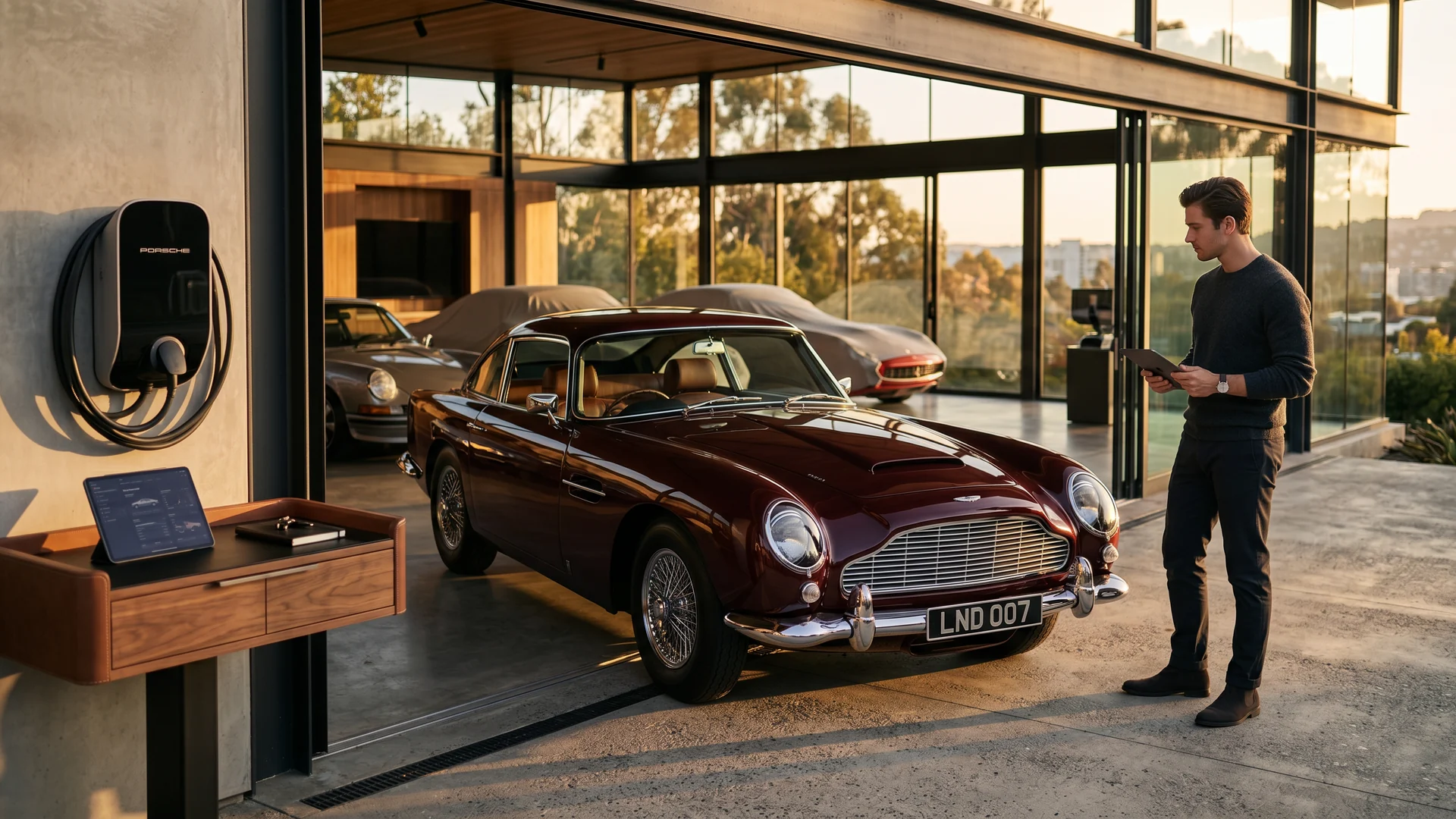
The Future of Classic Car Collecting: Trends Shaping the Next Generation
The future of classic car collecting: why 2035 ICE bans spare existing cars, plus e-fuels, shifting demographics, electromods and fractional ownership…
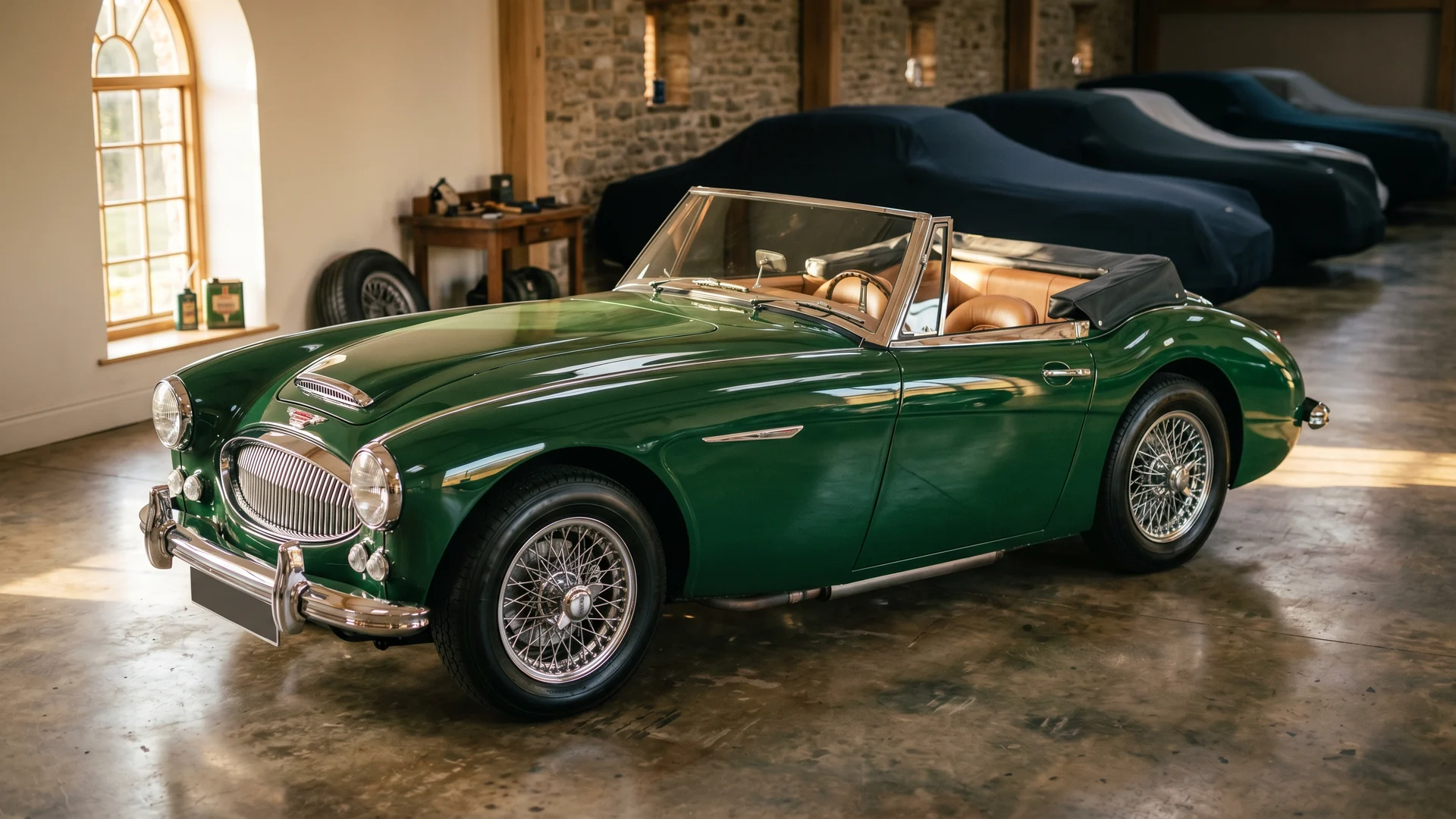
Classic Car Insurance Guide: Protecting Your Vintage Investment
Classic car insurance guide: why agreed-value policies beat stated and actual cash value, how Hagerty, Grundy and Chubb compare, plus costs and covera…
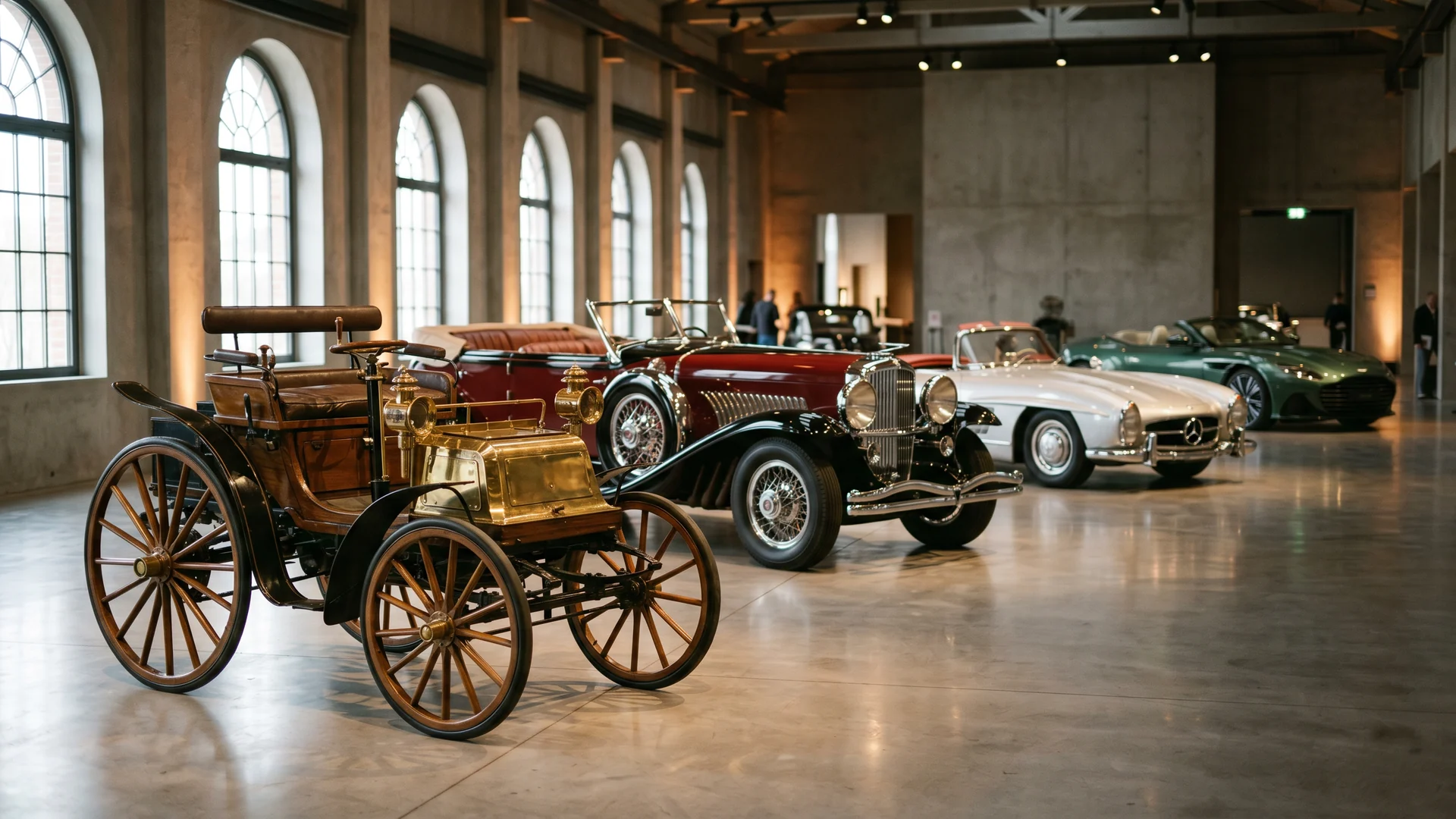
Classic Car History Timeline: From Benz to the Modern Collector Era
Classic car history timeline from the 1886 Benz Patent-Motorwagen through coachbuilding, muscle cars and supercars to modern collectibles. Discover th…