The Illusion of Freedom in Classic Car Ownership
Classic car ownership attracts automotive enthusiasts due to several distinct characteristics of vintage vehicles. These automobiles demonstrate the manufacturing techniques, engin…
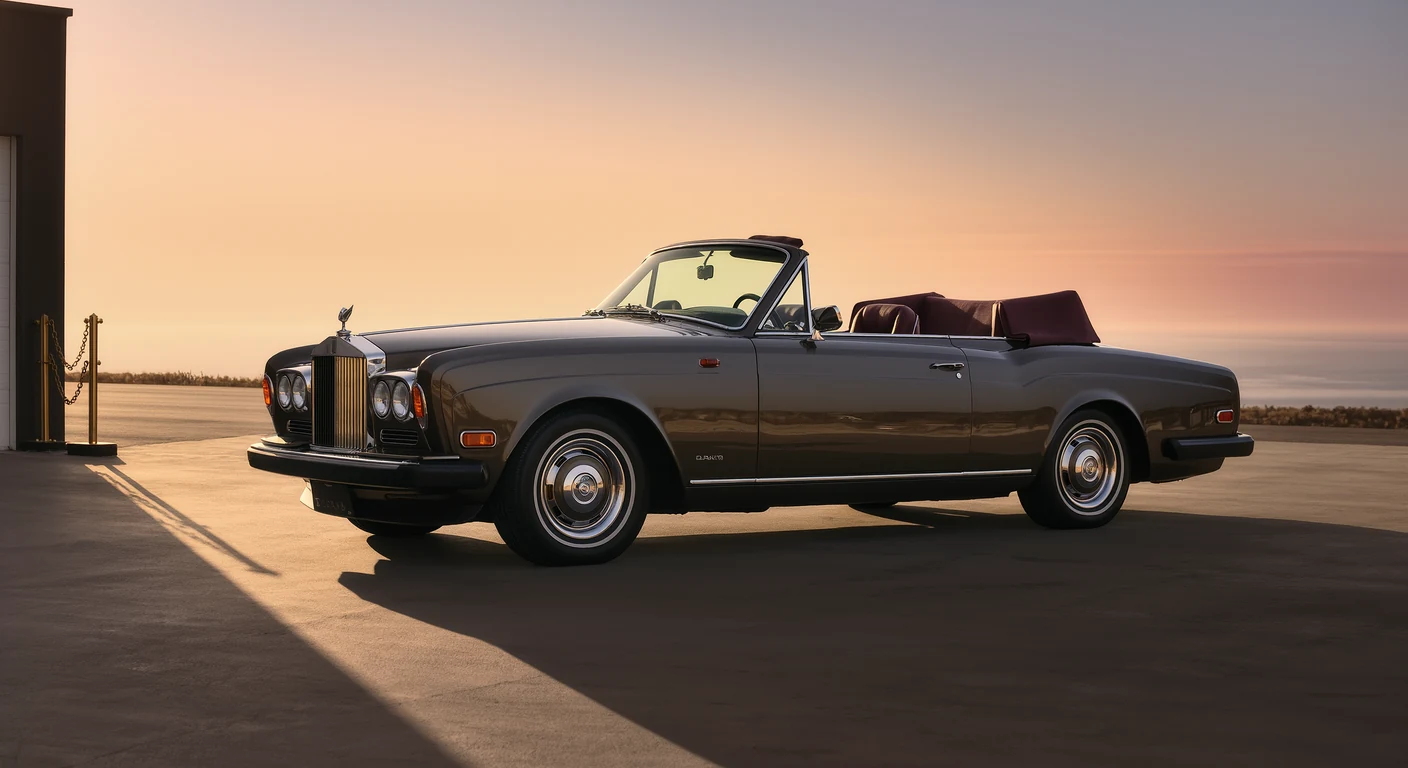
Classic car ownership attracts automotive enthusiasts due to several distinct characteristics of vintage vehicles. These automobiles demonstrate the manufacturing techniques, engineering approaches, and design principles prevalent during their respective production periods. Classic cars serve as historical artifacts that document the evolution of automotive technology and styling trends across different decades.
Beyond their historical significance, classic cars function as collectible assets and expressions of personal taste. The driving experience differs substantially from modern vehicles due to mechanical systems such as manual transmissions, carbureted engines, and non-power-assisted steering and braking systems. These mechanical differences produce distinct operational characteristics including engine sounds, handling dynamics, and driver engagement levels.
Classic car ownership supports an established enthusiast community that organizes events including car shows, concours competitions, and touring rallies. This community facilitates the exchange of technical knowledge, restoration expertise, and parts sourcing information. The social aspects of classic car ownership contribute to its continued popularity among collectors and hobbyists.
Key Takeaways
- Classic car ownership offers emotional appeal but comes with significant financial and maintenance challenges.
- Owners face restrictions in customization, driving, and insurance options due to the car’s vintage status.
- Finding replacement parts and preserving originality can be difficult and costly.
- Limited technology and safety features pose practical concerns for classic car drivers.
- Social stereotypes and the responsibility of upkeep add emotional and social pressures to ownership.
The financial constraints of maintaining a classic car
While the allure of classic car ownership is undeniable, it comes with significant financial constraints. The initial purchase price can be steep, especially for well-maintained models or rare finds. However, the costs do not end there.
Owners must also consider ongoing expenses such as insurance, maintenance, and storage. Classic cars often require specialized care, which can lead to higher repair bills compared to modern vehicles. Moreover, the financial burden can be exacerbated by unexpected repairs.
This unpredictability can strain budgets and lead to frustration for owners who may not have anticipated such expenses. As a result, potential buyers must weigh their passion for classic cars against their financial capabilities.
Limited options for customization and modification
Another challenge faced by classic car owners is the limited options for customization and modification. While many enthusiasts enjoy personalizing their vehicles to reflect their unique style, classic cars often come with restrictions. Modifying a classic car can sometimes diminish its value or authenticity, leading to a dilemma for owners who wish to enhance performance or aesthetics.
Additionally, the availability of aftermarket parts for classic cars can be limited. Many modifications require specific components that may no longer be in production or are difficult to source. This scarcity can hinder an owner’s ability to customize their vehicle fully, leaving them with fewer options than they might have with a modern car.
As a result, owners must carefully consider how far they want to go in personalizing their classic vehicle while maintaining its integrity.
The restrictions of driving a classic car
Driving a classic car can be an exhilarating experience, but it also comes with its own set of restrictions. Many classic cars lack modern conveniences such as air conditioning, power steering, and advanced safety features. This can make daily driving less comfortable and practical compared to contemporary vehicles.
Additionally, some classic cars may not be suitable for long-distance travel or daily commutes due to their age and performance limitations. Furthermore, owners may face legal restrictions regarding emissions and safety standards. In some regions, classic cars must adhere to specific regulations that can limit their use on public roads.
This can create challenges for owners who wish to enjoy their vehicles regularly. The combination of these factors can make driving a classic car less appealing for those who prioritize convenience and comfort in their daily lives.
The challenges of finding replacement parts
One of the most significant challenges of owning a classic car is sourcing replacement parts. As these vehicles age, certain components become increasingly difficult to find. While some parts may still be available through specialty suppliers or online marketplaces, others may require extensive searching or even custom fabrication.
This can lead to delays in repairs and increased costs for owners. Additionally, the quality of replacement parts can vary significantly. Some aftermarket components may not meet the same standards as original parts, potentially affecting performance and reliability.
Owners must navigate this landscape carefully to ensure they are sourcing high-quality replacements that will maintain the integrity of their classic vehicle. This challenge adds another layer of complexity to the ownership experience.
The pressure to preserve originality
Classic car owners often feel immense pressure to preserve the originality of their vehicles. Many enthusiasts believe that maintaining a car’s original condition is essential for preserving its value and historical significance.
The desire for originality can also create tension within the classic car community. Some owners may prioritize restoration over customization, while others may embrace modifications that enhance performance or aesthetics. This divide can lead to debates about what constitutes “true” classic car ownership and how best to honor the legacy of these vehicles.
Ultimately, the pressure to preserve originality can complicate the ownership experience for many enthusiasts.
The impact of limited technology and safety features
Classic cars often lack the advanced technology and safety features found in modern vehicles. While this can contribute to their charm, it also poses significant risks for owners and drivers alike. Features such as anti-lock brakes, airbags, and electronic stability control are absent in most classic cars, making them less safe on today’s roads.
Moreover, limited technology can affect the overall driving experience. Classic cars may not offer conveniences like GPS navigation or Bluetooth connectivity, which have become standard in modern vehicles. This lack of technology can make long trips less enjoyable and practical for owners who are accustomed to contemporary comforts.
As a result, potential buyers must consider whether they are willing to sacrifice these features for the sake of owning a classic vehicle.
The limitations of classic car insurance
Insuring a classic car presents its own set of challenges and limitations. While specialized insurance policies are available for vintage vehicles, they often come with restrictions that may not suit every owner’s needs. For instance, many policies require that the car be stored in a garage or only driven on limited occasions, which can be inconvenient for those who wish to use their vehicle more frequently.
Additionally, determining the value of a classic car for insurance purposes can be complex. Owners must provide documentation and appraisals to ensure they receive adequate coverage in case of theft or damage. This process can be time-consuming and may lead to disputes over valuation if an incident occurs.
As such, navigating the world of classic car insurance requires careful consideration and planning.
The social expectations and stereotypes associated with classic car ownership
Classic car ownership often comes with social expectations and stereotypes that can influence an owner’s experience. Many people associate classic cars with wealth or status, leading to assumptions about an owner’s financial situation or lifestyle choices. This perception can create pressure for owners to maintain their vehicles in pristine condition or participate in social events within the classic car community.
Moreover, stereotypes about classic car enthusiasts can sometimes overshadow the diverse motivations behind ownership. While some individuals may be drawn to the investment potential or status symbol aspect of classic cars, others may simply appreciate the craftsmanship or nostalgia associated with these vehicles. Understanding these social dynamics is essential for fostering a more inclusive community among classic car owners.
The emotional attachment and responsibility of owning a classic car
Owning a classic car often fosters a deep emotional attachment that goes beyond mere possession. Many owners view their vehicles as extensions of themselves, representing personal values and passions. This connection can lead to a sense of pride in ownership but also brings with it a significant responsibility.
Caring for a classic car requires dedication and commitment. Owners must invest time and resources into maintenance and restoration efforts to ensure their vehicles remain in good condition. This responsibility can sometimes feel overwhelming, especially when faced with unexpected repairs or challenges related to sourcing parts.
Balancing this emotional attachment with practical considerations is crucial for a fulfilling ownership experience.
The illusion of freedom in classic car ownership
While many view classic car ownership as a symbol of freedom and individuality, it can also present limitations that challenge this perception. The romanticized idea of cruising down open roads in a vintage vehicle often overlooks the practical realities associated with ownership. Factors such as maintenance costs, legal restrictions, and safety concerns can create barriers that diminish the sense of freedom many enthusiasts seek.
Additionally, the commitment required for maintaining a classic car can feel constraining at times. Owners may find themselves spending more time managing repairs and sourcing parts than enjoying leisurely drives on scenic routes. This paradox highlights the complexities of classic car ownership, while it offers unique experiences and connections to history, it also demands significant effort and responsibility that can sometimes overshadow the allure of freedom.
In conclusion, while classic car ownership is undeniably alluring, it comes with various challenges that potential owners must consider carefully. From financial constraints and limited customization options to emotional attachments and social expectations, each aspect plays a role in shaping the overall experience of owning these timeless vehicles. Understanding these complexities allows enthusiasts to navigate the world of classic cars more effectively while appreciating both their beauty and intricacies.
FAQs
What is meant by “The Illusion of Freedom” in classic car ownership?
The phrase “The Illusion of Freedom” in classic car ownership refers to the perception that owning a classic car offers complete freedom and independence, while in reality, it often comes with various limitations such as maintenance challenges, high costs, and regulatory restrictions.
Why do classic cars require more maintenance than modern vehicles?
Classic cars typically require more maintenance because they have older technology, parts that may be difficult to find, and materials that degrade over time. Additionally, they often lack modern diagnostic systems, making repairs more labor-intensive.
Are there legal restrictions on driving classic cars?
Yes, many regions impose legal restrictions on classic cars, including limitations on when and where they can be driven, emissions standards, and requirements for special registration or insurance.
Is owning a classic car more expensive than owning a modern car?
Generally, owning a classic car can be more expensive due to higher maintenance costs, the need for specialized parts and labor, insurance premiums, and potential storage requirements.
Can classic cars be used as daily drivers?
While some enthusiasts use classic cars as daily drivers, it is often impractical due to reliability issues, fuel efficiency, safety concerns, and legal restrictions. Most owners use them primarily for leisure or special occasions.
What are the common challenges faced by classic car owners?
Common challenges include sourcing rare parts, managing higher maintenance costs, dealing with outdated technology, complying with legal regulations, and protecting the vehicle from environmental damage.
Does owning a classic car increase personal freedom?
While owning a classic car can provide a sense of nostalgia and enjoyment, it does not necessarily increase personal freedom due to the practical and legal constraints associated with their use and upkeep.
More from Blog
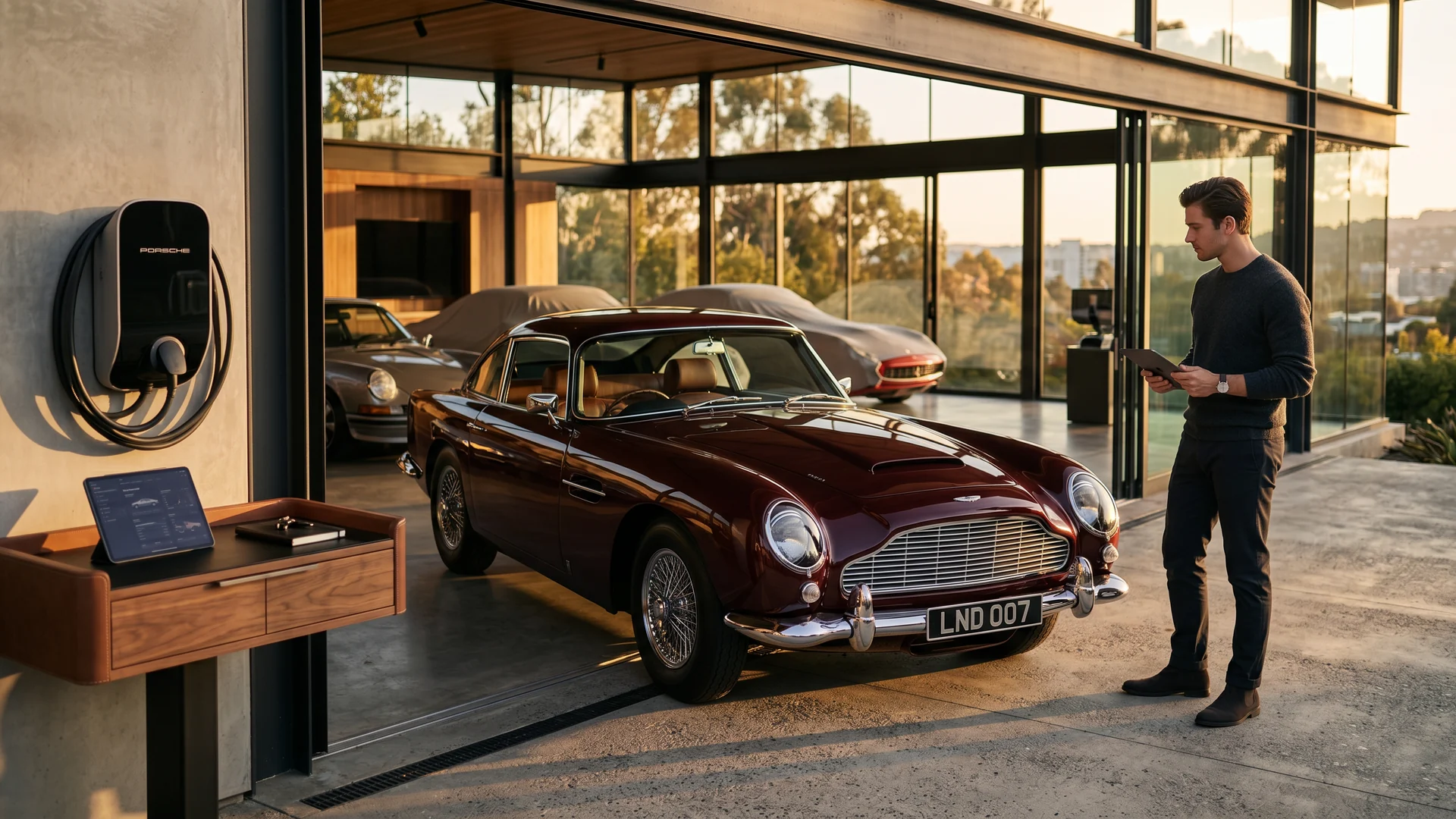
The Future of Classic Car Collecting: Trends Shaping the Next Generation
The future of classic car collecting: why 2035 ICE bans spare existing cars, plus e-fuels, shifting demographics, electromods and fractional ownership…
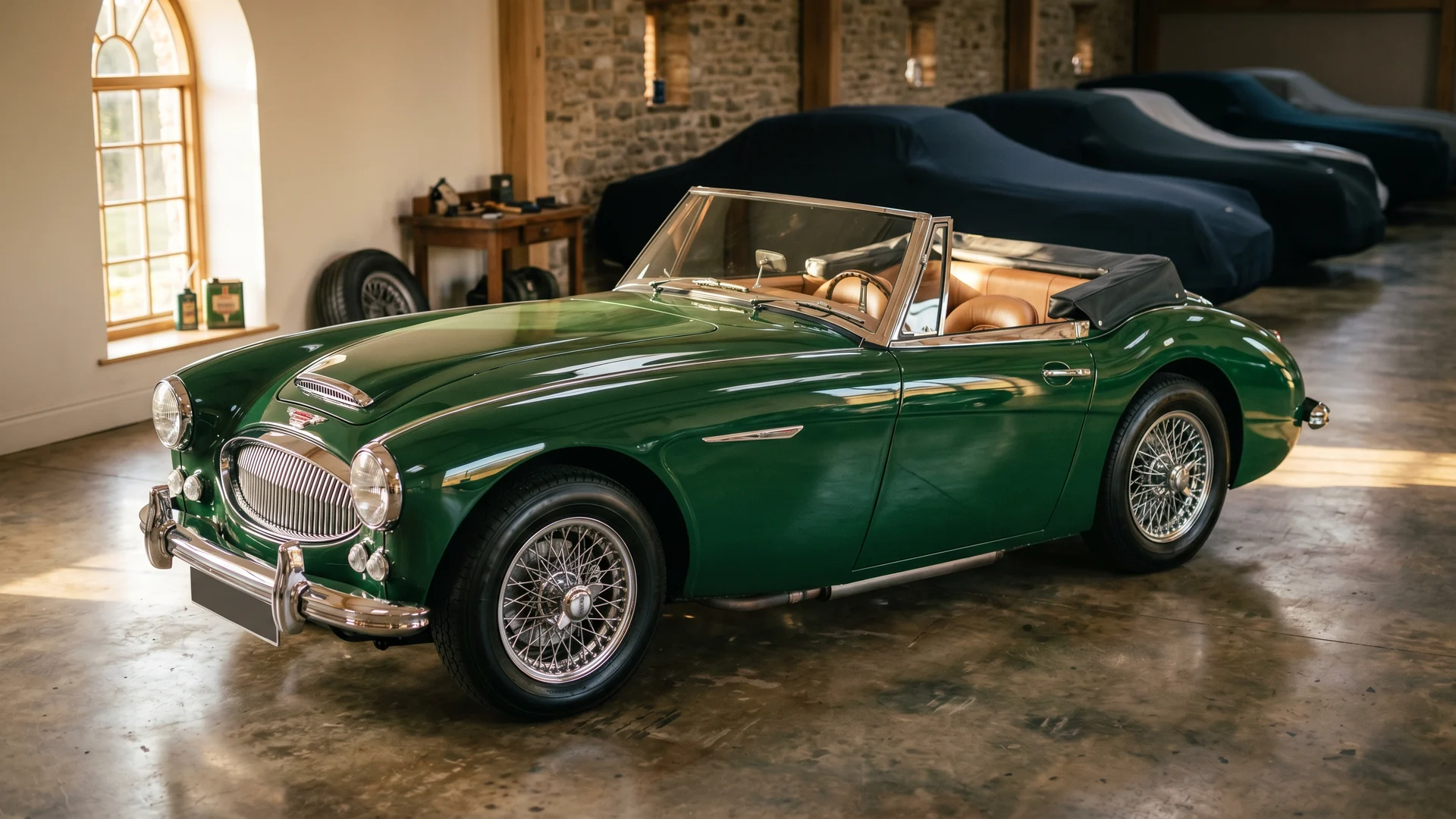
Classic Car Insurance Guide: Protecting Your Vintage Investment
Classic car insurance guide: why agreed-value policies beat stated and actual cash value, how Hagerty, Grundy and Chubb compare, plus costs and covera…
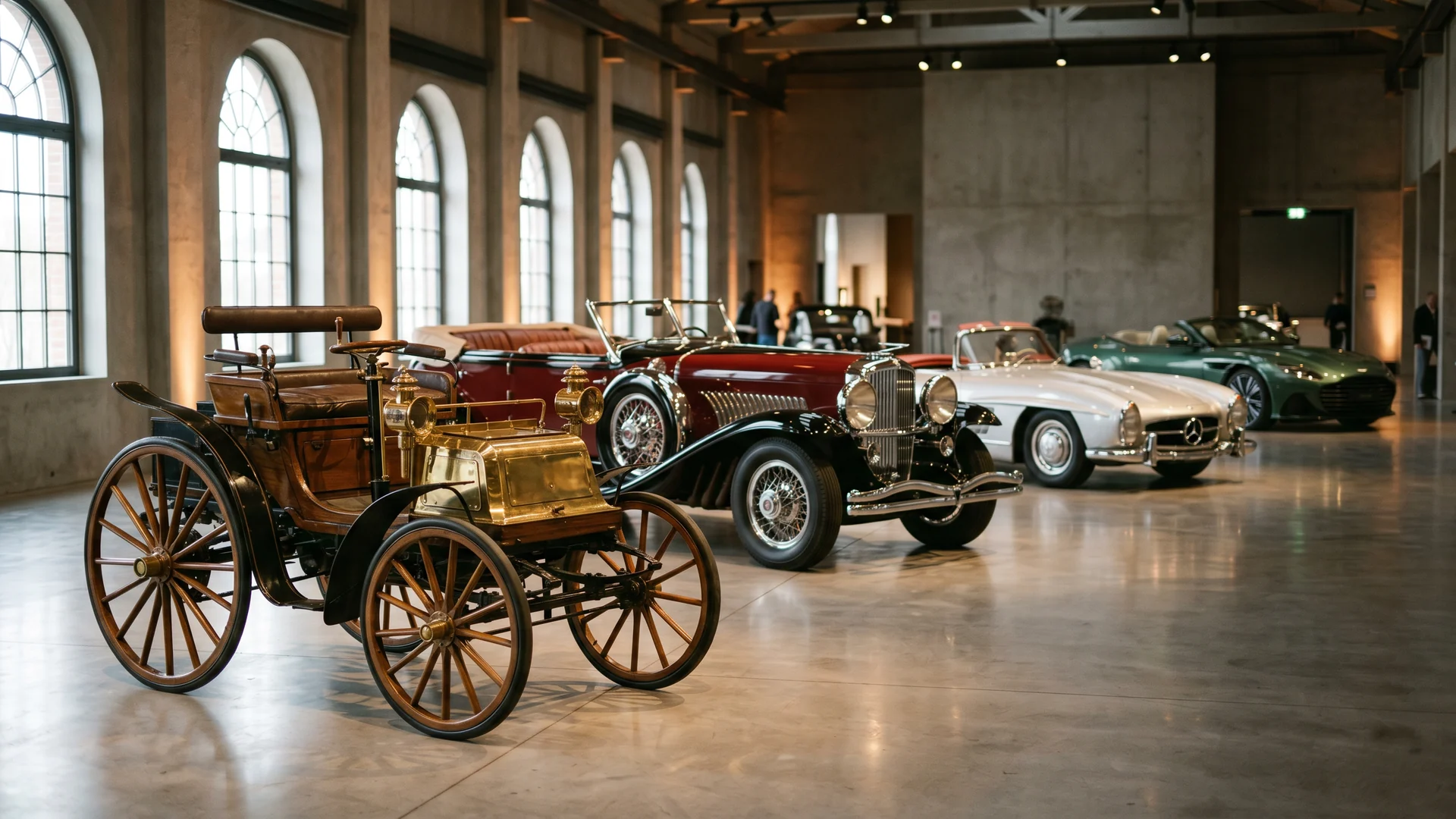
Classic Car History Timeline: From Benz to the Modern Collector Era
Classic car history timeline from the 1886 Benz Patent-Motorwagen through coachbuilding, muscle cars and supercars to modern collectibles. Discover th…