How Wealth Preservation Drives Vintage Car Collecting
Vintage cars hold a distinctive appeal that attracts both enthusiasts and collectors. Their traditional designs, detailed craftsmanship, and historical significance provide a nosta…
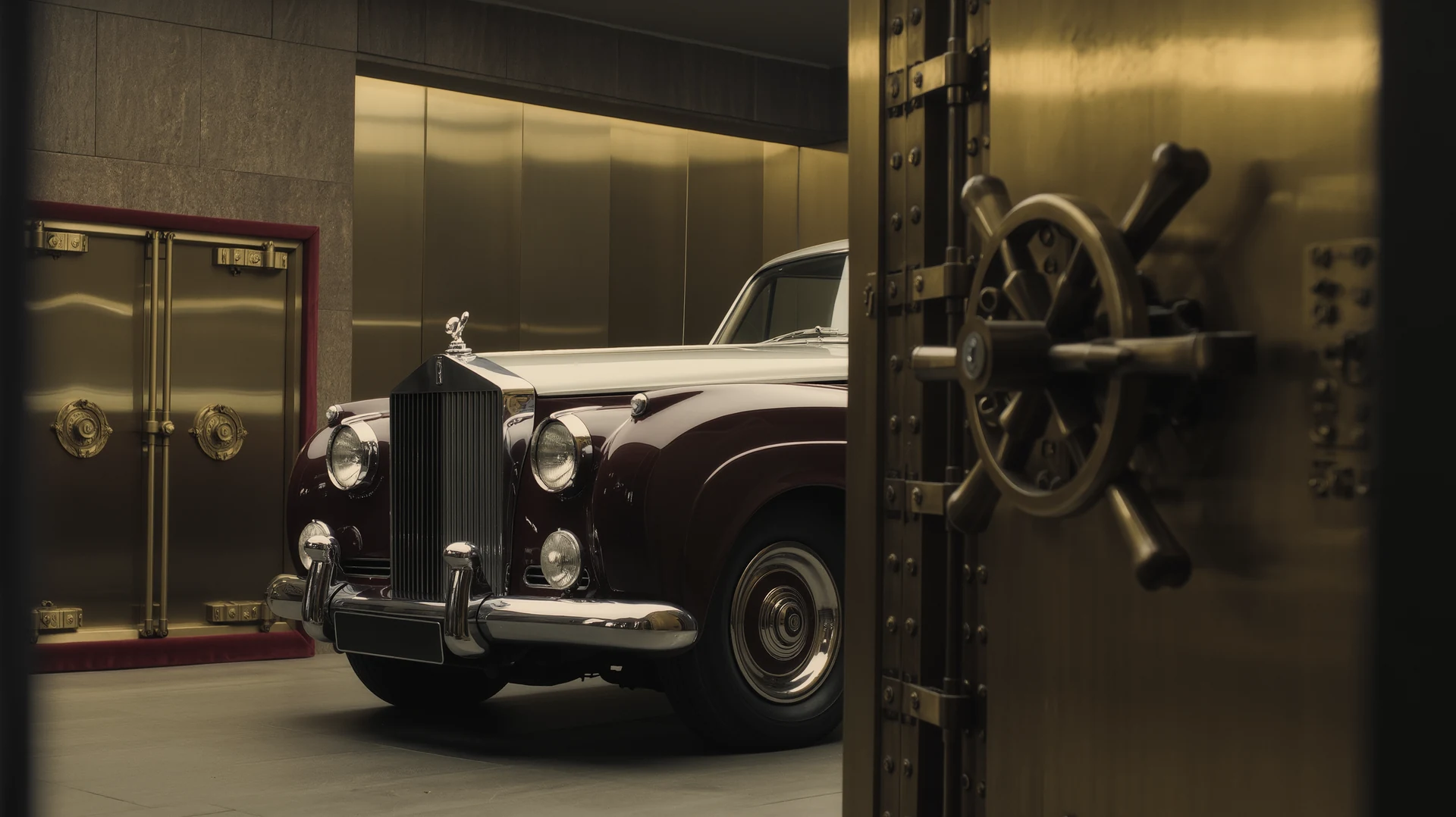
Vintage cars hold a distinctive appeal that attracts both enthusiasts and collectors. Their traditional designs, detailed craftsmanship, and historical significance provide a nostalgic quality that contemporary vehicles typically cannot match.
Their attraction stems from both visual aesthetics and emotional connections, recollections of past eras, journeys, and the exceptional driving experience they offer. Vintage automobiles frequently represent concepts of independence and discovery. They serve as reminders of times when driving was synonymous with exploration.
The distinctive sound of a vintage engine starting creates a temporal connection to earlier decades, making vintage car ownership a deeply individual experience. For many enthusiasts, the appeal extends beyond the vehicle itself to encompass the associated lifestyle and social connections. The fascination with vintage cars is complex, attracting those who value aesthetics, history, and driving pleasure.
Key Takeaways
- Vintage cars attract enthusiasts due to their unique design, history, and charm.
- They hold strong investment potential, often appreciating in value over time.
- Their rarity and exclusivity make them highly sought after by collectors.
- Nostalgia and emotional connection play a significant role in their appeal.
- Maintenance, restoration, and active collector communities are crucial for preserving value and interest.
Investment potential
Investing in vintage cars has become increasingly popular as collectors recognize their potential for significant returns. Unlike traditional investments that can be volatile, vintage cars often appreciate over time, especially rare models or those with historical significance. The market for classic automobiles has shown resilience, even during economic downturns, making them an attractive option for diversifying one’s investment portfolio.
Furthermore, the demand for vintage cars continues to grow as new generations discover their charm. This rising interest can lead to increased values for well-maintained models. Collectors often find that their investments not only hold value but can also yield profits when sold at the right time.
With proper research and a keen eye for quality, investing in vintage cars can be both a passion and a lucrative venture.
Historical significance
The historical significance of vintage cars cannot be overstated. Each model tells a story about the time it was created, reflecting the technological advancements and cultural shifts of its era. For instance, cars from the early 20th century showcase the birth of the automotive industry, while models from the 1960s and 70s highlight the rise of performance and design innovation.
Collectors often seek out vehicles that represent pivotal moments in automotive history, making them not just collectors’ items but also artifacts of cultural heritage.
For example, certain models may be associated with famous personalities or iconic moments in motorsport.
Owning such a vehicle allows collectors to preserve these stories and share them with future generations. The historical significance of vintage cars adds depth to their value, making them more than just machines; they are tangible connections to our past.
Rarity and exclusivity
Rarity and exclusivity are key factors that drive the appeal of vintage cars. Limited production runs or unique features make certain models highly sought after by collectors. The scarcity of these vehicles often leads to increased demand, which can significantly boost their market value.
For many collectors, owning a rare vintage car is not just about having a beautiful vehicle; it’s about possessing something that few others can claim. Additionally, exclusivity enhances the prestige associated with vintage car ownership. Many collectors take pride in having a unique piece in their collection that stands out at car shows or gatherings.
This sense of exclusivity fosters a community among collectors who share similar interests and passions. The rarity of certain models creates an environment where enthusiasts can connect over their shared appreciation for these exceptional vehicles.
The role of nostalgia
Nostalgia plays a powerful role in the allure of vintage cars. For many individuals, these vehicles evoke fond memories of their youth or significant moments in their lives. Whether it’s reminiscing about family road trips or recalling the first car they ever owned, vintage cars serve as tangible reminders of cherished experiences.
This emotional connection often drives collectors to seek out specific models that resonate with their personal histories. Moreover, nostalgia extends beyond individual experiences; it encompasses a collective memory of an era when cars were not just modes of transportation but symbols of freedom and adventure. As society becomes increasingly digital and fast-paced, many find comfort in the slower, more deliberate experience of driving a vintage car.
This longing for simpler times fuels the passion for collecting and preserving these automotive treasures.
The impact of wealth preservation
Wealth preservation is another compelling reason why individuals invest in vintage cars. In an unpredictable economic landscape, tangible assets like classic automobiles can provide a hedge against inflation and market volatility. Unlike stocks or bonds, which can fluctuate dramatically in value, well-maintained vintage cars tend to hold their worth over time.
This stability makes them an attractive option for those looking to safeguard their wealth. Additionally, vintage cars can offer tax advantages for collectors who choose to donate or sell their vehicles under certain conditions. By understanding the financial implications of owning classic cars, collectors can make informed decisions that enhance their investment strategy while enjoying the benefits of ownership.
Wealth preservation through vintage car collecting is not just about financial gain; it’s also about enjoying a passion that can be shared with others.
The influence of economic stability
Economic stability plays a crucial role in the vintage car market. During periods of economic growth, disposable income increases, allowing more individuals to invest in luxury items like classic automobiles. Conversely, during economic downturns, the market may experience fluctuations as potential buyers become more cautious with their spending.
However, even in challenging times, dedicated collectors often continue to pursue their passion for vintage cars. The resilience of the vintage car market can be attributed to its dedicated community of enthusiasts who prioritize their collections regardless of economic conditions. This unwavering commitment helps maintain demand for classic vehicles, ensuring that values remain relatively stable over time.
Understanding how economic factors influence the market can help collectors make strategic decisions about when to buy or sell their prized possessions.
The appeal of tangible assets
In an increasingly digital world, the appeal of tangible assets like vintage cars is more pronounced than ever. Owning a physical object that embodies craftsmanship and history provides a sense of satisfaction that virtual investments cannot replicate. Vintage cars offer collectors a unique opportunity to engage with their investments on a personal level, driving them, restoring them, and showcasing them at events.
Moreover, tangible assets like classic automobiles can serve as conversation starters and social connectors within collector communities. Sharing stories about restoration projects or discussing the intricacies of different models fosters camaraderie among enthusiasts. This tangible connection to both the vehicle and fellow collectors enhances the overall experience of owning a vintage car.
The importance of maintenance and restoration
Maintenance and restoration are critical aspects of owning vintage cars that directly impact their value and longevity. Regular upkeep ensures that these vehicles remain in optimal condition, preserving their aesthetic appeal and mechanical integrity. Collectors often invest time and resources into maintaining their cars, recognizing that proper care can significantly enhance resale value.
Restoration projects also provide an opportunity for collectors to engage deeply with their vehicles. Whether restoring a classic model to its original glory or customizing it to reflect personal tastes, these projects allow owners to express their creativity while preserving automotive history. Understanding the importance of maintenance and restoration is essential for anyone considering entering the world of vintage car collecting.
The impact of collector communities
Collector communities play a vital role in fostering enthusiasm for vintage cars. These groups provide platforms for enthusiasts to connect, share knowledge, and participate in events such as car shows or rallies. Being part of a community allows collectors to learn from one another, exchange tips on maintenance and restoration, and discover new models to add to their collections.
Additionally, collector communities often advocate for preserving automotive history through educational initiatives and charitable events. By participating in these groups, collectors contribute to a larger movement that values heritage and craftsmanship while enjoying camaraderie with like-minded individuals. The impact of these communities extends beyond individual collections; they help sustain interest in vintage cars for future generations.
The future of vintage car collecting
The future of vintage car collecting appears bright as new generations embrace classic automobiles’ charm and significance. As interest grows among younger enthusiasts, we may see shifts in collecting trends, such as increased demand for electric conversions or modernized restorations that blend classic aesthetics with contemporary technology. This evolution reflects broader societal changes while maintaining respect for automotive heritage.
Moreover, advancements in technology will likely enhance how collectors engage with their vehicles and communities. Online platforms for buying, selling, and sharing information about vintage cars are becoming increasingly popular, making it easier for enthusiasts to connect globally. As the landscape continues to evolve, one thing remains clear: the passion for vintage cars will endure as long as there are individuals who appreciate their beauty and history.
In conclusion, vintage cars represent more than just vehicles; they embody history, nostalgia, investment potential, and community spirit. Whether you’re drawn by their allure or seeking an investment opportunity, understanding the multifaceted aspects of vintage car collecting can enrich your experience as an enthusiast or collector. Embrace this timeless passion today!
FAQs
What is wealth preservation in the context of vintage car collecting?
Wealth preservation refers to strategies and practices aimed at maintaining and protecting the value of assets over time. In vintage car collecting, it involves acquiring and maintaining classic cars that are likely to retain or increase in value, thereby safeguarding the collector’s financial investment.
Why do people consider vintage cars a good option for wealth preservation?
Vintage cars are often seen as tangible assets that can appreciate in value due to their rarity, historical significance, and desirability among collectors. Unlike some other investments, classic cars can provide both enjoyment and potential financial returns, making them attractive for wealth preservation.
What factors influence the value of vintage cars?
Several factors affect a vintage car’s value, including its rarity, condition, provenance, originality, historical importance, and market demand. Well-maintained cars with documented history and limited production numbers tend to preserve or increase their value better.
How does maintenance impact the wealth preservation of vintage cars?
Proper maintenance is crucial for preserving a vintage car’s condition and value. Regular servicing, using authentic parts, and storing the vehicle in suitable environments help prevent deterioration and ensure the car remains desirable to collectors.
Are vintage cars a liquid asset for wealth preservation?
Vintage cars are generally considered less liquid than stocks or bonds because selling them can take time and depends on finding the right buyer. However, the niche market of classic car collectors can facilitate sales, especially for highly sought-after models.
What risks are associated with using vintage cars for wealth preservation?
Risks include market volatility, changes in collector preferences, high maintenance costs, potential damage, and the need for specialized knowledge to authenticate and value cars accurately. These factors can affect the investment’s stability and returns.
Can vintage car collecting be combined with other wealth preservation strategies?
Yes, vintage car collecting is often part of a diversified investment portfolio. Collectors may balance their holdings with stocks, real estate, and other assets to mitigate risk and enhance overall wealth preservation.
How does provenance affect the value and wealth preservation potential of a vintage car?
Provenance, or the documented history of a car’s ownership and use, can significantly enhance its value. Cars with notable previous owners, participation in famous events, or original documentation tend to be more desirable and better at preserving wealth.
Is vintage car collecting suitable for all investors interested in wealth preservation?
Vintage car collecting is typically more suitable for investors with a passion for automobiles, sufficient capital, and willingness to manage the associated risks and maintenance. It may not be ideal for those seeking highly liquid or low-maintenance investments.
How can one start collecting vintage cars for wealth preservation?
Starting involves researching the market, understanding car values, assessing personal interests, and consulting experts. Potential collectors should focus on acquiring well-documented, desirable models and plan for ongoing maintenance and storage costs.
More from Blog
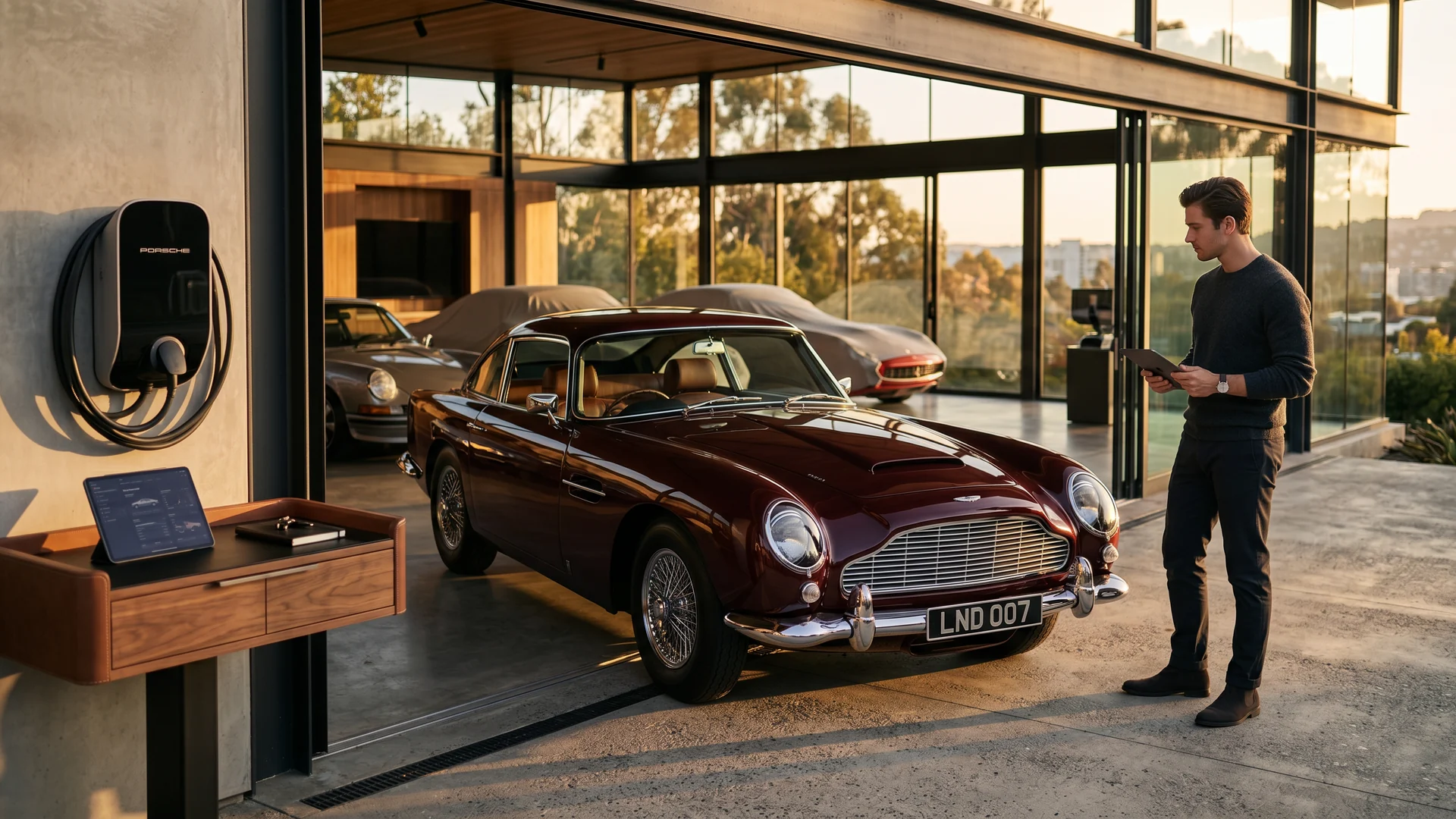
The Future of Classic Car Collecting: Trends Shaping the Next Generation
The future of classic car collecting: why 2035 ICE bans spare existing cars, plus e-fuels, shifting demographics, electromods and fractional ownership…
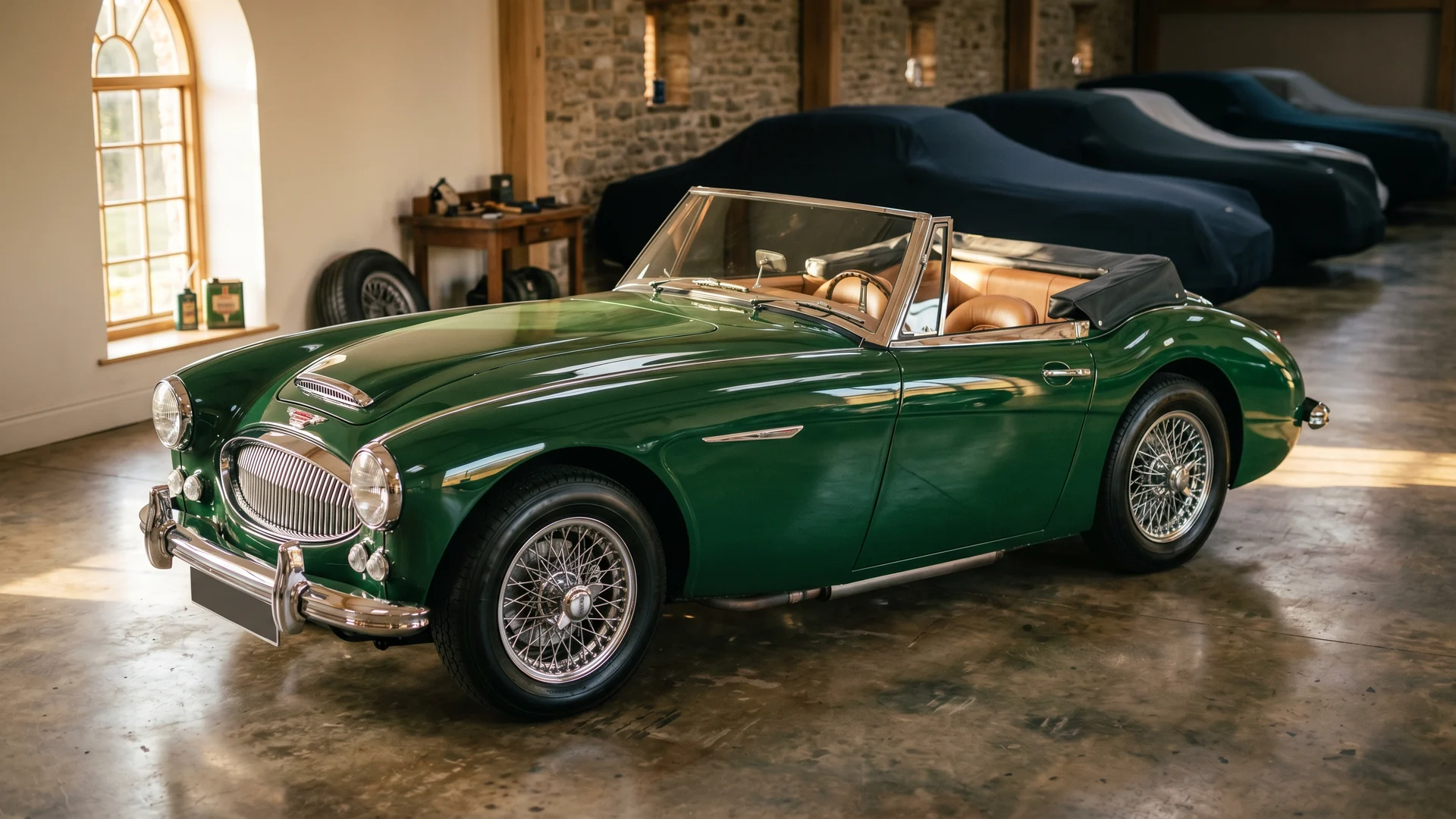
Classic Car Insurance Guide: Protecting Your Vintage Investment
Classic car insurance guide: why agreed-value policies beat stated and actual cash value, how Hagerty, Grundy and Chubb compare, plus costs and covera…
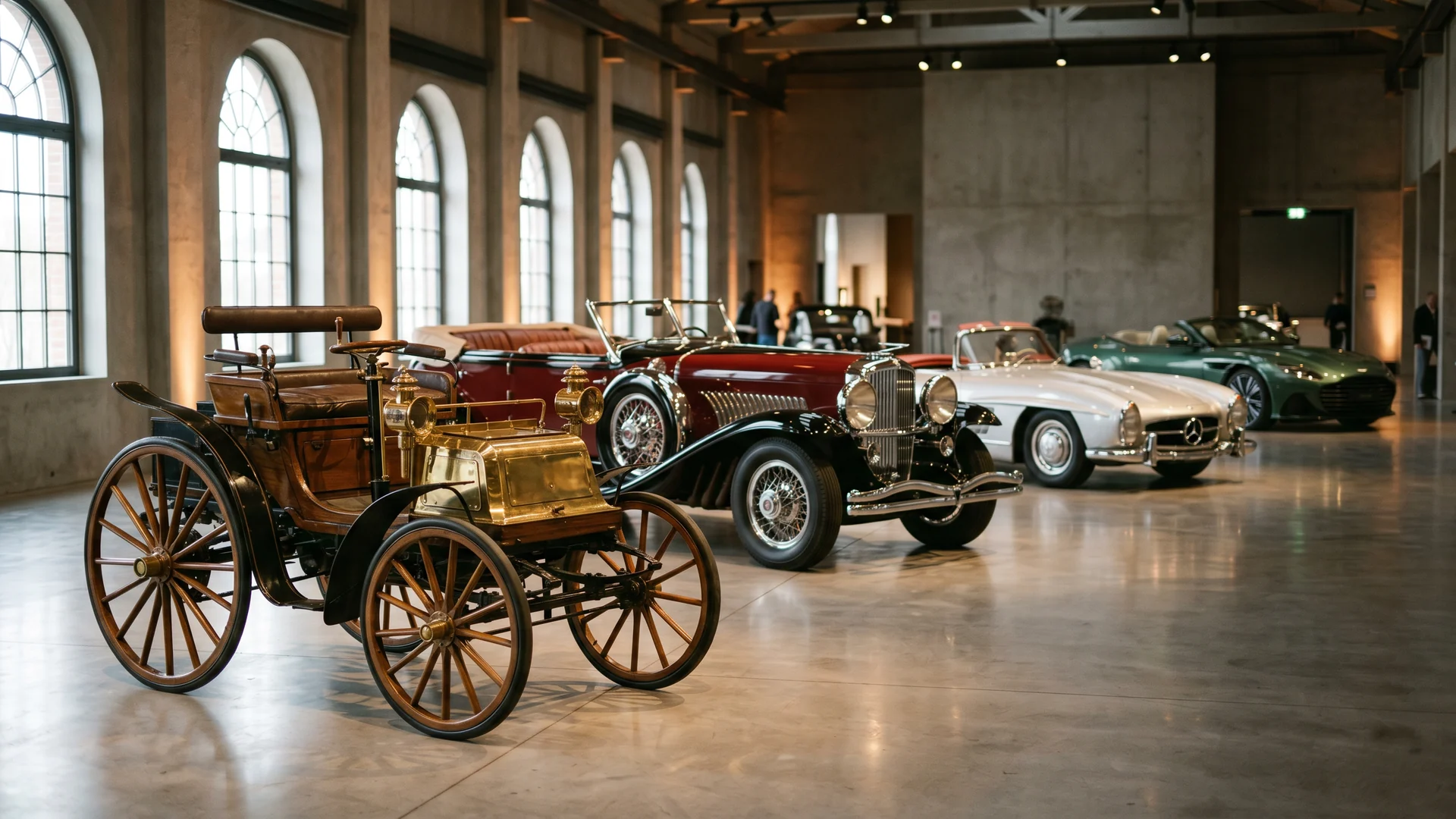
Classic Car History Timeline: From Benz to the Modern Collector Era
Classic car history timeline from the 1886 Benz Patent-Motorwagen through coachbuilding, muscle cars and supercars to modern collectibles. Discover th…